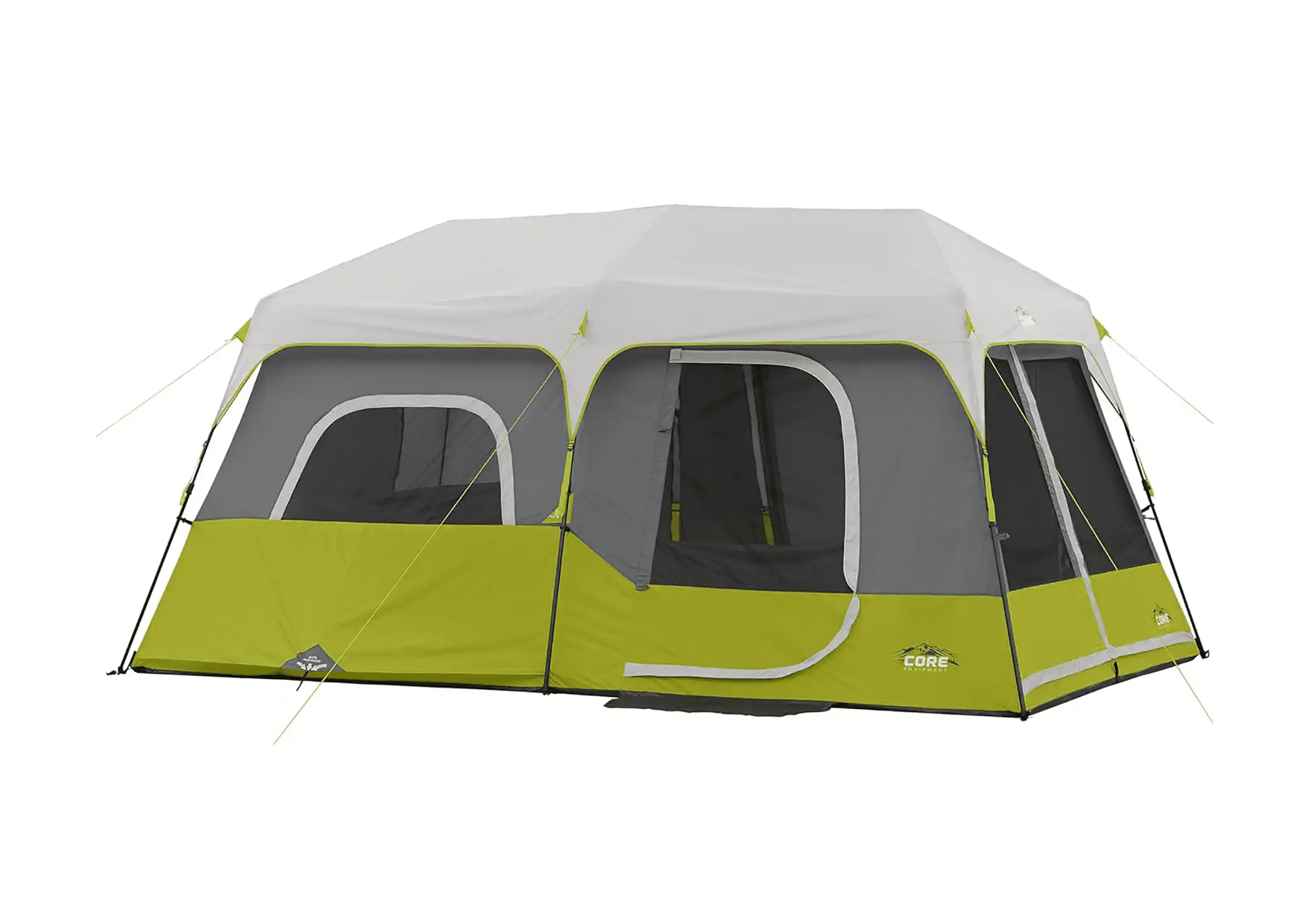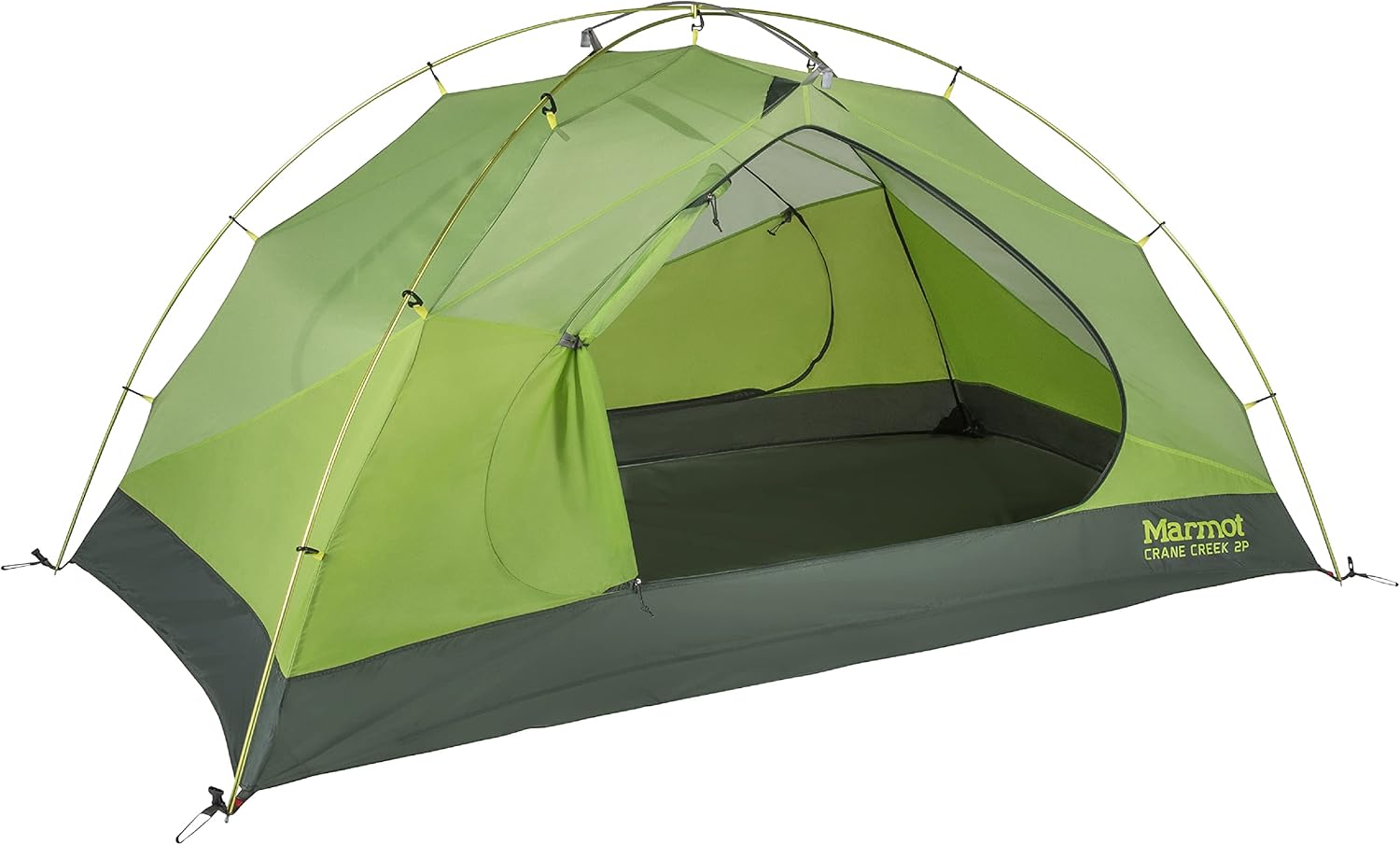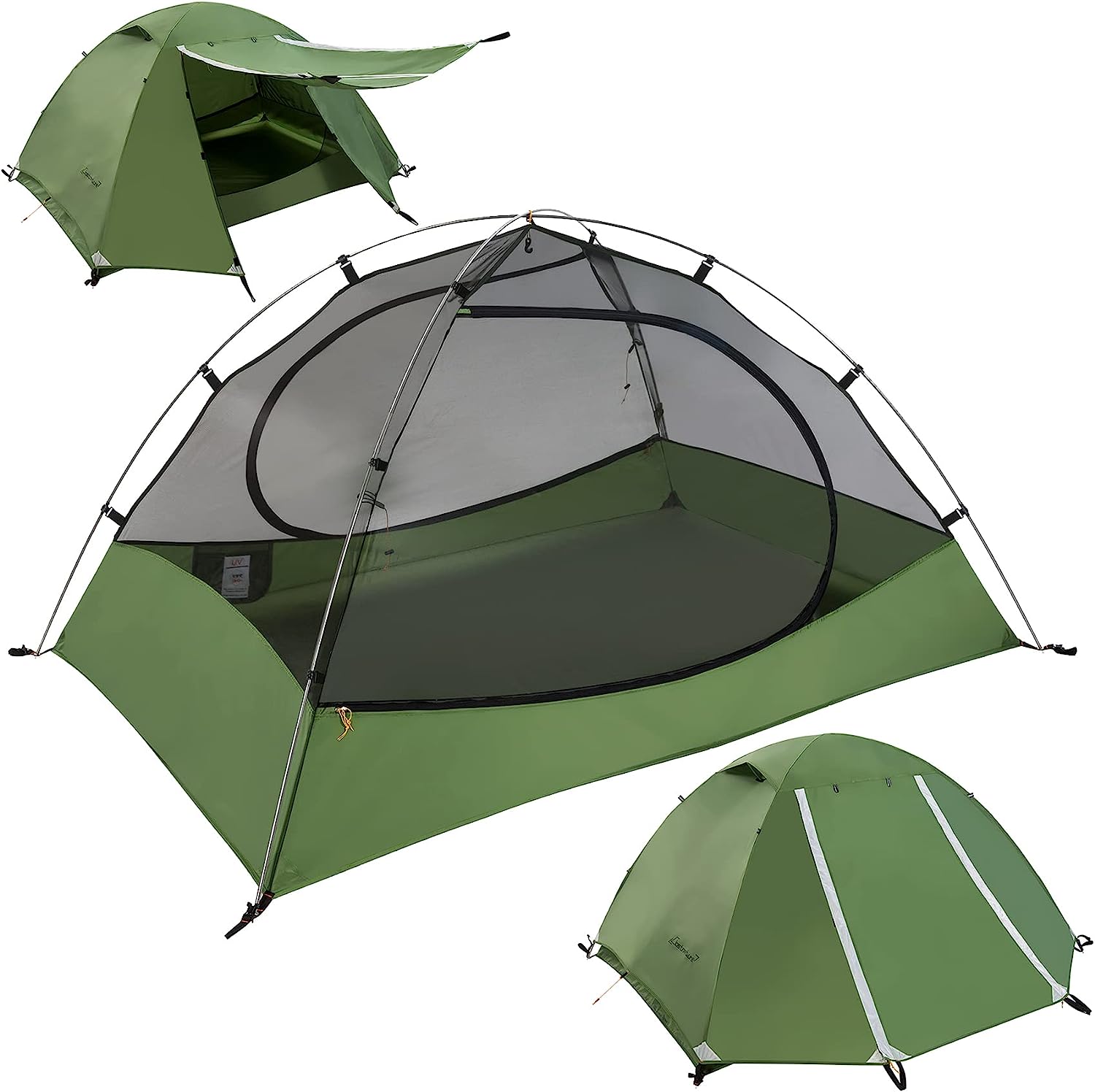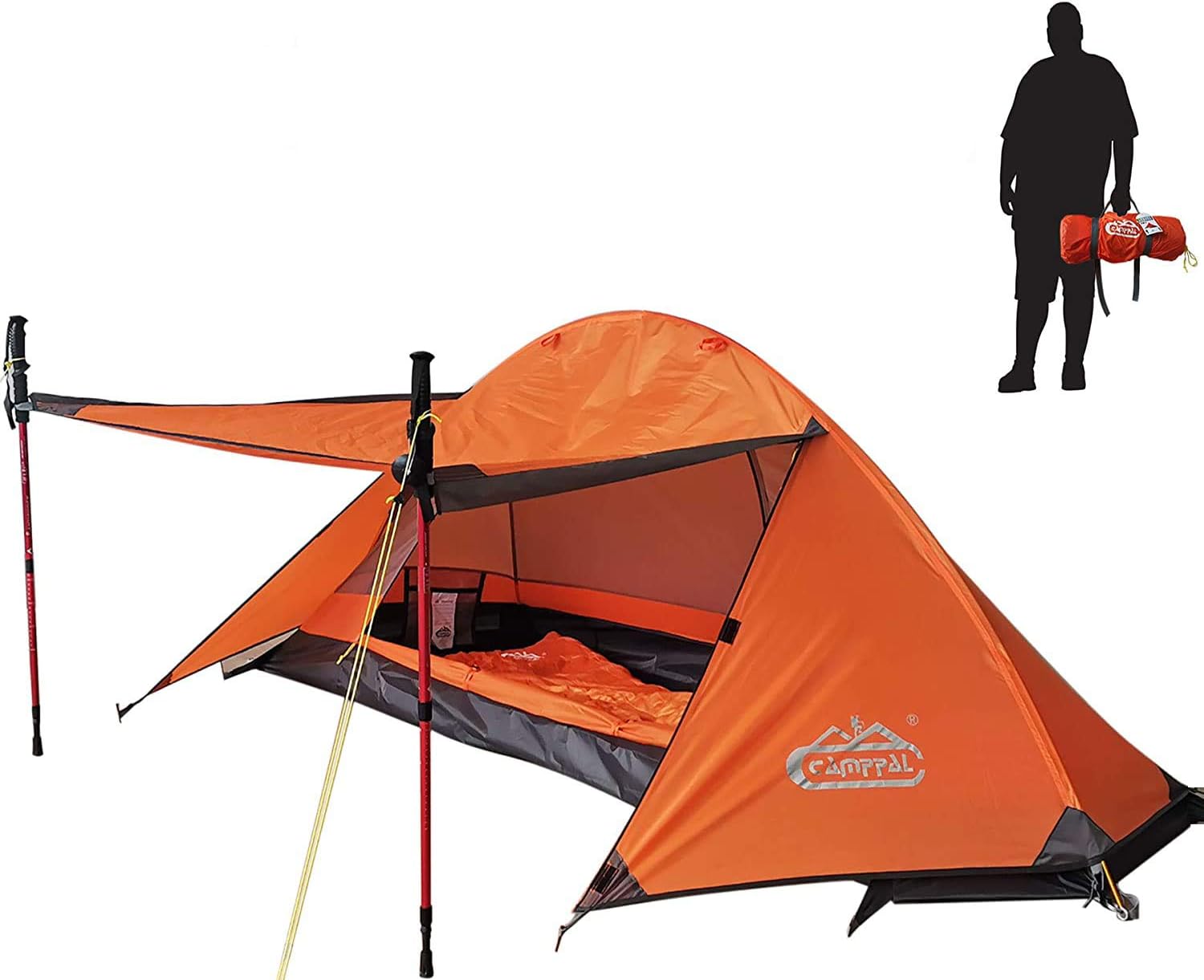

Camping in Arches National Parl

Skip to article content
Wild Wanderers Almanac

Camping in Arches National Park for the First Time

Planning your first time camping in Arches National Park? Learn the best time to go, where to camp, what to pack, and what to expect for an unforgettable desert camping trip near Moab.
Camping in Arches National Park
10–12 minute read
camping in Arches National Park for the first time

Quick facts about camping in Arches National Park

Camping in Arches National Park offers red rock scenery, dark skies, famous hiking trails, and easy access to some of Utah’s most iconic desert landscapes.

1

Spring and fall are usually the best seasons for camping in Arches National Park.

2

Devils Garden Campground is the main campground inside the park.

3

Summer heat can be intense, especially for first-time desert campers.

4

Arches is close to Moab, which gives campers access to supplies, restaurants, and extra lodging options nearby.

5

Camping here puts you close to arches, scenic drives, and sunrise and sunset viewpoints.
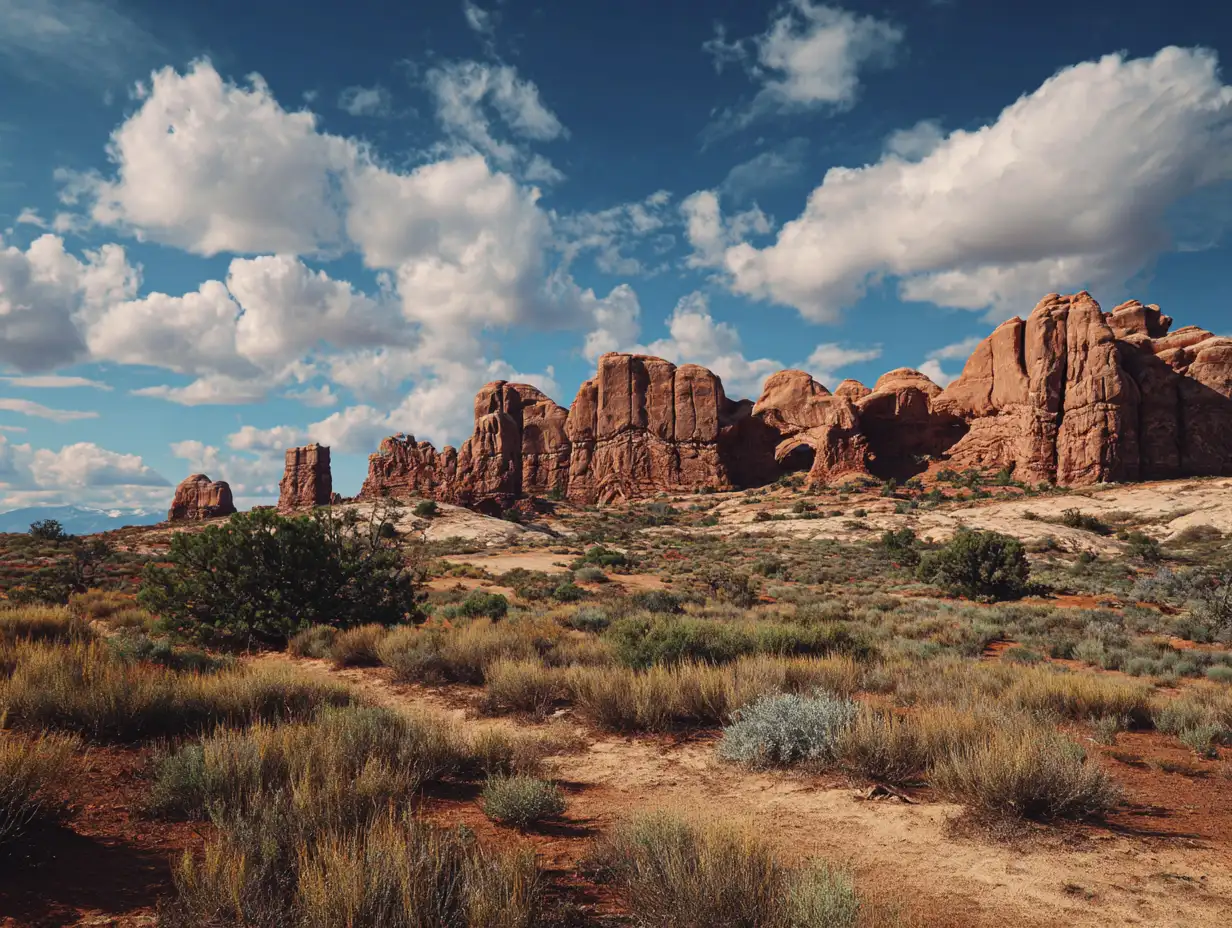
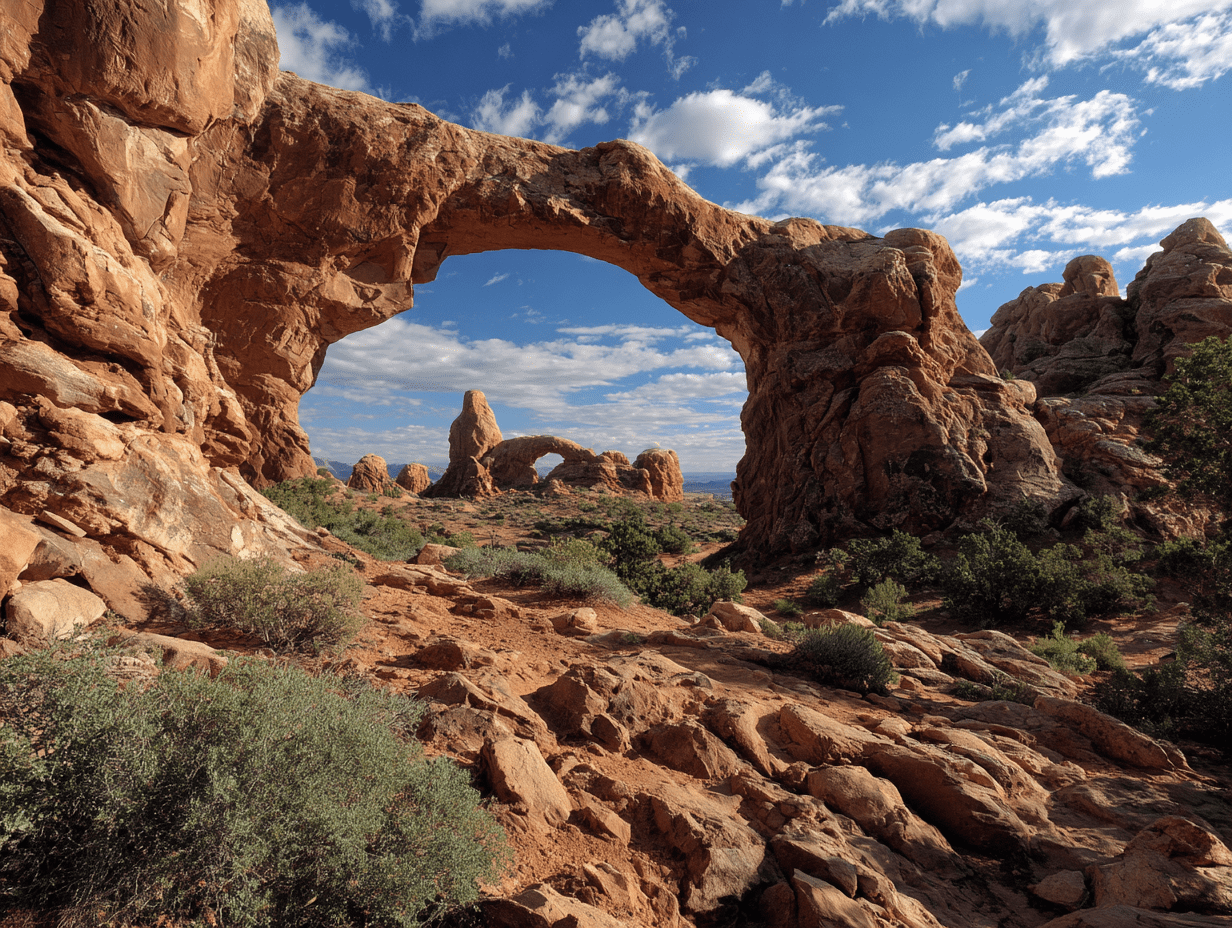
camping in Arches National Park near red rock desert scenery
Arches combines dramatic red rock scenery, desert campsites, and quick access to some of the most famous landscapes in Utah.

What first-time campers should know about Arches

Camping in Arches National Park is one of the best ways to experience Utah’s red rock desert. Located near Moab, the park is known for its massive sandstone arches, scenic viewpoints, winding roads, and unforgettable sunrise and sunset light.

For first-time visitors, camping in Arches National Park offers a front-row seat to one of the most photogenic landscapes in the American Southwest.

The park may feel more accessible than some remote desert parks, but conditions still require planning. Heat, sun exposure, and limited campground space can all affect your trip if you do not prepare in advance.

This guide covers the best time to visit, where to camp, what to pack, what to expect, and how to make your first camping trip to Arches National Park smooth and enjoyable.

Why Arches is perfect for first-time campers

Arches National Park is a great choice for first-time campers because it delivers incredible scenery without feeling too complicated to visit. The park is easy to navigate, close to Moab, and packed with short hikes, overlooks, and iconic landmarks.

Instead of needing a deep backcountry setup, many visitors can enjoy a memorable camping trip with a standard tent setup and a well-planned itinerary.

What makes Arches so appealing

  • Easy access from Moab
  • Stunning red rock formations and famous natural arches
  • Beautiful sunrise and sunset photography opportunities
  • Great mix of short walks, scenic drives, and longer hikes
  • A memorable desert camping experience without needing a remote wilderness plan

Why it works for a first trip

For first-time campers, Arches offers a nice balance of convenience and adventure. You get the beauty of desert camping while still being close enough to town for supplies and backup options.

Why first-timers love Arches

Camping in Arches National Park gives beginners an easy way to enjoy classic Utah desert scenery, dark skies, and iconic hiking trails without feeling too far from support.
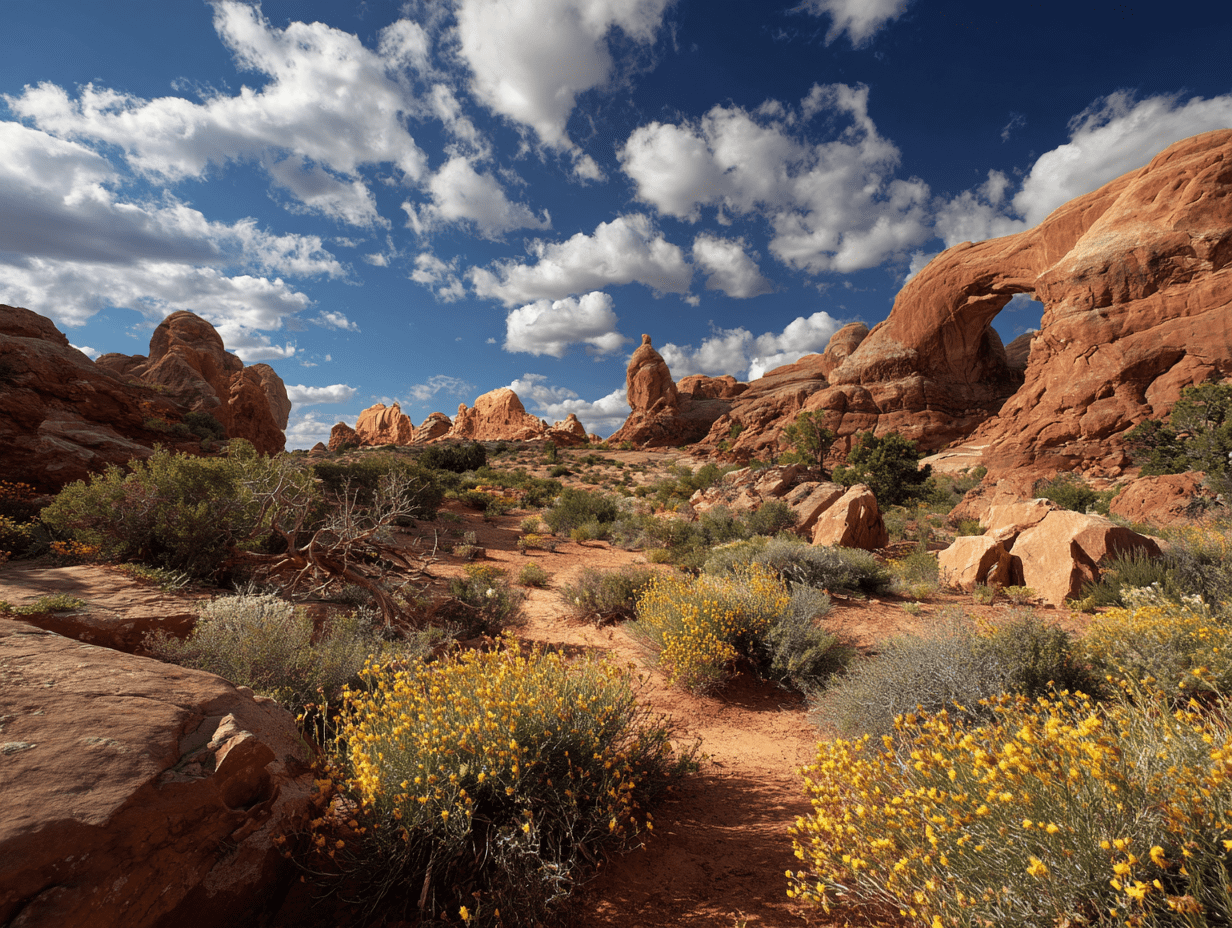
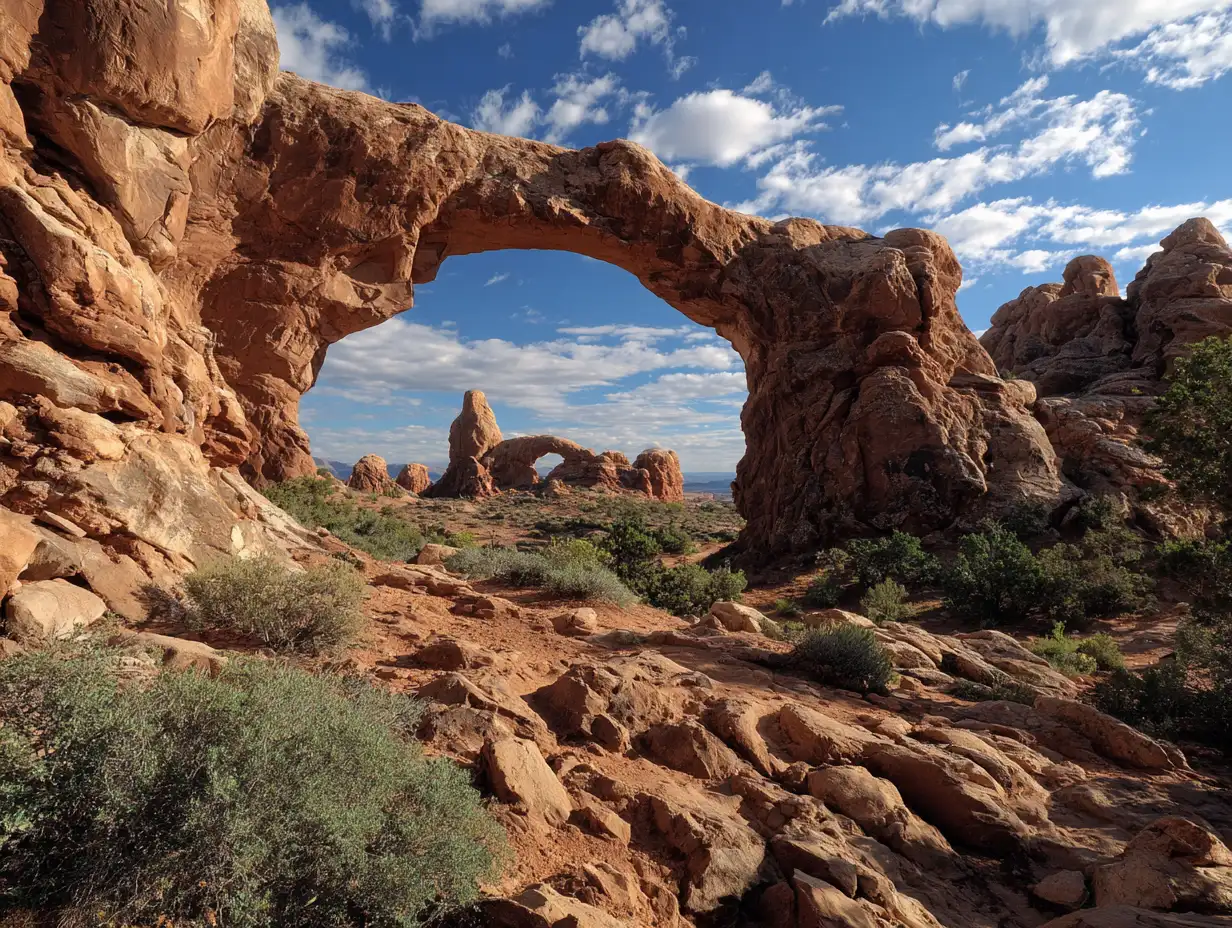
why camping in Arches National Park is great for first-time campers
Arches makes it easy to pair simple camping with world-class red rock views and unforgettable desert hikes.
best time for camping in Arches National Park and campground options
Choosing the right season and campsite can make camping in Arches National Park much more comfortable.

Best time to visit and where to camp

The best time for camping in Arches National Park is usually spring and fall, when daytime temperatures are more comfortable for hiking and exploring. March through May and September through October are especially popular.

Summer can be extremely hot, with little shade across much of the park. Winter can be quieter and beautiful, but nights can get cold and weather can be less predictable.

Camping options in and near Arches

  • Devils Garden Campground – the main campground inside Arches National Park with scenic surroundings and easy park access
  • Moab campgrounds – a good alternative when in-park sites are booked
  • BLM camping near Moab – more rugged and flexible options for travelers comfortable with fewer amenities

Devils Garden Campground is the most convenient option for camping in Arches National Park, but it fills quickly, especially during peak season. Booking early is important if you want to camp inside the park.

Choosing the right camping setup

  • Stay in Devils Garden for the most immersive park experience
  • Choose Moab for more convenience and services
  • Consider nearby public land camping for more flexibility and budget-friendly options
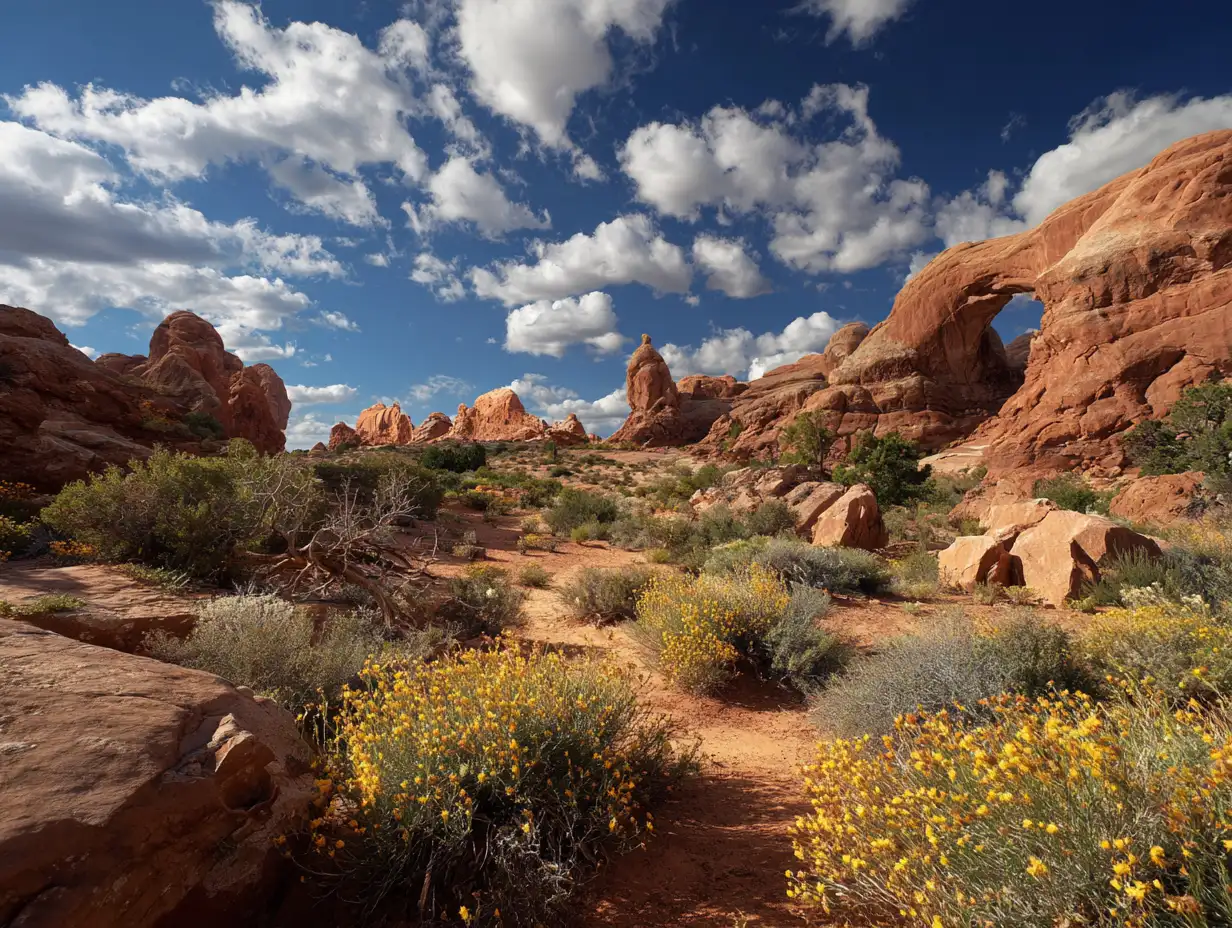
what to expect when camping in Arches National Park
Camping in Arches feels scenic and accessible, but desert conditions still require preparation and awareness.

What to expect when camping in Arches

Camping in Arches National Park is all about open desert landscapes, red rock views, and spending long days outdoors. Compared to forested campgrounds, you will notice less shade, more exposure to sun and wind, and bigger temperature swings between day and night.

While the park is close to Moab, the camping experience still feels distinctly desert-like. That means hydration, sun protection, and timing matter.

What surprises first-time campers most

  • How exposed many areas are to direct sun
  • How quickly the desert cools down after sunset
  • How early popular trails and viewpoints can get busy

One of the biggest advantages of camping in Arches National Park is being able to experience early mornings and evenings inside the park, when lighting is best and temperatures are more comfortable.

Why preparation matters here

  • Shade is limited in much of the park
  • Water is essential for every hike and outing
  • Campground reservations can be highly competitive during peak seasons

Arches camping mindset

Think of Arches as a scenic desert basecamp where planning for heat, timing, and reservations makes the experience far more enjoyable.
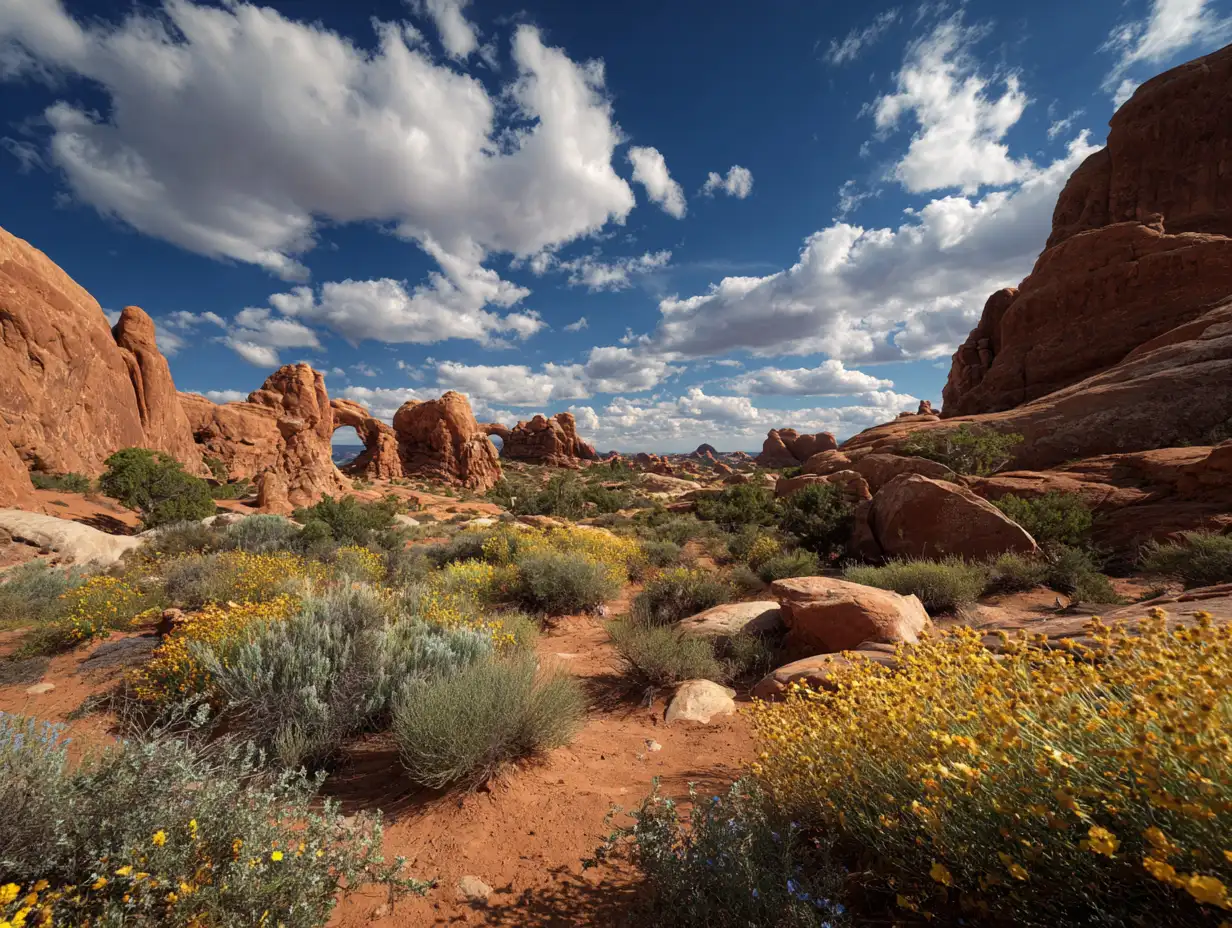
camping in Arches National Park with red rock scenery and dark skies

Arches camping tip

Camping in Arches National Park is best when you plan around sun, crowds, and desert conditions

Start hikes early, reserve your campsite ahead of time, and take advantage of the cooler morning and evening hours for the best experience in the park.

Top things to do while camping in Arches National Park

One of the biggest advantages of camping in Arches National Park is how easy it is to start exploring early. You can reach trails, overlooks, and scenic roads before the biggest crowds of the day arrive.

Hiking is one of the top activities here, with options ranging from short viewpoints to more memorable hikes across slickrock and desert trails.

Best activities for first-time visitors

  • Visit Delicate Arch for one of the park’s most iconic views
  • Explore Devils Garden for arches, fins, and longer hiking routes
  • Stop at Balanced Rock and other easy-access viewpoints
  • Drive the main park road for sunrise and sunset overlooks

Photography is another major highlight. The way sunlight hits the sandstone formations at golden hour makes Arches one of the most rewarding parks for scenic photography.

Why mornings and evenings matter most

  • Cooler temperatures make hiking more comfortable
  • Light is better for photos and scenic views
  • You can avoid some of the midday heat and heavier visitor traffic

Camping in Arches National Park gives you the chance to enjoy the park during its best hours, which is one of the biggest reasons staying overnight is so worthwhile.

Arches at its best

From sunrise hikes to sunset viewpoints to quiet desert nights, Arches offers campers a more immersive way to experience one of Utah’s most iconic landscapes.

things to do while camping in Arches National Park
Arches campers can spend their days hiking to famous arches, exploring scenic drives, and enjoying incredible desert light.

First-time camping tips for Arches National Park

A few simple strategies can make your first desert camping trip in Arches much easier and more enjoyable.

Arches rewards visitors who plan ahead, arrive early, and structure their days around the desert climate.

Arrive prepared

  • Reserve campsites early
  • Pack extra water
  • Bring sun protection for every outing

Plan around heat

  • Start hikes early in the day
  • Use midday for scenic stops or relaxing
  • Dress in layers for warm days and cooler nights

Stay flexible

Have a backup camping plan near Moab in case in-park sites are full, and give yourself time to adjust plans around weather, crowds, or trail conditions.

What to pack for camping in Arches National Park

Packing correctly is one of the best ways to make your first Arches camping trip more comfortable and stress-free.
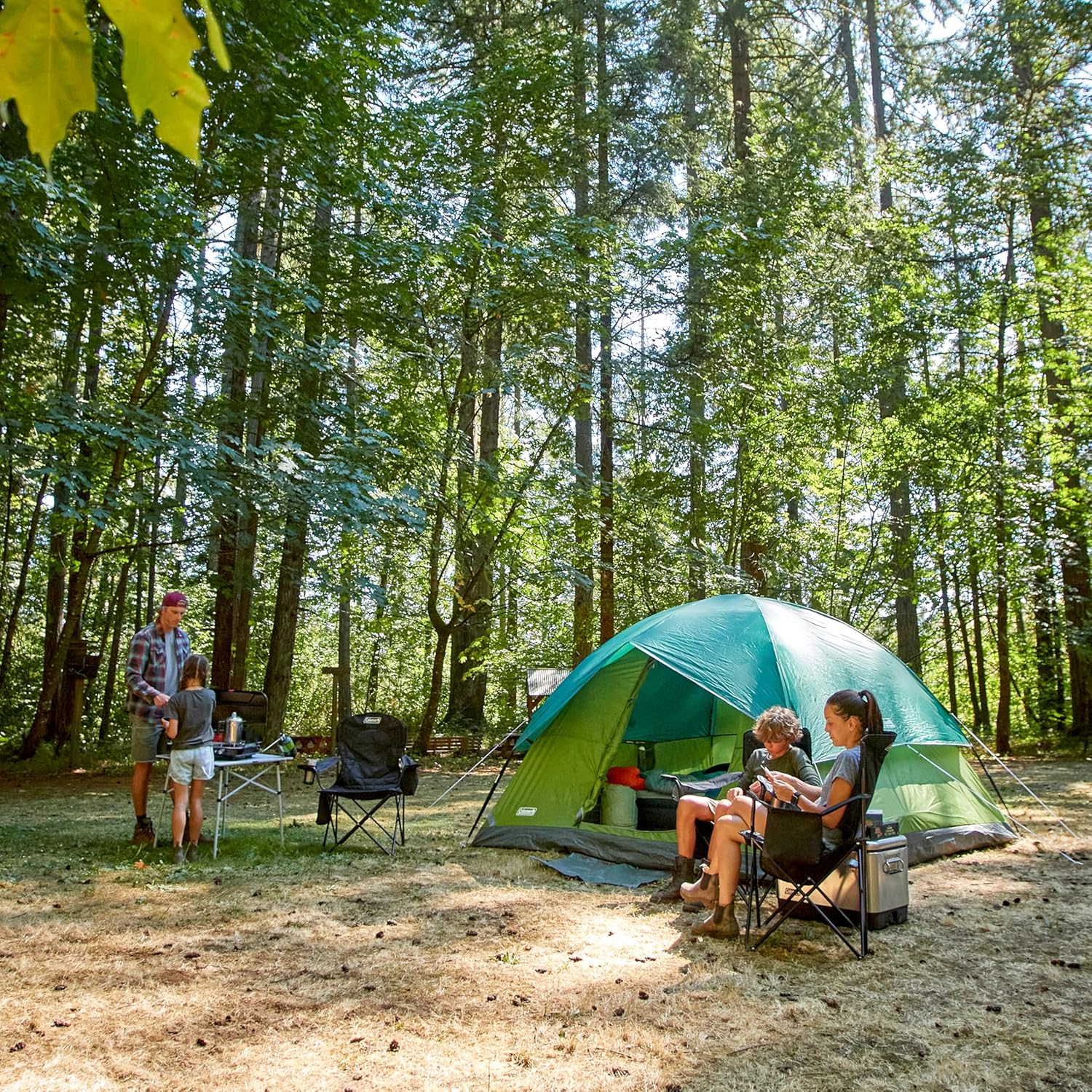
camping in Arches National Park essentials and desert gear

Desert basics

Core camping essentials

Bring plenty of water, sunscreen, a hat, sunglasses, layers, and a reliable tent that can handle exposed desert camping conditions.
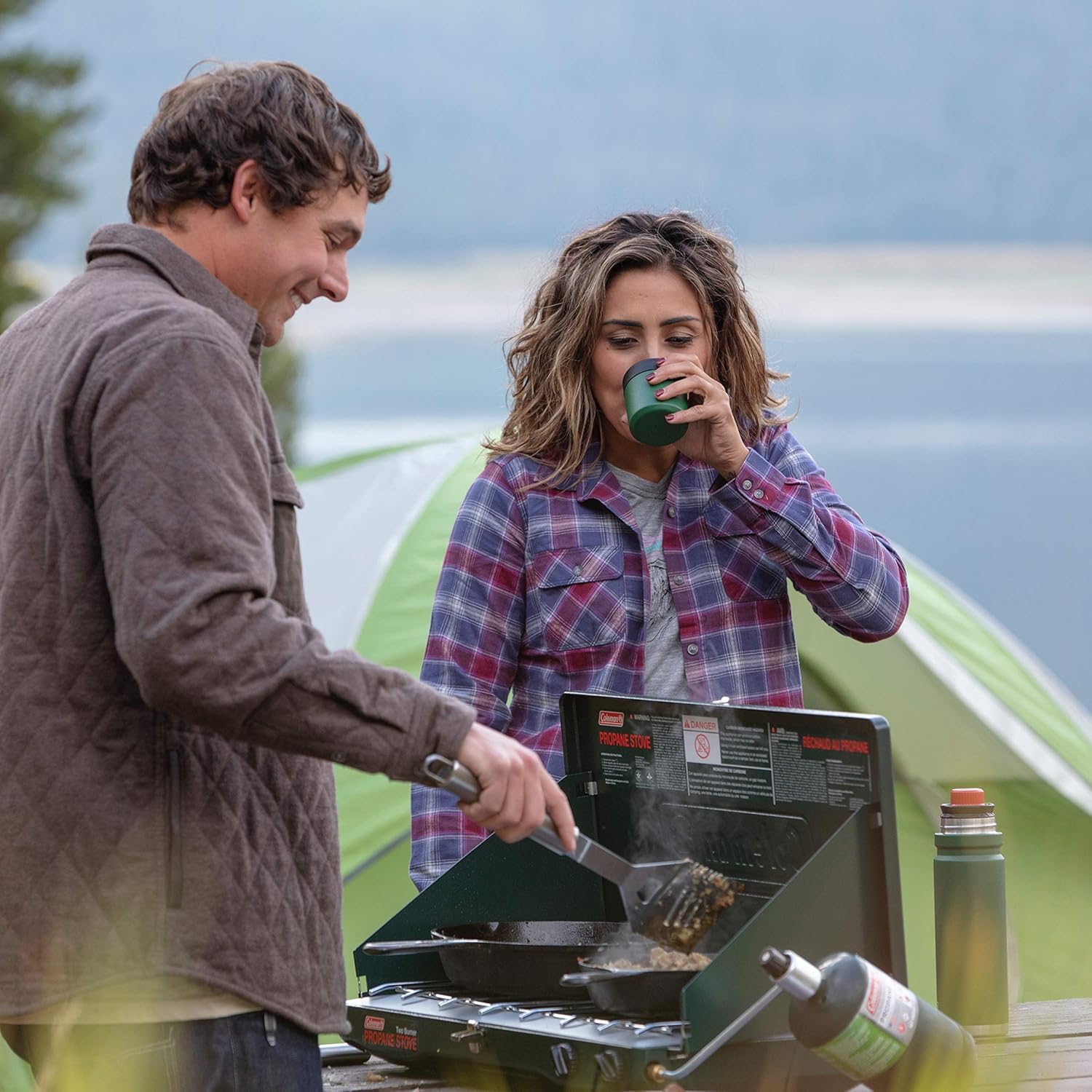
what to pack for camping in Arches National Park

Camp comfort

Sleep and cooking setup

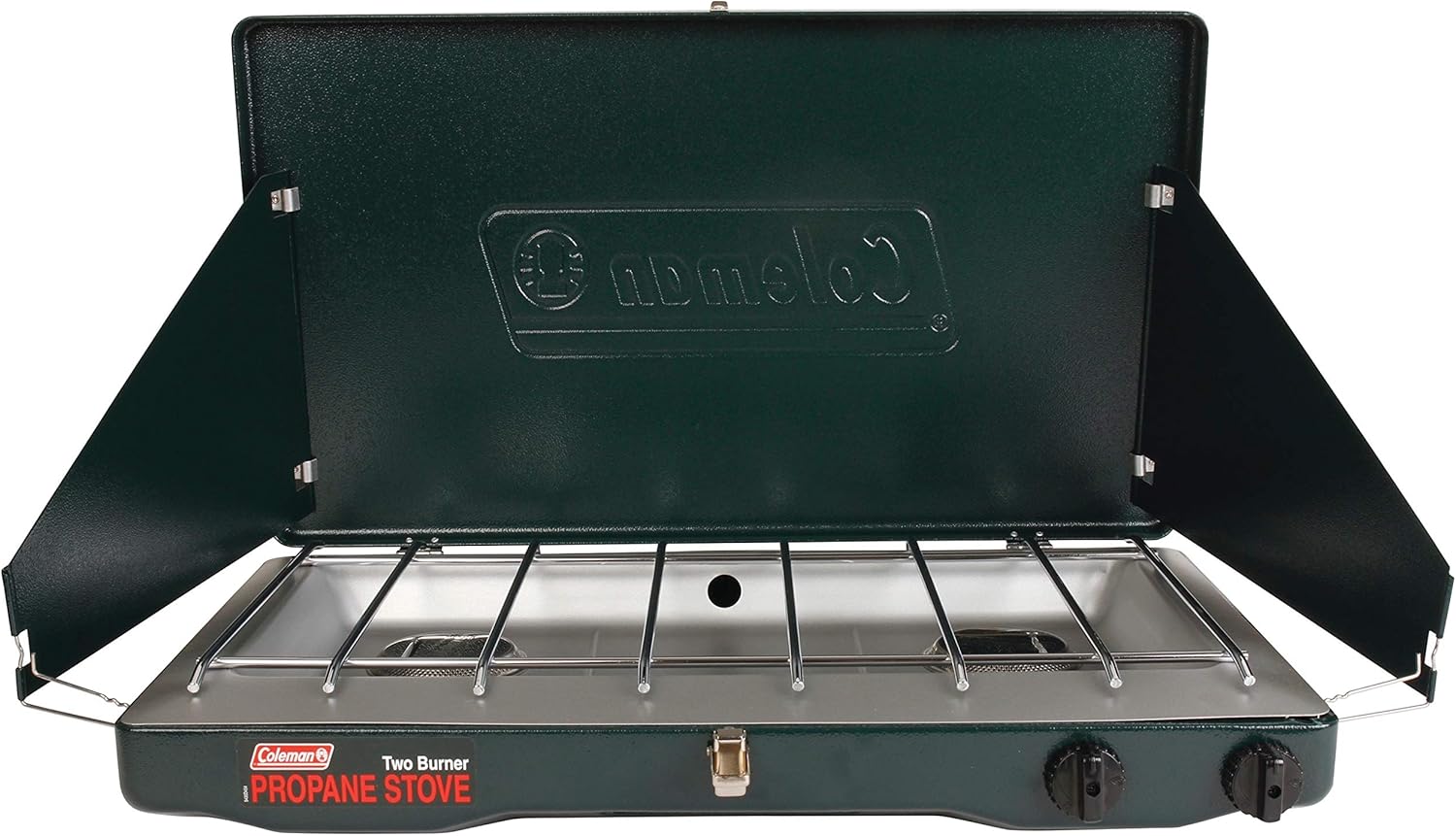
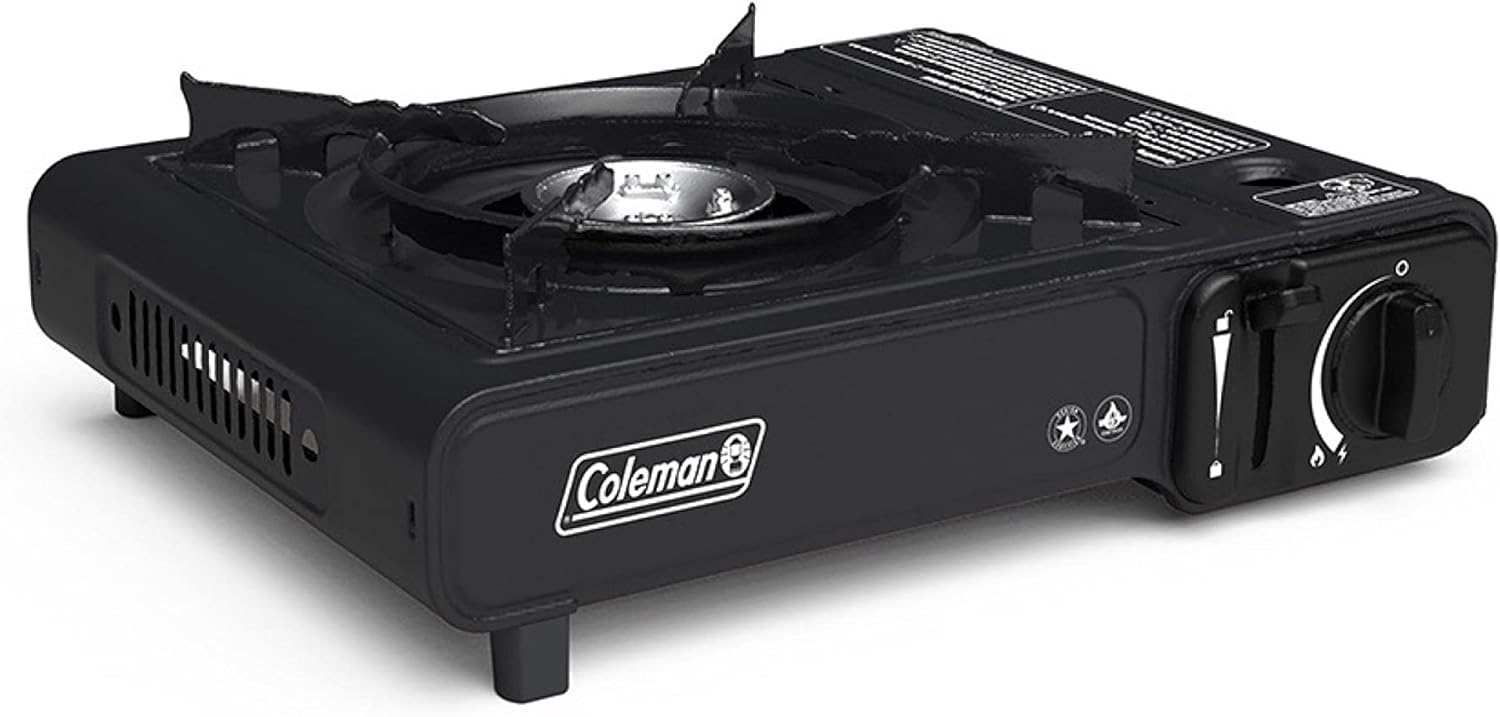
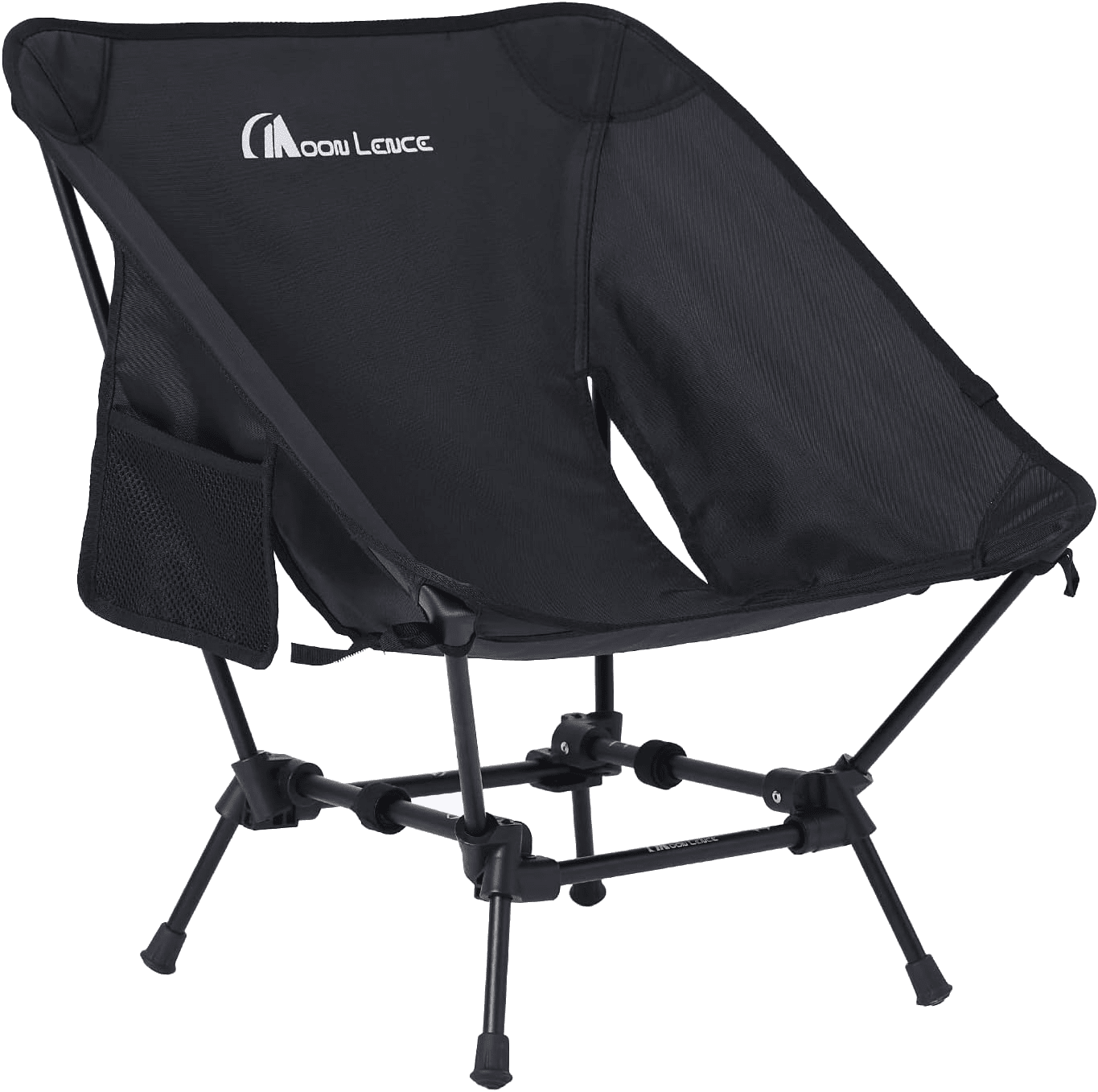
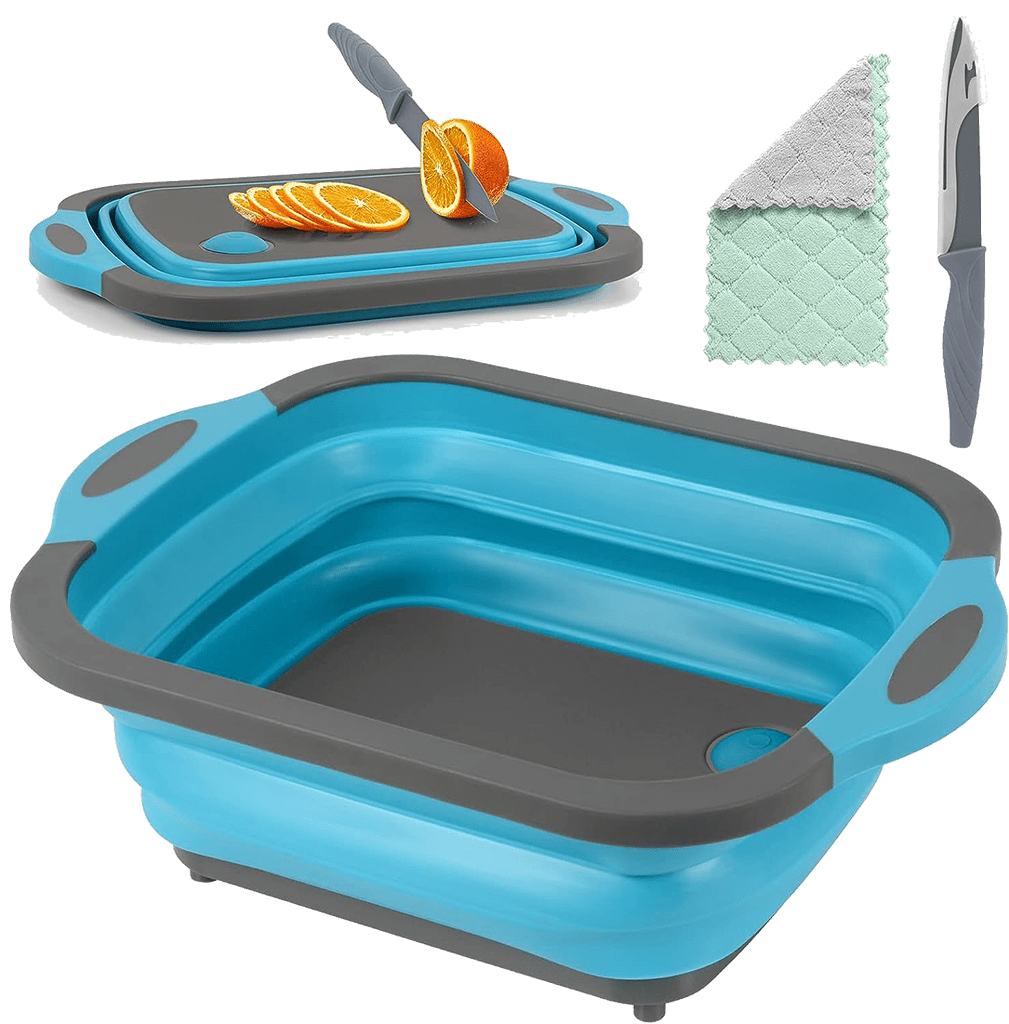
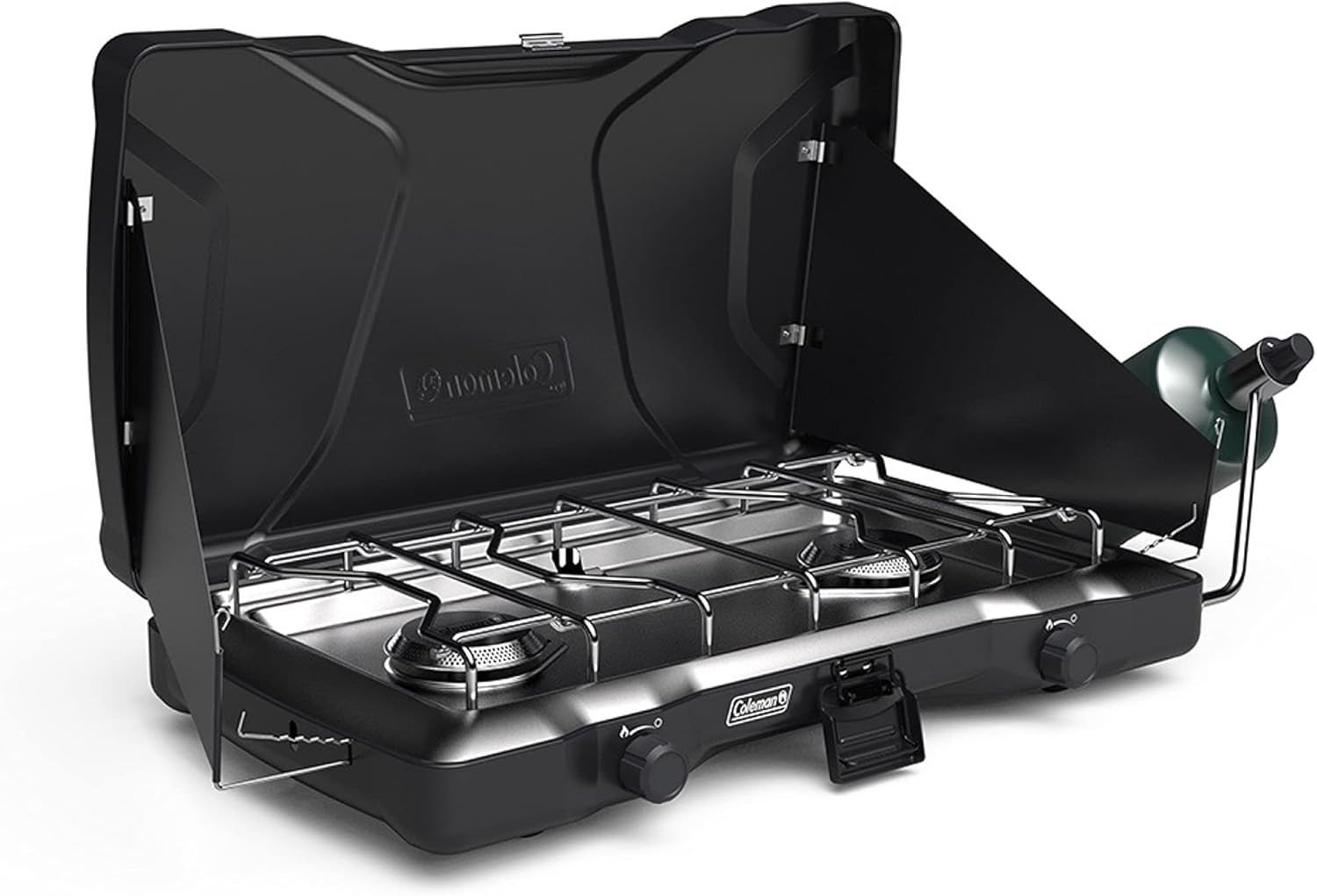
A comfortable sleeping pad, simple camp stove, cooler, and easy meal plan can make camping in Arches National Park much more enjoyable.
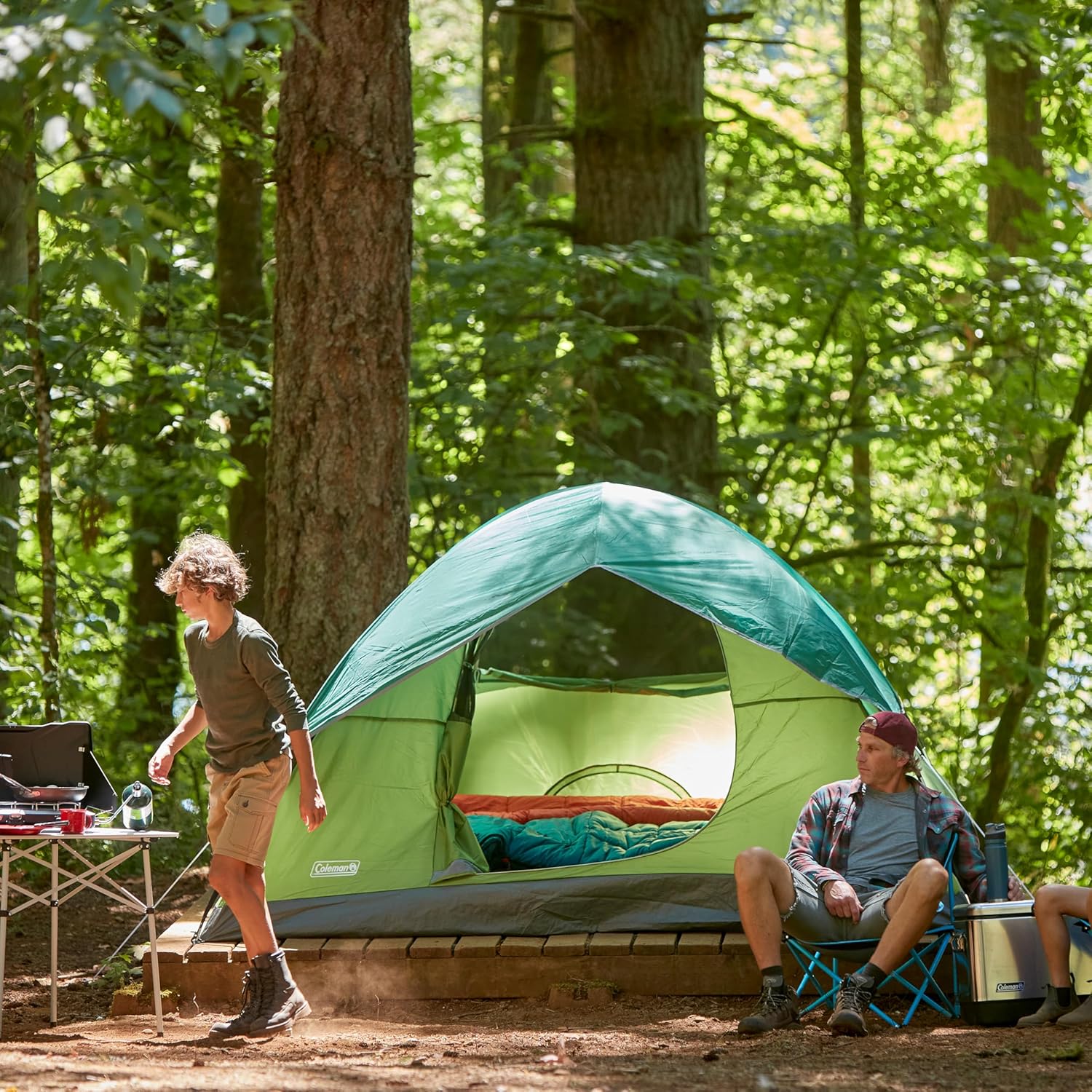
Arches National Park camping safety gear and hiking essentials

Extra support

Helpful add-ons

A headlamp, trail map, first aid kit, daypack, and extra water bottles are smart additions for hiking and camping in Arches National Park.
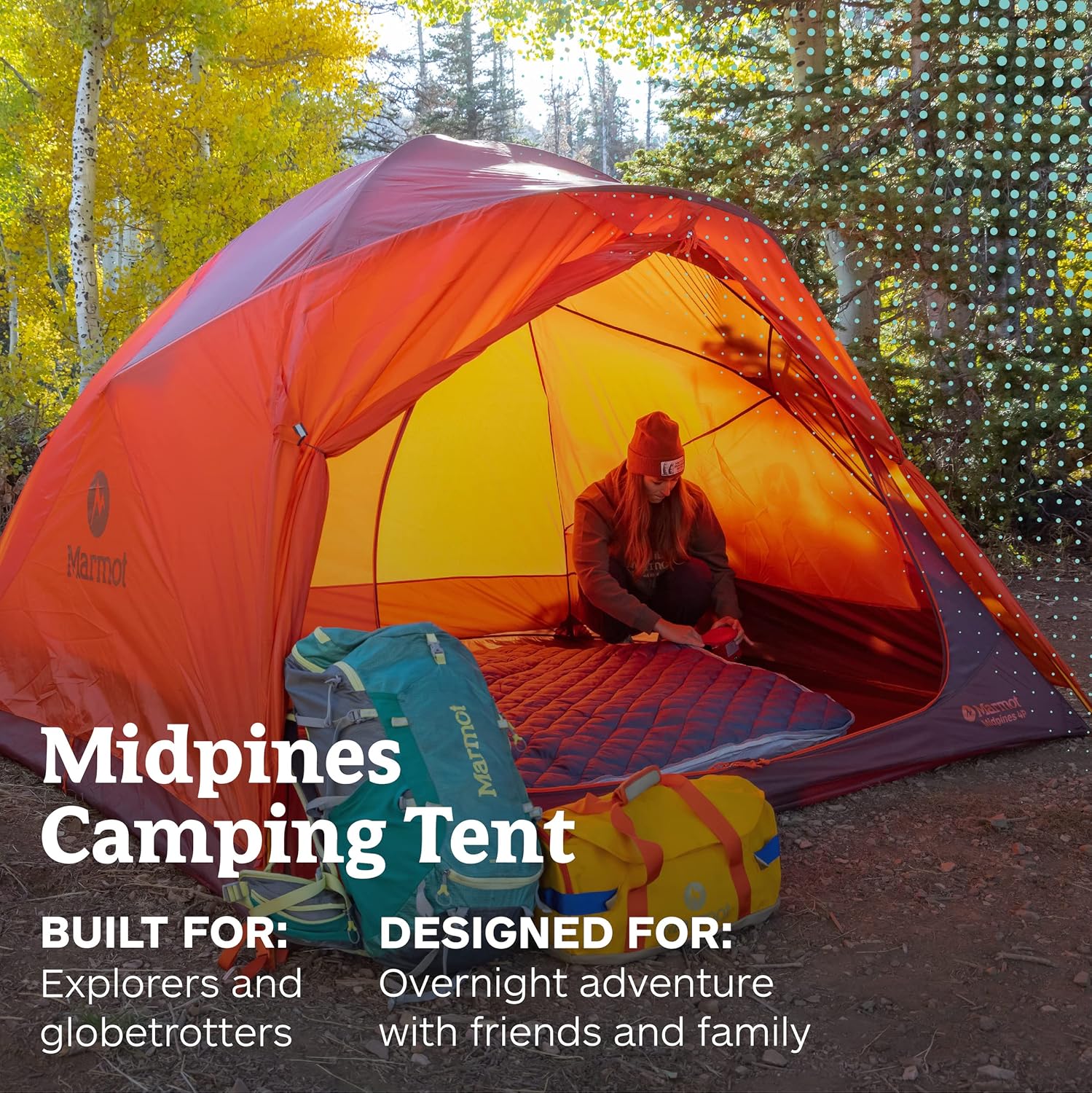
camping in Arches National Park planning reminder

First-trip reminder

Camping in Arches National Park is much better when you plan for heat, reservations, and early starts

The scenery here is unforgettable, but preparation matters. Reserve early, pack smart, and use the cooler parts of the day to make the most of your time in the park.

Common questions about camping in Arches National Park

These answers can help first-time campers plan a smoother trip.
When is the best time for camping in Arches National Park?+
Spring and fall are usually the best times because temperatures are more comfortable for camping, hiking, and sightseeing.
Where can you camp in Arches National Park?+
Devils Garden Campground is the main campground inside the park. If it is full, many visitors stay in Moab or at nearby camping areas outside the park.
What should I pack for camping in Arches National Park?+
Bring plenty of water, sun protection, layers, a tent, food, and basic camping gear. Desert conditions can be harsh, so staying hydrated and protected from the sun is essential.
Is Arches good for first-time campers?+
Yes, Arches is a great option for first-time campers because it is scenic, easy to explore, and close to Moab, which makes it more convenient than many remote desert parks.

Camping in Big Bend National Park

Skip to article content
Wild Wanderers Almanac

Camping in Big Bend National Park for the First Time

Planning your first time camping in Big Bend National Park? Learn the best time to go, where to camp, what to pack, safety tips, and what to expect in this remote West Texas adventure.

Camping in Big Bend National Park
10–12 minute read
camping in Big Bend National Park for the first time

Quick facts about camping in Big Bend National Park

Camping in Big Bend National Park offers remote desert scenery, mountain views, dark skies, and a quieter experience than many other national parks, but it also requires more preparation.

1

The best months for camping in Big Bend National Park are usually October through April.

2

Summer heat can exceed 100°F and is not ideal for first-time campers.

3

Chisos Basin, Rio Grande Village, and Cottonwood each offer a different camping experience.

4

Big Bend is remote, so fuel, water, food, and supplies should be planned ahead.

5

The park is one of the best places in the country for stargazing and quiet desert camping.

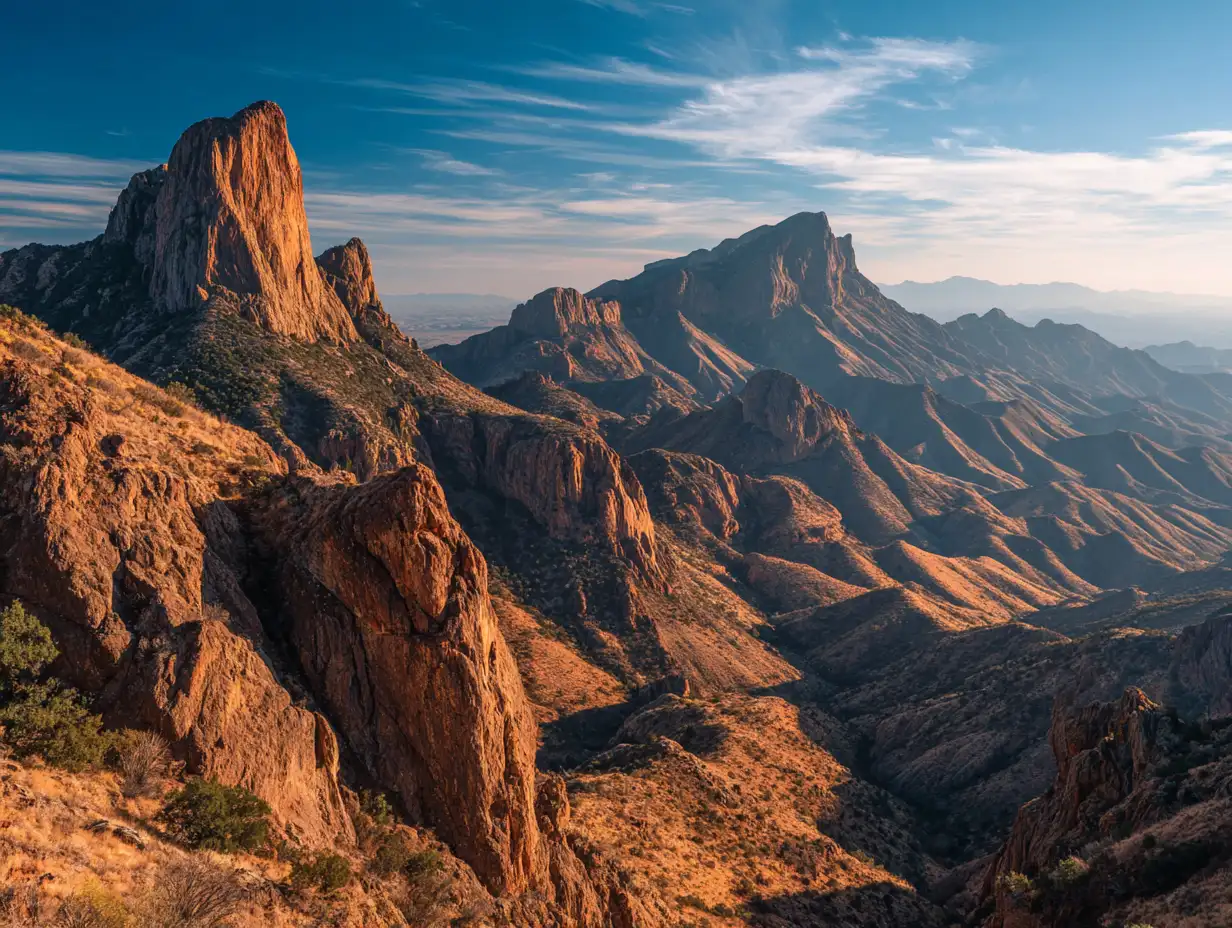
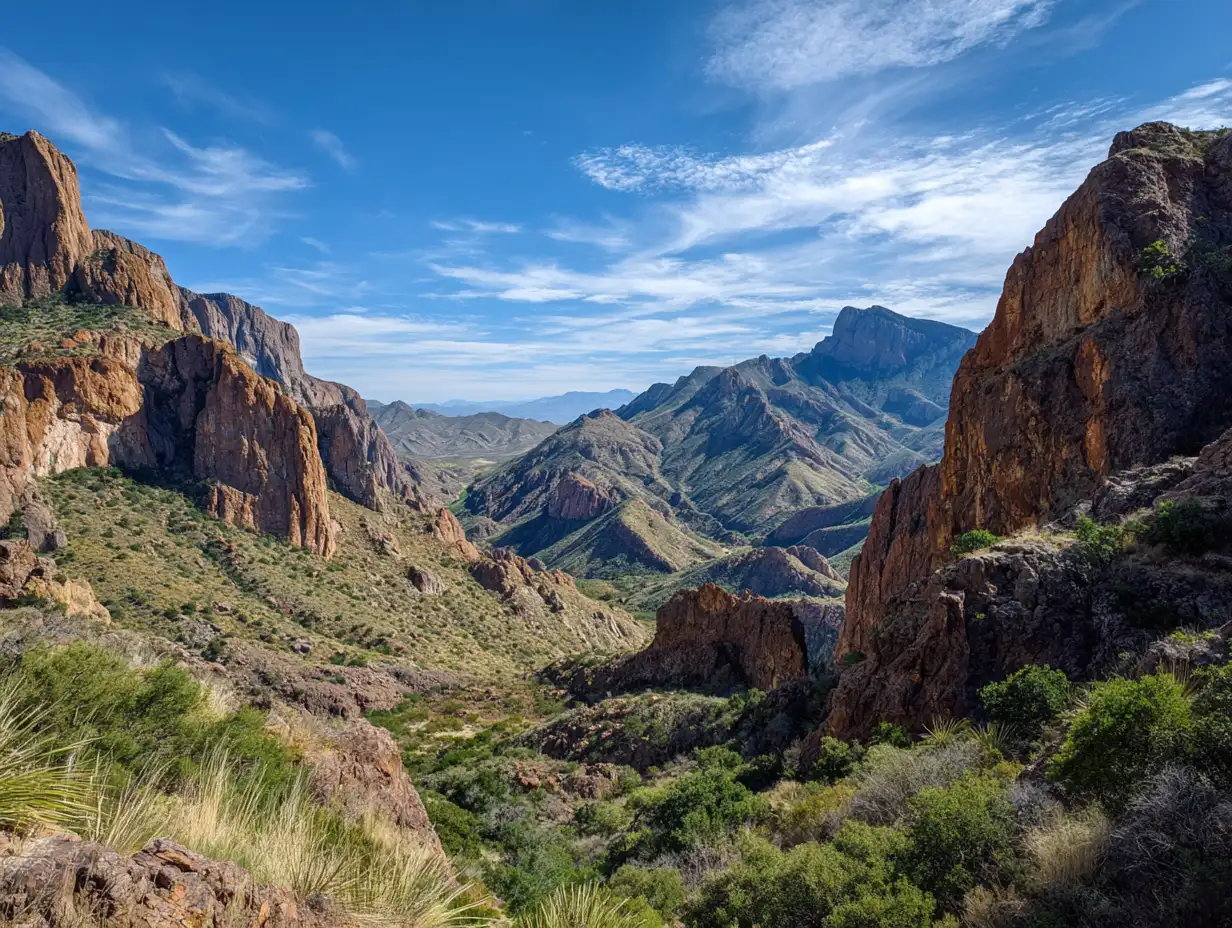
first-time camping in Big Bend National Park desert campsite
Big Bend combines desert campsites, mountain scenery, and wide-open silence for a truly unique national park camping trip.

What first-time campers should know about Big Bend

Camping in Big Bend National Park is one of the most unique outdoor experiences in the United States. Tucked away in remote West Texas, this massive park offers rugged desert landscapes, towering canyons, mountain hikes, and some of the darkest night skies in North America.

If you're planning your first trip, camping in Big Bend National Park can feel a bit intimidating at first—but with the right preparation, it becomes an unforgettable adventure.

Big Bend is not a park you casually stumble through. Its size, distance between locations, and limited services mean planning ahead matters more here than at many other national parks.

This guide covers the best time to visit, where to camp, what to pack, what to expect, and how to make your first camping trip to Big Bend both comfortable and memorable.

Why Big Bend is perfect for first-time campers

Big Bend stands out from many other national parks because of its isolation. While parks like Yosemite or Yellowstone can feel crowded, Big Bend offers a quieter, more immersive experience.

Instead of packed campgrounds and busy trails, you’ll find wide-open desert views, peaceful campsites, and a true sense of solitude. It’s the kind of place where you can sit outside your tent at night and hear absolutely nothing except the wind.

What makes Big Bend so appealing

  • Fewer crowds than most national parks
  • Incredible stargazing as an International Dark Sky Park
  • A mix of desert, river, and mountain landscapes
  • Plenty of options for both beginner and experienced campers
  • A slower, more peaceful style of outdoor travel

Why it works for a first trip

For first-time campers, Big Bend offers a rare balance between accessibility and adventure. You can choose developed campgrounds with basic amenities or go more remote if you want a deeper wilderness experience.

Why first-timers love Big Bend

Big Bend gives new campers a chance to experience dramatic scenery, quiet campsites, and true desert solitude without needing to tackle a fully backcountry trip.

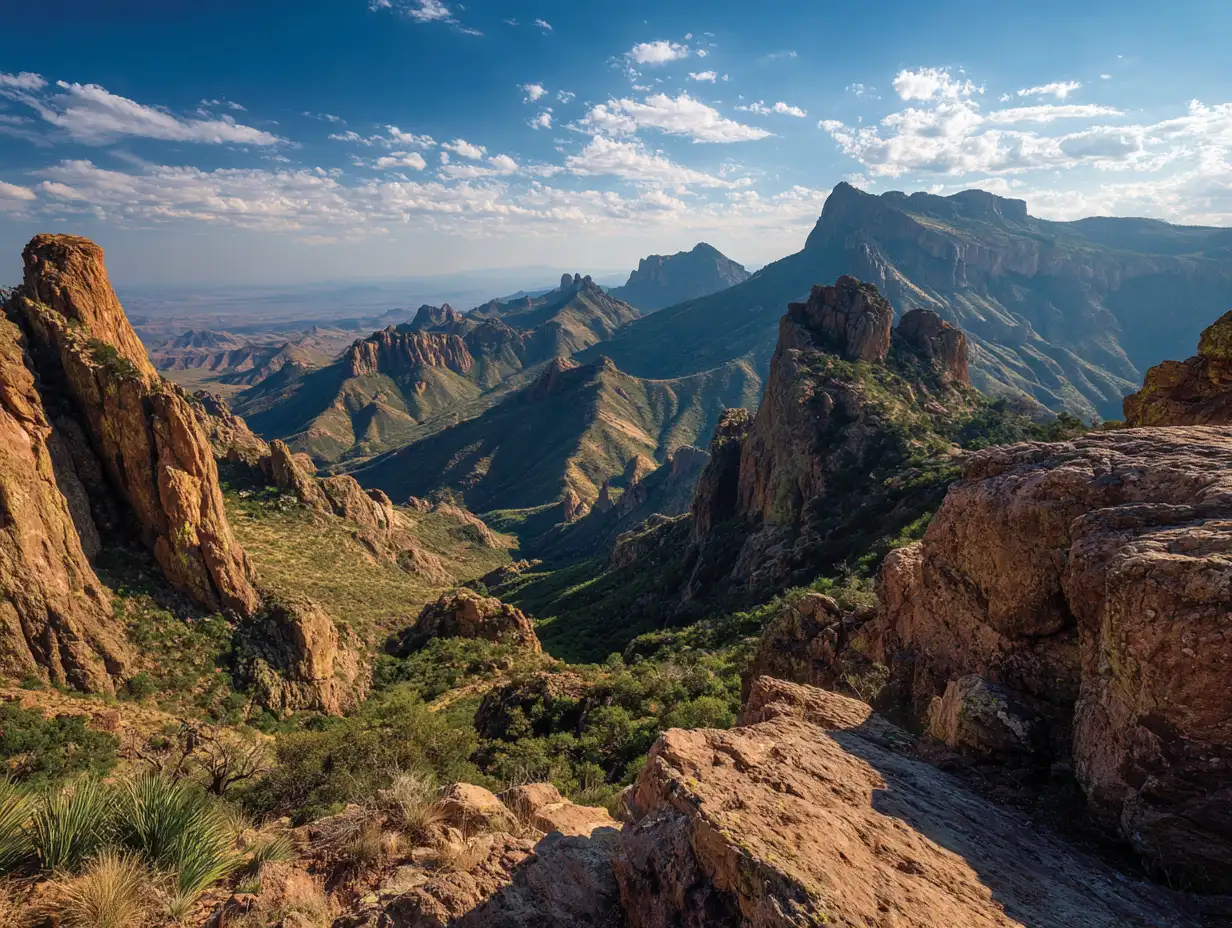
why camping in Big Bend National Park is great for first-time campers
Big Bend rewards campers with wide-open views, quiet campsites, and a strong sense of remoteness.
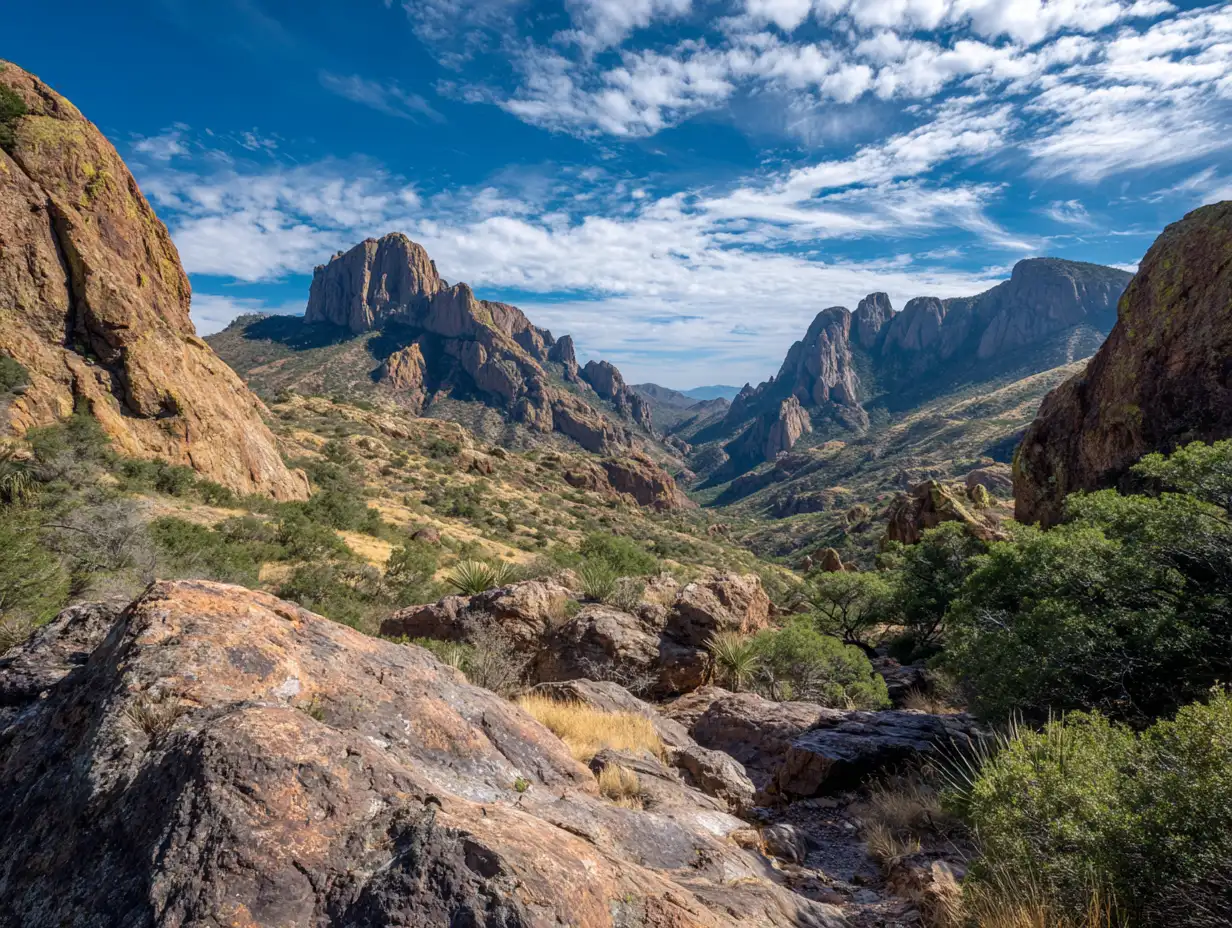
best time for camping in Big Bend National Park and campground options
Choosing the right season and campground can make a first Big Bend camping trip far more comfortable.

Best time to visit and where to camp

Timing your visit is one of the most important parts of planning a trip to Big Bend. The best months for camping in Big Bend National Park are typically October through April, when daytime temperatures are more manageable and evenings are cool.

Spring is especially popular thanks to blooming wildflowers and ideal hiking conditions. Summer can be dangerously hot, with temperatures easily exceeding 100°F, so first-time campers are usually better off avoiding it.

Popular campgrounds in Big Bend

  • Chisos Basin Campground – scenic mountain setting, cooler temperatures, and quick access to major hiking trails
  • Rio Grande Village Campground – beginner-friendly, more amenities, and convenient access near the river
  • Cottonwood Campground – quieter, more remote, and close to Santa Elena Canyon

If you want even more solitude, Big Bend also offers backcountry camping. It requires a permit and stronger preparation, but it can be an incredible option for experienced campers.

Choosing the right campground for your trip

  • Choose Chisos Basin for views and hiking access
  • Choose Rio Grande Village for a more beginner-friendly setup
  • Choose Cottonwood for peace, shade, and a quieter feel
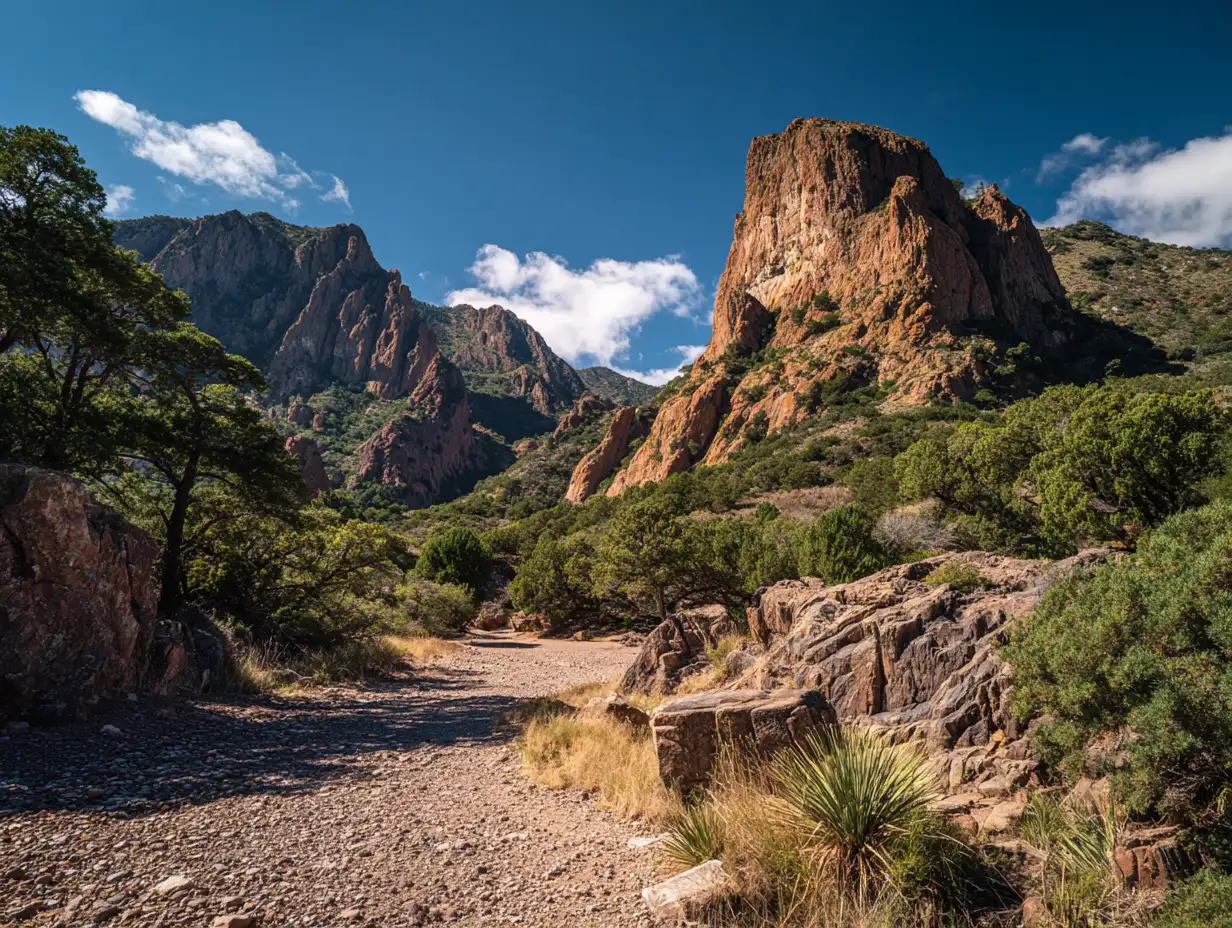
what to expect when camping in Big Bend National Park
Big Bend camping feels more remote and self-sufficient than many forest or frontcountry camping experiences.

What to expect when camping in Big Bend

Camping in Big Bend is very different from camping in forests or more developed parks. The environment is harsher, more remote, and requires more planning.

One of the biggest things to be aware of is distance. Big Bend is huge, and driving between campgrounds, trailheads, viewpoints, and services can take a significant amount of time.

What surprises first-time campers most

  • How remote the park feels once you arrive
  • How quiet nights become without light pollution or nearby traffic
  • How much temperatures can swing between day and night

Even during cooler months, daytime temperatures can feel warm while nighttime temperatures drop quickly. Layering your clothing and being prepared for shifting conditions makes a big difference.

Why preparation matters here

  • Gas stations, stores, and services are limited
  • Cell service is extremely limited in much of the park
  • You need more water and sun protection than you might expect

Big Bend camping mindset

Think of Big Bend as a remote desert adventure where comfort comes from planning ahead, not from nearby services or convenience.

Big Bend National Park camping and stargazing experience

Big Bend camping tip

Camping in Big Bend National Park is best when you slow down and plan around the desert

Arrive prepared, carry more water than you think you need, and give yourself time to enjoy the silence, stars, and vast scenery that make Big Bend so special.

Top things to do while camping in Big Bend

One of the best parts about camping in Big Bend National Park is that your campsite becomes your base for exploring the park’s incredible landscapes.

Hiking is one of the most popular activities, especially in the Chisos Mountains. Trails like Lost Mine and the Window Trail offer incredible views and are manageable for many skill levels.

Best activities for first-time visitors

  • Hike the Lost Mine Trail for mountain views
  • Walk the Window Trail for one of the park’s signature landscapes
  • Visit Santa Elena Canyon to see towering canyon walls up close
  • Drive scenic roads and stop at overlooks throughout the park

For those looking for more of a challenge, Emory Peak offers a rewarding climb with panoramic views. And when the sun goes down, stargazing becomes one of the biggest highlights of the trip.

Why stargazing is unforgettable here

  • Big Bend has some of the darkest skies in North America
  • The Milky Way is often visible on clear nights
  • Minimal light pollution creates an incredible after-dark experience

Whether you spend the evening around camp or head to a darker overlook, the night sky is one of the best reasons to go camping in Big Bend National Park.

Big Bend’s biggest reward

From mountain hikes to canyon views to world-class stargazing, Big Bend gives campers a full range of experiences without ever feeling crowded.

things to do while camping in Big Bend National Park
Big Bend campers can spend their days hiking mountain trails, exploring canyons, and enjoying some of the darkest skies in the country.

First-time camping tips for Big Bend National Park

A few simple strategies can make your first desert camping trip much smoother and more enjoyable.

Big Bend rewards people who arrive early, stay flexible, and plan their activities around weather, daylight, and distance.

Arrive prepared

  • Set up camp before dark
  • Fill your gas tank early
  • Bring more water than expected

Plan around heat

  • Hike early in the morning
  • Use midday for lighter exploring
  • Dress in layers for temperature swings

Stay safe

Download maps, tell someone your plans, store food carefully, and remember that cell service is limited throughout much of Big Bend National Park.

What to pack for camping in Big Bend National Park

Packing correctly is essential for a successful first trip, especially in a remote desert environment.

Big Bend National Park camping essentials and desert gear

Desert basics

Core camping essentials

Bring plenty of water, sun protection, layers for warm days and cool nights, and a reliable tent that can handle wind in exposed desert conditions.

what to pack for first-time camping in Big Bend National Park

Camp comfort

Sleep and cooking setup

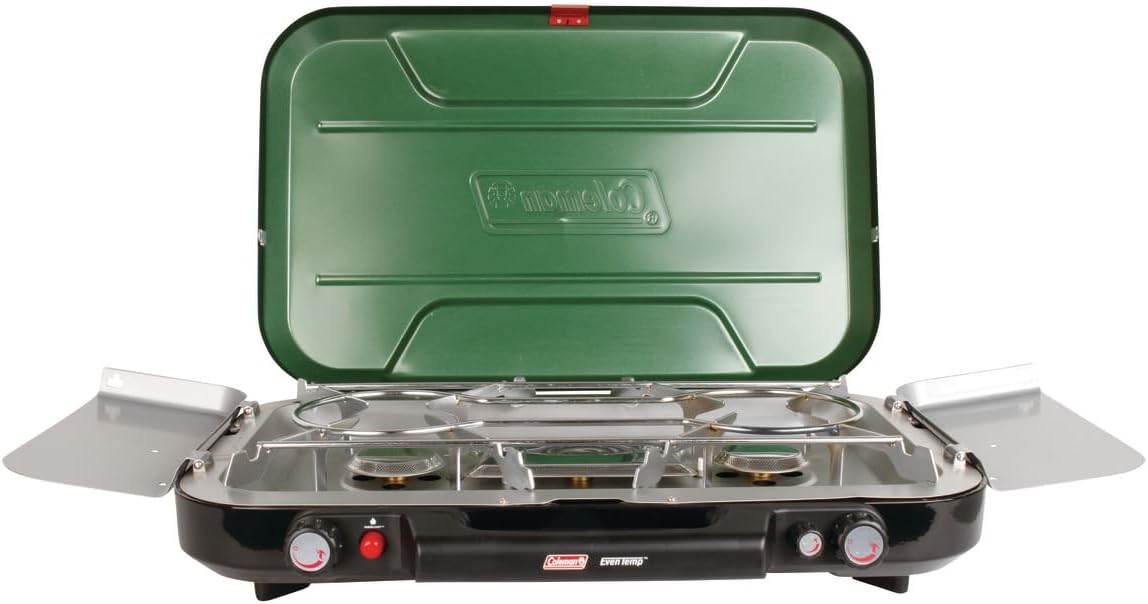
A comfortable sleeping system, simple camp stove, and organized meal supplies can make your first Big Bend camping trip much easier and more enjoyable.

Big Bend National Park camping safety gear and headlamp

Extra support

Helpful add-ons

A headlamp, downloaded maps, first aid kit, flashlight, and extra water storage are smart additions for camping in a remote park like Big Bend.

first-time camping in Big Bend National Park planning reminder

First-trip reminder

Camping in Big Bend National Park is much better when you plan for water, distance, and changing temperatures

The park’s remoteness is part of what makes it so special, but it also means preparation matters. Pack smart, pace yourself, and let the landscape set the rhythm of your trip.

Common questions about camping in Big Bend National Park

These answers can help first-time campers plan a smoother trip.
When is the best time for camping in Big Bend National Park?+
The best time is usually from October through April, when daytime temperatures are more comfortable and nights are cool. Spring is especially popular for hiking and wildflowers.
Which campground is best for first-time campers in Big Bend?+
Rio Grande Village Campground is often a great choice for beginners because it offers more amenities and a more convenient setup, while Chisos Basin is a favorite for scenery and hiking access.
What should I pack for my first Big Bend camping trip?+
Bring plenty of water, sun protection, layers, a wind-capable tent, lighting for camp, food, and any essentials you may need because services inside the park are limited.
Is Big Bend safe for first-time campers?+
Yes, but preparation is important. Stay hydrated, store food properly, respect wildlife, download maps ahead of time, and let someone know your plans because cell service is limited.

Best National Parks for Spring Wildflowers

Skip to article content
Wild Wanderers Almanac

Best National Parks for Spring Wildflowers

Discover the best national parks for spring wildflowers, including when to visit, top bloom locations, and tips for planning your wildflower adventure.

Best national parks for spring wildflowers
10–12 minute read
best national parks for spring wildflowers

Quick facts about the best national parks for spring wildflowers

Spring brings colorful blooms, mild hiking weather, excellent wildlife viewing, and fewer crowds to many of the best national parks for spring wildflowers.

1

Desert parks bloom earlier in spring.

2

Mountain parks usually peak later in spring and early summer.

3

Wildflower season offers ideal temperatures for hiking.

4

Photographers get dramatic color across valleys, deserts, and meadows.

5

Many parks have fewer crowds than during peak summer travel.

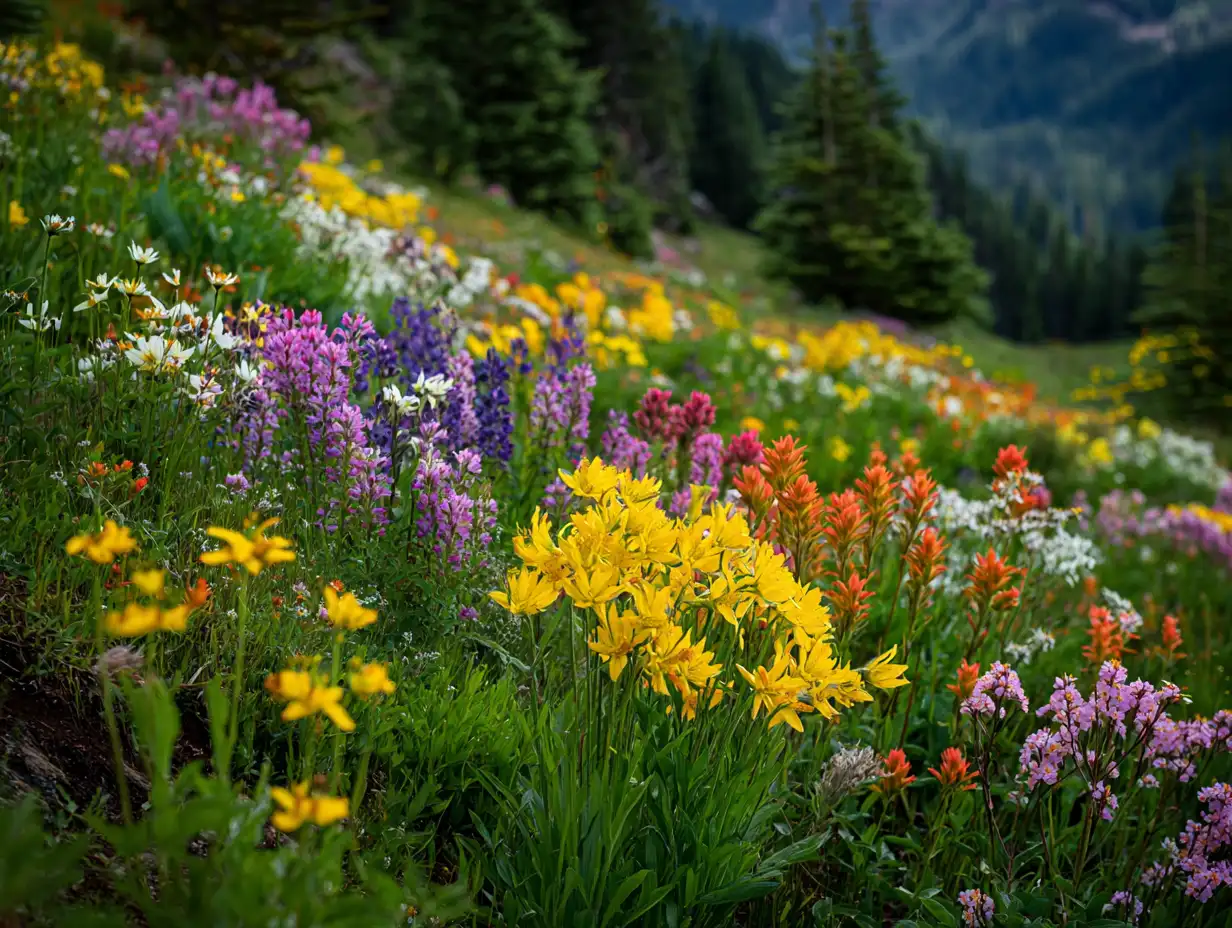
best national parks for spring wildflowers
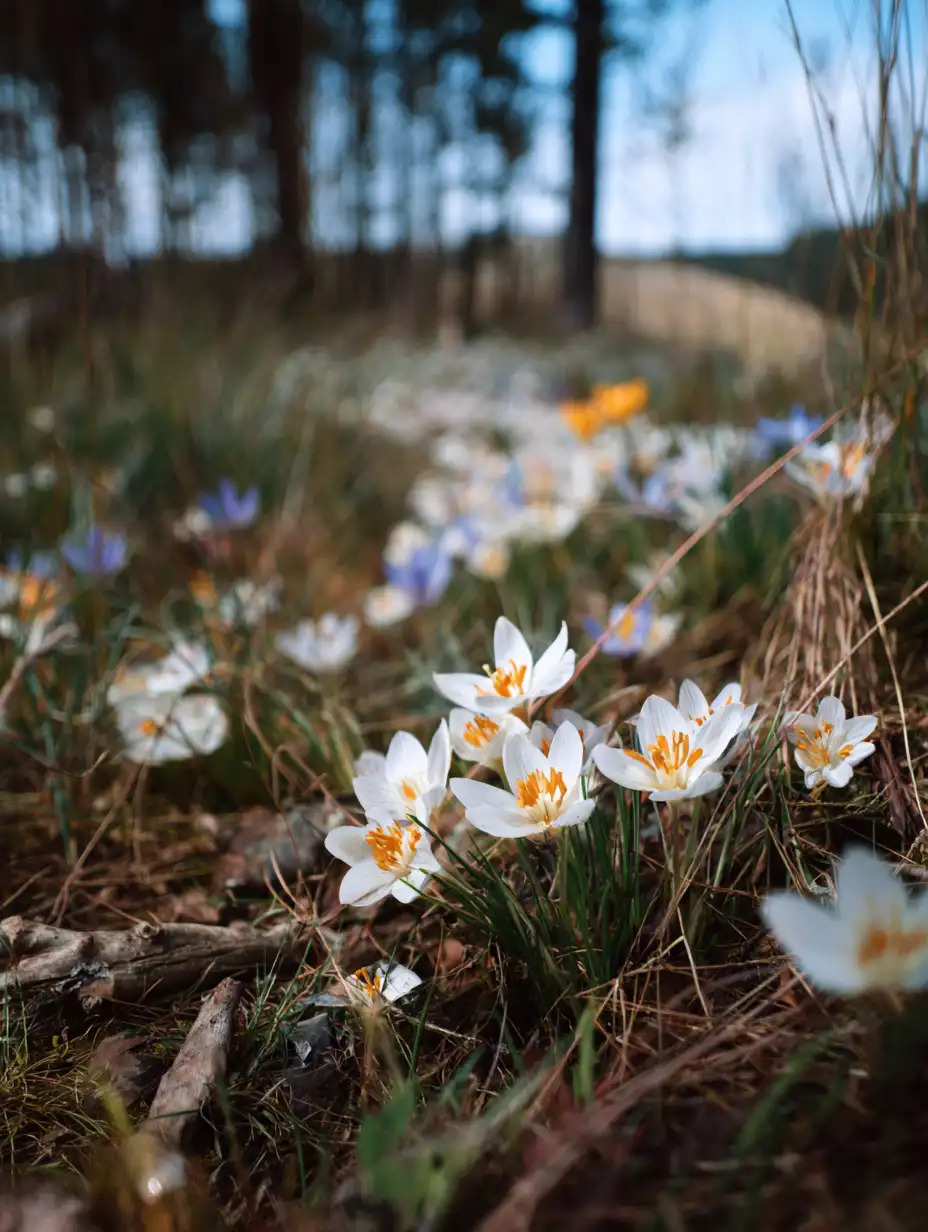
Spring transforms national parks with colorful blooms across trails, valleys, and scenic overlooks.

Why spring is the best time for wildflowers in national parks

Spring is one of the most magical times to visit America’s national parks. As the snow melts and temperatures rise, landscapes burst into color with vibrant wildflowers covering valleys, hillsides, deserts, and alpine meadows. For nature lovers, photographers, and hikers, this season offers some of the most breathtaking scenery in the national park system.

Whether you're planning a scenic road trip, a hiking adventure, or a relaxing getaway, visiting national parks during wildflower season is an unforgettable experience.

Wildflowers bloom in national parks when conditions are just right—usually when warming temperatures combine with snowmelt or seasonal rainfall. This creates a short but spectacular blooming window that attracts visitors from around the world.

In this guide, we’ll explore the best national parks for spring wildflowers, when to visit, and tips for making the most of your wildflower adventure.

Why wildflower season is so special in national parks

Spring wildflower season varies depending on elevation and climate. Desert parks bloom earlier in the season, while mountain parks reach peak blooms later in spring and early summer.

For photographers and outdoor enthusiasts, spring wildflowers transform already beautiful national parks into living works of art.

Reasons to visit during wildflower season

  • Stunning landscapes filled with colorful blooms
  • Mild spring temperatures perfect for hiking
  • Excellent wildlife viewing opportunities
  • Fewer crowds compared to peak summer months
  • Beautiful scenery for photographers and road trippers

Why timing matters

Bloom windows can be short, which is why checking seasonal conditions and elevation patterns can make a big difference when planning your trip.

A smart seasonal strategy

Visit lower-elevation desert parks early in spring and higher-elevation mountain parks later for the best chance at peak blooms.

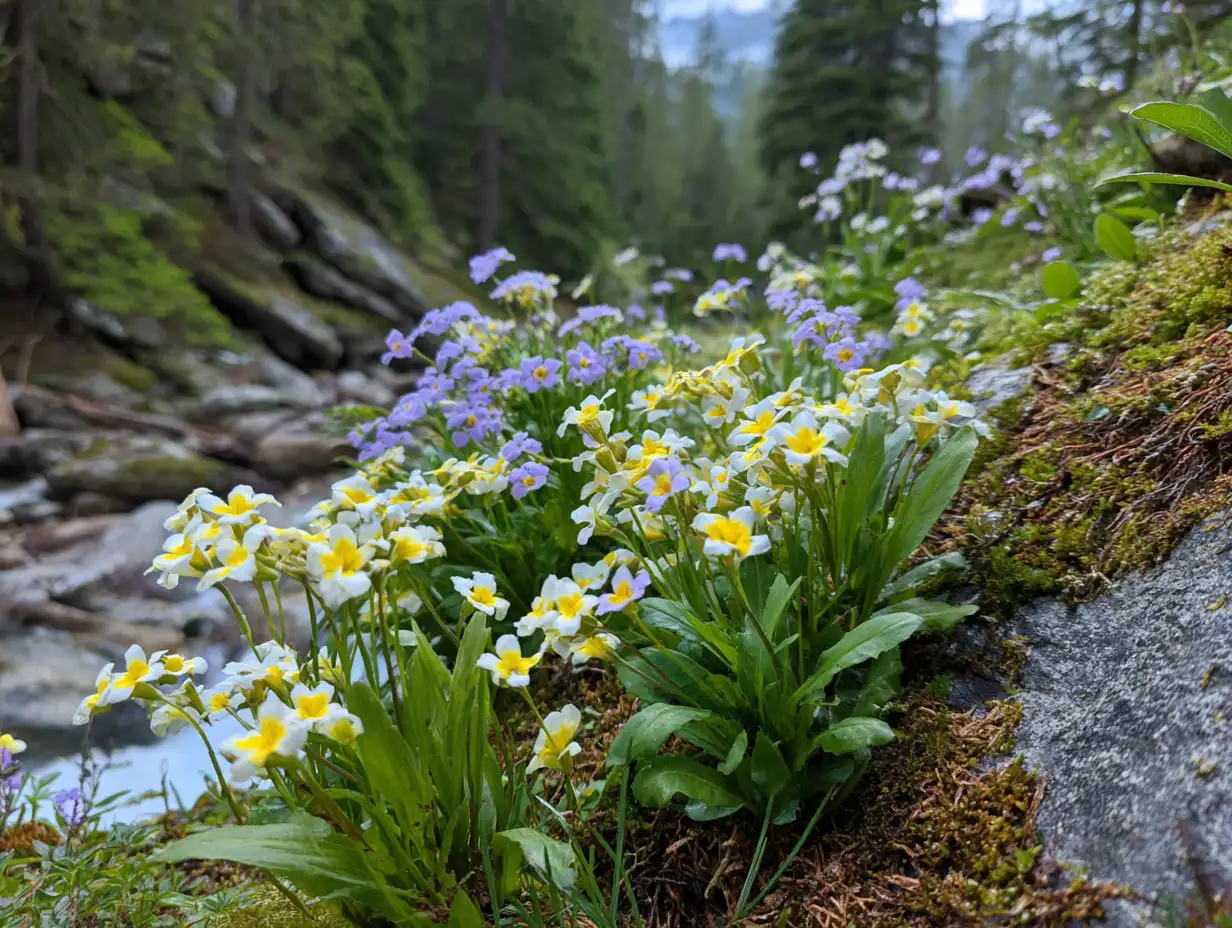
best national parks for spring wildflowers
Wildflower timing changes with rainfall, snowmelt, elevation, and spring temperatures.
best national parks for spring wildflowers
From lush forests to dramatic deserts, spring wildflowers create unforgettable national park scenery.

Great Smoky Mountains and Death Valley

The Great Smoky Mountains National Park is often called the “Wildflower National Park.” With over 1,500 species of flowering plants, it has one of the most diverse wildflower displays in North America.

Best time to visit the Smokies is March through May. Popular spring wildflowers include trillium, bloodroot, wild geranium, spring beauty, and Jack-in-the-pulpit.

Best wildflower trails in Great Smoky Mountains

  • Porters Creek Trail – excellent early spring blooms
  • Little River Trail – a great wildflower walk along a creek
  • Chestnut Top Trail – known for colorful spring displays

Every spring, the park even hosts the Spring Wildflower Pilgrimage, a popular event celebrating the region’s incredible plant diversity.

Death Valley spring blooms

Death Valley might seem like an unlikely place for flowers, but when conditions are right, the park produces one of the most spectacular desert wildflower displays in the world. After a winter with enough rainfall, vast desert fields can erupt with colorful blooms in what is known as a super bloom.

  • Best time to visit: late February through April
  • Common wildflowers: desert gold, desert five-spot, sand verbena, notch-leaf phacelia
  • Best places: Badwater Basin, Furnace Creek area, and Zabriskie Point
best national parks for spring wildflowers
Desert blooms and mountain meadows make spring one of the most rewarding seasons in the parks.

Joshua Tree and Yellowstone

Located where the Mojave and Colorado deserts meet, Joshua Tree National Park offers an impressive variety of spring wildflowers. The park’s desert environment means blooms appear earlier than in mountain parks, making it one of the first places to see spring wildflowers in the national park system.

Best time to visit Joshua Tree is March through April. Wildflowers you may see include desert marigold, Mojave lupine, beavertail cactus blooms, and sand verbena.

Best wildflower viewing areas in Joshua Tree

  • Hidden Valley
  • Cholla Cactus Garden
  • Cottonwood area

While Yellowstone is famous for geysers and wildlife, it also offers beautiful wildflower displays each spring and early summer. As snow melts across the park, colorful flowers begin appearing in meadows and along hiking trails.

Yellowstone spring wildflowers

  • Best time to visit: May through June
  • Common wildflowers: arrowleaf balsamroot, lupine, glacier lily, Indian paintbrush
  • Best locations: Lamar Valley, Mount Washburn trails, and Hayden Valley

Early blooms vs. later blooms

Joshua Tree is one of the best early-season options, while Yellowstone shines later as snow retreats from its valleys and meadows.

best national parks for spring wildflowers

Spring travel tip

The best national parks for spring wildflowers reward travelers who time their visit well

Desert parks often peak first, while higher mountain parks bloom later, giving you a long season of colorful landscapes to explore.

Mount Rainier and Shenandoah

Mount Rainier is home to some of the most famous wildflower meadows in the United States. When snow melts across the mountain slopes, alpine meadows burst into vibrant colors.

Although peak blooms often occur in summer at higher elevations, lower areas begin blooming in late spring. Best time to visit is late May through July.

Wildflowers and trails at Mount Rainier

  • Wildflowers to look for: avalanche lily, lupine, paintbrush, pasqueflower
  • Paradise Meadows – one of the best wildflower spots in America
  • Sunrise area trails
  • Nisqually Vista Trail

Located along the Blue Ridge Mountains, Shenandoah National Park is another fantastic destination for spring wildflowers. The park’s forests, valleys, and mountain slopes provide ideal habitats for dozens of flowering species.

Best spring bloom areas in Shenandoah

  • Best time to visit: April through May
  • Wildflowers to see: bluebells, trillium, wild columbine, foamflower
  • Best trails: Limberlost Trail, Dark Hollow Falls Trail, and Whiteoak Canyon

Shenandoah is also famous for scenic drives along Skyline Drive, where wildflowers can be seen along many roadside viewpoints.

Mountain bloom magic

Mount Rainier and Shenandoah offer two very different but equally stunning spring wildflower experiences, from alpine meadows to Appalachian forests.

best national parks for spring wildflowers
Mountain parks offer some of the most dramatic wildflower scenery later in spring and early summer.

Tips for seeing spring wildflowers in national parks

To make the most of your wildflower adventure, timing and preparation are key.

Many national parks provide wildflower bloom updates on their websites or social media pages. These reports help visitors plan their trips around peak bloom times.

Plan around blooms

  • Check bloom reports
  • Visit lower elevations first
  • Look higher later in spring

Best time of day

  • Go early in the day
  • Enjoy better photography light
  • Avoid heavier trail crowds

Protect the blooms

Stay on designated trails because wildflowers are fragile and easily damaged in national park ecosystems.

Essential gear for spring wildflower hiking

Having the right gear can make your wildflower adventure safer, easier, and more enjoyable.

best national parks for spring wildflowers

Trail basics

Core hiking gear

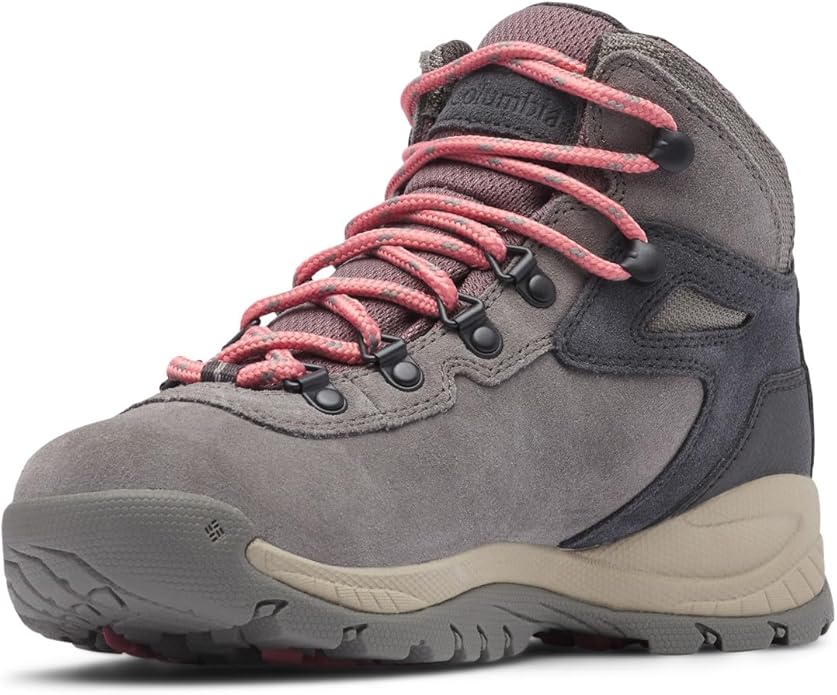
Comfortable hiking boots, a lightweight hiking backpack, water, snacks, sunscreen, and a hat are essential for spring wildflower hikes.

best national parks for spring wildflowers

Photography kit

Capture the blooms

Bring a compact camera or smartphone tripod if you want sharper photos of meadows, desert flowers, and scenic overlooks.

best national parks for spring wildflowers

Extra support

Helpful add-ons

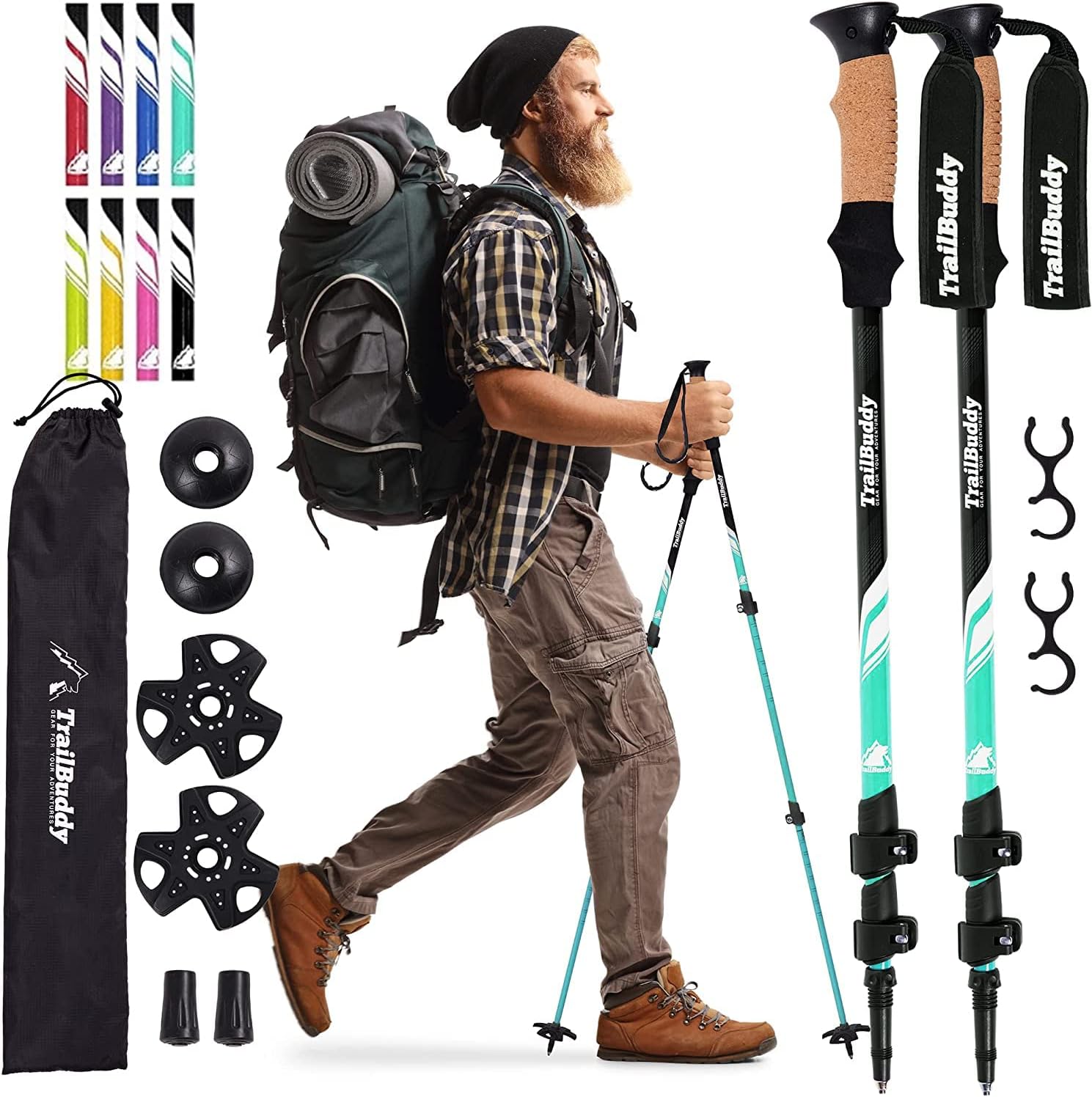
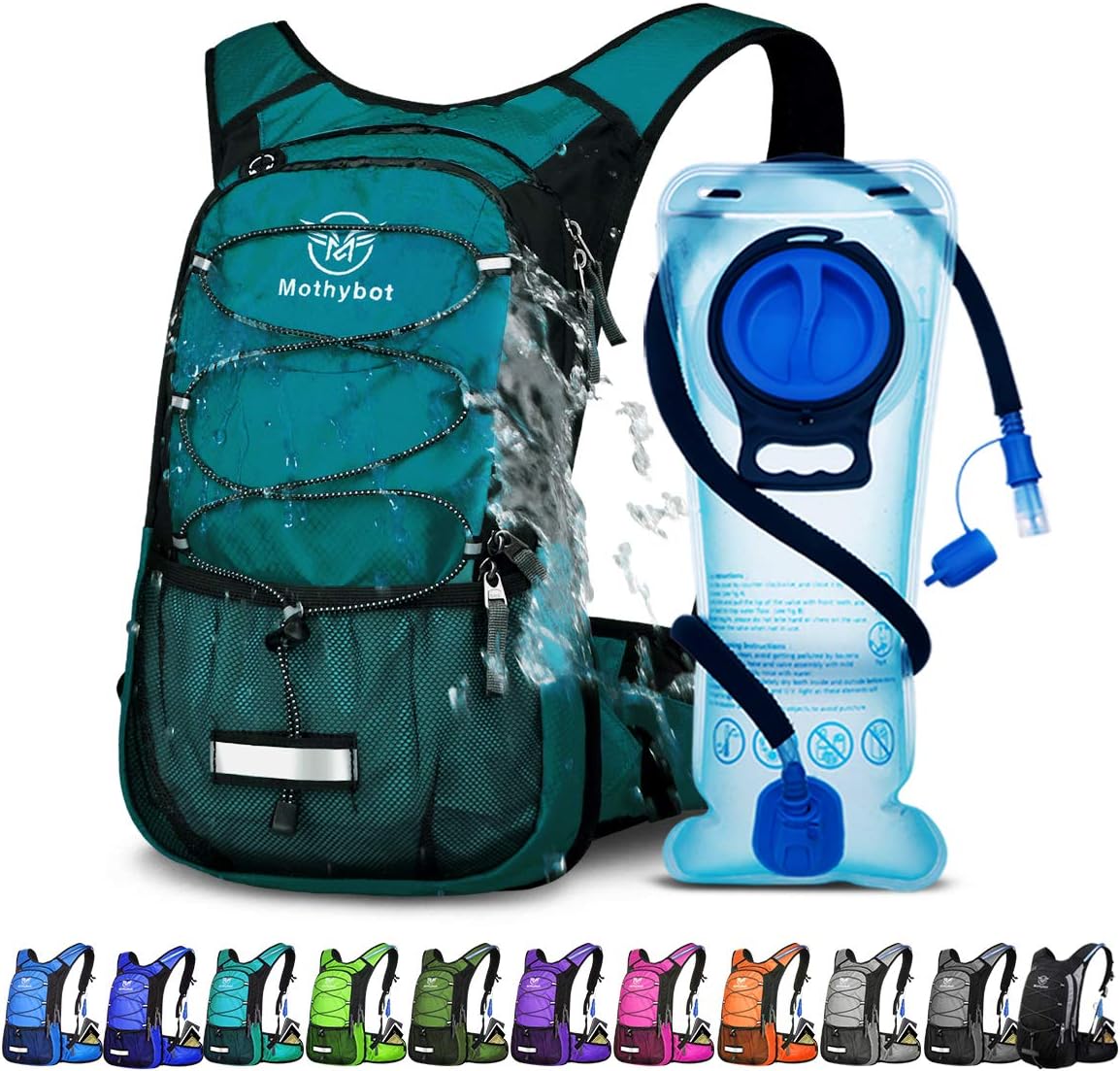
Trekking poles, a reusable water bottle or hydration pack, and a wildflower field guide can make longer hikes more comfortable and informative.

best national parks for spring wildflowers

Peak bloom reminder

The best national parks for spring wildflowers can change quickly with weather and elevation

Check current bloom conditions before your trip, then plan your hikes around lower or higher elevations depending on the timing of the season.

Common questions about the best national parks for spring wildflowers

These answers can help you plan a better spring wildflower trip.
When is the best time to see spring wildflowers in national parks?+
Wildflower season depends on the park. Desert parks like Death Valley and Joshua Tree often bloom from late February through April, while mountain parks like Yellowstone and Mount Rainier peak later in spring and early summer.
Which national park is most famous for spring wildflowers?+
Great Smoky Mountains National Park is often called the Wildflower National Park because it has more than 1,500 species of flowering plants and outstanding spring bloom displays.
Why do wildflower blooms vary from park to park?+
Wildflower timing depends on rainfall, snowmelt, temperature, elevation, and local climate, which is why desert parks bloom earlier and higher mountain parks bloom later.
What should I do to protect wildflowers while visiting?+
Always stay on designated trails, avoid stepping into meadows or fragile plant areas, and follow park guidance so the blooms remain healthy for wildlife and future visitors.

Backcountry Camping

Skip to article content
Wild Wanderers Almanac

The Ultimate Camping Checklist: Everything You Need for a Stress-Free Trip

Use this ultimate camping checklist to pack the right shelter, clothing, cooking gear, safety tools, and essentials for a stress-free camping trip.

Camping checklist
10–12 minute read
camping checklist

Quick facts about using a camping checklist

A reliable camping checklist helps you stay organized, reduce stress, avoid forgotten gear, and prepare for changing outdoor conditions.

1

Prevents forgotten camping gear.

2

Saves time while packing for your trip.
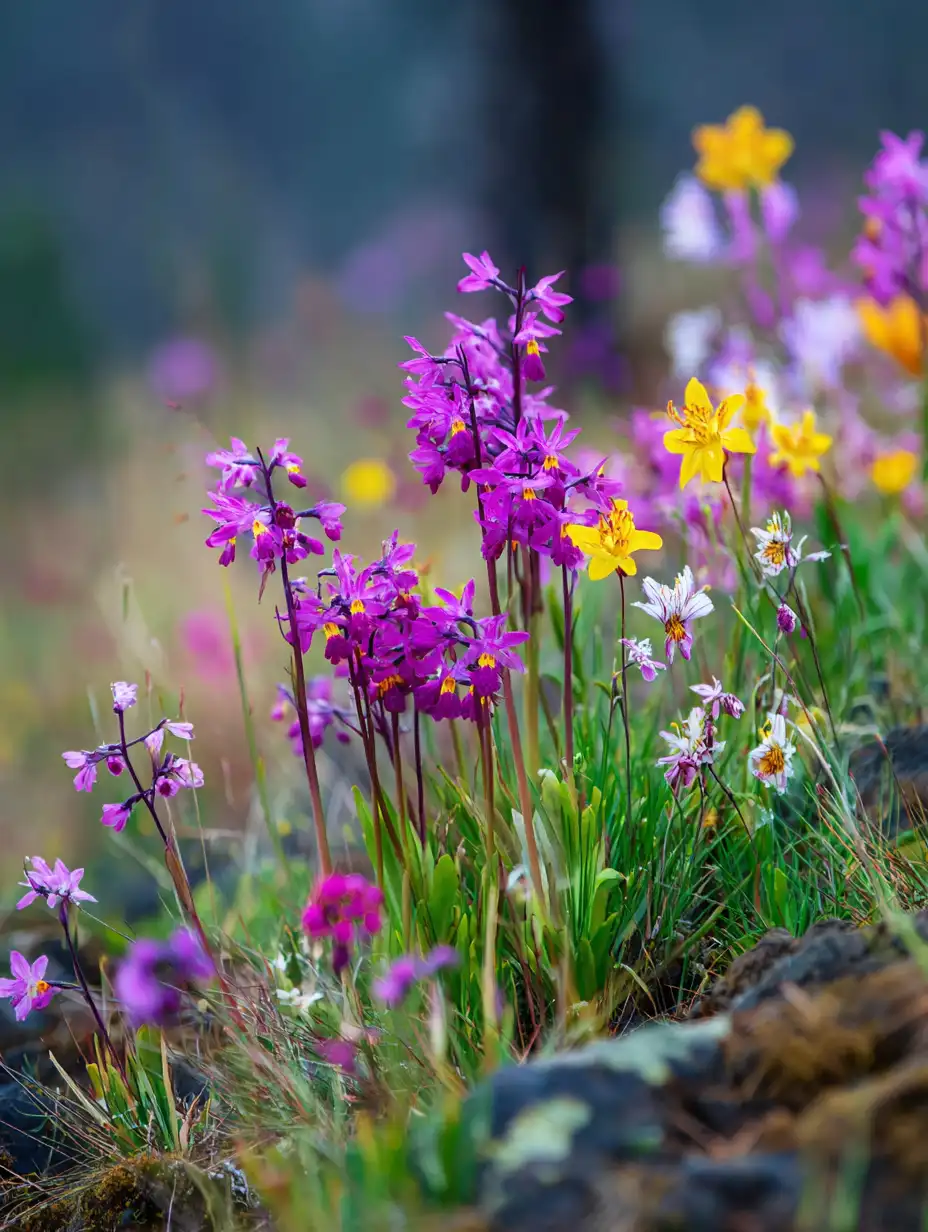
3

Improves safety during your camping trip.
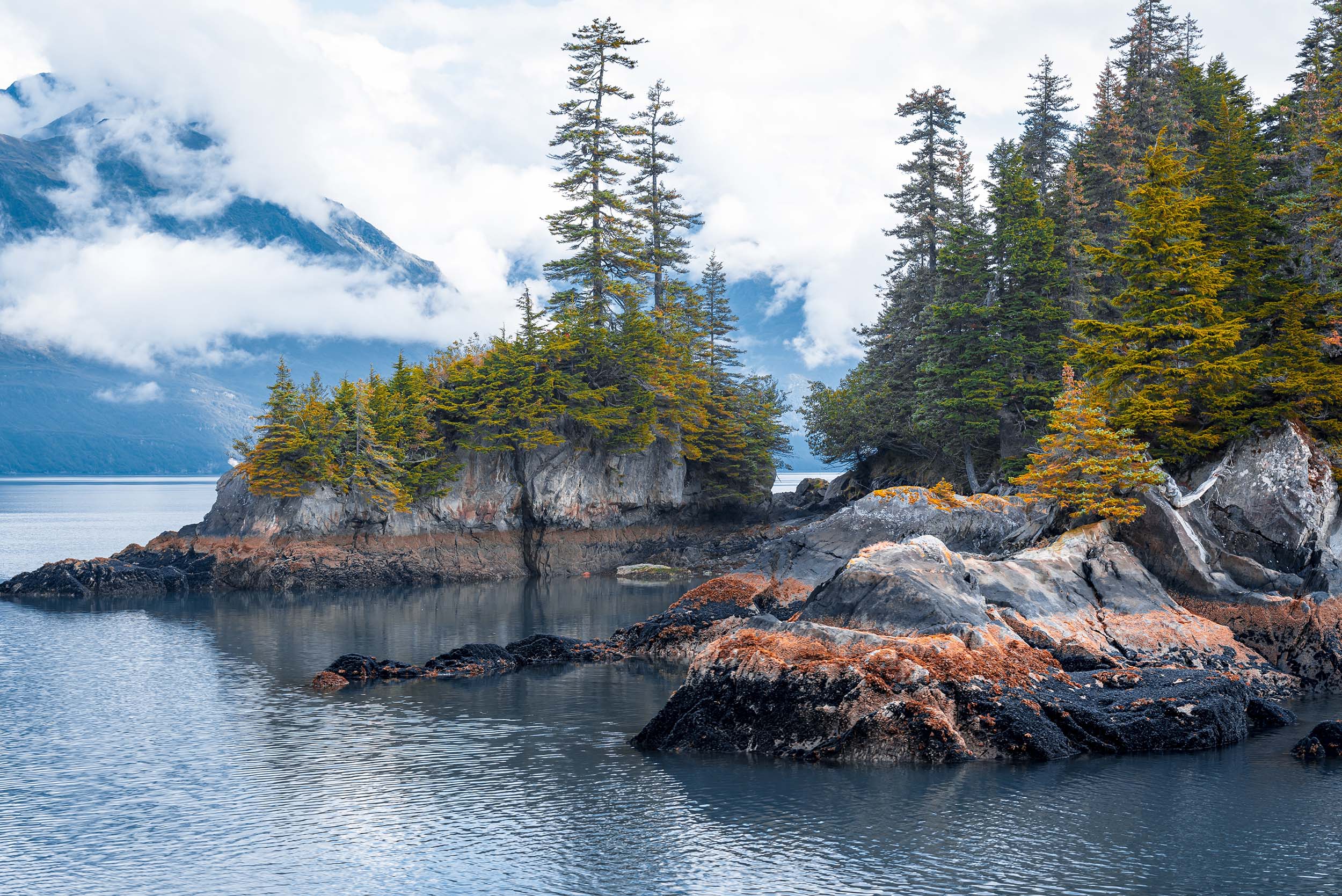
4

Reduces stress before departure.

5

Helps you prepare for unexpected weather changes.

camping checklist
A simple camping checklist makes every trip smoother and easier to manage.

Why every camper needs a camping checklist

Camping is one of the best ways to reconnect with nature, explore national parks, and experience the outdoors in a meaningful way. Whether you're setting up camp beside a quiet lake, deep in a forest, or near a scenic mountain trail, preparation makes all the difference. Unfortunately, even experienced campers occasionally forget key items. Common oversights include things like headlamp batteries, extra socks, or a reliable multi-use tool.

That’s exactly why every outdoor traveler should have a reliable camping checklist.

A well-planned checklist ensures you pack everything necessary for comfort, safety, and convenience. It removes the guesswork from trip preparation and prevents the frustrating moment of realizing you left something important behind. This guide will walk you through the ultimate camping checklist, covering essential gear categories such as shelter, clothing, cooking equipment, safety tools, and personal items.

By the end of this article, you'll have a reusable checklist you can rely on for every camping adventure.

Why a camping checklist is essential

Camping requires significantly more preparation than most types of travel. Unlike hotel vacations where basic amenities are provided, camping requires you to bring nearly everything you’ll need for sleeping, cooking, and staying safe outdoors.

A camping checklist helps you stay organized and prepared before heading out on your trip. It ensures you bring the right gear for your destination, weather conditions, and activities.
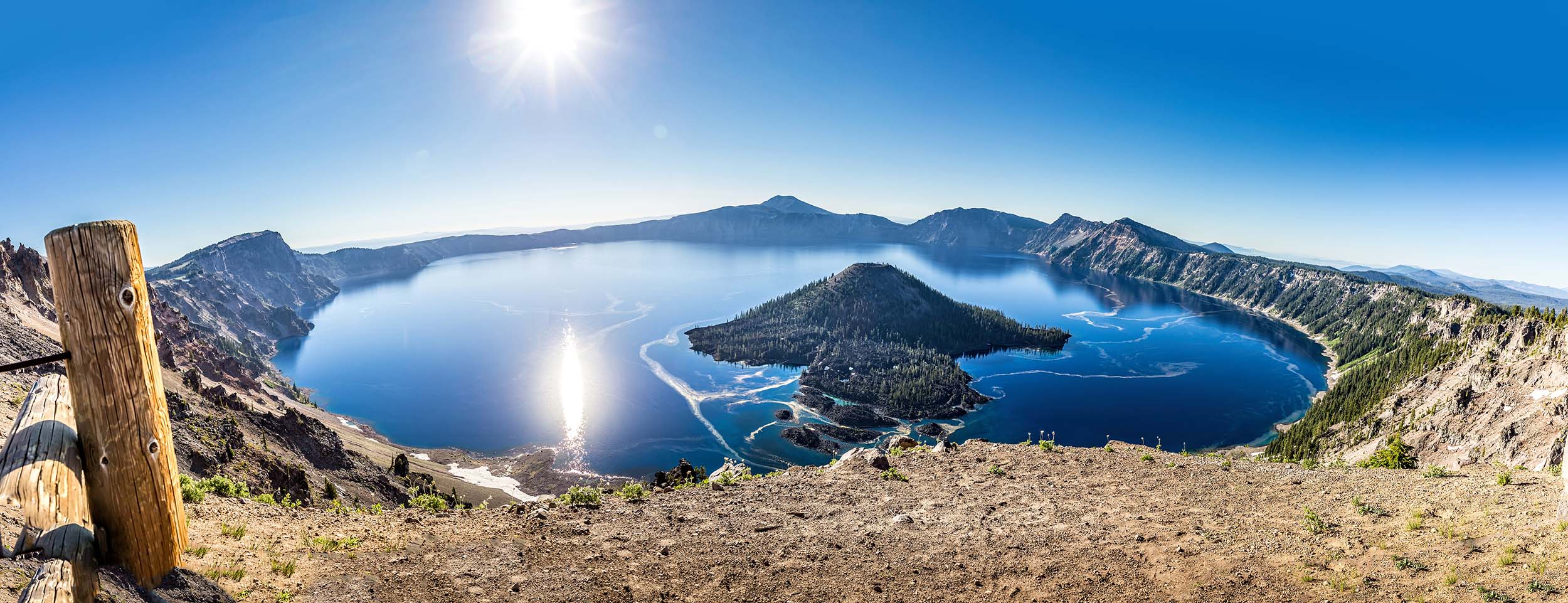
Main benefits of using a camping checklist

  • Preventing forgotten gear
  • Saving time while packing
  • Improving safety during your trip
  • Reducing stress before departure
  • Preparing for unexpected weather changes

Why seasoned campers use one

Many seasoned campers rely on a consistent checklist because it simplifies preparation and ensures every trip begins smoothly.

A smart planning habit

The more repeatable your packing process is, the less likely you are to forget small but essential camping items.

camping checklist
A consistent checklist turns camping trip prep into a simple routine.
camping checklist
Your shelter system is the foundation of a comfortable camping trip.
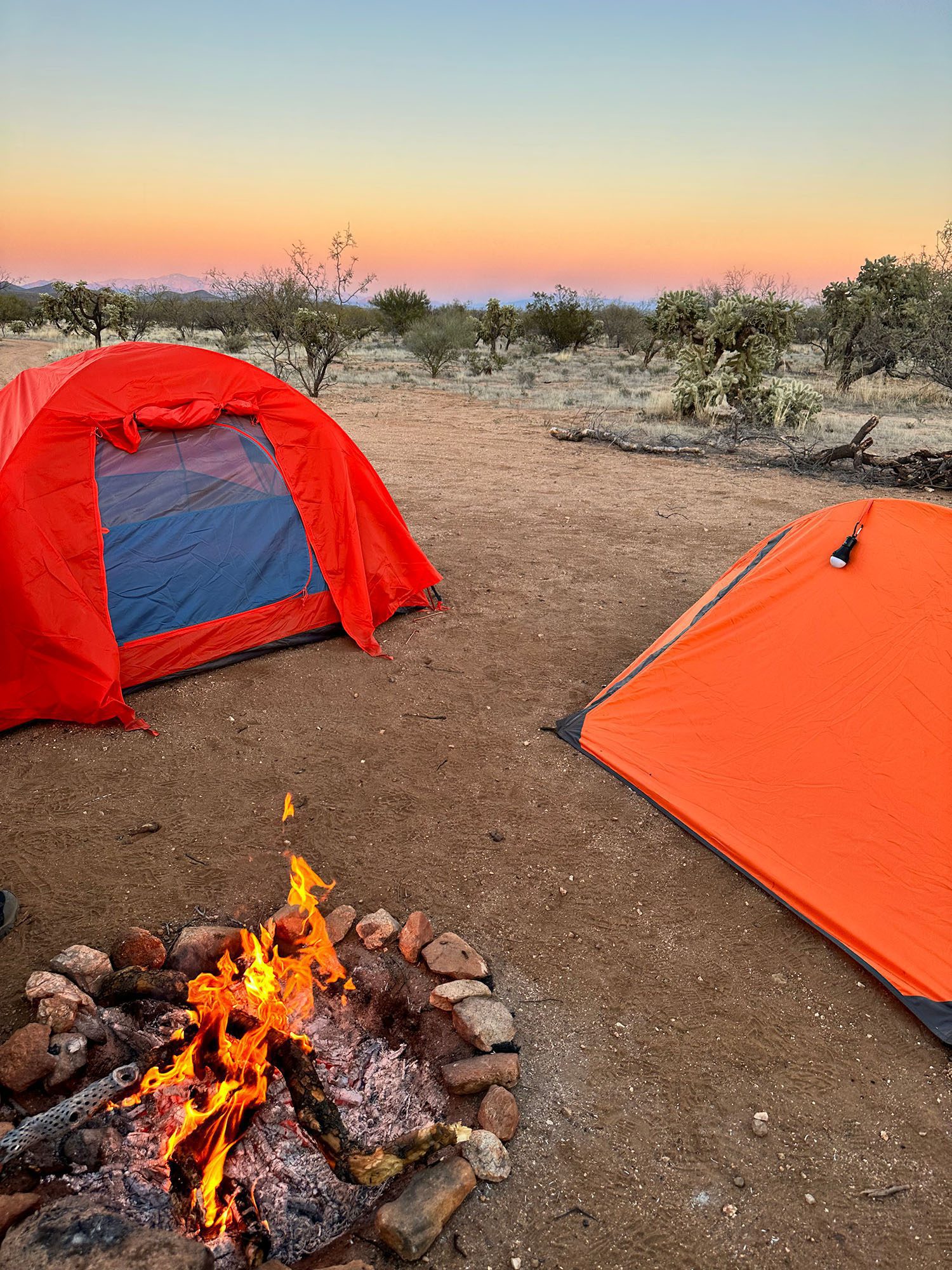
Shelter and sleeping gear

Your shelter system is the foundation of any successful camping trip. A comfortable and reliable sleeping setup ensures you stay warm, dry, and well-rested throughout your adventure. Without proper shelter, even the most scenic campsite can quickly become uncomfortable.
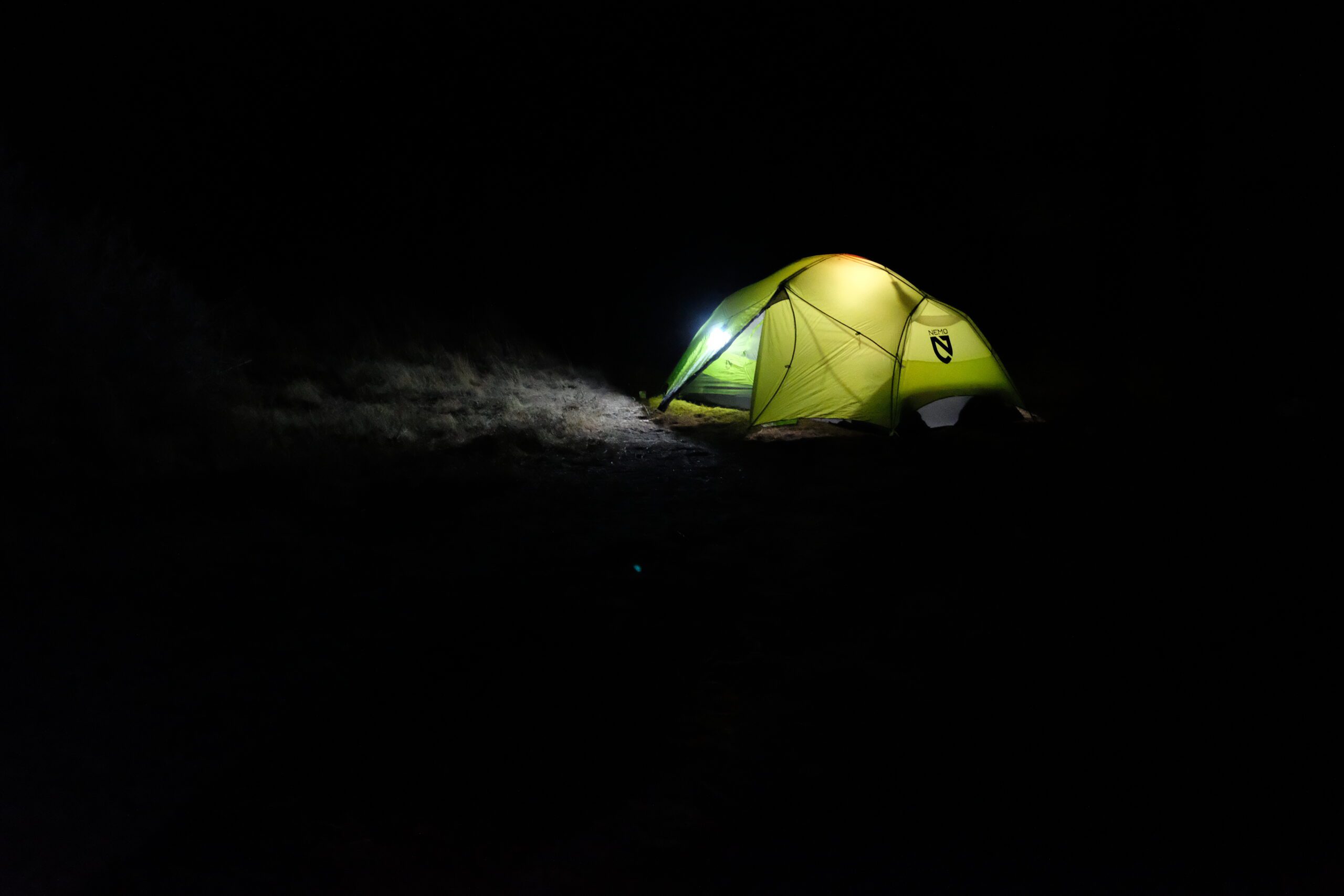
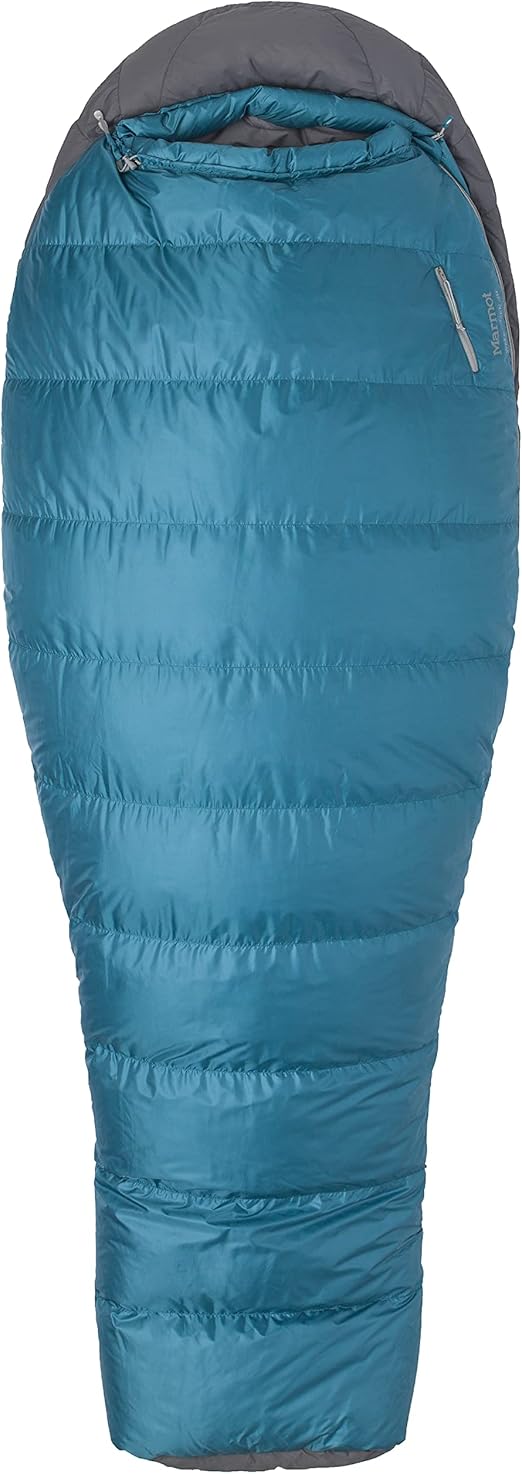
The most essential components of your shelter setup include your tent and sleeping gear. A quality tent protects you from wind, rain, and insects while providing a private space to rest after a long day outdoors. Equally important is a sleeping bag designed for the expected temperature conditions, along with a sleeping pad that provides insulation from the cold ground.

Your shelter checklist should include

  • Tent with rainfly
  • Tent stakes and guylines
  • Ground tarp or footprint
  • Sleeping bag appropriate for the weather
  • Sleeping pad or air mattress
  • Camp pillow
  • Extra blanket for colder nights

Why sleeping pads matter

Many new campers underestimate the importance of a sleeping pad. While sleeping bags provide warmth, sleeping pads add insulation from the ground and dramatically improve comfort during the night.

camping checklist
Layering clothing helps you adapt to changing outdoor conditions.

Clothing for changing outdoor conditions

Weather conditions in outdoor environments can change quickly, especially in mountainous areas or national parks. Proper clothing ensures you remain comfortable during hikes, chilly mornings, or unexpected rainstorms.

Layering is the best strategy when packing clothing for a camping trip. Instead of bringing heavy clothing, pack multiple lightweight layers that can be added or removed as temperatures change.
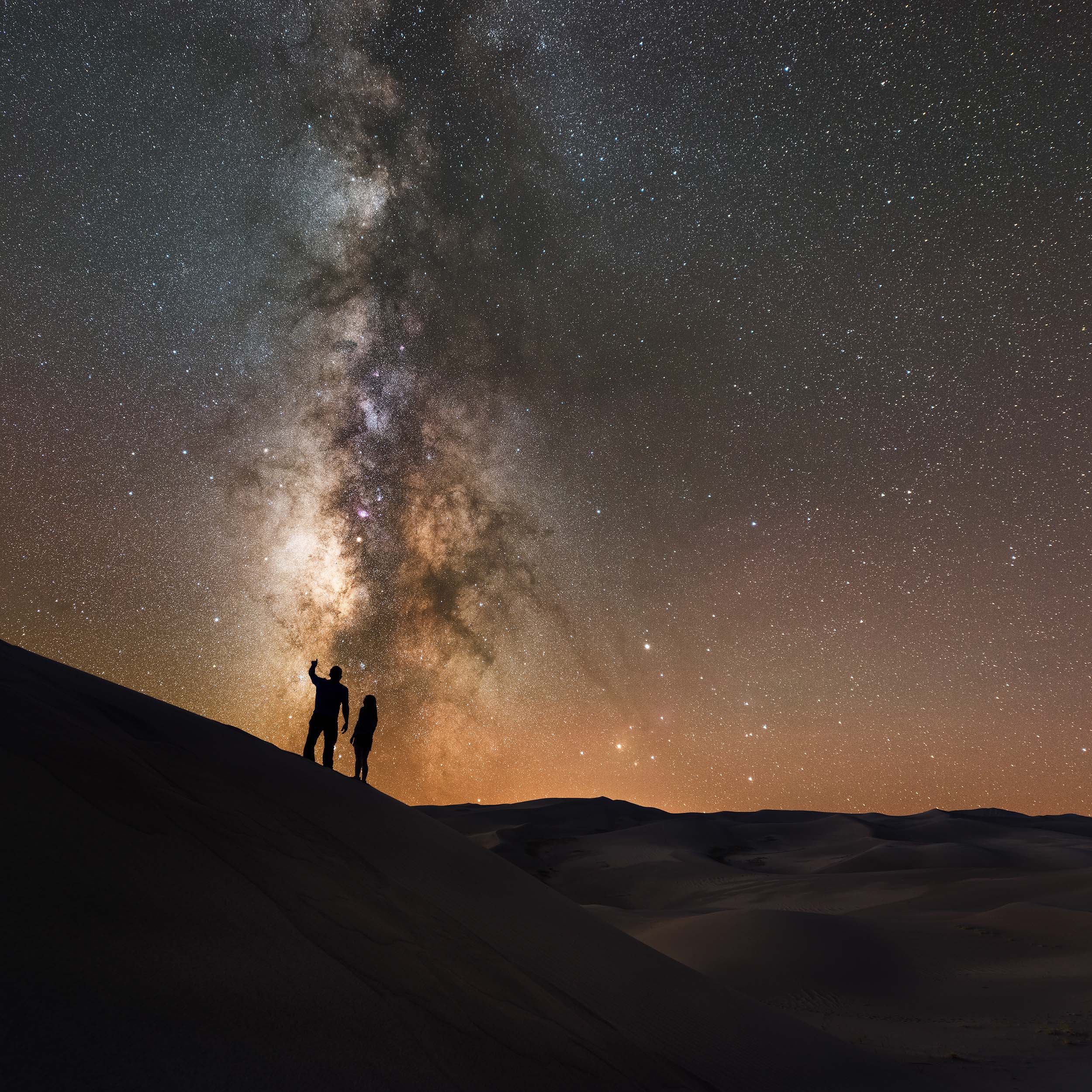
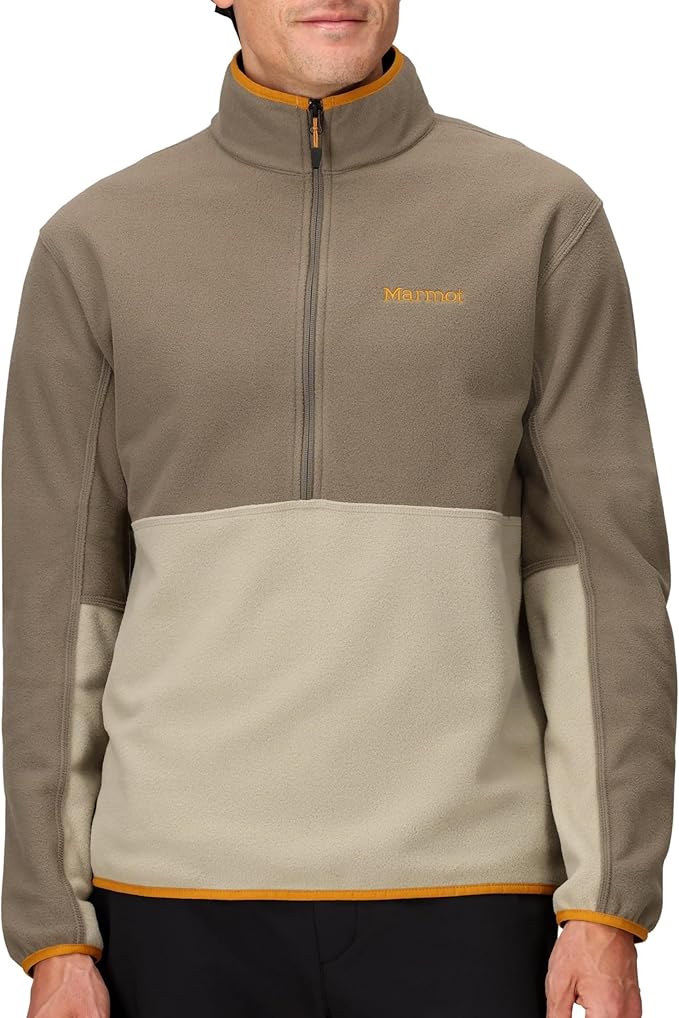
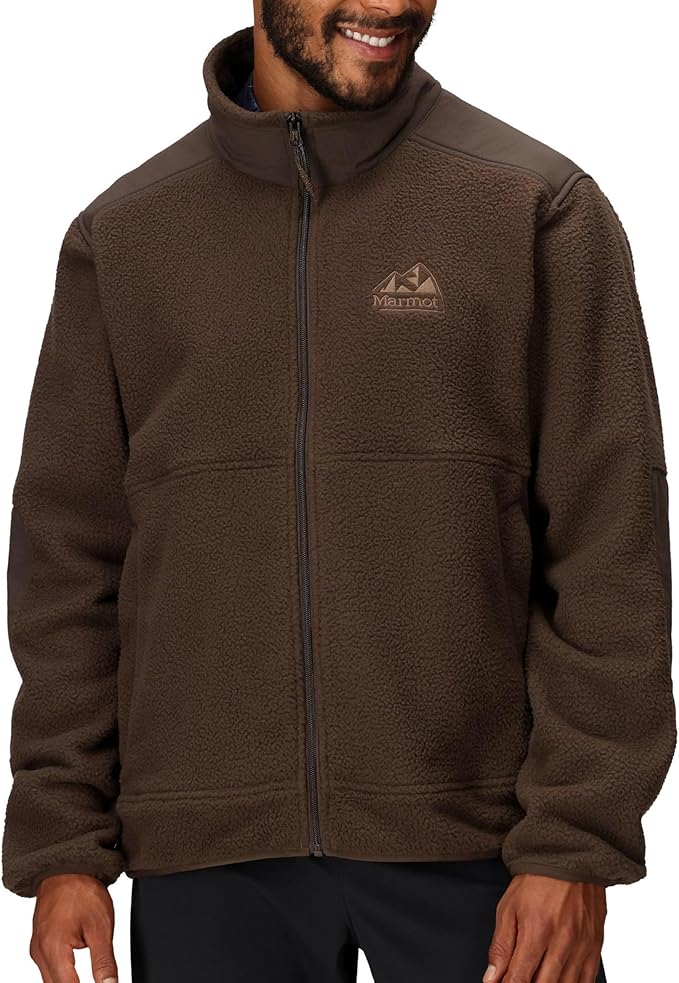
Essential clothing items include moisture-wicking shirts, warm mid-layers like fleece or insulated jackets, and waterproof outer layers. Comfortable hiking pants and durable footwear are also key.

Your clothing checklist should include

  • Moisture-wicking shirts
  • Hiking pants or shorts
  • Insulated jacket or fleece
  • Waterproof rain jacket
  • Thermal base layers
  • Hiking socks
  • Extra socks
  • Hat or beanie
  • Gloves in colder environments

Don’t overlook extra socks

After a long day of hiking, putting on dry socks can make a huge difference in comfort and warmth at the campsite.

camping checklist

Quick planning tip

A camping checklist keeps small oversights from becoming big problems

From extra socks to headlamp batteries, the smallest items are often the easiest to forget and the hardest to replace once you arrive at camp.

Cooking and food preparation gear

Cooking meals outdoors is one of the most enjoyable parts of camping. Sharing food around a campfire or preparing breakfast as the sun rises over the mountains creates unforgettable moments.

To make campsite cooking easy and efficient, you’ll need a small camp kitchen setup. This typically includes a portable stove, cooking utensils, and basic meal supplies. Many campers prefer simple meals that require minimal equipment, but it’s still important to pack essential cooking tools.

A basic camp kitchen should include

  • Portable camping stove
  • Fuel canisters
  • Lighter or waterproof matches
  • Cooking pots and pans
  • Plates, bowls, and cups
  • Utensils for cooking and eating
  • Cooler for perishable food
  • Biodegradable dish soap
  • Sponge or scrubber
  • Trash bags

Optional campsite cooking extras

Some campers also enjoy bringing optional items like a camp grill, coffee maker, or seasoning kit to enhance their campsite meals.

Keep meals simple

A simple camp kitchen setup makes cooking easier, saves space, and helps keep your campsite more organized.

camping checklist
A well-packed camp kitchen helps meals feel easier and more enjoyable outdoors.

Lighting and power essentials

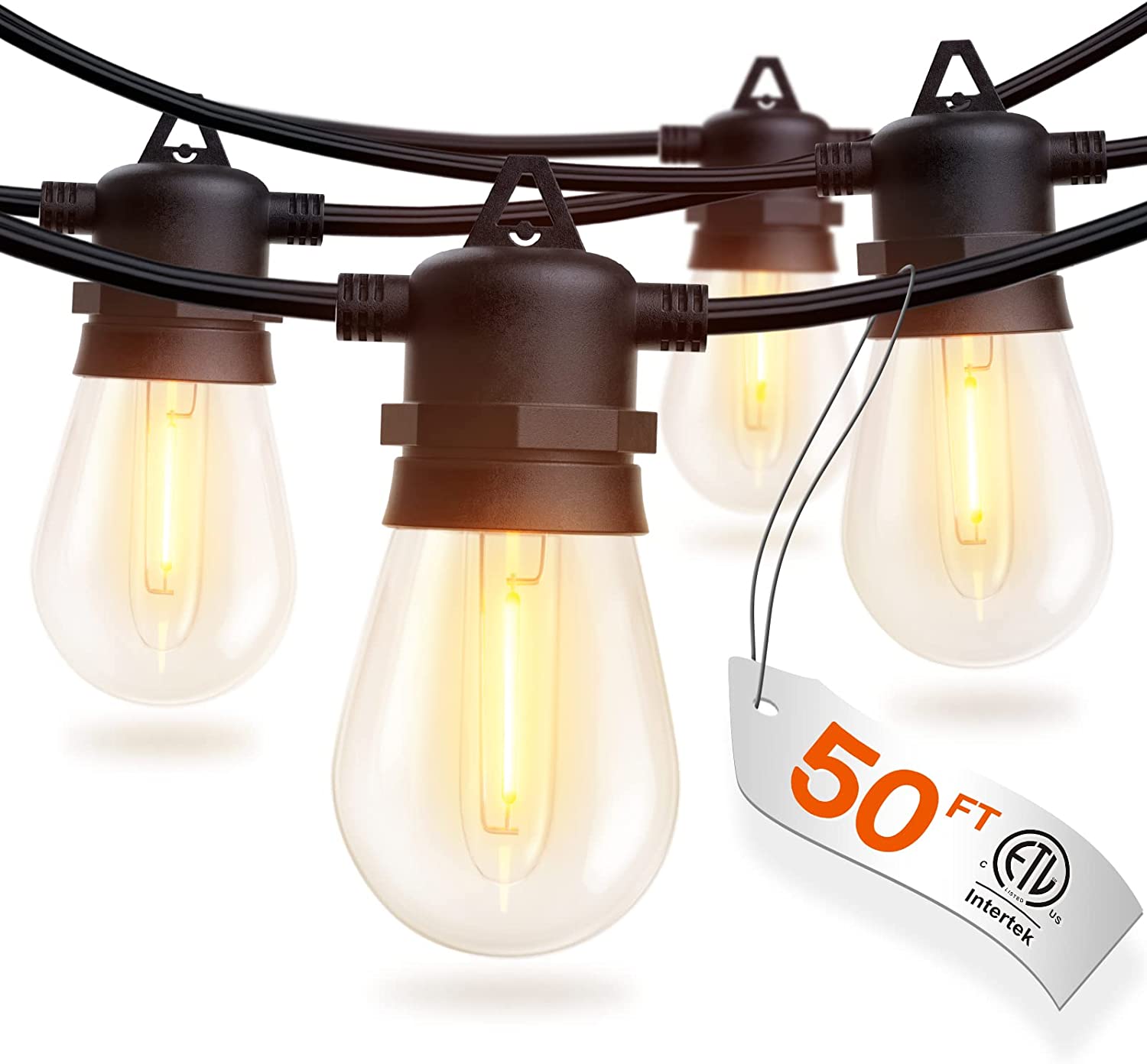
Lighting is an often overlooked part of a camping checklist, yet it is absolutely essential once the sun sets. Campsites can become extremely dark at night, especially in remote wilderness areas with little to no artificial lighting.

A reliable headlamp is one of the most useful pieces of camping gear you can bring. It keeps your hands free while cooking, setting up your tent, or navigating trails in low light. Lanterns are also helpful for illuminating larger areas around the campsite.

Core lighting gear

  • Headlamp
  • Flashlight
  • Lantern

Power backups

  • Extra batteries
  • Portable power bank

Why backups matter

Many campers forget spare batteries, which can quickly turn a convenient tool into useless gear.

Safety, emergency gear, and personal hygiene essentials

Safety should always be a top priority when camping. Personal hygiene items also help keep you comfortable and healthy throughout your adventure.

camping checklist

Safety gear

Important safety items

First aid kit, multi-tool or pocket knife, map of the area, compass or GPS device, fire starter, emergency blanket, and whistle.

camping checklist

Hygiene kit

Personal hygiene items

Toothbrush and toothpaste, hand sanitizer, wet wipes, quick-dry towel, toilet paper, sunscreen, insect repellent, and lip balm with SPF.

camping checklist

Remote trips

Extra gear for backcountry camping

For remote backcountry trips, additional items like water purification systems or satellite communicators may also be necessary.

camping checklist

Common oversights

The most forgotten camping items are usually the smallest ones

Extra socks, headlamp batteries, tent stakes, multi-use tools, trash bags, phone chargers, power banks, and water bottles are easy to miss without a reliable checklist.

Commonly forgotten camping items

These small items often make a big difference once you arrive at camp.

What small camping items do people forget most often?+
Extra socks, headlamp batteries, tent stakes, multi-use tools, trash bags, phone chargers or power banks, and water bottles are some of the most commonly forgotten items.
Why is a camping checklist so helpful?+
A camping checklist becomes incredibly valuable because it helps you remember small but essential pieces of gear before you leave home.
Should every camping checklist be the same?+
No. Your checklist should be adjusted based on your destination, weather conditions, trip length, campsite amenities, and planned activities.
What should I think about before every trip?+
Before every trip, consider the length of your stay, weather forecasts, campsite amenities, and planned activities so you bring exactly what you need without overpacking.

Camping Cheklist

Skip to article content
Wild Wanderers Almanac

The Ultimate Camping Checklist: Everything You Need for a Stress-Free Trip

Use this ultimate camping checklist to pack the right shelter, clothing, cooking gear, safety tools, and essentials for a stress-free camping trip.

Camping checklist
10–12 minute read
camping checklist

Quick facts about using a camping checklist

A reliable camping checklist helps you stay organized, reduce stress, avoid forgotten gear, and prepare for changing outdoor conditions.

1

Prevents forgotten camping gear.

2

Saves time while packing for your trip.

3

Improves safety during your camping trip.

4

Reduces stress before departure.

5

Helps you prepare for unexpected weather changes.

camping checklist
A simple camping checklist makes every trip smoother and easier to manage.

Why every camper needs a camping checklist

Camping is one of the best ways to reconnect with nature, explore national parks, and experience the outdoors in a meaningful way. Whether you're setting up camp beside a quiet lake, deep in a forest, or near a scenic mountain trail, preparation makes all the difference. Unfortunately, even experienced campers occasionally forget key items. Common oversights include things like headlamp batteries, extra socks, or a reliable multi-use tool.

That’s exactly why every outdoor traveler should have a reliable camping checklist.

A well-planned checklist ensures you pack everything necessary for comfort, safety, and convenience. It removes the guesswork from trip preparation and prevents the frustrating moment of realizing you left something important behind. This guide will walk you through the ultimate camping checklist, covering essential gear categories such as shelter, clothing, cooking equipment, safety tools, and personal items.

By the end of this article, you'll have a reusable checklist you can rely on for every camping adventure.

Why a camping checklist is essential

Camping requires significantly more preparation than most types of travel. Unlike hotel vacations where basic amenities are provided, camping requires you to bring nearly everything you’ll need for sleeping, cooking, and staying safe outdoors.

A camping checklist helps you stay organized and prepared before heading out on your trip. It ensures you bring the right gear for your destination, weather conditions, and activities.

Main benefits of using a camping checklist

  • Preventing forgotten gear
  • Saving time while packing
  • Improving safety during your trip
  • Reducing stress before departure
  • Preparing for unexpected weather changes

Why seasoned campers use one

Many seasoned campers rely on a consistent checklist because it simplifies preparation and ensures every trip begins smoothly.

A smart planning habit

The more repeatable your packing process is, the less likely you are to forget small but essential camping items.

camping checklist
A consistent checklist turns camping trip prep into a simple routine.
camping checklist
Your shelter system is the foundation of a comfortable camping trip.

Shelter and sleeping gear

Your shelter system is the foundation of any successful camping trip. A comfortable and reliable sleeping setup ensures you stay warm, dry, and well-rested throughout your adventure. Without proper shelter, even the most scenic campsite can quickly become uncomfortable.

The most essential components of your shelter setup include your tent and sleeping gear. A quality tent protects you from wind, rain, and insects while providing a private space to rest after a long day outdoors. Equally important is a sleeping bag designed for the expected temperature conditions, along with a sleeping pad that provides insulation from the cold ground.

Your shelter checklist should include

  • Tent with rainfly
  • Tent stakes and guylines
  • Ground tarp or footprint
  • Sleeping bag appropriate for the weather
  • Sleeping pad or air mattress
  • Camp pillow
  • Extra blanket for colder nights

Why sleeping pads matter

Many new campers underestimate the importance of a sleeping pad. While sleeping bags provide warmth, sleeping pads add insulation from the ground and dramatically improve comfort during the night.

camping checklist
Layering clothing helps you adapt to changing outdoor conditions.

Clothing for changing outdoor conditions

Weather conditions in outdoor environments can change quickly, especially in mountainous areas or national parks. Proper clothing ensures you remain comfortable during hikes, chilly mornings, or unexpected rainstorms.

Layering is the best strategy when packing clothing for a camping trip. Instead of bringing heavy clothing, pack multiple lightweight layers that can be added or removed as temperatures change.

Essential clothing items include moisture-wicking shirts, warm mid-layers like fleece or insulated jackets, and waterproof outer layers. Comfortable hiking pants and durable footwear are also key.

Your clothing checklist should include

  • Moisture-wicking shirts
  • Hiking pants or shorts
  • Insulated jacket or fleece
  • Waterproof rain jacket
  • Thermal base layers
  • Hiking socks
  • Extra socks
  • Hat or beanie
  • Gloves in colder environments

Don’t overlook extra socks

After a long day of hiking, putting on dry socks can make a huge difference in comfort and warmth at the campsite.

camping checklist

Quick planning tip

A camping checklist keeps small oversights from becoming big problems

From extra socks to headlamp batteries, the smallest items are often the easiest to forget and the hardest to replace once you arrive at camp.

Cooking and food preparation gear

Cooking meals outdoors is one of the most enjoyable parts of camping. Sharing food around a campfire or preparing breakfast as the sun rises over the mountains creates unforgettable moments.

To make campsite cooking easy and efficient, you’ll need a small camp kitchen setup. This typically includes a portable stove, cooking utensils, and basic meal supplies. Many campers prefer simple meals that require minimal equipment, but it’s still important to pack essential cooking tools.

A basic camp kitchen should include

  • Portable camping stove
  • Fuel canisters
  • Lighter or waterproof matches
  • Cooking pots and pans
  • Plates, bowls, and cups
  • Utensils for cooking and eating
  • Cooler for perishable food
  • Biodegradable dish soap
  • Sponge or scrubber
  • Trash bags

Optional campsite cooking extras

Some campers also enjoy bringing optional items like a camp grill, coffee maker, or seasoning kit to enhance their campsite meals.

Keep meals simple

A simple camp kitchen setup makes cooking easier, saves space, and helps keep your campsite more organized.

camping checklist
A well-packed camp kitchen helps meals feel easier and more enjoyable outdoors.

Lighting and power essentials

Lighting is an often overlooked part of a camping checklist, yet it is absolutely essential once the sun sets. Campsites can become extremely dark at night, especially in remote wilderness areas with little to no artificial lighting.

A reliable headlamp is one of the most useful pieces of camping gear you can bring. It keeps your hands free while cooking, setting up your tent, or navigating trails in low light. Lanterns are also helpful for illuminating larger areas around the campsite.

Core lighting gear

  • Headlamp
  • Flashlight
  • Lantern

Power backups

  • Extra batteries
  • Portable power bank

Why backups matter

Many campers forget spare batteries, which can quickly turn a convenient tool into useless gear.

Safety, emergency gear, and personal hygiene essentials

Safety should always be a top priority when camping. Personal hygiene items also help keep you comfortable and healthy throughout your adventure.

camping checklist

Safety gear

Important safety items

First aid kit, multi-tool or pocket knife, map of the area, compass or GPS device, fire starter, emergency blanket, and whistle.

camping checklist

Hygiene kit

Personal hygiene items

Toothbrush and toothpaste, hand sanitizer, wet wipes, quick-dry towel, toilet paper, sunscreen, insect repellent, and lip balm with SPF.

camping checklist

Remote trips

Extra gear for backcountry camping

For remote backcountry trips, additional items like water purification systems or satellite communicators may also be necessary.

camping checklist

Common oversights

The most forgotten camping items are usually the smallest ones

Extra socks, headlamp batteries, tent stakes, multi-use tools, trash bags, phone chargers, power banks, and water bottles are easy to miss without a reliable checklist.

Commonly forgotten camping items

These small items often make a big difference once you arrive at camp.

What small camping items do people forget most often?+
Extra socks, headlamp batteries, tent stakes, multi-use tools, trash bags, phone chargers or power banks, and water bottles are some of the most commonly forgotten items.
Why is a camping checklist so helpful?+
A camping checklist becomes incredibly valuable because it helps you remember small but essential pieces of gear before you leave home.
Should every camping checklist be the same?+
No. Your checklist should be adjusted based on your destination, weather conditions, trip length, campsite amenities, and planned activities.
What should I think about before every trip?+
Before every trip, consider the length of your stay, weather forecasts, campsite amenities, and planned activities so you bring exactly what you need without overpacking.

5 Common Camping Mistakes

Skip to article content
Wild Wanderers Almanac

5 Common Camping Mistakes That Ruin Beginner Trips

The small oversights that turn a fun weekend into a stressful one — and exactly how to avoid them before you ever leave home.

Beginner camping
8–10 minute read
Beginner campers setting up camp near a tent in the woods

Quick facts for first-time campers

Most “ruined” trips are not caused by storms or wildlife. They usually come from small mistakes that stack up once you reach camp.

1

Pack essentials before comfort extras.

2

Always check campground rules, fire bans, and reservation details.

3

Plan for the overnight low, not just the daytime high.

4

Food storage mistakes create stress and safety problems fast.

5

A simple repeatable camping system prevents the same mistakes every trip.

Organized campsite with a tent, chairs, and carefully packed gear
Pro tip: a simple system beats winging it every time.

First camping trip? Read this before you pack.

Most ruined camping trips are not caused by major disasters. They are caused by small, preventable mistakes that get much bigger once you are already at the campsite and have limited ways to fix them.

First-time campers usually have good intentions. They get excited, throw things into bins, bring a few comfort items, and assume everything else will work itself out at camp. That is usually where stress starts.

This guide breaks down the five most common beginner camping mistakes, why they happen, and exactly what to do instead. The goal is simple: help you feel more prepared, more comfortable, and more confident before your next trip.

Based on the real oversights beginner campers make most often when planning car camping and park trips.

1) Overpacking comfort items but forgetting essentials

This is the most common camping mistake of all. New campers often pack for comfort before they pack for functionality. They bring extra blankets, extra outfits, games, decorative lanterns, or luxury add-ons — but forget basics like a headlamp, stove fuel, weather layers, or an insulated sleeping pad.

Comfort matters, but your base kit matters more. A reliable sleep system, lighting, weather protection, and safety basics will improve your trip far more than random extras.

What beginners forget most often

  • Headlamp or flashlight
  • Extra batteries or a power bank
  • Sleeping pad, not just a sleeping bag
  • Weather-appropriate layers
  • Camp stove fuel
  • Trash bags
  • Multi-tool or knife

What to do instead

Build your list in this order: shelter, sleep system, cooking, safety, clothing, then comfort extras. Essentials first. Everything else is optional.

A better packing rule

If it keeps you dry, warm, fed, safe, or able to sleep, it belongs in the base kit. If it does not, it gets packed later.

Camping gear organized in bins before being packed for a trip
Pack the base kit first, then add comfort items only if space allows.
Campground board showing posted campground rules and fire restrictions
Ten minutes of research can save your entire trip.

2) Not checking campground rules or fire restrictions

Nothing kills campsite momentum faster than realizing the trip you imagined is not the trip your campground allows. Many beginners assume every site allows campfires, generators, pets, multiple vehicles, or late-night noise. They do not.

Fire bans are especially important. You may show up with wood and fire starters only to learn that open flames are prohibited. That is frustrating, wasteful, and avoidable.

Rules people forget to check

  • Fire restrictions
  • Quiet hours
  • Food storage rules
  • Vehicle limits
  • Generator hours
  • Check-in and checkout timing

What to do instead

Before leaving, review the official park or campground website, confirm your reservation, check fire restrictions, and look for wildlife alerts or weather notices.

Tent at night in cold weather under a clear starry sky
It can drop dramatically after sunset, even during summer camping trips.

3) Ignoring nighttime temperature drops

This is one of the most underestimated beginner mistakes. You check the daytime forecast, see a comfortable temperature, and pack around that. Then the sun goes down and the campsite turns cold fast.

Clear skies, elevation, and dry air can make a mild afternoon feel completely different at midnight. Tents do not provide much insulation, so weak sleep gear gets exposed quickly.

What to check before you go

  • Daytime high
  • Overnight low
  • Elevation of your campsite

What to pack instead

  • Sleeping bag rated below the expected low
  • Insulated sleeping pad
  • Thermal layers
  • Wool socks
  • Beanie or knit cap

Layering wins

It is much easier to remove layers than wish you had packed more. Your sleeping pad matters just as much as your sleeping bag.

Organized campsite at golden hour with gear bins and lantern light

Quick reset

Pack smart, not heavy

The best camping setup is not the biggest one. It is the one that covers shelter, sleep, food, and safety with the least amount of stress.

4) Poor food planning and storage

Food mistakes are both inconvenient and risky. Common errors include bringing too much perishable food, forgetting cooler strategy, skipping easy breakfasts, or leaving food out where animals can get to it.

Even when wildlife is not a major concern, warm soggy food and disorganized meal prep make camping feel harder than it needs to.

What to do instead

Plan meals by day and prep as much as possible at home.

  • Day 1 dinner: pre-marinated kebabs
  • Day 2 breakfast: oatmeal and fruit
  • Day 2 dinner: foil packet potatoes and sausage

Food storage basics

  • Keep the cooler shaded
  • Use sealed containers
  • Never store food in your tent
  • Use designated lockers when required

Why this matters

Good food planning reduces decision fatigue, saves money, and keeps wildlife safer around camp.

Camp meal ingredients and cooler organized for a weekend camping trip
Label meals by day to eliminate decision fatigue at camp.

5) Not having a simple camping system

This final mistake connects everything else. Many beginners treat every trip like a fresh start. They pack from scratch, forget what worked last time, and repeat the same avoidable errors.

A repeatable system turns camping from stressful into easy. Once your base gear, packing order, and post-trip restock routine are set, every future trip gets smoother.

Gear bin

Keep your core gear stored together year-round so you are never hunting for the basics.

  • Tent stakes
  • Headlamp
  • First-aid kit
  • Camp stove
  • Cooking tools

Master checklist

Use one reusable list for every trip instead of rebuilding your packing logic each time.

  • Shelter
  • Sleep system
  • Cooking
  • Safety
  • Clothing

Restock routine

After each trip, refill or replace missing items right away so the kit stays ready.

  • Refuel stove canisters
  • Replace batteries
  • Wash cookware
  • Refill first-aid supplies
  • Repack the bin immediately

Three beginner-friendly camping habits that change everything

These are not flashy gear hacks. They are simple habits that make beginner camping feel dramatically easier from the first trip onward.

Camping gear neatly sorted into labeled storage bins

Packing habit

Sort gear by function

Group items into shelter, sleep, cooking, safety, and clothing so nothing critical gets buried under comfort extras.

Camping meals prepped ahead of time in containers for easy cooking

Food habit

Decide meals before you leave

A simple meal plan removes guesswork, cuts waste, and makes your campsite routine feel calmer and more organized.

Cold night camping scene showing a tent prepared for low temperatures

Sleep habit

Plan for the coldest moment

The overnight low matters more than the sunny afternoon. Warm sleep gear turns a rough night into a great trip.

Calm morning campsite with coffee and sunrise through the trees

Mindset shift

Camping gets easier when you stop trying to recreate home outdoors

Expect some dirt, unpredictability, and slower routines. That shift alone makes it easier to enjoy the parts that matter: quiet mornings, fresh air, simpler meals, and better memories.

FAQ

Fast answers to the most common first-trip questions.

What are the top three essentials beginners forget?+
A headlamp with extra batteries, an insulated sleeping pad, and a clear food plan with cooler strategy.
How much colder can it get at night?+
In many places the temperature can drop 20–30 degrees after sunset, especially in desert areas or at elevation. Always check the overnight low.
Where should I store food while camping?+
Use bear lockers if the campground provides them. Otherwise store food in approved containers or your vehicle, never inside your tent.
What is the easiest way to stop repeating packing mistakes?+
Build one base camping bin, keep a reusable checklist, and restock right after each trip so the system stays ready.