

5 Common Camping Mistakes That Ruin Beginner Trips
The small oversights that turn a fun weekend into a stressful one — and exactly how to avoid them before you ever leave home.
Quick facts for first-time campers
Most “ruined” trips are not caused by storms or wildlife. They usually come from small mistakes that stack up once you reach camp.
Pack essentials before comfort extras.
Always check campground rules, fire bans, and reservation details.
Plan for the overnight low, not just the daytime high.
Food storage mistakes create stress and safety problems fast.
A simple repeatable camping system prevents the same mistakes every trip.
First camping trip? Read this before you pack.
Most ruined camping trips are not caused by major disasters. They are caused by small, preventable mistakes that get much bigger once you are already at the campsite and have limited ways to fix them.
First-time campers usually have good intentions. They get excited, throw things into bins, bring a few comfort items, and assume everything else will work itself out at camp. That is usually where stress starts.
This guide breaks down the five most common beginner camping mistakes, why they happen, and exactly what to do instead. The goal is simple: help you feel more prepared, more comfortable, and more confident before your next trip.
Based on the real oversights beginner campers make most often when planning car camping and park trips.
1) Overpacking comfort items but forgetting essentials
This is the most common camping mistake of all. New campers often pack for comfort before they pack for functionality. They bring extra blankets, extra outfits, games, decorative lanterns, or luxury add-ons — but forget basics like a headlamp, stove fuel, weather layers, or an insulated sleeping pad.
Comfort matters, but your base kit matters more. A reliable sleep system, lighting, weather protection, and safety basics will improve your trip far more than random extras.
What beginners forget most often
- Headlamp or flashlight
- Extra batteries or a power bank
- Sleeping pad, not just a sleeping bag
- Weather-appropriate layers
- Camp stove fuel
- Trash bags
- Multi-tool or knife
What to do instead
Build your list in this order: shelter, sleep system, cooking, safety, clothing, then comfort extras. Essentials first. Everything else is optional.
A better packing rule
If it keeps you dry, warm, fed, safe, or able to sleep, it belongs in the base kit. If it does not, it gets packed later.
2) Not checking campground rules or fire restrictions
Nothing kills campsite momentum faster than realizing the trip you imagined is not the trip your campground allows. Many beginners assume every site allows campfires, generators, pets, multiple vehicles, or late-night noise. They do not.
Fire bans are especially important. You may show up with wood and fire starters only to learn that open flames are prohibited. That is frustrating, wasteful, and avoidable.
Rules people forget to check
- Fire restrictions
- Quiet hours
- Food storage rules
- Vehicle limits
- Generator hours
- Check-in and checkout timing
What to do instead
Before leaving, review the official park or campground website, confirm your reservation, check fire restrictions, and look for wildlife alerts or weather notices.
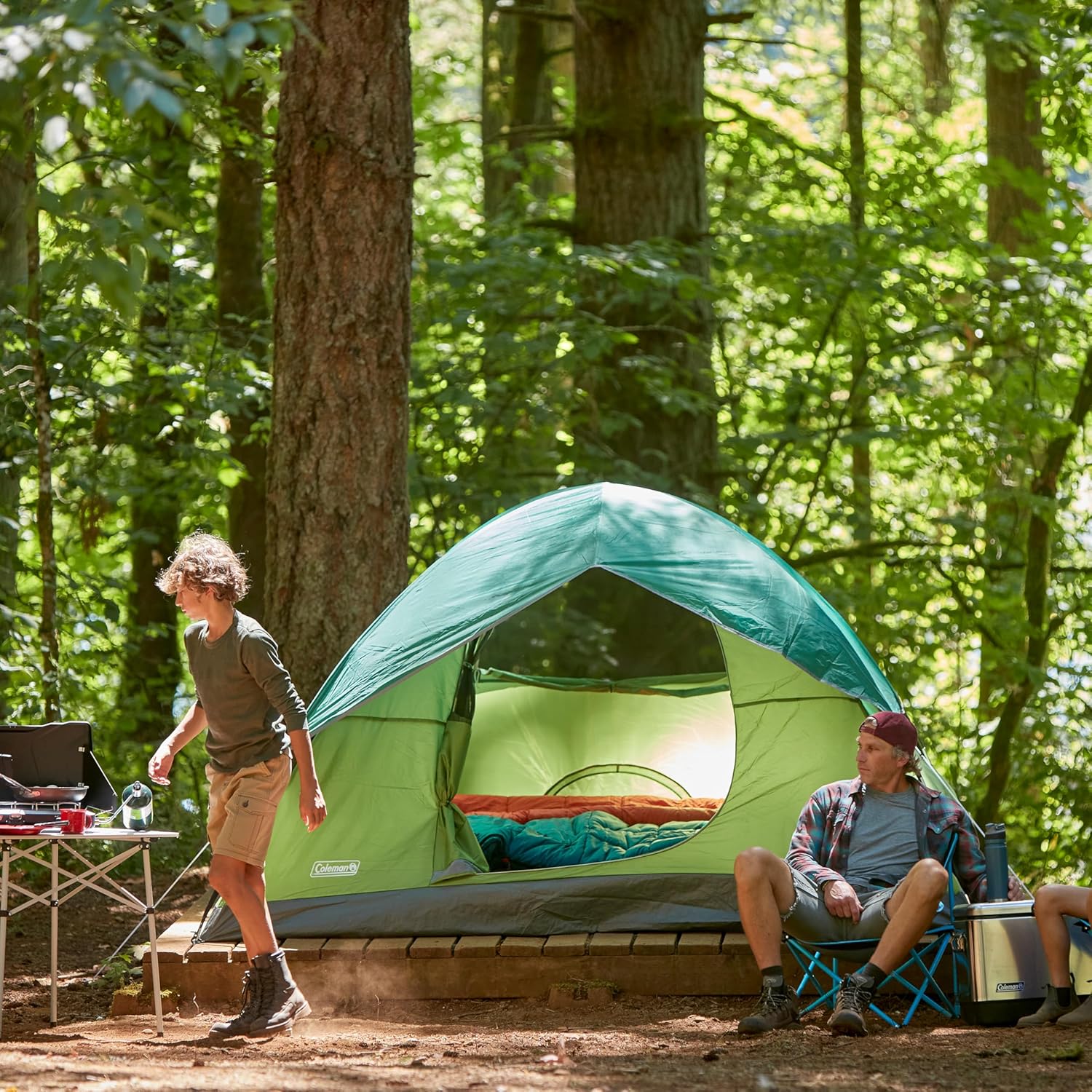
3) Ignoring nighttime temperature drops
This is one of the most underestimated beginner mistakes. You check the daytime forecast, see a comfortable temperature, and pack around that. Then the sun goes down and the campsite turns cold fast.
Clear skies, elevation, and dry air can make a mild afternoon feel completely different at midnight. Tents do not provide much insulation, so weak sleep gear gets exposed quickly.
What to check before you go
- Daytime high
- Overnight low
- Elevation of your campsite
What to pack instead
- Sleeping bag rated below the expected low
- Insulated sleeping pad
- Thermal layers
- Wool socks
- Beanie or knit cap
Layering wins
It is much easier to remove layers than wish you had packed more. Your sleeping pad matters just as much as your sleeping bag.
Quick reset
Pack smart, not heavy
The best camping setup is not the biggest one. It is the one that covers shelter, sleep, food, and safety with the least amount of stress.
4) Poor food planning and storage
Food mistakes are both inconvenient and risky. Common errors include bringing too much perishable food, forgetting cooler strategy, skipping easy breakfasts, or leaving food out where animals can get to it.
Even when wildlife is not a major concern, warm soggy food and disorganized meal prep make camping feel harder than it needs to.
What to do instead
Plan meals by day and prep as much as possible at home.
- Day 1 dinner: pre-marinated kebabs
- Day 2 breakfast: oatmeal and fruit
- Day 2 dinner: foil packet potatoes and sausage
Food storage basics
- Keep the cooler shaded
- Use sealed containers
- Never store food in your tent
- Use designated lockers when required
Why this matters
Good food planning reduces decision fatigue, saves money, and keeps wildlife safer around camp.
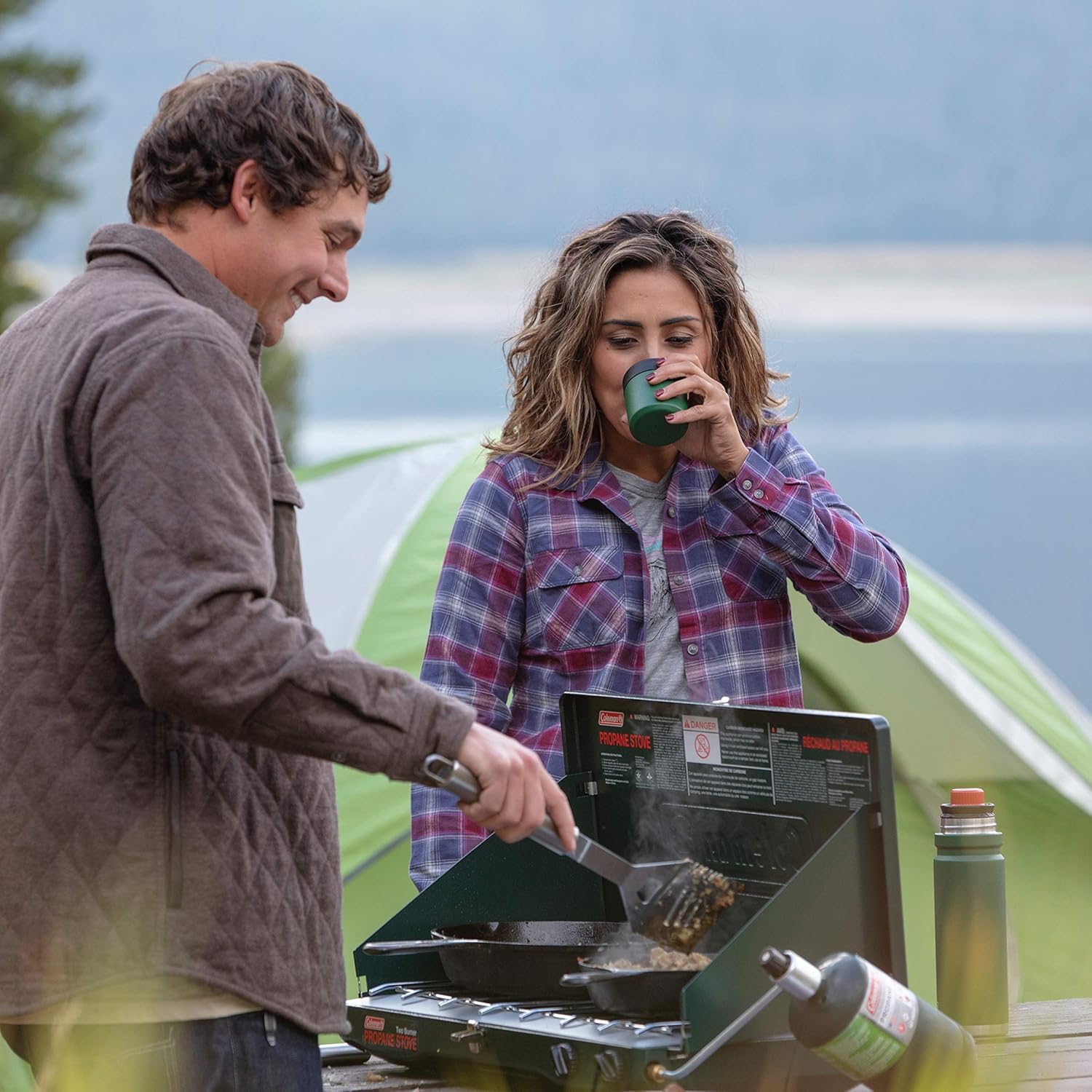
5) Not having a simple camping system
This final mistake connects everything else. Many beginners treat every trip like a fresh start. They pack from scratch, forget what worked last time, and repeat the same avoidable errors.
A repeatable system turns camping from stressful into easy. Once your base gear, packing order, and post-trip restock routine are set, every future trip gets smoother.
Gear bin
Keep your core gear stored together year-round so you are never hunting for the basics.
- Tent stakes
- Headlamp
- First-aid kit
- Camp stove
- Cooking tools
Master checklist
Use one reusable list for every trip instead of rebuilding your packing logic each time.
- Shelter
- Sleep system
- Cooking
- Safety
- Clothing
Restock routine
After each trip, refill or replace missing items right away so the kit stays ready.
- Refuel stove canisters
- Replace batteries
- Wash cookware
- Refill first-aid supplies
- Repack the bin immediately
Three beginner-friendly camping habits that change everything
These are not flashy gear hacks. They are simple habits that make beginner camping feel dramatically easier from the first trip onward.
Packing habit
Sort gear by function
Group items into shelter, sleep, cooking, safety, and clothing so nothing critical gets buried under comfort extras.
Food habit
Decide meals before you leave
A simple meal plan removes guesswork, cuts waste, and makes your campsite routine feel calmer and more organized.
Sleep habit
Plan for the coldest moment
The overnight low matters more than the sunny afternoon. Warm sleep gear turns a rough night into a great trip.
Mindset shift
Camping gets easier when you stop trying to recreate home outdoors
Expect some dirt, unpredictability, and slower routines. That shift alone makes it easier to enjoy the parts that matter: quiet mornings, fresh air, simpler meals, and better memories.
FAQ
Fast answers to the most common first-trip questions.