Camping in Big Bend National Park for the First Time
Planning your first time camping in Big Bend National Park? Learn the best time to go, where to camp, what to pack, safety tips, and what to expect in this remote West Texas adventure.
Quick facts about camping in Big Bend National Park
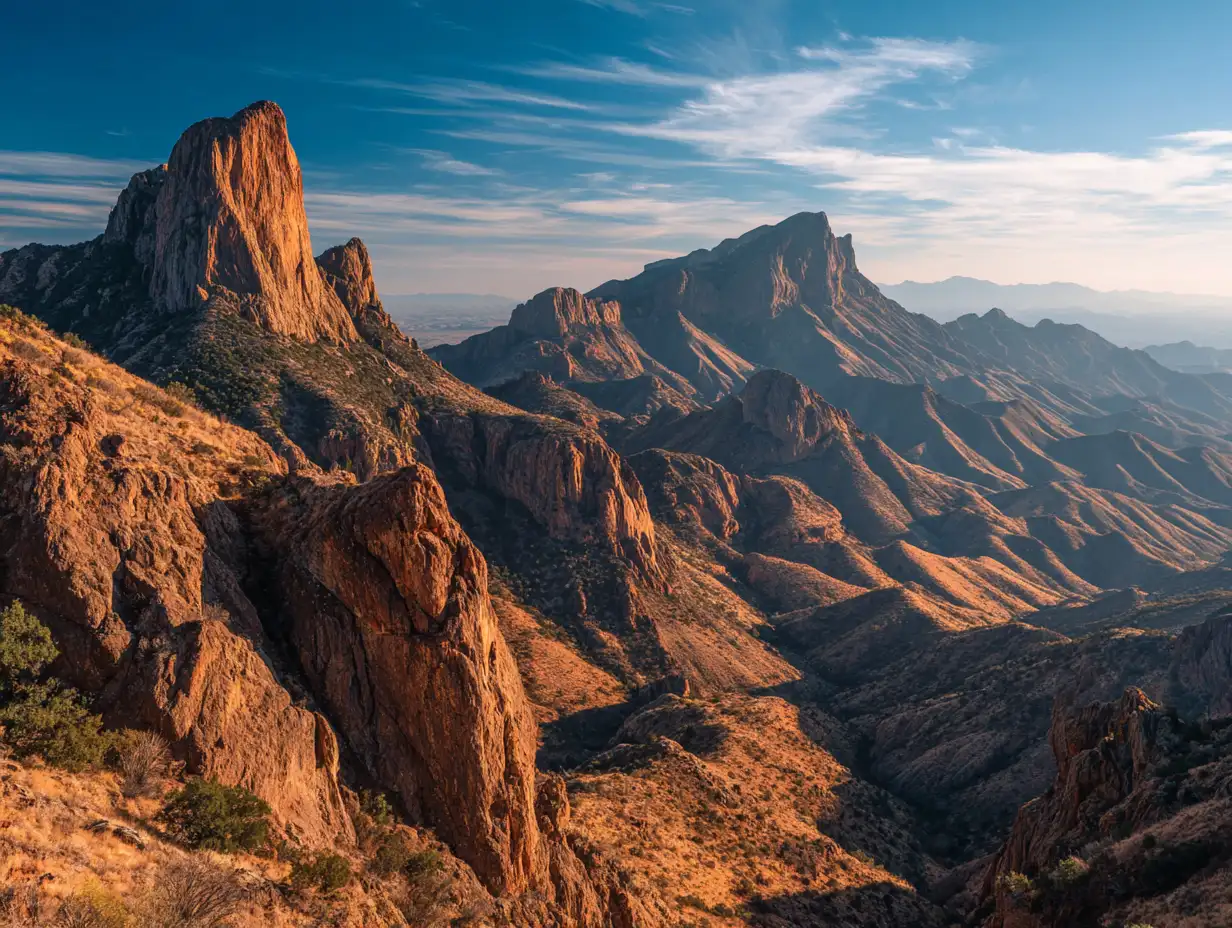
Camping in Big Bend National Park offers remote desert scenery, mountain views, dark skies, and a quieter experience than many other national parks, but it also requires more preparation.
The best months for camping in Big Bend National Park are usually October through April.
Summer heat can exceed 100°F and is not ideal for first-time campers.
Chisos Basin, Rio Grande Village, and Cottonwood each offer a different camping experience.
Big Bend is remote, so fuel, water, food, and supplies should be planned ahead.
The park is one of the best places in the country for stargazing and quiet desert camping.
What first-time campers should know about Big Bend
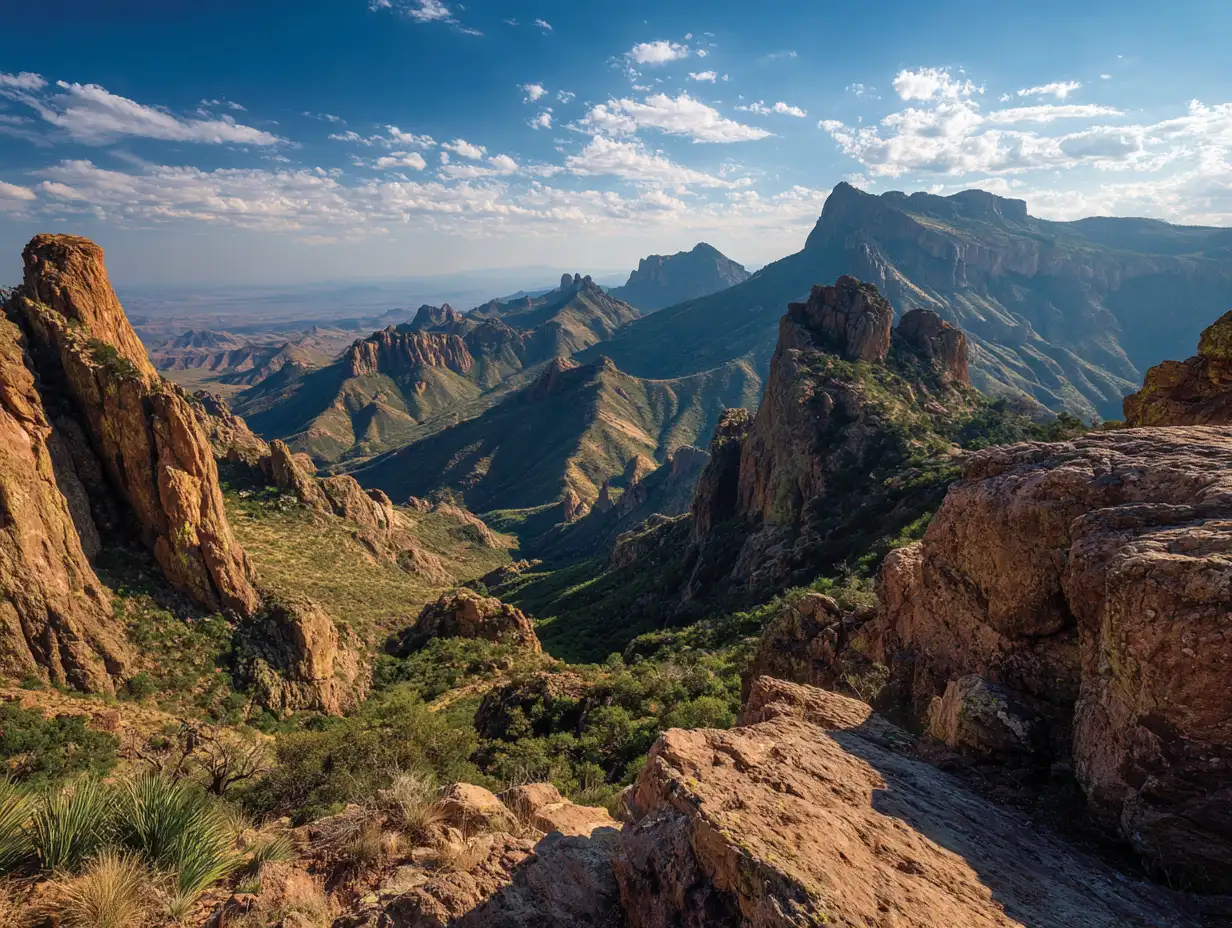
Camping in Big Bend National Park is one of the most unique outdoor experiences in the United States. Tucked away in remote West Texas, this massive park offers rugged desert landscapes, towering canyons, mountain hikes, and some of the darkest night skies in North America.
If you're planning your first trip, camping in Big Bend National Park can feel a bit intimidating at first—but with the right preparation, it becomes an unforgettable adventure.
Big Bend is not a park you casually stumble through. Its size, distance between locations, and limited services mean planning ahead matters more here than at many other national parks.
This guide covers the best time to visit, where to camp, what to pack, what to expect, and how to make your first camping trip to Big Bend both comfortable and memorable.
Why Big Bend is perfect for first-time campers
Big Bend stands out from many other national parks because of its isolation. While parks like Yosemite or Yellowstone can feel crowded, Big Bend offers a quieter, more immersive experience.
Instead of packed campgrounds and busy trails, you’ll find wide-open desert views, peaceful campsites, and a true sense of solitude. It’s the kind of place where you can sit outside your tent at night and hear absolutely nothing except the wind.
What makes Big Bend so appealing
- Fewer crowds than most national parks
- Incredible stargazing as an International Dark Sky Park
- A mix of desert, river, and mountain landscapes
- Plenty of options for both beginner and experienced campers
- A slower, more peaceful style of outdoor travel
Why it works for a first trip
For first-time campers, Big Bend offers a rare balance between accessibility and adventure. You can choose developed campgrounds with basic amenities or go more remote if you want a deeper wilderness experience.
Why first-timers love Big Bend
Big Bend gives new campers a chance to experience dramatic scenery, quiet campsites, and true desert solitude without needing to tackle a fully backcountry trip.
Best time to visit and where to camp
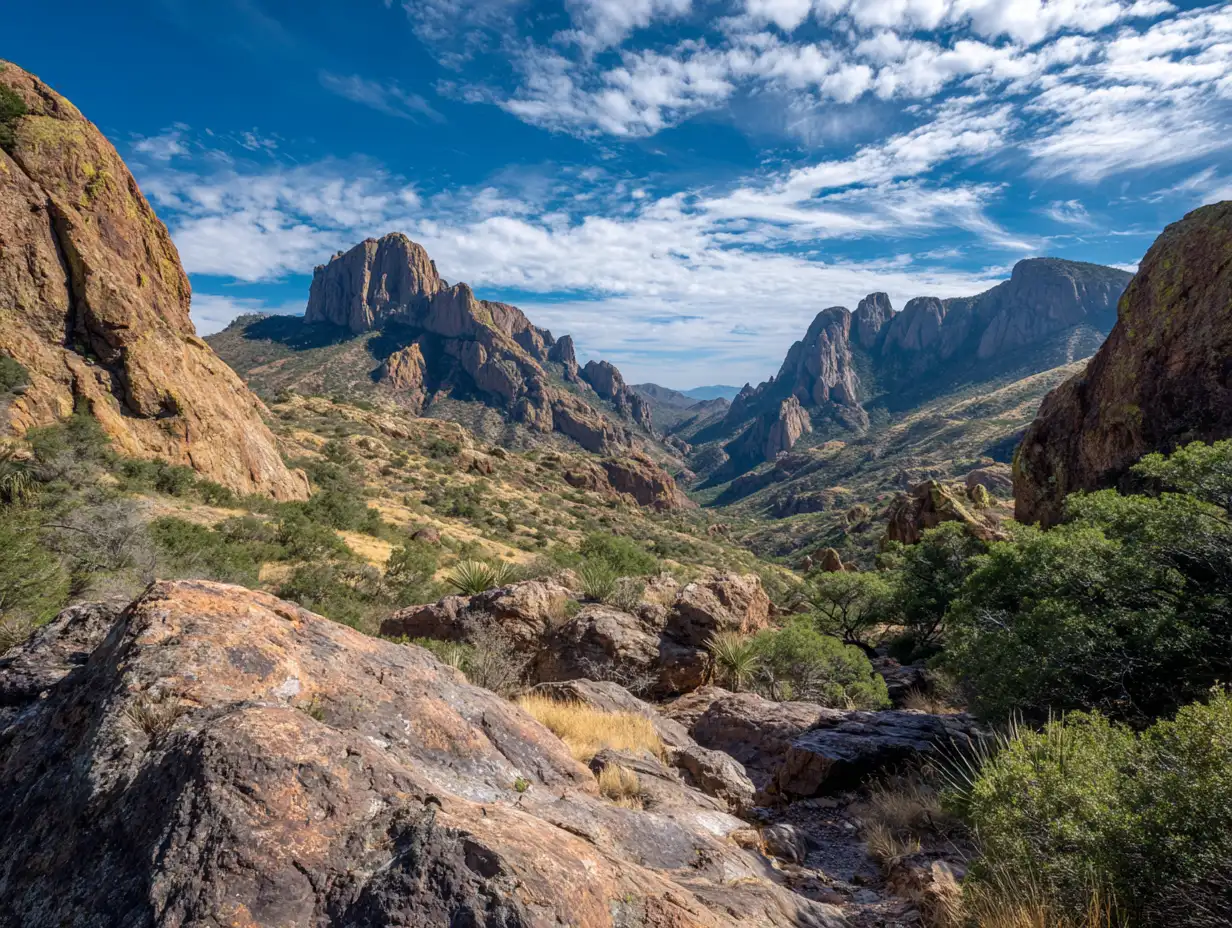
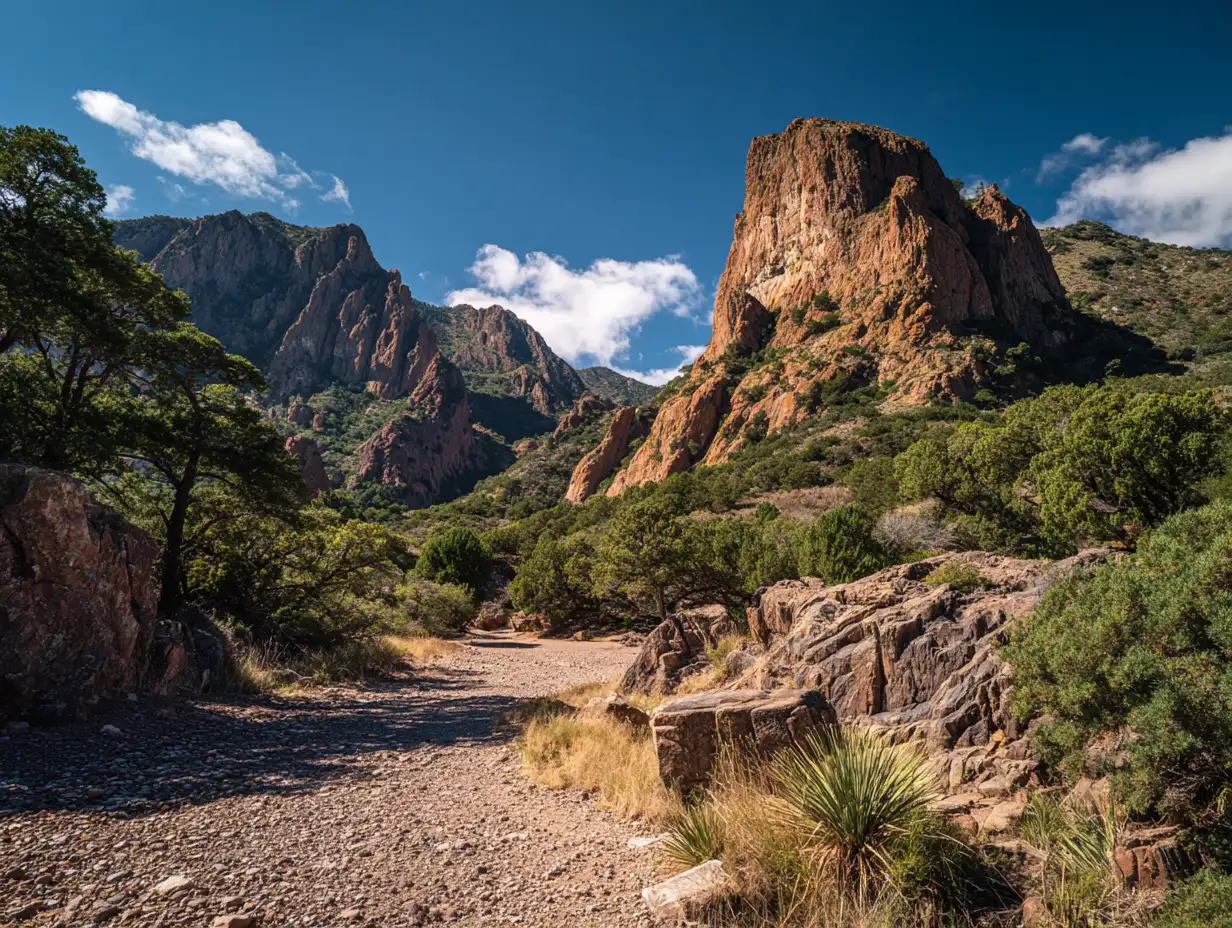
Timing your visit is one of the most important parts of planning a trip to Big Bend. The best months for camping in Big Bend National Park are typically October through April, when daytime temperatures are more manageable and evenings are cool.
Spring is especially popular thanks to blooming wildflowers and ideal hiking conditions. Summer can be dangerously hot, with temperatures easily exceeding 100°F, so first-time campers are usually better off avoiding it.
Popular campgrounds in Big Bend
- Chisos Basin Campground – scenic mountain setting, cooler temperatures, and quick access to major hiking trails
- Rio Grande Village Campground – beginner-friendly, more amenities, and convenient access near the river
- Cottonwood Campground – quieter, more remote, and close to Santa Elena Canyon
If you want even more solitude, Big Bend also offers backcountry camping. It requires a permit and stronger preparation, but it can be an incredible option for experienced campers.
Choosing the right campground for your trip
- Choose Chisos Basin for views and hiking access
- Choose Rio Grande Village for a more beginner-friendly setup
- Choose Cottonwood for peace, shade, and a quieter feel
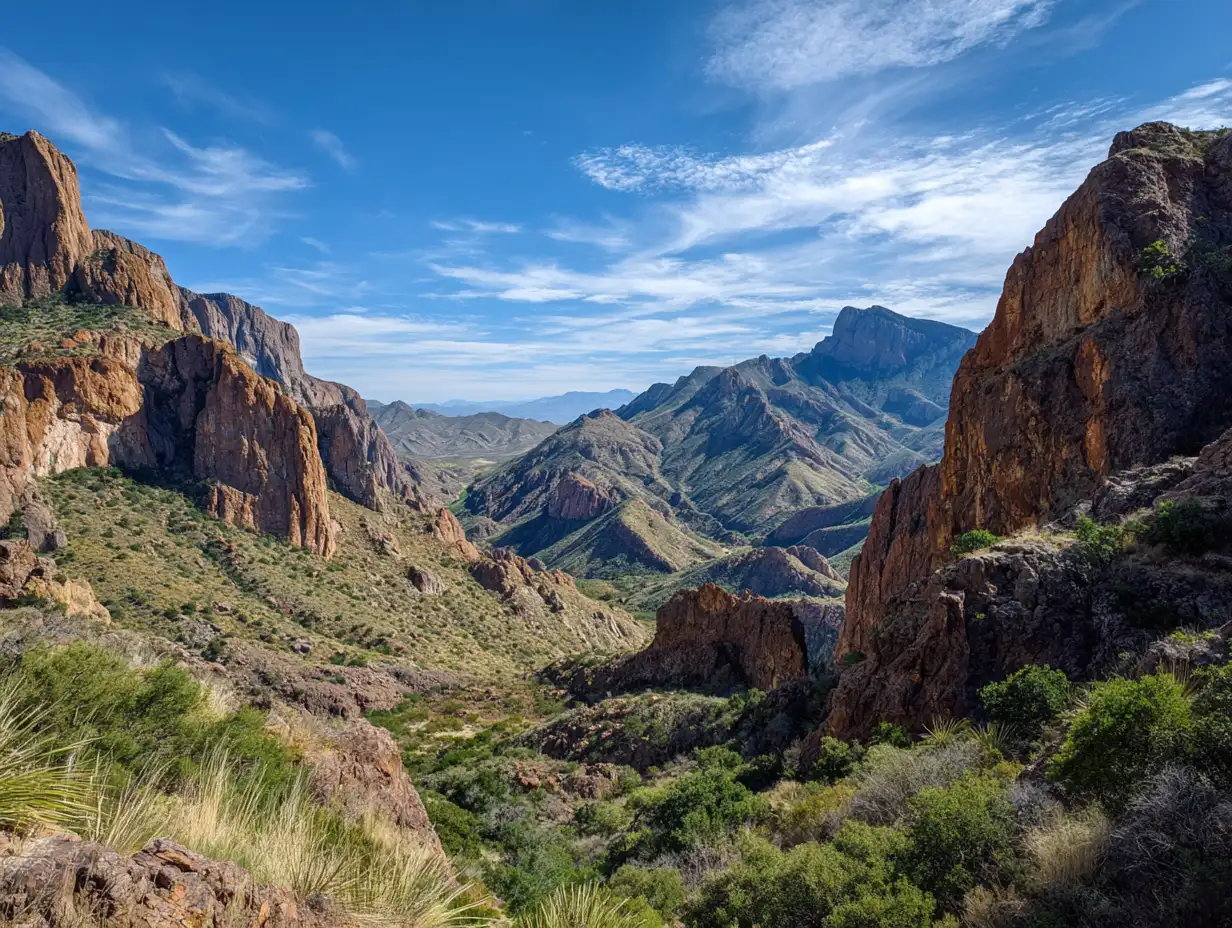
What to expect when camping in Big Bend
Camping in Big Bend is very different from camping in forests or more developed parks. The environment is harsher, more remote, and requires more planning.
One of the biggest things to be aware of is distance. Big Bend is huge, and driving between campgrounds, trailheads, viewpoints, and services can take a significant amount of time.
What surprises first-time campers most
- How remote the park feels once you arrive
- How quiet nights become without light pollution or nearby traffic
- How much temperatures can swing between day and night
Even during cooler months, daytime temperatures can feel warm while nighttime temperatures drop quickly. Layering your clothing and being prepared for shifting conditions makes a big difference.
Why preparation matters here
- Gas stations, stores, and services are limited
- Cell service is extremely limited in much of the park
- You need more water and sun protection than you might expect
Big Bend camping mindset
Think of Big Bend as a remote desert adventure where comfort comes from planning ahead, not from nearby services or convenience.
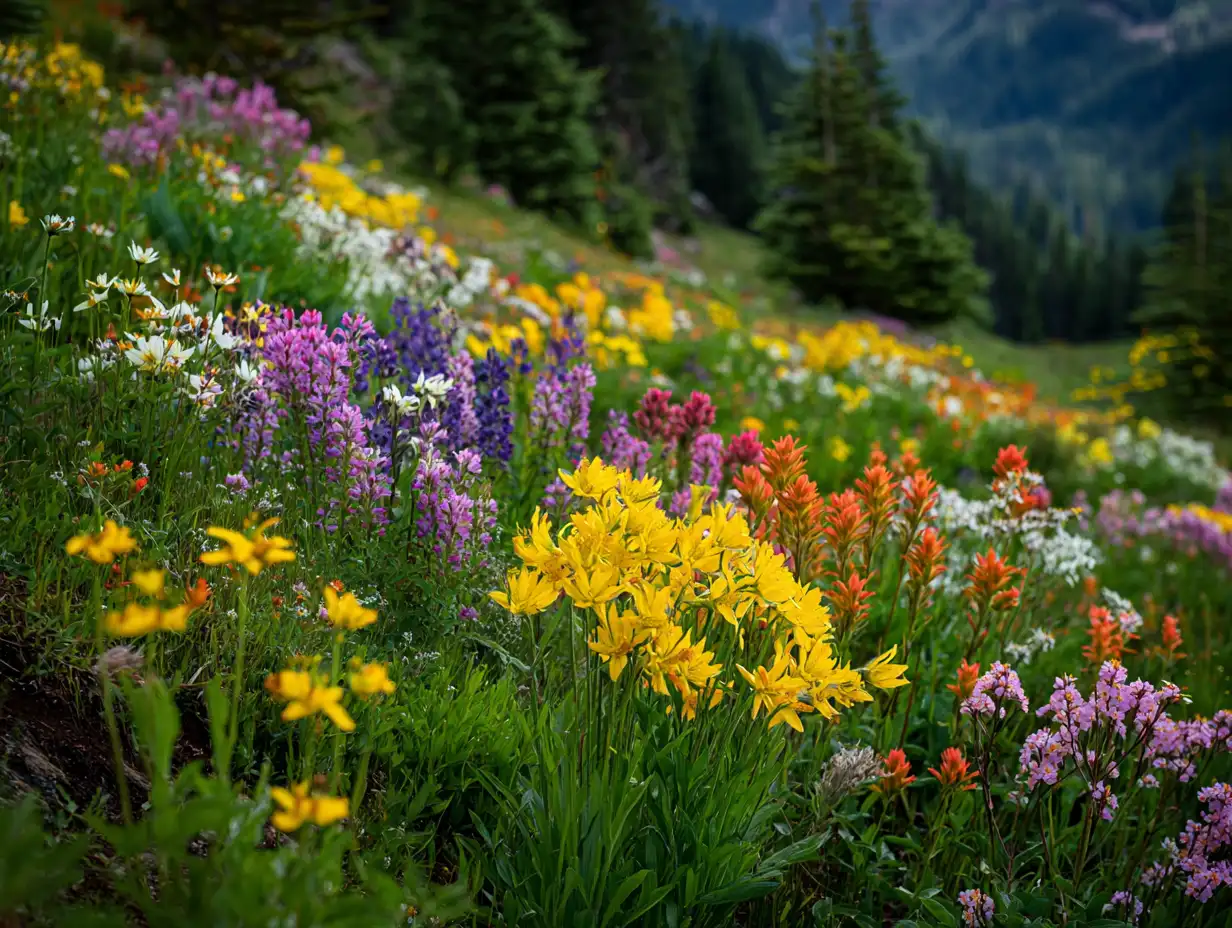
Big Bend camping tip
Camping in Big Bend National Park is best when you slow down and plan around the desert
Arrive prepared, carry more water than you think you need, and give yourself time to enjoy the silence, stars, and vast scenery that make Big Bend so special.
Top things to do while camping in Big Bend
One of the best parts about camping in Big Bend National Park is that your campsite becomes your base for exploring the park’s incredible landscapes.
Hiking is one of the most popular activities, especially in the Chisos Mountains. Trails like Lost Mine and the Window Trail offer incredible views and are manageable for many skill levels.
Best activities for first-time visitors
- Hike the Lost Mine Trail for mountain views
- Walk the Window Trail for one of the park’s signature landscapes
- Visit Santa Elena Canyon to see towering canyon walls up close
- Drive scenic roads and stop at overlooks throughout the park
For those looking for more of a challenge, Emory Peak offers a rewarding climb with panoramic views. And when the sun goes down, stargazing becomes one of the biggest highlights of the trip.
Why stargazing is unforgettable here
- Big Bend has some of the darkest skies in North America
- The Milky Way is often visible on clear nights
- Minimal light pollution creates an incredible after-dark experience
Whether you spend the evening around camp or head to a darker overlook, the night sky is one of the best reasons to go camping in Big Bend National Park.
Big Bend’s biggest reward
From mountain hikes to canyon views to world-class stargazing, Big Bend gives campers a full range of experiences without ever feeling crowded.
First-time camping tips for Big Bend National Park
A few simple strategies can make your first desert camping trip much smoother and more enjoyable.
Big Bend rewards people who arrive early, stay flexible, and plan their activities around weather, daylight, and distance.
Arrive prepared
- Set up camp before dark
- Fill your gas tank early
- Bring more water than expected
Plan around heat
- Hike early in the morning
- Use midday for lighter exploring
- Dress in layers for temperature swings
Stay safe
Download maps, tell someone your plans, store food carefully, and remember that cell service is limited throughout much of Big Bend National Park.
What to pack for camping in Big Bend National Park
Packing correctly is essential for a successful first trip, especially in a remote desert environment.
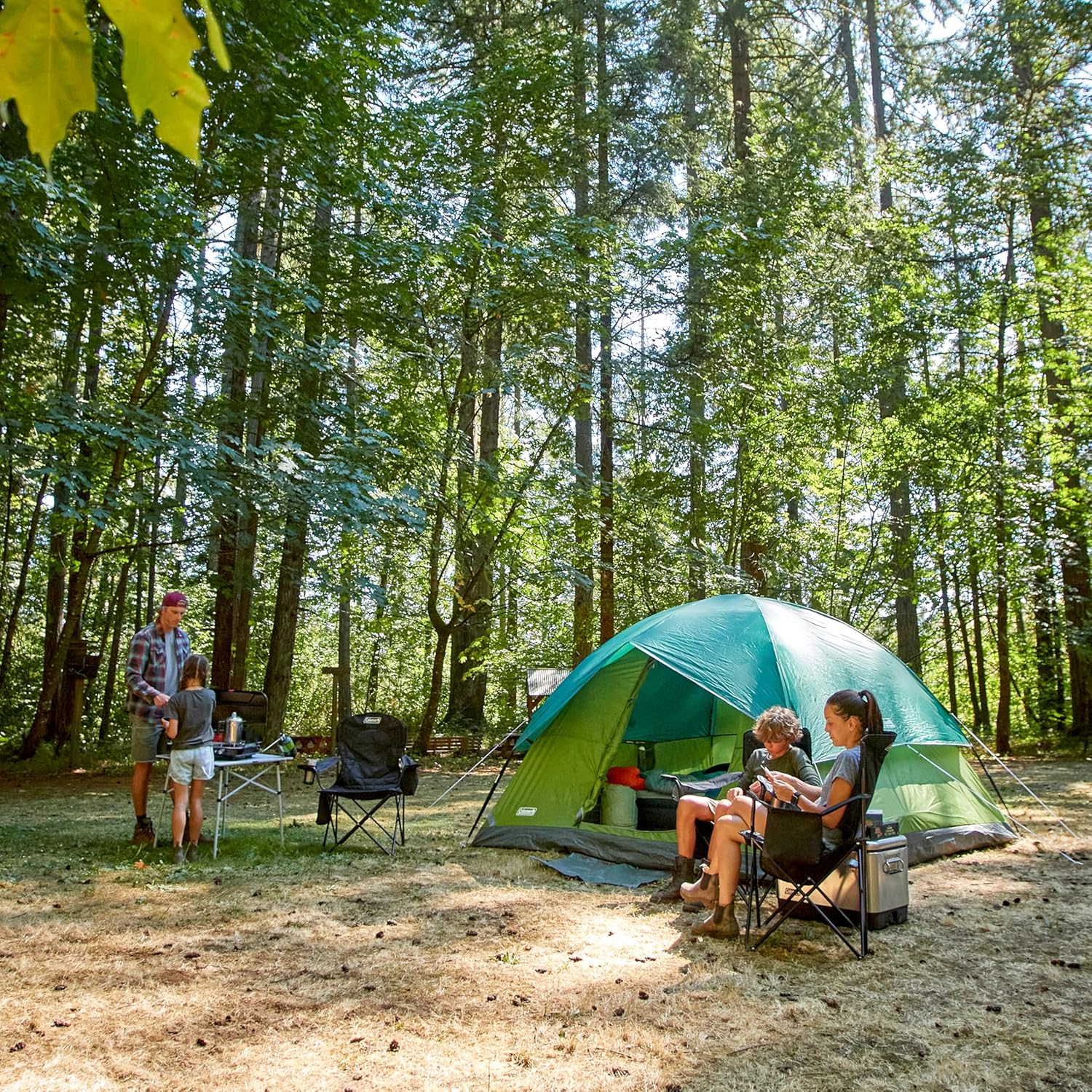
Desert basics
Core camping essentials
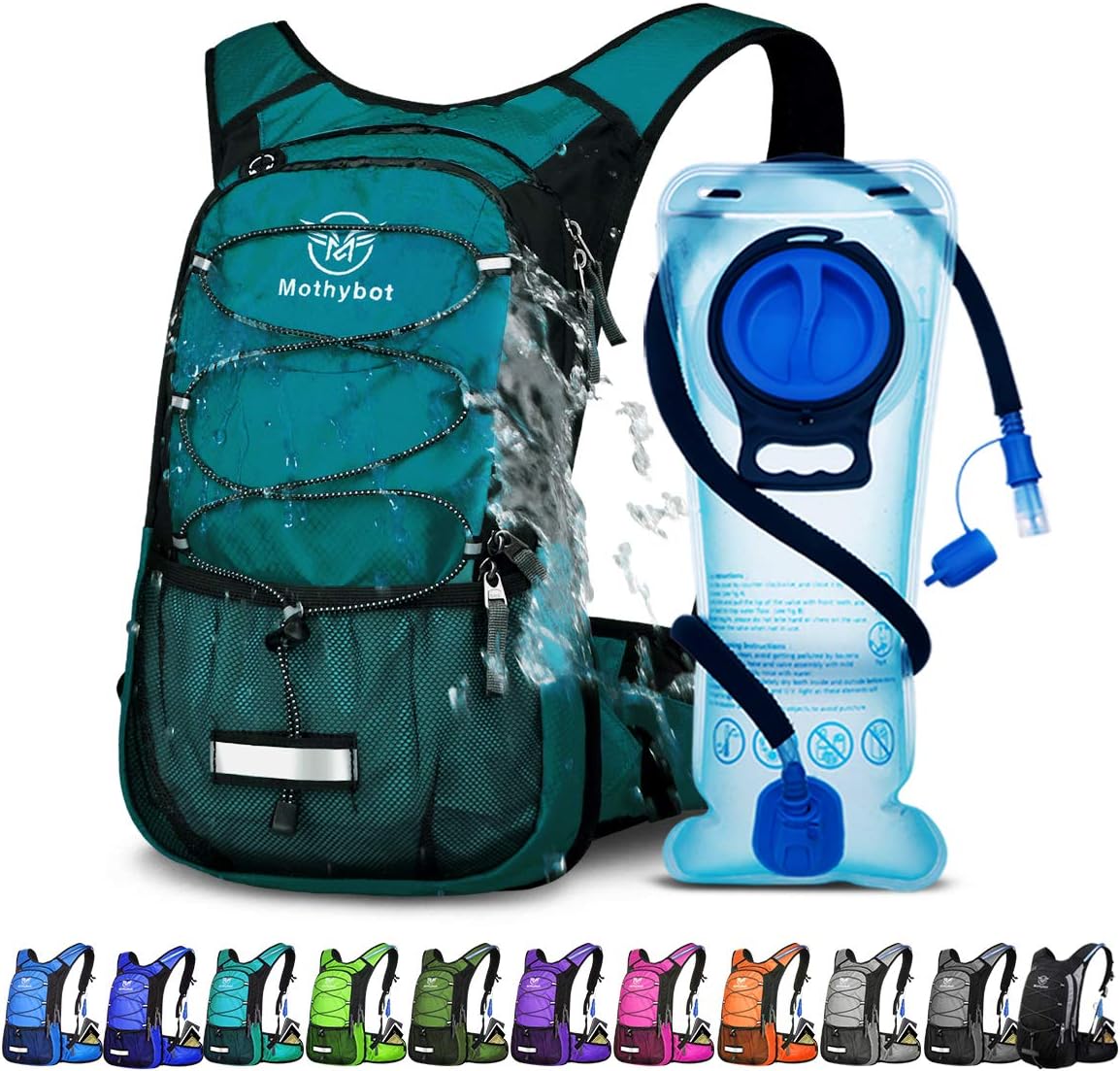
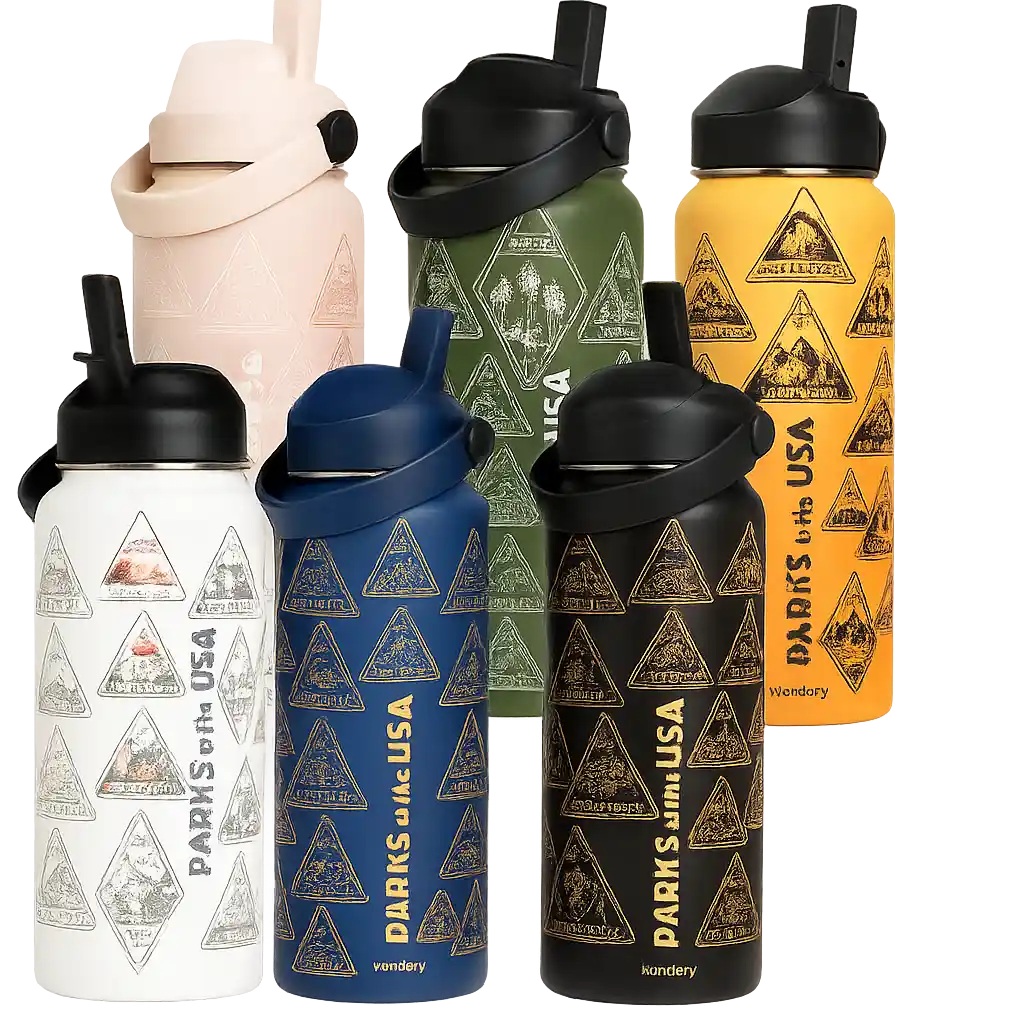
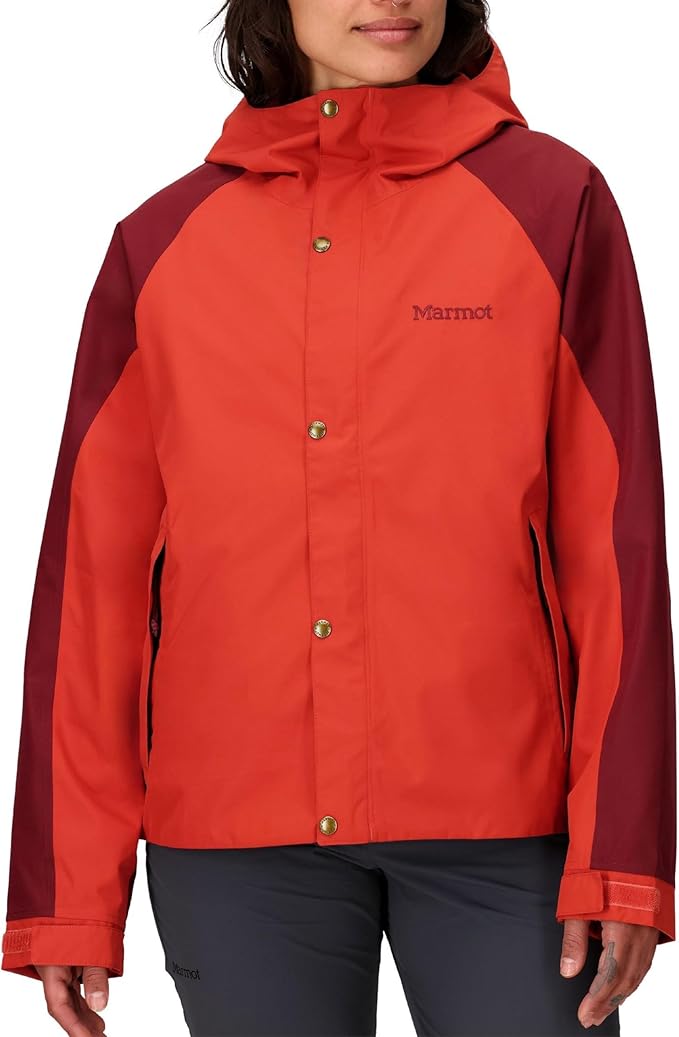
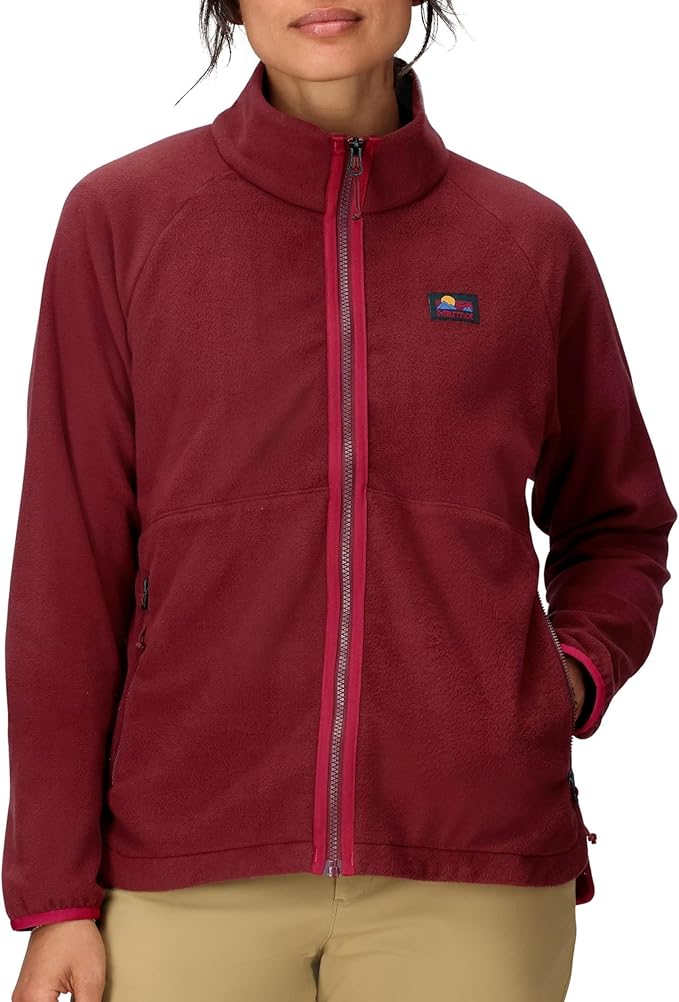
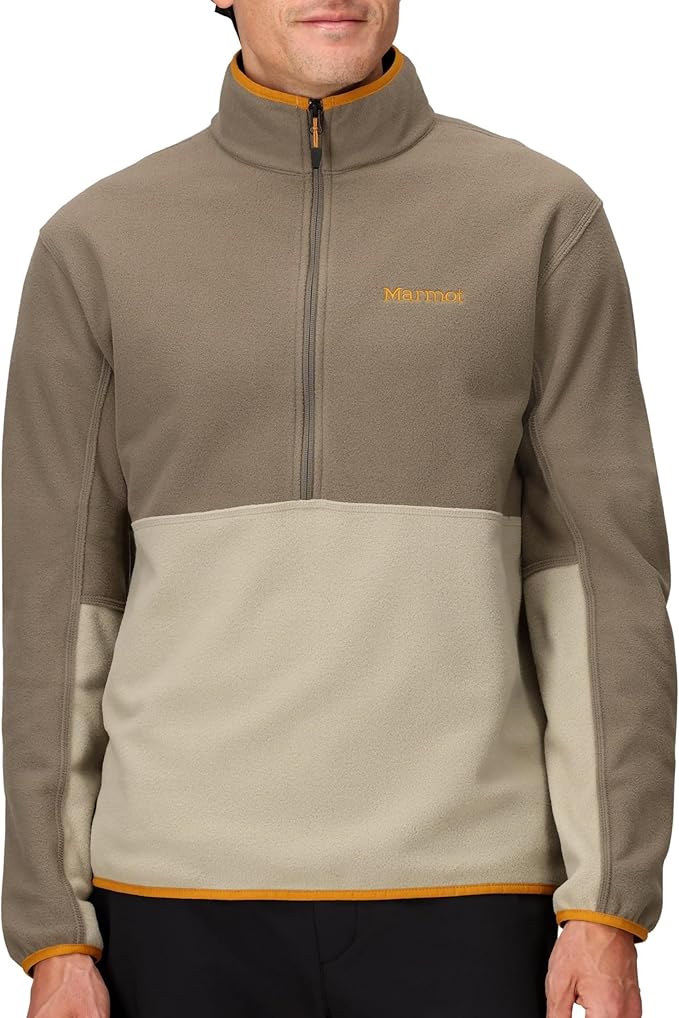
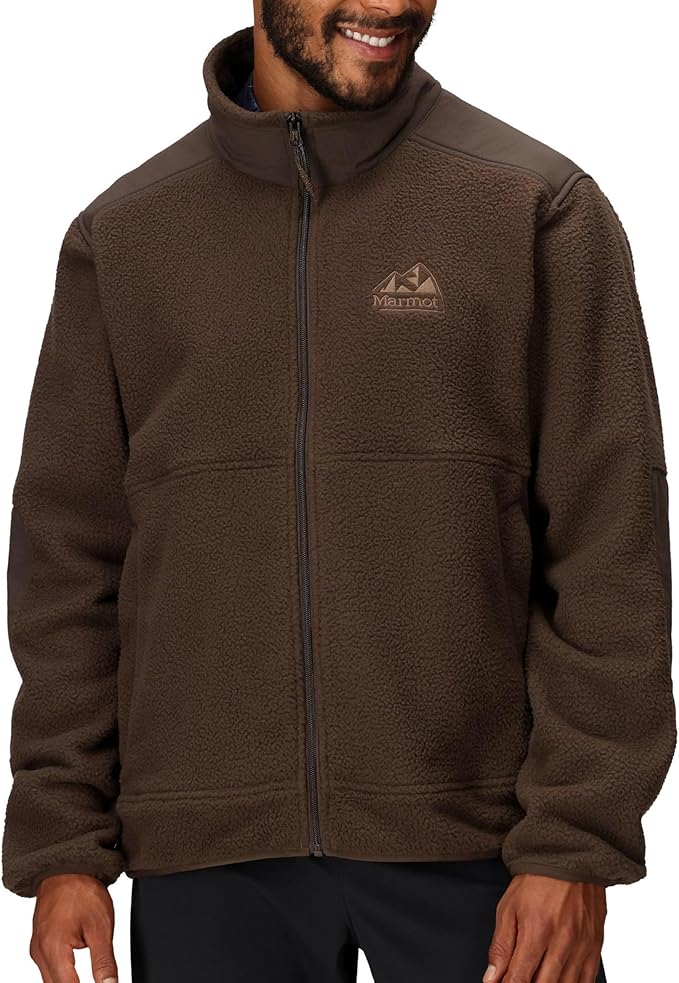
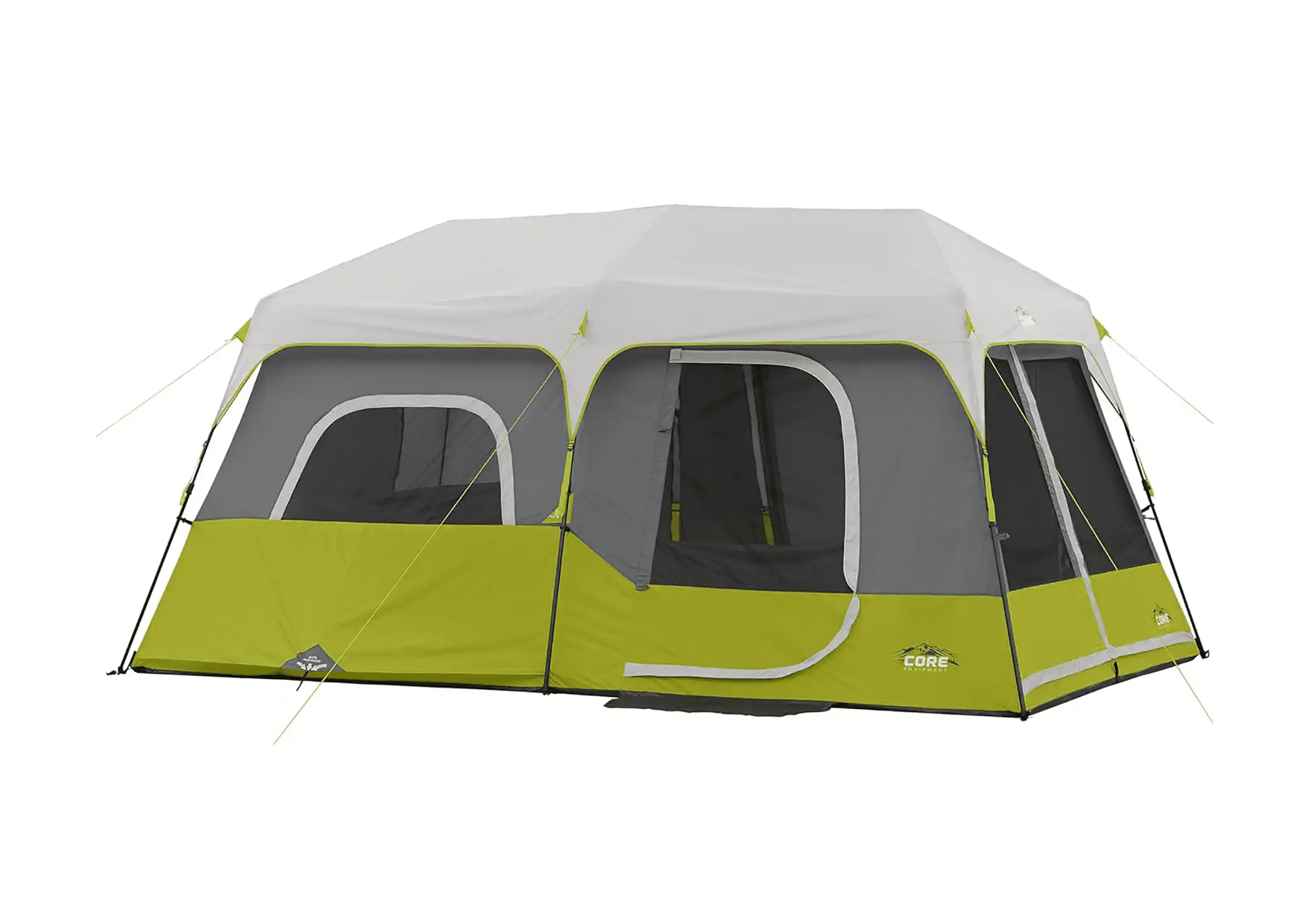
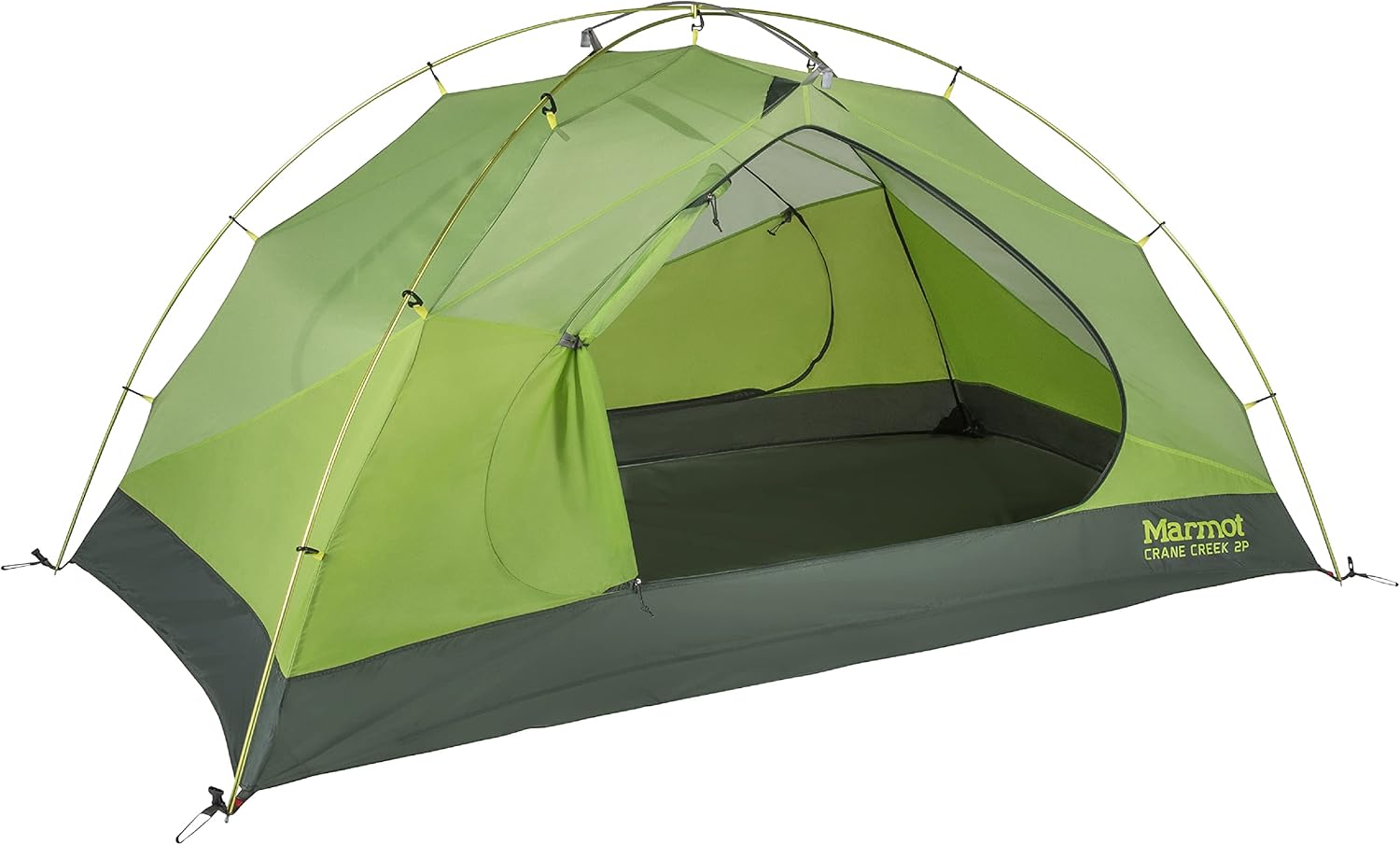
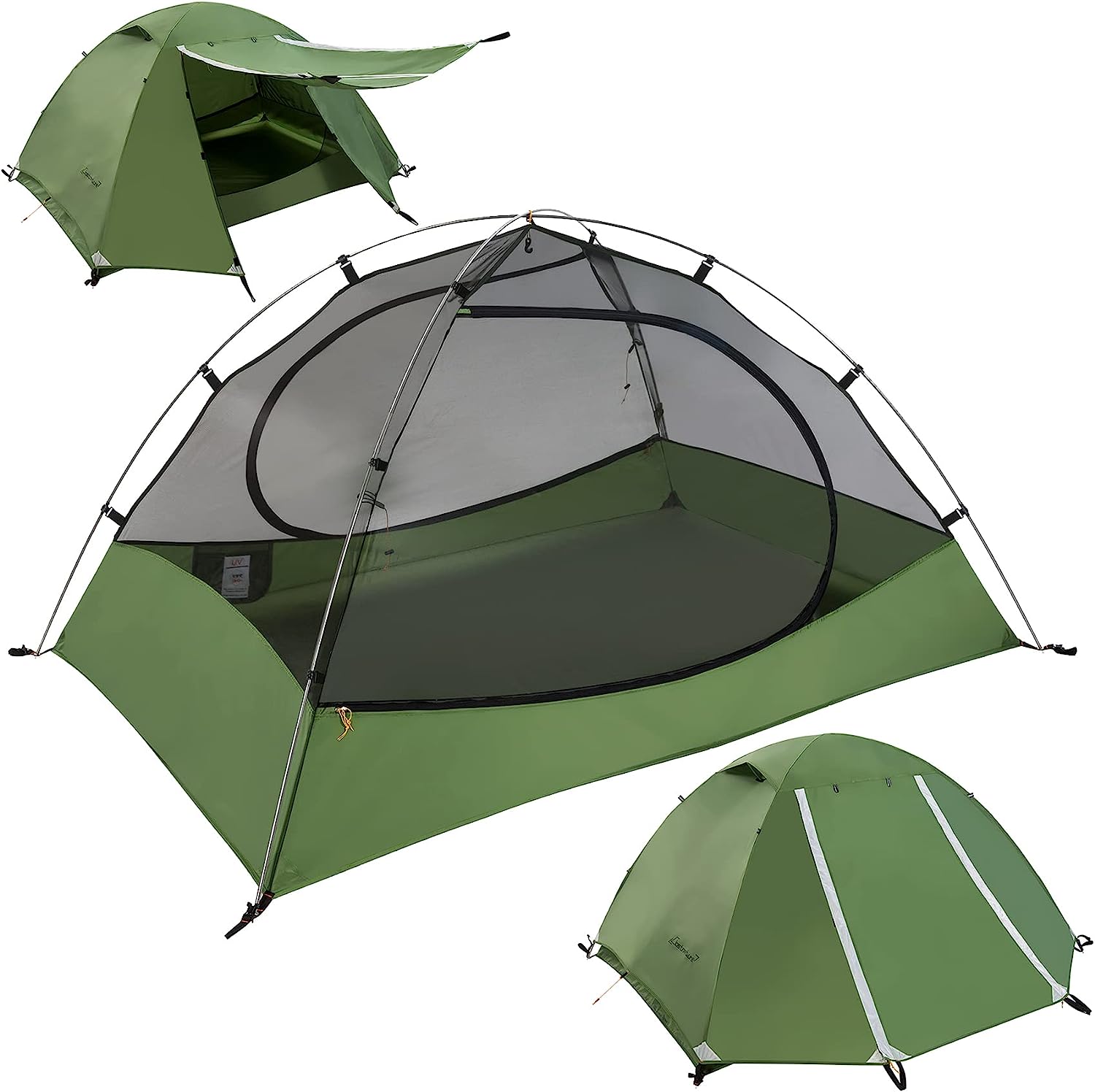
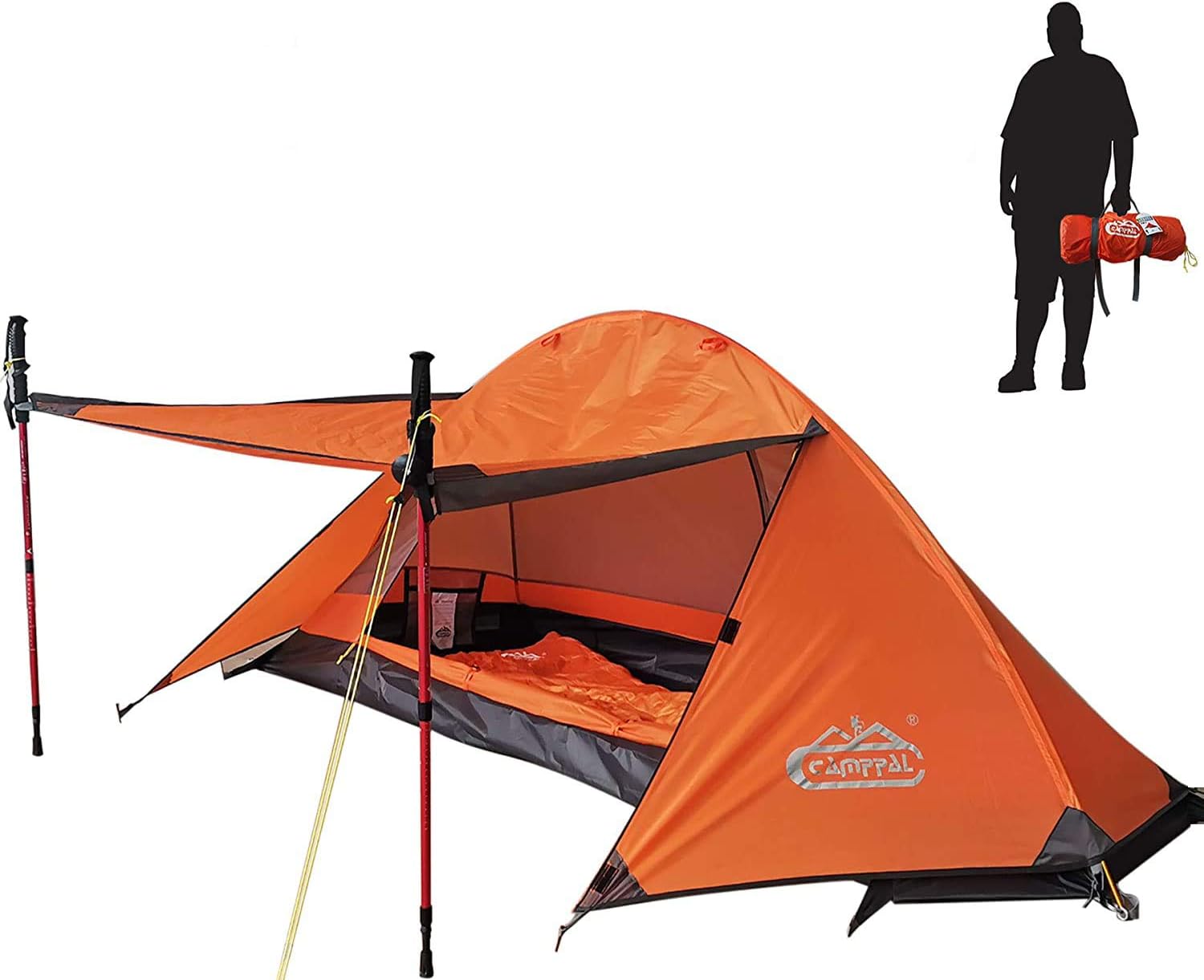
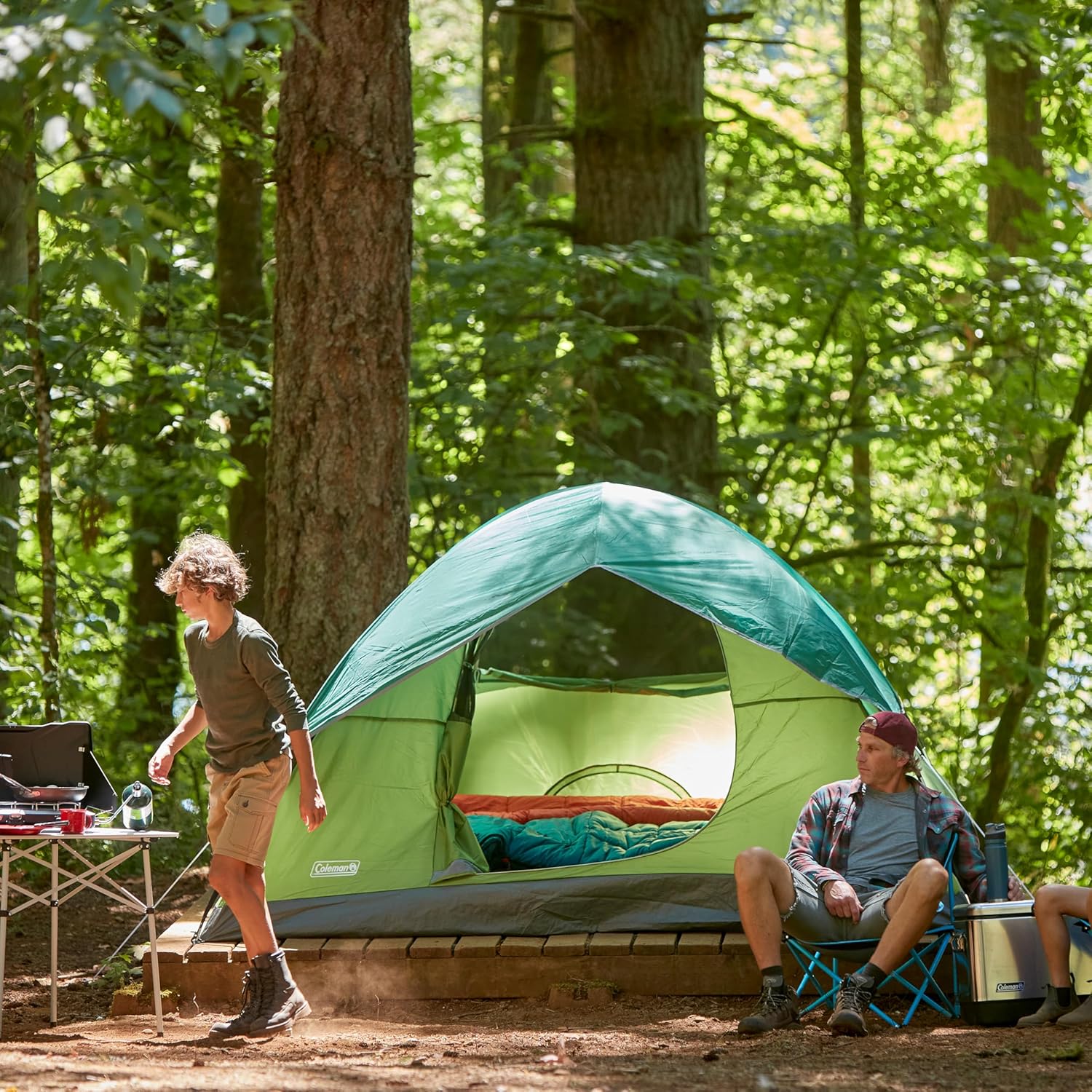
Bring plenty of water, sun protection, layers for warm days and cool nights, and a reliable tent that can handle wind in exposed desert conditions.
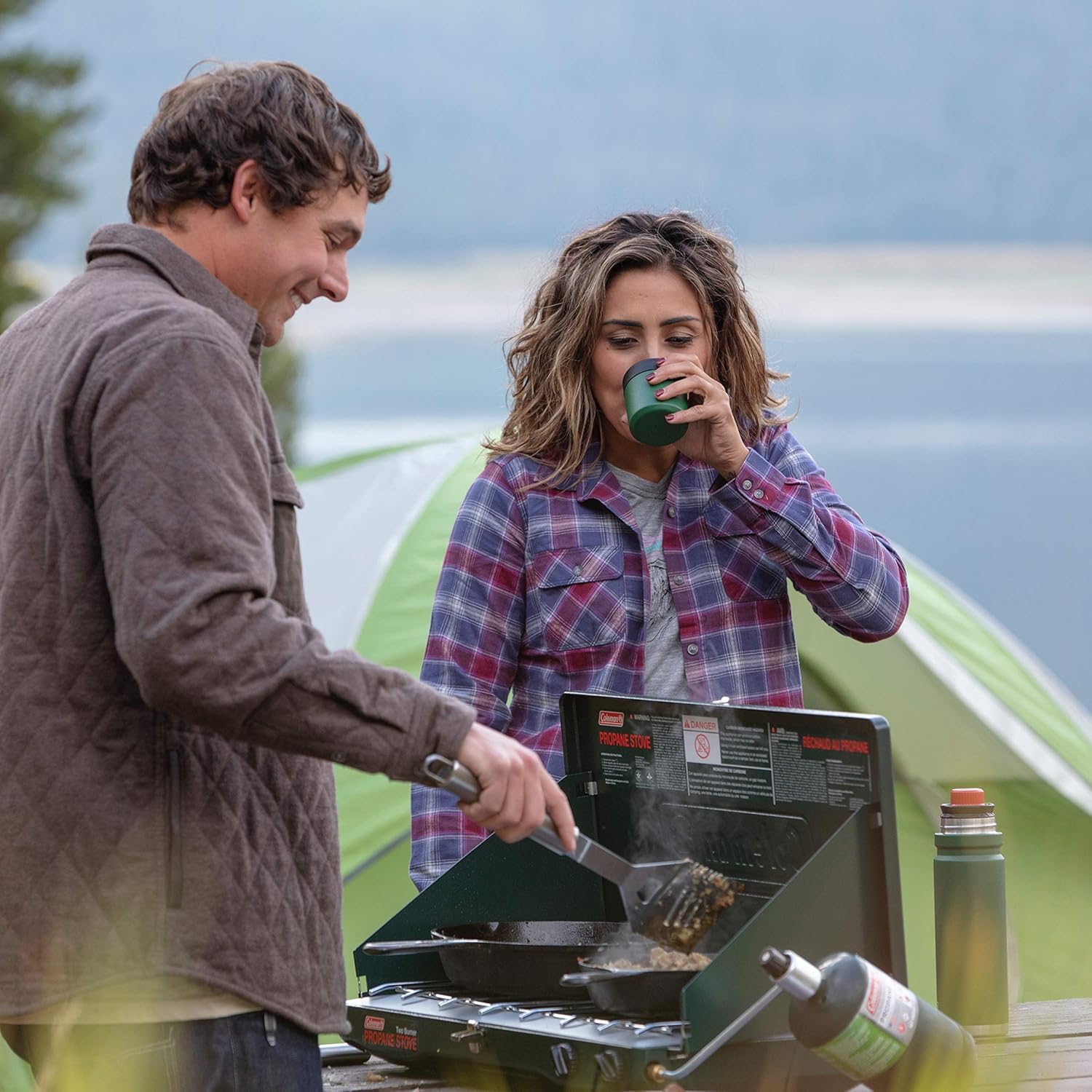
Camp comfort
Sleep and cooking setup
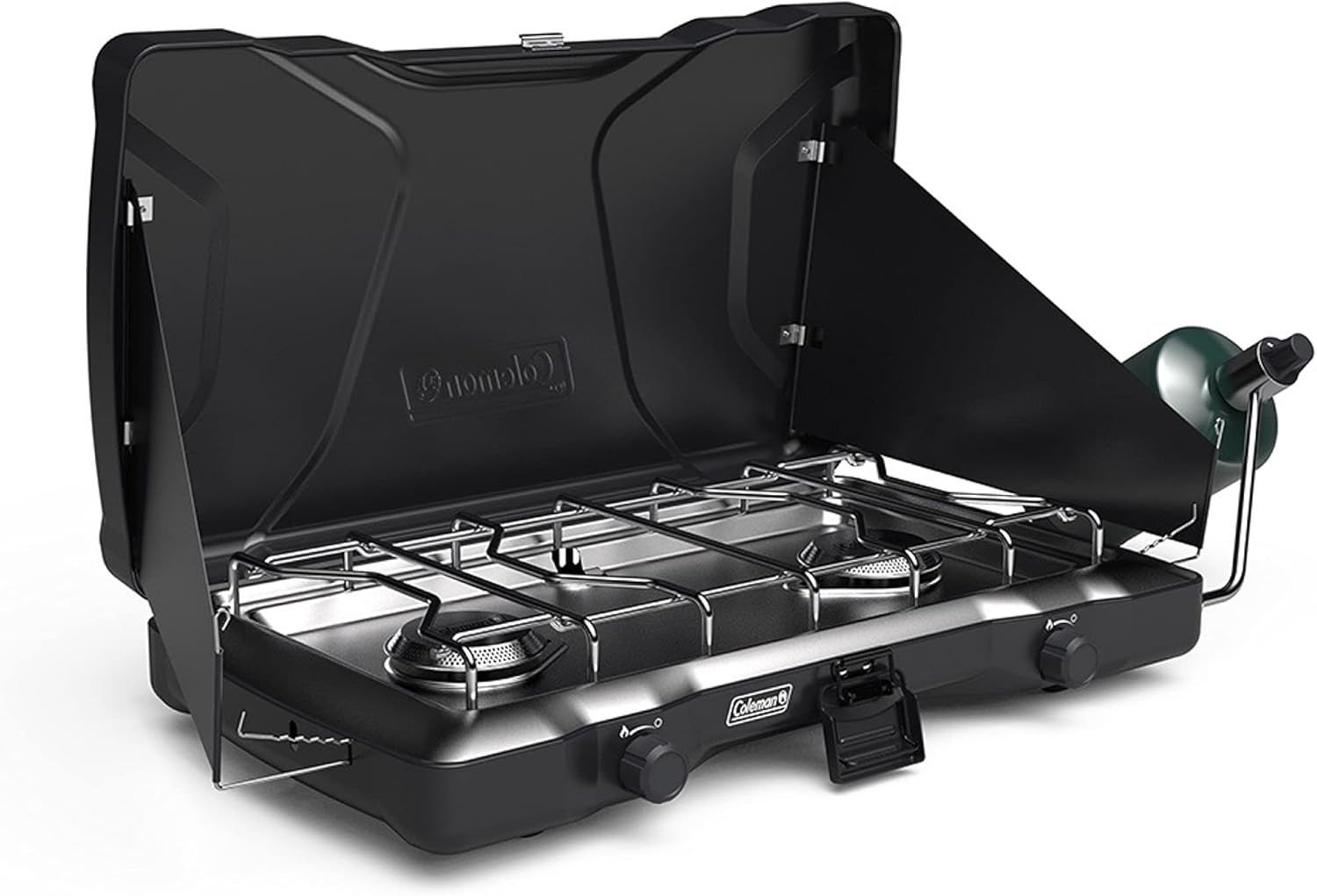
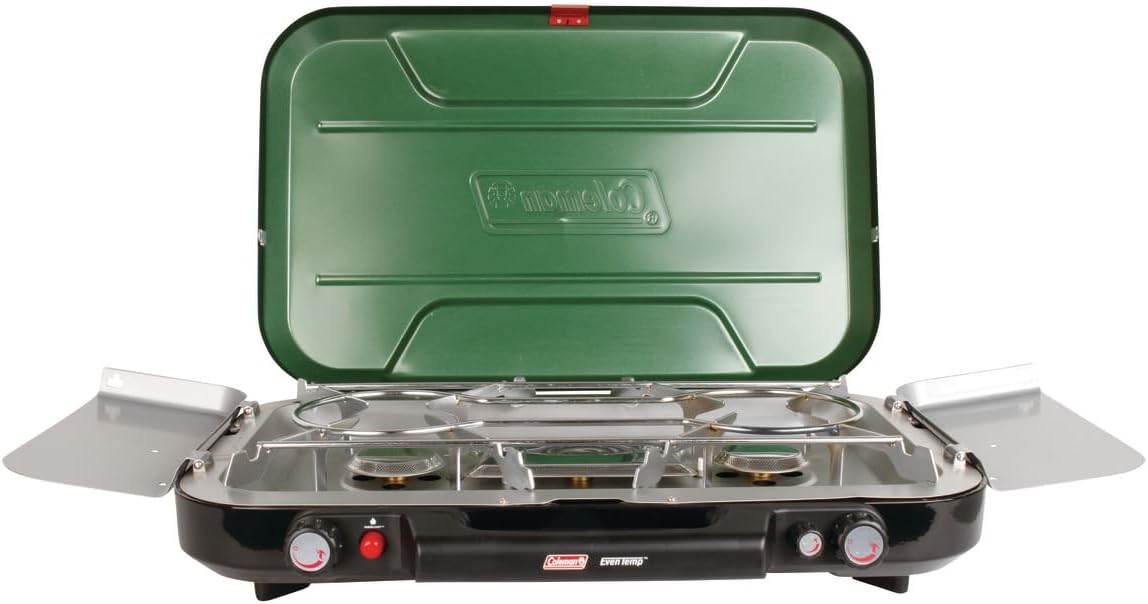
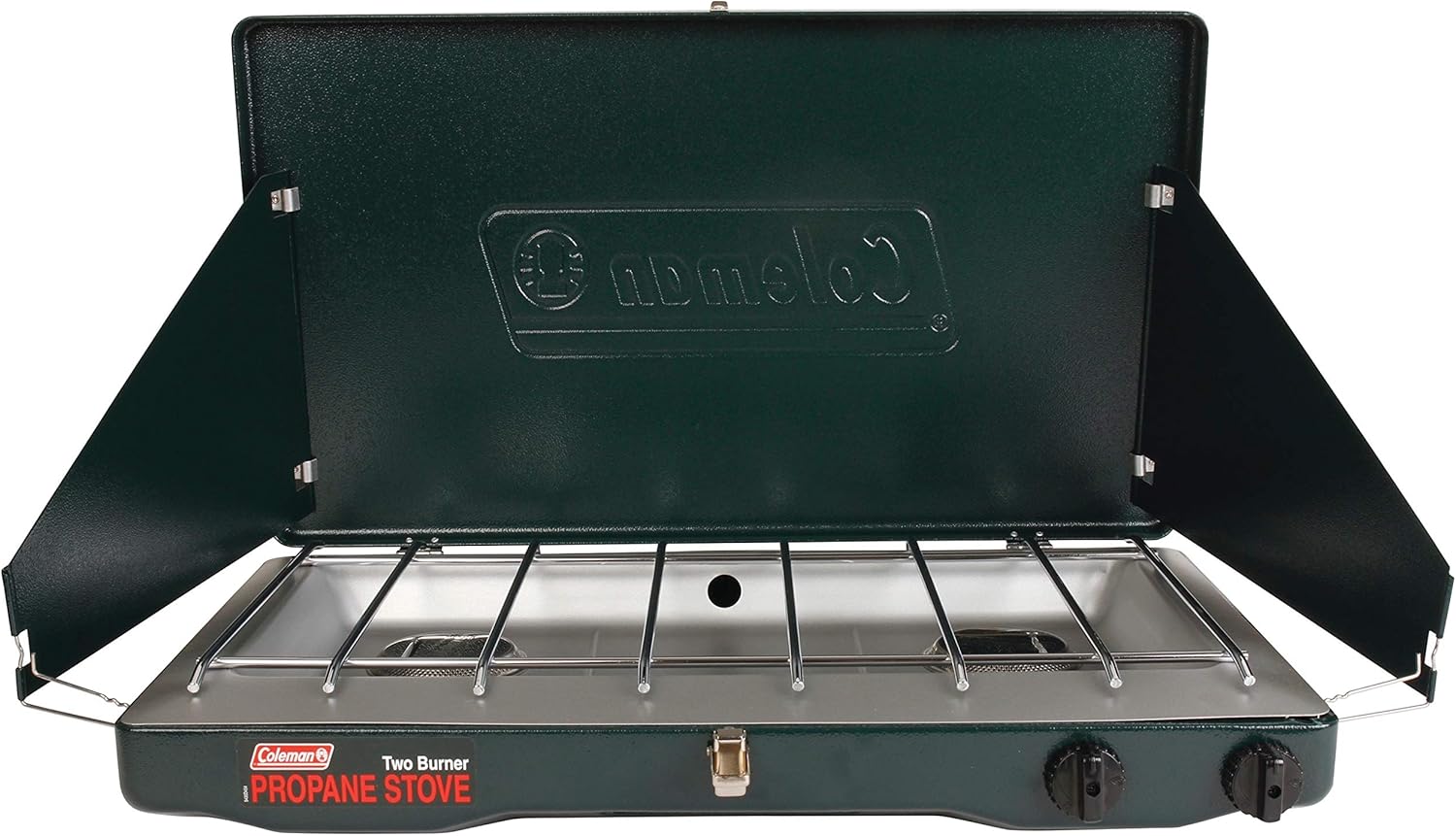
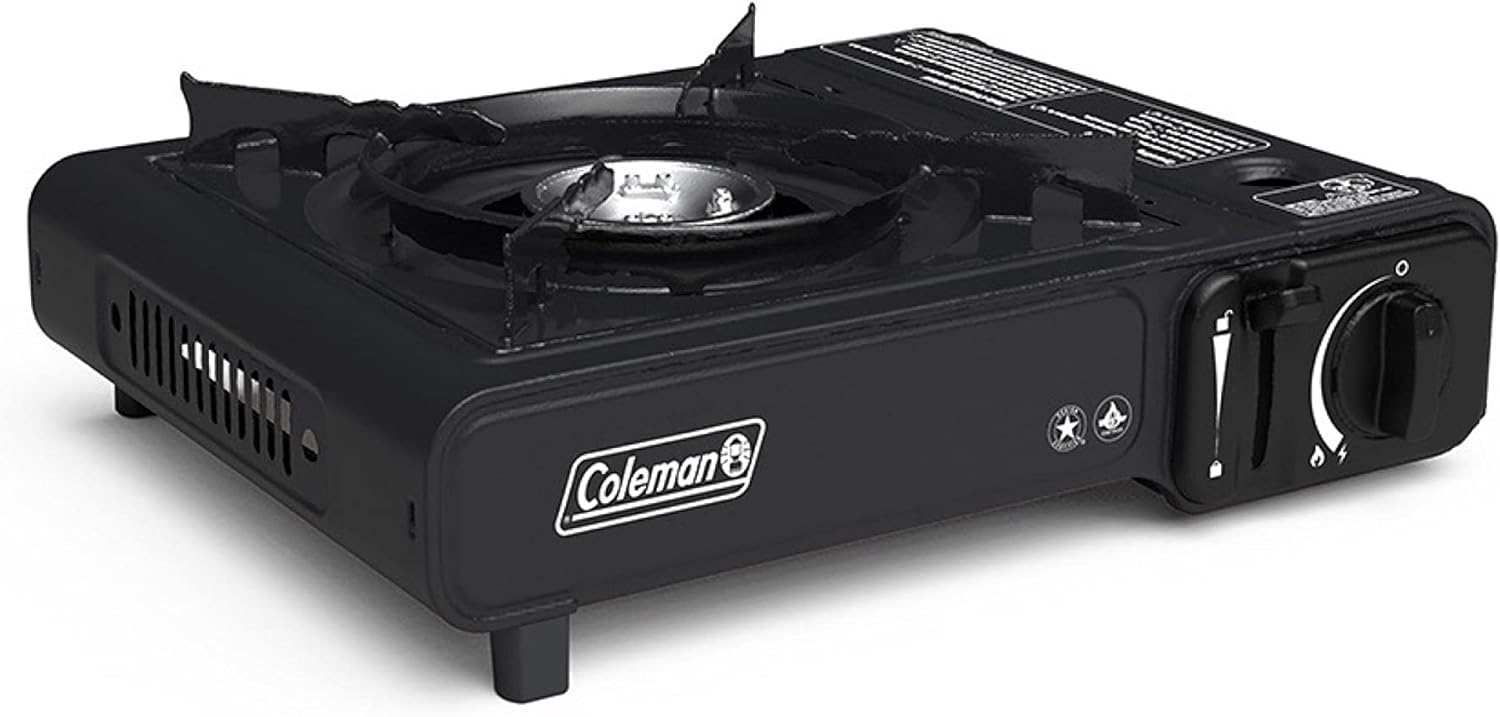
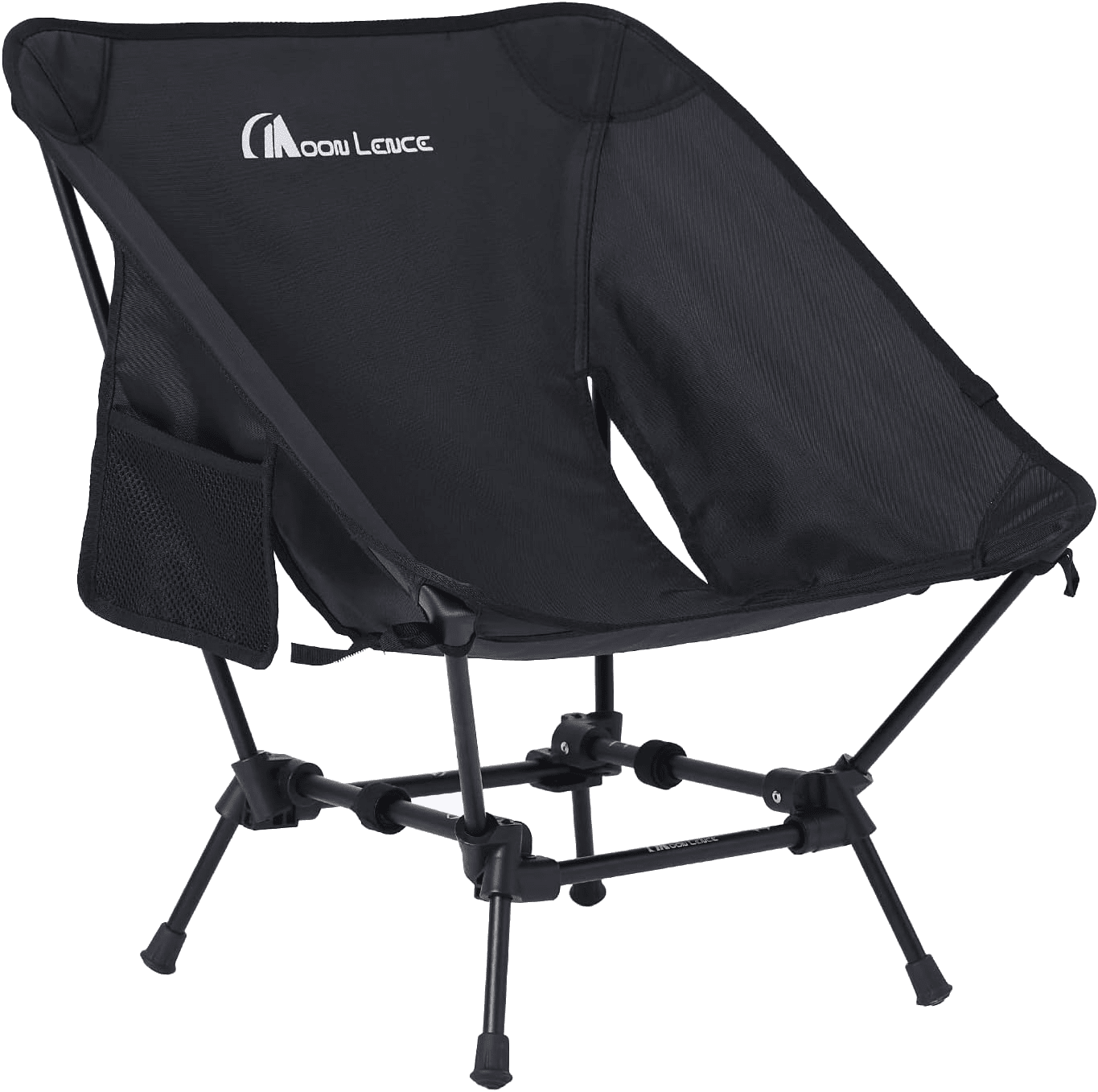
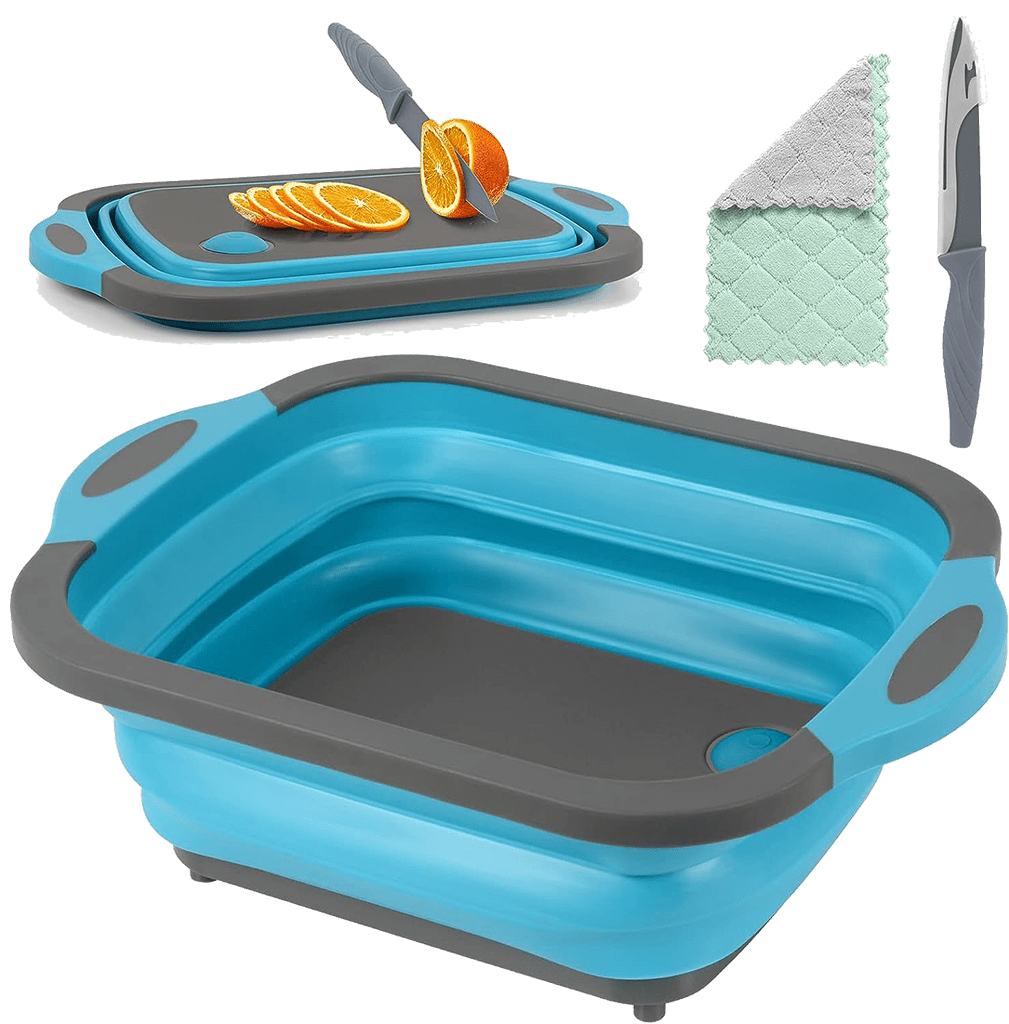
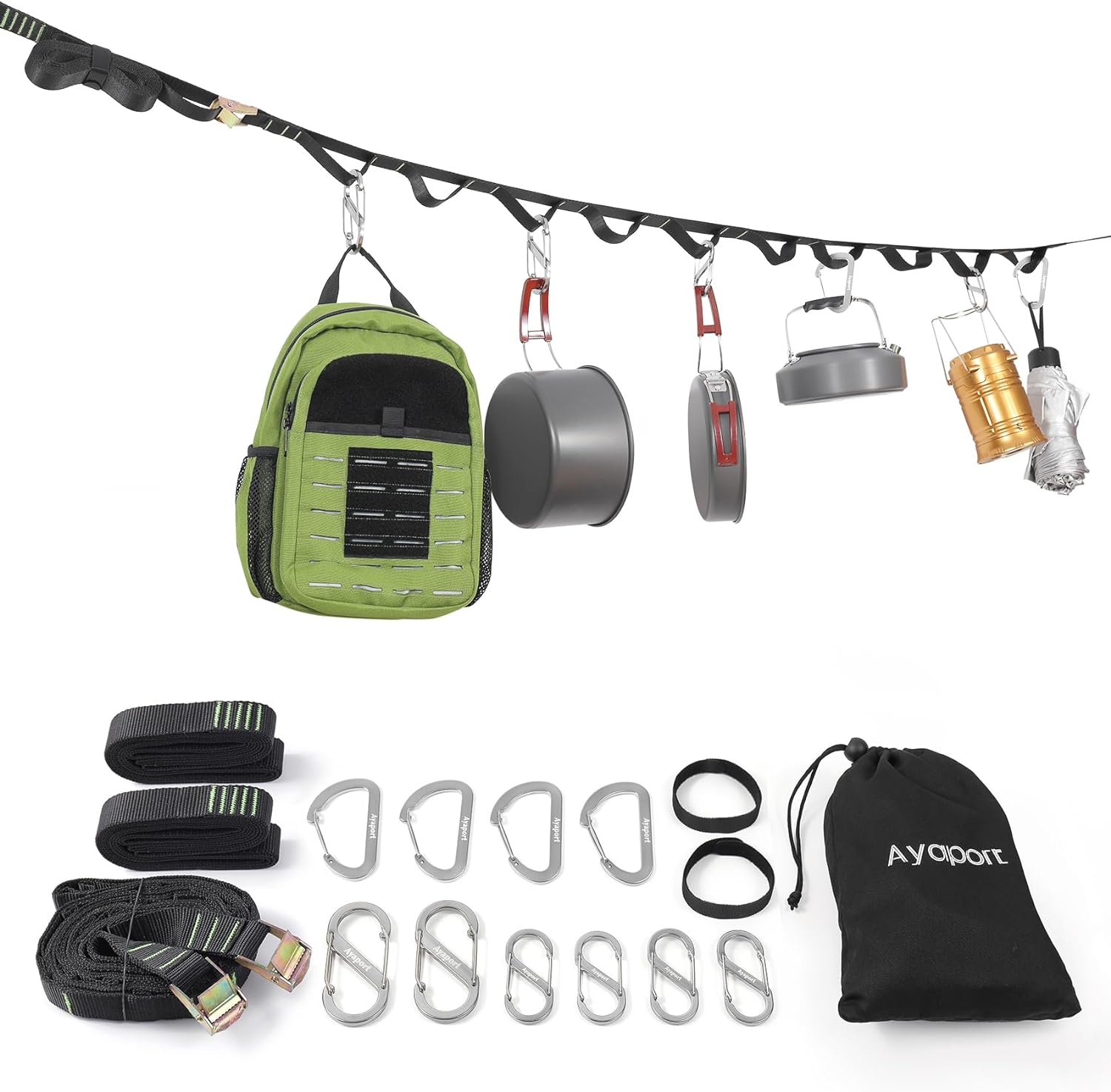
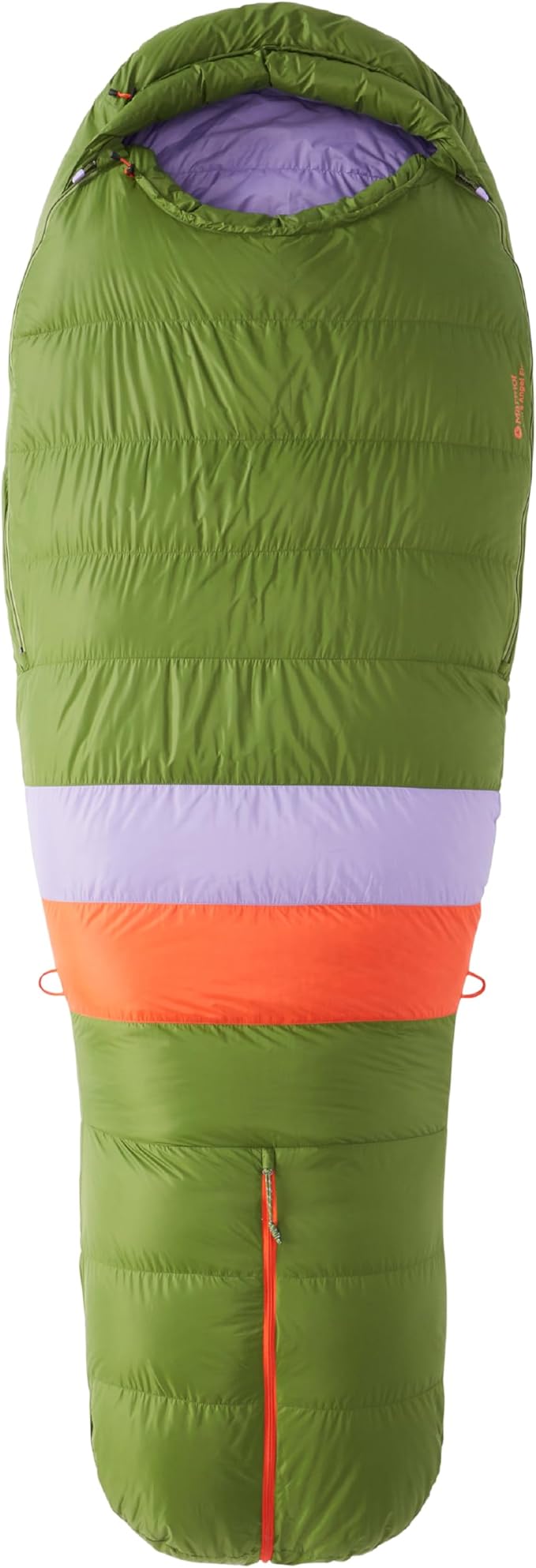
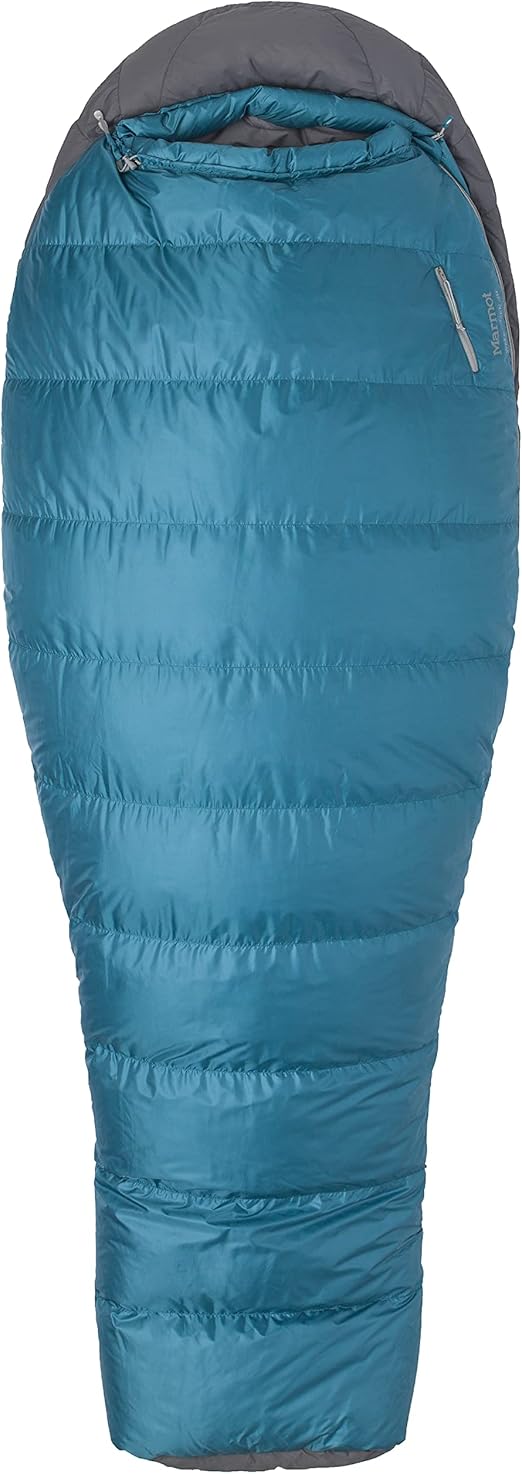
A comfortable sleeping system, simple camp stove, and organized meal supplies can make your first Big Bend camping trip much easier and more enjoyable.
Extra support
Helpful add-ons
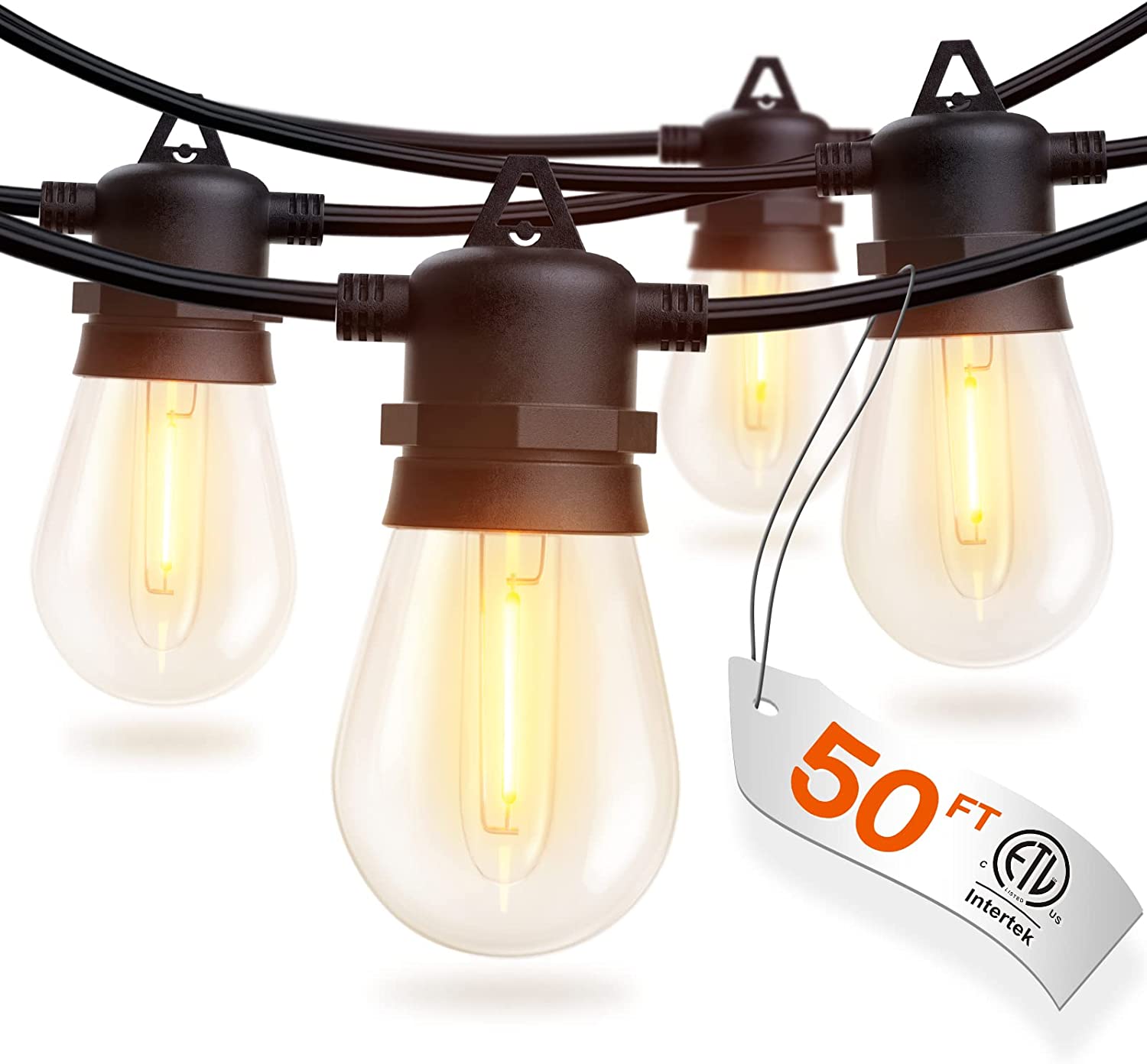
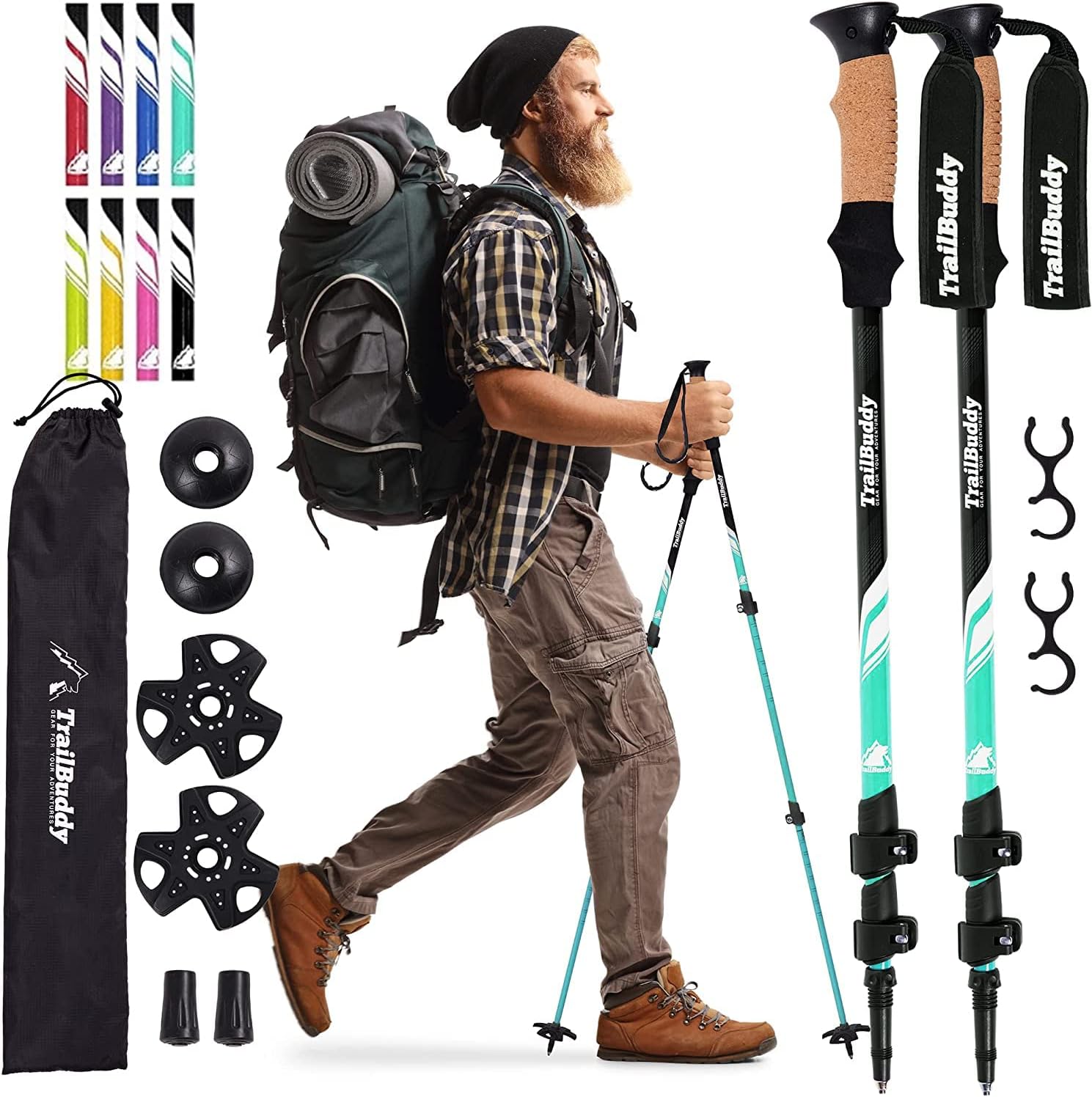
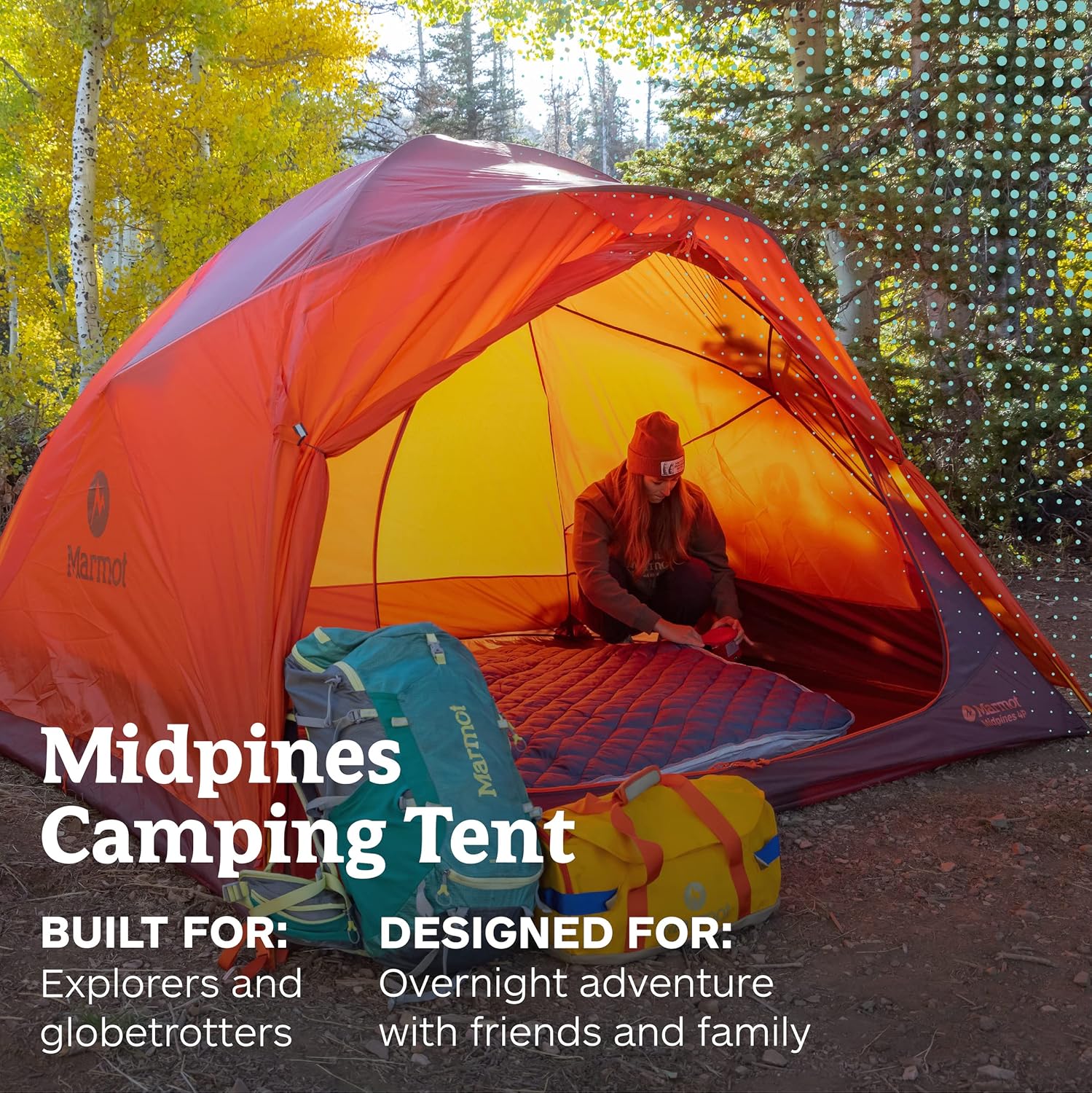
A headlamp, downloaded maps, first aid kit, flashlight, and extra water storage are smart additions for camping in a remote park like Big Bend.
First-trip reminder
Camping in Big Bend National Park is much better when you plan for water, distance, and changing temperatures
The park’s remoteness is part of what makes it so special, but it also means preparation matters. Pack smart, pace yourself, and let the landscape set the rhythm of your trip.
Common questions about camping in Big Bend National Park
These answers can help first-time campers plan a smoother trip.