
The Ultimate Camping Checklist: Everything You Need for a Stress-Free Trip
Use this ultimate camping checklist to pack the right shelter, clothing, cooking gear, safety tools, and essentials for a stress-free camping trip.
Quick facts about using a camping checklist
A reliable camping checklist helps you stay organized, reduce stress, avoid forgotten gear, and prepare for changing outdoor conditions.
Prevents forgotten camping gear.
Saves time while packing for your trip.
Improves safety during your camping trip.
Reduces stress before departure.
Helps you prepare for unexpected weather changes.
Why every camper needs a camping checklist
Camping is one of the best ways to reconnect with nature, explore national parks, and experience the outdoors in a meaningful way. Whether you're setting up camp beside a quiet lake, deep in a forest, or near a scenic mountain trail, preparation makes all the difference. Unfortunately, even experienced campers occasionally forget key items. Common oversights include things like headlamp batteries, extra socks, or a reliable multi-use tool.
That’s exactly why every outdoor traveler should have a reliable camping checklist.
A well-planned checklist ensures you pack everything necessary for comfort, safety, and convenience. It removes the guesswork from trip preparation and prevents the frustrating moment of realizing you left something important behind. This guide will walk you through the ultimate camping checklist, covering essential gear categories such as shelter, clothing, cooking equipment, safety tools, and personal items.
By the end of this article, you'll have a reusable checklist you can rely on for every camping adventure.
Why a camping checklist is essential
Camping requires significantly more preparation than most types of travel. Unlike hotel vacations where basic amenities are provided, camping requires you to bring nearly everything you’ll need for sleeping, cooking, and staying safe outdoors.
A camping checklist helps you stay organized and prepared before heading out on your trip. It ensures you bring the right gear for your destination, weather conditions, and activities.
Main benefits of using a camping checklist
- Preventing forgotten gear
- Saving time while packing
- Improving safety during your trip
- Reducing stress before departure
- Preparing for unexpected weather changes
Why seasoned campers use one
Many seasoned campers rely on a consistent checklist because it simplifies preparation and ensures every trip begins smoothly.
A smart planning habit
The more repeatable your packing process is, the less likely you are to forget small but essential camping items.
Shelter and sleeping gear
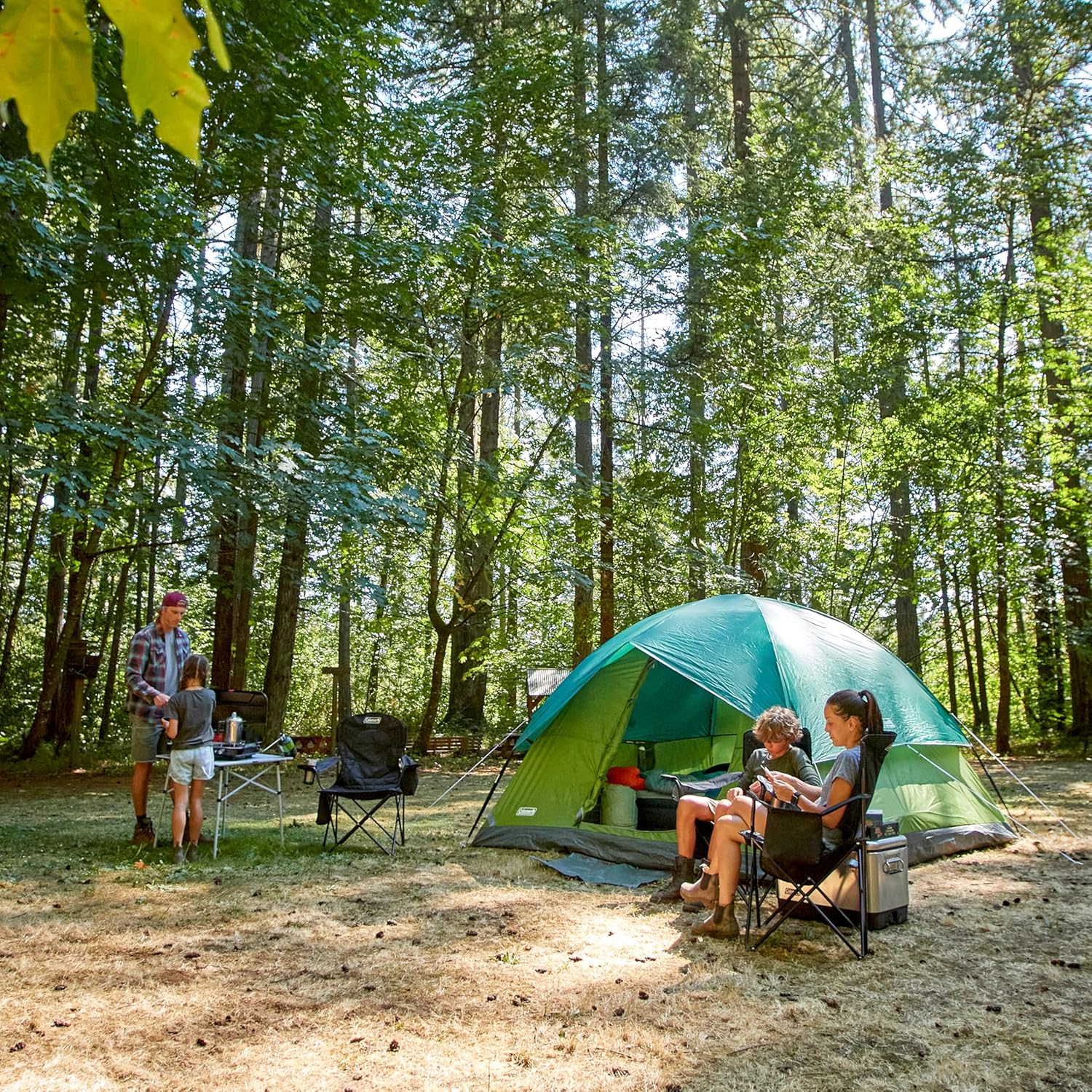
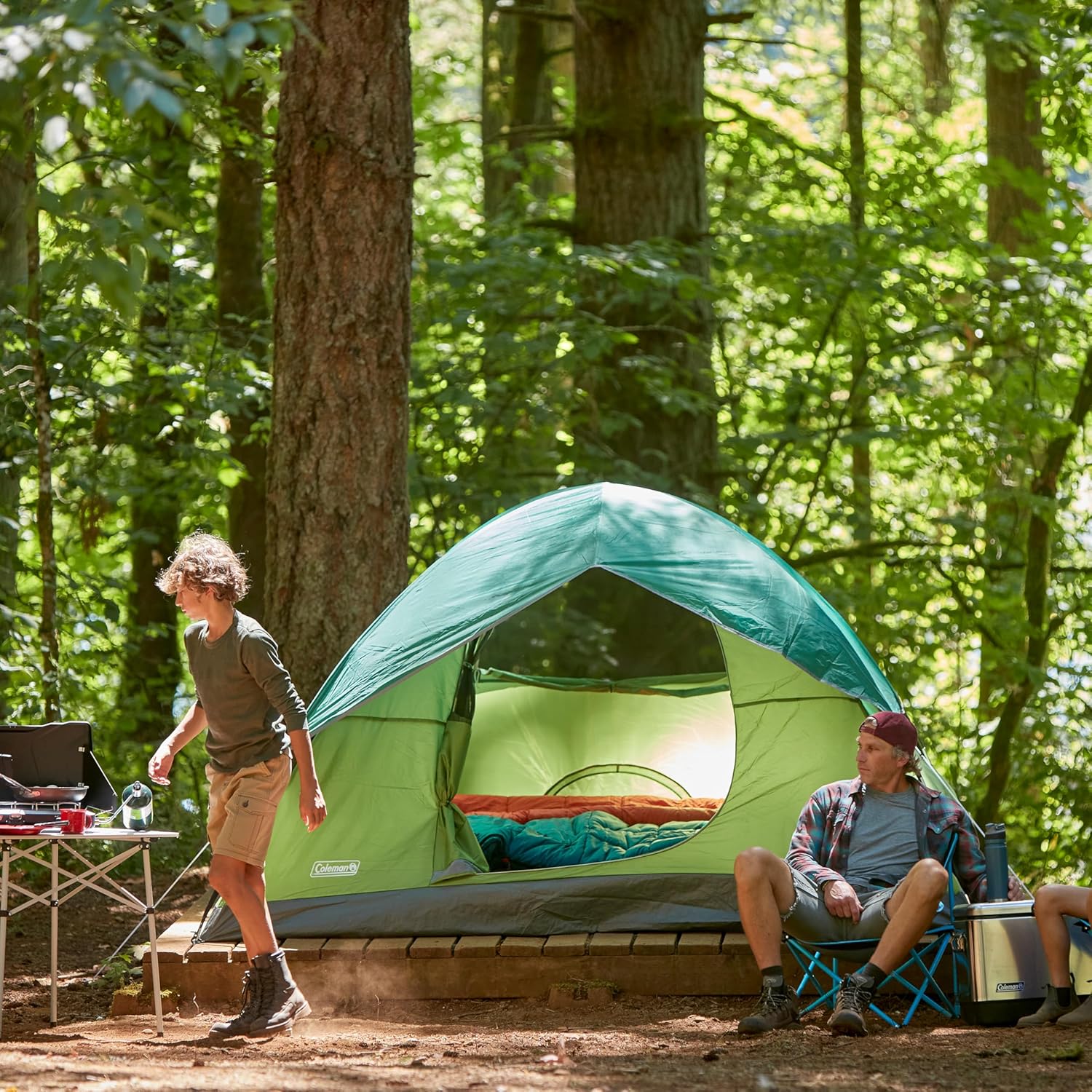
Your shelter system is the foundation of any successful camping trip. A comfortable and reliable sleeping setup ensures you stay warm, dry, and well-rested throughout your adventure. Without proper shelter, even the most scenic campsite can quickly become uncomfortable.
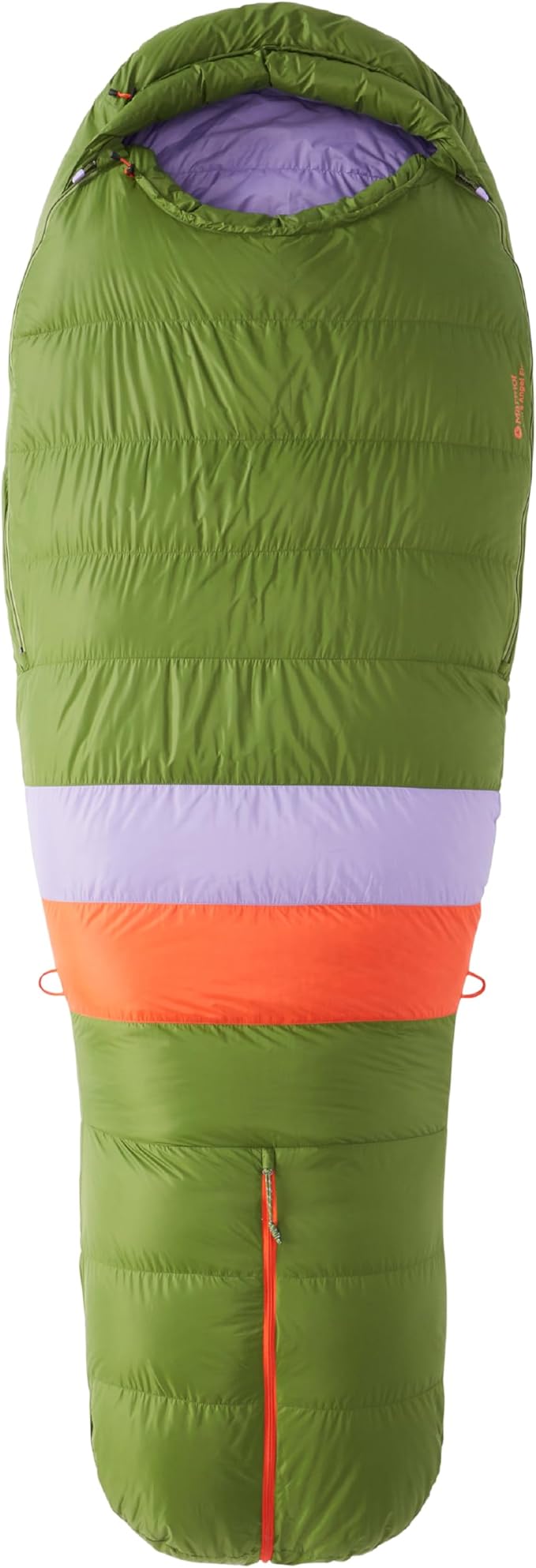
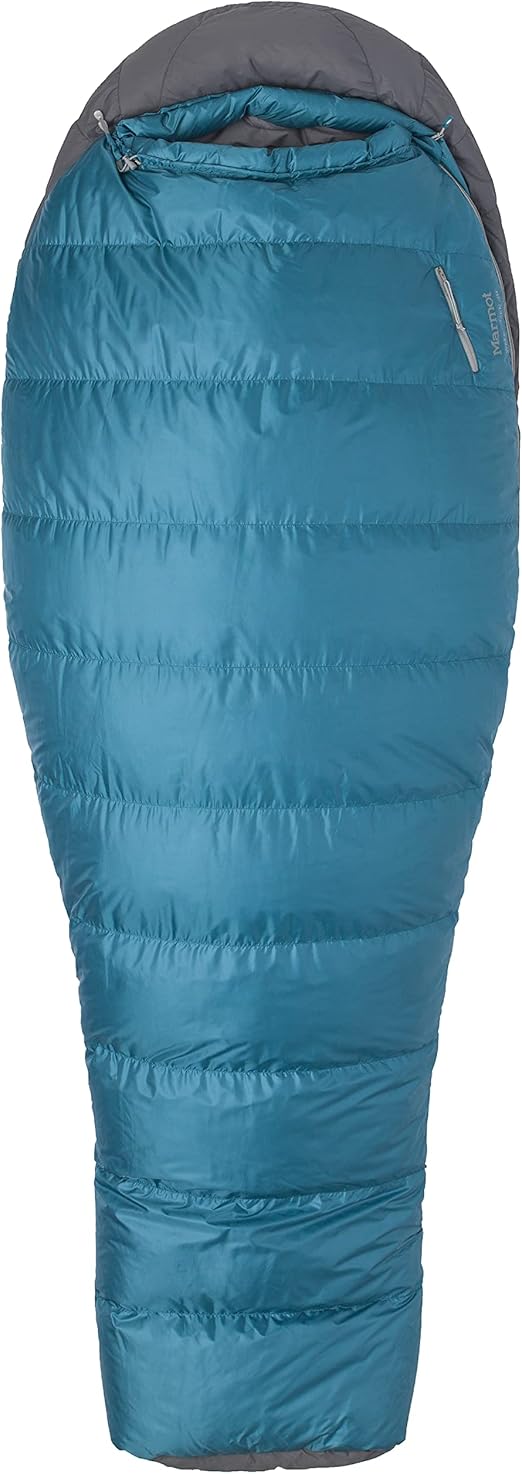
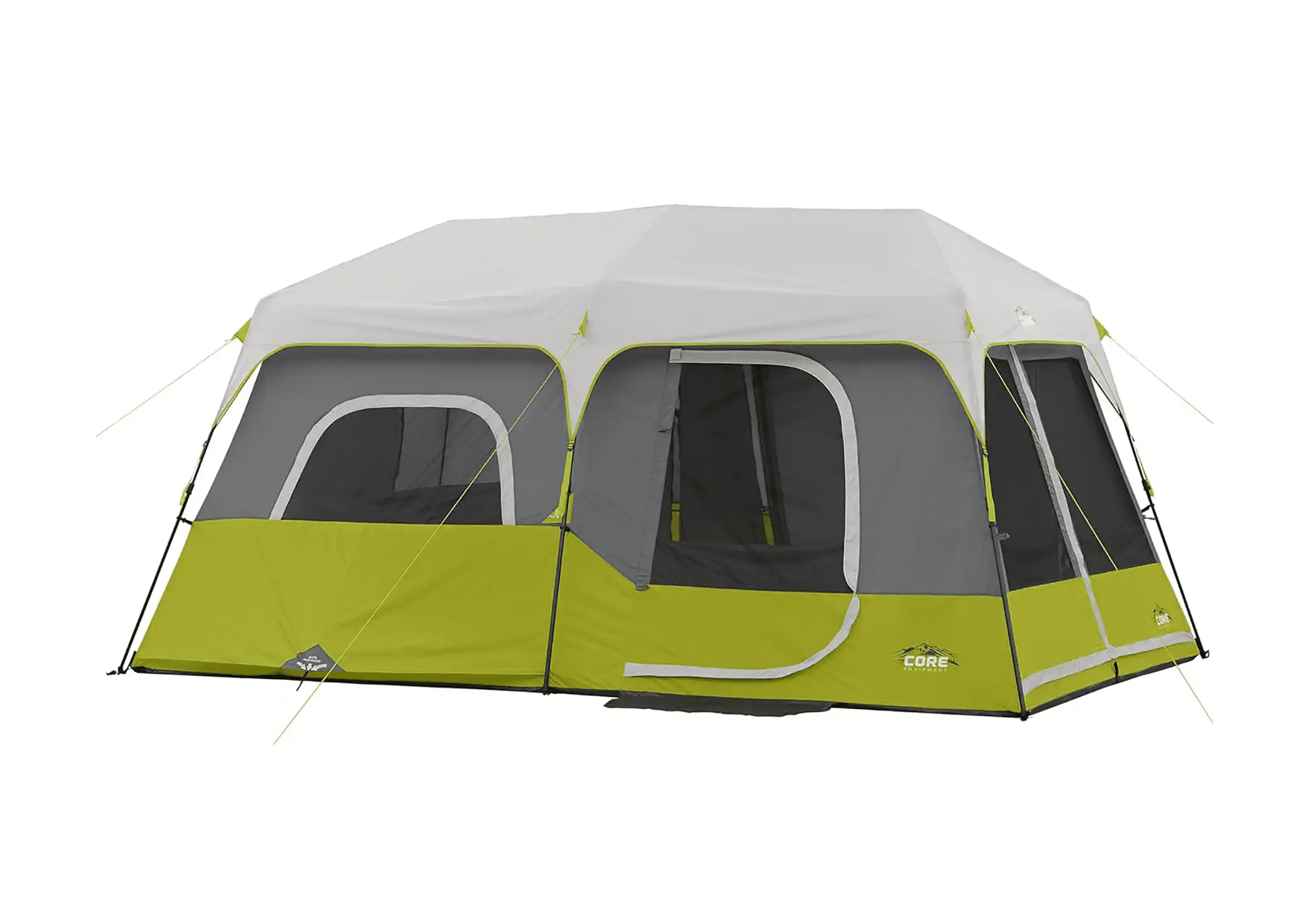
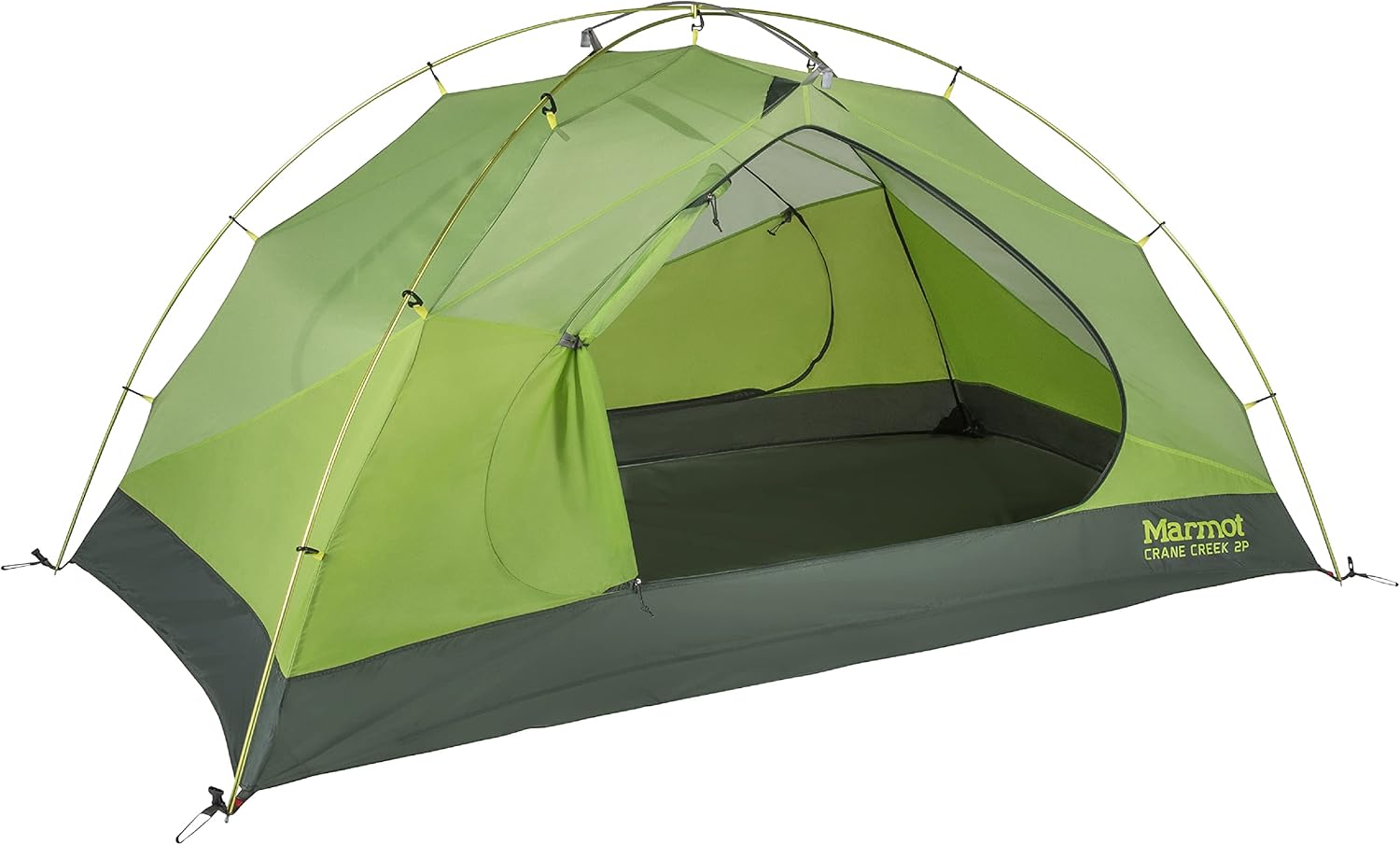
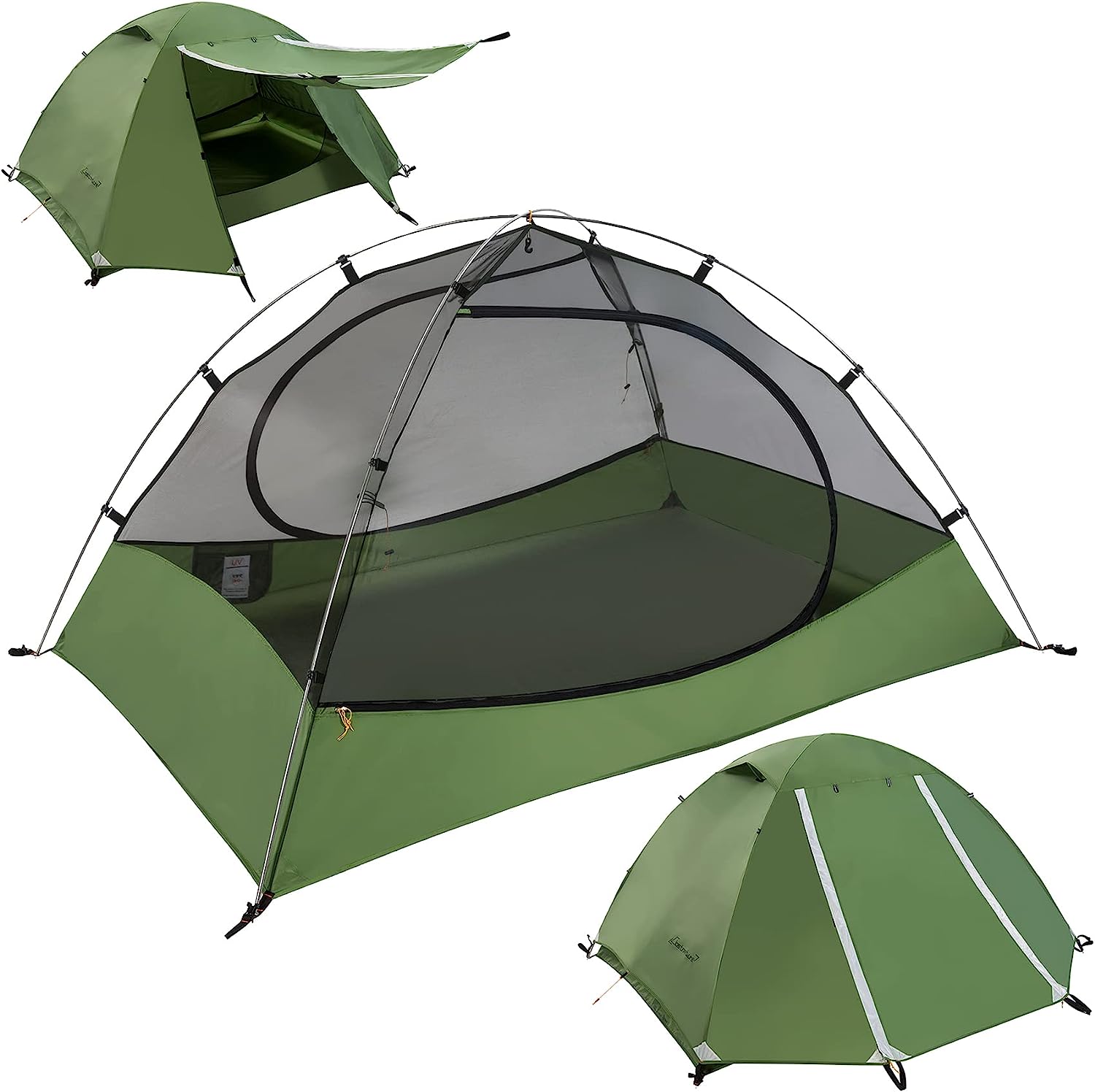
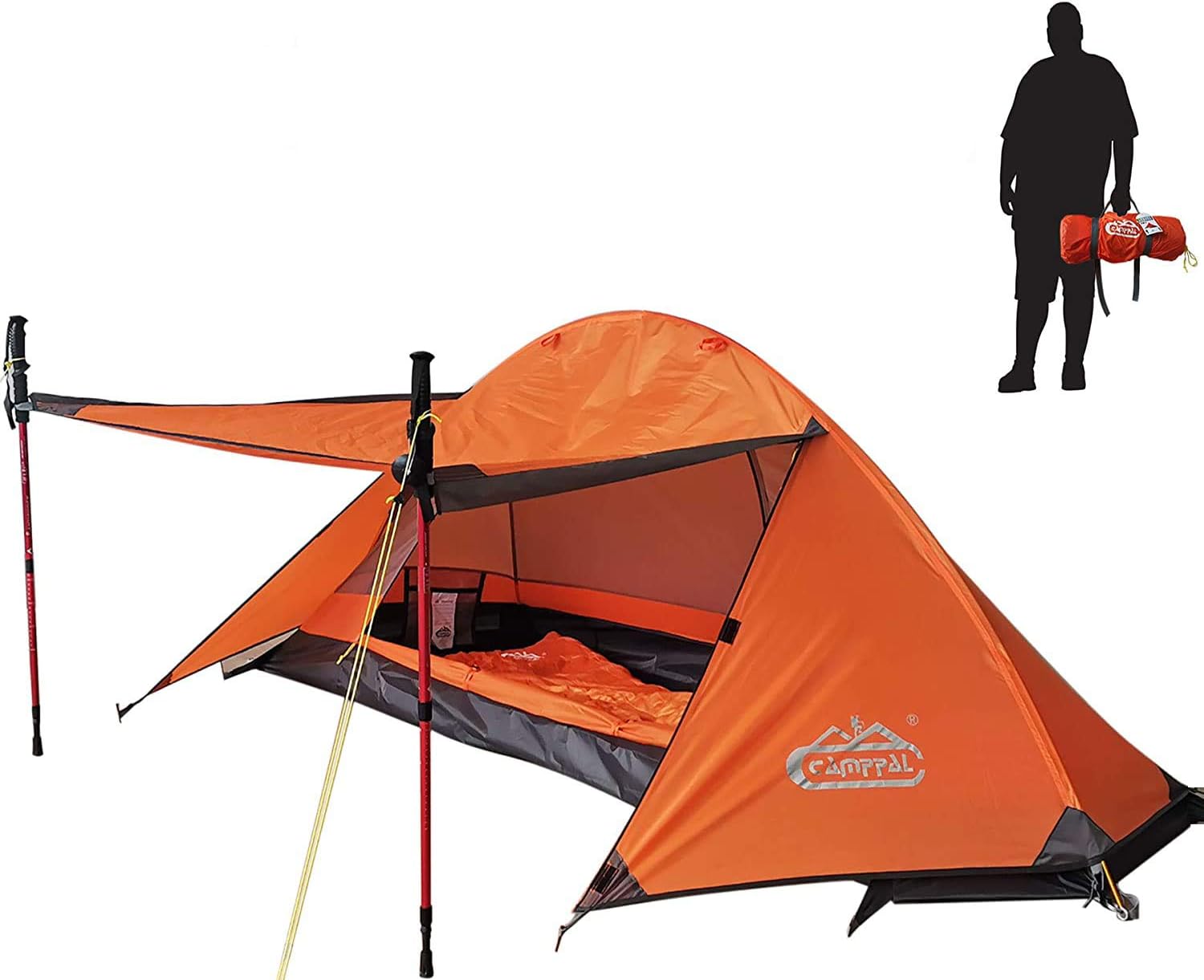
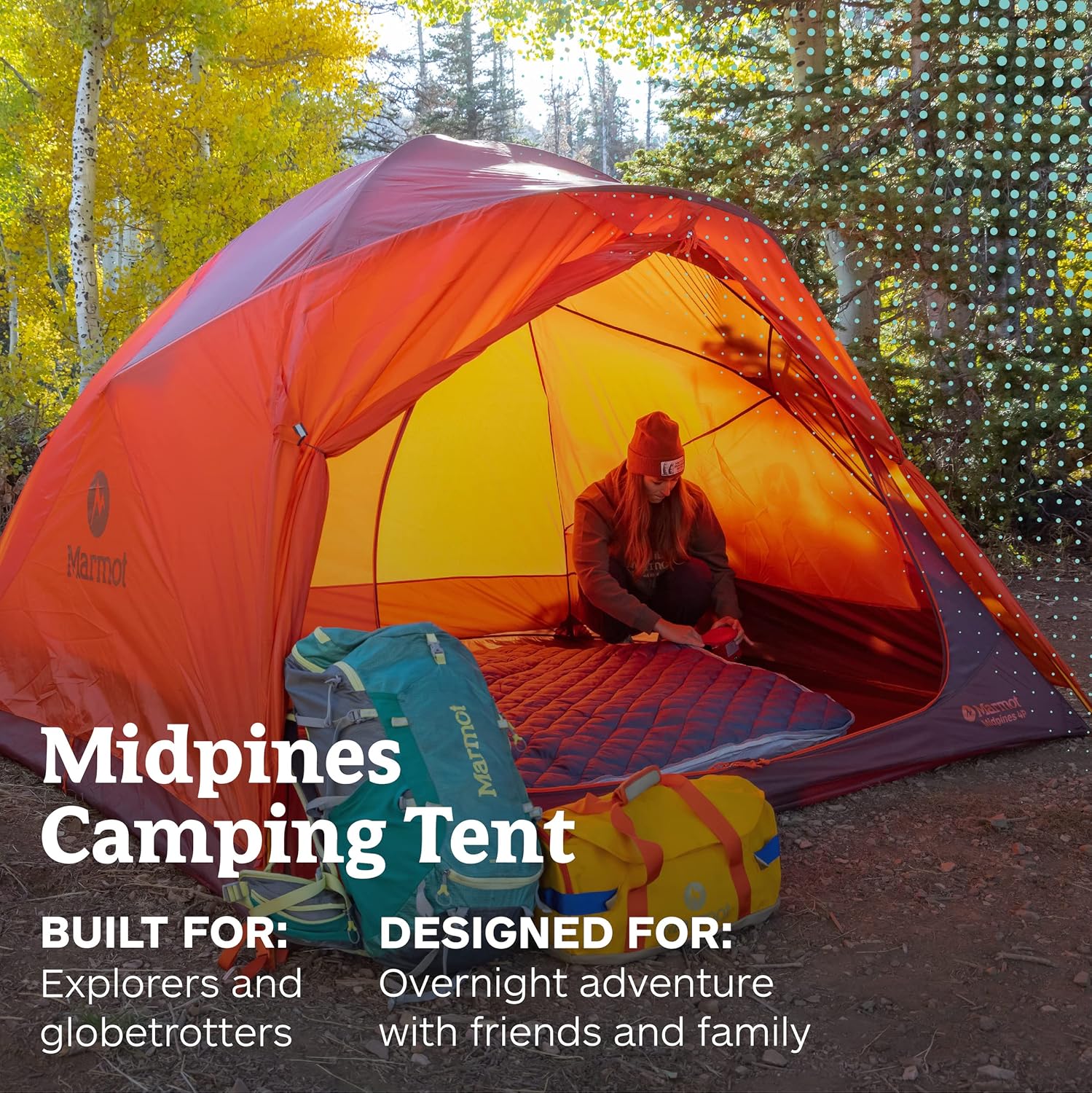
The most essential components of your shelter setup include your tent and sleeping gear. A quality tent protects you from wind, rain, and insects while providing a private space to rest after a long day outdoors. Equally important is a sleeping bag designed for the expected temperature conditions, along with a sleeping pad that provides insulation from the cold ground.
Your shelter checklist should include
- Tent with rainfly
- Tent stakes and guylines
- Ground tarp or footprint
- Sleeping bag appropriate for the weather
- Sleeping pad or air mattress
- Camp pillow
- Extra blanket for colder nights
Why sleeping pads matter
Many new campers underestimate the importance of a sleeping pad. While sleeping bags provide warmth, sleeping pads add insulation from the ground and dramatically improve comfort during the night.
Clothing for changing outdoor conditions
Weather conditions in outdoor environments can change quickly, especially in mountainous areas or national parks. Proper clothing ensures you remain comfortable during hikes, chilly mornings, or unexpected rainstorms.
Layering is the best strategy when packing clothing for a camping trip. Instead of bringing heavy clothing, pack multiple lightweight layers that can be added or removed as temperatures change.
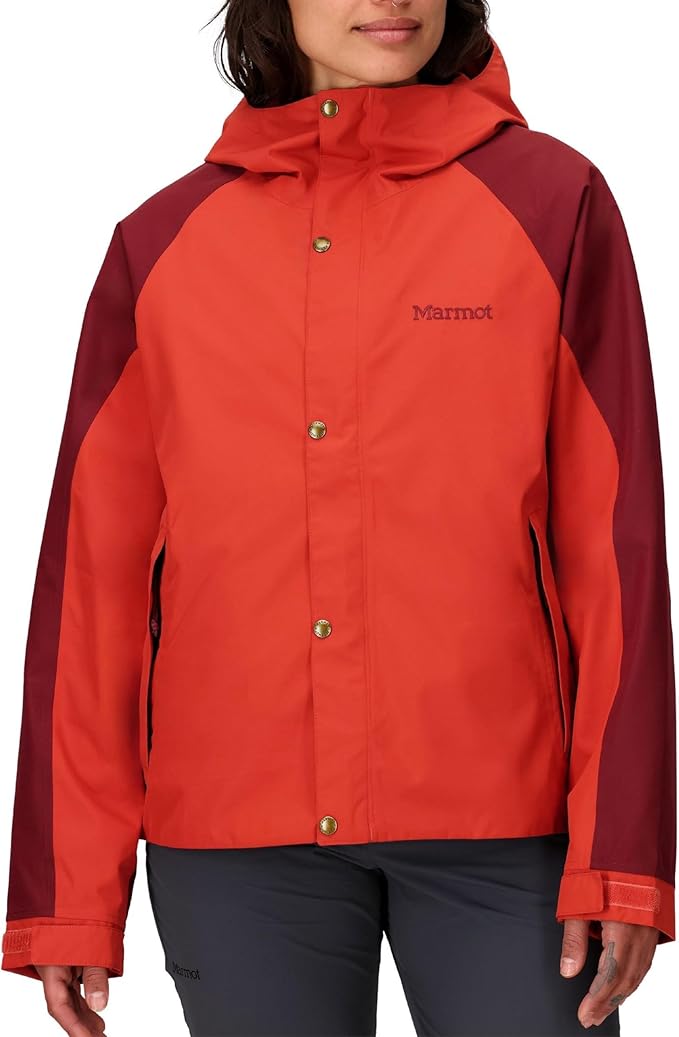
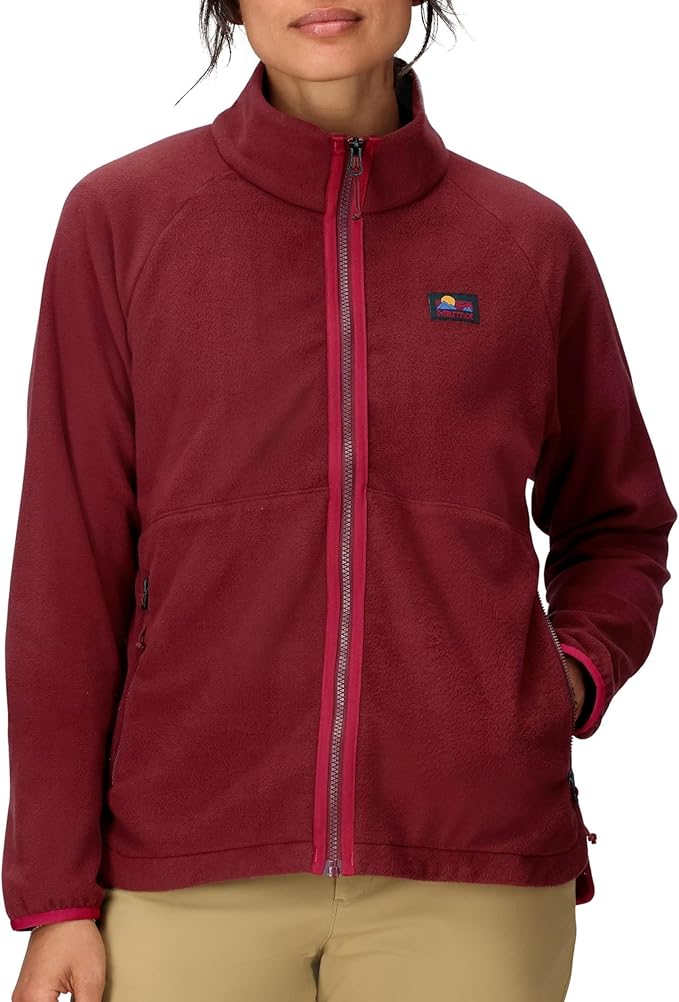
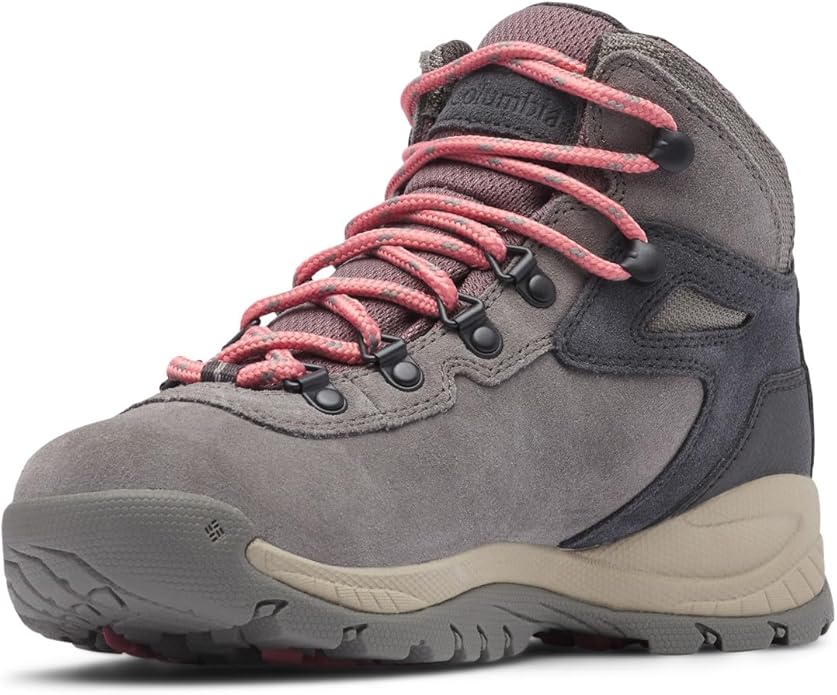
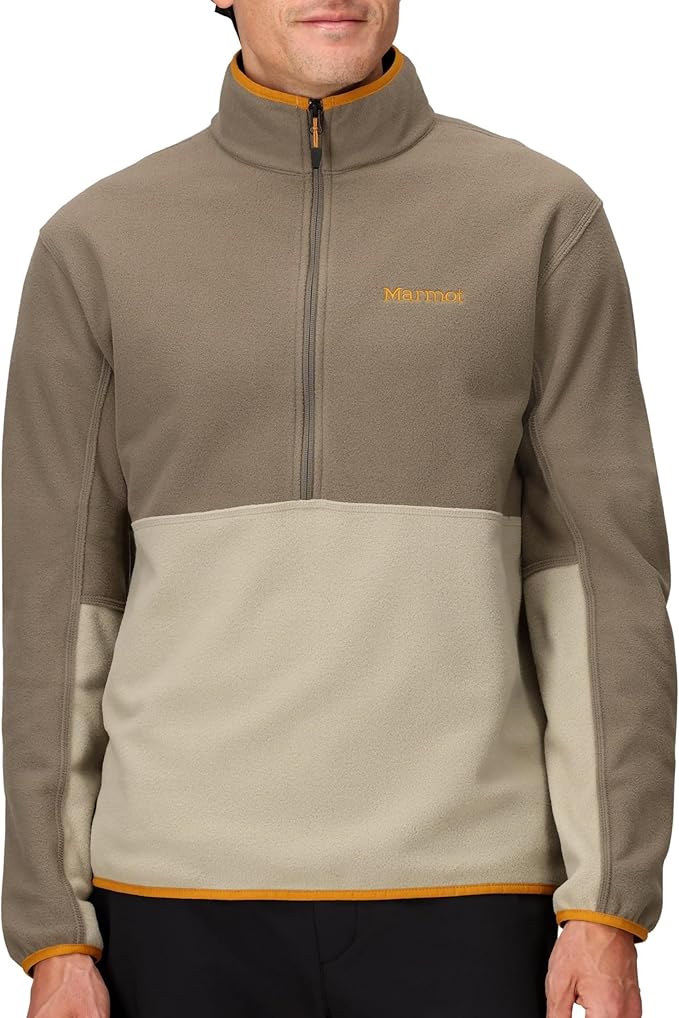
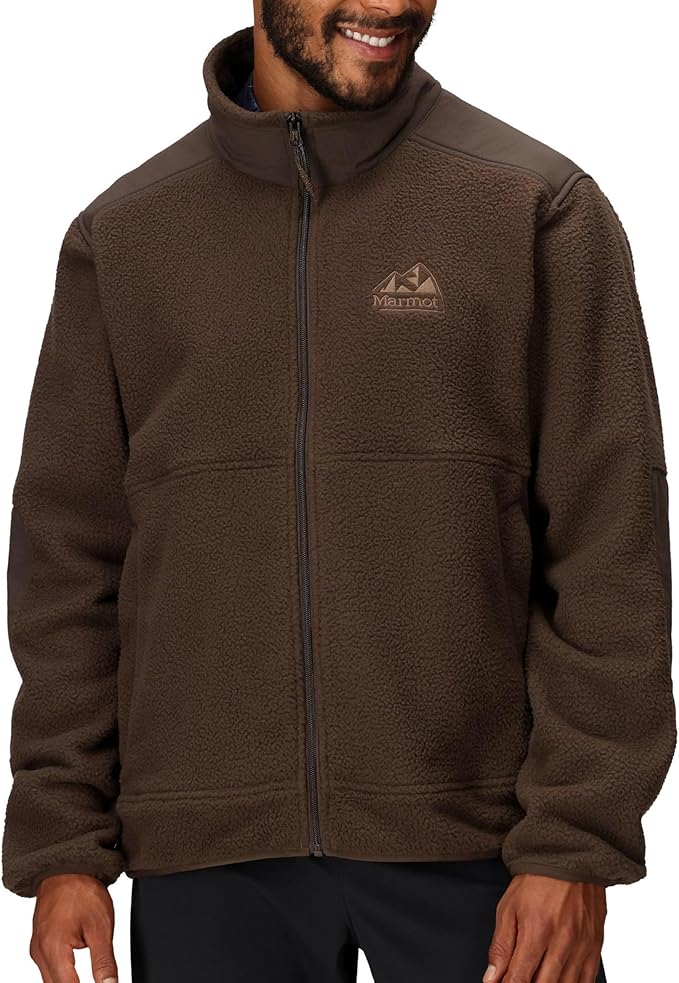
Essential clothing items include moisture-wicking shirts, warm mid-layers like fleece or insulated jackets, and waterproof outer layers. Comfortable hiking pants and durable footwear are also key.
Your clothing checklist should include
- Moisture-wicking shirts
- Hiking pants or shorts
- Insulated jacket or fleece
- Waterproof rain jacket
- Thermal base layers
- Hiking socks
- Extra socks
- Hat or beanie
- Gloves in colder environments
Don’t overlook extra socks
After a long day of hiking, putting on dry socks can make a huge difference in comfort and warmth at the campsite.
Quick planning tip
A camping checklist keeps small oversights from becoming big problems
From extra socks to headlamp batteries, the smallest items are often the easiest to forget and the hardest to replace once you arrive at camp.
Cooking and food preparation gear
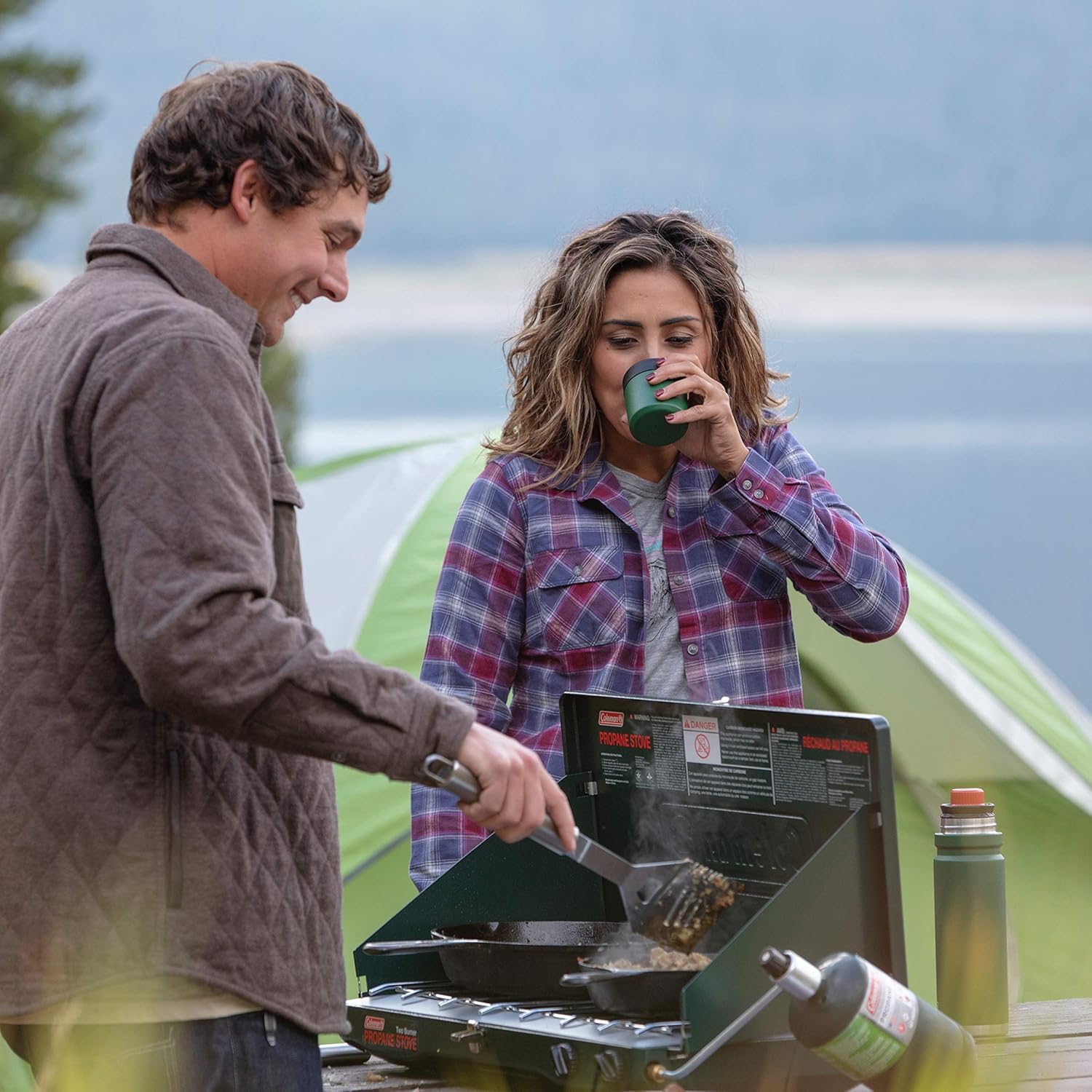
Cooking meals outdoors is one of the most enjoyable parts of camping. Sharing food around a campfire or preparing breakfast as the sun rises over the mountains creates unforgettable moments.
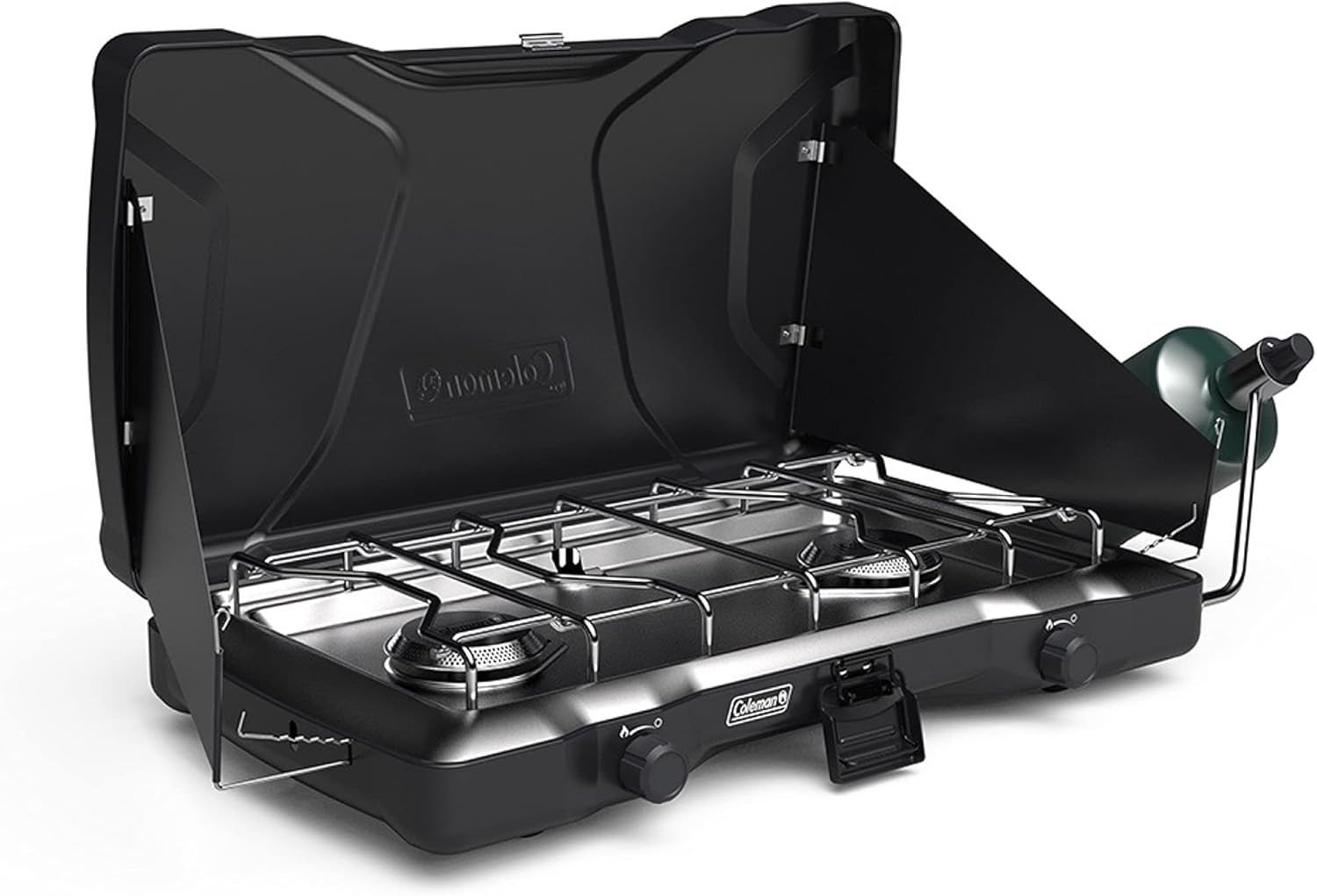
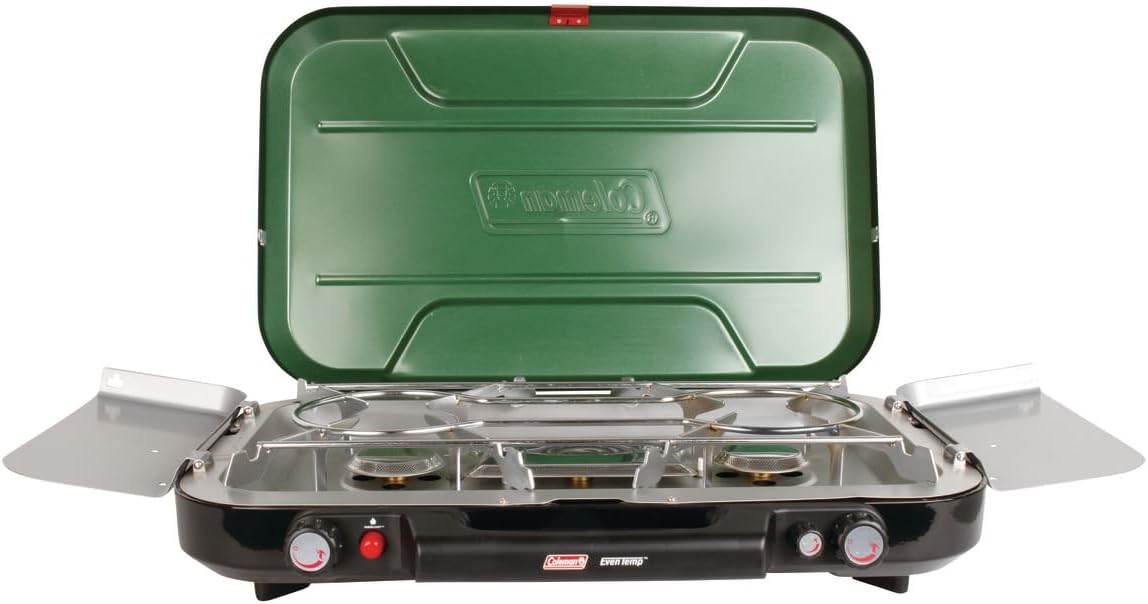
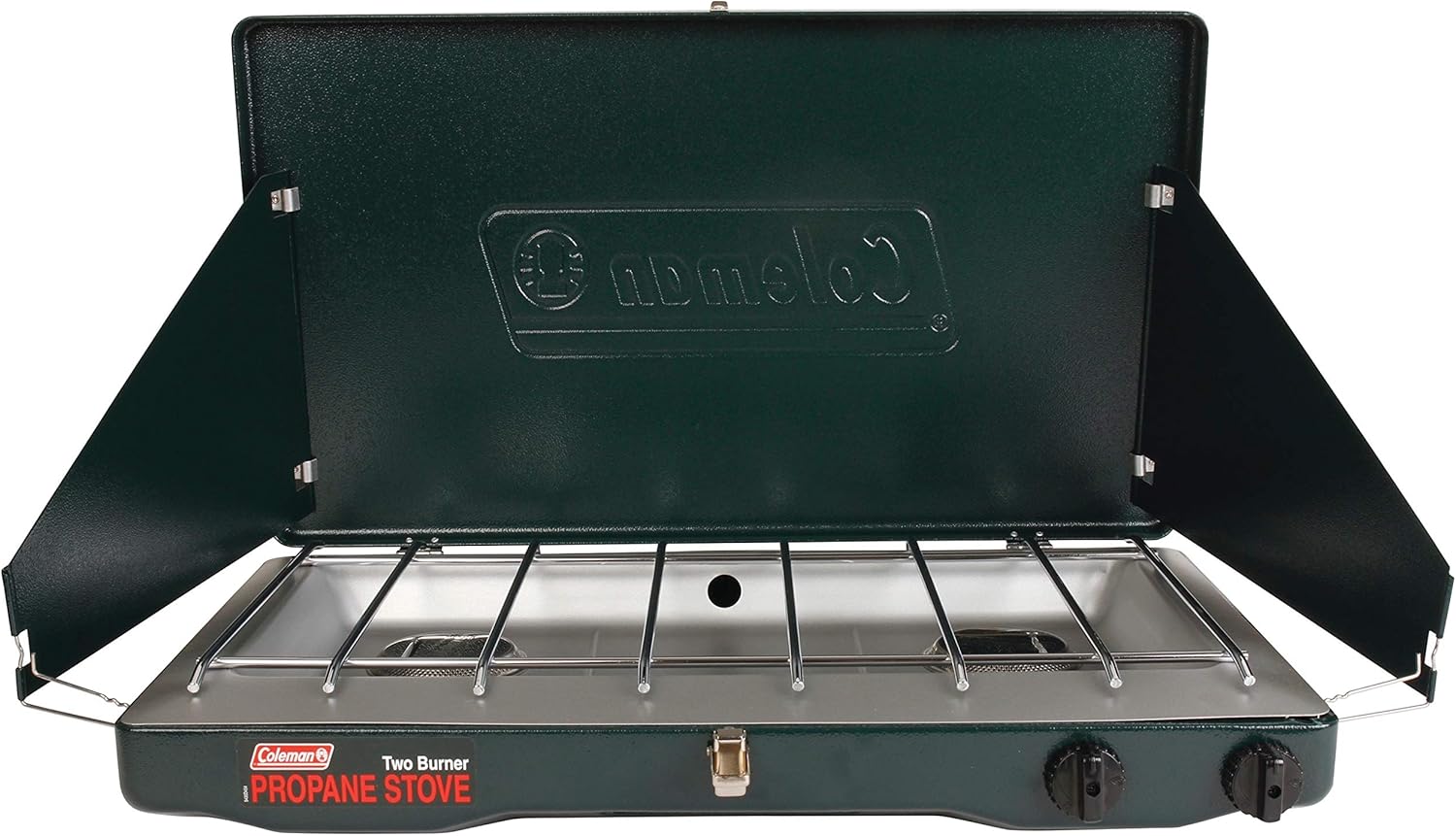
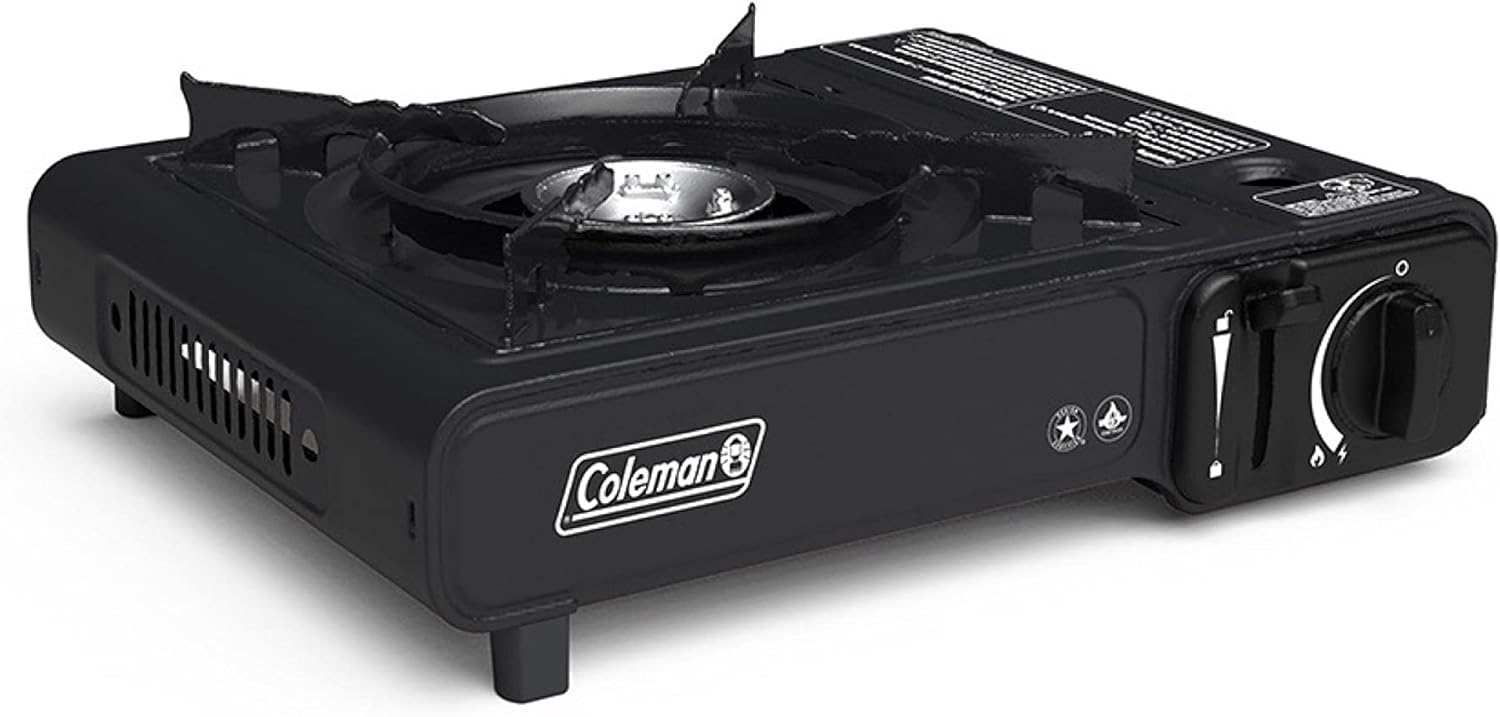
To make campsite cooking easy and efficient, you’ll need a small camp kitchen setup. This typically includes a portable stove, cooking utensils, and basic meal supplies. Many campers prefer simple meals that require minimal equipment, but it’s still important to pack essential cooking tools.
A basic camp kitchen should include
- Portable camping stove
- Fuel canisters
- Lighter or waterproof matches
- Cooking pots and pans
- Plates, bowls, and cups
- Utensils for cooking and eating
- Cooler for perishable food
- Biodegradable dish soap
- Sponge or scrubber
- Trash bags
Optional campsite cooking extras
Some campers also enjoy bringing optional items like a camp grill, coffee maker, or seasoning kit to enhance their campsite meals.
Keep meals simple
A simple camp kitchen setup makes cooking easier, saves space, and helps keep your campsite more organized.
Lighting and power essentials
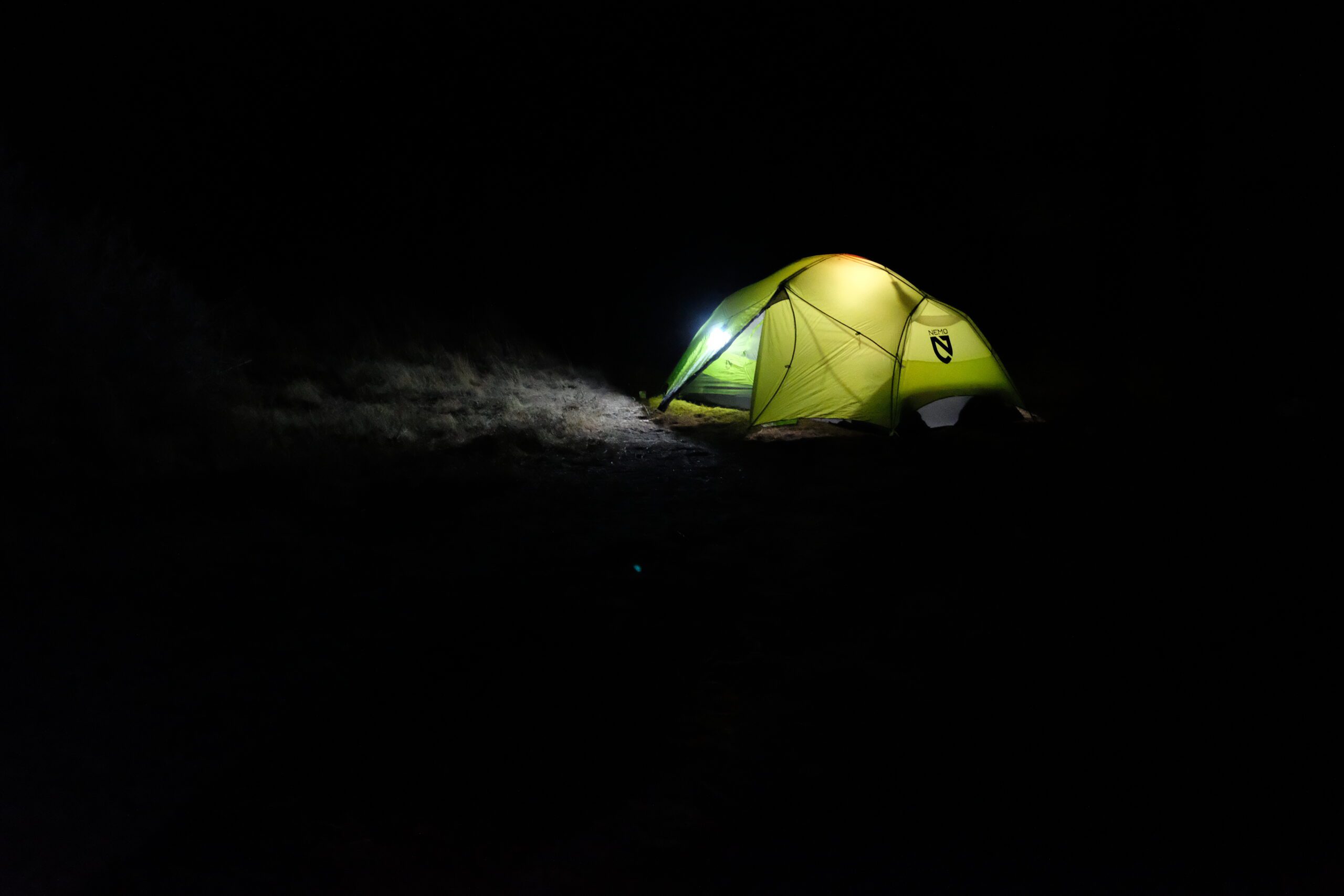
Lighting is an often overlooked part of a camping checklist, yet it is absolutely essential once the sun sets. Campsites can become extremely dark at night, especially in remote wilderness areas with little to no artificial lighting.
A reliable headlamp is one of the most useful pieces of camping gear you can bring. It keeps your hands free while cooking, setting up your tent, or navigating trails in low light. Lanterns are also helpful for illuminating larger areas around the campsite.
Core lighting gear
- Headlamp
- Flashlight
- Lantern
Power backups
- Extra batteries
- Portable power bank
Why backups matter
Many campers forget spare batteries, which can quickly turn a convenient tool into useless gear.
Safety, emergency gear, and personal hygiene essentials
Safety should always be a top priority when camping. Personal hygiene items also help keep you comfortable and healthy throughout your adventure.
Safety gear
Important safety items
First aid kit, multi-tool or pocket knife, map of the area, compass or GPS device, fire starter, emergency blanket, and whistle.
Hygiene kit
Personal hygiene items
Toothbrush and toothpaste, hand sanitizer, wet wipes, quick-dry towel, toilet paper, sunscreen, insect repellent, and lip balm with SPF.
Remote trips
Extra gear for backcountry camping
For remote backcountry trips, additional items like water purification systems or satellite communicators may also be necessary.
Common oversights
The most forgotten camping items are usually the smallest ones
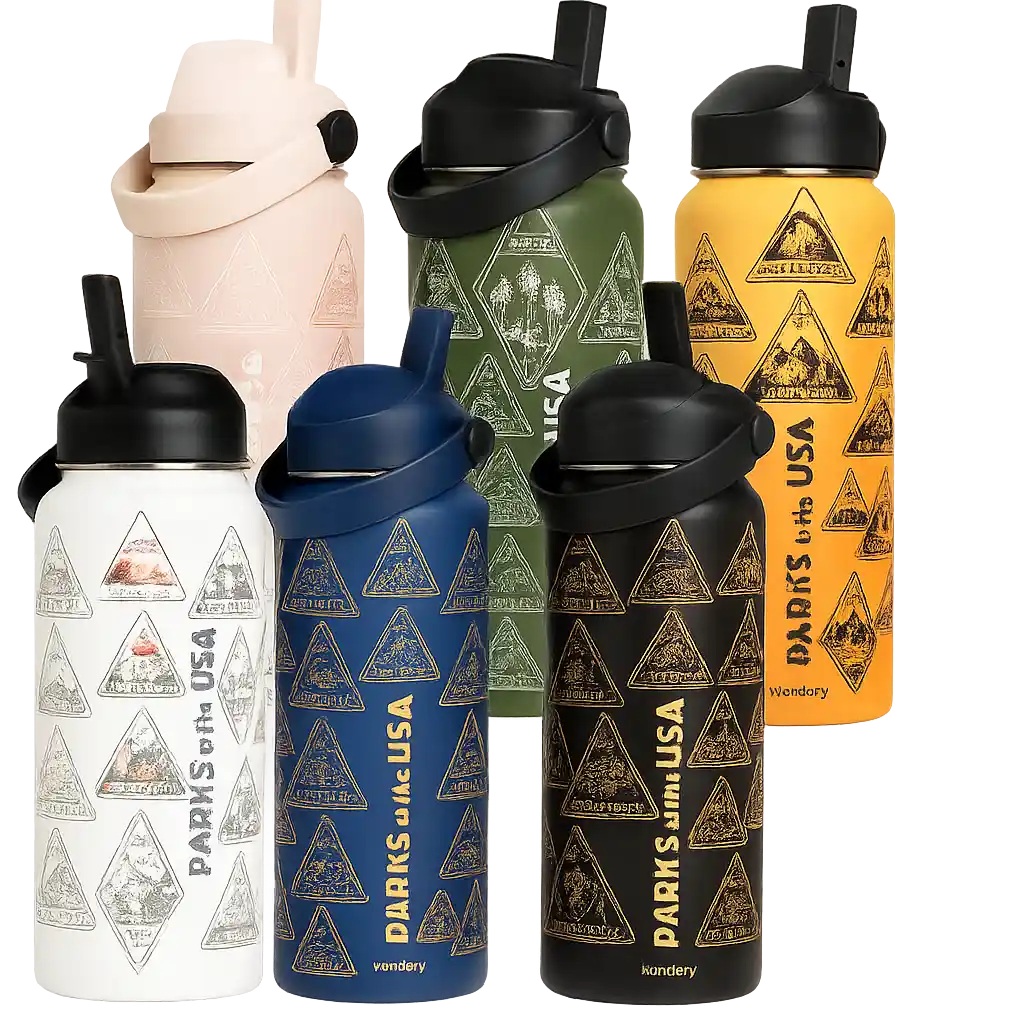
Extra socks, headlamp batteries, tent stakes, multi-use tools, trash bags, phone chargers, power banks, and water bottles are easy to miss without a reliable checklist.
Commonly forgotten camping items
These small items often make a big difference once you arrive at camp.