
Camping in Arches National Parl

Skip to article content
Wild Wanderers Almanac

Camping in Arches National Park for the First Time

Planning your first time camping in Arches National Park? Learn the best time to go, where to camp, what to pack, and what to expect for an unforgettable desert camping trip near Moab.

Camping in Arches National Park
10–12 minute read
camping in Arches National Park for the first time

Quick facts about camping in Arches National Park

Camping in Arches National Park offers red rock scenery, dark skies, famous hiking trails, and easy access to some of Utah’s most iconic desert landscapes.

1

Spring and fall are usually the best seasons for camping in Arches National Park.

2

Devils Garden Campground is the main campground inside the park.

3

Summer heat can be intense, especially for first-time desert campers.

4

Arches is close to Moab, which gives campers access to supplies, restaurants, and extra lodging options nearby.

5

Camping here puts you close to arches, scenic drives, and sunrise and sunset viewpoints.

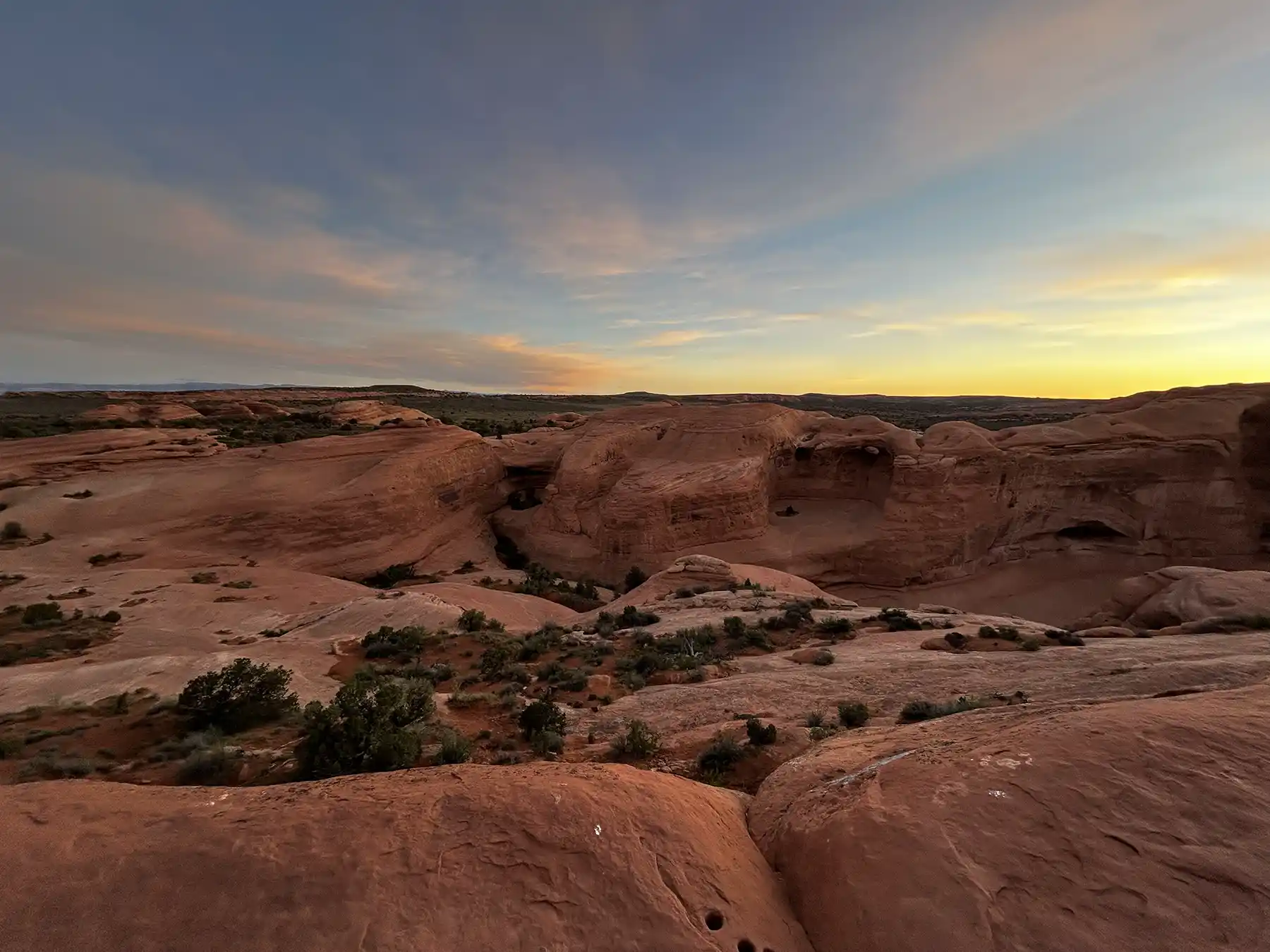
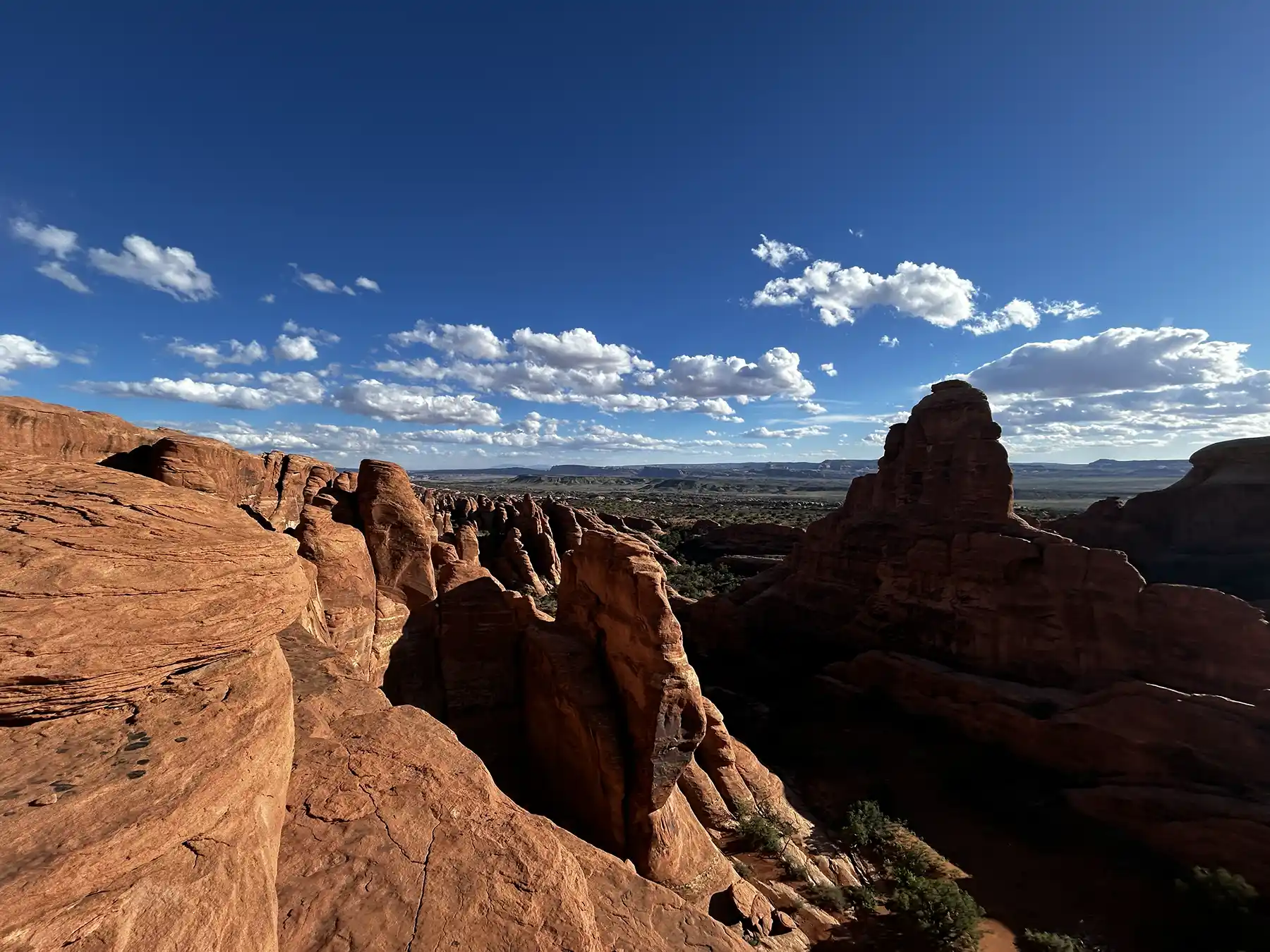
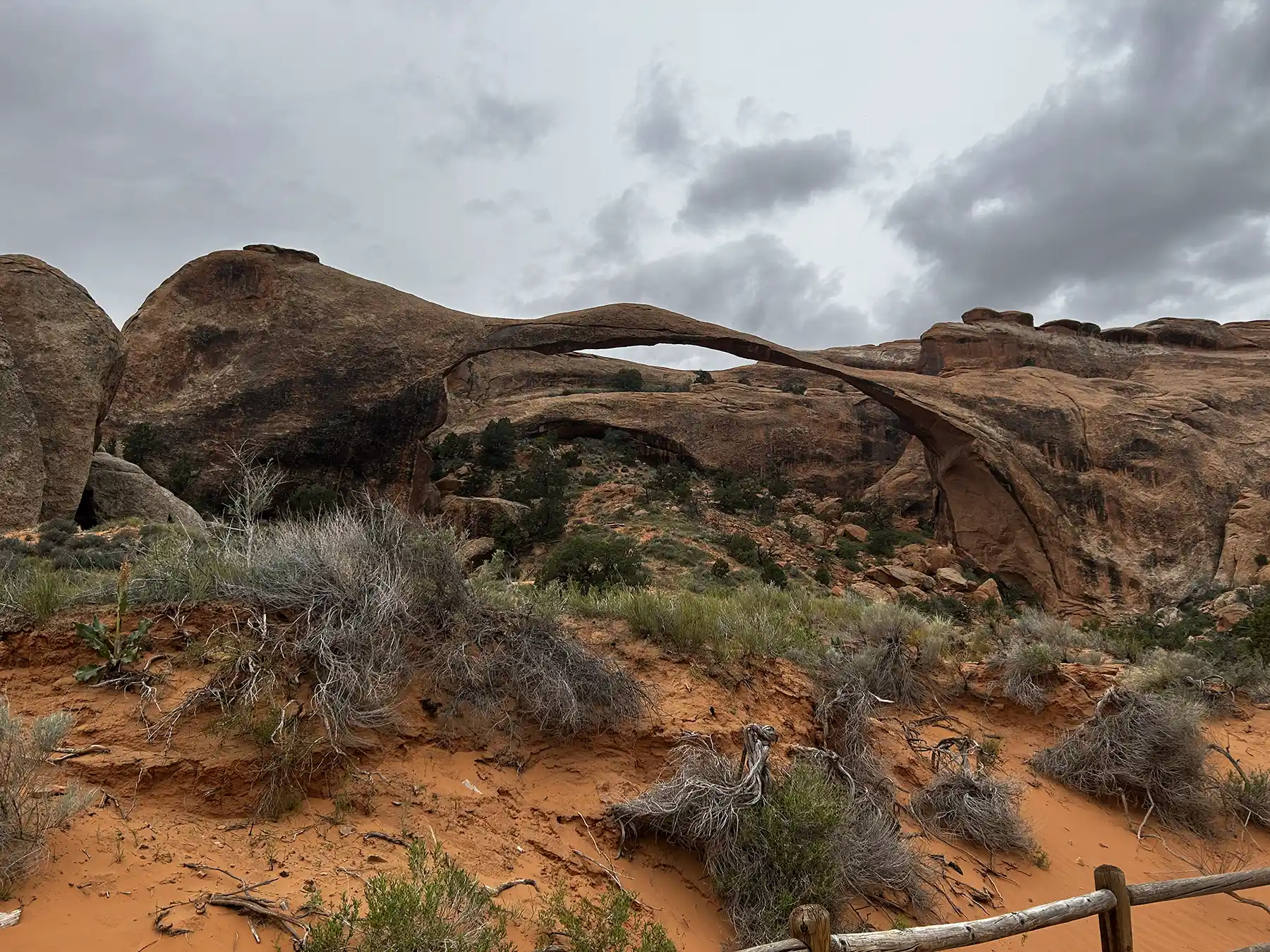
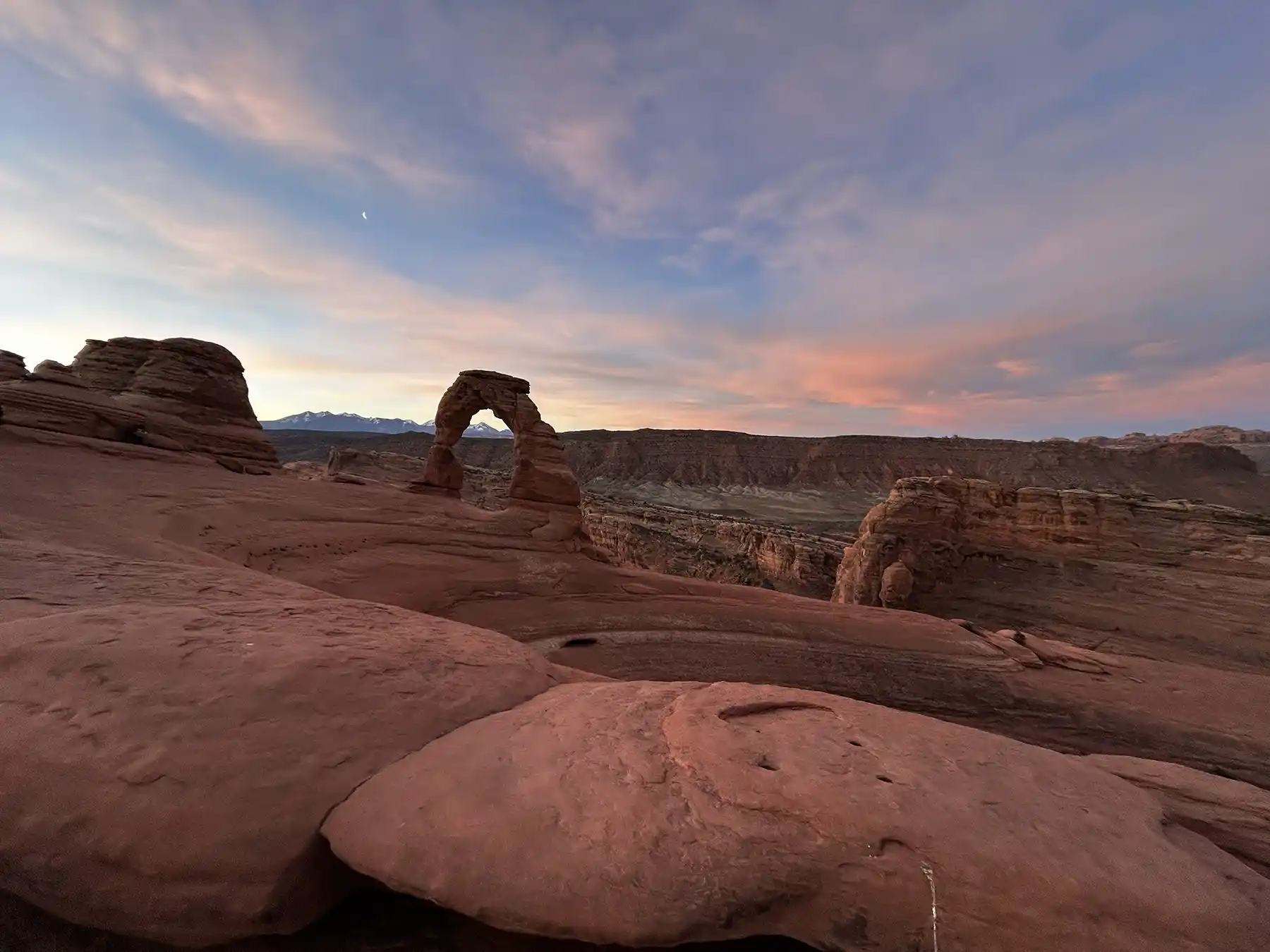
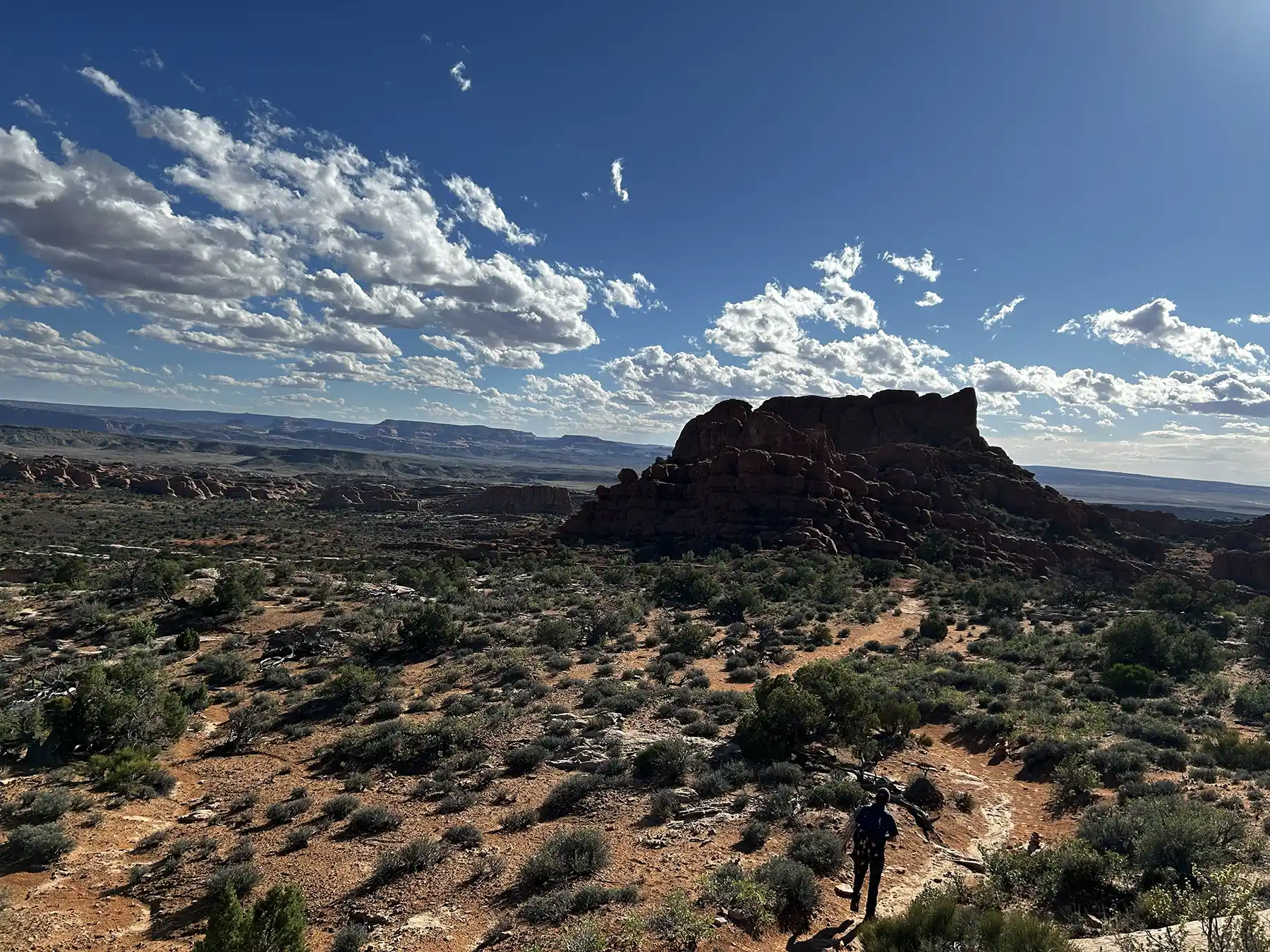
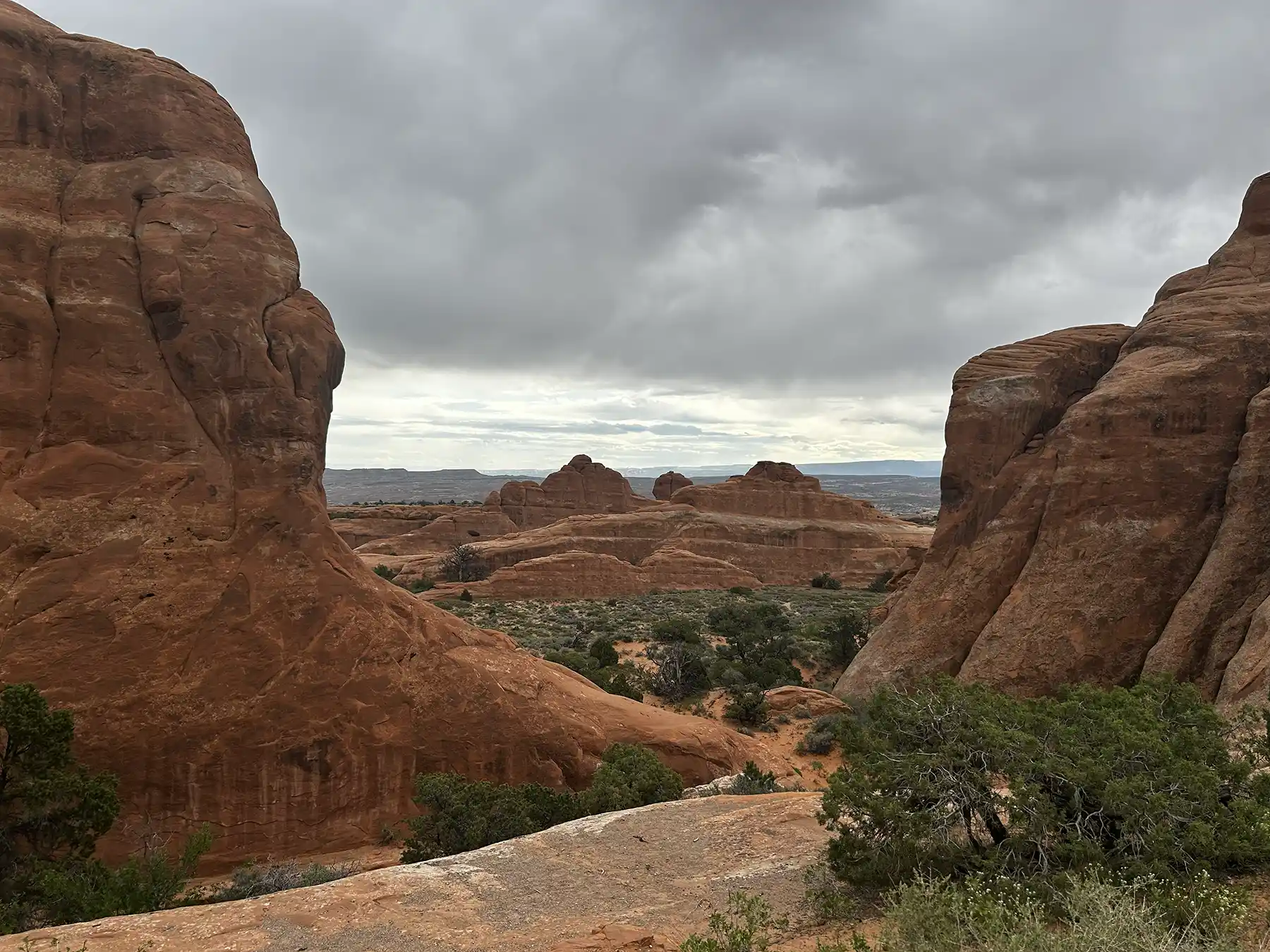
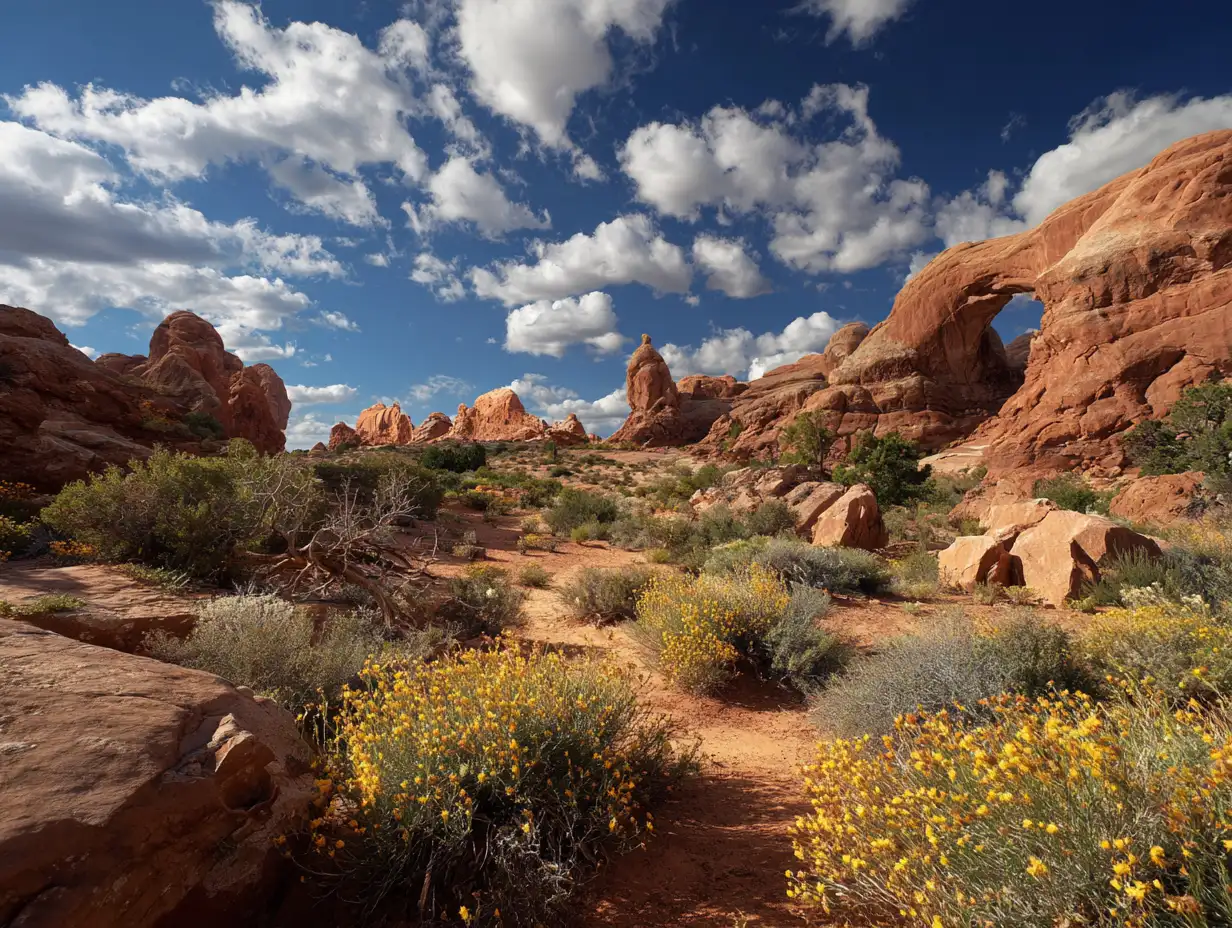
camping in Arches National Park near red rock desert scenery
Arches combines dramatic red rock scenery, desert campsites, and quick access to some of the most famous landscapes in Utah.

What first-time campers should know about Arches

Camping in Arches National Park is one of the best ways to experience Utah’s red rock desert. Located near Moab, the park is known for its massive sandstone arches, scenic viewpoints, winding roads, and unforgettable sunrise and sunset light.

For first-time visitors, camping in Arches National Park offers a front-row seat to one of the most photogenic landscapes in the American Southwest.

The park may feel more accessible than some remote desert parks, but conditions still require planning. Heat, sun exposure, and limited campground space can all affect your trip if you do not prepare in advance.

This guide covers the best time to visit, where to camp, what to pack, what to expect, and how to make your first camping trip to Arches National Park smooth and enjoyable.

Why Arches is perfect for first-time campers

Arches National Park is a great choice for first-time campers because it delivers incredible scenery without feeling too complicated to visit. The park is easy to navigate, close to Moab, and packed with short hikes, overlooks, and iconic landmarks.

Instead of needing a deep backcountry setup, many visitors can enjoy a memorable camping trip with a standard tent setup and a well-planned itinerary.

What makes Arches so appealing

  • Easy access from Moab
  • Stunning red rock formations and famous natural arches
  • Beautiful sunrise and sunset photography opportunities
  • Great mix of short walks, scenic drives, and longer hikes
  • A memorable desert camping experience without needing a remote wilderness plan

Why it works for a first trip

For first-time campers, Arches offers a nice balance of convenience and adventure. You get the beauty of desert camping while still being close enough to town for supplies and backup options.

Why first-timers love Arches

Camping in Arches National Park gives beginners an easy way to enjoy classic Utah desert scenery, dark skies, and iconic hiking trails without feeling too far from support.

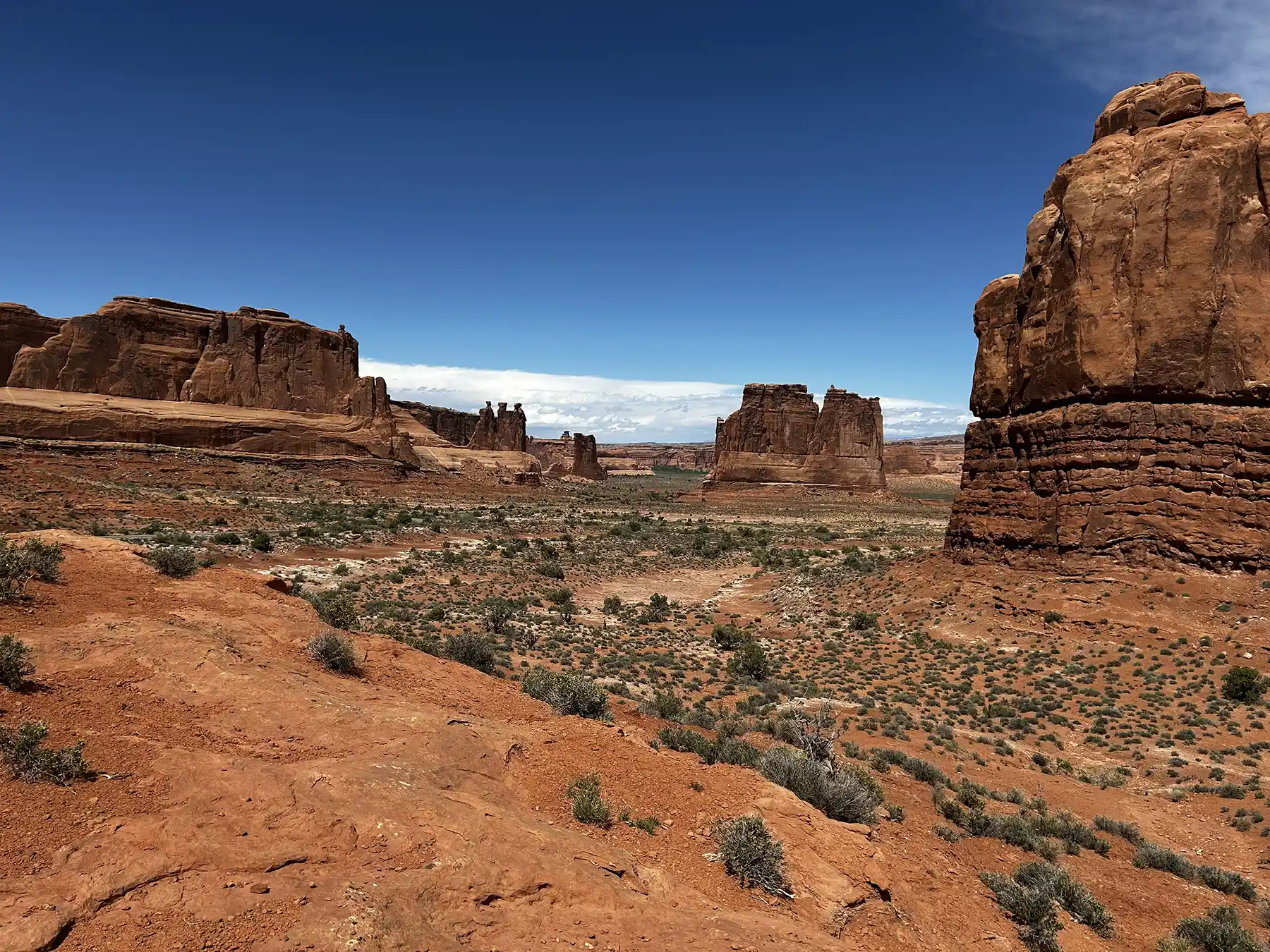
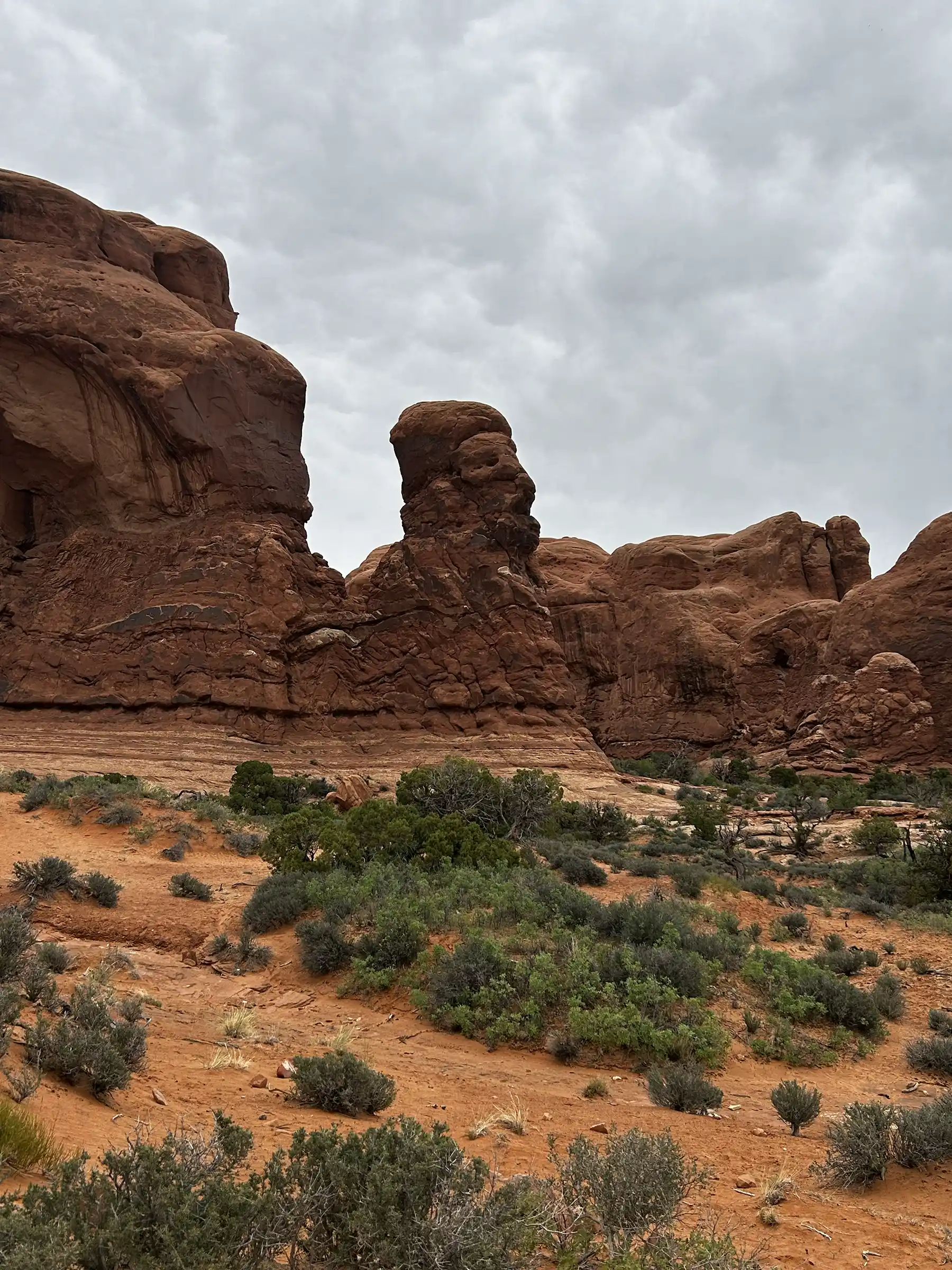
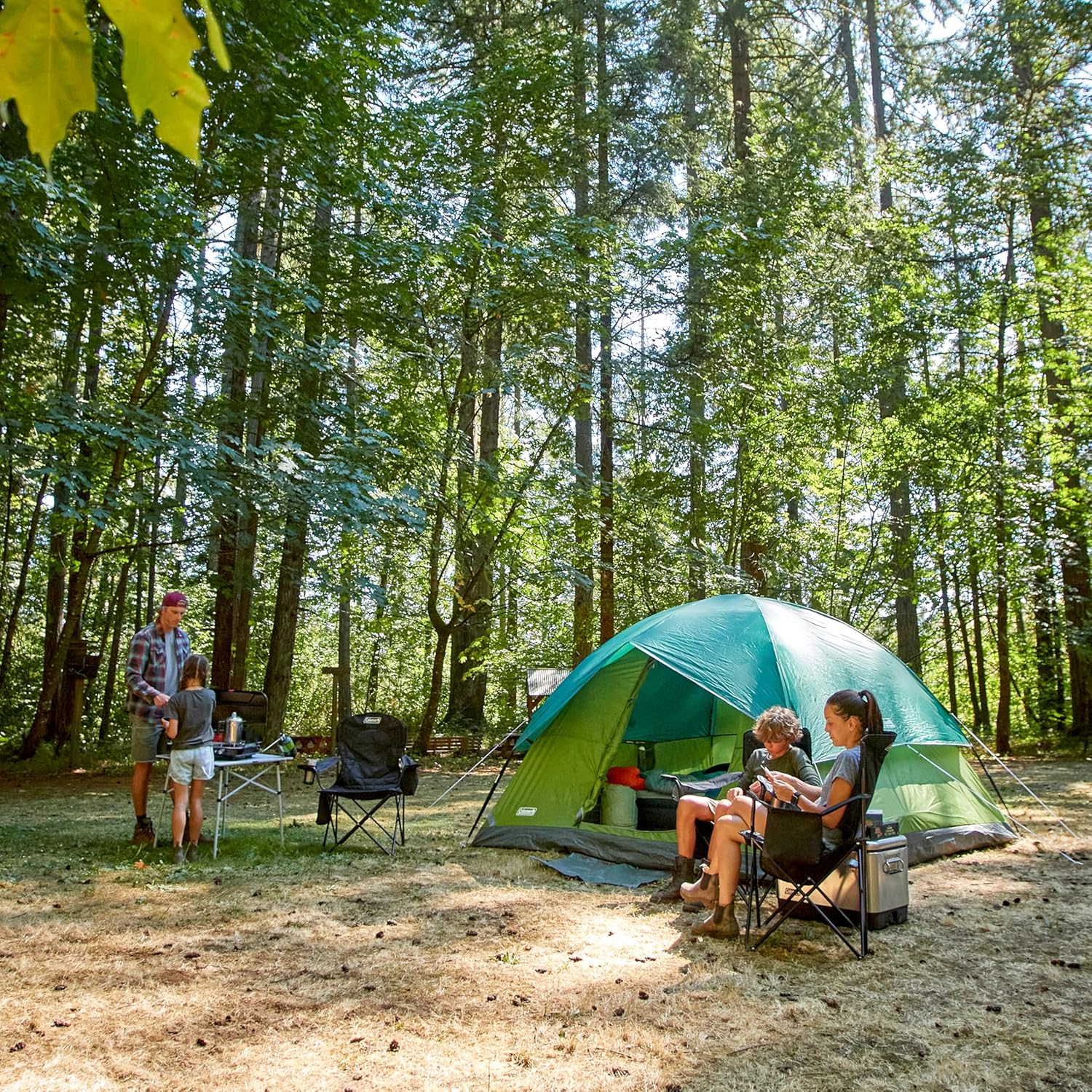
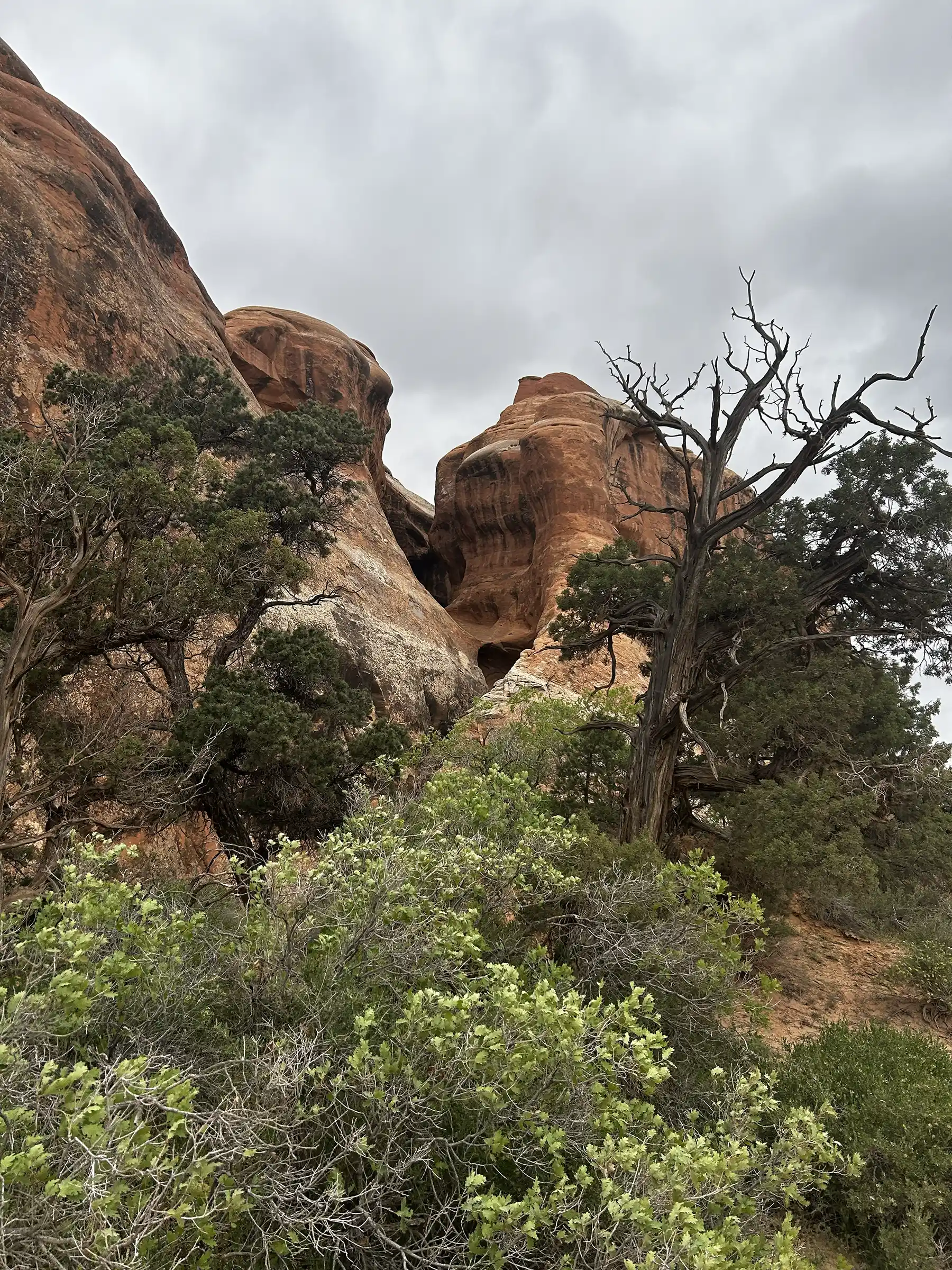
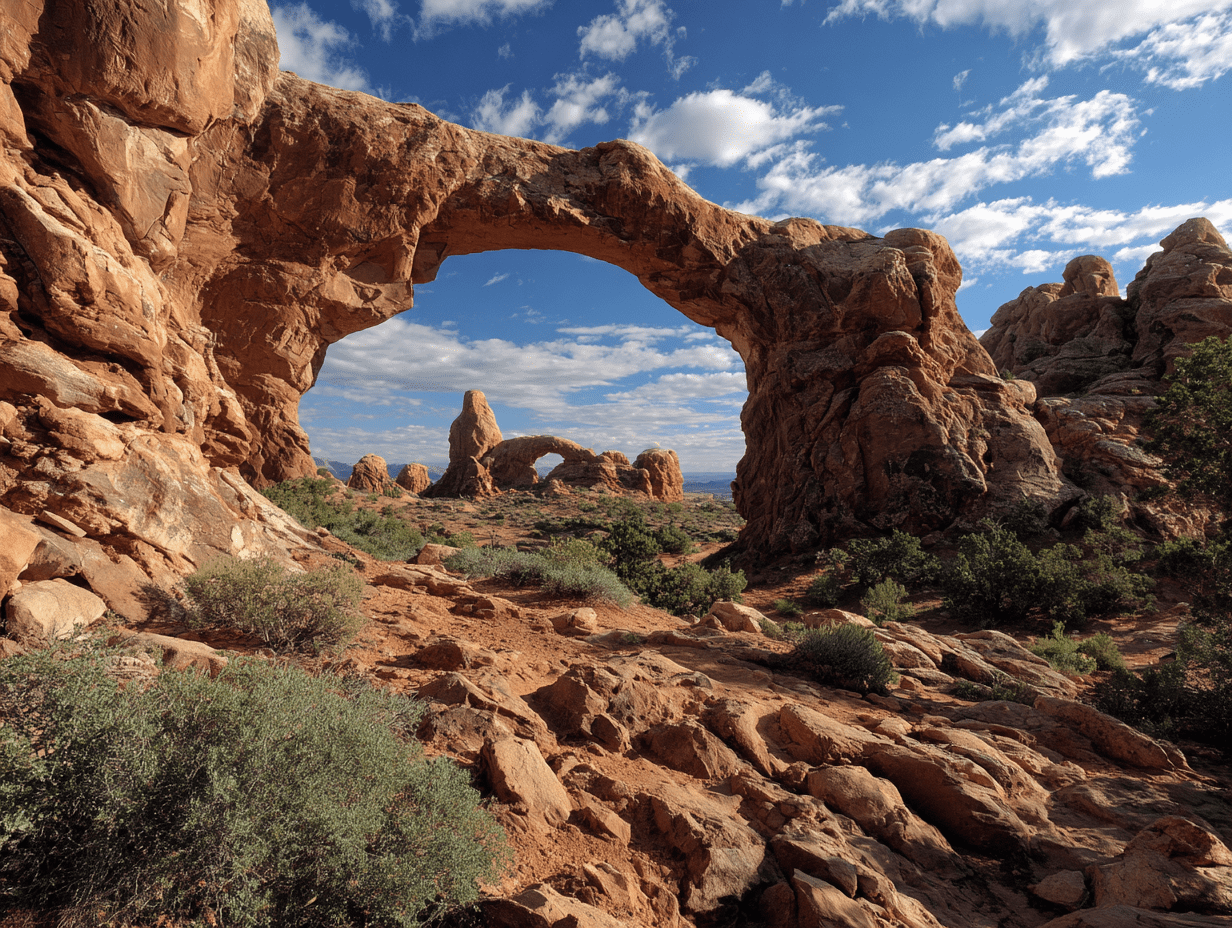
why camping in Arches National Park is great for first-time campers
Arches makes it easy to pair simple camping with world-class red rock views and unforgettable desert hikes.
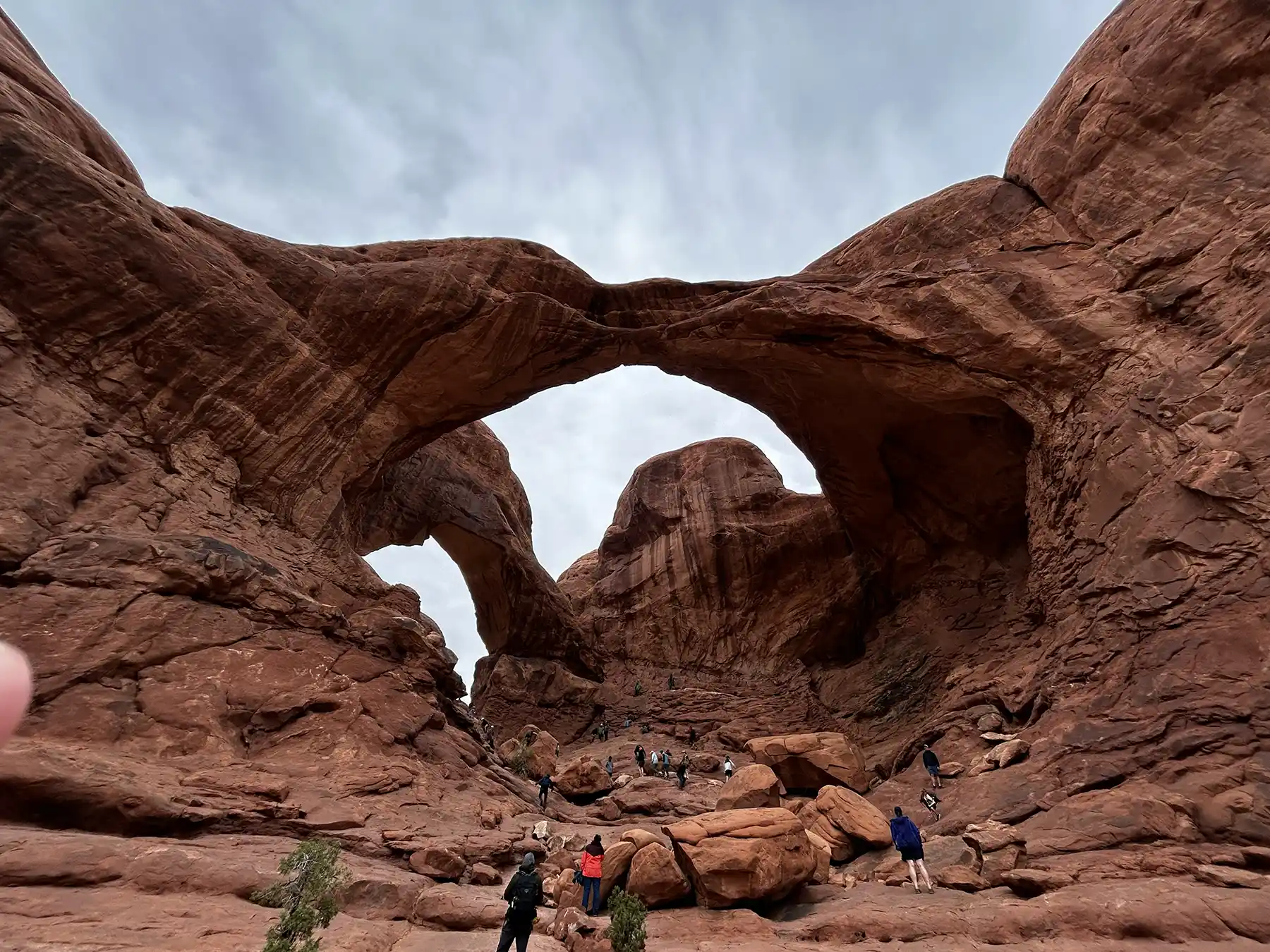
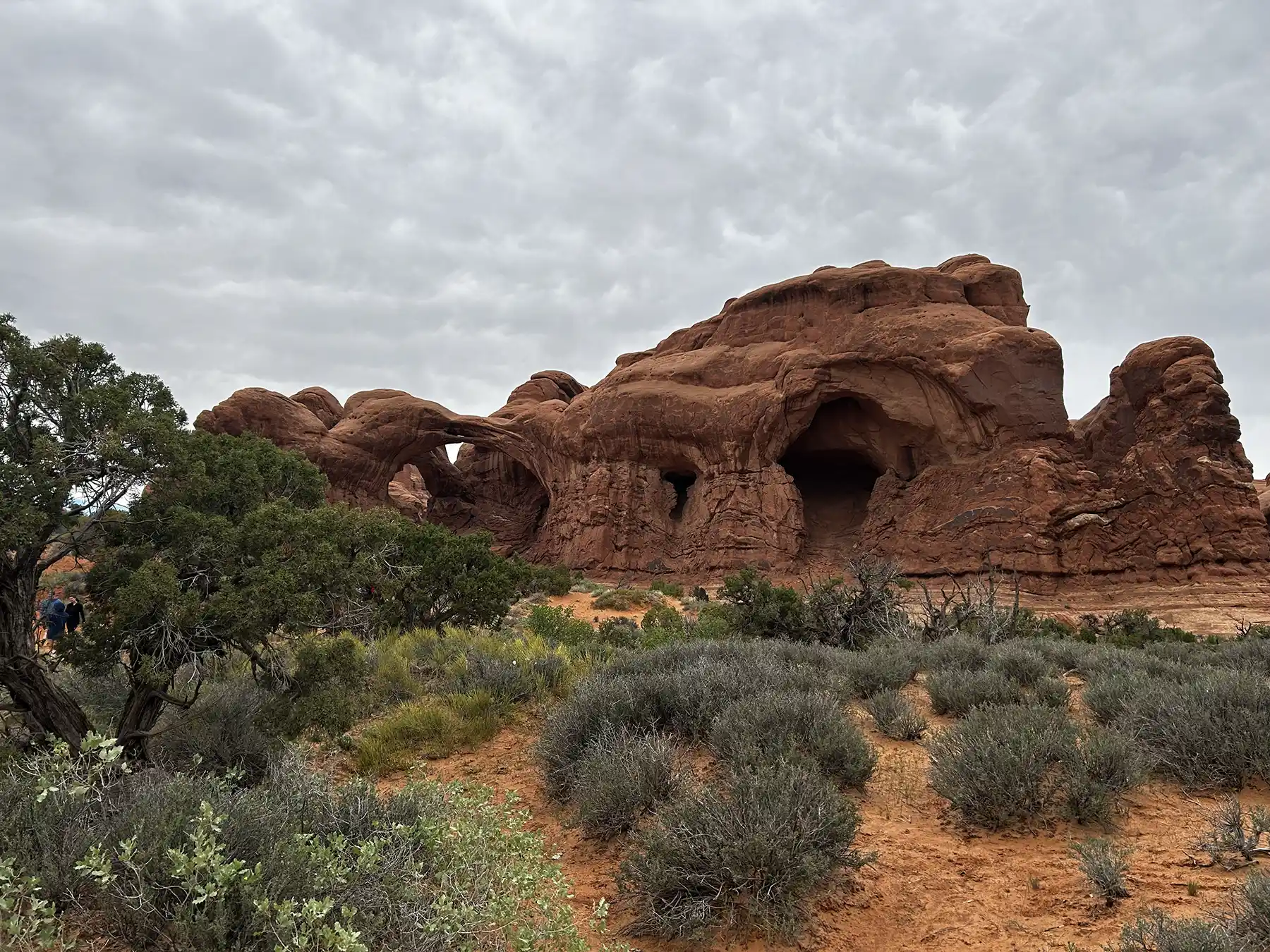
best time for camping in Arches National Park and campground options
Choosing the right season and campsite can make camping in Arches National Park much more comfortable.

Best time to visit and where to camp

The best time for camping in Arches National Park is usually spring and fall, when daytime temperatures are more comfortable for hiking and exploring. March through May and September through October are especially popular.

Summer can be extremely hot, with little shade across much of the park. Winter can be quieter and beautiful, but nights can get cold and weather can be less predictable.

Camping options in and near Arches

  • Devils Garden Campground – the main campground inside Arches National Park with scenic surroundings and easy park access
  • Moab campgrounds – a good alternative when in-park sites are booked
  • BLM camping near Moab – more rugged and flexible options for travelers comfortable with fewer amenities

Devils Garden Campground is the most convenient option for camping in Arches National Park, but it fills quickly, especially during peak season. Booking early is important if you want to camp inside the park.

Choosing the right camping setup

  • Stay in Devils Garden for the most immersive park experience
  • Choose Moab for more convenience and services
  • Consider nearby public land camping for more flexibility and budget-friendly options
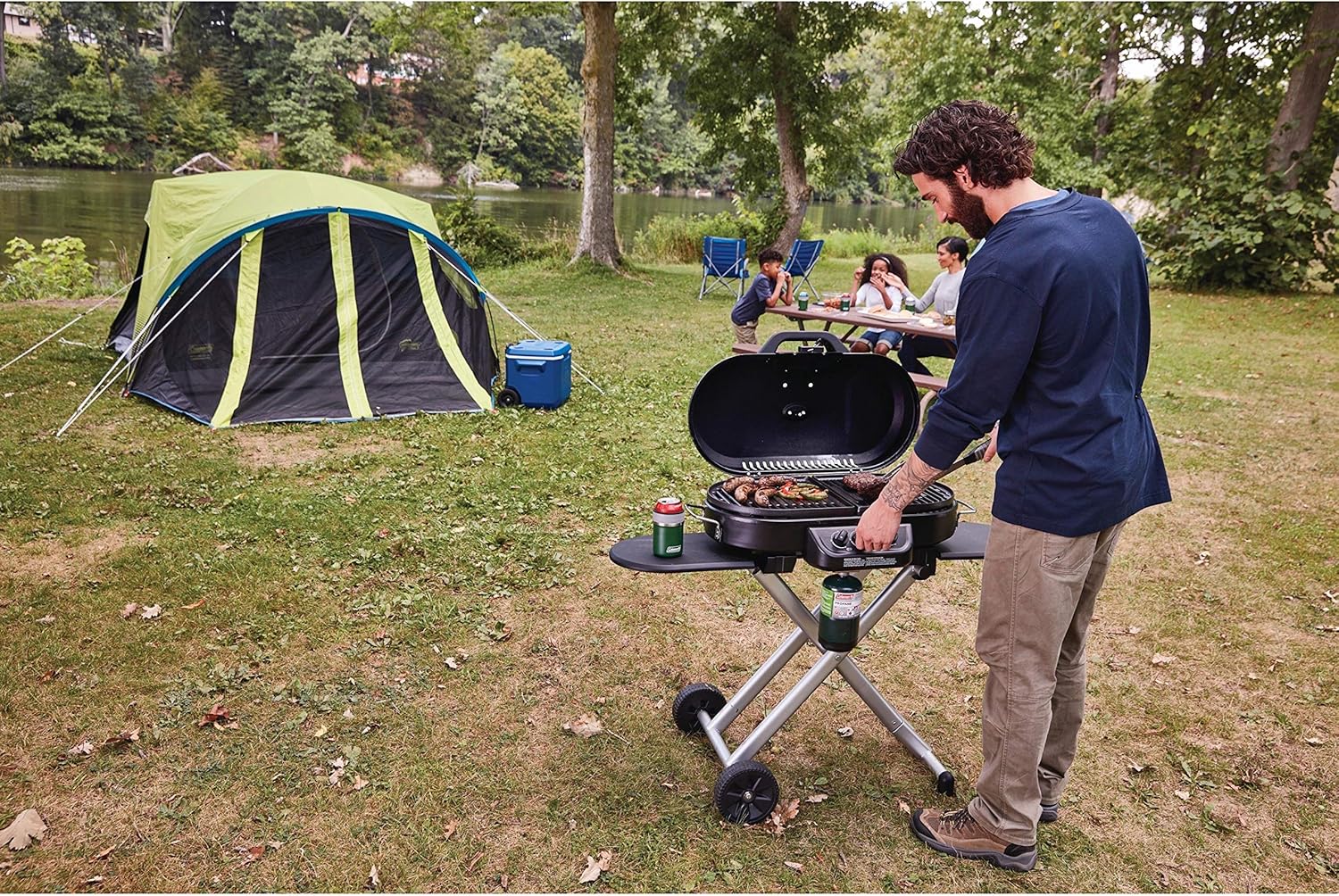
what to expect when camping in Arches National Park
Camping in Arches feels scenic and accessible, but desert conditions still require preparation and awareness.

What to expect when camping in Arches

Camping in Arches National Park is all about open desert landscapes, red rock views, and spending long days outdoors. Compared to forested campgrounds, you will notice less shade, more exposure to sun and wind, and bigger temperature swings between day and night.

While the park is close to Moab, the camping experience still feels distinctly desert-like. That means hydration, sun protection, and timing matter.

What surprises first-time campers most

  • How exposed many areas are to direct sun
  • How quickly the desert cools down after sunset
  • How early popular trails and viewpoints can get busy

One of the biggest advantages of camping in Arches National Park is being able to experience early mornings and evenings inside the park, when lighting is best and temperatures are more comfortable.

Why preparation matters here

  • Shade is limited in much of the park
  • Water is essential for every hike and outing
  • Campground reservations can be highly competitive during peak seasons

Arches camping mindset

Think of Arches as a scenic desert basecamp where planning for heat, timing, and reservations makes the experience far more enjoyable.

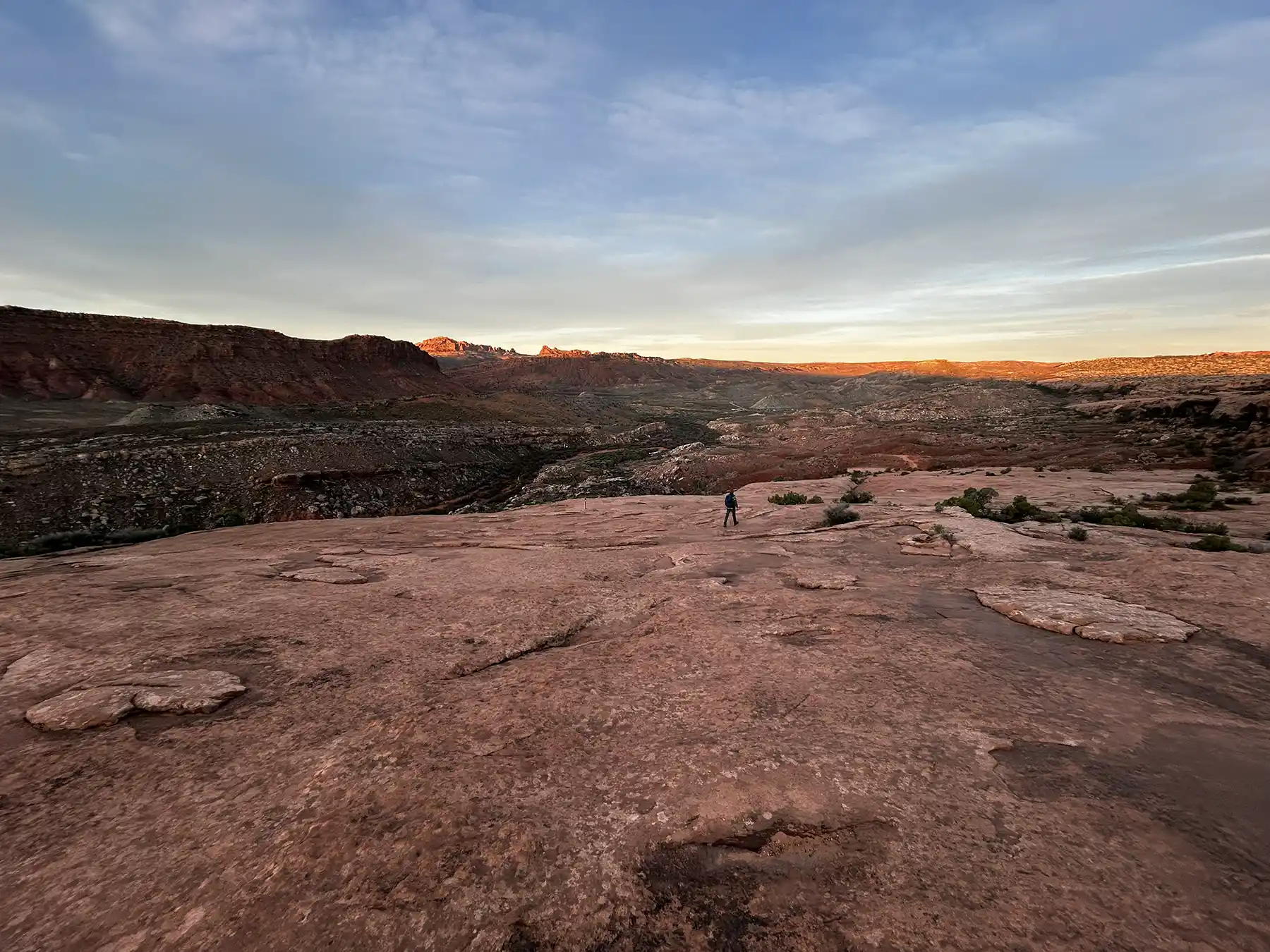
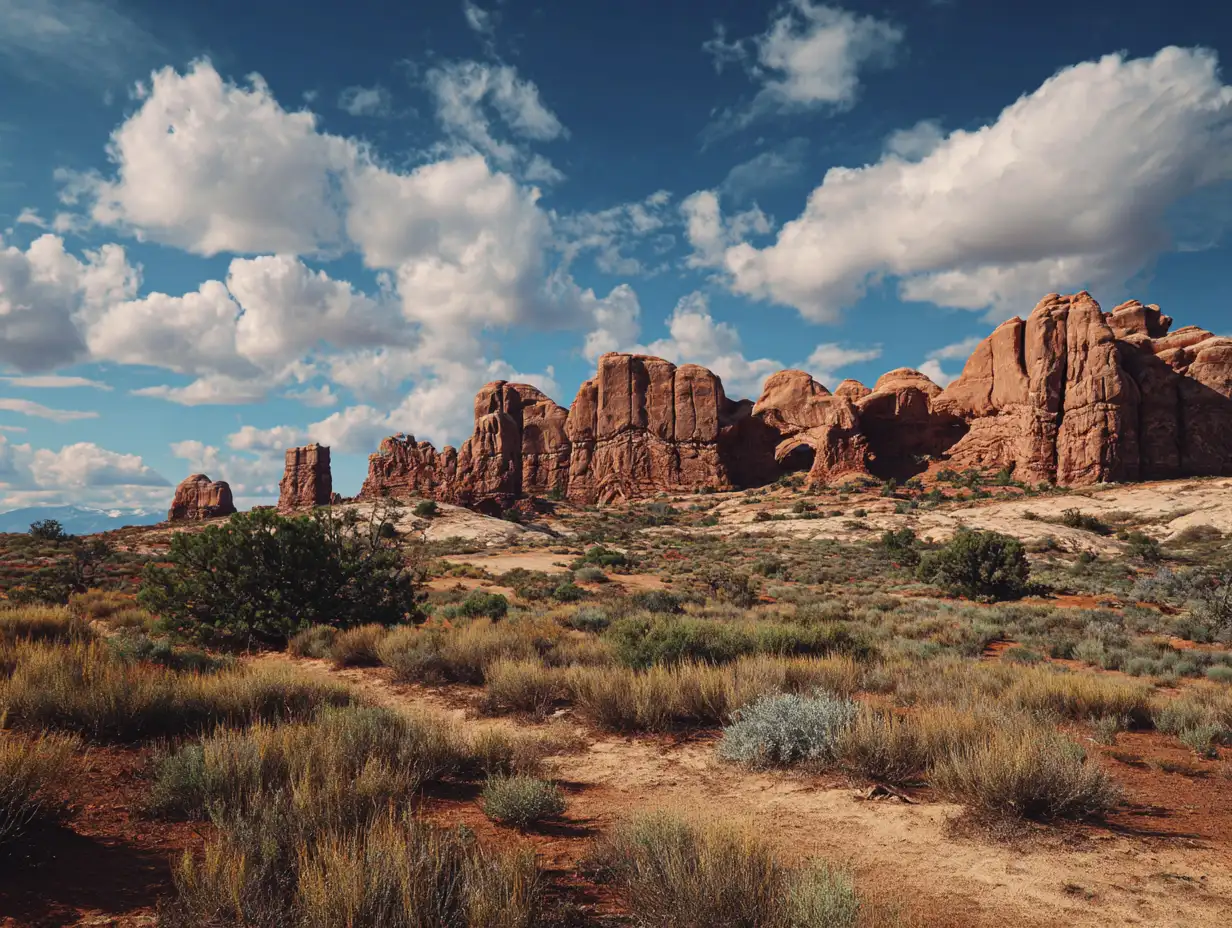
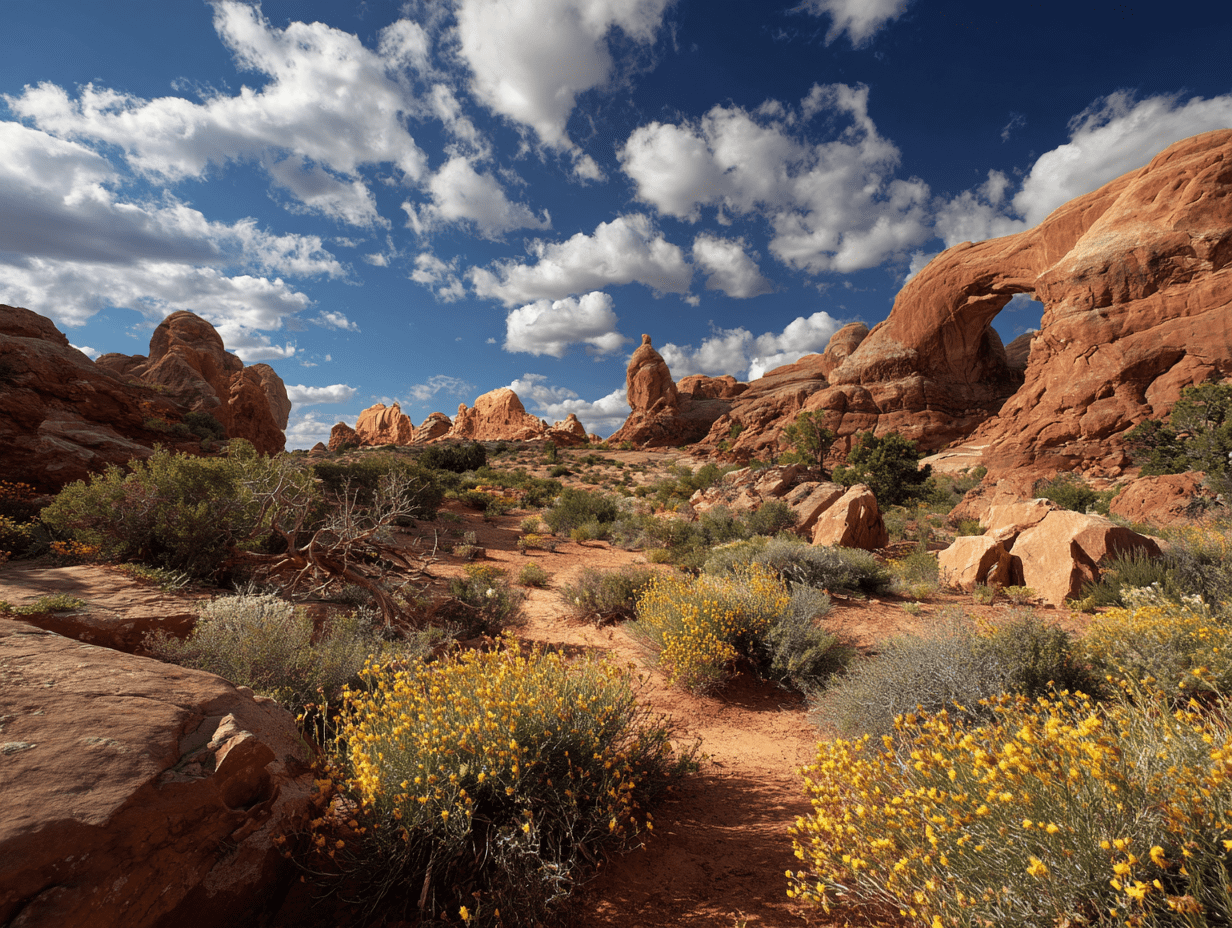
camping in Arches National Park with red rock scenery and dark skies

Arches camping tip

Camping in Arches National Park is best when you plan around sun, crowds, and desert conditions

Start hikes early, reserve your campsite ahead of time, and take advantage of the cooler morning and evening hours for the best experience in the park.

Top things to do while camping in Arches National Park

One of the biggest advantages of camping in Arches National Park is how easy it is to start exploring early. You can reach trails, overlooks, and scenic roads before the biggest crowds of the day arrive.

Hiking is one of the top activities here, with options ranging from short viewpoints to more memorable hikes across slickrock and desert trails.

Best activities for first-time visitors

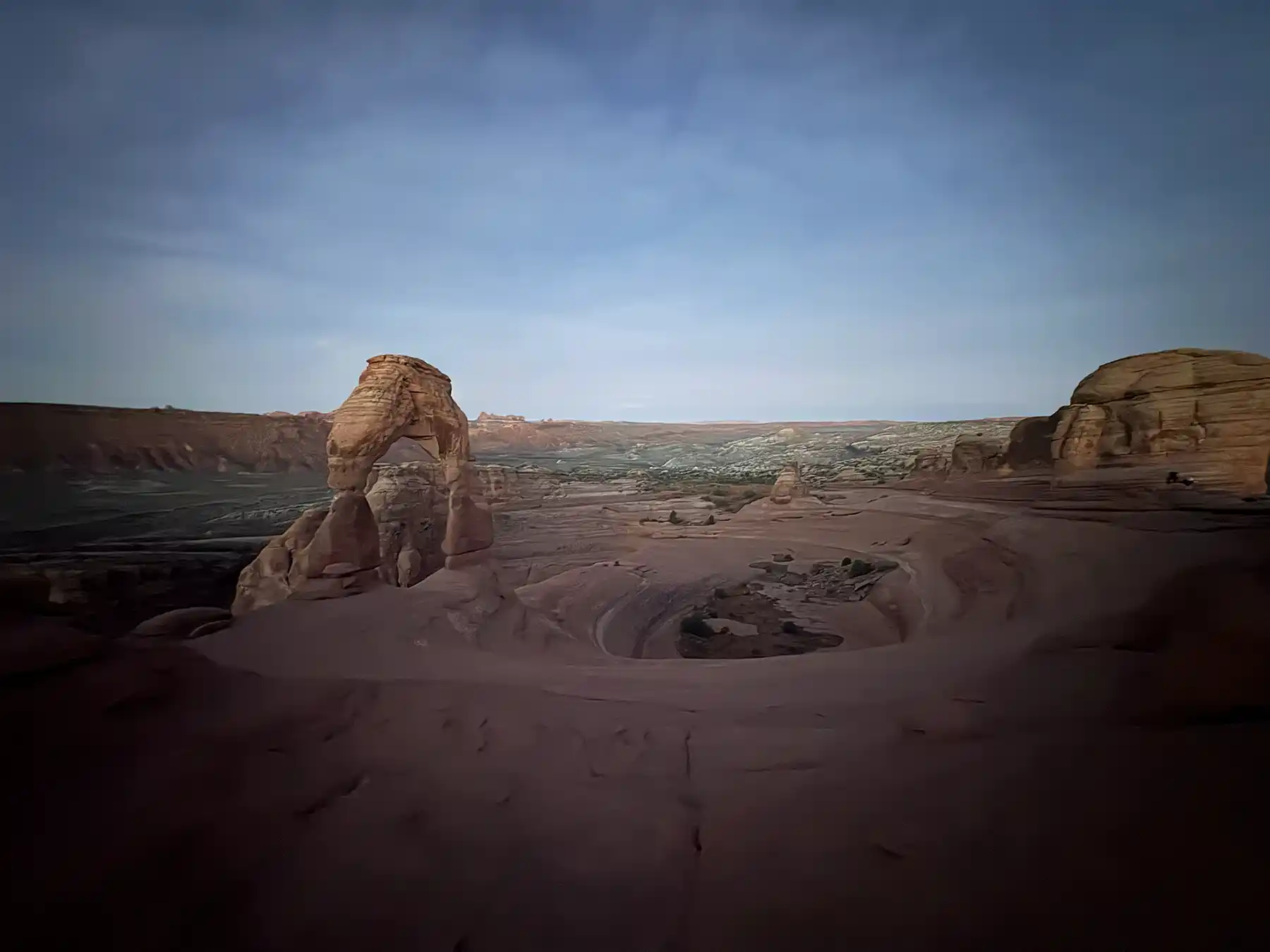
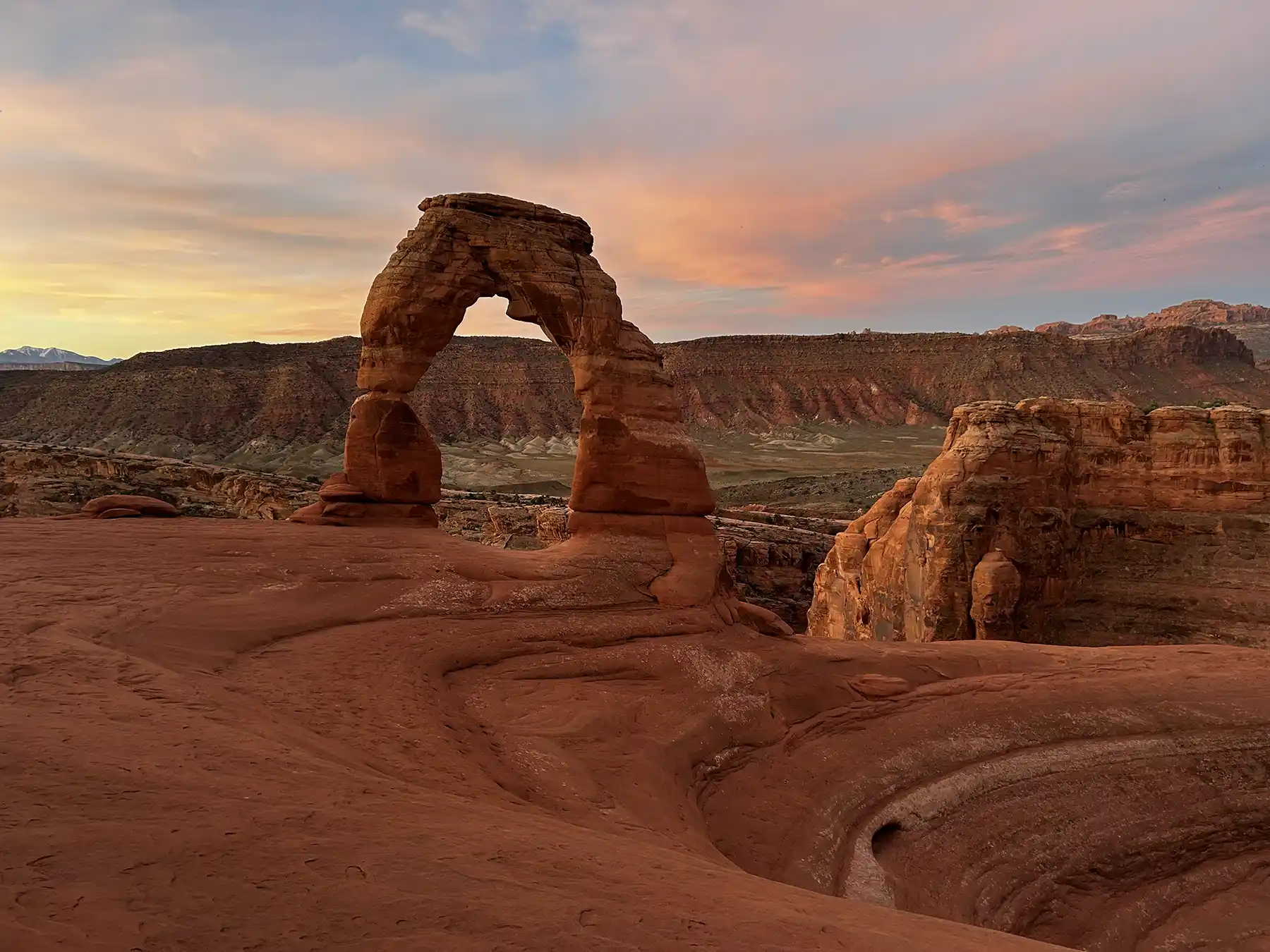
  • Visit Delicate Arch for one of the park’s most iconic views
  • Explore Devils Garden for arches, fins, and longer hiking routes
  • Stop at Balanced Rock and other easy-access viewpoints
  • Drive the main park road for sunrise and sunset overlooks

Photography is another major highlight. The way sunlight hits the sandstone formations at golden hour makes Arches one of the most rewarding parks for scenic photography.

Why mornings and evenings matter most

  • Cooler temperatures make hiking more comfortable
  • Light is better for photos and scenic views
  • You can avoid some of the midday heat and heavier visitor traffic

Camping in Arches National Park gives you the chance to enjoy the park during its best hours, which is one of the biggest reasons staying overnight is so worthwhile.

Arches at its best

From sunrise hikes to sunset viewpoints to quiet desert nights, Arches offers campers a more immersive way to experience one of Utah’s most iconic landscapes.

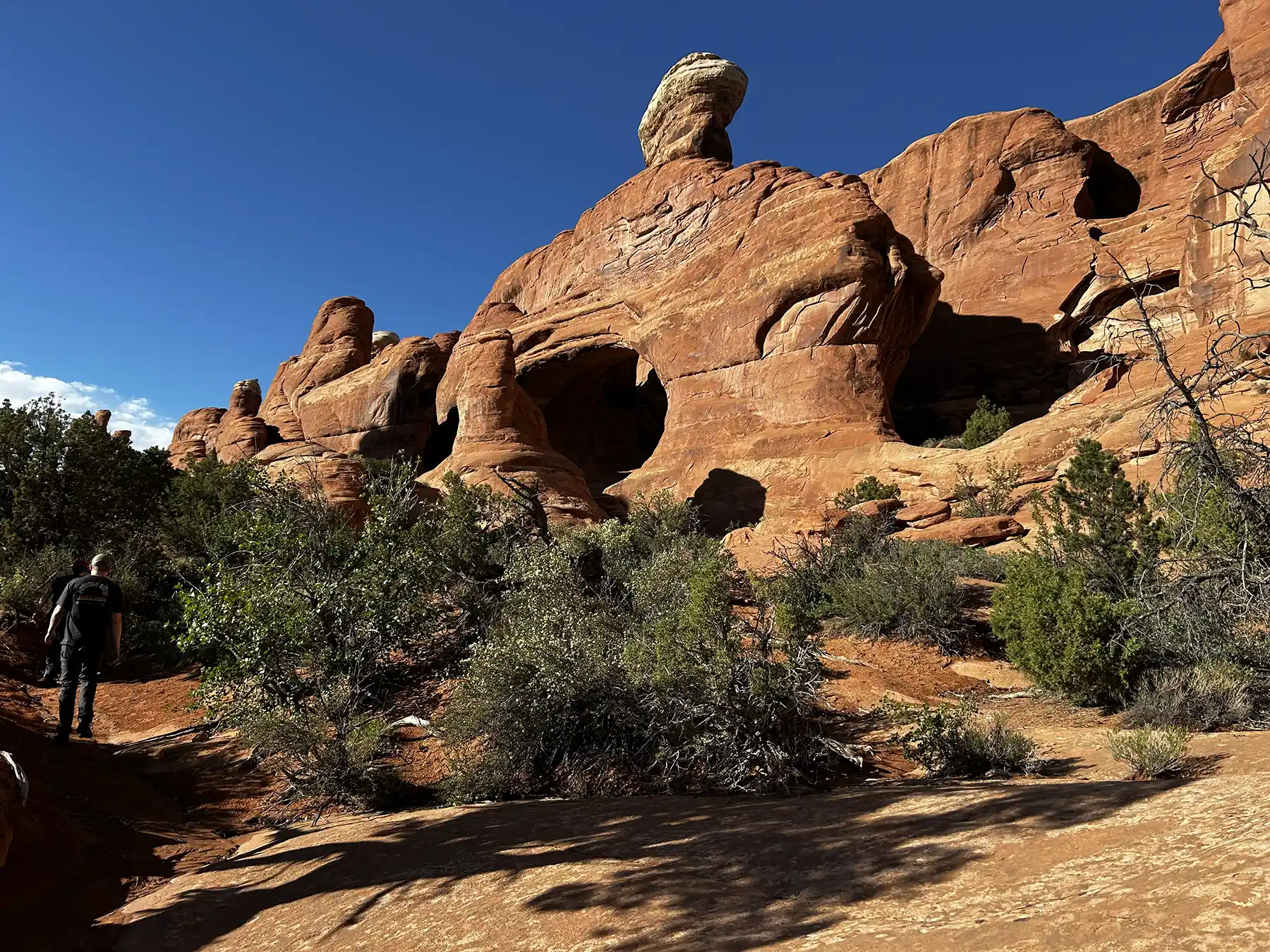
things to do while camping in Arches National Park
Arches campers can spend their days hiking to famous arches, exploring scenic drives, and enjoying incredible desert light.

First-time camping tips for Arches National Park

A few simple strategies can make your first desert camping trip in Arches much easier and more enjoyable.

Arches rewards visitors who plan ahead, arrive early, and structure their days around the desert climate.

Arrive prepared

  • Reserve campsites early
  • Pack extra water
  • Bring sun protection for every outing

Plan around heat

  • Start hikes early in the day
  • Use midday for scenic stops or relaxing
  • Dress in layers for warm days and cooler nights

Stay flexible

Have a backup camping plan near Moab in case in-park sites are full, and give yourself time to adjust plans around weather, crowds, or trail conditions.

What to pack for camping in Arches National Park

Packing correctly is one of the best ways to make your first Arches camping trip more comfortable and stress-free.

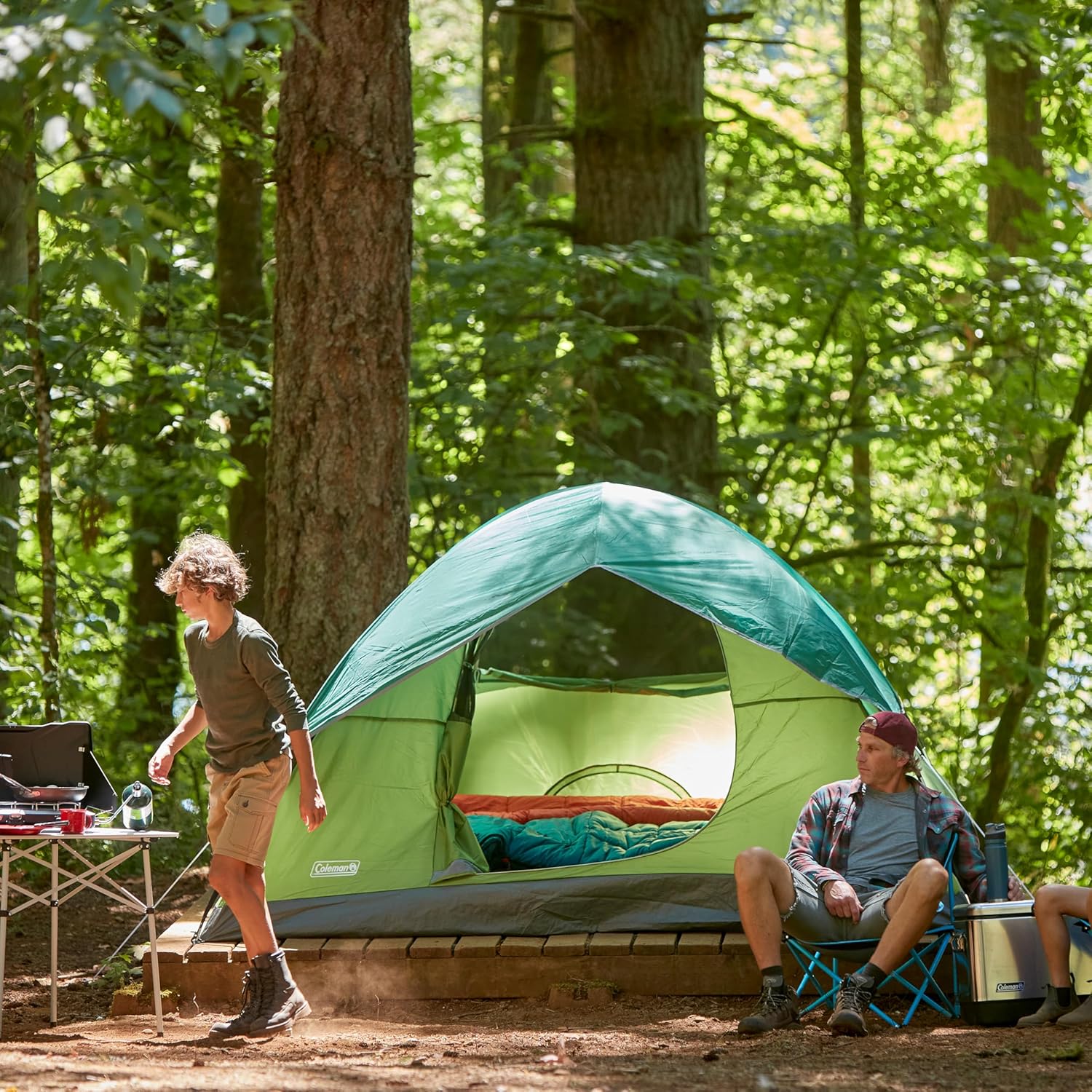
camping in Arches National Park essentials and desert gear

Desert basics

Core camping essentials

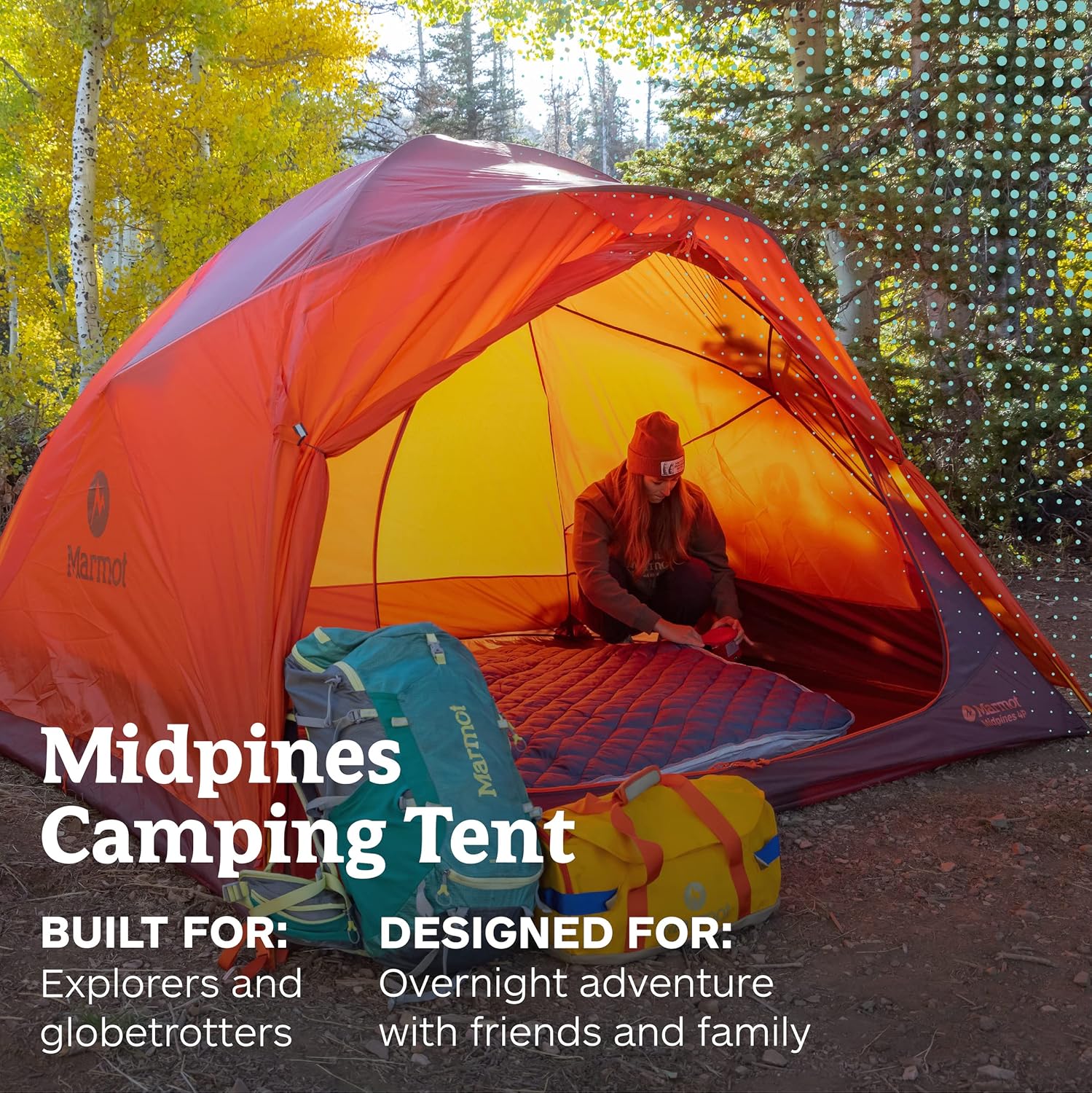
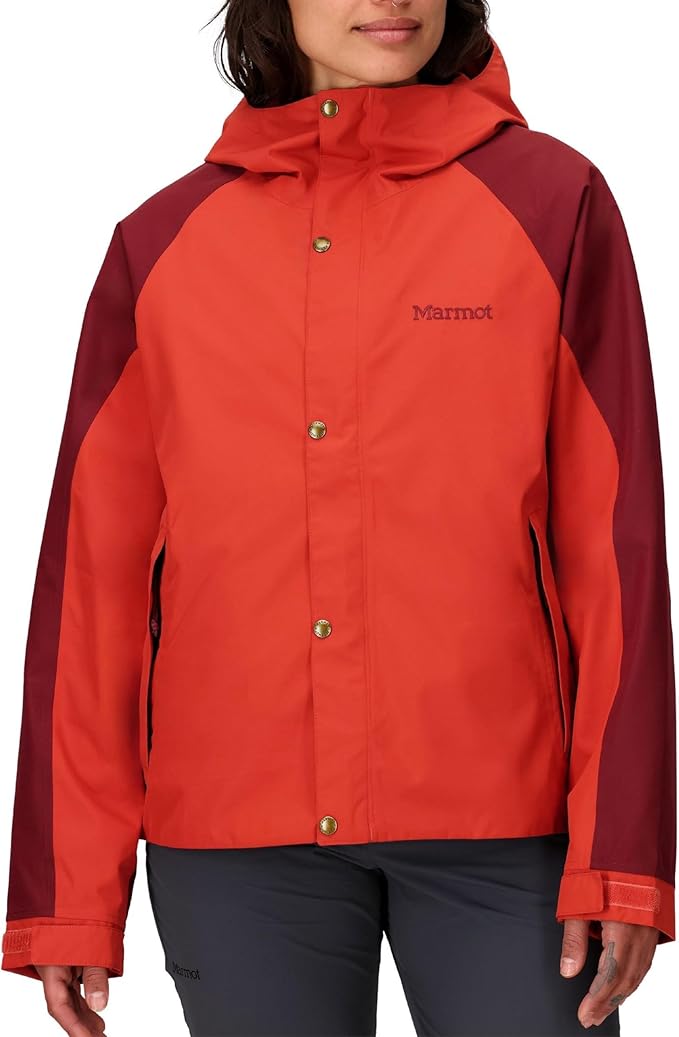
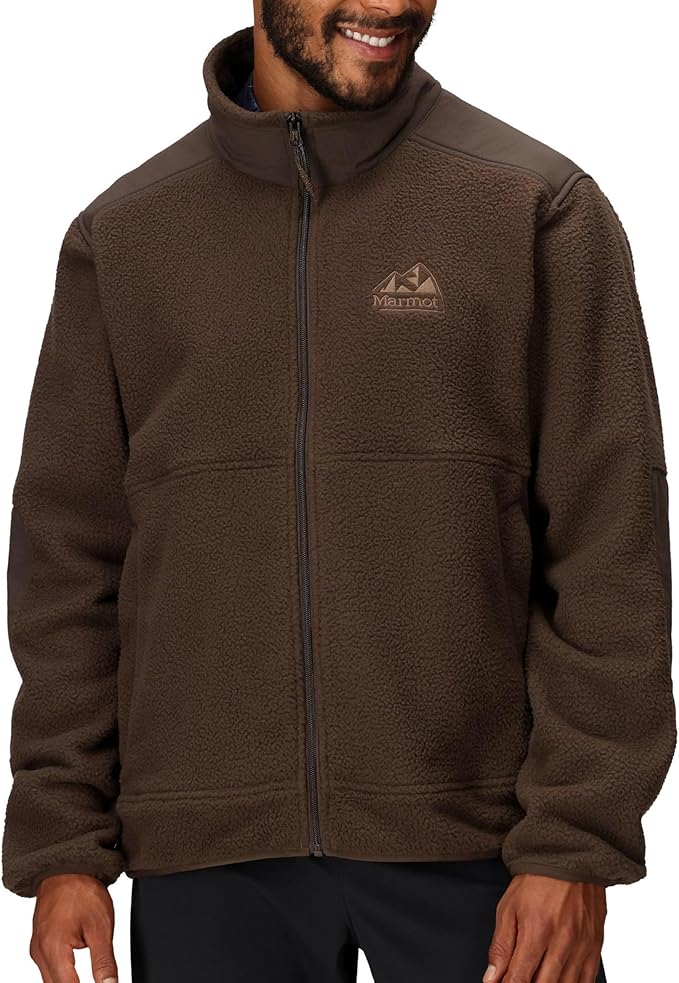
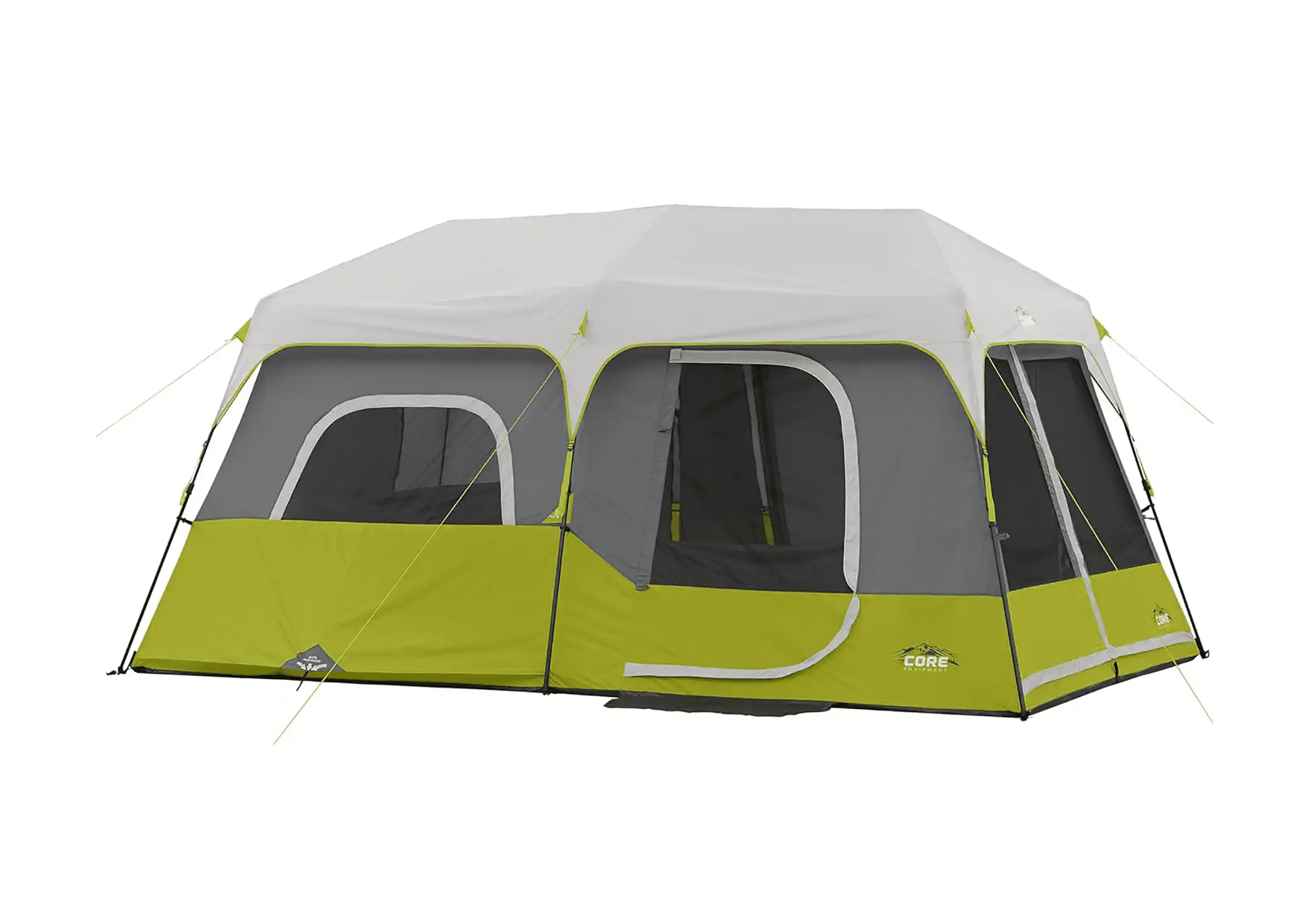
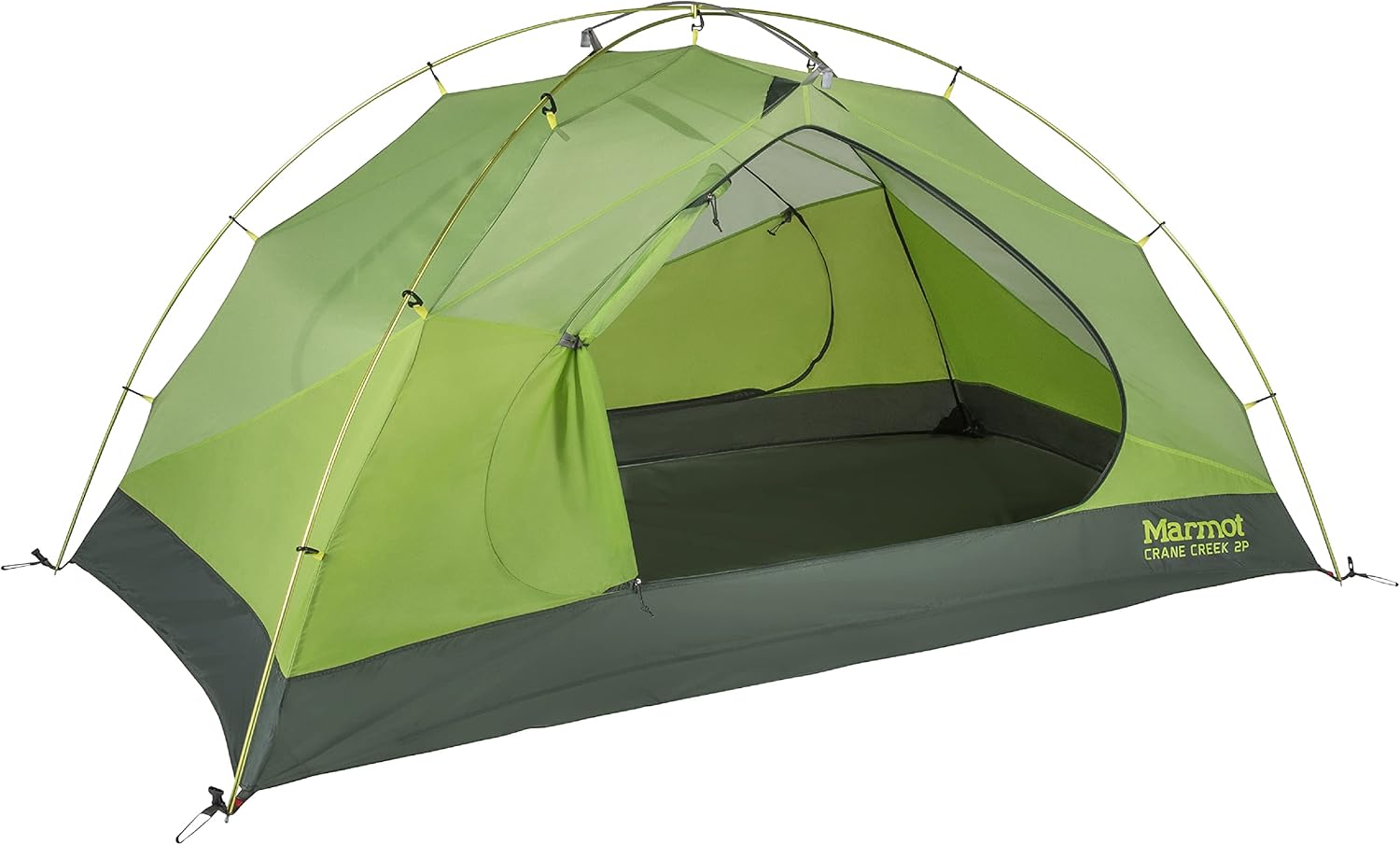
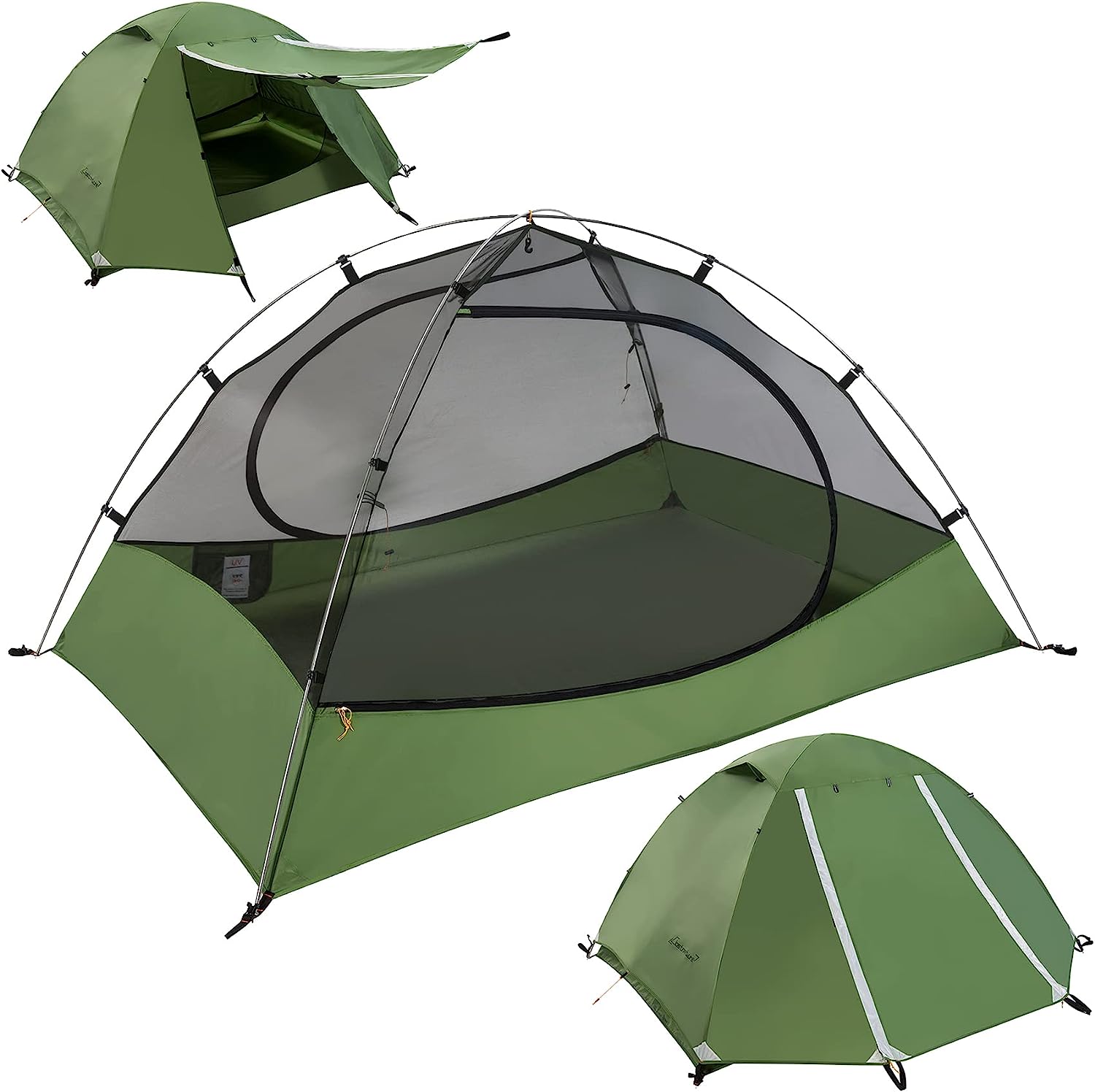
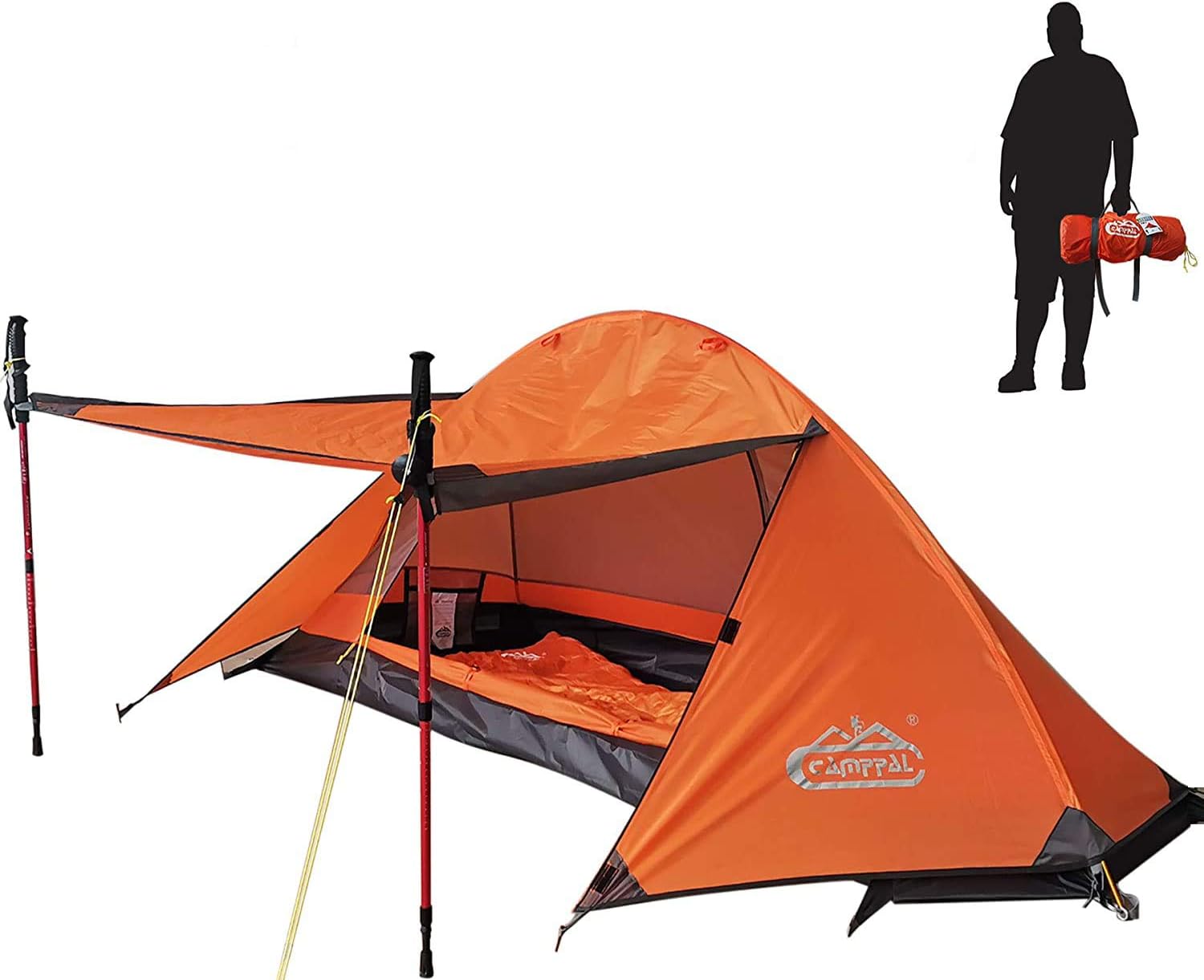
Bring plenty of water, sunscreen, a hat, sunglasses, layers, and a reliable tent that can handle exposed desert camping conditions.

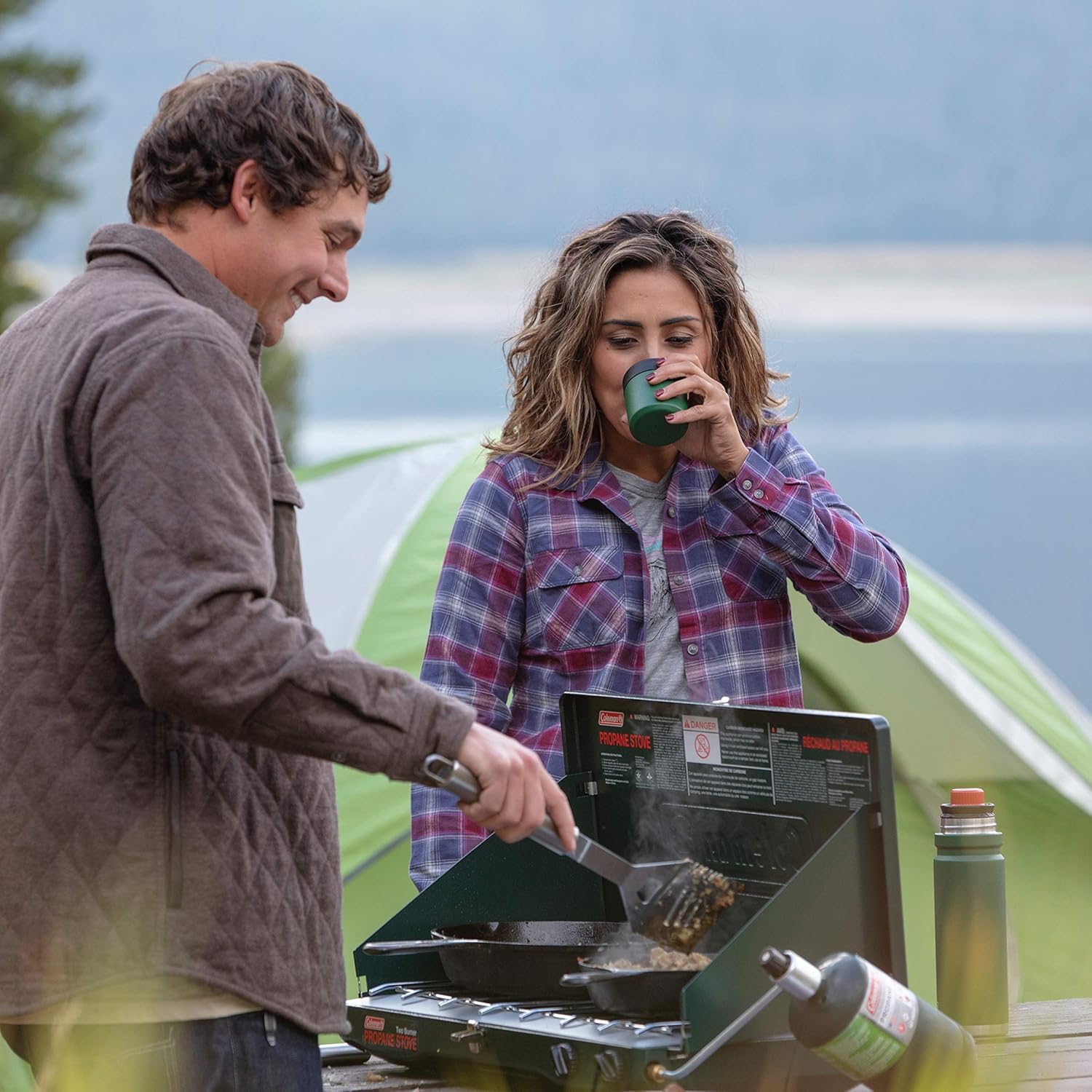
what to pack for camping in Arches National Park

Camp comfort

Sleep and cooking setup

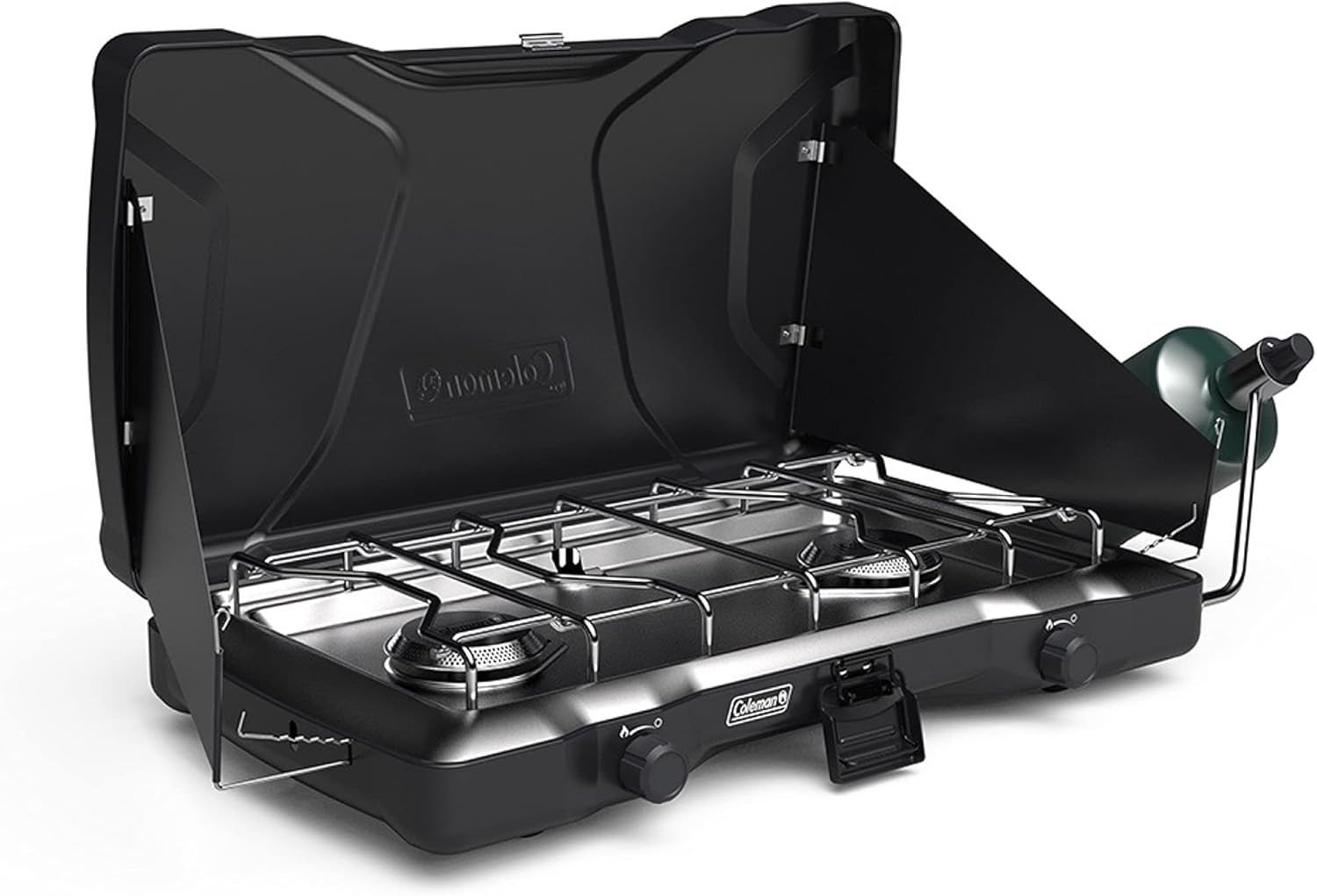
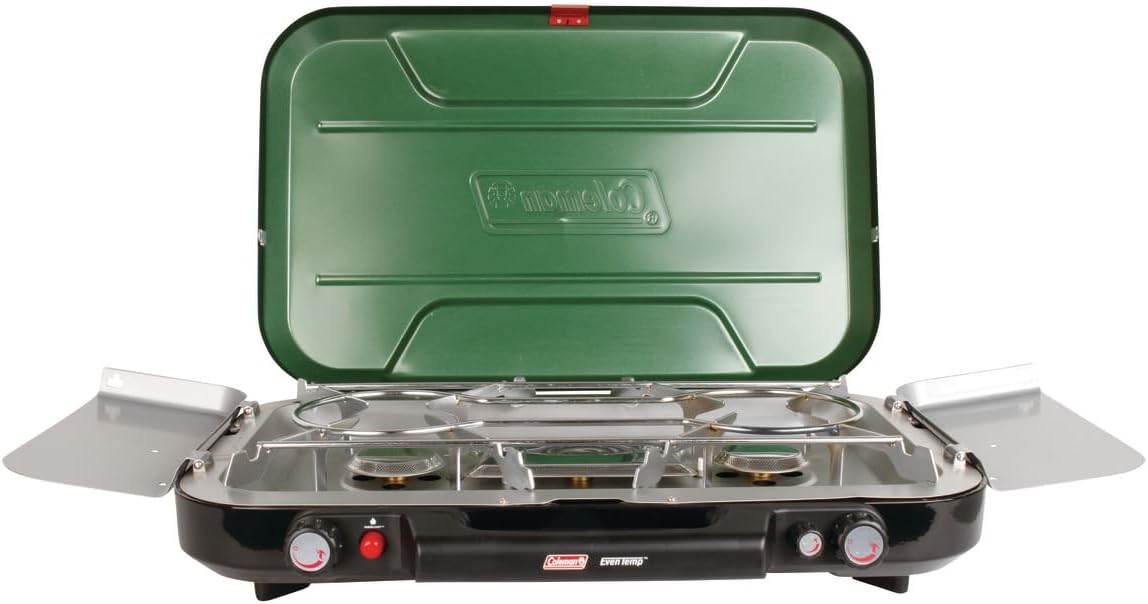
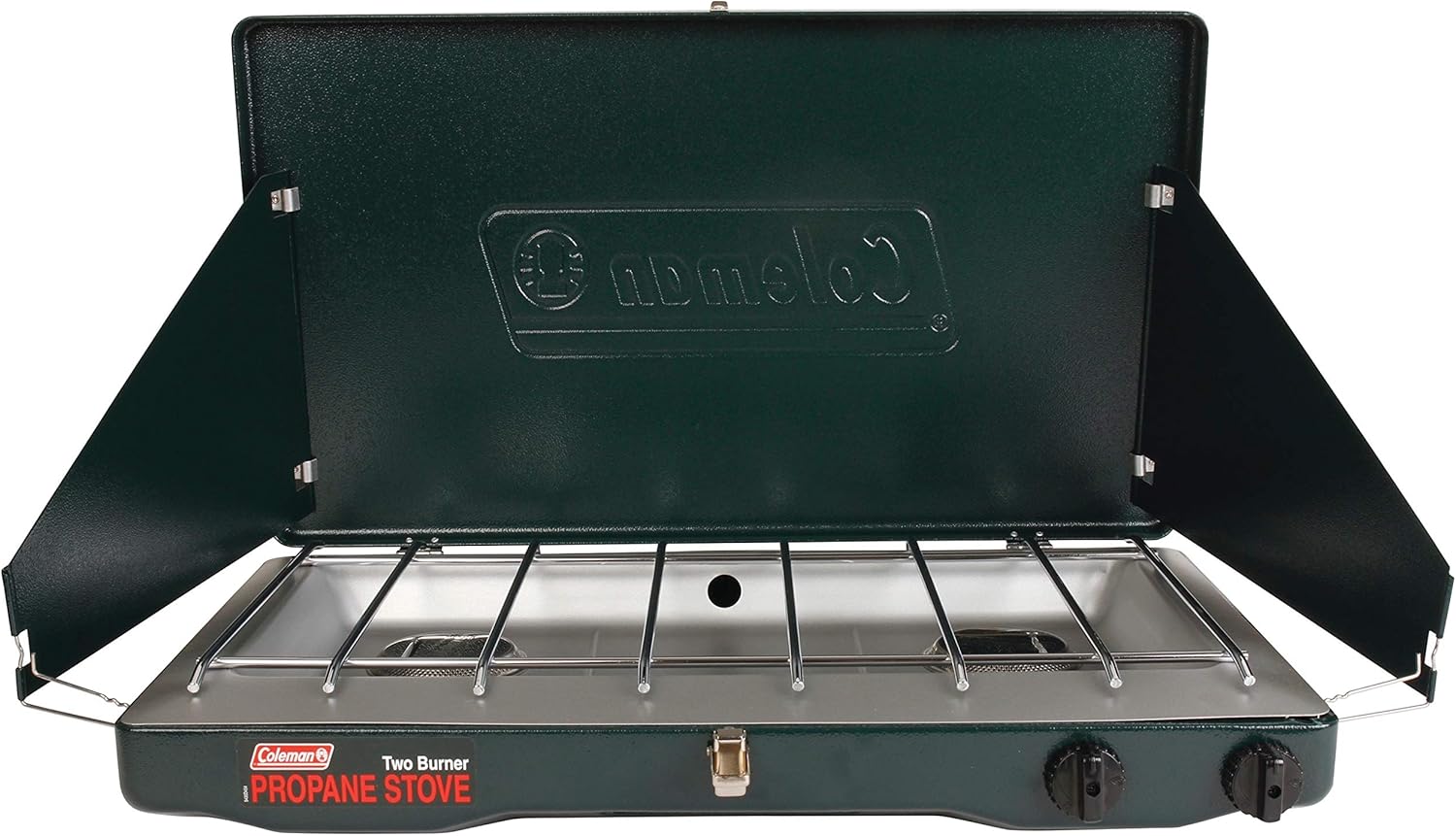
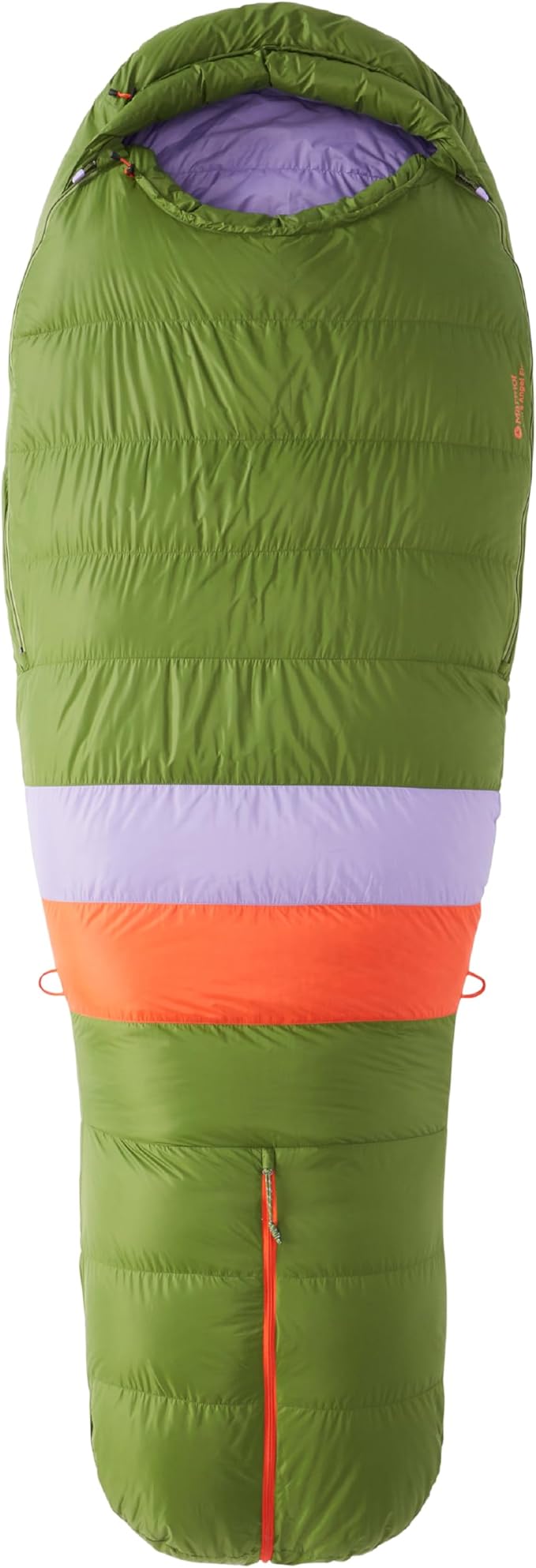
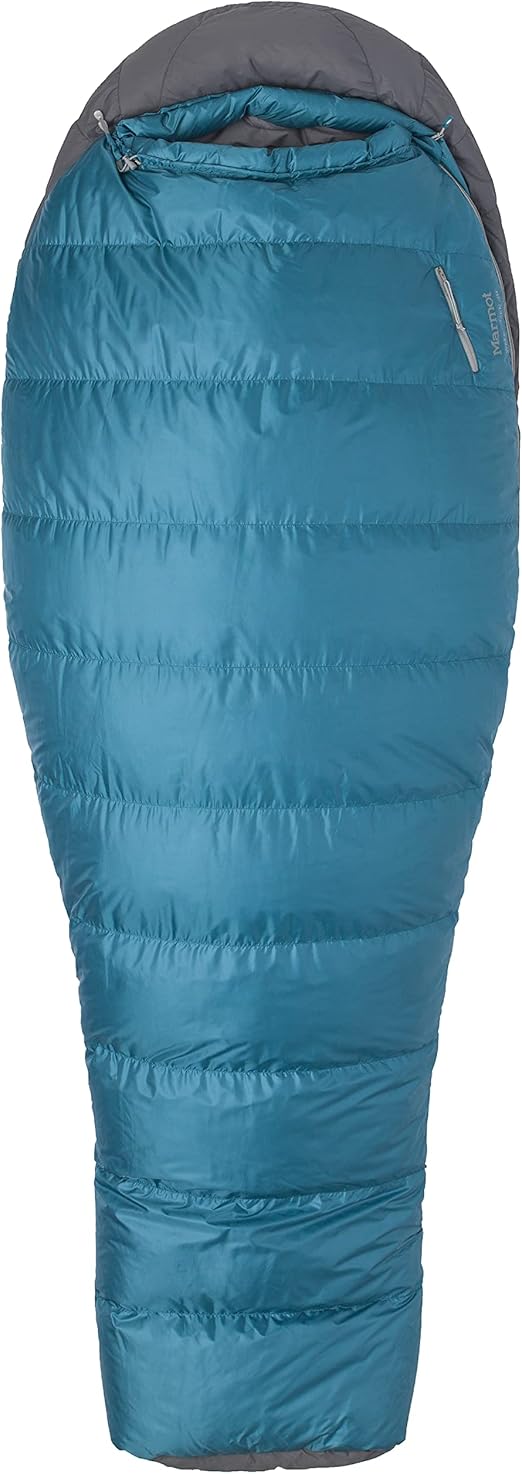
A comfortable sleeping pad, simple camp stove, cooler, and easy meal plan can make camping in Arches National Park much more enjoyable.

Arches National Park camping safety gear and hiking essentials

Extra support

Helpful add-ons

A headlamp, trail map, first aid kit, daypack, and extra water bottles are smart additions for hiking and camping in Arches National Park.

camping in Arches National Park planning reminder

First-trip reminder

Camping in Arches National Park is much better when you plan for heat, reservations, and early starts

The scenery here is unforgettable, but preparation matters. Reserve early, pack smart, and use the cooler parts of the day to make the most of your time in the park.

Common questions about camping in Arches National Park

These answers can help first-time campers plan a smoother trip.

When is the best time for camping in Arches National Park?+
Spring and fall are usually the best times because temperatures are more comfortable for camping, hiking, and sightseeing.
Where can you camp in Arches National Park?+
Devils Garden Campground is the main campground inside the park. If it is full, many visitors stay in Moab or at nearby camping areas outside the park.
What should I pack for camping in Arches National Park?+
Bring plenty of water, sun protection, layers, a tent, food, and basic camping gear. Desert conditions can be harsh, so staying hydrated and protected from the sun is essential.
Is Arches good for first-time campers?+
Yes, Arches is a great option for first-time campers because it is scenic, easy to explore, and close to Moab, which makes it more convenient than many remote desert parks.

Camping in Big Bend National Park

Skip to article content
Wild Wanderers Almanac

Camping in Big Bend National Park for the First Time

Planning your first time camping in Big Bend National Park? Learn the best time to go, where to camp, what to pack, safety tips, and what to expect in this remote West Texas adventure.

Camping in Big Bend National Park
10–12 minute read
camping in Big Bend National Park for the first time

Quick facts about camping in Big Bend National Park

Camping in Big Bend National Park offers remote desert scenery, mountain views, dark skies, and a quieter experience than many other national parks, but it also requires more preparation.

1

The best months for camping in Big Bend National Park are usually October through April.

2

Summer heat can exceed 100°F and is not ideal for first-time campers.

3

Chisos Basin, Rio Grande Village, and Cottonwood each offer a different camping experience.

4

Big Bend is remote, so fuel, water, food, and supplies should be planned ahead.

5

The park is one of the best places in the country for stargazing and quiet desert camping.

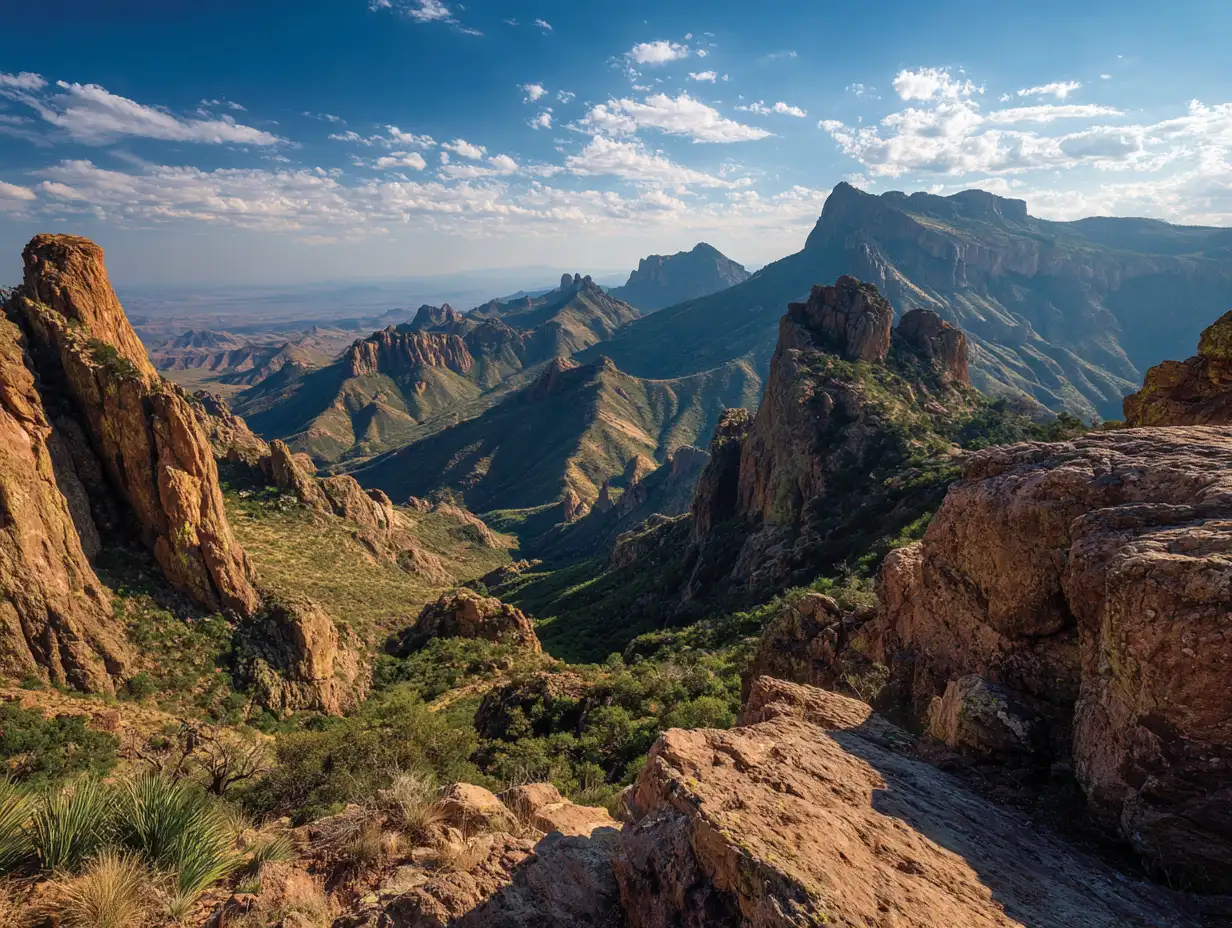
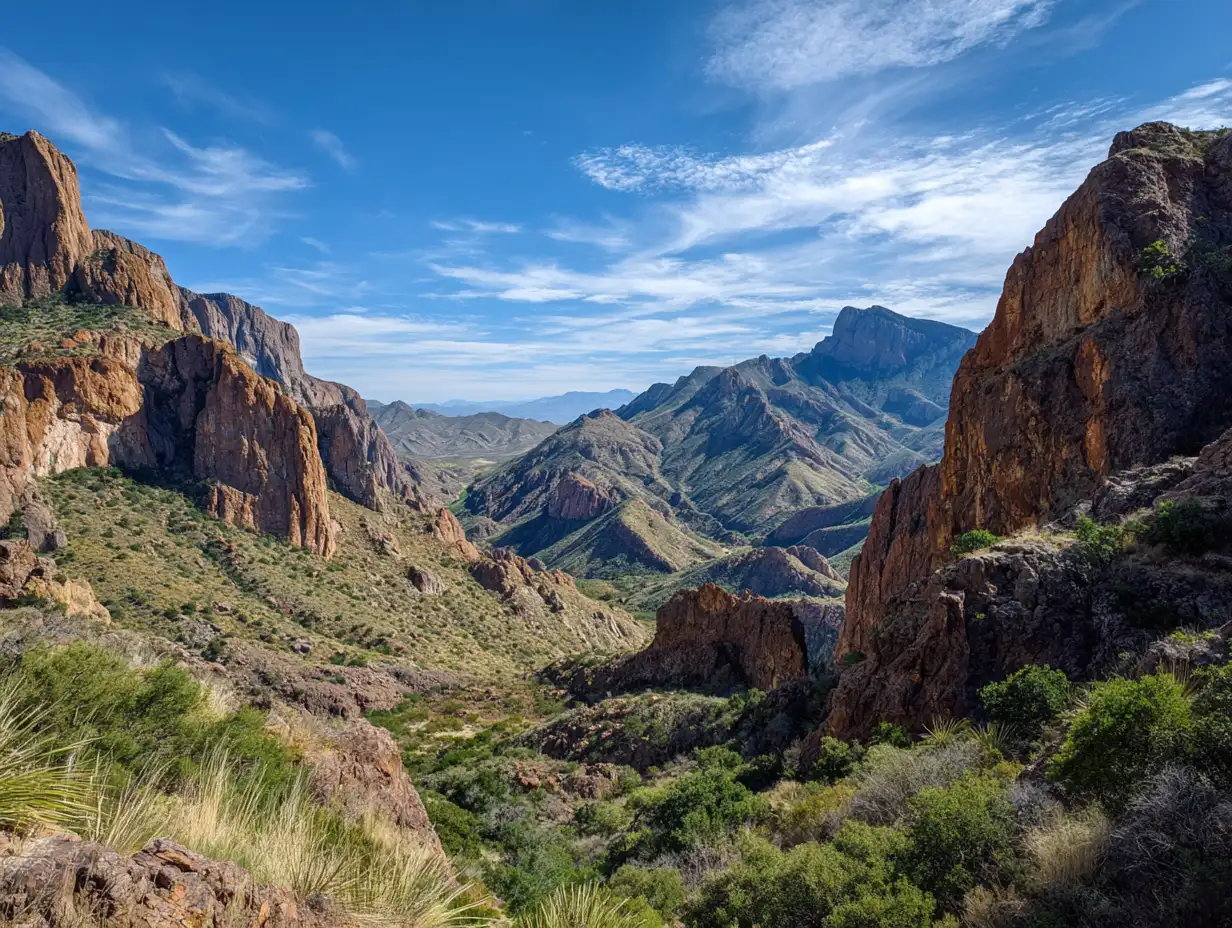
first-time camping in Big Bend National Park desert campsite
Big Bend combines desert campsites, mountain scenery, and wide-open silence for a truly unique national park camping trip.

What first-time campers should know about Big Bend

Camping in Big Bend National Park is one of the most unique outdoor experiences in the United States. Tucked away in remote West Texas, this massive park offers rugged desert landscapes, towering canyons, mountain hikes, and some of the darkest night skies in North America.

If you're planning your first trip, camping in Big Bend National Park can feel a bit intimidating at first—but with the right preparation, it becomes an unforgettable adventure.

Big Bend is not a park you casually stumble through. Its size, distance between locations, and limited services mean planning ahead matters more here than at many other national parks.

This guide covers the best time to visit, where to camp, what to pack, what to expect, and how to make your first camping trip to Big Bend both comfortable and memorable.

Why Big Bend is perfect for first-time campers

Big Bend stands out from many other national parks because of its isolation. While parks like Yosemite or Yellowstone can feel crowded, Big Bend offers a quieter, more immersive experience.

Instead of packed campgrounds and busy trails, you’ll find wide-open desert views, peaceful campsites, and a true sense of solitude. It’s the kind of place where you can sit outside your tent at night and hear absolutely nothing except the wind.

What makes Big Bend so appealing

  • Fewer crowds than most national parks
  • Incredible stargazing as an International Dark Sky Park
  • A mix of desert, river, and mountain landscapes
  • Plenty of options for both beginner and experienced campers
  • A slower, more peaceful style of outdoor travel

Why it works for a first trip

For first-time campers, Big Bend offers a rare balance between accessibility and adventure. You can choose developed campgrounds with basic amenities or go more remote if you want a deeper wilderness experience.

Why first-timers love Big Bend

Big Bend gives new campers a chance to experience dramatic scenery, quiet campsites, and true desert solitude without needing to tackle a fully backcountry trip.

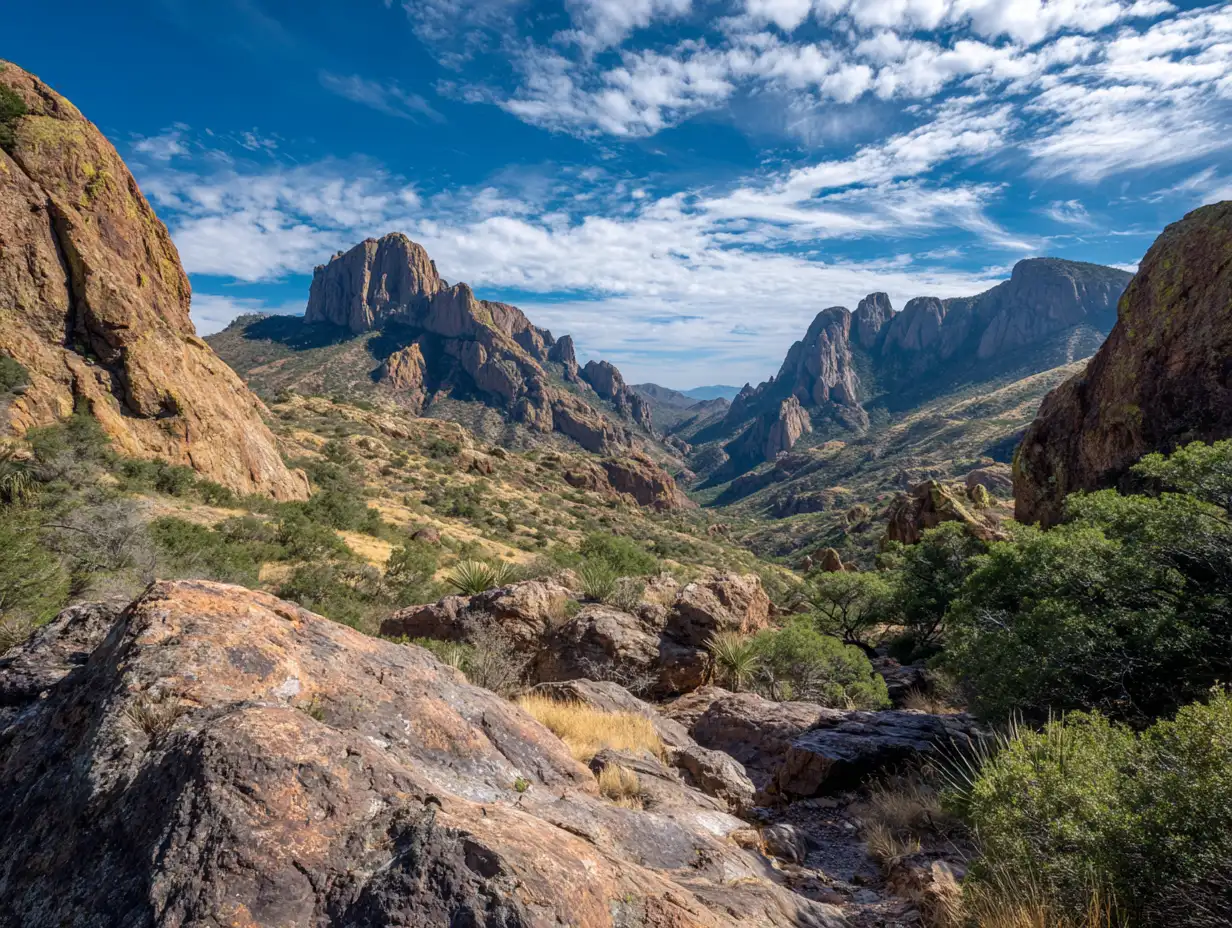
why camping in Big Bend National Park is great for first-time campers
Big Bend rewards campers with wide-open views, quiet campsites, and a strong sense of remoteness.
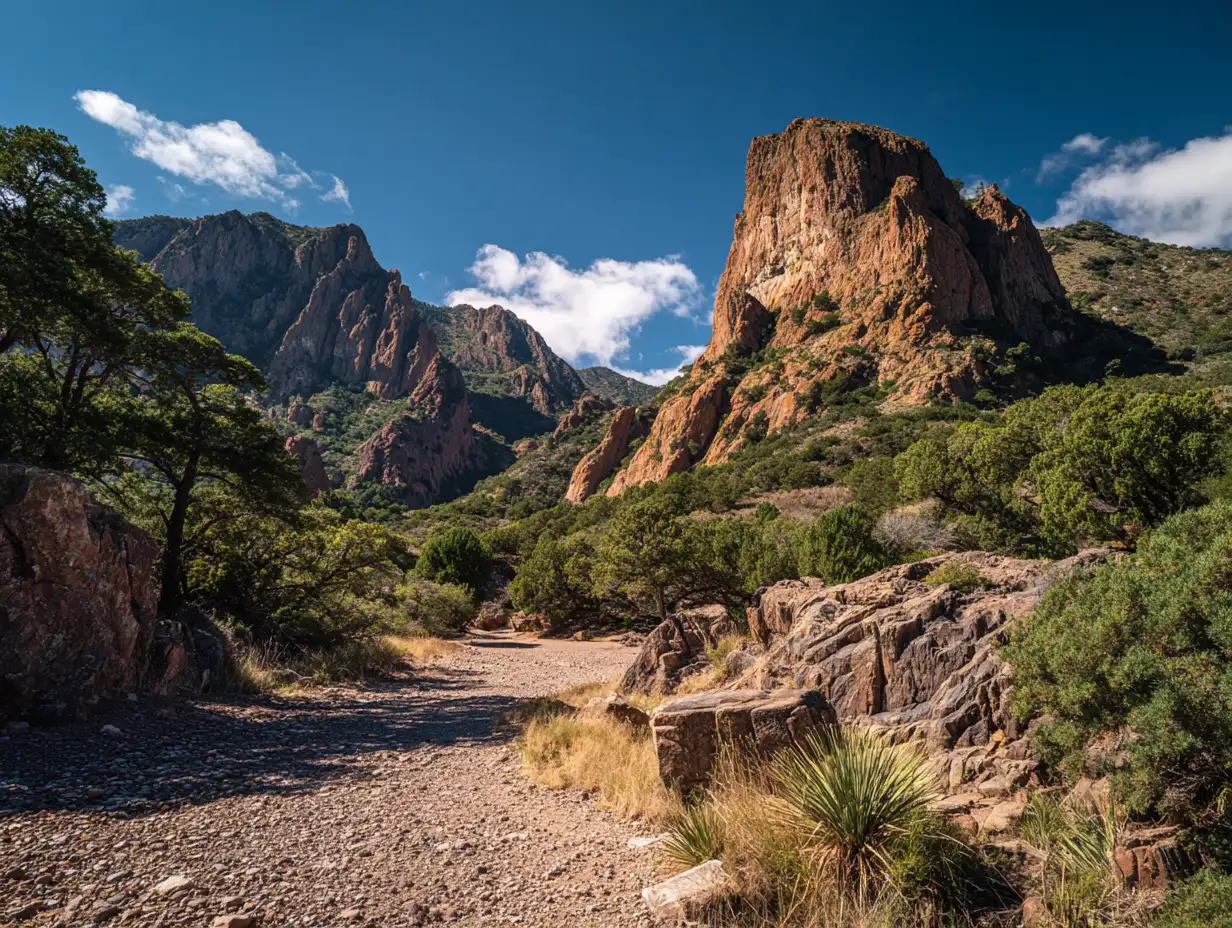
best time for camping in Big Bend National Park and campground options
Choosing the right season and campground can make a first Big Bend camping trip far more comfortable.

Best time to visit and where to camp

Timing your visit is one of the most important parts of planning a trip to Big Bend. The best months for camping in Big Bend National Park are typically October through April, when daytime temperatures are more manageable and evenings are cool.

Spring is especially popular thanks to blooming wildflowers and ideal hiking conditions. Summer can be dangerously hot, with temperatures easily exceeding 100°F, so first-time campers are usually better off avoiding it.

Popular campgrounds in Big Bend

  • Chisos Basin Campground – scenic mountain setting, cooler temperatures, and quick access to major hiking trails
  • Rio Grande Village Campground – beginner-friendly, more amenities, and convenient access near the river
  • Cottonwood Campground – quieter, more remote, and close to Santa Elena Canyon

If you want even more solitude, Big Bend also offers backcountry camping. It requires a permit and stronger preparation, but it can be an incredible option for experienced campers.

Choosing the right campground for your trip

  • Choose Chisos Basin for views and hiking access
  • Choose Rio Grande Village for a more beginner-friendly setup
  • Choose Cottonwood for peace, shade, and a quieter feel
what to expect when camping in Big Bend National Park
Big Bend camping feels more remote and self-sufficient than many forest or frontcountry camping experiences.

What to expect when camping in Big Bend

Camping in Big Bend is very different from camping in forests or more developed parks. The environment is harsher, more remote, and requires more planning.

One of the biggest things to be aware of is distance. Big Bend is huge, and driving between campgrounds, trailheads, viewpoints, and services can take a significant amount of time.

What surprises first-time campers most

  • How remote the park feels once you arrive
  • How quiet nights become without light pollution or nearby traffic
  • How much temperatures can swing between day and night

Even during cooler months, daytime temperatures can feel warm while nighttime temperatures drop quickly. Layering your clothing and being prepared for shifting conditions makes a big difference.

Why preparation matters here

  • Gas stations, stores, and services are limited
  • Cell service is extremely limited in much of the park
  • You need more water and sun protection than you might expect

Big Bend camping mindset

Think of Big Bend as a remote desert adventure where comfort comes from planning ahead, not from nearby services or convenience.

Big Bend National Park camping and stargazing experience

Big Bend camping tip

Camping in Big Bend National Park is best when you slow down and plan around the desert

Arrive prepared, carry more water than you think you need, and give yourself time to enjoy the silence, stars, and vast scenery that make Big Bend so special.

Top things to do while camping in Big Bend

One of the best parts about camping in Big Bend National Park is that your campsite becomes your base for exploring the park’s incredible landscapes.

Hiking is one of the most popular activities, especially in the Chisos Mountains. Trails like Lost Mine and the Window Trail offer incredible views and are manageable for many skill levels.

Best activities for first-time visitors

  • Hike the Lost Mine Trail for mountain views
  • Walk the Window Trail for one of the park’s signature landscapes
  • Visit Santa Elena Canyon to see towering canyon walls up close
  • Drive scenic roads and stop at overlooks throughout the park

For those looking for more of a challenge, Emory Peak offers a rewarding climb with panoramic views. And when the sun goes down, stargazing becomes one of the biggest highlights of the trip.

Why stargazing is unforgettable here

  • Big Bend has some of the darkest skies in North America
  • The Milky Way is often visible on clear nights
  • Minimal light pollution creates an incredible after-dark experience

Whether you spend the evening around camp or head to a darker overlook, the night sky is one of the best reasons to go camping in Big Bend National Park.

Big Bend’s biggest reward

From mountain hikes to canyon views to world-class stargazing, Big Bend gives campers a full range of experiences without ever feeling crowded.

things to do while camping in Big Bend National Park
Big Bend campers can spend their days hiking mountain trails, exploring canyons, and enjoying some of the darkest skies in the country.

First-time camping tips for Big Bend National Park

A few simple strategies can make your first desert camping trip much smoother and more enjoyable.

Big Bend rewards people who arrive early, stay flexible, and plan their activities around weather, daylight, and distance.

Arrive prepared

  • Set up camp before dark
  • Fill your gas tank early
  • Bring more water than expected

Plan around heat

  • Hike early in the morning
  • Use midday for lighter exploring
  • Dress in layers for temperature swings

Stay safe

Download maps, tell someone your plans, store food carefully, and remember that cell service is limited throughout much of Big Bend National Park.

What to pack for camping in Big Bend National Park

Packing correctly is essential for a successful first trip, especially in a remote desert environment.

Big Bend National Park camping essentials and desert gear

Desert basics

Core camping essentials

Bring plenty of water, sun protection, layers for warm days and cool nights, and a reliable tent that can handle wind in exposed desert conditions.

what to pack for first-time camping in Big Bend National Park

Camp comfort

Sleep and cooking setup

A comfortable sleeping system, simple camp stove, and organized meal supplies can make your first Big Bend camping trip much easier and more enjoyable.

Big Bend National Park camping safety gear and headlamp

Extra support

Helpful add-ons

A headlamp, downloaded maps, first aid kit, flashlight, and extra water storage are smart additions for camping in a remote park like Big Bend.

first-time camping in Big Bend National Park planning reminder

First-trip reminder

Camping in Big Bend National Park is much better when you plan for water, distance, and changing temperatures

The park’s remoteness is part of what makes it so special, but it also means preparation matters. Pack smart, pace yourself, and let the landscape set the rhythm of your trip.

Common questions about camping in Big Bend National Park

These answers can help first-time campers plan a smoother trip.

When is the best time for camping in Big Bend National Park?+
The best time is usually from October through April, when daytime temperatures are more comfortable and nights are cool. Spring is especially popular for hiking and wildflowers.
Which campground is best for first-time campers in Big Bend?+
Rio Grande Village Campground is often a great choice for beginners because it offers more amenities and a more convenient setup, while Chisos Basin is a favorite for scenery and hiking access.
What should I pack for my first Big Bend camping trip?+
Bring plenty of water, sun protection, layers, a wind-capable tent, lighting for camp, food, and any essentials you may need because services inside the park are limited.
Is Big Bend safe for first-time campers?+
Yes, but preparation is important. Stay hydrated, store food properly, respect wildlife, download maps ahead of time, and let someone know your plans because cell service is limited.

Best National Parks for Spring Wildflowers

Skip to article content
Wild Wanderers Almanac

Best National Parks for Spring Wildflowers

Discover the best national parks for spring wildflowers, including when to visit, top bloom locations, and tips for planning your wildflower adventure.

Best national parks for spring wildflowers
10–12 minute read
best national parks for spring wildflowers

Quick facts about the best national parks for spring wildflowers

Spring brings colorful blooms, mild hiking weather, excellent wildlife viewing, and fewer crowds to many of the best national parks for spring wildflowers.

1

Desert parks bloom earlier in spring.

2

Mountain parks usually peak later in spring and early summer.

3

Wildflower season offers ideal temperatures for hiking.

4

Photographers get dramatic color across valleys, deserts, and meadows.

5

Many parks have fewer crowds than during peak summer travel.
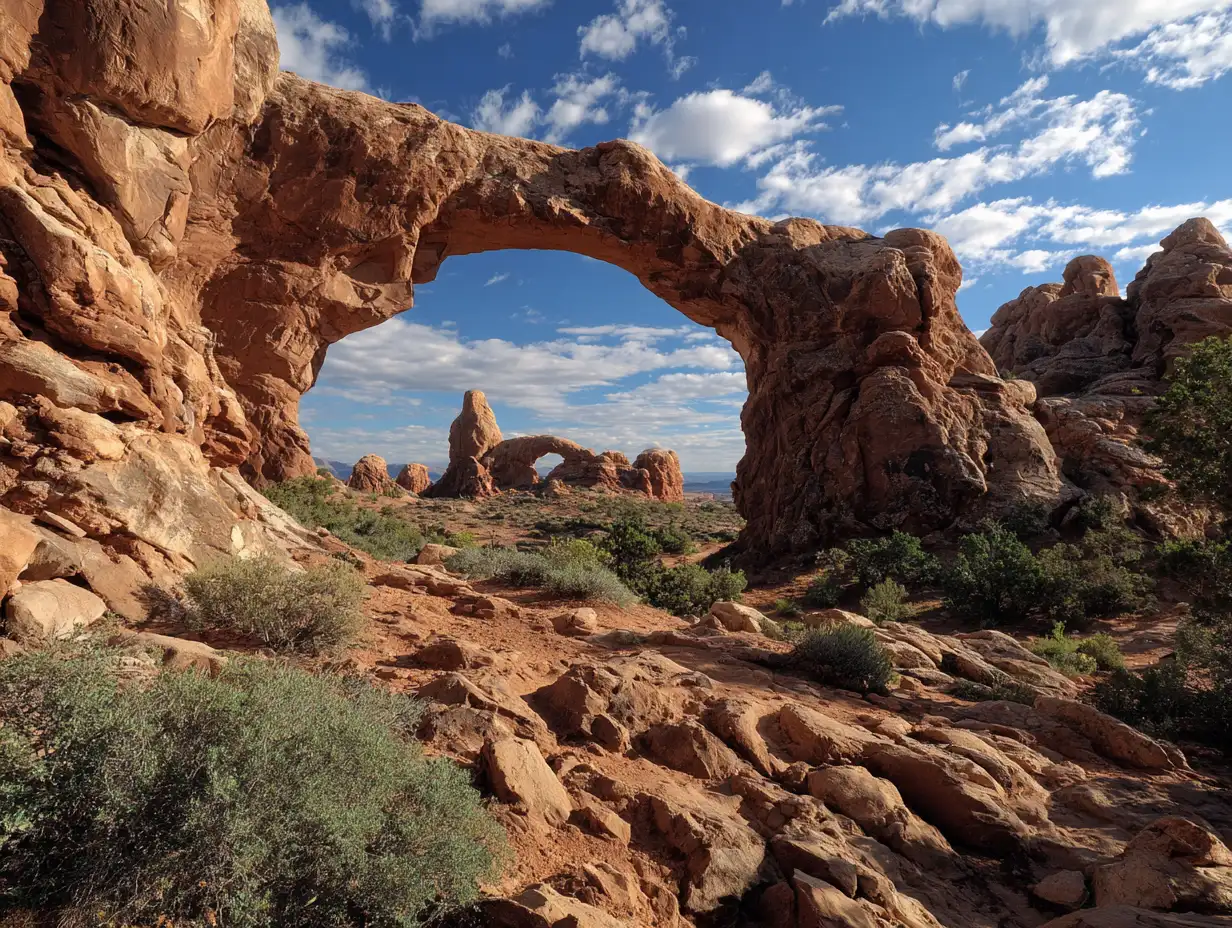
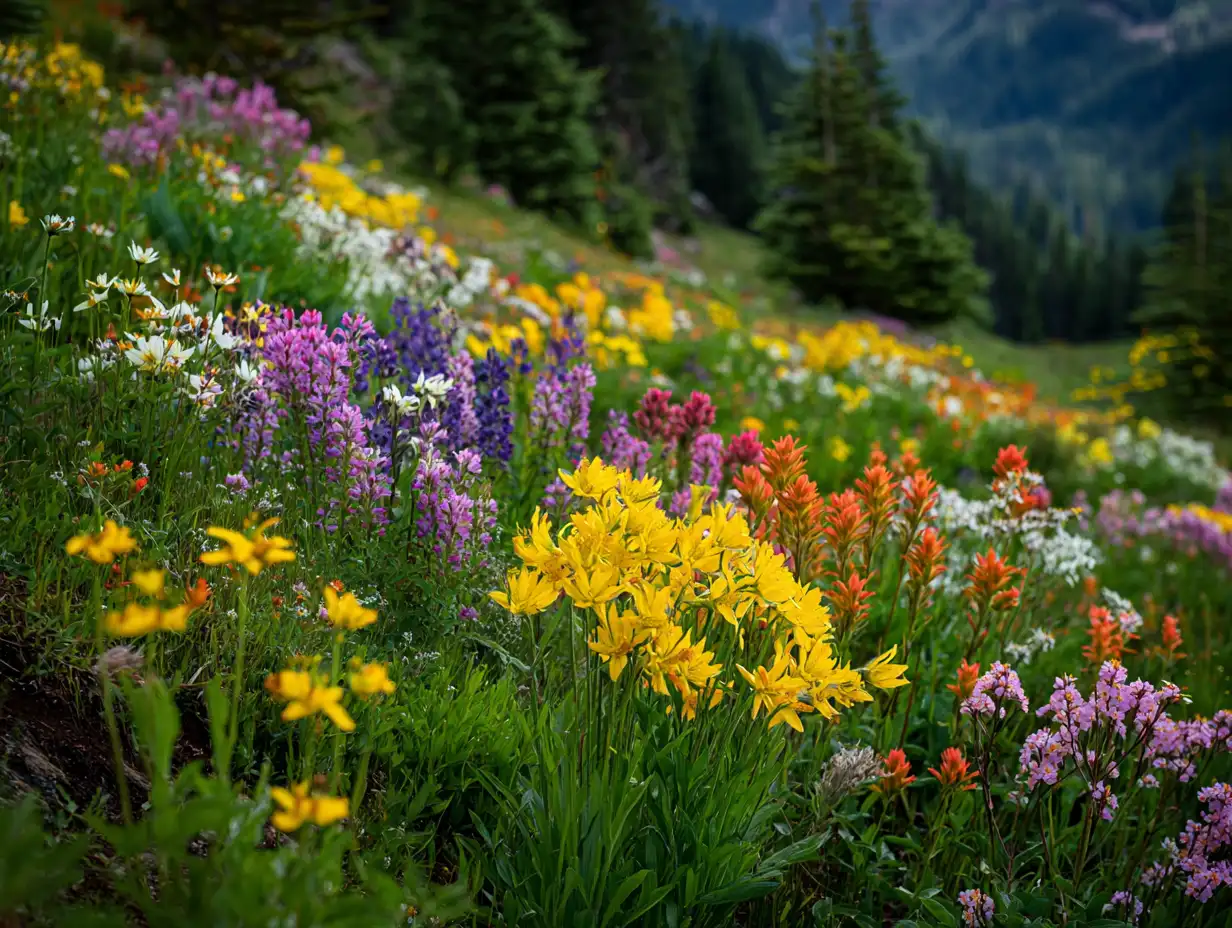
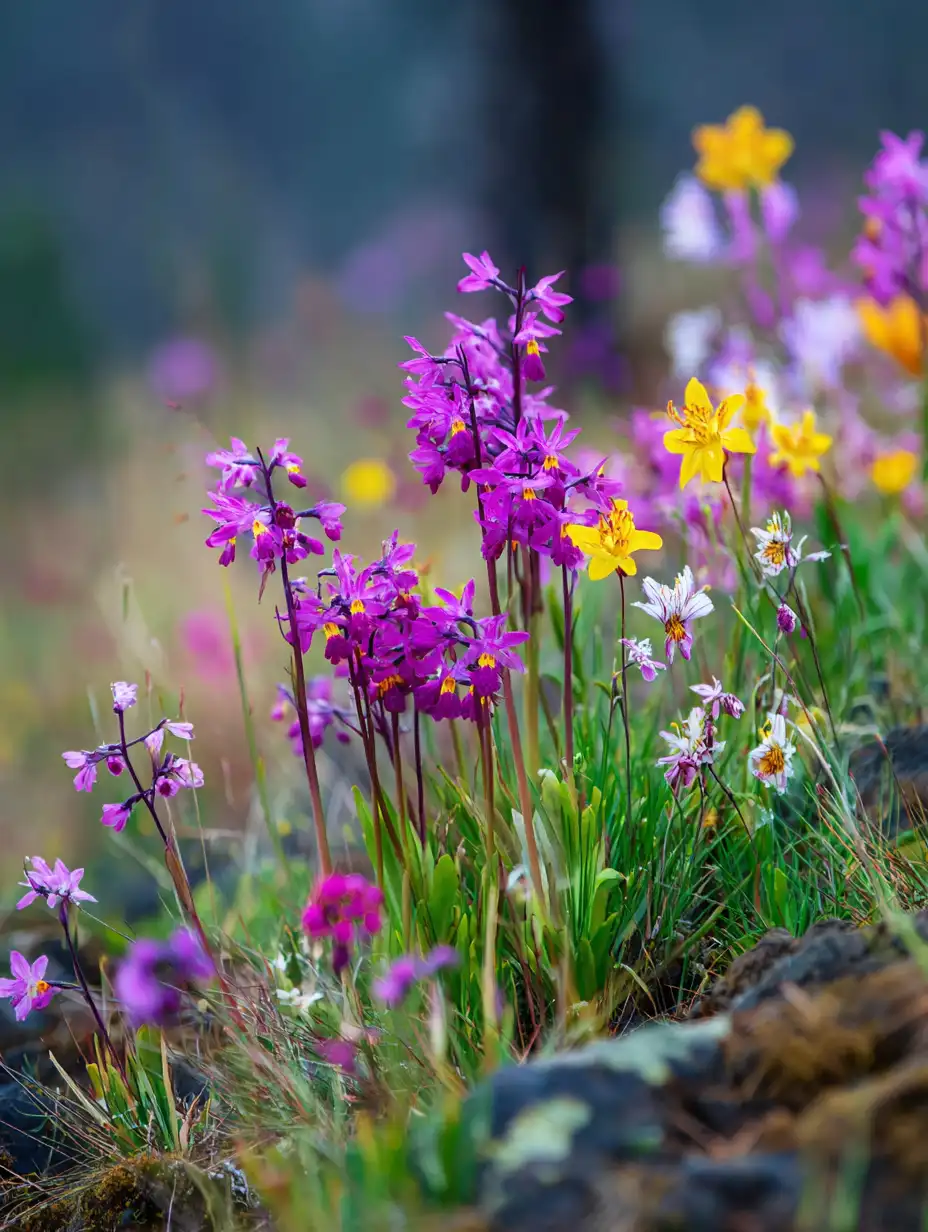
best national parks for spring wildflowers
Spring transforms national parks with colorful blooms across trails, valleys, and scenic overlooks.

Why spring is the best time for wildflowers in national parks

Spring is one of the most magical times to visit America’s national parks. As the snow melts and temperatures rise, landscapes burst into color with vibrant wildflowers covering valleys, hillsides, deserts, and alpine meadows. For nature lovers, photographers, and hikers, this season offers some of the most breathtaking scenery in the national park system.

Whether you're planning a scenic road trip, a hiking adventure, or a relaxing getaway, visiting national parks during wildflower season is an unforgettable experience.

Wildflowers bloom in national parks when conditions are just right—usually when warming temperatures combine with snowmelt or seasonal rainfall. This creates a short but spectacular blooming window that attracts visitors from around the world.
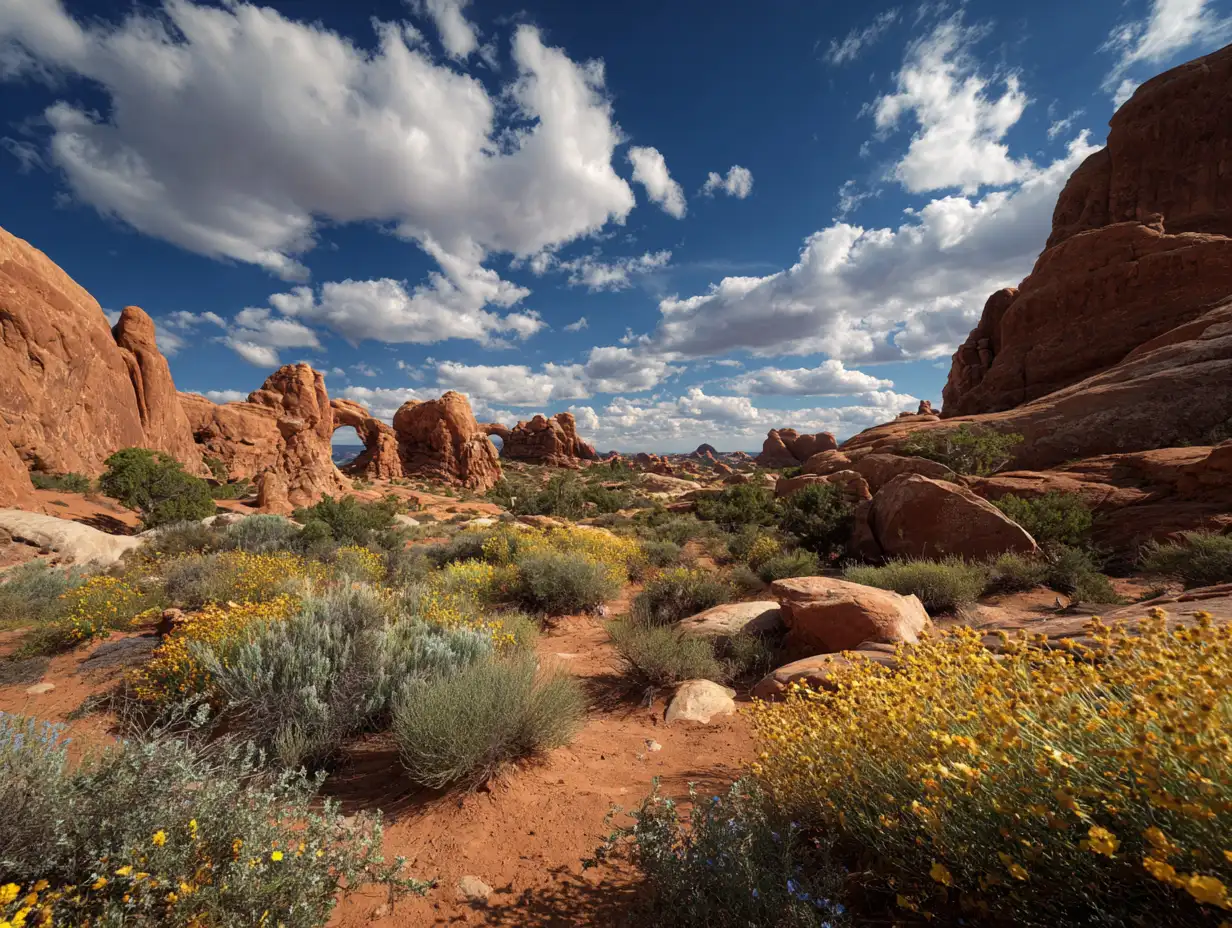
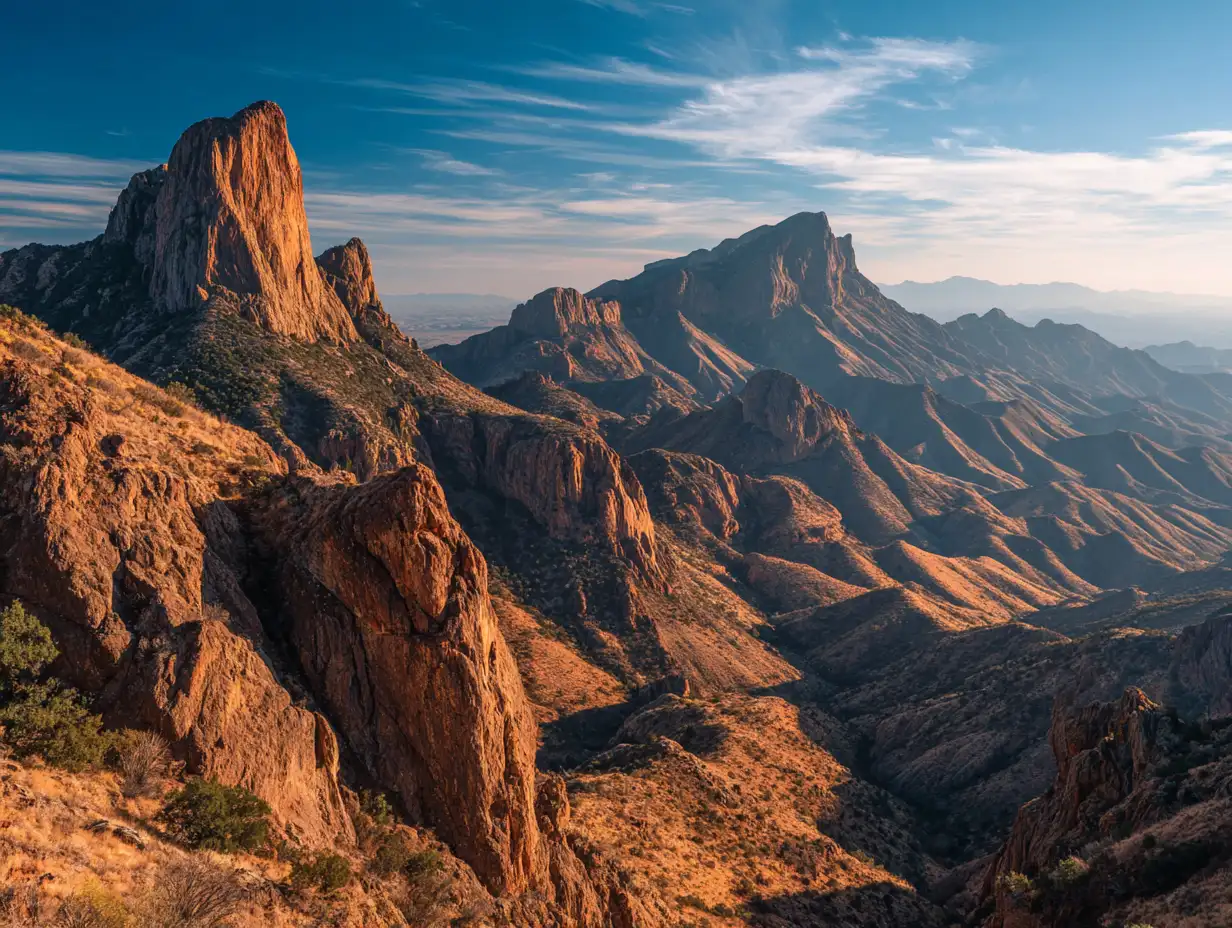
In this guide, we’ll explore the best national parks for spring wildflowers, when to visit, and tips for making the most of your wildflower adventure.

Why wildflower season is so special in national parks

Spring wildflower season varies depending on elevation and climate. Desert parks bloom earlier in the season, while mountain parks reach peak blooms later in spring and early summer.

For photographers and outdoor enthusiasts, spring wildflowers transform already beautiful national parks into living works of art.

Reasons to visit during wildflower season

  • Stunning landscapes filled with colorful blooms
  • Mild spring temperatures perfect for hiking
  • Excellent wildlife viewing opportunities
  • Fewer crowds compared to peak summer months
  • Beautiful scenery for photographers and road trippers

Why timing matters

Bloom windows can be short, which is why checking seasonal conditions and elevation patterns can make a big difference when planning your trip.

A smart seasonal strategy

Visit lower-elevation desert parks early in spring and higher-elevation mountain parks later for the best chance at peak blooms.

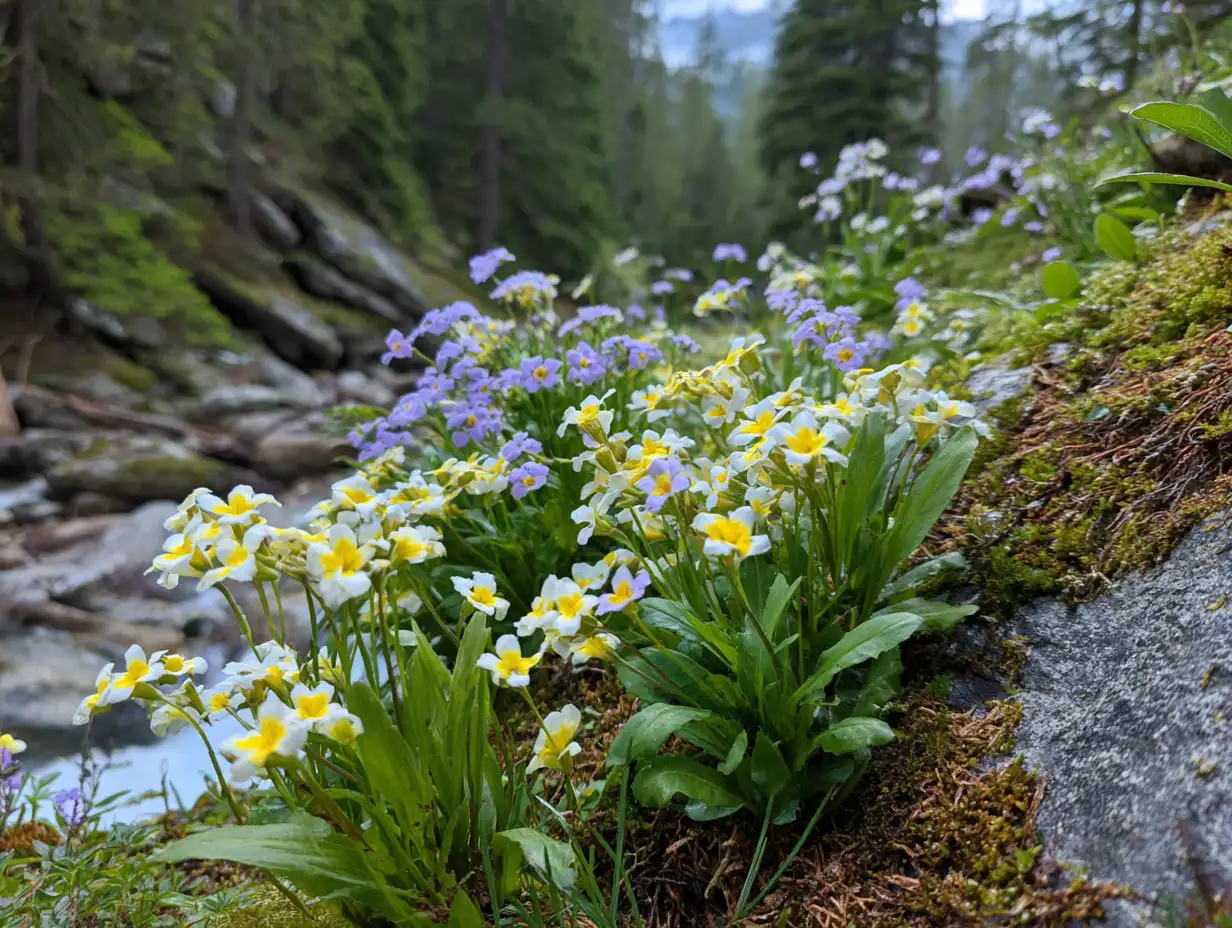
best national parks for spring wildflowers
Wildflower timing changes with rainfall, snowmelt, elevation, and spring temperatures.
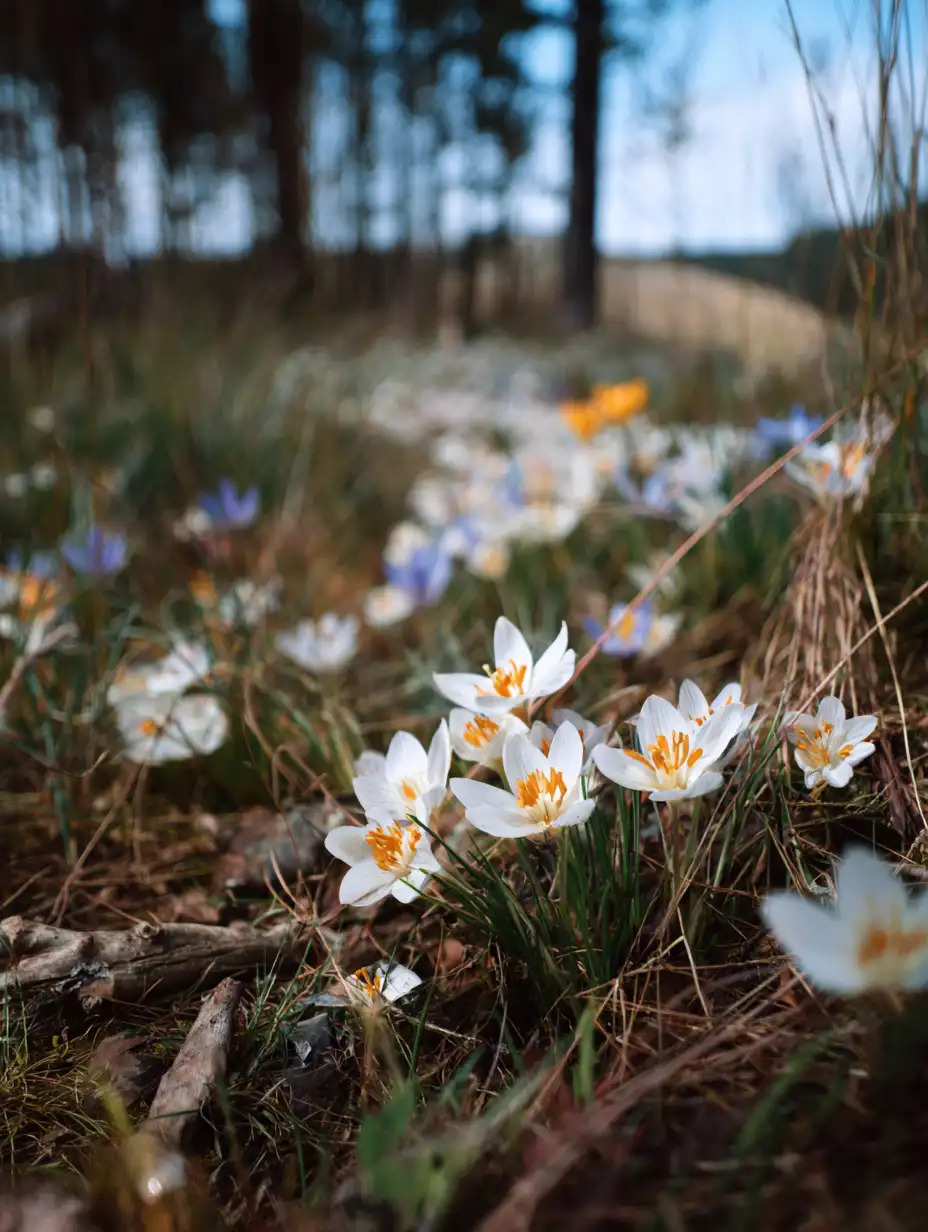
best national parks for spring wildflowers
From lush forests to dramatic deserts, spring wildflowers create unforgettable national park scenery.

Great Smoky Mountains and Death Valley

The Great Smoky Mountains National Park is often called the “Wildflower National Park.” With over 1,500 species of flowering plants, it has one of the most diverse wildflower displays in North America.

Best time to visit the Smokies is March through May. Popular spring wildflowers include trillium, bloodroot, wild geranium, spring beauty, and Jack-in-the-pulpit.

Best wildflower trails in Great Smoky Mountains

  • Porters Creek Trail – excellent early spring blooms
  • Little River Trail – a great wildflower walk along a creek
  • Chestnut Top Trail – known for colorful spring displays

Every spring, the park even hosts the Spring Wildflower Pilgrimage, a popular event celebrating the region’s incredible plant diversity.

Death Valley spring blooms

Death Valley might seem like an unlikely place for flowers, but when conditions are right, the park produces one of the most spectacular desert wildflower displays in the world. After a winter with enough rainfall, vast desert fields can erupt with colorful blooms in what is known as a super bloom.

  • Best time to visit: late February through April
  • Common wildflowers: desert gold, desert five-spot, sand verbena, notch-leaf phacelia
  • Best places: Badwater Basin, Furnace Creek area, and Zabriskie Point
best national parks for spring wildflowers
Desert blooms and mountain meadows make spring one of the most rewarding seasons in the parks.

Joshua Tree and Yellowstone

Located where the Mojave and Colorado deserts meet, Joshua Tree National Park offers an impressive variety of spring wildflowers. The park’s desert environment means blooms appear earlier than in mountain parks, making it one of the first places to see spring wildflowers in the national park system.

Best time to visit Joshua Tree is March through April. Wildflowers you may see include desert marigold, Mojave lupine, beavertail cactus blooms, and sand verbena.

Best wildflower viewing areas in Joshua Tree

  • Hidden Valley
  • Cholla Cactus Garden
  • Cottonwood area

While Yellowstone is famous for geysers and wildlife, it also offers beautiful wildflower displays each spring and early summer. As snow melts across the park, colorful flowers begin appearing in meadows and along hiking trails.

Yellowstone spring wildflowers

  • Best time to visit: May through June
  • Common wildflowers: arrowleaf balsamroot, lupine, glacier lily, Indian paintbrush
  • Best locations: Lamar Valley, Mount Washburn trails, and Hayden Valley

Early blooms vs. later blooms

Joshua Tree is one of the best early-season options, while Yellowstone shines later as snow retreats from its valleys and meadows.

best national parks for spring wildflowers

Spring travel tip

The best national parks for spring wildflowers reward travelers who time their visit well

Desert parks often peak first, while higher mountain parks bloom later, giving you a long season of colorful landscapes to explore.

Mount Rainier and Shenandoah

Mount Rainier is home to some of the most famous wildflower meadows in the United States. When snow melts across the mountain slopes, alpine meadows burst into vibrant colors.

Although peak blooms often occur in summer at higher elevations, lower areas begin blooming in late spring. Best time to visit is late May through July.

Wildflowers and trails at Mount Rainier

  • Wildflowers to look for: avalanche lily, lupine, paintbrush, pasqueflower
  • Paradise Meadows – one of the best wildflower spots in America
  • Sunrise area trails
  • Nisqually Vista Trail

Located along the Blue Ridge Mountains, Shenandoah National Park is another fantastic destination for spring wildflowers. The park’s forests, valleys, and mountain slopes provide ideal habitats for dozens of flowering species.

Best spring bloom areas in Shenandoah

  • Best time to visit: April through May
  • Wildflowers to see: bluebells, trillium, wild columbine, foamflower
  • Best trails: Limberlost Trail, Dark Hollow Falls Trail, and Whiteoak Canyon

Shenandoah is also famous for scenic drives along Skyline Drive, where wildflowers can be seen along many roadside viewpoints.

Mountain bloom magic

Mount Rainier and Shenandoah offer two very different but equally stunning spring wildflower experiences, from alpine meadows to Appalachian forests.

best national parks for spring wildflowers
Mountain parks offer some of the most dramatic wildflower scenery later in spring and early summer.

Tips for seeing spring wildflowers in national parks

To make the most of your wildflower adventure, timing and preparation are key.

Many national parks provide wildflower bloom updates on their websites or social media pages. These reports help visitors plan their trips around peak bloom times.

Plan around blooms

  • Check bloom reports
  • Visit lower elevations first
  • Look higher later in spring

Best time of day

  • Go early in the day
  • Enjoy better photography light
  • Avoid heavier trail crowds

Protect the blooms

Stay on designated trails because wildflowers are fragile and easily damaged in national park ecosystems.

Essential gear for spring wildflower hiking

Having the right gear can make your wildflower adventure safer, easier, and more enjoyable.

best national parks for spring wildflowers

Trail basics

Core hiking gear

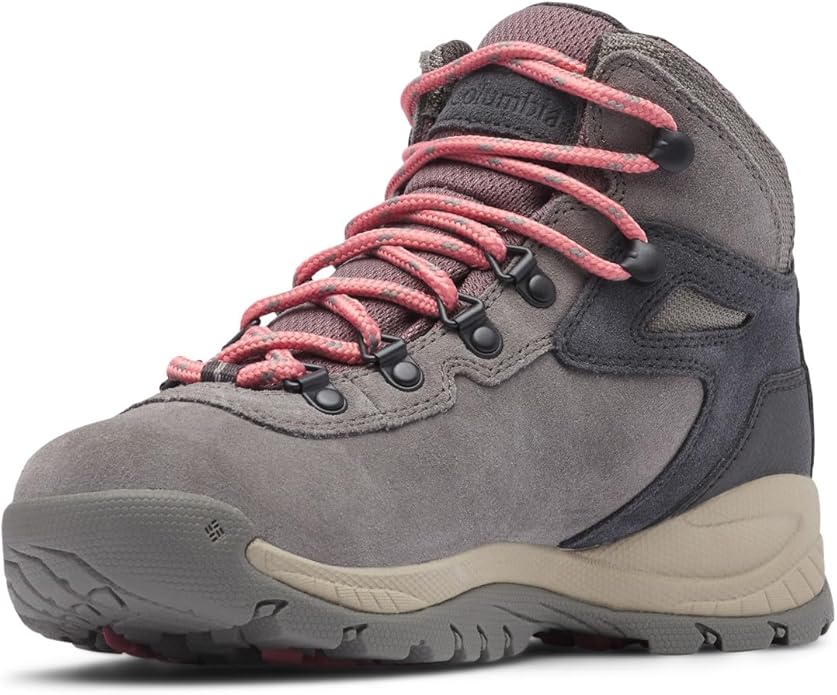
Comfortable hiking boots, a lightweight hiking backpack, water, snacks, sunscreen, and a hat are essential for spring wildflower hikes.

best national parks for spring wildflowers

Photography kit

Capture the blooms

Bring a compact camera or smartphone tripod if you want sharper photos of meadows, desert flowers, and scenic overlooks.

best national parks for spring wildflowers

Extra support

Helpful add-ons

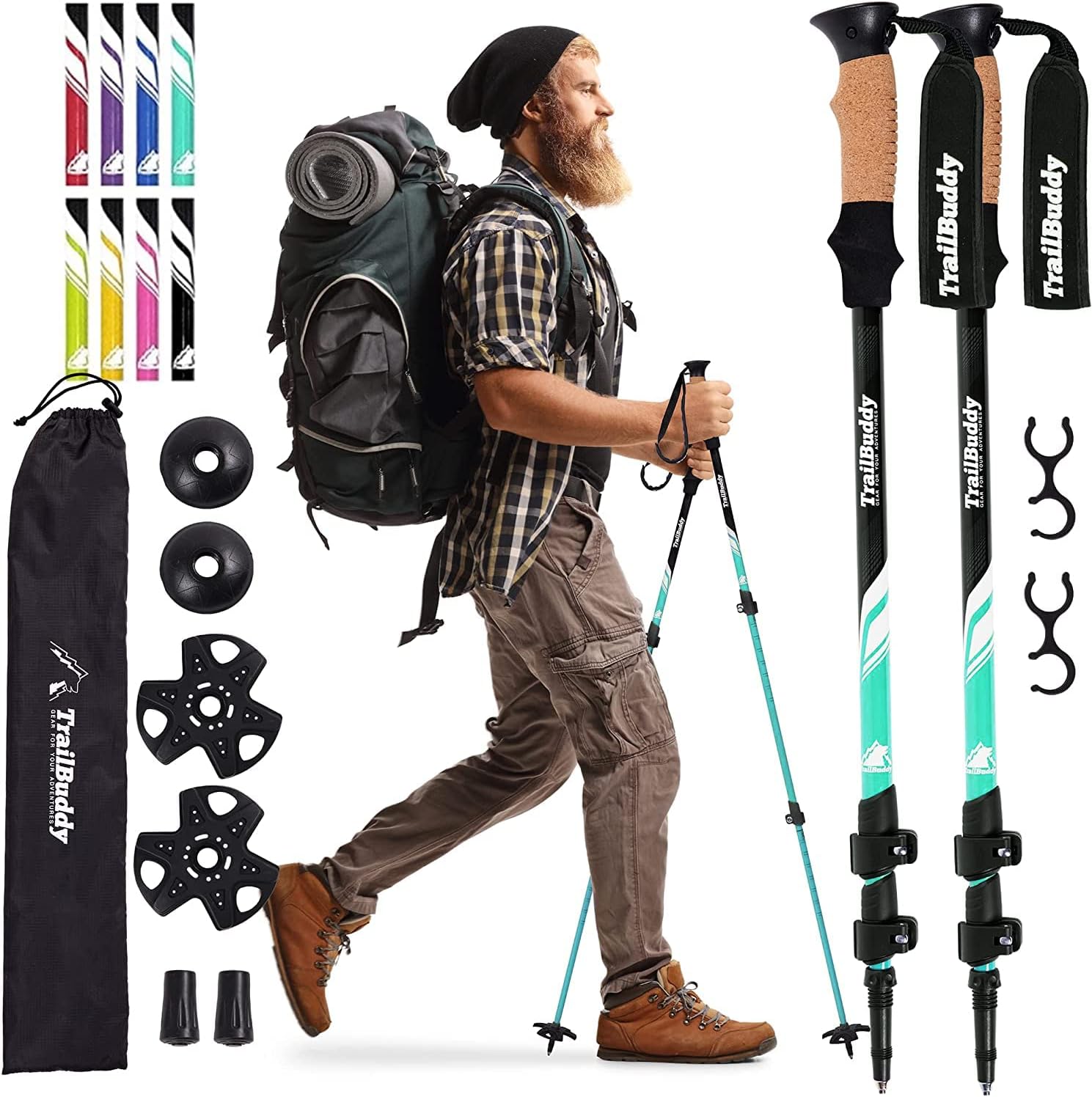
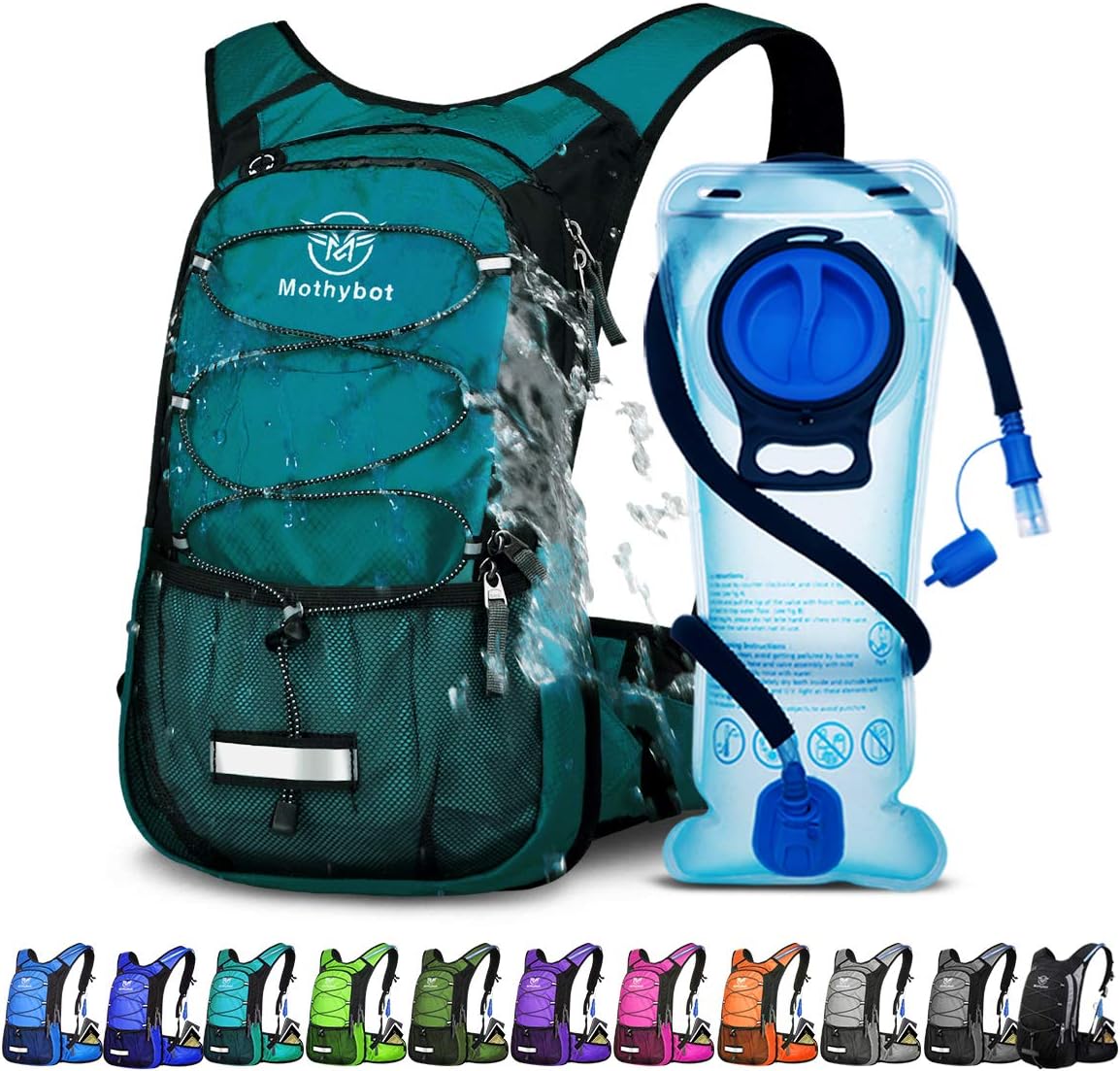
Trekking poles, a reusable water bottle or hydration pack, and a wildflower field guide can make longer hikes more comfortable and informative.

best national parks for spring wildflowers

Peak bloom reminder

The best national parks for spring wildflowers can change quickly with weather and elevation

Check current bloom conditions before your trip, then plan your hikes around lower or higher elevations depending on the timing of the season.

Common questions about the best national parks for spring wildflowers

These answers can help you plan a better spring wildflower trip.

When is the best time to see spring wildflowers in national parks?+
Wildflower season depends on the park. Desert parks like Death Valley and Joshua Tree often bloom from late February through April, while mountain parks like Yellowstone and Mount Rainier peak later in spring and early summer.
Which national park is most famous for spring wildflowers?+
Great Smoky Mountains National Park is often called the Wildflower National Park because it has more than 1,500 species of flowering plants and outstanding spring bloom displays.
Why do wildflower blooms vary from park to park?+
Wildflower timing depends on rainfall, snowmelt, temperature, elevation, and local climate, which is why desert parks bloom earlier and higher mountain parks bloom later.
What should I do to protect wildflowers while visiting?+
Always stay on designated trails, avoid stepping into meadows or fragile plant areas, and follow park guidance so the blooms remain healthy for wildlife and future visitors.

Wildlife at Capitol Reef National Park

Wild Wanderers Almanac

Wildlife at Capitol Reef National Park

wildlife at capitol reef national park

Exploring Wildlife at Capitol Reef National Park

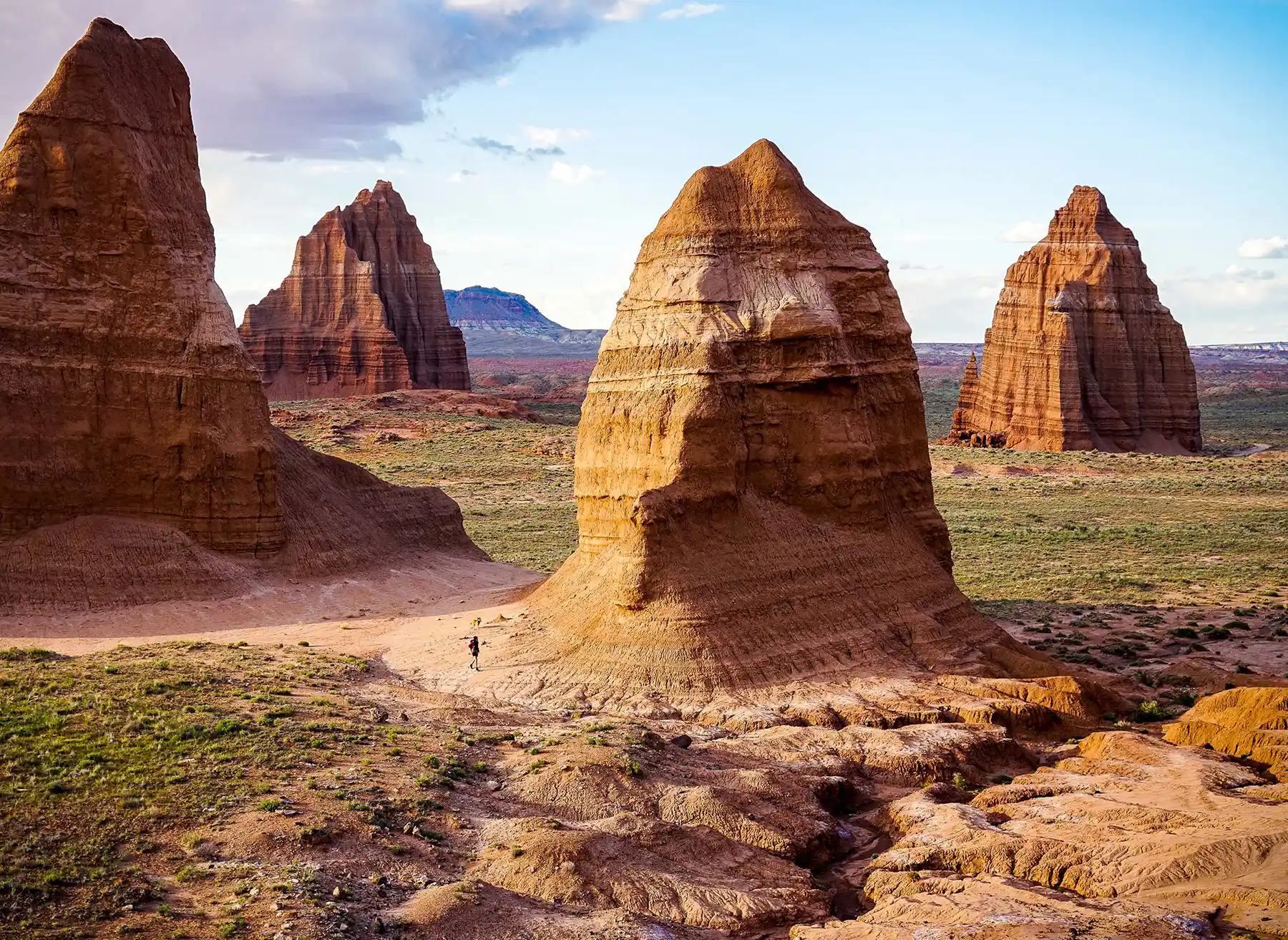
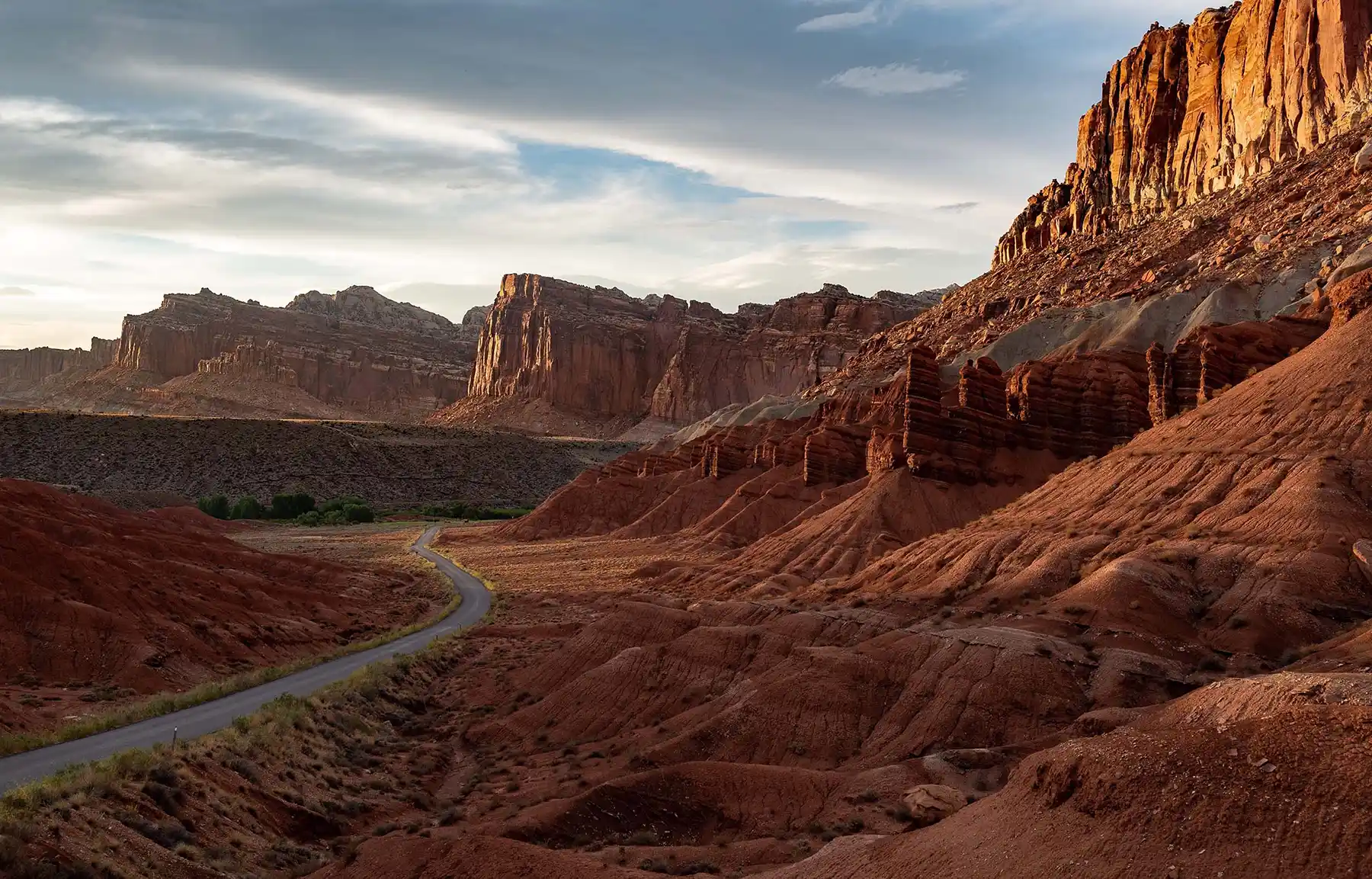
Capitol Reef National Park, tucked away in the heart of Utah’s red rock country, is a spectacular mosaic of towering cliffs, winding canyons, and lush river valleys. While its stunning geological formations often steal the spotlight, the park’s thriving wildlife is a hidden treasure waiting to be discovered. From nimble bighorn sheep scaling the cliffs to colorful songbirds filling the orchards with song, wildlife at Capitol Reef national park offers an unforgettable experience for nature enthusiasts and casual visitors alike.

A Landscape That Nurtures Life

The park’s diverse habitats—ranging from arid desert to riparian zones along the Fremont River—support an impressive variety of animal life. Elevations in the park span from around 3,800 to over 8,000 feet, creating distinct ecological zones. These varied environments foster over 230 bird species, 71 mammal species, 19 reptile and amphibian species, and countless insects and other invertebrates. Whether you’re hiking a remote canyon or picnicking near Fruita’s historic orchards, wildlife encounters are never far away.

dark sky national parks

Birds: A Birder’s Paradise

Capitol Reef is a true haven for birdwatchers. The park’s mix of desert scrub, river corridors, and orchard landscapes draws a variety of bird species throughout the year.

American kestrels, peregrine falcons, and red-tailed hawks soar high above the cliffs, while colorful songbirds like the western tanager, mountain bluebird, and Bullock’s oriole bring vibrant flashes of color to the lower elevations. Fruita’s historic orchards, in particular, attract many migrating birds in spring and fall.

Winter months see an influx of hardy species like the juniper titmouse and northern flicker, making Capitol Reef a rewarding birding destination year-round. For a magical experience, listen for the calls of the great horned owl echoing across the canyons on a quiet evening.

Mammals: Majestic and Elusive

One of Capitol Reef’s most iconic residents is the desert bighorn sheep. These agile animals are masters of the park’s rocky terrain, often spotted along steep cliffs and canyons such as Capitol Gorge or along the scenic drive. Bighorn sheep are particularly active in the early mornings and late afternoons, so keep your binoculars handy if you’re hoping for a sighting.

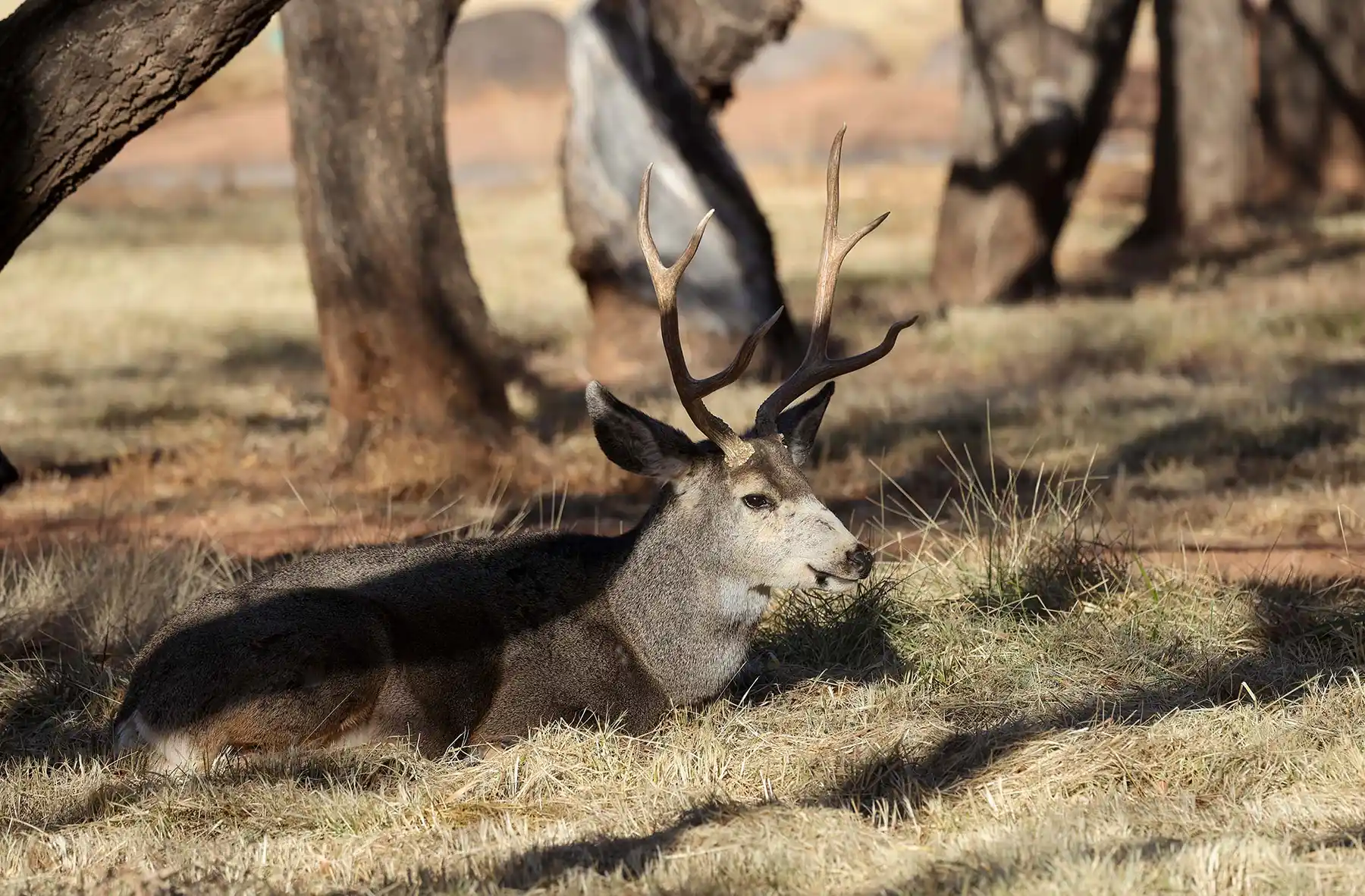
Another frequent (though often shy) mammal is the mule deer. In the verdant Fruita area—where the river and orchards provide ample food—you’re almost guaranteed to encounter a few grazing deer, especially around dawn and dusk.

The park is also home to more elusive predators like the mountain lion and bobcat, though sightings are rare due to their nocturnal habits. Smaller mammals such as rock squirrels, ringtails, and black-tailed jackrabbits are more commonly seen and heard rustling through the underbrush.

Insects: Tiny Yet Mighty

The insect life at Capitol Reef is both diverse and fascinating. Bees, particularly native solitary bees, play a crucial role in pollinating the park’s wildflowers and fruit trees. Butterflies like the two-tailed swallowtail add a delicate beauty to the landscape in the spring and summer months.

During late summer evenings, the desert comes alive with the buzzing and chirping of katydids and crickets, creating a natural symphony under the starlit sky.

LifeStraw Water Filter

The LifeStraw water filter is a must-have for outdoor enthusiasts, travelers, and emergency preparedness. This compact, lightweight device removes 99.9999% of bacteria, parasites, and microplastics, making contaminated water safe to drink. Whether you’re hiking, camping, or facing a survival situation, LifeStraw ensures access to clean water anytime, anywhere

Reptiles and Amphibians: Desert Survivors

Though often overlooked, Capitol Reef’s reptiles and amphibians are vital members of the ecosystem. On sunny days, lizards such as the western whiptail and side-blotched lizard can be seen basking on warm rocks. Snakes, including the harmless gopher snake and the more elusive midget faded rattlesnake, also inhabit the park.

Amphibians, which require moisture to thrive, are mostly found near the Fremont River or other wet areas. Look carefully and you might spot a canyon treefrog blending into the rocky surroundings or hear their chirping calls after a summer rain.

Best Practices for Wildlife Viewing

To make the most of your wildlife experience at Capitol Reef, keep these tips in mind:

  • Stay Quiet and Patient: Wildlife is sensitive to noise and movement. Find a good spot, stay still, and watch carefully.

  • Use Binoculars: Respect the animals’ space. Binoculars allow you to observe from a distance without disturbing them.

  • Be Mindful of Time: Early mornings and late evenings are often the best times for wildlife sightings.

  • Respect Their Habitat: Stay on trails and avoid trampling vegetation or approaching animals too closely.

  • Leave No Trace: Always pack out your trash and avoid feeding wildlife.

arches national park trails

Unique Wildlife Experiences

Capitol Reef offers some truly unique wildlife experiences that shouldn’t be missed. In the spring and fall, visitors can participate in volunteer orchard work in Fruita, which often means close encounters with deer and an array of birds. For the adventurous, nighttime hikes or camping trips offer a chance to hear the calls of nocturnal creatures or catch a glimpse of shy mammals.

During the monsoon season (July–September), amphibians become more active, and flash floods can temporarily create new pools teeming with life.

Conclusion: A Living Landscape

While the rock formations and dramatic landscapes of Capitol Reef National Park are world-renowned, the thriving wildlife makes the park a truly living landscape. Every rustle in the brush, flutter in the orchards, or distant hoofbeat on a rocky slope is a reminder that this rugged desert is teeming with life.

Whether you’re a seasoned birder, an amateur naturalist, or just someone who loves the quiet thrill of spotting a wild creature in its natural habitat, Capitol Reef invites you to slow down, look closer, and experience the wild heart of Utah in a whole new way.

Wild Wanderers Shop

Shop our top camping gear for all types of adventures!

Camping at Yellowstone National Park

Wild Wanderers Almanac

Camping at Yellowstone National Park

dark sky national parks

Camping at Yellowstone National Park: Into the Heart of the Wild

There are few places that stir the spirit quite like camping at Yellowstone National Park. Stretching across Wyoming, Montana, and Idaho, it’s the oldest national park in the world—and arguably the wildest. From its geyser-spouting grounds to its wolf-haunted forests, Yellowstone is not just a place to visit—it’s a place to be. And there is no better way to be in it than by camping beneath its wide, star-salted skies.

Whether you’re a backcountry minimalist or a family of campers looking for geyser-side coziness, Yellowstone offers a wide range of camping experiences. Here’s your guide to some of the park’s best front country campgrounds, with detailed insights to help you find your perfect basecamp.

Why Camp in Yellowstone?

Camping in Yellowstone connects you to its natural rhythm. You’ll wake to the call of sandhill cranes, breathe in steam from distant thermal vents, and maybe even hear wolves howling across Lamar Valley. While hotels offer convenience, camping offers immersion—into the wild, the weather, and the wonder.

dark sky national parks

Top Campgrounds in Yellowstone

There are twelve campgrounds in Yellowstone National Park, offering more than 2,000 campsites. Below are a few of the most beloved, along with their number of sites and standout features.


Madison Campground (278 sites)

  • Location: Near the Madison River, 14 miles from Old Faithful

  • Open: Late May to mid-October

  • Reservations: Required (via recreation.gov)

Why Stay Here: Madison is a favorite for its central location, which makes it perfect for first-timers wanting to explore key attractions like Old Faithful, the Grand Prismatic Spring, and Norris Geyser Basin. The nearby Madison River is also a dream for fly-fishers and elk-watchers alike.

Grant Village Campground (430 sites)

  • Location: Southern Yellowstone, near Yellowstone Lake

  • Open: Mid-June to mid-September

  • Reservations: Required

Why Stay Here: Ideal for those who want lake views and easy access to boating or kayaking, Grant Village also offers amenities like flush toilets, dishwashing stations, and even showers. It’s a great option for families or campers looking for a little more comfort.

Camping at yellowstone national park

Canyon Campground (273 sites)

  • Location: Near the Grand Canyon of the Yellowstone

  • Open: Mid-June to mid-September

  • Reservations: Required

Why Stay Here: This one’s all about the views. Canyon Campground places you within walking distance of the iconic Grand Canyon of the Yellowstone River, complete with its roaring waterfalls and deep, golden-hued cliffs. It’s also surrounded by lodgepole pine forest, giving it that quintessential camping vibe.

LifeStraw Water Filter

The LifeStraw water filter is a must-have for outdoor enthusiasts, travelers, and emergency preparedness. This compact, lightweight device removes 99.9999% of bacteria, parasites, and microplastics, making contaminated water safe to drink. Whether you’re hiking, camping, or facing a survival situation, LifeStraw ensures access to clean water anytime, anywhere

Slough Creek Campground (16 sites)

  • Location: Lamar Valley, northeastern Yellowstone

  • Open: Late May to October (weather dependent)

  • Reservations: Required

Why Stay Here: With only 16 sites, this remote campground is beloved by wildlife watchers and solitude-seekers. Nestled deep in the Lamar Valley—the “Serengeti of North America”—it offers unrivaled opportunities to see wolves, bears, bison, and birds. No frills, all magic.

arches national park trails

Mammoth Campground (85 sites)

  • Location: Near the park’s north entrance

  • Open: Year-round

  • Reservations: Required in summer; first-come, first-served in winter

Why Stay Here: It’s the only campground open all year, making it an option for winter camping (yes, some people do it). Mammoth also sits near the park’s historic district and hot springs. Elk frequently wander through camp, and you’re close to the town of Gardiner if you need supplies or a hot meal.


Tips for Camping in Yellowstone

Reserve Early

Most of Yellowstone’s popular campgrounds fill up months in advance during summer. Make your reservations as early as possible through recreation.gov.

Be Bear Aware

Yellowstone is prime bear country. Every site comes with a bear-proof storage locker—use it. Never leave food, coolers, or scented items in your tent. Check in with rangers or visitor centers for the latest wildlife safety tips.

Water Wisdom

Potable water is available at all frontcountry campgrounds, but always bring a backup purification method. If you’re venturing into backcountry territory, reliable filtration is essential.

Layer Up

Even in summer, nighttime temperatures can dip below freezing. Bring a warm sleeping bag (rated at least 20°F), a sleeping pad, and plenty of layers for those crisp Yellowstone mornings.

What to Do Near Your Campground

  • From Madison: Explore geyser basins, visit Old Faithful, or take a scenic drive along Firehole Canyon.

  • From Canyon: Hike the South Rim Trail or Artist Point for breathtaking views of the canyon.

  • From Slough Creek: Wake up early and stake out a spot with binoculars for a chance to spot wolves.

  • From Grant Village: Rent a boat, hike to Storm Point, or take in a lakefront sunset.


Final Thoughts

Camping in Yellowstone isn’t just a trip—it’s an immersion into something ancient, wild, and soul-expanding. Whether you’re watching steam curl from thermal pools or trading stories by firelight, there’s a sense that you’re part of something bigger here. The land speaks, the animals move freely, and time, finally, slows down.

So pack your tent, your sense of wonder, and maybe an extra pair of socks—and go.

The wild is waiting.

Wild Wanderers Shop

Shop our top camping gear for all types of adventures!

Dark Sky National Parks: Top 5

Wild Wanderers Almanac

Dark Sky National Park: Top 5

dark sky national parks
Smoky Mountain National Park History

Dark Sky National Parks: Top 5 Choices for Stargazing Bliss

For nature lovers and night sky enthusiasts, few experiences compare to standing beneath a blanket of stars in a national park, free from the harsh glow of city lights. Dark Sky National Parks are specially recognized for their exceptional stargazing conditions, often located far from urban development and actively working to reduce light pollution. Whether you’re an amateur astronomer or simply appreciate a good Milky Way view, these parks offer a front-row seat to the universe. Here are our top five picks for the best Dark Sky National Parks in the U.S.

Big Bend National Park, Texas

Located in the remote Chihuahuan Desert, Big Bend National Park is one of the most isolated parks in the country, and that’s a big plus when it comes to stargazing. The park boasts some of the darkest skies in the lower 48 states, earning it a Gold Tier certification from the International Dark-Sky Association (IDA).

Visitors can gaze upon more than 2,000 stars with the naked eye, and the Milky Way often stretches from horizon to horizon. The park offers night sky programs led by rangers and volunteers, and there are several great spots for stargazing, including Chisos Basin and Rio Grande Village.

Best Time to Visit: Fall through early spring when the skies are clearest and temperatures are cooler.

Bryce Canyon National Park, Utah

Famous for its surreal red rock formations called hoodoos, Bryce Canyon is equally renowned for its stunning night skies. The park sits at an elevation of 8,000–9,000 feet, which means thinner atmosphere and clearer skies. It was one of the first parks to initiate a night sky program and has received IDA certification for its efforts.

Bryce Canyon hosts an annual Astronomy Festival, which includes telescope viewing, guest speakers, and hands-on activities. You can enjoy breathtaking views of planets, meteor showers, and even distant galaxies from areas like Sunset Point or Rainbow Point.

Best Time to Visit: Summer months during the Astronomy Festival or during a new moon for maximum visibility.

Great Basin National Park, Nevada

Often overlooked, Great Basin National Park is a hidden gem for stargazers. Located in eastern Nevada, it offers high elevation, dry air, and low light pollution, making it one of the best places in North America for astronomical viewing.

The park is home to the Great Basin Observatory, which supports public and research astronomy. Rangers regularly offer astronomy talks, telescope tours, and full moon hikes. The wide-open spaces provide unobstructed views of meteor showers and celestial events.

Best Time to Visit: Late summer to early fall, when skies are clearest and you can catch the Perseid meteor shower.

Mesa Verde National Park History

LifeStraw Water Filter

The LifeStraw water filter is a must-have for outdoor enthusiasts, travelers, and emergency preparedness. This compact, lightweight device removes 99.9999% of bacteria, parasites, and microplastics, making contaminated water safe to drink. Whether you’re hiking, camping, or facing a survival situation, LifeStraw ensures access to clean water anytime, anywhere

Death Valley National Park, California & Nevada

Known for its dramatic desert landscapes, Death Valley National Park is also one of the largest Dark Sky Parks in the country. Its vast, remote terrain provides ideal conditions for observing stars, planets, and other celestial bodies.

Despite its name, Death Valley comes to life at night with brilliant views of the cosmos. Popular stargazing spots include Mesquite Flat Sand Dunes, Harmony Borax Works, and Badwater Basin. The park also offers occasional night sky ranger programs to enhance the experience.

Best Time to Visit: Winter and early spring when the weather is cooler and the air is clear.

Capitol Reef National Park, Utah

Tucked away in central Utah, Capitol Reef National Park is a lesser-known gem that offers incredible dark sky conditions and has been designated a Gold Tier International Dark Sky Park by the IDA. With minimal light pollution and wide, open landscapes, it’s a stargazer’s paradise.

The park provides a range of night sky programs, including telescope viewings and astronomy talks hosted by rangers. Sites like Panorama Point and Cathedral Valley offer sweeping views of the cosmos, perfect for observing the Milky Way or meteor showers.

Best Time to Visit: Spring and fall, when temperatures are mild and the skies are typically clear.

arches national park trails

Tips for Visiting Dark Sky Parks

  • Check the moon phase: New moons offer the darkest skies for stargazing.

  • Bring a star map or app: Tools like SkyView or Star Walk can help identify constellations and planets.

  • Use red lights: To preserve night vision, use flashlights with red filters.

  • Dress warmly: Even in summer, nights can be cold at higher elevations or in the desert.

  • Arrive early: Give your eyes time to adjust to the darkness (at least 20–30 minutes).


Final Thoughts

Dark Sky National Parks provide an unforgettable escape into the wonders of the cosmos. Whether you’re watching a meteor shower dance across the sky or simply enjoying the peacefulness of a starry night, these parks offer the perfect setting for reconnecting with nature and the universe.

So pack your telescope (or just your curiosity) and head to one of these top picks for a night under the stars you won’t forget.

Wild Wanderers Shop

Shop our top camping gear for all types of adventures!