
Mesa Verde National Park History

Wild Wanderers Almanac

Mesa Verde National Park History

Mesa Verde National Park History
Smoky Mountain National Park History

The Rich History of Mesa Verde National Park

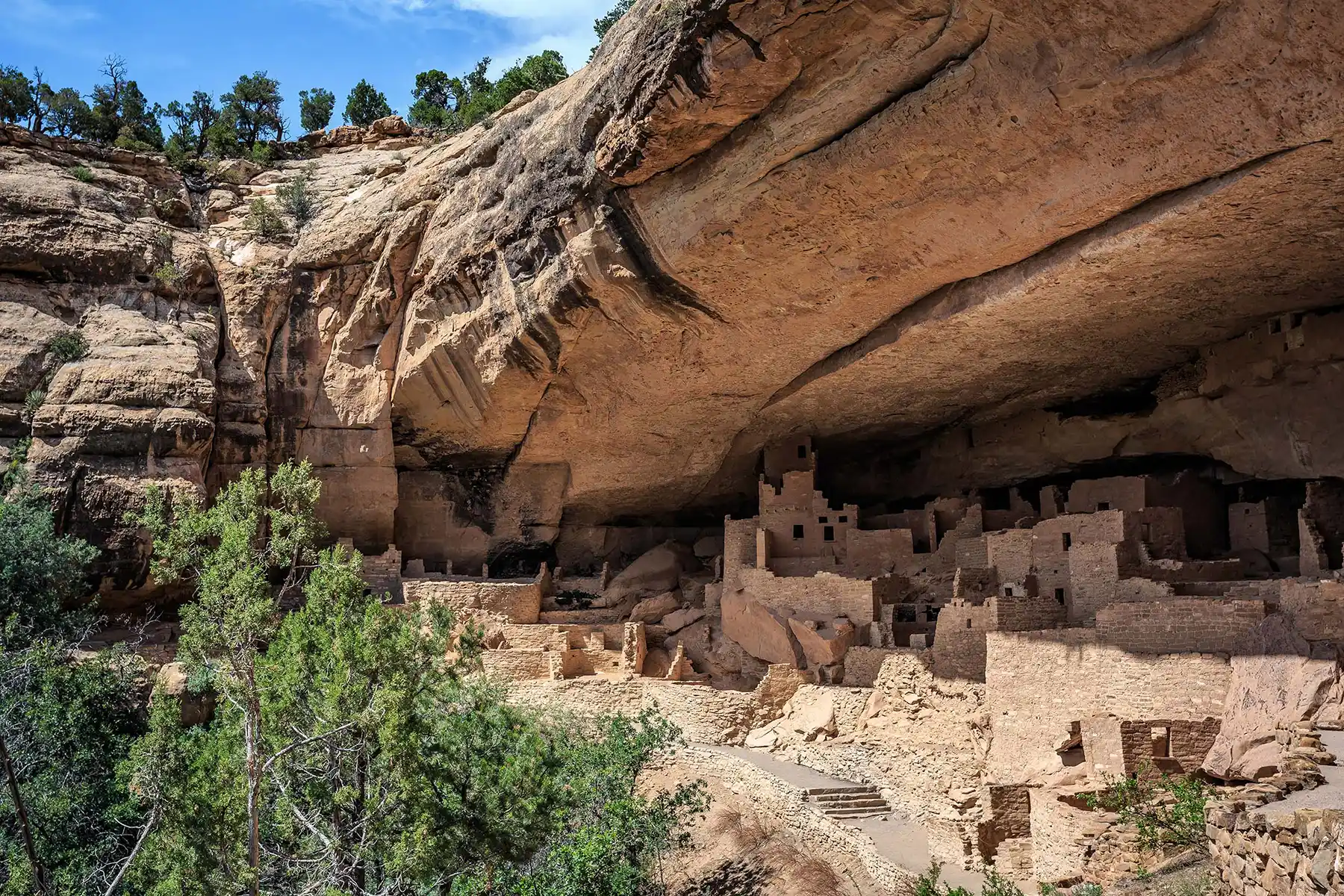
Nestled in the southwestern corner of Colorado, Mesa Verde National Park stands as a testament to the ingenuity and resilience of the Ancestral Puebloans who once thrived in this rugged landscape. Designated a UNESCO World Heritage Site in 1978, Mesa Verde is renowned for its well-preserved cliff dwellings, stunning archaeological sites, and its significant role in understanding early Native American civilizations. Spanning over 52,000 acres, the park offers a glimpse into the past, allowing visitors to explore the history, culture, and traditions of a people who lived there for over 700 years.

Early Inhabitants: The Basketmaker Era (550 – 750 CE)

The history of Mesa Verde begins with the Basketmaker people, the early ancestors of the Ancestral Puebloans. These early settlers were primarily hunter-gatherers but later transitioned into farming, cultivating crops such as corn, beans, and squash. They lived in pithouses, which were semi-subterranean homes made of wood and mud, providing insulation against the extreme temperatures of the region.

Over time, the Basketmakers improved their tools, creating bows and arrows, pottery, and more advanced weaving techniques. Their advancements in agriculture and craftsmanship laid the foundation for the more complex societies that would emerge in Mesa Verde centuries later.

The Rise of the Ancestral Puebloans (750 – 1100 CE)

By the Pueblo I (750-900 CE) and Pueblo II (900-1150 CE) periods, the Ancestral Puebloans had transitioned from living in pithouses to constructing above-ground stone dwellings. These early structures, built with sandstone and mud mortar, marked a shift toward more permanent settlements. Farming became more sophisticated, and the population of Mesa Verde grew significantly.

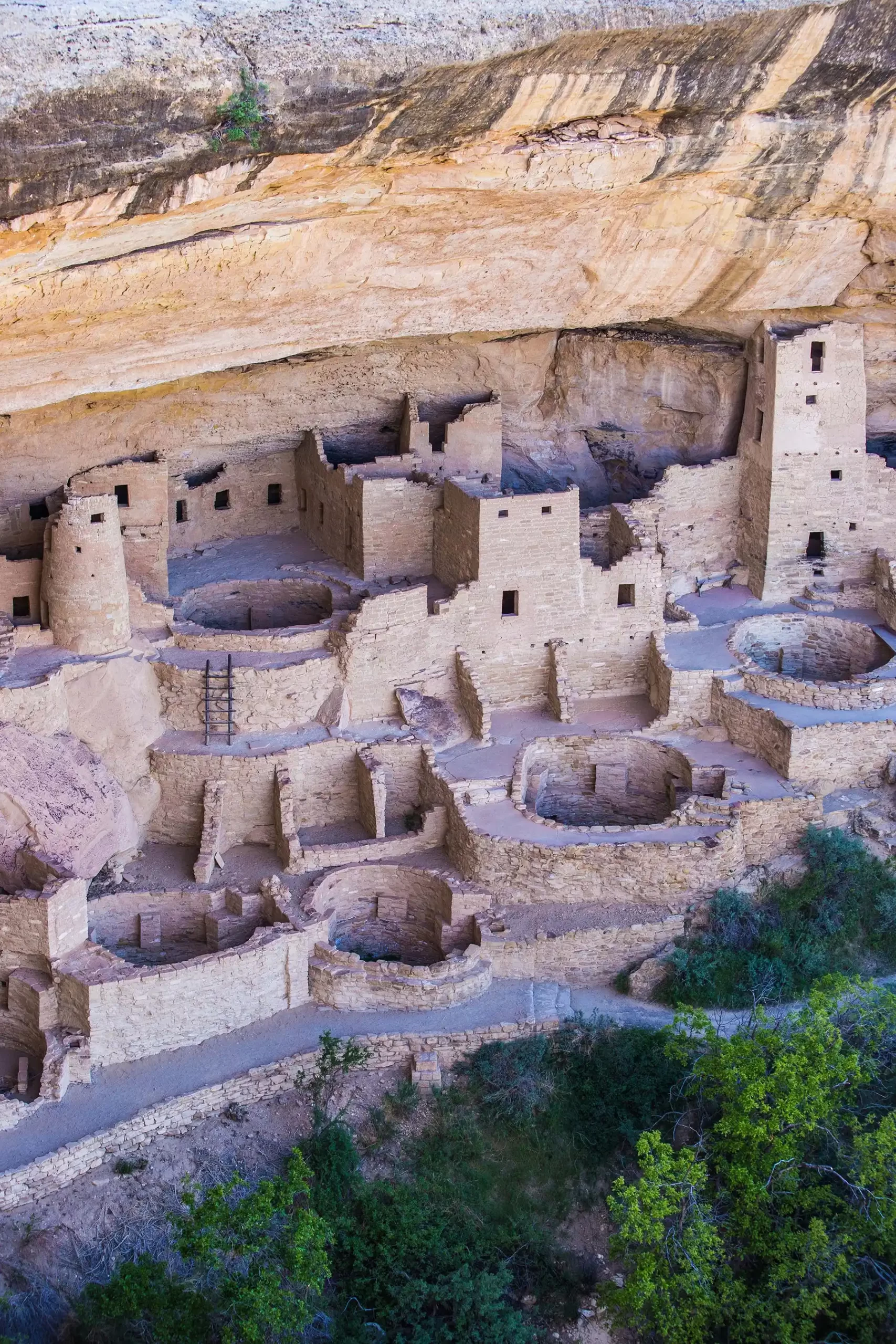
During this time, the people of Mesa Verde developed kivas, circular underground chambers used for religious ceremonies and community gatherings. These structures remain an important part of Puebloan culture today. Additionally, trade routes were established, connecting Mesa Verde to distant regions, including present-day Arizona, Utah, and Mexico. Evidence of exotic materials like turquoise, seashells, and macaw feathers suggests that the Ancestral Puebloans were active participants in a vast trade network.

The Golden Age: Cliff Dwellings and the Pueblo III Period (1100 – 1300 CE)

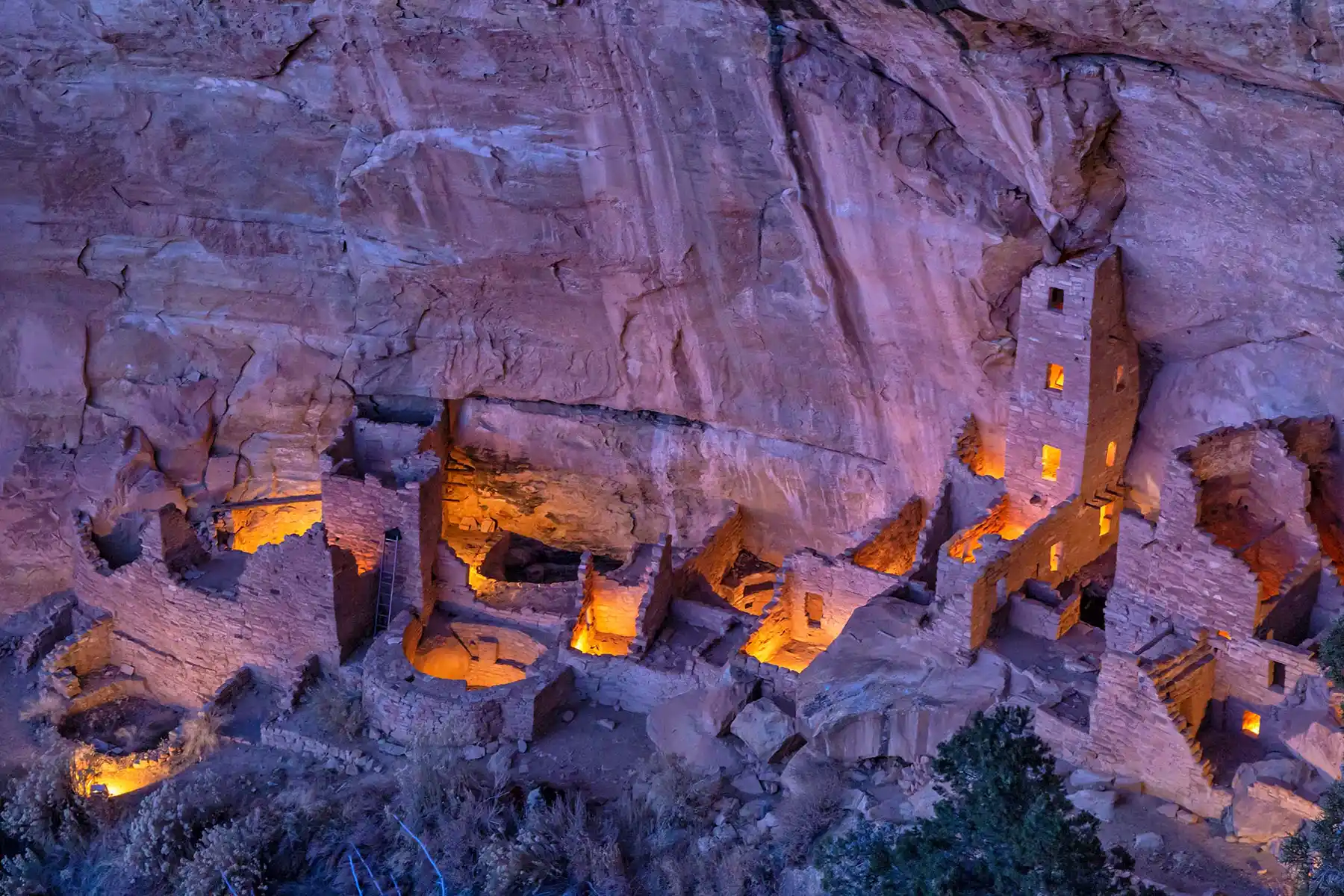
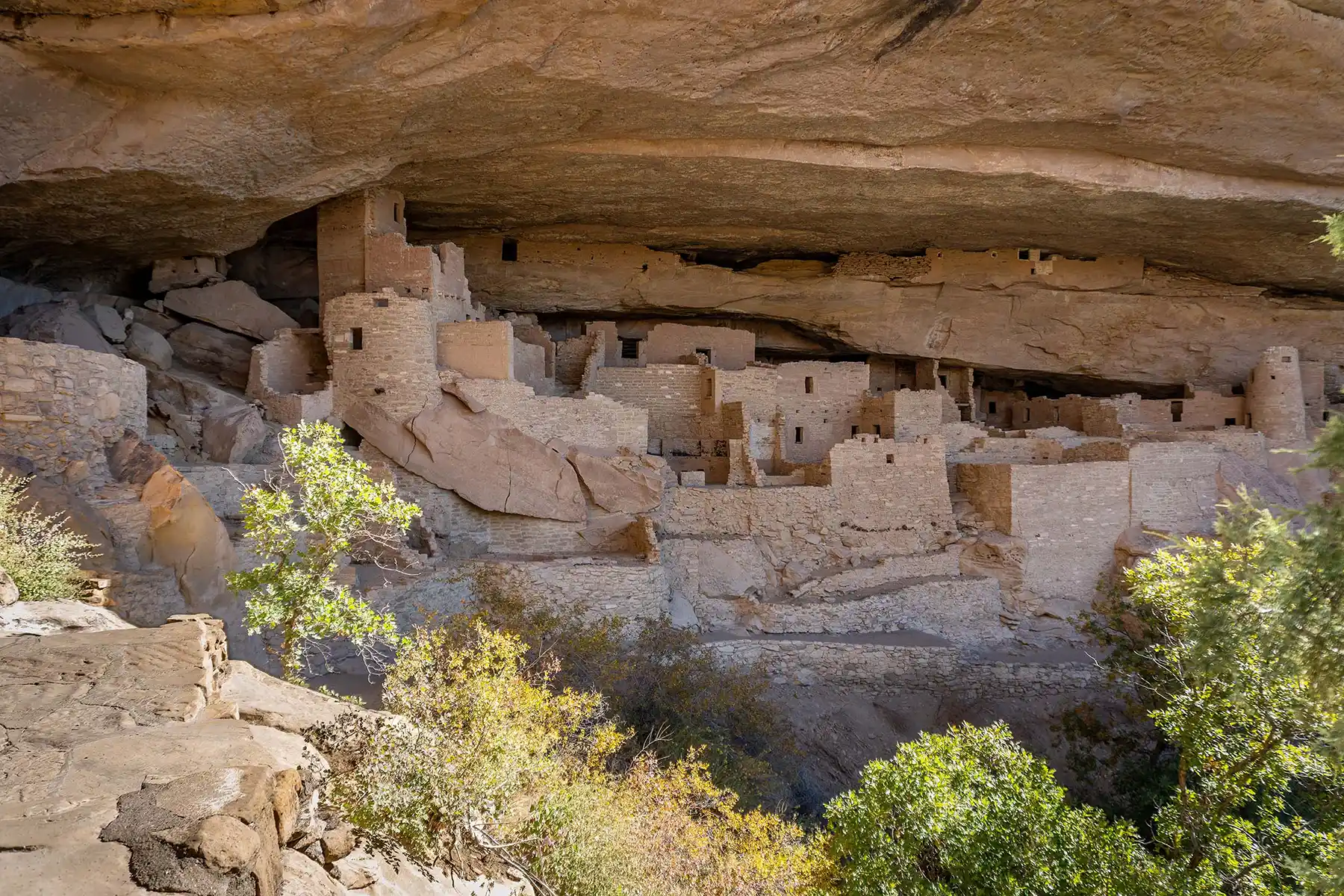
The most iconic period in Mesa Verde’s history is the Pueblo III era (1150-1300 CE), during which the Ancestral Puebloans built the famous cliff dwellings. These impressive structures were constructed under overhanging cliffs, providing both protection from the elements and defense against potential enemies. Some of the most notable dwellings include:

  • Cliff Palace – The largest cliff dwelling in North America, consisting of 150 rooms and estimated to have housed around 100 people.

  • Spruce Tree House – One of the best-preserved sites, containing over 130 rooms and 8 kivas.

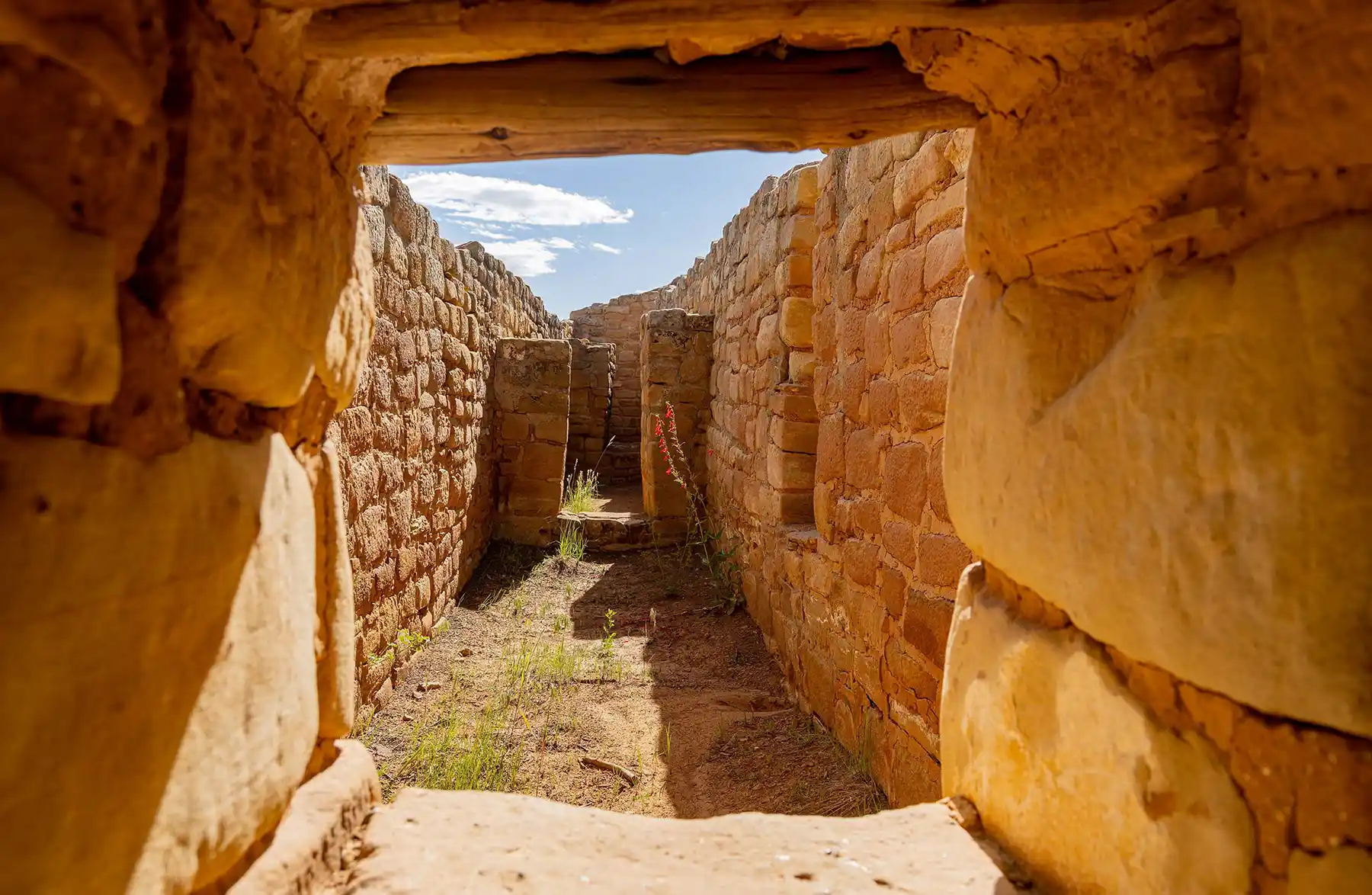
  • Balcony House – Known for its narrow tunnels and ladders, offering a glimpse into the defensive strategies of the inhabitants.

During this period, the Ancestral Puebloans reached their peak in terms of architecture, pottery, and agricultural development. Farming was carefully managed with terracing techniques and irrigation, allowing for a stable food supply despite the arid environment.

Mesa Verde National Park History

LifeStraw Water Filter

The LifeStraw water filter is a must-have for outdoor enthusiasts, travelers, and emergency preparedness. This compact, lightweight device removes 99.9999% of bacteria, parasites, and microplastics, making contaminated water safe to drink. Whether you’re hiking, camping, or facing a survival situation, LifeStraw ensures access to clean water anytime, anywhere

Mysterious Departure: The Late 13th Century

By the late 1200s, something dramatic occurred in Mesa Verde. Over the course of just a few decades, the Ancestral Puebloans abandoned their cliff dwellings and migrated south toward present-day New Mexico and Arizona. The reasons for their departure remain a mystery, but scholars suggest several contributing factors:

  • Prolonged Drought (1276-1299) – A severe drought likely made agriculture unsustainable, forcing inhabitants to seek more reliable water sources.

  • Resource Depletion – The growing population may have overused local resources, including wood, game, and fertile soil.

  • Social Unrest & Warfare – Evidence of fortifications and burned dwellings suggests possible conflict or external threats.

  • Spiritual & Cultural Shifts – Oral traditions from modern Pueblo tribes indicate that religious or societal changes may have influenced their migration.

Whatever the reason, the Ancestral Puebloans left Mesa Verde behind, establishing new communities along the Rio Grande Valley and Hopi Mesas, where their descendants still live today.

Rediscovery and Preservation (Late 19th Century – Present)

For centuries, the abandoned cliff dwellings remained largely unknown to outsiders. It wasn’t until the late 19th century that explorers and ranchers, such as Richard Wetherill and Gustav Nordenskiöld, documented and excavated the ruins. Unfortunately, early excavations led to looting and the removal of artifacts, prompting the need for preservation efforts.

In 1906, President Theodore Roosevelt established Mesa Verde National Park, making it the first U.S. national park dedicated to preserving cultural heritage. Since then, archaeologists and historians have worked tirelessly to protect and study the site, uncovering invaluable insights into the lives of the Ancestral Puebloans.

Today, Mesa Verde National Park attracts over half a million visitors annually, offering guided tours, hiking trails, and educational exhibits that bring the ancient world to life. Efforts continue to preserve the fragile structures and ensure that future generations can learn from this extraordinary chapter of human history.

arches national park trails

Conclusion

Mesa Verde National Park is more than just a collection of ancient ruins; it is a living link to the past, a place where history, culture, and archaeology intersect. The story of the Ancestral Puebloans is one of adaptation, innovation, and survival, and their legacy continues to inspire researchers and visitors alike.

As we explore Mesa Verde’s breathtaking landscapes and intricate cliff dwellings, we gain a deeper appreciation for the remarkable achievements of the people who called this place home for centuries. Their spirit endures through the oral traditions of modern Pueblo tribes, reminding us that history is not just something to be studied—it is something to be honored and preserved for generations to come.


Wild Wanderers Shop

Shop our top camping gear for all types of adventures!
National Parks on a Budget: Tips & Tricks

Wild Wanderers Almanac

National Parks on a Budget

national parks on a budget
Smoky Mountain National Park History

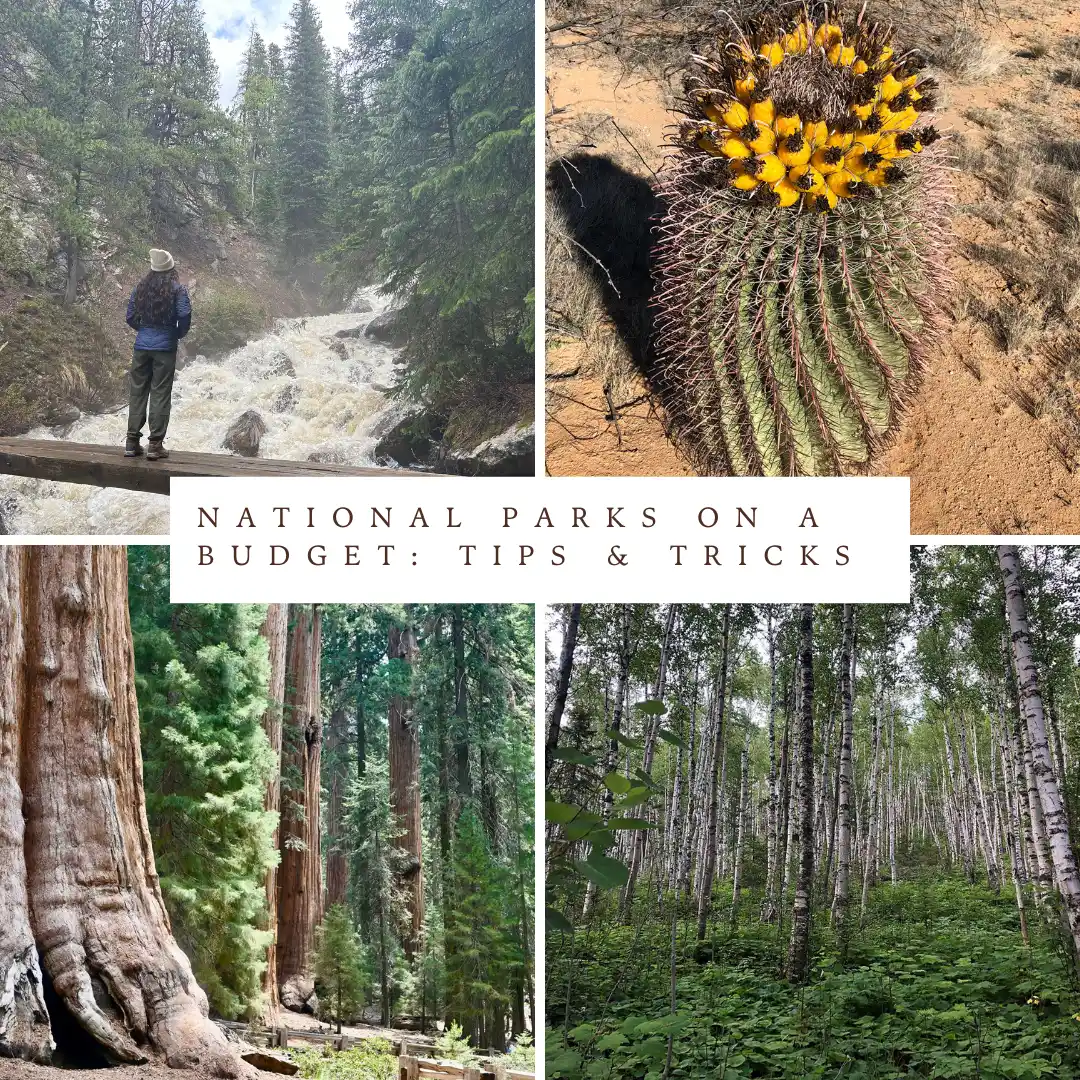
Exploring National Parks on a Budget: Tips & Tricks

Visiting national parks is one of the most rewarding ways to experience the great outdoors. From breathtaking landscapes and diverse wildlife to thrilling hiking trails and historical landmarks, national parks offer unforgettable adventures. However, travel expenses—such as entrance fees, accommodations, food, and gear—can add up quickly. Fortunately, with the right planning, you can explore national parks on a budget without breaking the bank.

Here’s a comprehensive guide to exploring national parks on a budget, including money-saving tips, affordable lodging options, and how to make the most of your trip for less.

Plan Your Trip Around Free Entrance Days

One of the easiest ways to save money on a national park trip is by taking advantage of fee-free days. The National Park Service (NPS) offers several days each year when entrance fees are waived.

2025 Fee-Free Days (Example)

  • Martin Luther King Jr. Day – January 20

  • First Day of National Park Week – April 19

  • Anniversary of the Great American Outdoors Act – August 4

  • National Public Lands Day – September 27

  • Veterans Day – November 11

By planning your visit around these dates, you can save anywhere from $5 to $35 per vehicle, depending on the park’s entrance fee.

Consider an Annual Pass

If you plan to visit multiple national parks in a year, purchasing an America the Beautiful Pass for $80 can provide unlimited access to over 2,000 federal recreation sites, including all national parks. There are also discounts for seniors, military personnel, and fourth graders through the Every Kid Outdoors Program.

Choose Budget-Friendly Lodging

Accommodations can be one of the biggest expenses during a national park trip. Here’s how you can save:

Camp Instead of Staying in Hotels

Camping is by far the most affordable lodging option when visiting national parks. Many parks have designated campgrounds, with fees ranging from $10 to $30 per night, compared to $100+ per night for a hotel or lodge.

  • Book Early: National park campgrounds fill up quickly, especially in peak season. Reservations can be made at Recreation.gov.

  • Look for Free or Dispersed Camping: Some areas near national parks allow free dispersed camping on Bureau of Land Management (BLM) and National Forest land. Check with the local ranger station for details.

Stay in Budget Motels or Hostels Nearby

If camping isn’t your thing, look for budget motels, hostels, or Airbnb rentals near the park. Towns outside national parks often have cheaper accommodations than lodges inside the park.

  • Example: Staying in Barstow instead of inside Death Valley National Park can save you over $100 per night.

Save on Food & Drinks

Dining inside national parks can be expensive. Here’s how to cut food costs:

Pack Your Own Meals & Snacks

Bringing your own food and snacks is the easiest way to save money. Stock up on groceries before heading to the park, as food prices inside national parks are often inflated.

Non-Perishable Foods: Trail mix, granola bars, canned goods, peanut butter, dried fruits.
Easy Camping Meals: Instant oatmeal, pasta, rice, sandwiches, and freeze-dried camping meals.
Reusable Water Bottles: Bring a large water container and refill it at designated water stations instead of buying bottled water.

Use a Camp Stove or Portable Grill

If you’re camping, a portable stove or grill allows you to cook your own meals instead of relying on pricey park restaurants. Many campgrounds have fire pits and picnic tables, making outdoor cooking convenient and enjoyable.

national parks on a budget

LifeStraw Water Filter

The LifeStraw water filter is a must-have for outdoor enthusiasts, travelers, and emergency preparedness. This compact, lightweight device removes 99.9999% of bacteria, parasites, and microplastics, making contaminated water safe to drink. Whether you’re hiking, camping, or facing a survival situation, LifeStraw ensures access to clean water anytime, anywhere

Use Budget-Friendly Transportation Options

Getting to and around national parks can be another big expense. Here’s how to save:

Carpool or Rideshare

Gas costs add up quickly, especially if you’re traveling long distances. If possible, carpool with friends or family to split fuel costs. If you’re visiting a park near a major city, check forums or Facebook groups for rideshare opportunities.

Use Free or Low-Cost Park Shuttles

Some national parks offer free shuttle services, allowing visitors to explore key attractions without using a car.

Zion National Park – Free shuttles run from April to October.
Grand Canyon National Park – Free shuttle system operates year-round.
Rocky Mountain National Park – Free shuttle routes serve major trailheads in peak season.

By taking advantage of these shuttles, you can save gas money and parking fees while reducing environmental impact.

Find Free or Low-Cost Activities

Not all activities in national parks require a guided tour or expensive gear. Many of the best experiences are completely free!

Hiking & Scenic Drives

Most national parks have free hiking trails that lead to stunning viewpoints, waterfalls, and wildlife habitats. Likewise, scenic drives offer breathtaking landscapes without additional cost.

  • Best Budget-Friendly Hikes:

    • Angel’s Landing (Zion National Park) – Free (permit required)

    • Old Rag Mountain (Shenandoah National Park) – Free

    • Hidden Lake Overlook (Glacier National Park) – Free

arches national park trails

Free Ranger-Led Programs

Many parks offer free ranger-guided tours, campfire talks, and wildlife programs. Check the visitor center for a schedule of free activities during your visit.

Stargazing & Night Programs

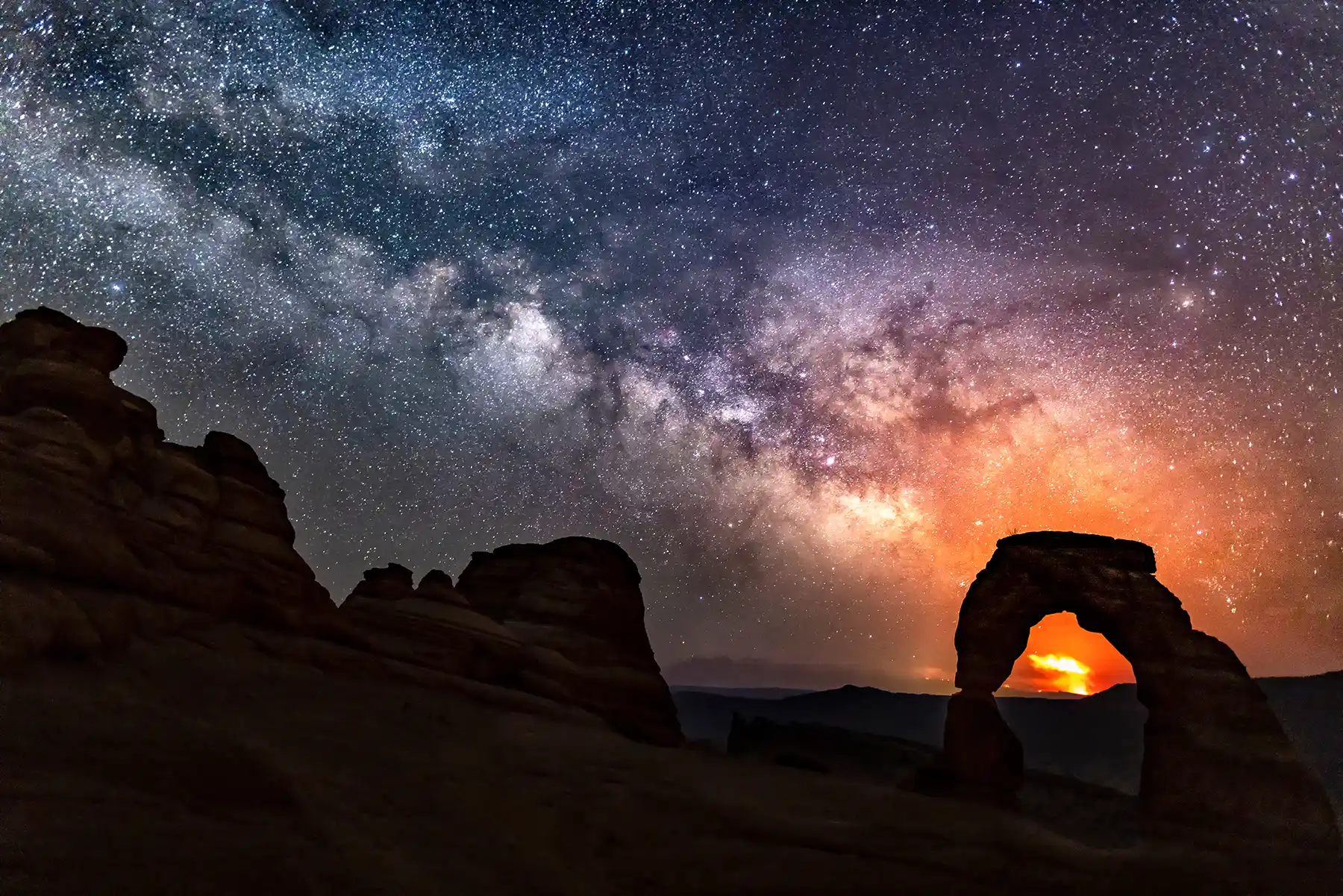
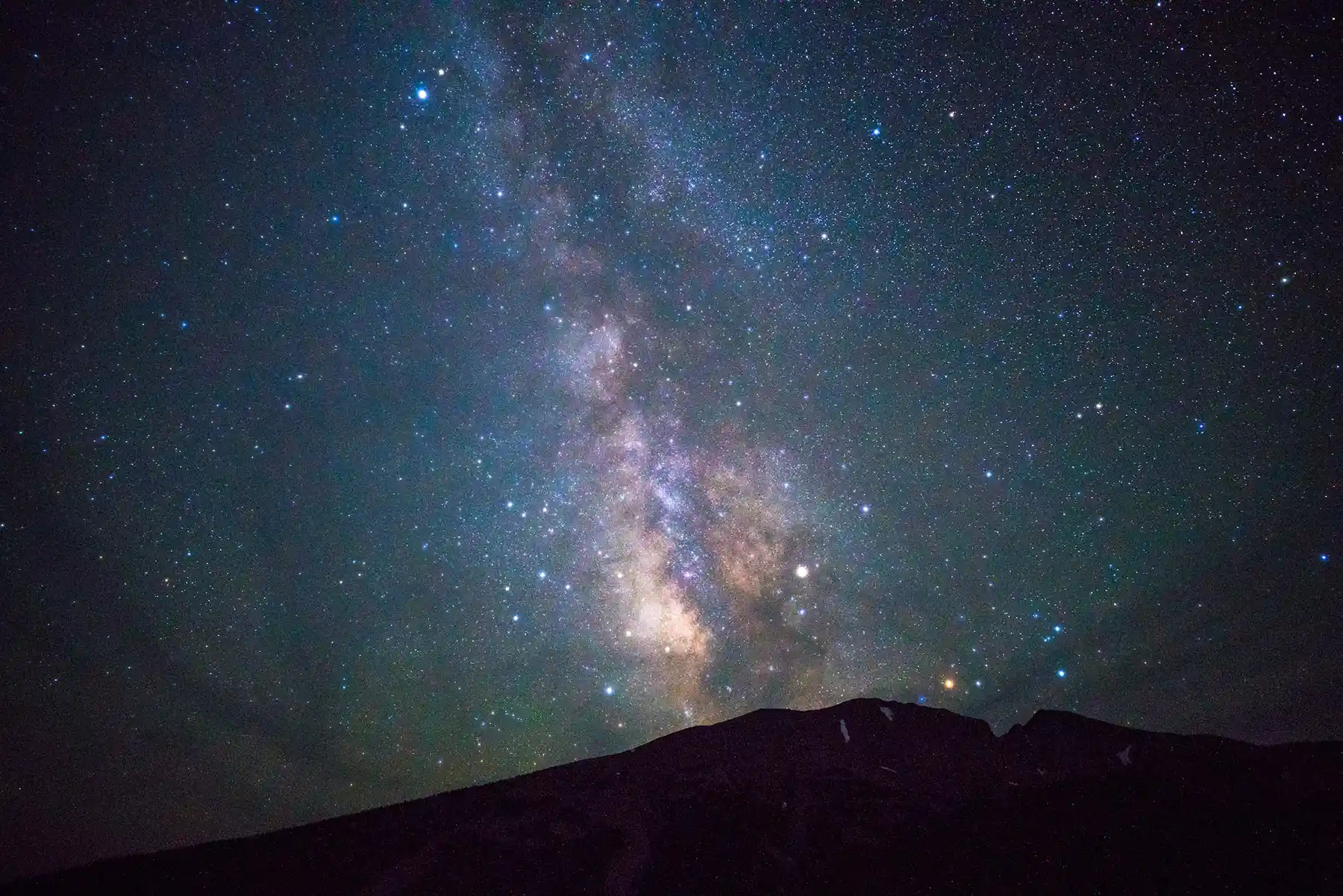
Many national parks are designated Dark Sky Parks, making them ideal for stargazing. Bring a blanket and enjoy the Milky Way without any city lights!

  • Best National Parks for Stargazing:

    • Great Basin National Park (NV)

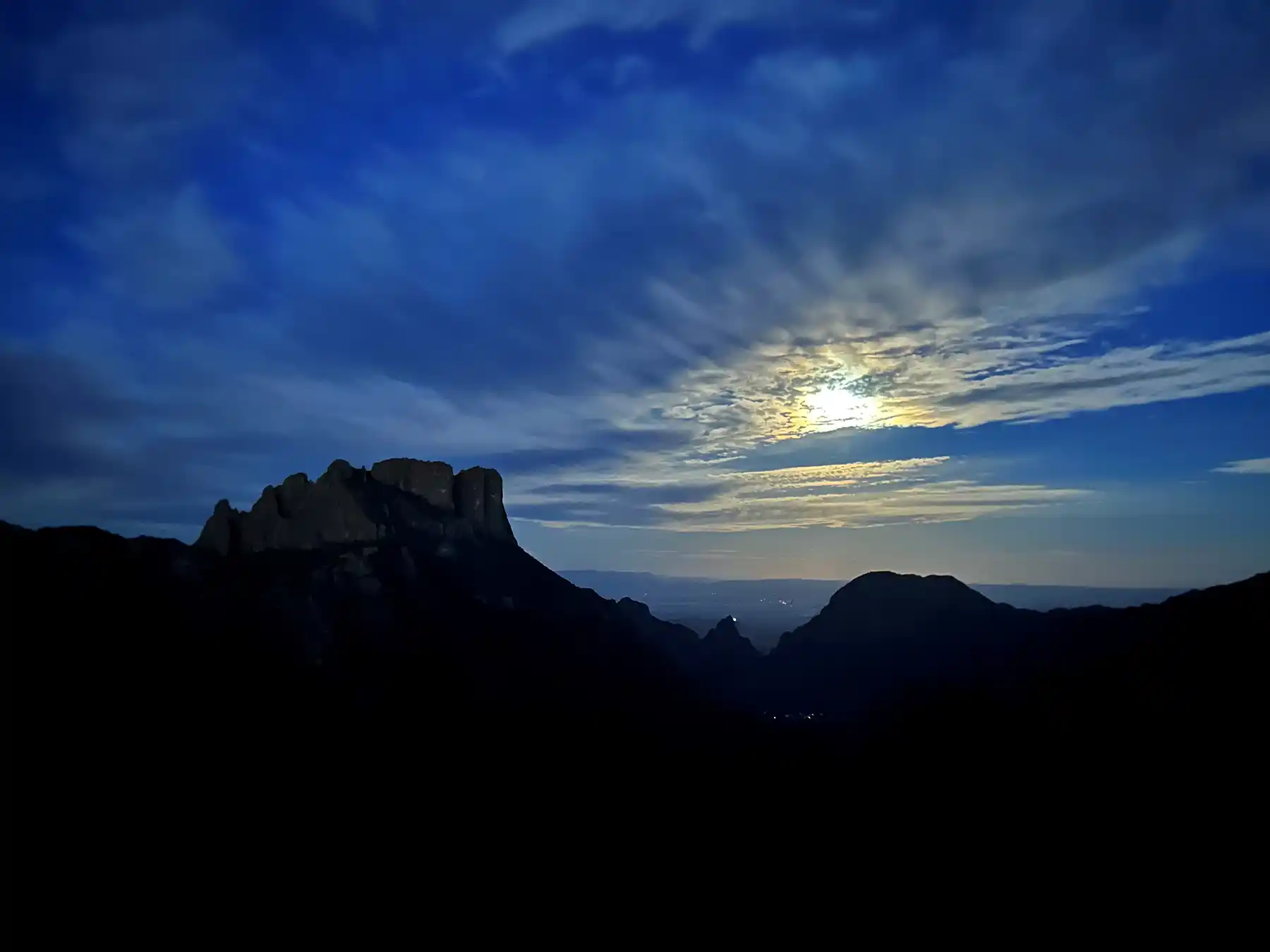
    • Big Bend National Park (TX)

    • Bryce Canyon National Park (UT)

Final Thoughts: Enjoy National Parks Without Breaking the Bank

Exploring national parks doesn’t have to be expensive. By using these budget-friendly tips, you can enjoy the beauty and adventure of America’s greatest landscapes without overspending.

Recap of Money-Saving Tips:

Visit on Fee-Free Days or Get an Annual Pass
Camp or Stay in Budget Accommodations
Bring Your Own Food & Drinks
Use Free Park Shuttles & Carpool
Take Advantage of Free Activities Like Hiking & Stargazing

National parks are meant to be enjoyed by everyone—regardless of budget. With a little planning, you can have an unforgettable adventure without breaking the bank!

Wild Wanderers Shop

Shop our top camping gear for all types of adventures!
Smoky Mountain National Park History

Wild Wanderers Almanac

Smoky Mountain National Park History

Smoky Mountain National Park History
smoky mountain national park history

Smoky Mountain National Park History: A Journey Through Time

 Nestled along the border of North Carolina and Tennessee, Great Smoky Mountains National Park is one of the most visited national parks in the United States. Known for its breathtaking landscapes, diverse wildlife, and rich cultural history, the park has a storied past that dates back thousands of years. From indigenous settlements to early European pioneers and the eventual establishment of a protected national treasure, the Great Smoky Mountain History is a fascinating tale of perseverance, preservation, and natural wonder.

Indigenous History: The Cherokee Connection

Long before European settlers arrived, the land that now forms the Great Smoky Mountains National Park was home to the Cherokee people. The Cherokee had a deep connection to the land, relying on its rich resources for sustenance, medicine, and spiritual practices. They built villages, developed agriculture, and established an intricate network of trails that wound through the mountains.

One of the most significant events in Cherokee history was the Trail of Tears in the 1830s, when the U.S. government forcibly removed thousands of Cherokee from their ancestral lands. However, some Cherokee managed to remain in the area, and today, the Eastern Band of Cherokee Indians still resides in the nearby Qualla Boundary.

European Settlement and Logging Era

By the late 1700s and early 1800s, European settlers began moving into the Smoky Mountains. They established small farming communities, built cabins, and lived off the land much like the Cherokee before them. Settlers such as the Ogle, Walker, and Trentham families left a lasting mark on the region, with some of their historic homesteads still preserved within the park today.

During the late 19th and early 20th centuries, the logging industry began to take a toll on the Smoky Mountains. The dense forests were seen as a valuable resource, leading to widespread deforestation. Large timber companies built railroads into the mountains to transport massive amounts of lumber, drastically altering the landscape. This industrial expansion raised concerns among conservationists and nature lovers, sparking the movement to protect the region.

Wildlife at Katmai National Park

The Push for a National Park

The idea of creating a national park in the Smoky Mountains gained traction in the early 1900s, inspired by the success of parks like Yellowstone and Yosemite. Unlike many Western national parks that were established on federal land, much of the Smoky Mountains was privately owned, making the creation of a park more challenging.

Two key figures in the movement to establish the park were Horace Kephart, a writer and outdoorsman, and Ann Davis, a civic leader from Tennessee. Along with others, they tirelessly campaigned for the preservation of the Smokies, garnering public and political support. Fundraising efforts led to significant donations, including a major contribution from the Rockefeller family, which helped purchase land for the park.

Finally, on June 15, 1934, Great Smoky Mountains National Park was officially established, becoming a symbol of conservation and a haven for outdoor enthusiasts.

The Role of the Civilian Conservation Corps (CCC)

Once the park was established, the Civilian Conservation Corps (CCC) played a crucial role in developing its infrastructure. As part of President Franklin D. Roosevelt’s New Deal programs during the Great Depression, the CCC employed young men to build roads, trails, bridges, and campgrounds throughout the park.

The CCC’s work can still be seen today in structures such as the Newfound Gap Road and the many well-maintained hiking trails. Their efforts not only made the park accessible to visitors but also helped restore and preserve its natural beauty.

The Park Today: A Testament to Conservation

Today, Great Smoky Mountains National Park is a designated UNESCO World Heritage Site and an International Biosphere Reserve. Spanning over 522,000 acres, the park boasts over 800 miles of hiking trails, historic structures, and an incredible variety of plant and animal life.

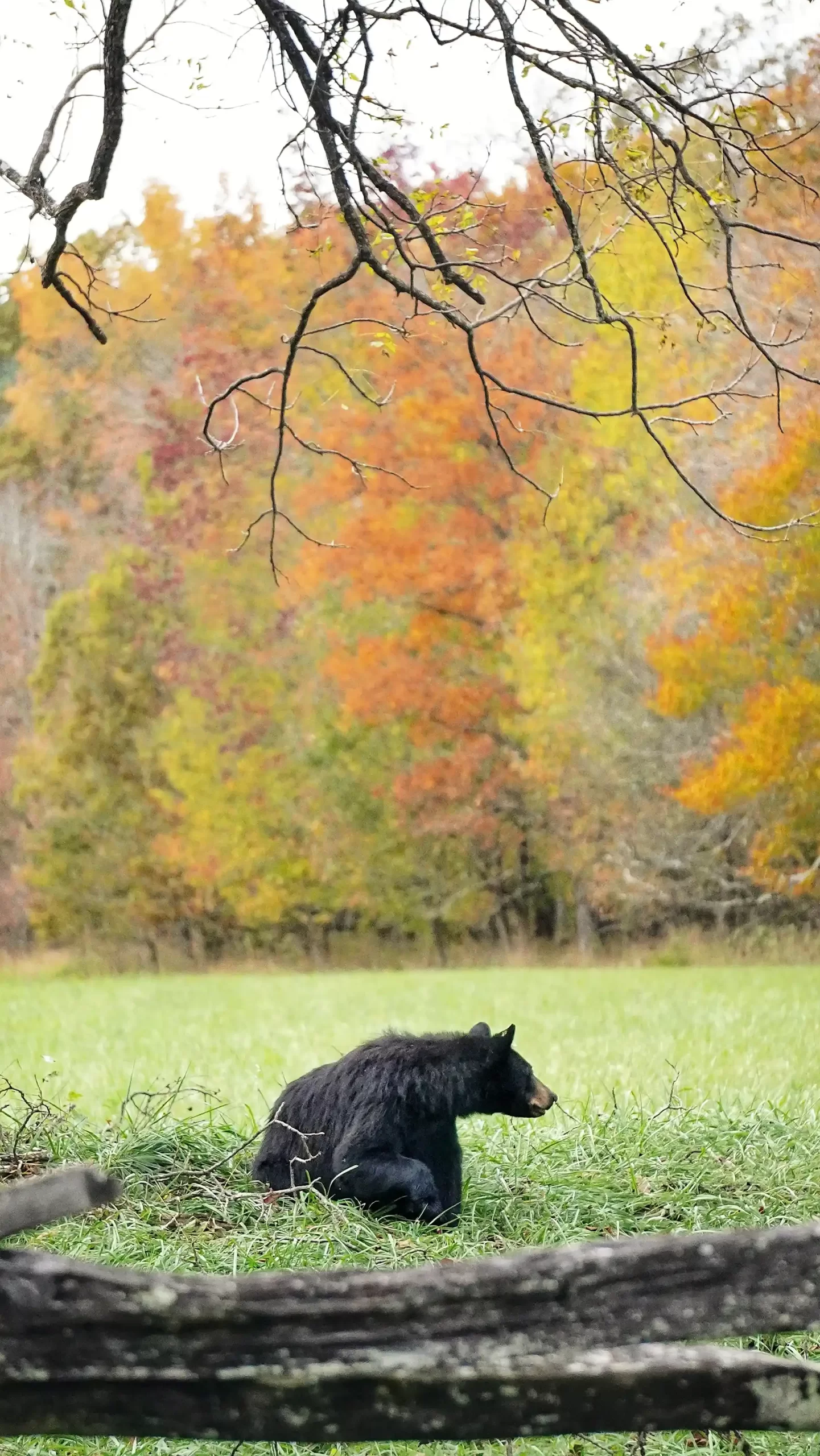
The park is home to over 19,000 documented species, including the famous black bears, elk, and synchronous fireflies. Scientists believe there could be tens of thousands of undiscovered species still thriving within its dense forests.

channel islands national park

Visiting the Smokies: A Step Back in Time

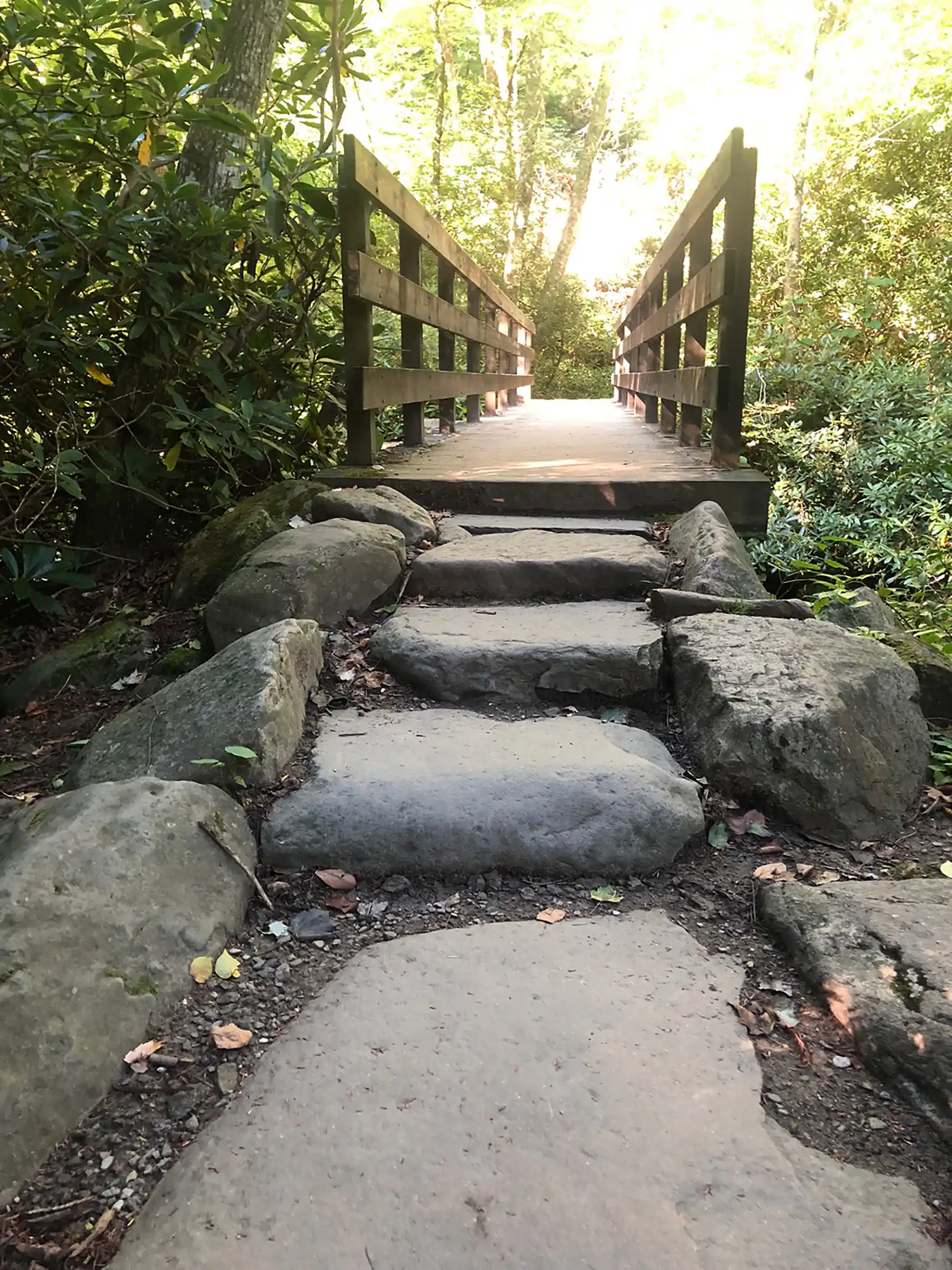
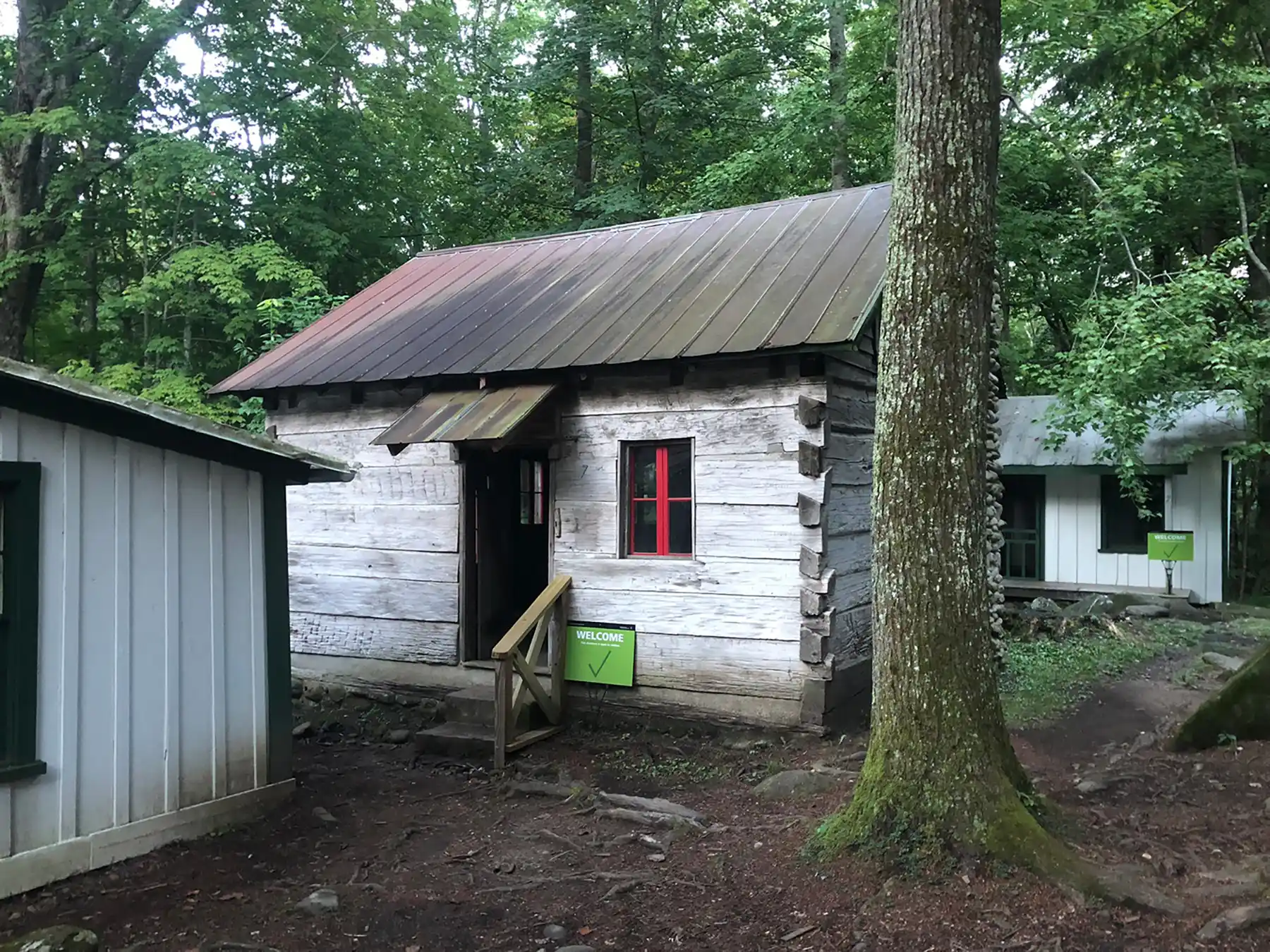
Visitors to the park can experience its history firsthand by exploring preserved pioneer cabins, visiting the Mountain Farm Museum, and hiking trails that follow ancient Cherokee footpaths. Historic sites such as Cades Cove, Elkmont, and the Cataloochee Valley offer a glimpse into the past, allowing travelers to see what life was like for early inhabitants of the region.

Additionally, the Oconaluftee Visitor Center features exhibits on both Cherokee and settler history, providing a well-rounded view of the park’s cultural heritage.

Preserving the Legacy

Smoky Mountain National Park History is one of resilience and dedication. Thanks to the efforts of early conservationists and continued preservation efforts, millions of people each year can experience the park’s stunning landscapes and rich heritage.

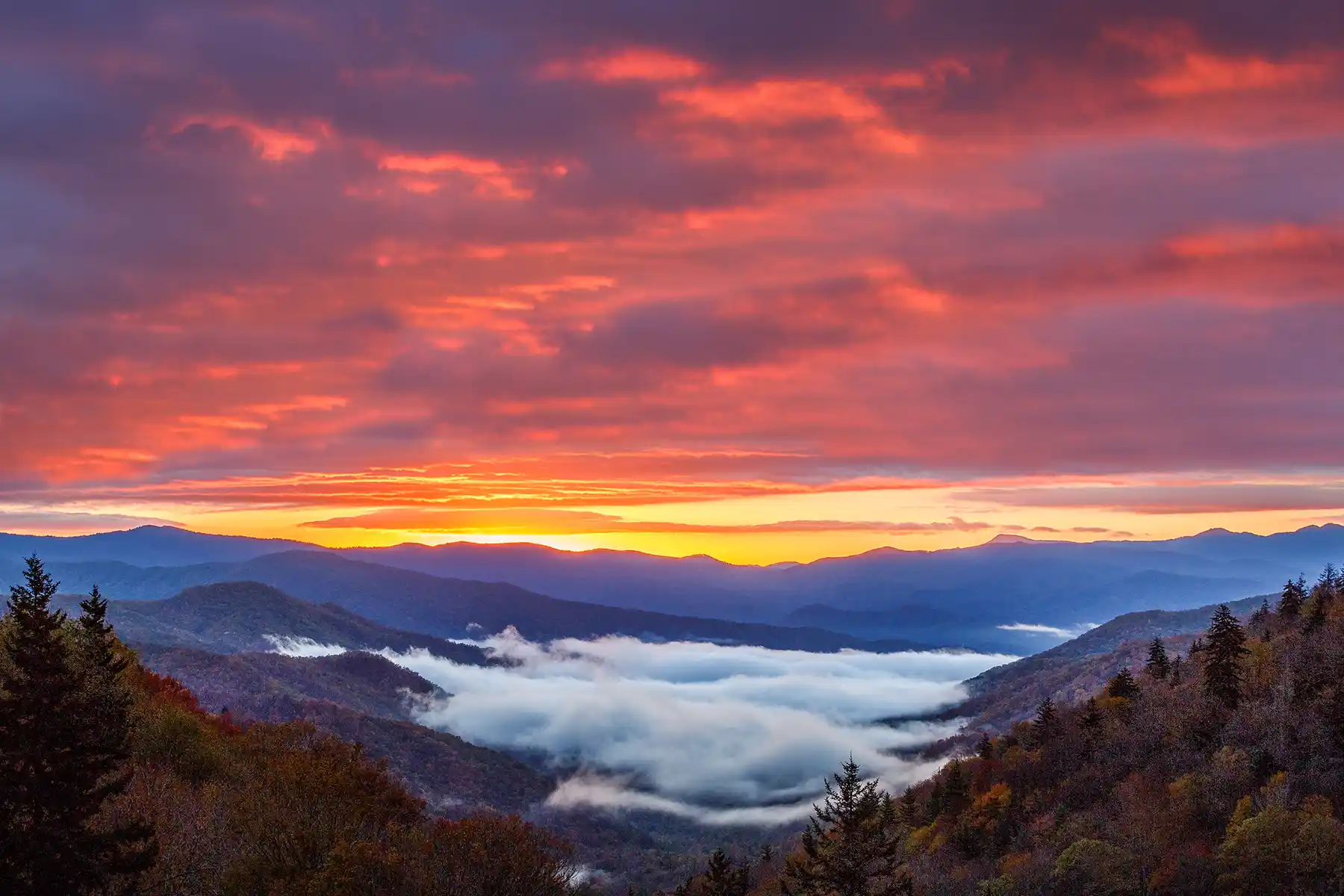
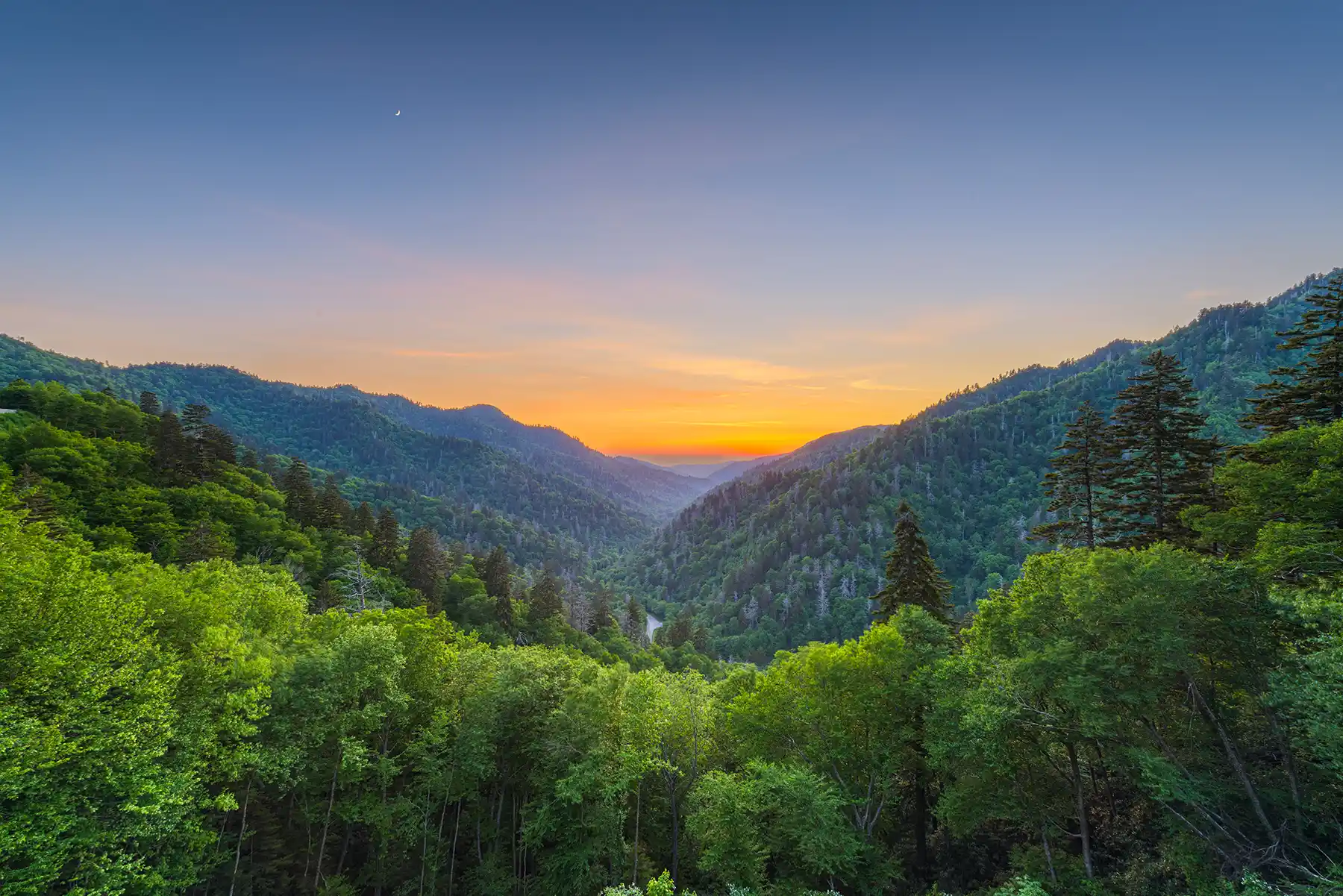
As we explore its mist-covered mountains, towering forests, and cascading waterfalls, we are reminded of the importance of protecting these natural spaces for future generations.

Whether you’re hiking along ancient trails, photographing the vibrant fall foliage, or simply breathing in the crisp mountain air, every visit to the Smokies is a journey through history. The Great Smoky Mountains National Park stands as a testament to the beauty of the natural world and the enduring efforts to preserve it.


arches national park trails

Arches National Park Trails

Arches National Park Trails

Easy - Difficult

channel island national park wildlife
arches national park trails

Exploring Arches National Park: A Guide to Its Best Trails

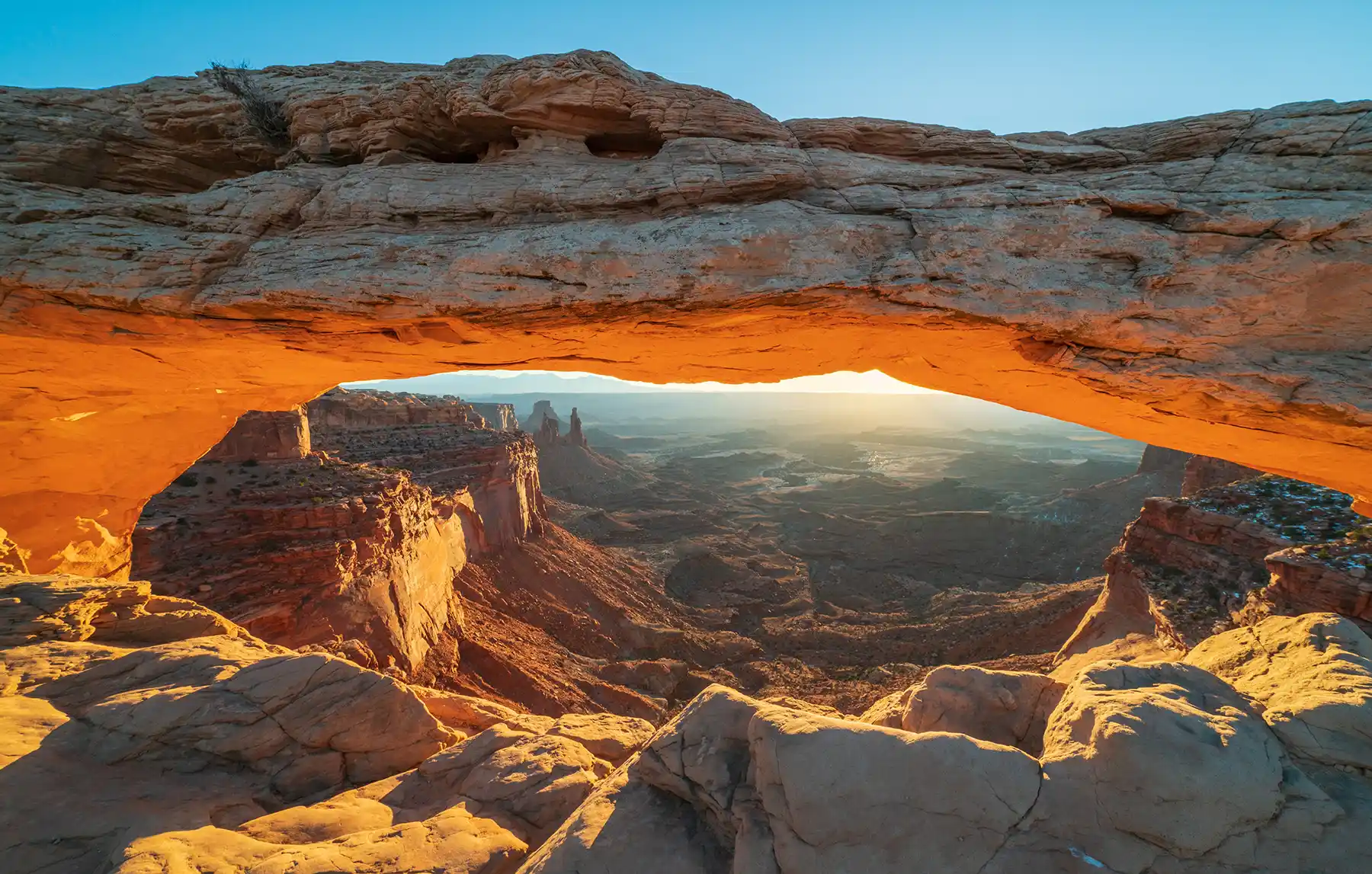
Arches National Park, located in eastern Utah, is a wonderland of natural stone arches, towering pinnacles, and stunning rock formations. With over 2,000 documented arches, the park offers an incredible hiking experience for visitors of all skill levels. Whether you’re looking for a short, scenic stroll or a challenging backcountry adventure, this guide covers some of Arches National Park trails, detailing their distances, difficulty levels, and what you can expect along the way.

Landscape Arch Trail (Devils Garden)

  • Distance: 1.6 miles round trip
  • Difficulty: Easy
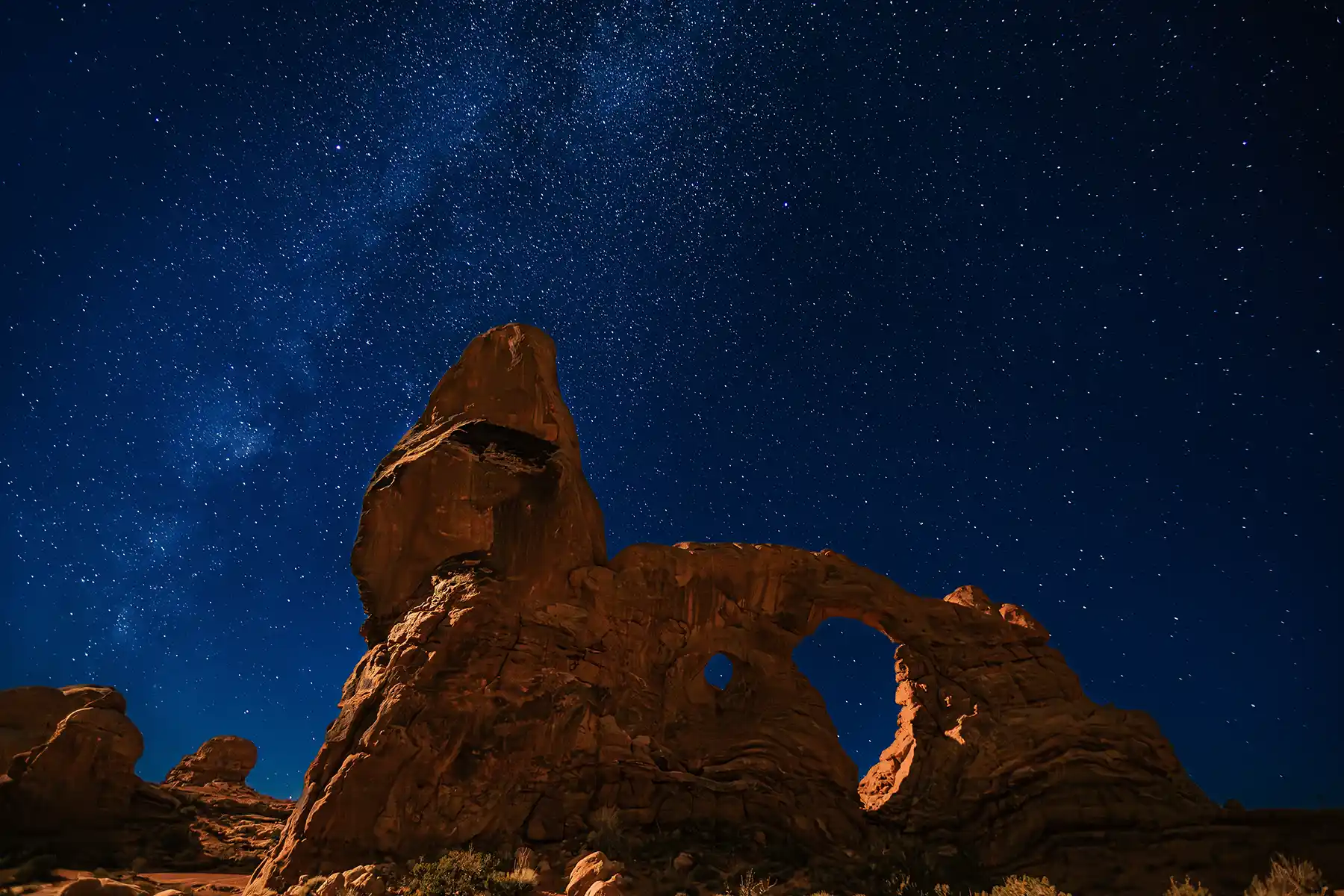
  • Details: Located in the Devils Garden area, this easy trail takes you to Landscape Arch, one of the longest natural arches in the world, spanning 306 feet. The trail is mostly flat and well-maintained, making it perfect for families and casual hikers. Along the way, you’ll see other impressive rock formations, such as Pine Tree Arch and Tunnel Arch.
Wildlife at Katmai National Park
badlands national park hiking

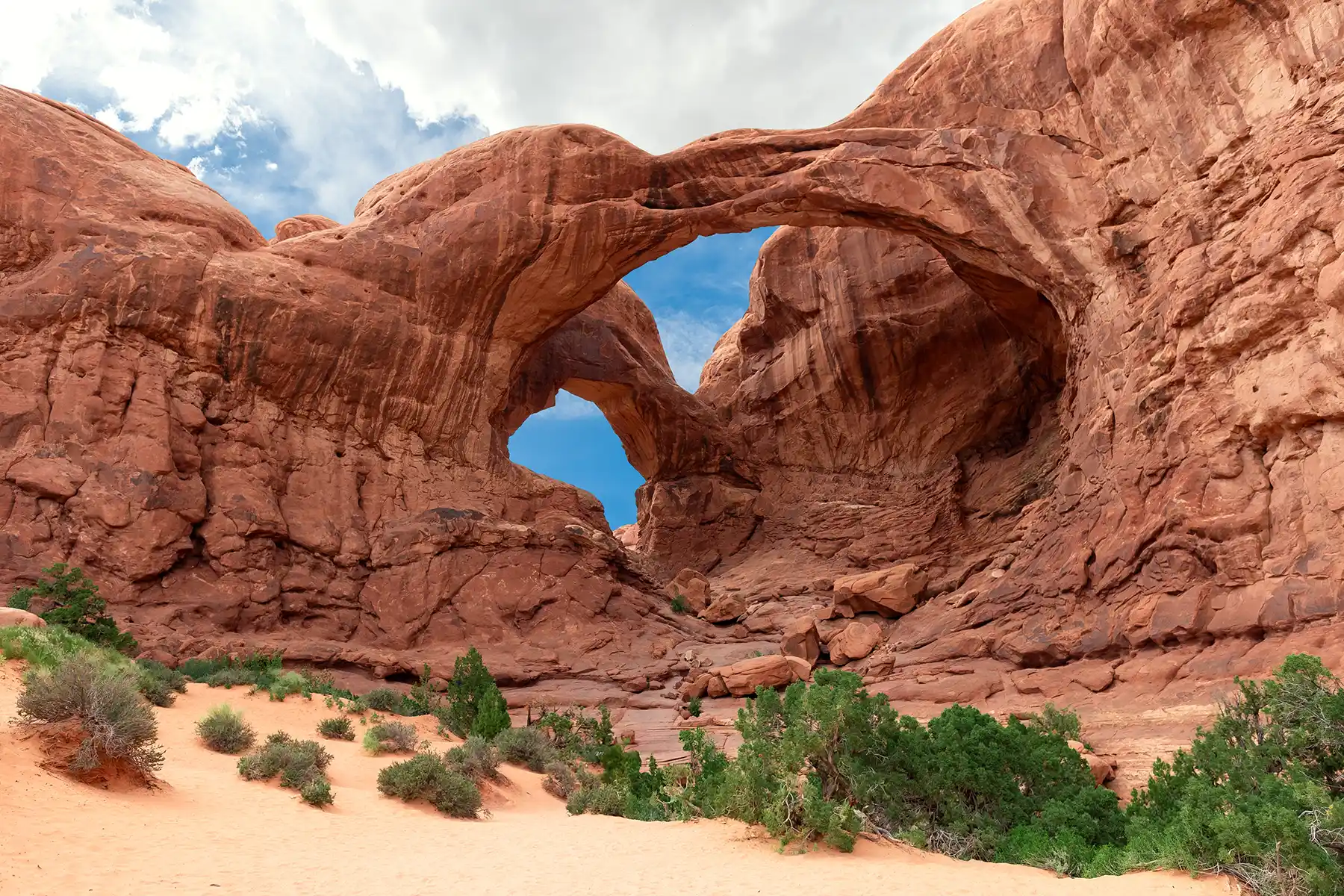
Double Arch Trail

  • Distance: 0.5 miles round trip
  • Difficulty: Easy
  • Details: This short and easy trail leads to Double Arch, a stunning rock formation where two massive arches share the same base. The trail is flat and accessible, making it a great choice for visitors of all ages. The best time to visit is early morning or late afternoon when the sunlight enhances the beauty of the arches.

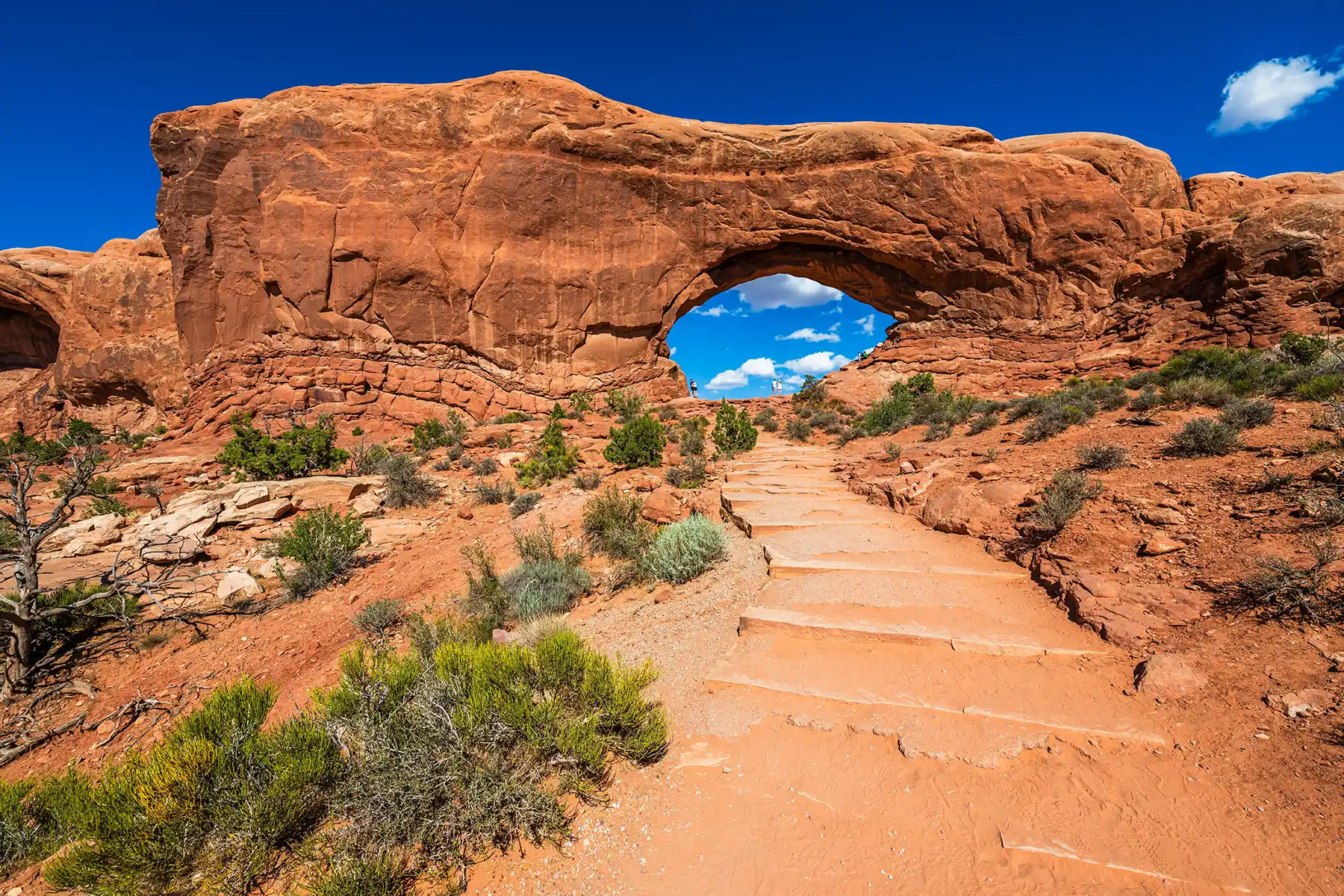
The Windows Loop and Turret Arch

  • Distance: 1 mile round trip

  • Difficulty: Easy

  • Details: This loop trail takes hikers to the North and South Windows, as well as Turret Arch. The Windows section is often called the “Spectacles” because the two large arches resemble a pair of glasses. This is one of the most photographed areas in the park and offers excellent opportunities for sunrise and sunset photography.

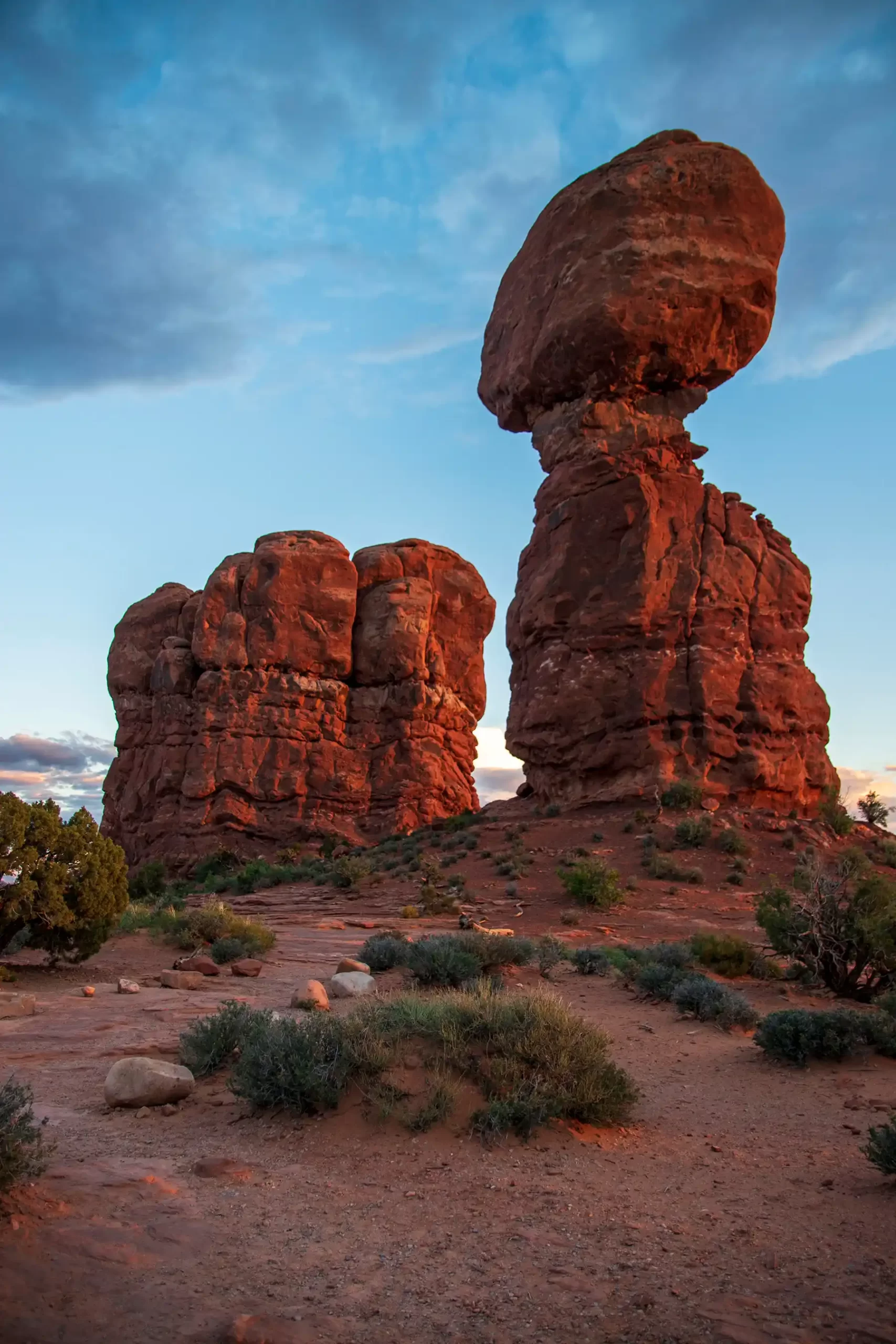
Balanced Rock Trail

  • Distance: 0.3 miles round trip

  • Difficulty: Easy

  • Details: One of the most recognizable formations in the park, Balanced Rock stands precariously atop a narrow pedestal. This short loop trail provides a close-up view of the rock formation and is a great stop for those who want a quick yet rewarding walk.

Sand Dune Arch Trail

  • Distance: 0.3 miles round trip

  • Difficulty: Easy

  • Details: A fun and family-friendly trail, Sand Dune Arch is nestled between high rock walls, providing a shaded and cool escape from the desert heat. The soft sand makes it an enjoyable spot for kids, and the surrounding rock formations create a unique and photogenic setting.

Park Avenue Trail

  • Distance: 2 miles round trip

  • Difficulty: Moderate

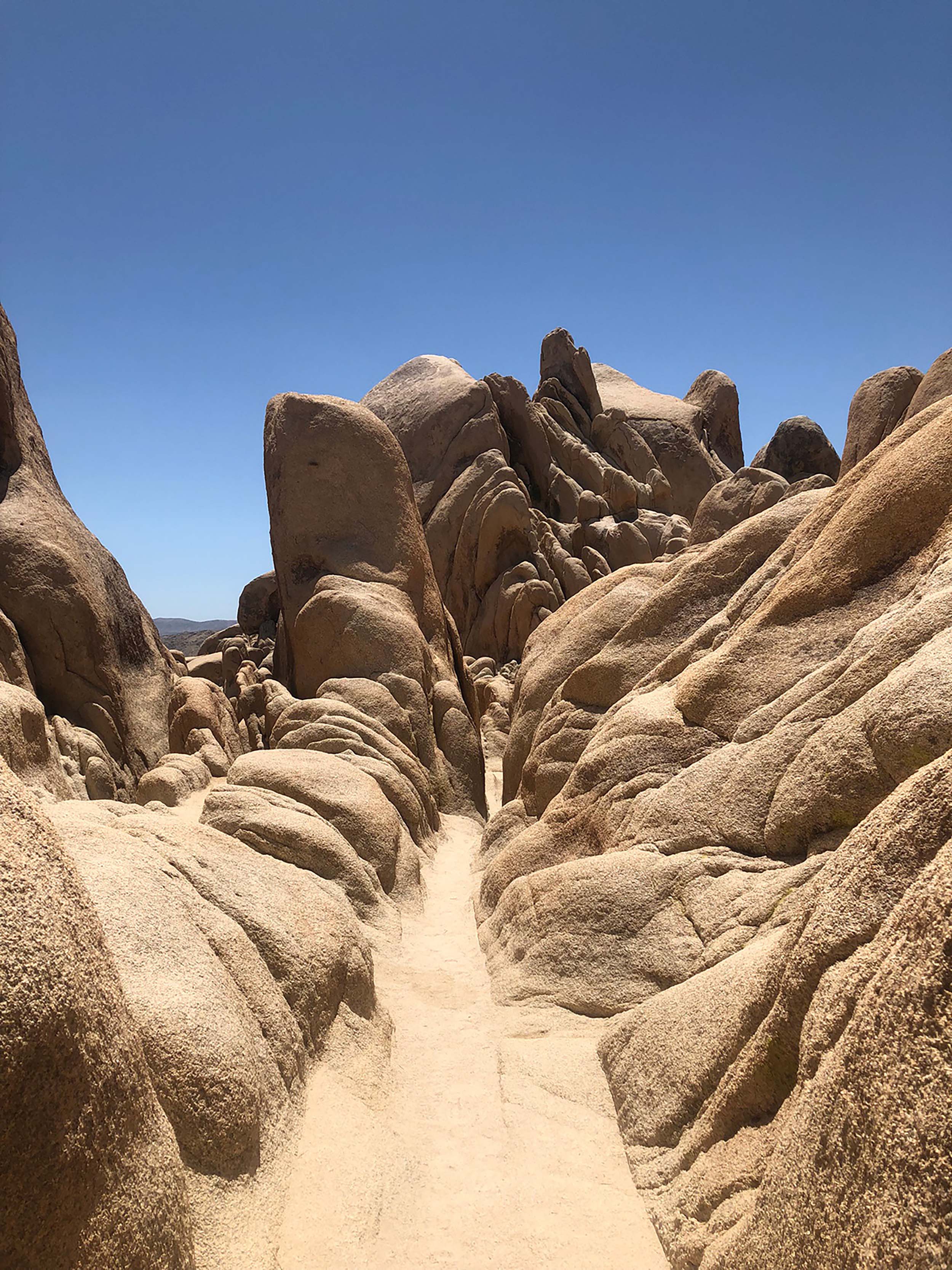
  • Details: This scenic hike descends into a canyon flanked by towering red rock formations resembling the skyscrapers of a city, hence the name “Park Avenue.” The trail follows a dry wash and offers excellent views of formations like Courthouse Towers and the Three Gossips.

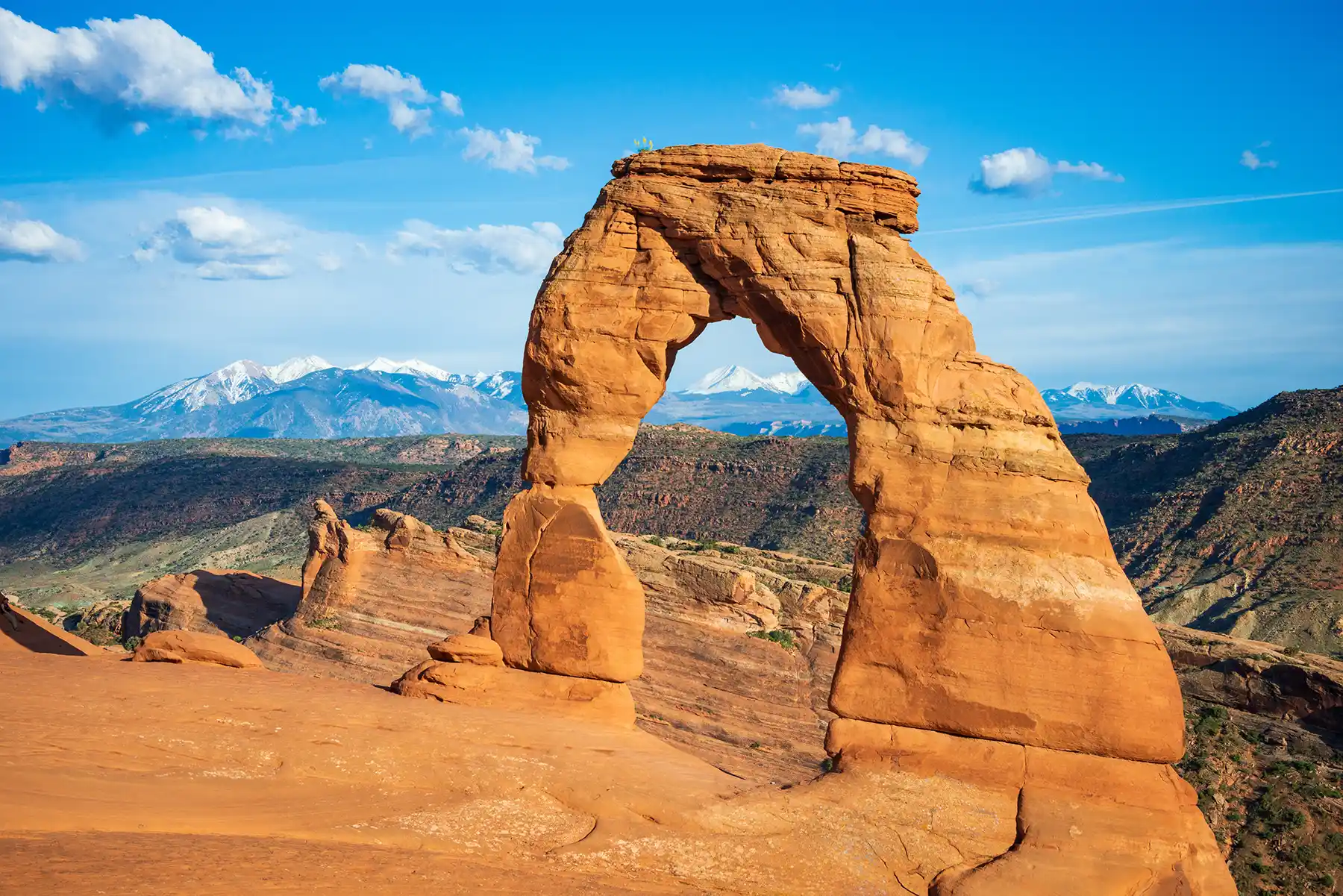
Delicate Arch Trail

  • Distance: 3 miles round trip

  • Difficulty: Moderate to Strenuous

  • Details: Delicate Arch is the most famous arch in the park and one of the most iconic landmarks in Utah. The trail starts at the Wolfe Ranch parking area and involves a steady uphill climb over slickrock. The last part of the trail follows a narrow rock ledge, offering dramatic views before reaching the arch itself. Hikers should bring plenty of water, as there is little shade.

Devils Garden Trail (Full Loop)

  • Distance: 7.8 miles round trip

  • Difficulty: Strenuous

  • Details: This challenging hike takes you through some of the most spectacular scenery in Arches National Park. Along the way, you’ll see several arches, including Tunnel Arch, Pine Tree Arch, Landscape Arch, Partition Arch, Navajo Arch, and Double O Arch. The trail involves rock scrambling and some exposed sections, making it best suited for experienced hikers.

arches national park trails

Fiery Furnace (Permit or Ranger-Guided Tour Required)

  • Distance: Varies

  • Difficulty: Strenuous

  • Details: Fiery Furnace is a labyrinth of narrow canyons and towering rock walls. Because of its complex and rugged terrain, visitors must either join a ranger-led tour or obtain a special permit to explore it independently. The hike requires good navigation skills and involves scrambling over rocks, squeezing through tight spaces, and climbing over obstacles. This adventure is not for the faint of heart but is incredibly rewarding for those who take it on.

Tips for Hiking in Arches National Park

  • Stay Hydrated: The desert environment can be extremely dry and hot, especially in summer. Carry plenty of water.
  • Wear Sturdy Shoes: Many trails involve walking on uneven or slippery rock surfaces, so proper footwear is essential.
  • Start Early or Late: Avoid hiking in the midday heat by starting your hikes early in the morning or later in the afternoon.
  • Respect Park Rules: Stay on designated trails to protect the fragile desert ecosystem and avoid damaging the arches.
  • Check Weather Conditions: Flash floods and extreme temperatures can make certain trails dangerous, so always check the forecast before heading out.
arches national park trails

Conclusion

Arches National Park offers an incredible array of hiking trails, ranging from short and easy walks to challenging backcountry adventures. Whether you’re visiting for a few hours or planning a full-day trek, the park’s diverse landscapes and breathtaking formations are sure to leave a lasting impression. Pack your gear, hit the trails, and get ready to explore one of the most stunning national parks in the U.S.!

Badlands National Park Hiking

Wild Wanderers Almanac

Badlands National Park Hiking

channel island national park wildlife
badlands national park hiking

Exploring the Best Hiking Trails in Badlands National Park

Badlands National Park, located in southwestern South Dakota, is a rugged landscape of eroded buttes, towering spires, and expansive prairies. Known for its dramatic rock formations and fossil beds, the park offers some of the most breathtaking and unique hiking experiences in the country. Whether you’re a seasoned hiker or a casual adventurer, there are trails suited for every skill level.

Notch Trail

Distance: 1.5 miles round-trip
Difficulty: Moderate
Highlights: Ladder climb, canyon views, scenic overlook

One of the most popular hikes in the park, Notch Trail offers a thrilling adventure with its iconic wooden ladder climb and stunning views of the White River Valley. The trail begins in a canyon and leads to an incredible overlook, making it a favorite for photographers and thrill-seekers alike.

Wildlife at Katmai National Park
badlands national park hiking

Door Trail

Distance: 0.75 miles round-trip
Difficulty: Easy
Highlights: Boardwalk access, dramatic rock formations

Perfect for beginners and families, the Door Trail provides a short but rewarding journey into the heart of the Badlands. The boardwalk portion of the trail leads to a break in the Badlands Wall, giving hikers an up-close look at the rugged terrain.

Castle Trail

Distance: 10 miles round-trip
Difficulty: Moderate
Highlights: Expansive views, unique rock formations, wildlife sightings

As the longest maintained trail in the park, Castle Trail is perfect for those seeking a longer hike through the stunning Badlands landscape. The trail features sweeping prairie views, towering formations, and a chance to spot bison, bighorn sheep, and prairie dogs along the way.

Saddle Pass Trail

Distance: 0.25 miles one-way
Difficulty: Strenuous
Highlights: Steep climb, panoramic views

Short but challenging, Saddle Pass Trail takes hikers up a steep incline to a breathtaking viewpoint overlooking the Badlands. While the trail is only a quarter-mile long, the climb is intense and recommended for those looking for a quick but rewarding challenge.

Fossil Exhibit Trail

Distance: 0.25 miles round-trip
Difficulty: Easy
Highlights: Fossil replicas, educational displays

This short, accessible trail features informative exhibits showcasing the ancient fossils found within the park. It’s an excellent option for families and those interested in learning about the prehistoric creatures that once roamed the Badlands.

Tips for Hiking in Badlands National Park

  • Stay Hydrated: The dry, rugged terrain and limited shade make hydration essential. Bring plenty of water.

  • Watch for Wildlife: Keep a safe distance from bison, prairie dogs, and other wildlife.

  • Wear Proper Footwear: The terrain can be loose and uneven, so sturdy hiking shoes are recommended.

  • Be Prepared for Weather Changes: The Badlands can experience extreme temperature shifts, so dress in layers and check the forecast before heading out.

  • Follow Leave No Trace Principles: Respect nature by staying on designated trails and packing out all trash.

Wildlife at Katmai National Park

Experience the Adventure

Whether you’re looking for a short and scenic stroll or a challenging trek, Badlands National Park offers an unforgettable hiking experience. Its unique geological formations, diverse wildlife, and breathtaking views make it a must-visit destination for nature lovers and outdoor enthusiasts alike.

Rocky Mountain National Park Camping

Wild Wanderers Almanac

Rocky Mountain National Park Camping

Wildlife at Katmai National Park
rocky mountain national park camping

Camping in Rocky Mountain National Park: A Complete Guide

Rocky Mountain National Park (RMNP) is a premier destination for campers seeking stunning landscapes, abundant wildlife, and outdoor adventure. Whether you prefer the convenience of a developed campground or the solitude of the backcountry, RMNP offers a variety of camping experiences. This guide provides essential details on where to camp, what to expect, and how to prepare for your adventure.

Moraine Park Campground

  • Number of Sites: 244

  • Open: Year-round; reservations required in peak season.

Moraine Park Campground is one of the most popular camping areas in RMNP, offering breathtaking views of the valley and surrounding peaks. Located near the Bear Lake Road corridor, it provides easy access to some of the park’s most famous hiking trails, including Bear Lake, Fern Lake, and Cub Lake. The campground is known for frequent wildlife sightings, including elk and deer, making it a fantastic spot for nature lovers and photographers.

Wildlife at Katmai National Park

Glacier Basin Campground

  • Number of Sites: 150

  • Open: Seasonally; reservations recommended.

Glacier Basin Campground is a favorite among hikers and backpackers due to its proximity to iconic trails like Dream Lake, Sky Pond, and Emerald Lake. Nestled among towering pine trees, this campground offers a more shaded and secluded atmosphere. It also features group camping sites, making it an excellent option for large gatherings or family trips. Visitors can enjoy ranger-led programs and stunning sunrise views over the mountains.

Aspenglen Campground

  • Number of Sites: 52

  • Open: Seasonally; reservations required.

Aspenglen Campground is located near the Fall River Entrance Station and provides a quieter, more intimate camping experience. With fewer sites than other campgrounds, it offers a peaceful retreat for those looking to escape the crowds. The nearby Old Fall River Road leads to scenic viewpoints, waterfalls, and alpine meadows filled with wildflowers during the summer. This campground is ideal for those seeking a more relaxed and tranquil stay in the park.

rocky mountain national park camping

Timber Creek Campground

  • Number of Sites: 98

  • Open: Seasonally; first-come, first-served.

Timber Creek Campground is the only developed campground on the west side of RMNP, situated near the Kawuneeche Valley. This area is known for its excellent wildlife viewing opportunities, particularly moose and elk. The campground has fewer trees due to past beetle infestations, which provides campers with expansive views of the mountains and night sky. It is a great option for visitors exploring the Colorado River headwaters and western trails of the park.

Longs Peak Campground (Tent-Only)

  • Number of Sites: 26

  • Open: Seasonally; first-come, first-served.

Longs Peak Campground is a high-elevation, tent-only camping area located at 9,500 feet near the trailhead for Longs Peak, the park’s tallest mountain. Due to its location, this campground is a top choice for climbers and experienced hikers attempting the challenging ascent of Longs Peak. The area offers a rugged, back-to-nature experience, with no RV accommodations and limited amenities. Campers should be prepared for colder temperatures and changing weather conditions.

Popular Backcountry Camping Destinations:

  • Thunder Lake – A serene alpine lake surrounded by rugged peaks.

  • Wild Basin Area – Home to waterfalls, dense forests, and scenic campsites.

  • Sky Pond – A challenging but rewarding destination with dramatic mountain views.

Backcountry camping requires careful planning, including checking trail conditions, securing permits, and preparing for unpredictable weather.

Wildlife at Katmai National Park

Essential Camping Tips & Regulations

  • Reservations & Permits: Campground reservations are required during peak months, and backcountry permits must be obtained in advance.

  • Bear Safety: Store all food and scented items in bear-proof containers or designated lockers.

  • Weather Preparedness: RMNP’s high elevation causes rapid weather changes; bring layers, rain gear, and cold-weather supplies.

  • Fires & Cooking: Fire restrictions may apply; camp stoves are often the safest cooking option.

  • Altitude Awareness: Acclimate gradually and stay hydrated to prevent altitude sickness.

  • Leave No Trace: Pack out all waste, respect wildlife, and stay on designated trails.