
5 Common Camping Mistakes
5 Common Camping Mistakes (And How to Avoid Ruining Your Trip)
First camping trip? Read this before you pack — the small, preventable mistakes that snowball at the campsite (and exactly how to avoid them).
Quick Facts (scan this first)
Most “ruined” trips aren’t storms or wildlife — they’re small oversights that compound once you arrive.
Fix: pack essentials first, verify campground rules, plan for cold nights, store food correctly, and build a repeatable system.
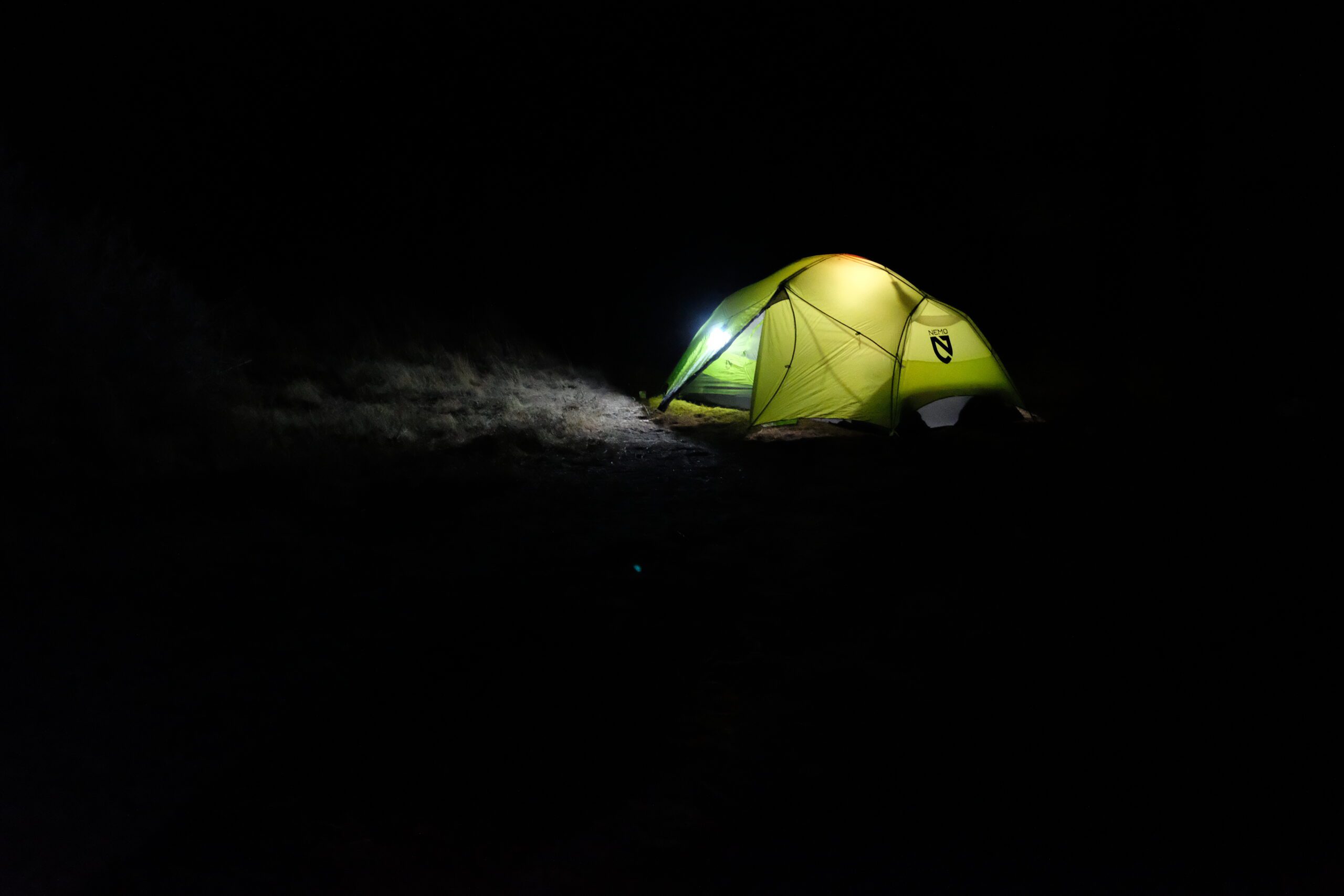
First Camping Trip? Read This Before You Pack.
Most ruined camping trips aren’t caused by storms, wildlife encounters, or bad luck.
They’re caused by small, preventable camping mistakes that snowball once you’re already at the campsite — when it’s too late to fix them.
For first-time campers especially, excitement often replaces preparation. You throw gear into bins, grab a few comfort items, and assume everything will work itself out once you arrive.
It won’t.
From forgetting critical essentials to ignoring campground rules, simple oversights can quickly turn a relaxing outdoor escape into a stressful weekend. The good news? Every single one of these common camping mistakes is avoidable.
Below, we break down the five biggest camping mistakes beginners make — and exactly how to avoid them. Plus, we’ll show you how to build a smart packing system you can reuse for every future trip.
1) Overpacking Comfort Items — But Forgetting Essentials
This is the most common camping mistake of all. New campers often pack for comfort instead of survival and functionality: extra blankets, multiple outfit changes, decorative lanterns, camp games — but no extra batteries, no headlamp, and sometimes not even a reliable sleeping pad.
Comfort is important. But camping essentials come first.
What people forget most often
- Headlamp or flashlight
- Extra batteries or portable power bank
- Sleeping pad (not just a sleeping bag)
- Weather-appropriate layers
- Multi-tool or knife
- Camp stove fuel
- Trash bags
How to avoid this mistake
Use a categorized packing system:
- Shelter
- Sleep system
- Cooking & food
- Safety
- Clothing
- Comfort add-ons
Build your base kit first. Then add extras only if space allows. A reliable tent, insulated sleeping bag rated for the correct temperature, and a quality sleeping pad will do more for your comfort than five throw blankets ever will.
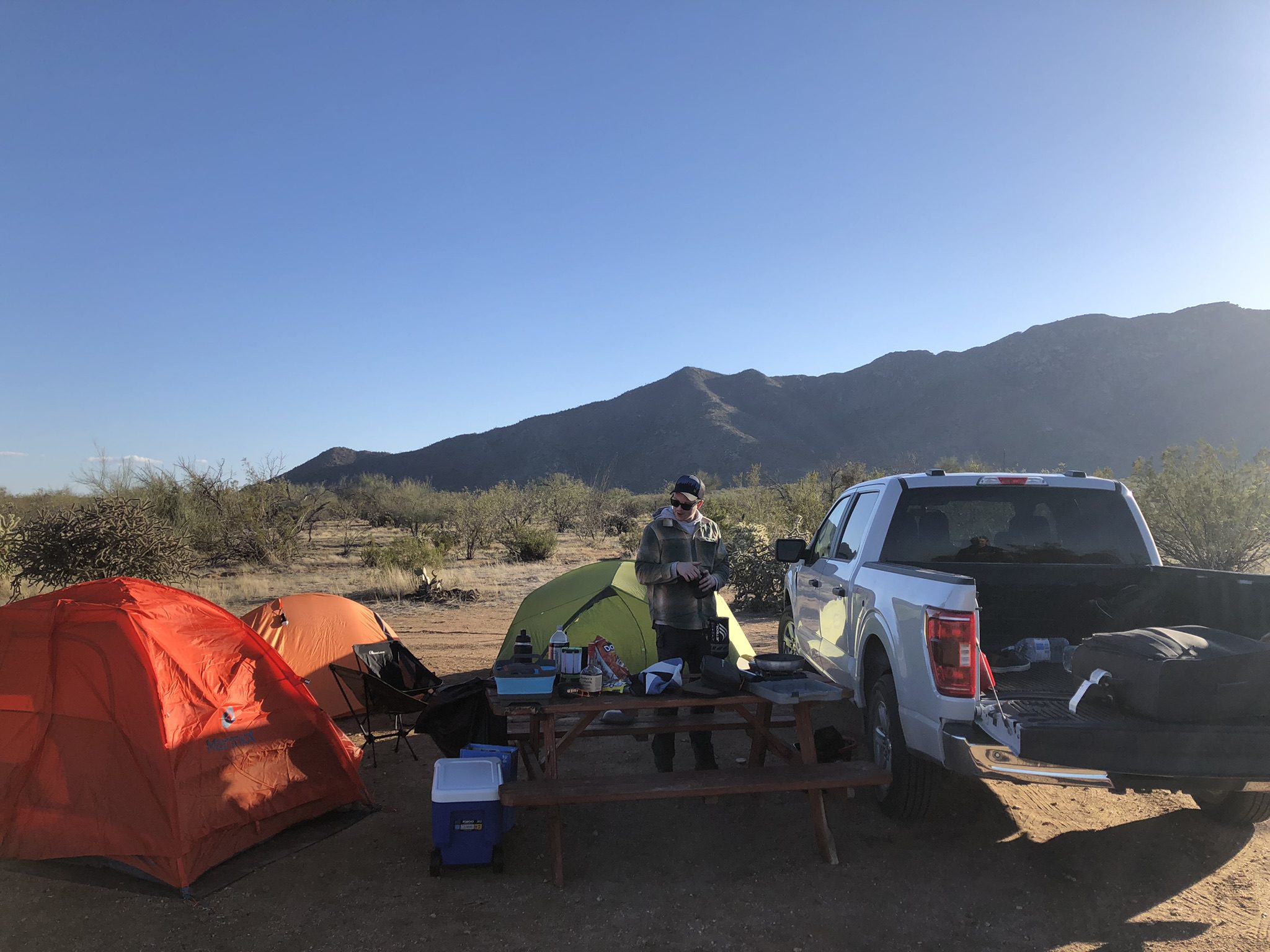
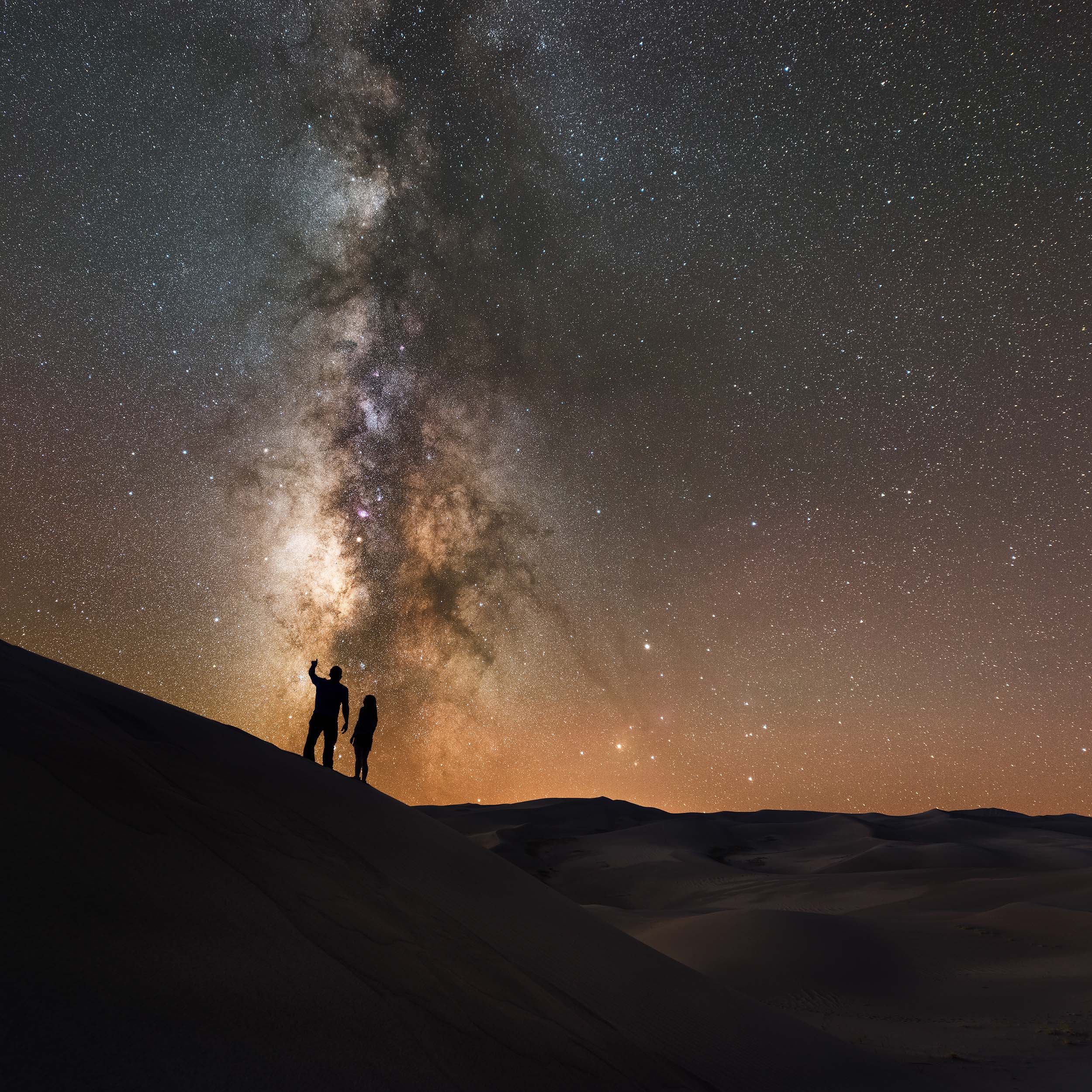
2) Not Checking Campground Rules or Fire Restrictions
Nothing ruins a campsite vibe faster than discovering you can’t do what you planned. Many first-time campers assume every campground allows campfires, generators, pets, or late-night gatherings. They don’t.
Fire bans are especially common in national parks and western states during dry seasons. Showing up with firewood — only to find open flames are prohibited — is both frustrating and wasteful.
Other overlooked campground rules
- Quiet hours
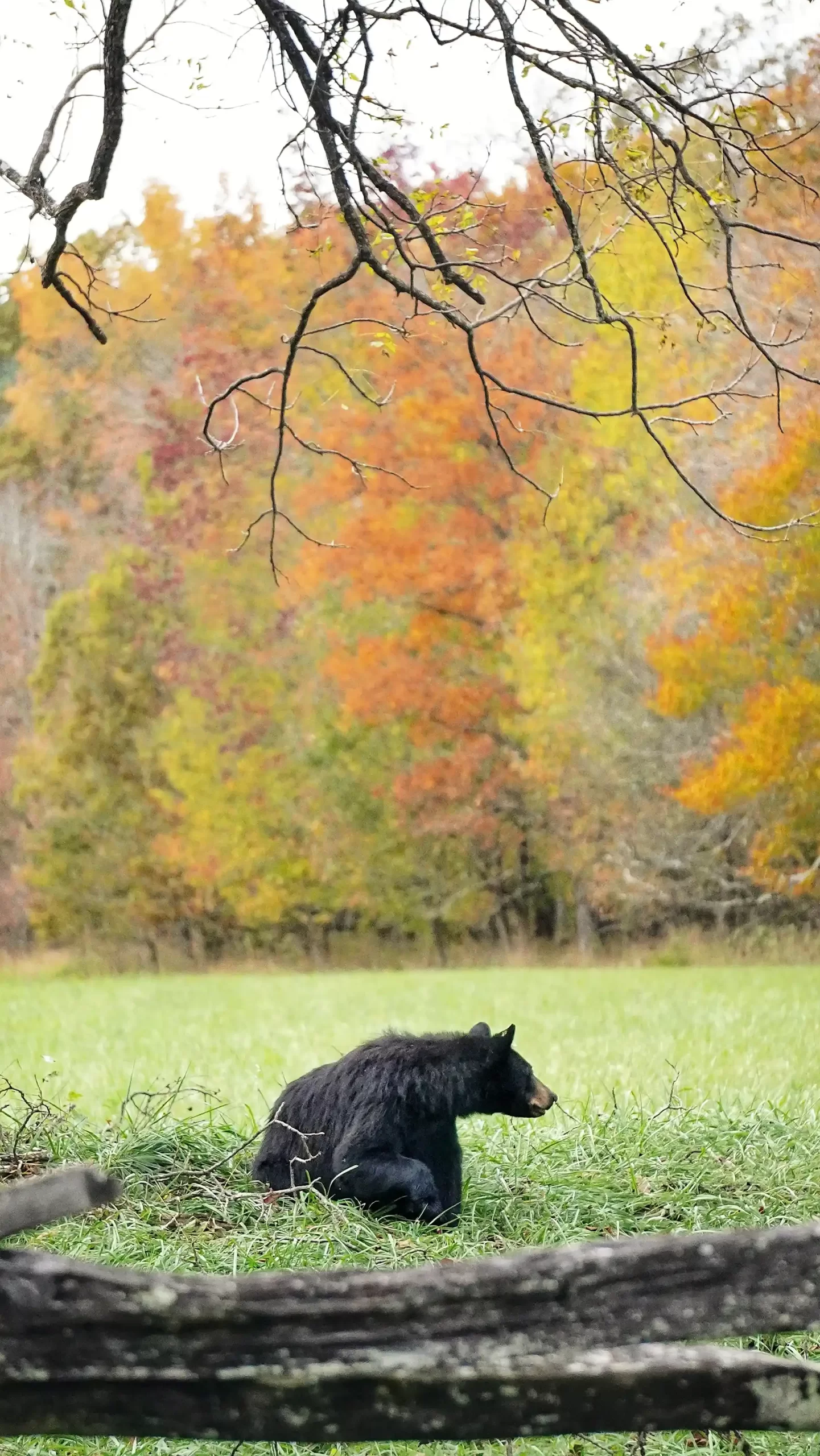
- Food storage requirements (especially in bear country)
- Check-in and checkout times
- Vehicle limits per site
- Generator restrictions
How to avoid this mistake
Before leaving home:
- Visit the official park or campground website
- Check fire restrictions and weather advisories
- Review wildlife alerts
- Confirm reservation details
If you’re camping in national parks, always check for wildlife safety guidance. Bear spray may be recommended in certain regions. Food lockers may be mandatory. Preparation equals peace of mind.
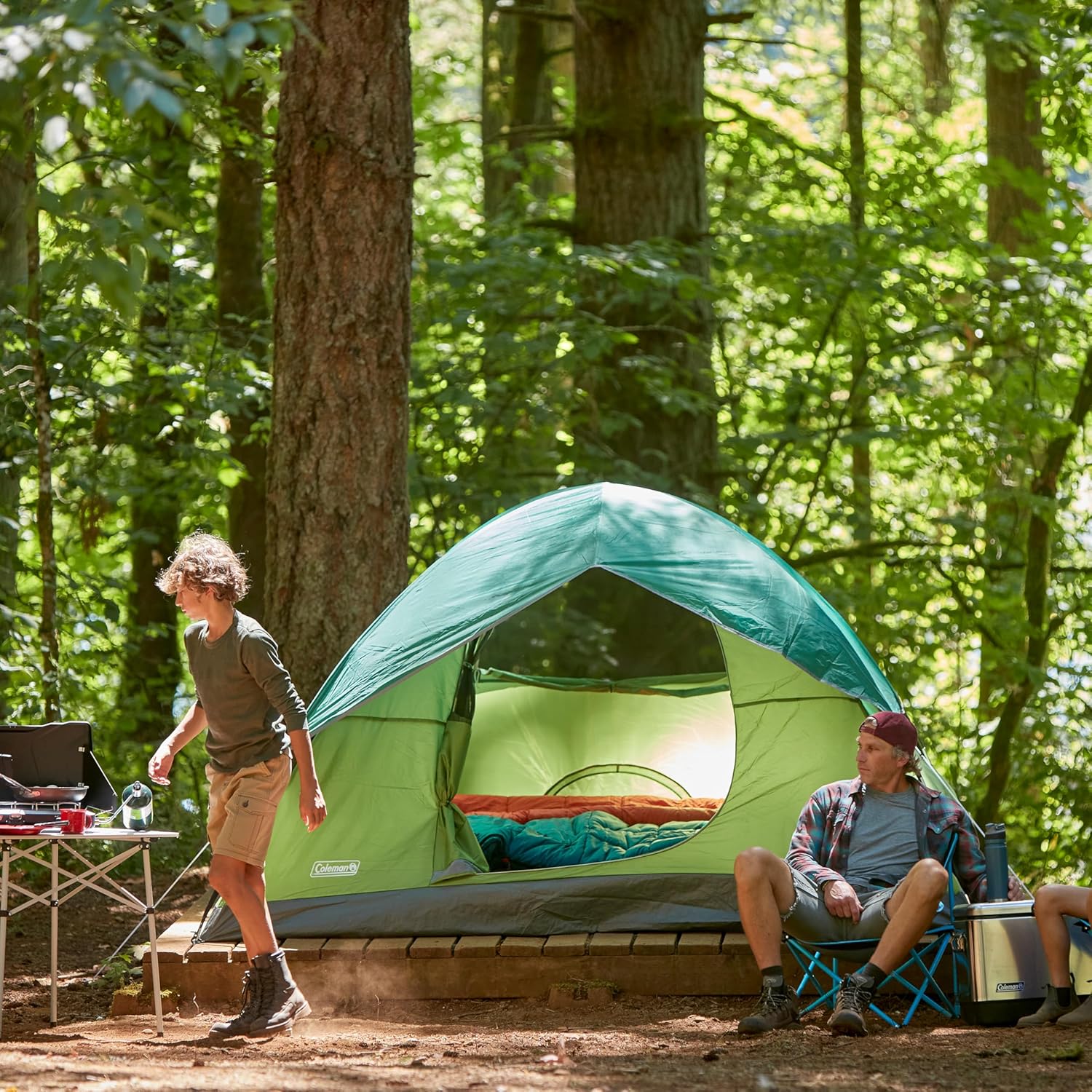
3) Ignoring Nighttime Temperature Drops
This is one of the most underestimated beginner camping mistakes. You check the forecast — 75°F during the day — and pack accordingly. But temperatures can drop 20–30 degrees after sunset, especially in mountain regions and desert parks.
Suddenly, that mild afternoon turns into a freezing night inside your tent.
Why this happens
Clear skies allow heat to escape quickly at night. Elevation amplifies the temperature swing. And tents offer very little insulation. Even summer camping trips can dip into the 40s overnight in many national parks.
How to avoid this mistake
Always check:
- Daytime high
- Overnight low
- Elevation of your campsite
Then pack accordingly. Bring:
- Insulated sleeping bag rated at least 10 degrees below expected low
- Thermal base layers
- Wool socks
- Beanie or knit cap
- Insulated sleeping pad
Layering wins
It’s easier to remove clothing than wish you had more. Your sleeping pad matters as much as your sleeping bag.
Quick reset
Pack smart, not heavy
Build a base kit that covers shelter, sleep, cooking, and safety first. Comfort items are optional extras — not the foundation.
4) Poor Food Planning and Storage
Food mistakes are both inconvenient and dangerous. Common beginner errors include bringing too much perishable food, forgetting ice or extra cooler insulation, leaving food unattended (which attracts wildlife), and not packing easy breakfasts or snack options.
In national parks, improper food storage can lead to wildlife encounters — especially with raccoons, coyotes, or bears. Even if animals aren’t a concern, soggy, warm food halfway through your trip is never fun.
How to avoid this mistake
Plan meals by day. Pre-prep at home.
Example meal plan
- Day 1 Dinner: Pre-marinated kebabs
- Day 2 Breakfast: Oatmeal + fruit
- Day 2 Dinner: Foil packet potatoes + sausage
Use airtight containers and keep your cooler shaded.
In bear country
- Store food in designated lockers
- Never keep food in your tent
- Clean dishes immediately
Why it matters
Smart food planning reduces stress, saves money, and keeps wildlife safe.
5) Not Having a Simple Camping System
This final mistake ties everything together. Many first-time campers approach each trip as a completely new experience. They pack from scratch every time. They forget what worked and what didn’t. Without a repeatable system, mistakes repeat themselves.
Build a reusable camping kit
Create:
- A dedicated camping gear bin
- A laminated master checklist
- A pre-trip planning routine
Keep commonly used items stored together year-round:
- Tent stakes
- Headlamp
- First-aid kit
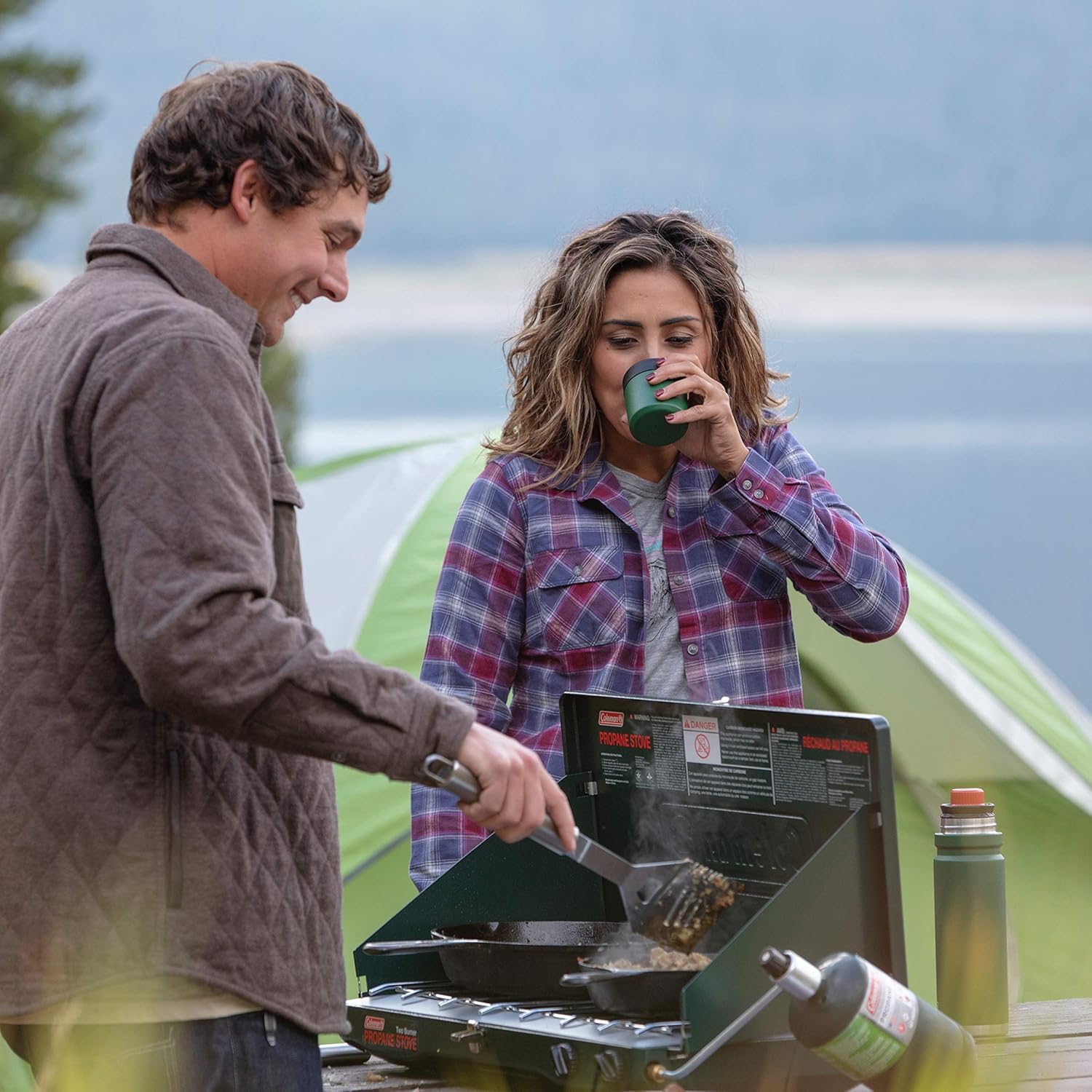
- Camp stove
- Cooking utensils
After each trip, restock immediately. This turns camping from stressful to seamless.
Printable Camping Checklist (Quick Version)
Use this simplified list as your starting point:
Shelter
- Tent + stakes
- Ground tarp
Sleep system
- Sleeping bag
- Sleeping pad
Clothing
- Weather-appropriate layers
- Rain jacket
- Extra socks
- Sleepwear
Cooking
- Camp stove
- Fuel
- Lighter or matches
- Cooler with ice
- Food plan
Safety
- First-aid kit
- Headlamp
- Extra batteries
- Multi-tool
- Map (if no service)
Miscellaneous
- Trash bags
- Toiletries
- Sunscreen
- Bug spray
Pro tip
Print this and keep it inside your camping bin. One system = fewer mistakes forever.
Bonus
First-time camper mindset shift
The biggest mistake isn’t gear-related — it’s mindset. Camping isn’t recreating your house outdoors. It’s simplifying. Expect some dirt and unpredictability, but also better sleep, clearer skies, and slower mornings.
FAQ
Fast answers to the most common first-trip questions.
What are the top 3 essentials beginners forget? +
How cold can it get at night compared to the daytime? +
Where should I store food when camping? +
What’s the easiest way to stop repeating packing mistakes? +
Explore More
Ready to camp smarter? Download the full printable camping checklist and save it for every future trip. And if you're planning a national park adventure, explore our park guides, trail breakdowns, and gear recommendations to prepare confidently.