
Arches National Park Trails

Arches National Park Trails

Easy - Difficult
channel island national park wildlife
arches national park trails

Exploring Arches National Park: A Guide to Its Best Trails

Arches National Park, located in eastern Utah, is a wonderland of natural stone arches, towering pinnacles, and stunning rock formations. With over 2,000 documented arches, the park offers an incredible hiking experience for visitors of all skill levels. Whether you’re looking for a short, scenic stroll or a challenging backcountry adventure, this guide covers some of Arches National Park trails, detailing their distances, difficulty levels, and what you can expect along the way.

Landscape Arch Trail (Devils Garden)

  • Distance: 1.6 miles round trip
  • Difficulty: Easy
  • Details: Located in the Devils Garden area, this easy trail takes you to Landscape Arch, one of the longest natural arches in the world, spanning 306 feet. The trail is mostly flat and well-maintained, making it perfect for families and casual hikers. Along the way, you’ll see other impressive rock formations, such as Pine Tree Arch and Tunnel Arch.
Wildlife at Katmai National Park
badlands national park hiking

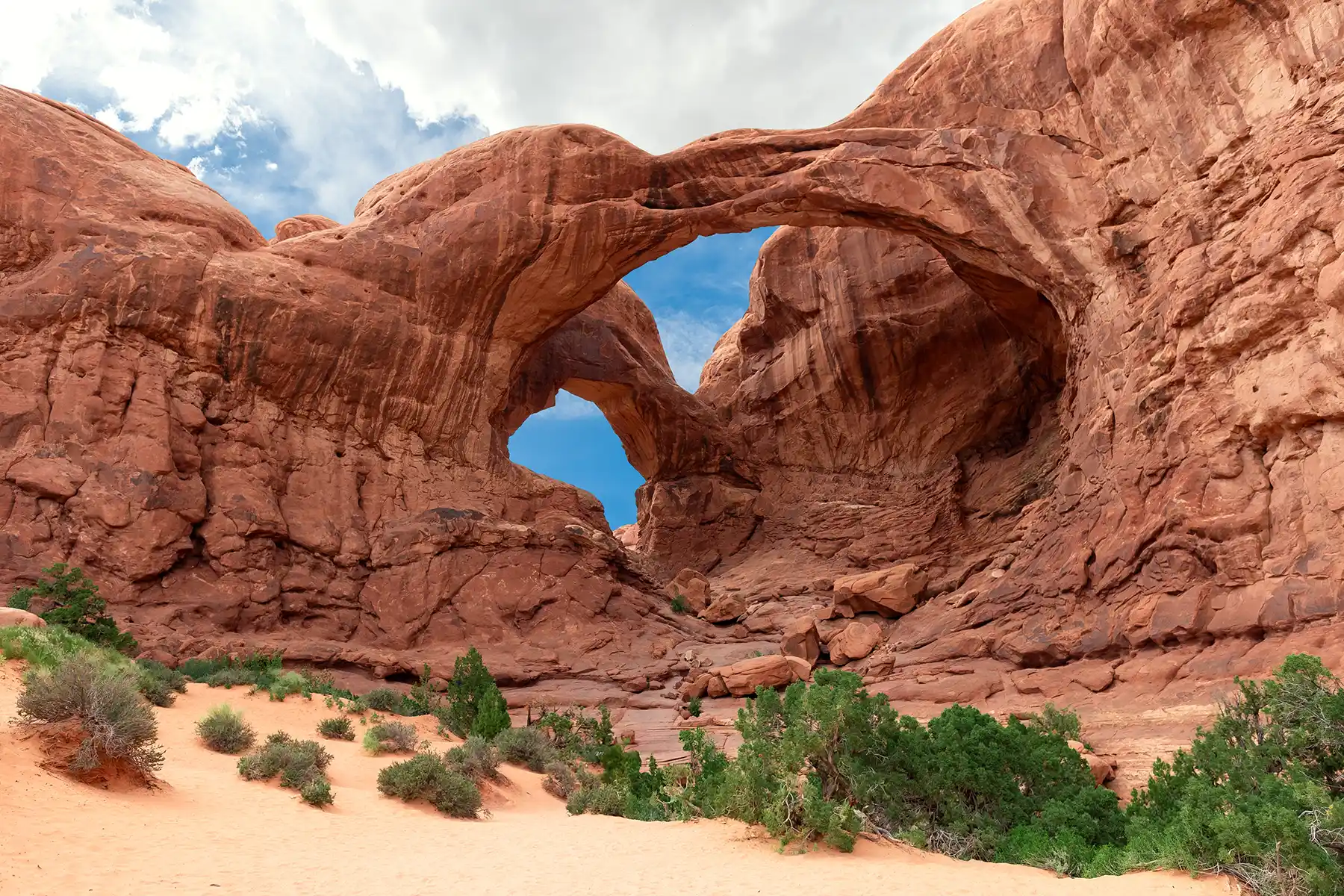
Double Arch Trail

  • Distance: 0.5 miles round trip
  • Difficulty: Easy
  • Details: This short and easy trail leads to Double Arch, a stunning rock formation where two massive arches share the same base. The trail is flat and accessible, making it a great choice for visitors of all ages. The best time to visit is early morning or late afternoon when the sunlight enhances the beauty of the arches.

The Windows Loop and Turret Arch

  • Distance: 1 mile round trip

  • Difficulty: Easy

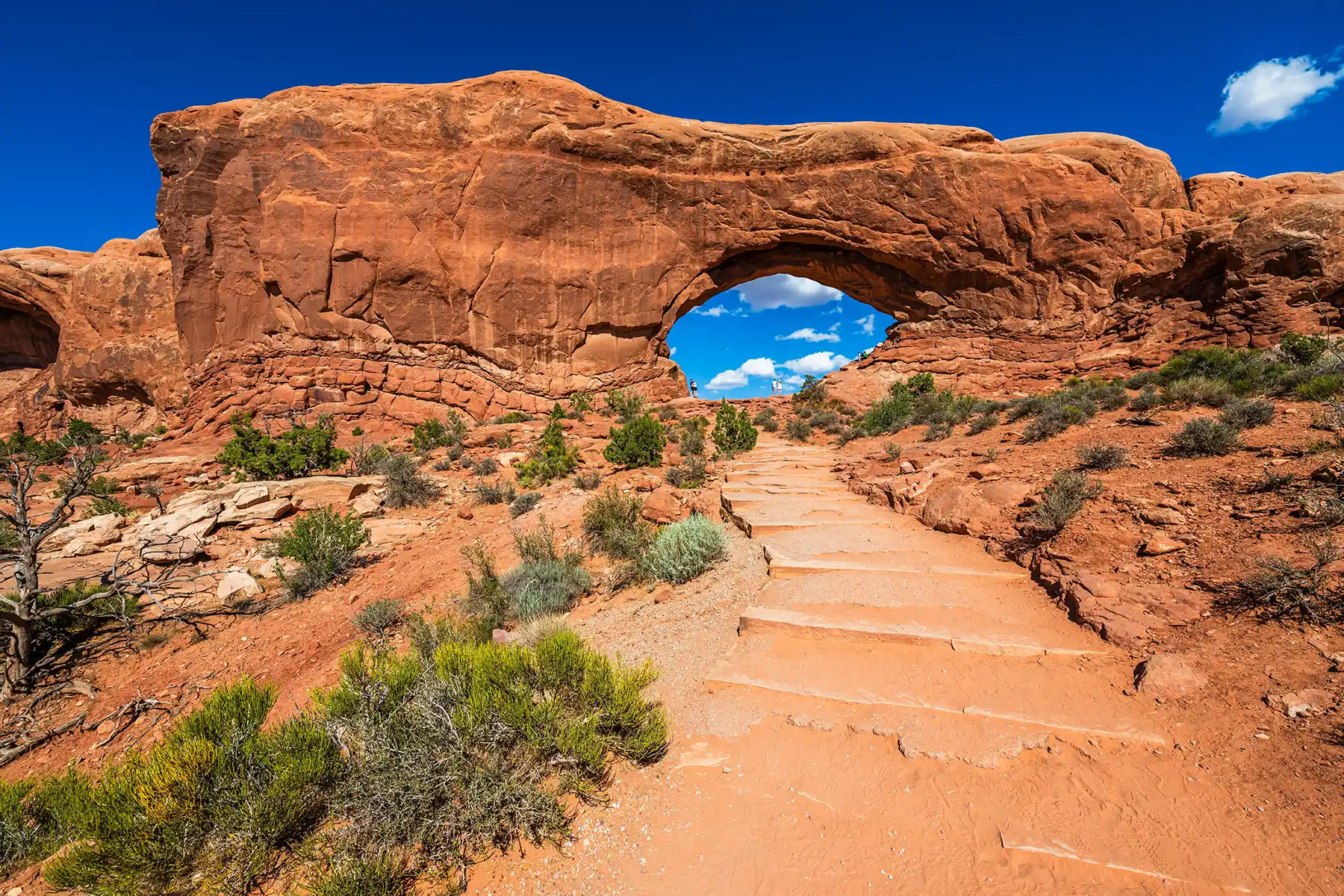
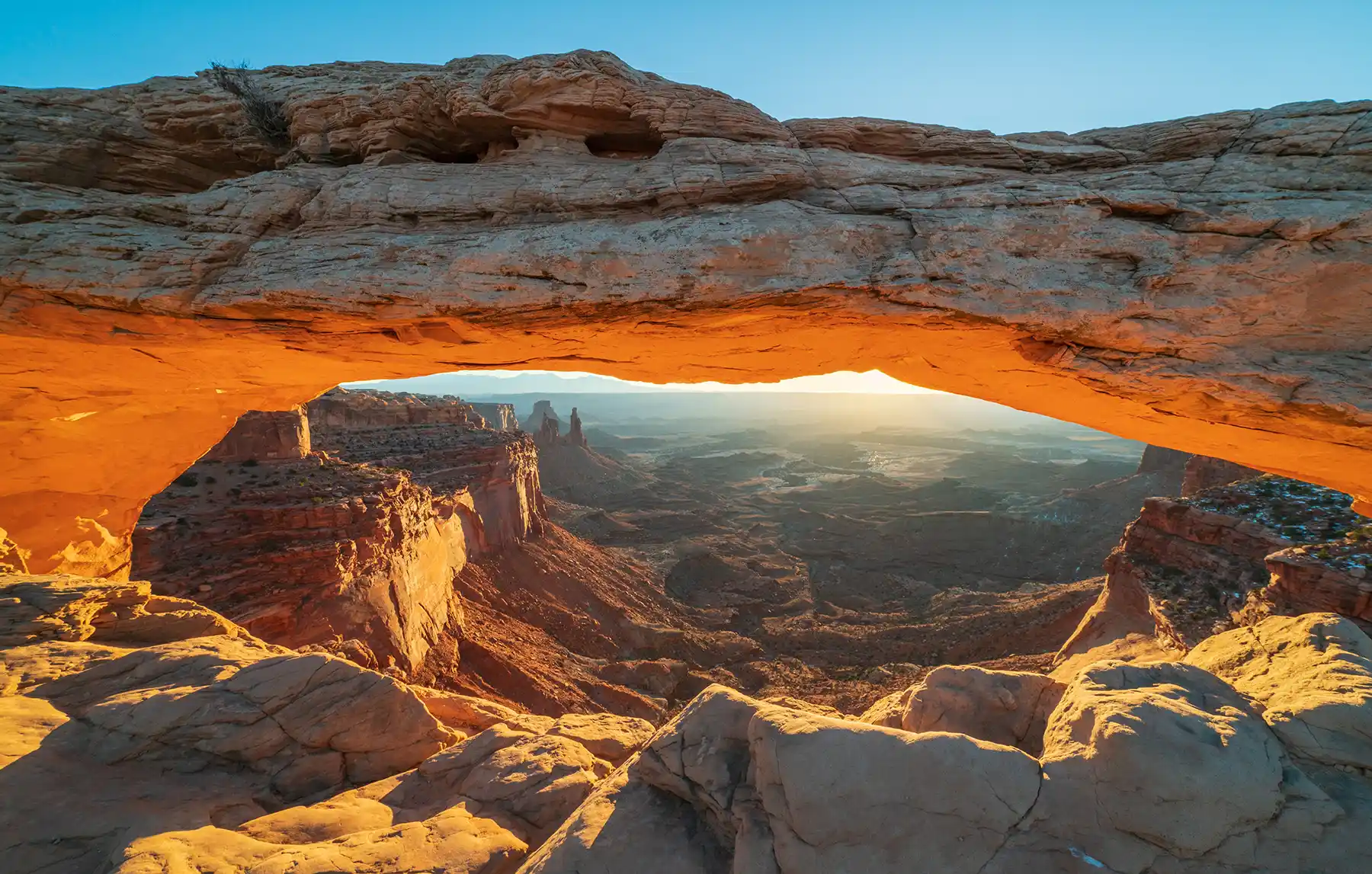
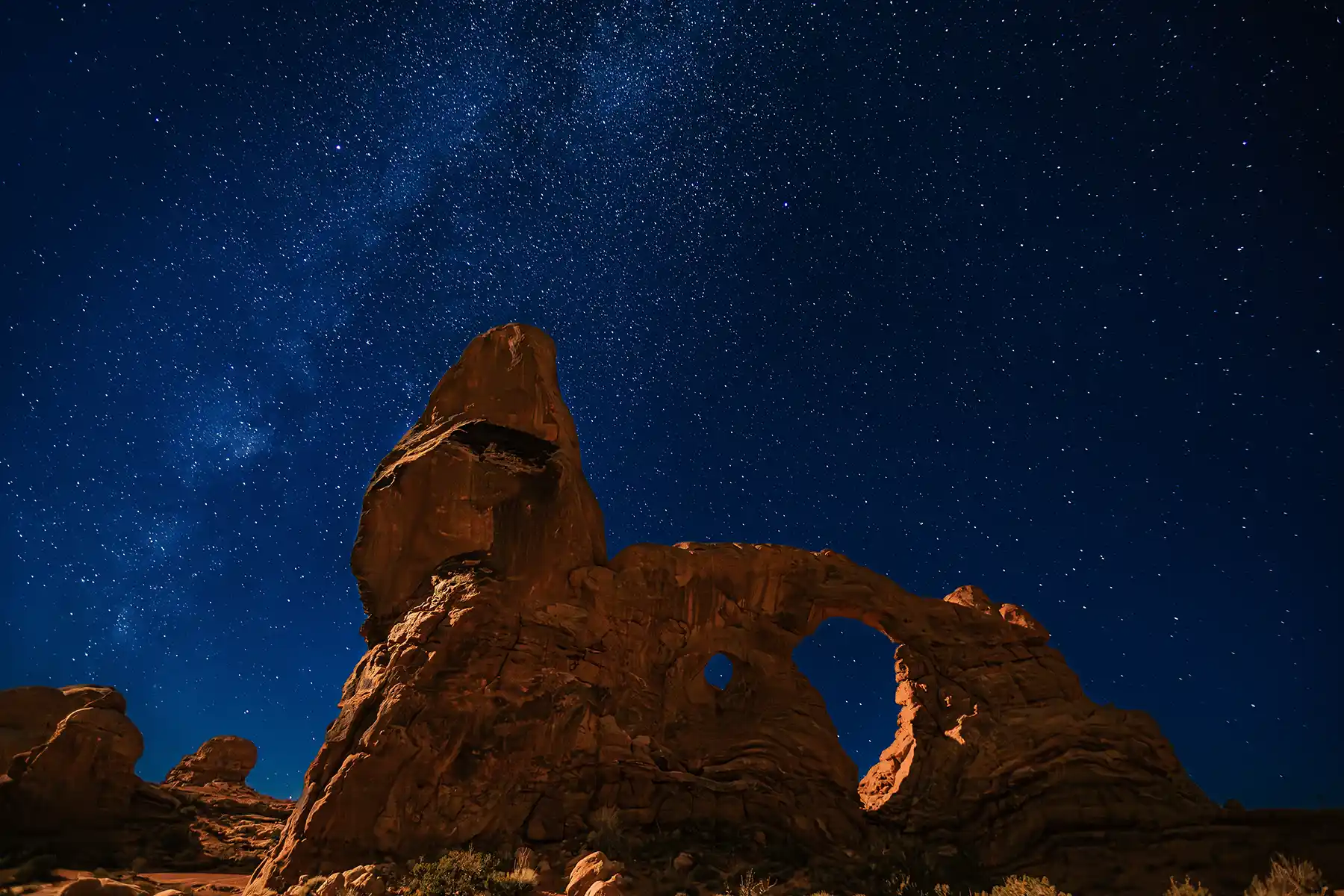
  • Details: This loop trail takes hikers to the North and South Windows, as well as Turret Arch. The Windows section is often called the “Spectacles” because the two large arches resemble a pair of glasses. This is one of the most photographed areas in the park and offers excellent opportunities for sunrise and sunset photography.

Balanced Rock Trail

  • Distance: 0.3 miles round trip

  • Difficulty: Easy

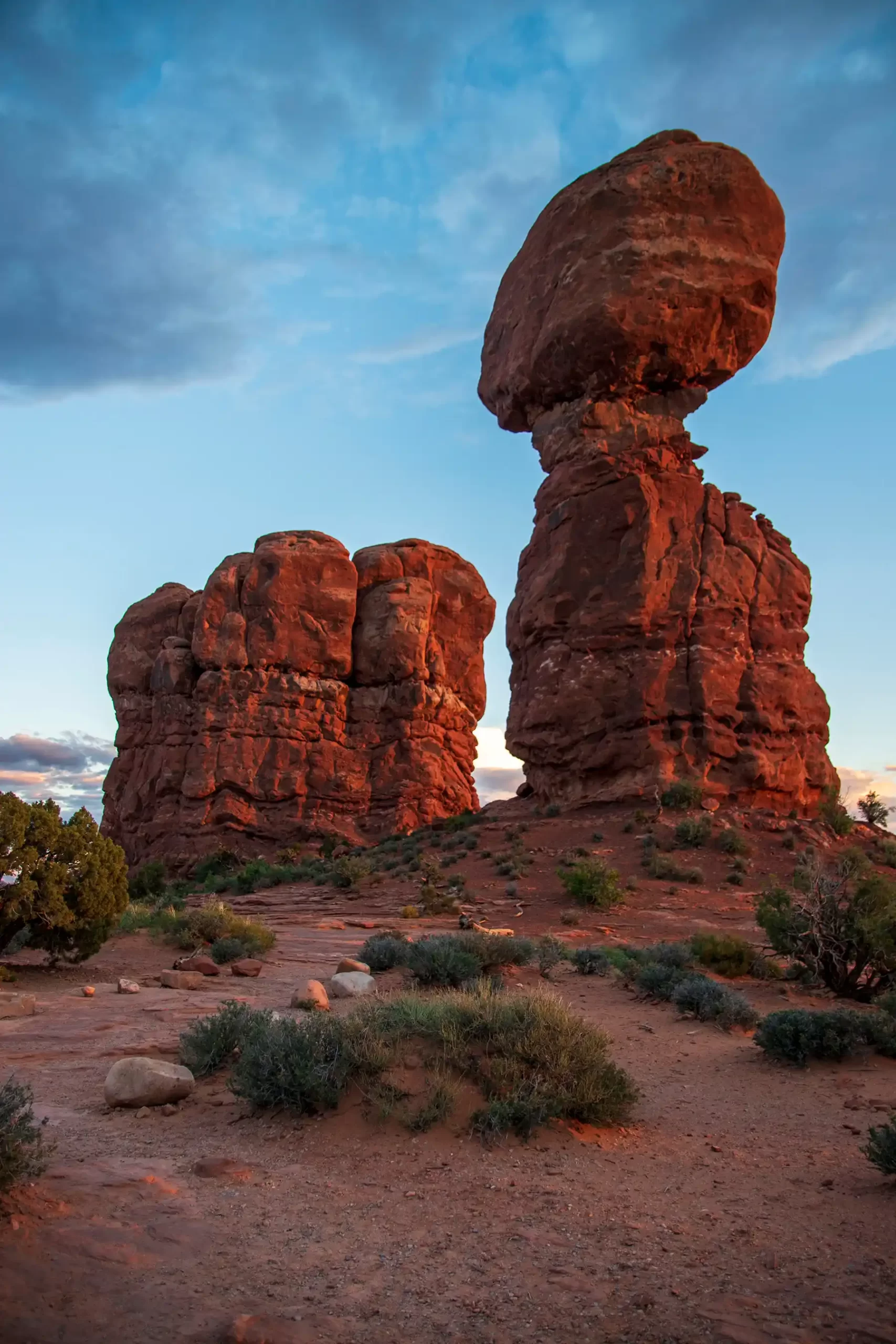
  • Details: One of the most recognizable formations in the park, Balanced Rock stands precariously atop a narrow pedestal. This short loop trail provides a close-up view of the rock formation and is a great stop for those who want a quick yet rewarding walk.

Sand Dune Arch Trail

  • Distance: 0.3 miles round trip

  • Difficulty: Easy

  • Details: A fun and family-friendly trail, Sand Dune Arch is nestled between high rock walls, providing a shaded and cool escape from the desert heat. The soft sand makes it an enjoyable spot for kids, and the surrounding rock formations create a unique and photogenic setting.
Park Avenue Trail

  • Distance: 2 miles round trip

  • Difficulty: Moderate

  • Details: This scenic hike descends into a canyon flanked by towering red rock formations resembling the skyscrapers of a city, hence the name “Park Avenue.” The trail follows a dry wash and offers excellent views of formations like Courthouse Towers and the Three Gossips.

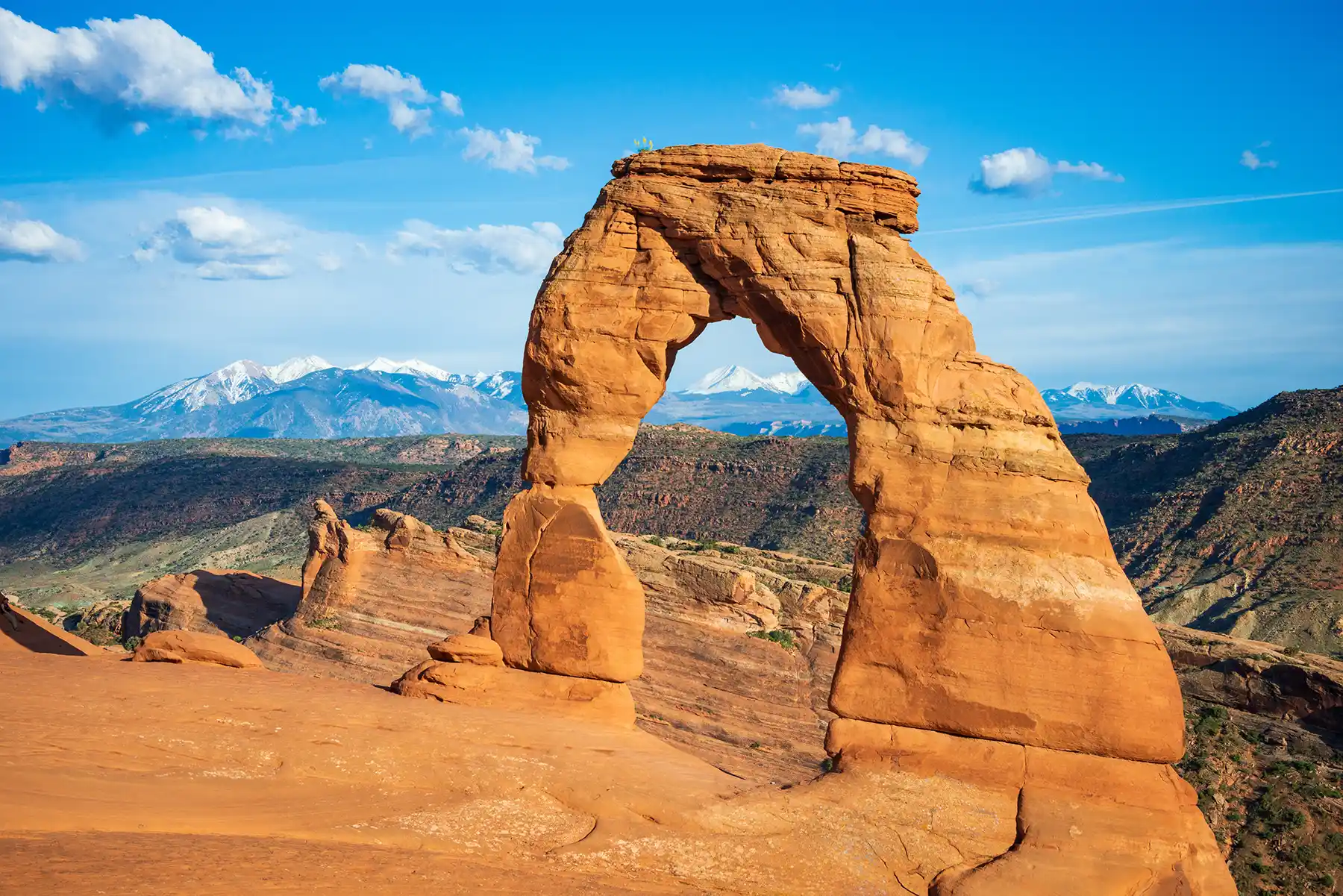
Delicate Arch Trail

  • Distance: 3 miles round trip

  • Difficulty: Moderate to Strenuous

  • Details: Delicate Arch is the most famous arch in the park and one of the most iconic landmarks in Utah. The trail starts at the Wolfe Ranch parking area and involves a steady uphill climb over slickrock. The last part of the trail follows a narrow rock ledge, offering dramatic views before reaching the arch itself. Hikers should bring plenty of water, as there is little shade.

Devils Garden Trail (Full Loop)

  • Distance: 7.8 miles round trip

  • Difficulty: Strenuous

  • Details: This challenging hike takes you through some of the most spectacular scenery in Arches National Park. Along the way, you’ll see several arches, including Tunnel Arch, Pine Tree Arch, Landscape Arch, Partition Arch, Navajo Arch, and Double O Arch. The trail involves rock scrambling and some exposed sections, making it best suited for experienced hikers.
arches national park trails

Fiery Furnace (Permit or Ranger-Guided Tour Required)

  • Distance: Varies

  • Difficulty: Strenuous

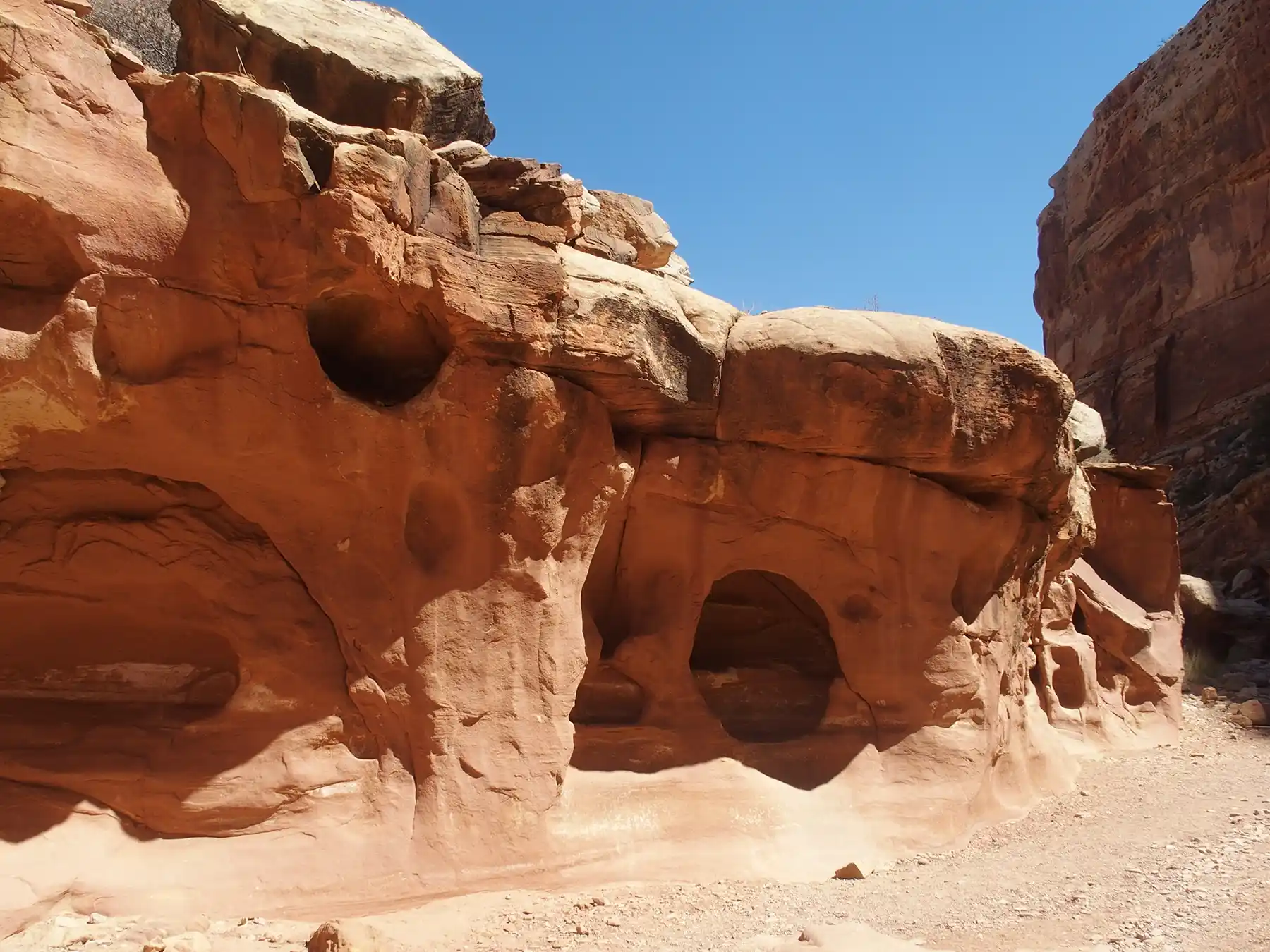
  • Details: Fiery Furnace is a labyrinth of narrow canyons and towering rock walls. Because of its complex and rugged terrain, visitors must either join a ranger-led tour or obtain a special permit to explore it independently. The hike requires good navigation skills and involves scrambling over rocks, squeezing through tight spaces, and climbing over obstacles. This adventure is not for the faint of heart but is incredibly rewarding for those who take it on.
Tips for Hiking in Arches National Park

  • Stay Hydrated: The desert environment can be extremely dry and hot, especially in summer. Carry plenty of water.
  • Wear Sturdy Shoes: Many trails involve walking on uneven or slippery rock surfaces, so proper footwear is essential.
  • Start Early or Late: Avoid hiking in the midday heat by starting your hikes early in the morning or later in the afternoon.
  • Respect Park Rules: Stay on designated trails to protect the fragile desert ecosystem and avoid damaging the arches.
  • Check Weather Conditions: Flash floods and extreme temperatures can make certain trails dangerous, so always check the forecast before heading out.
arches national park trails

Conclusion

Arches National Park offers an incredible array of hiking trails, ranging from short and easy walks to challenging backcountry adventures. Whether you’re visiting for a few hours or planning a full-day trek, the park’s diverse landscapes and breathtaking formations are sure to leave a lasting impression. Pack your gear, hit the trails, and get ready to explore one of the most stunning national parks in the U.S.!
Badlands National Park Hiking

Wild Wanderers Almanac

Badlands National Park Hiking

channel island national park wildlife
badlands national park hiking

Exploring the Best Hiking Trails in Badlands National Park

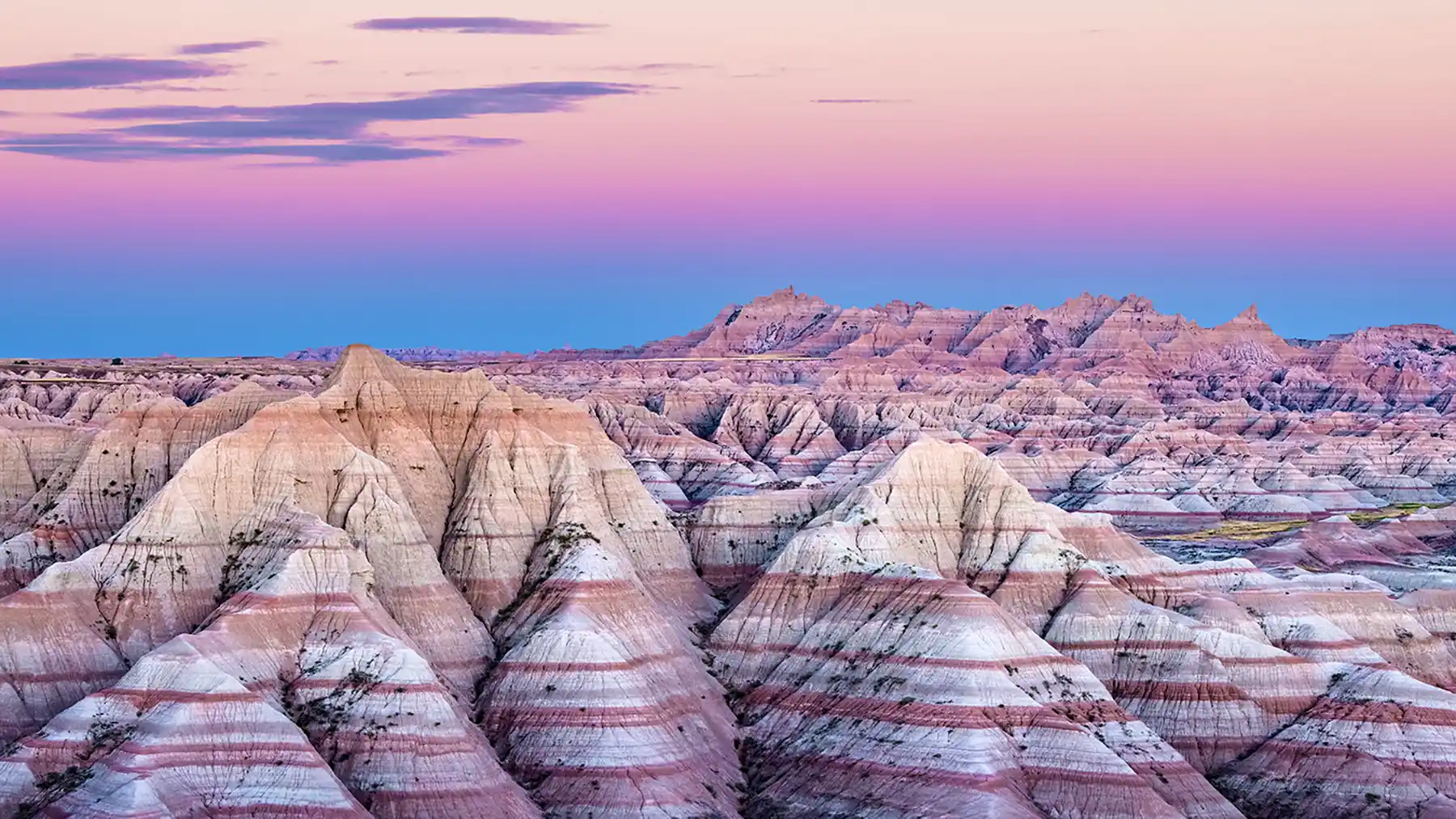
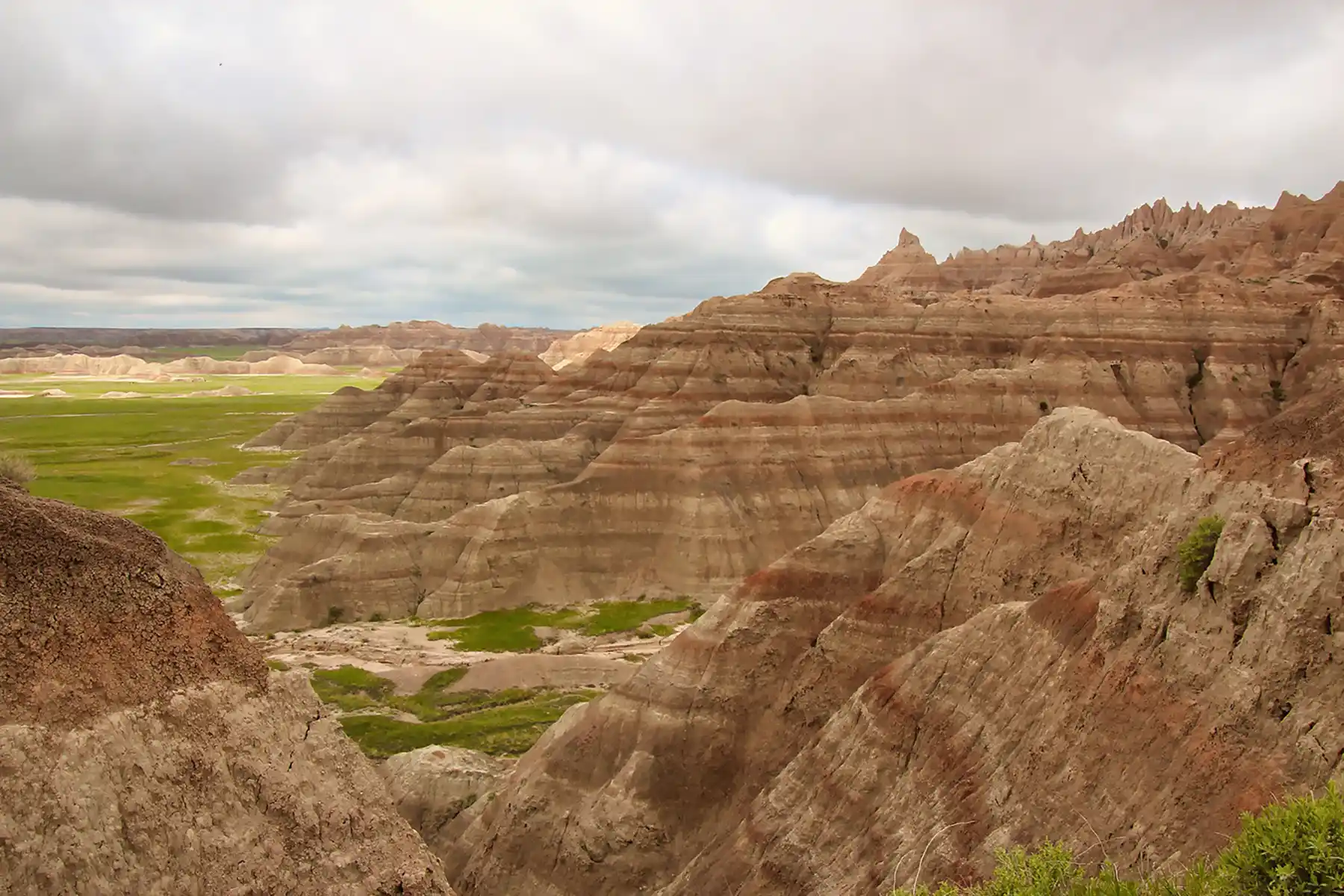
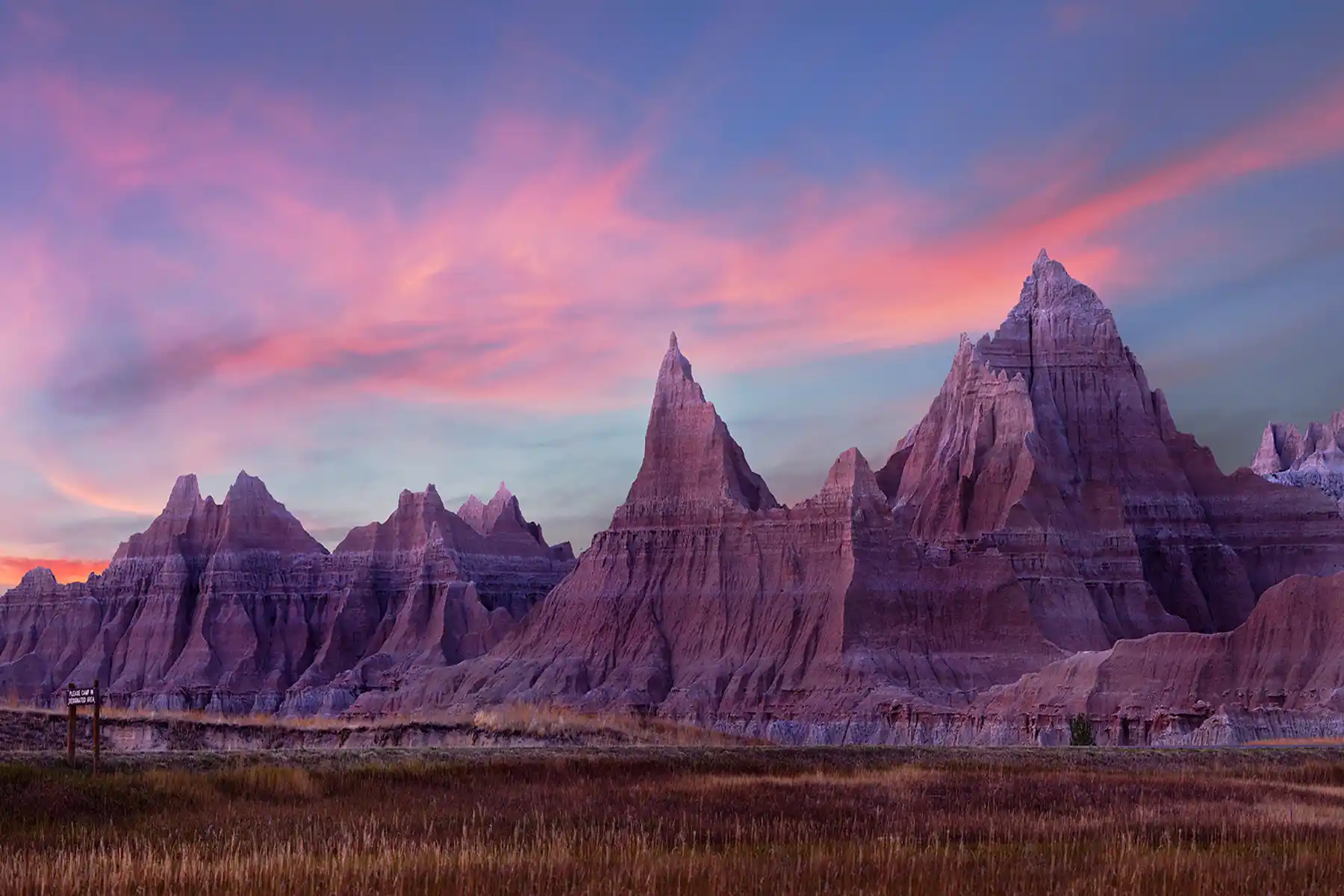
Badlands National Park, located in southwestern South Dakota, is a rugged landscape of eroded buttes, towering spires, and expansive prairies. Known for its dramatic rock formations and fossil beds, the park offers some of the most breathtaking and unique hiking experiences in the country. Whether you’re a seasoned hiker or a casual adventurer, there are trails suited for every skill level.

Notch Trail

Distance: 1.5 miles round-trip
Difficulty: Moderate
Highlights: Ladder climb, canyon views, scenic overlook

One of the most popular hikes in the park, Notch Trail offers a thrilling adventure with its iconic wooden ladder climb and stunning views of the White River Valley. The trail begins in a canyon and leads to an incredible overlook, making it a favorite for photographers and thrill-seekers alike.

Wildlife at Katmai National Park
badlands national park hiking

Door Trail

Distance: 0.75 miles round-trip
Difficulty: Easy
Highlights: Boardwalk access, dramatic rock formations

Perfect for beginners and families, the Door Trail provides a short but rewarding journey into the heart of the Badlands. The boardwalk portion of the trail leads to a break in the Badlands Wall, giving hikers an up-close look at the rugged terrain.

Castle Trail

Distance: 10 miles round-trip
Difficulty: Moderate
Highlights: Expansive views, unique rock formations, wildlife sightings

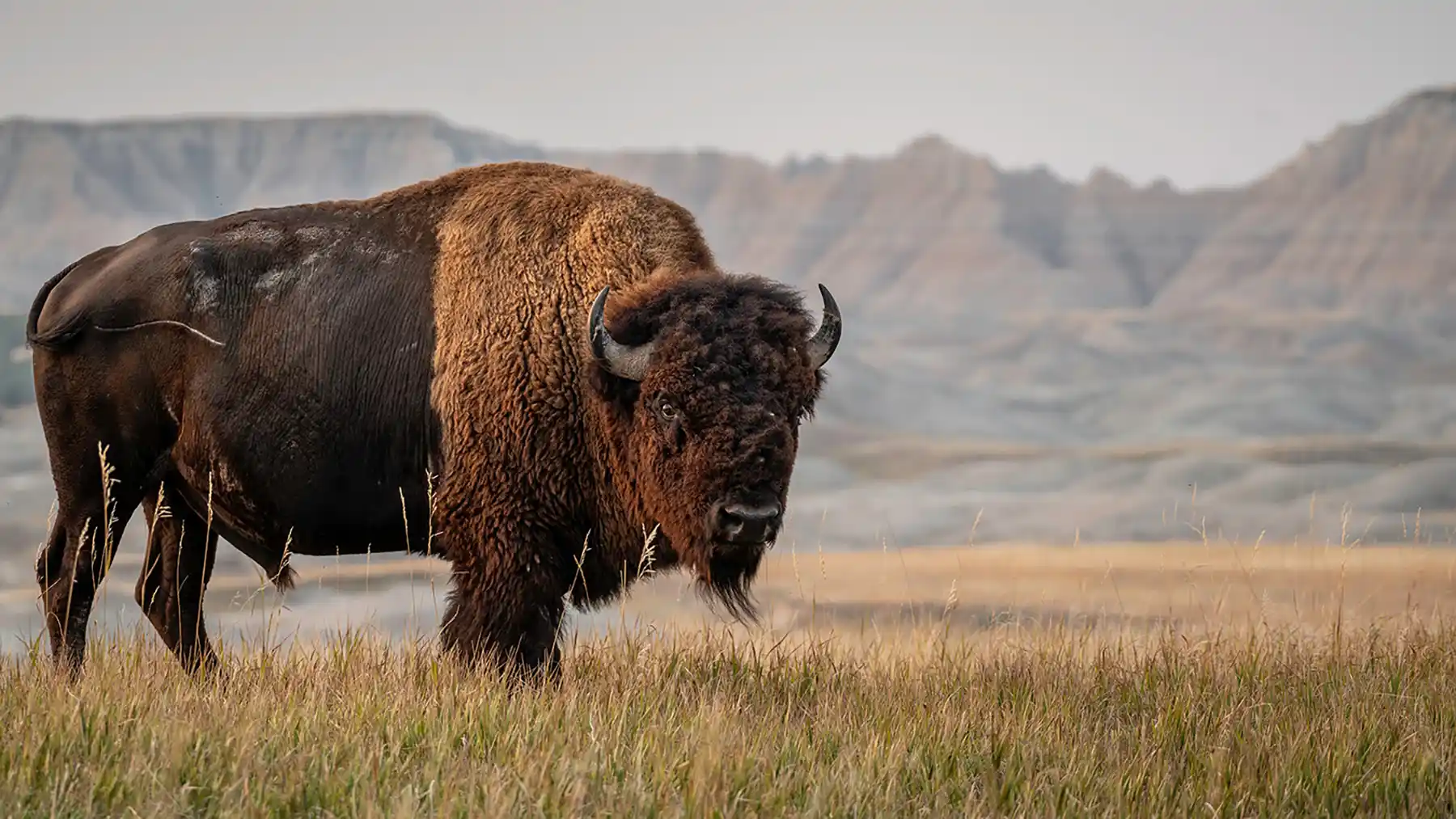
As the longest maintained trail in the park, Castle Trail is perfect for those seeking a longer hike through the stunning Badlands landscape. The trail features sweeping prairie views, towering formations, and a chance to spot bison, bighorn sheep, and prairie dogs along the way.

Saddle Pass Trail

Distance: 0.25 miles one-way
Difficulty: Strenuous
Highlights: Steep climb, panoramic views

Short but challenging, Saddle Pass Trail takes hikers up a steep incline to a breathtaking viewpoint overlooking the Badlands. While the trail is only a quarter-mile long, the climb is intense and recommended for those looking for a quick but rewarding challenge.

Fossil Exhibit Trail

Distance: 0.25 miles round-trip
Difficulty: Easy
Highlights: Fossil replicas, educational displays

This short, accessible trail features informative exhibits showcasing the ancient fossils found within the park. It’s an excellent option for families and those interested in learning about the prehistoric creatures that once roamed the Badlands.

Tips for Hiking in Badlands National Park

  • Stay Hydrated: The dry, rugged terrain and limited shade make hydration essential. Bring plenty of water.

  • Watch for Wildlife: Keep a safe distance from bison, prairie dogs, and other wildlife.

  • Wear Proper Footwear: The terrain can be loose and uneven, so sturdy hiking shoes are recommended.

  • Be Prepared for Weather Changes: The Badlands can experience extreme temperature shifts, so dress in layers and check the forecast before heading out.

  • Follow Leave No Trace Principles: Respect nature by staying on designated trails and packing out all trash.

Wildlife at Katmai National Park

Experience the Adventure

Whether you’re looking for a short and scenic stroll or a challenging trek, Badlands National Park offers an unforgettable hiking experience. Its unique geological formations, diverse wildlife, and breathtaking views make it a must-visit destination for nature lovers and outdoor enthusiasts alike.

Rocky Mountain National Park Camping

Wild Wanderers Almanac

Rocky Mountain National Park Camping

Wildlife at Katmai National Park
rocky mountain national park camping

Camping in Rocky Mountain National Park: A Complete Guide

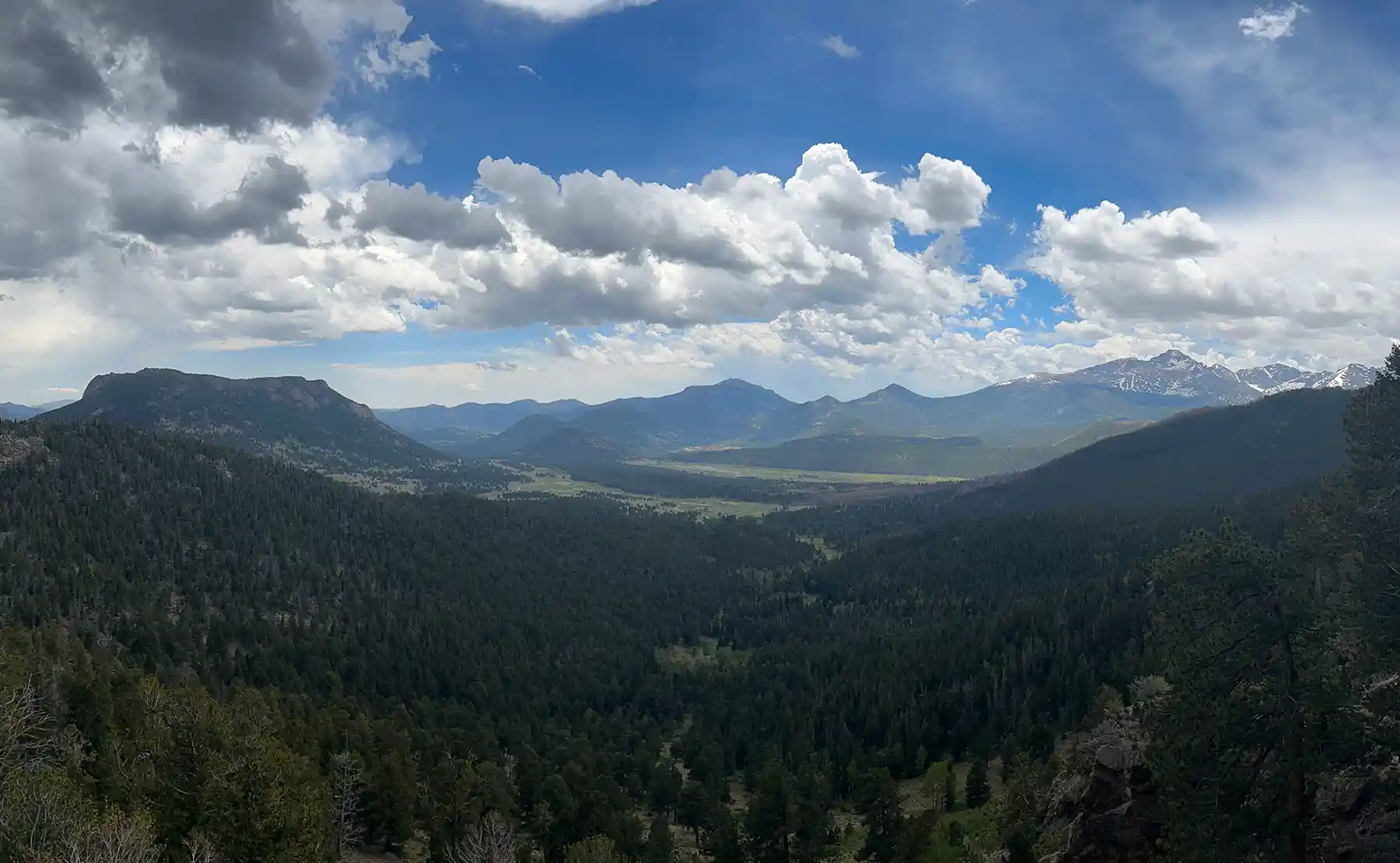
Rocky Mountain National Park (RMNP) is a premier destination for campers seeking stunning landscapes, abundant wildlife, and outdoor adventure. Whether you prefer the convenience of a developed campground or the solitude of the backcountry, RMNP offers a variety of camping experiences. This guide provides essential details on where to camp, what to expect, and how to prepare for your adventure.

Moraine Park Campground

  • Number of Sites: 244

  • Open: Year-round; reservations required in peak season.

Moraine Park Campground is one of the most popular camping areas in RMNP, offering breathtaking views of the valley and surrounding peaks. Located near the Bear Lake Road corridor, it provides easy access to some of the park’s most famous hiking trails, including Bear Lake, Fern Lake, and Cub Lake. The campground is known for frequent wildlife sightings, including elk and deer, making it a fantastic spot for nature lovers and photographers.

Wildlife at Katmai National Park

Glacier Basin Campground

  • Number of Sites: 150

  • Open: Seasonally; reservations recommended.

Glacier Basin Campground is a favorite among hikers and backpackers due to its proximity to iconic trails like Dream Lake, Sky Pond, and Emerald Lake. Nestled among towering pine trees, this campground offers a more shaded and secluded atmosphere. It also features group camping sites, making it an excellent option for large gatherings or family trips. Visitors can enjoy ranger-led programs and stunning sunrise views over the mountains.

Aspenglen Campground

  • Number of Sites: 52

  • Open: Seasonally; reservations required.

Aspenglen Campground is located near the Fall River Entrance Station and provides a quieter, more intimate camping experience. With fewer sites than other campgrounds, it offers a peaceful retreat for those looking to escape the crowds. The nearby Old Fall River Road leads to scenic viewpoints, waterfalls, and alpine meadows filled with wildflowers during the summer. This campground is ideal for those seeking a more relaxed and tranquil stay in the park.

rocky mountain national park camping

Timber Creek Campground

  • Number of Sites: 98

  • Open: Seasonally; first-come, first-served.

Timber Creek Campground is the only developed campground on the west side of RMNP, situated near the Kawuneeche Valley. This area is known for its excellent wildlife viewing opportunities, particularly moose and elk. The campground has fewer trees due to past beetle infestations, which provides campers with expansive views of the mountains and night sky. It is a great option for visitors exploring the Colorado River headwaters and western trails of the park.

Longs Peak Campground (Tent-Only)

  • Number of Sites: 26

  • Open: Seasonally; first-come, first-served.

Longs Peak Campground is a high-elevation, tent-only camping area located at 9,500 feet near the trailhead for Longs Peak, the park’s tallest mountain. Due to its location, this campground is a top choice for climbers and experienced hikers attempting the challenging ascent of Longs Peak. The area offers a rugged, back-to-nature experience, with no RV accommodations and limited amenities. Campers should be prepared for colder temperatures and changing weather conditions.

Popular Backcountry Camping Destinations:

  • Thunder Lake – A serene alpine lake surrounded by rugged peaks.

  • Wild Basin Area – Home to waterfalls, dense forests, and scenic campsites.

  • Sky Pond – A challenging but rewarding destination with dramatic mountain views.

Backcountry camping requires careful planning, including checking trail conditions, securing permits, and preparing for unpredictable weather.

Wildlife at Katmai National Park

Essential Camping Tips & Regulations

  • Reservations & Permits: Campground reservations are required during peak months, and backcountry permits must be obtained in advance.

  • Bear Safety: Store all food and scented items in bear-proof containers or designated lockers.

  • Weather Preparedness: RMNP’s high elevation causes rapid weather changes; bring layers, rain gear, and cold-weather supplies.

  • Fires & Cooking: Fire restrictions may apply; camp stoves are often the safest cooking option.

  • Altitude Awareness: Acclimate gradually and stay hydrated to prevent altitude sickness.

  • Leave No Trace: Pack out all waste, respect wildlife, and stay on designated trails.

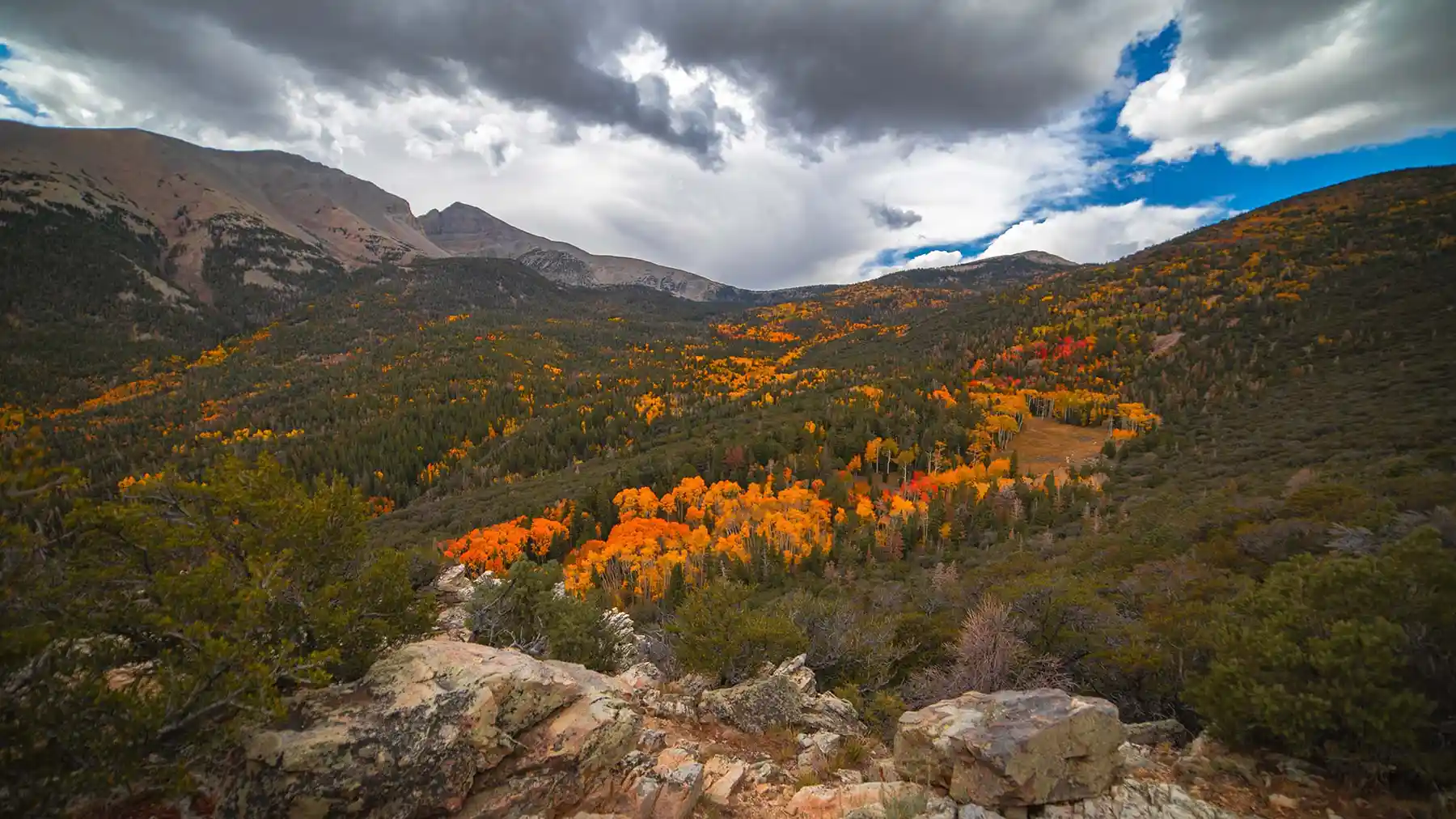
Great Basin National Park History

Wild Wanderers Almanac

Great Basin National Park History

Wildlife at Katmai National Park
great basin national park history

The History of Great Basin National Park

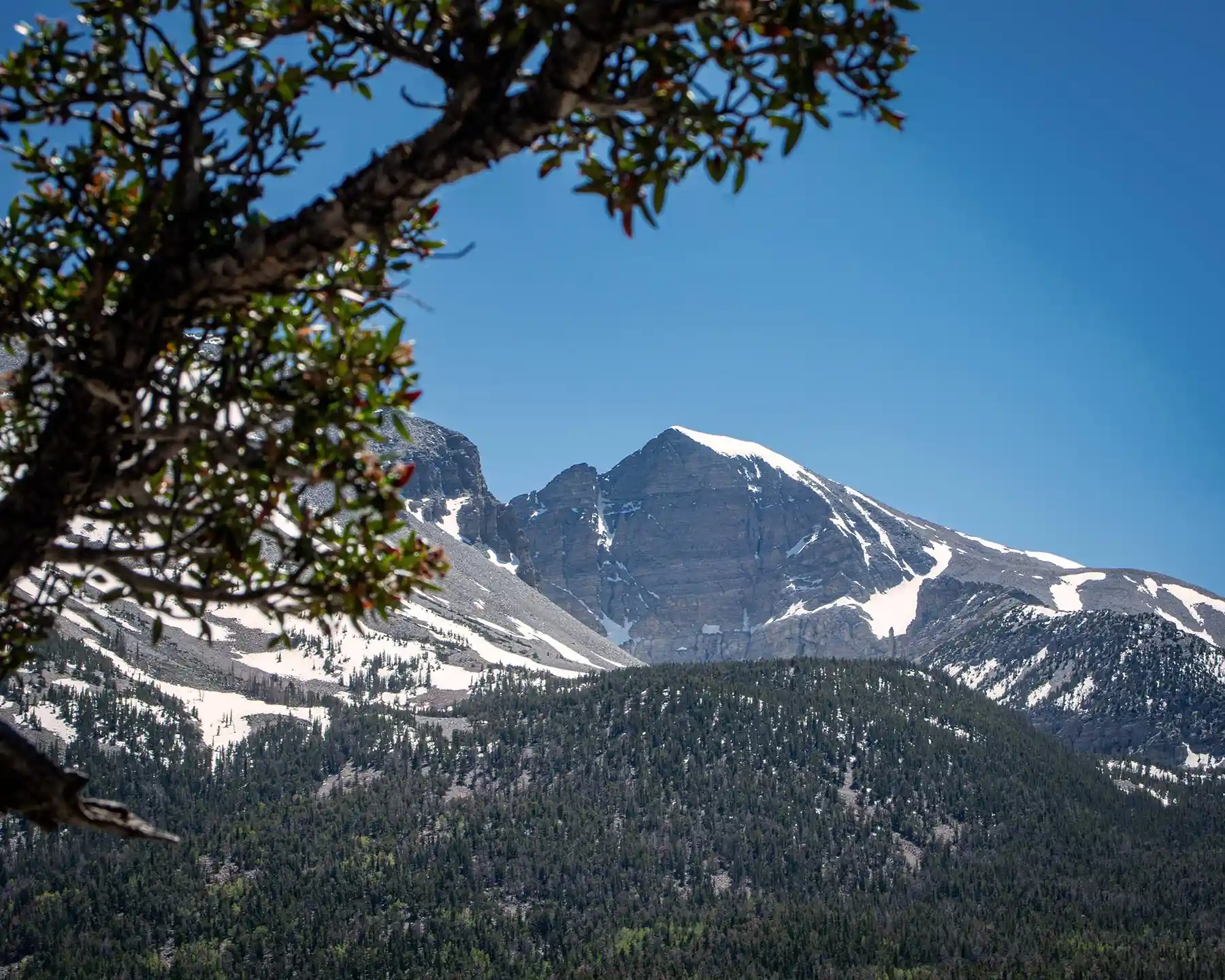
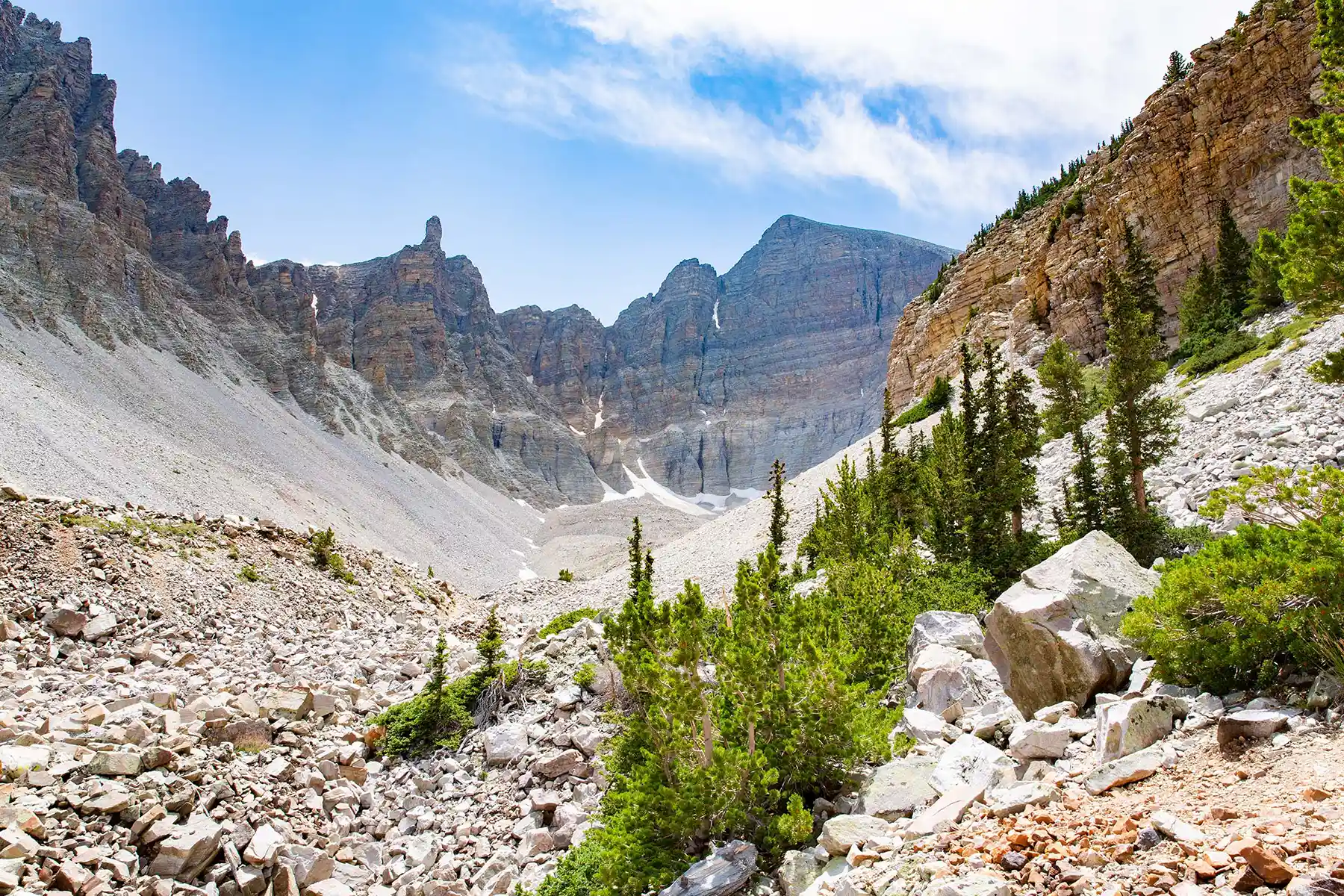
Located in eastern Nevada, Great Basin National Park is a land of rich history, cultural heritage, and stunning natural beauty. While today it is known for its rugged mountain peaks, ancient forests, and dark skies, its past is filled with stories of indigenous peoples, explorers, miners, and conservationists who shaped the landscape we see today.

Indigenous Roots

For thousands of years, the Great Basin region was home to Native American tribes, including the Western Shoshone and Paiute peoples. These indigenous groups thrived in the region’s harsh environment, relying on seasonal migration, hunting, and gathering for sustenance. Their knowledge of the land allowed them to adapt to extreme temperature variations and limited water sources. Today, their presence is still felt in the petroglyphs, artifacts, and traditions that remain in and around the park.

Wildlife at Katmai National Park
Early Explorers and Settlers

The first recorded European exploration of the region occurred in the 1800s when fur trappers and mountain men traveled through the area. By the mid-19th century, pioneers and settlers began moving westward along the Overland Trail, seeking new opportunities and land. The discovery of gold and silver in Nevada in the late 1800s led to a mining boom, with small settlements popping up around the region. Although most of these mining towns eventually became ghost towns, they played a crucial role in the area’s history.

The Discovery of Lehman Caves

One of the park’s most famous features, Lehman Caves, was discovered in the late 1880s by Absalom Lehman, a local rancher. Recognizing its beauty and unique formations, Lehman began giving tours to visitors, drawing early explorers to the region. The caves became a protected site in 1922 when they were designated as Lehman Caves National Monument by President Warren G. Harding.

The Road to National Park Status

In the 20th century, conservation efforts increased as people recognized the ecological and cultural significance of the Great Basin area. Scientists and environmentalists advocated for the protection of the region’s diverse landscapes, including the ancient bristlecone pine forests and alpine ecosystems. Their efforts culminated in 1986 when Congress established Great Basin National Park, merging Lehman Caves National Monument with surrounding federal lands to create the park we know today.

A Modern Treasure

Since its establishment, Great Basin National Park has remained a haven for outdoor enthusiasts, scientists, and those seeking solitude. The park’s commitment to preserving its natural and cultural heritage continues, allowing visitors to explore its breathtaking caves, towering peaks, and star-filled skies. Today, Great Basin remains one of the least-visited national parks, offering a unique opportunity to experience unspoiled wilderness and a deep sense of history.

Great Basin National Park is more than just a scenic destination—it’s a place rich with history, from its indigenous roots to its role in American exploration and conservation. Whether you’re visiting to hike, stargaze, or learn about the past, the park provides an unforgettable experience and a glimpse into the ever-changing story of the American West.

Wildlife at Katmai National Park

Wildlife at Katmai National Park

Wild Wanderers Almanac

Wildlife at Katmai National Park

Wildlife at Katmai National Park

Wildlife at Katmai National Park

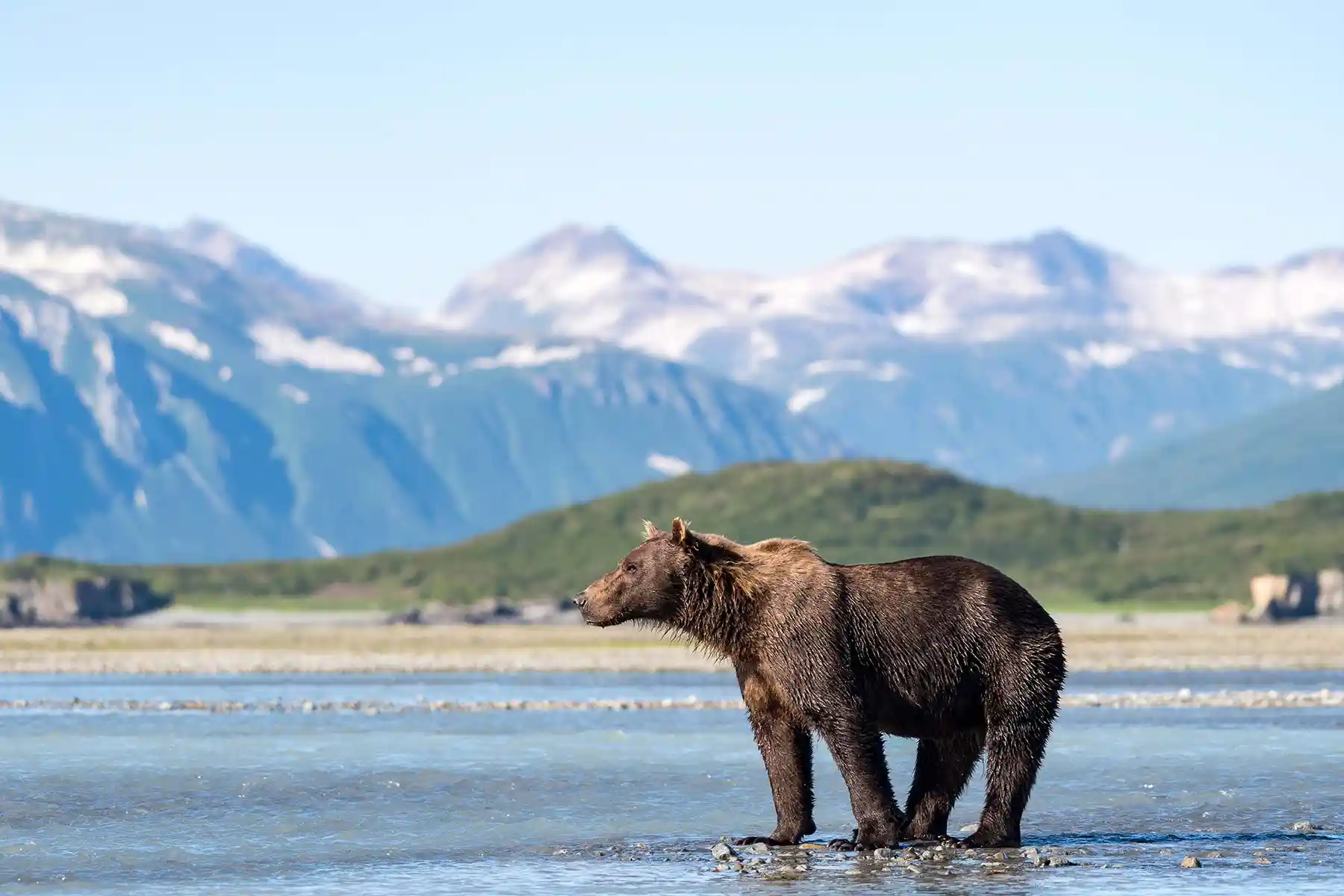
Katmai National Park and Preserve, located in southern Alaska, is a breathtaking expanse of wilderness renowned for its volcanic landscapes, pristine rivers, and, most notably, its incredible wildlife. Spanning over four million acres, this remote park is a haven for nature lovers, photographers, and adventurers seeking to witness some of the most iconic species in their natural habitat.

The Majestic Brown Bears

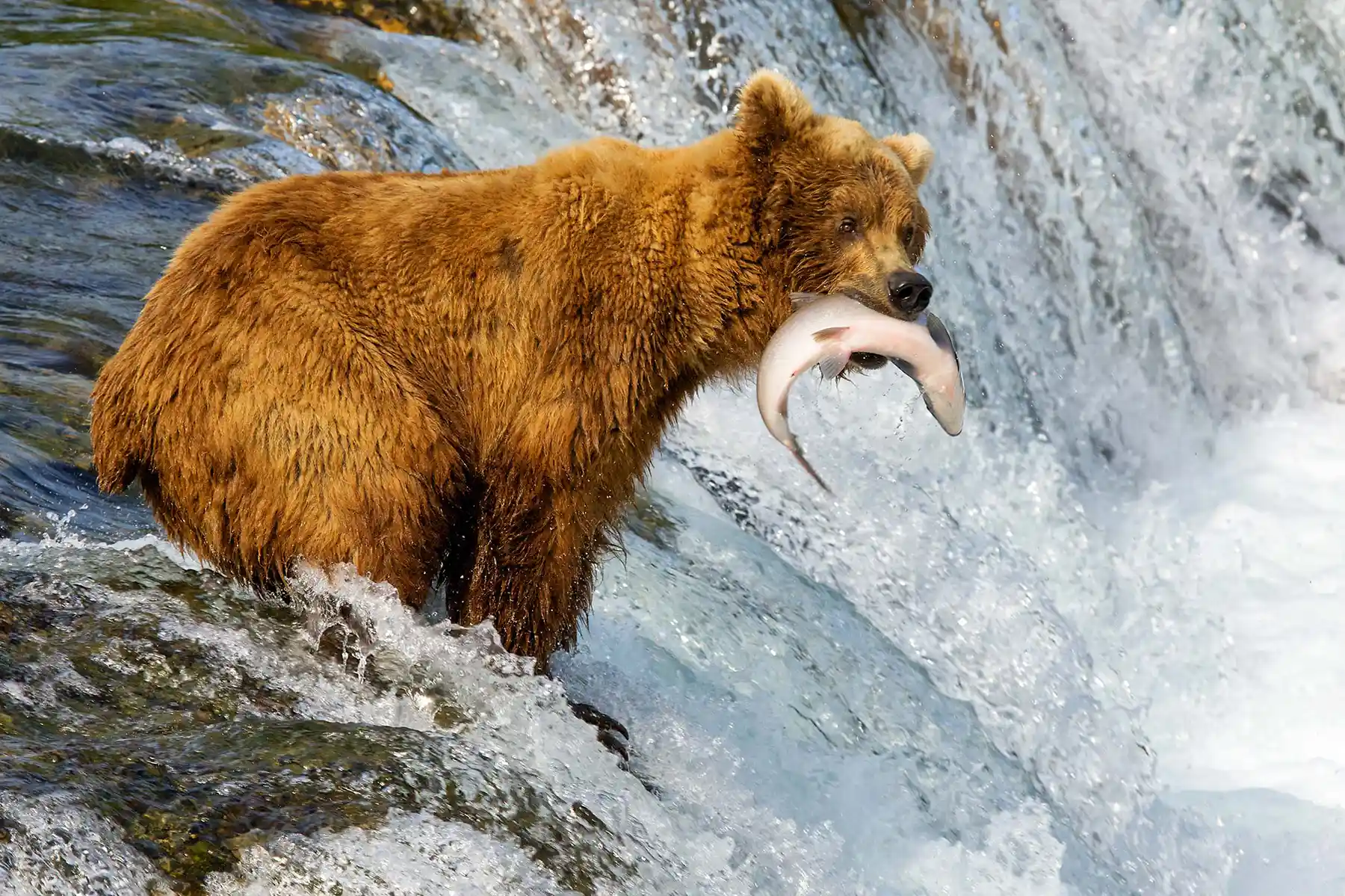
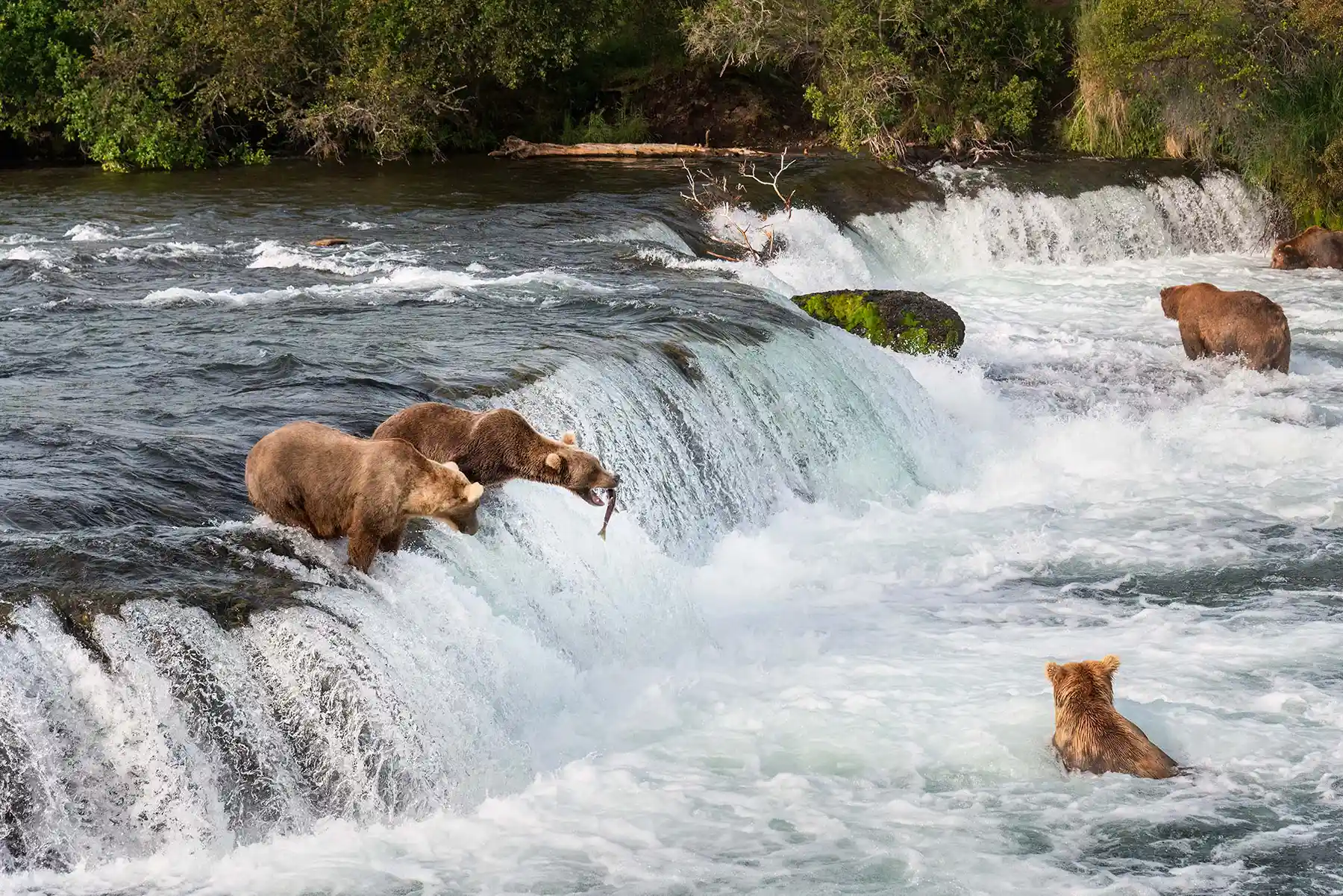
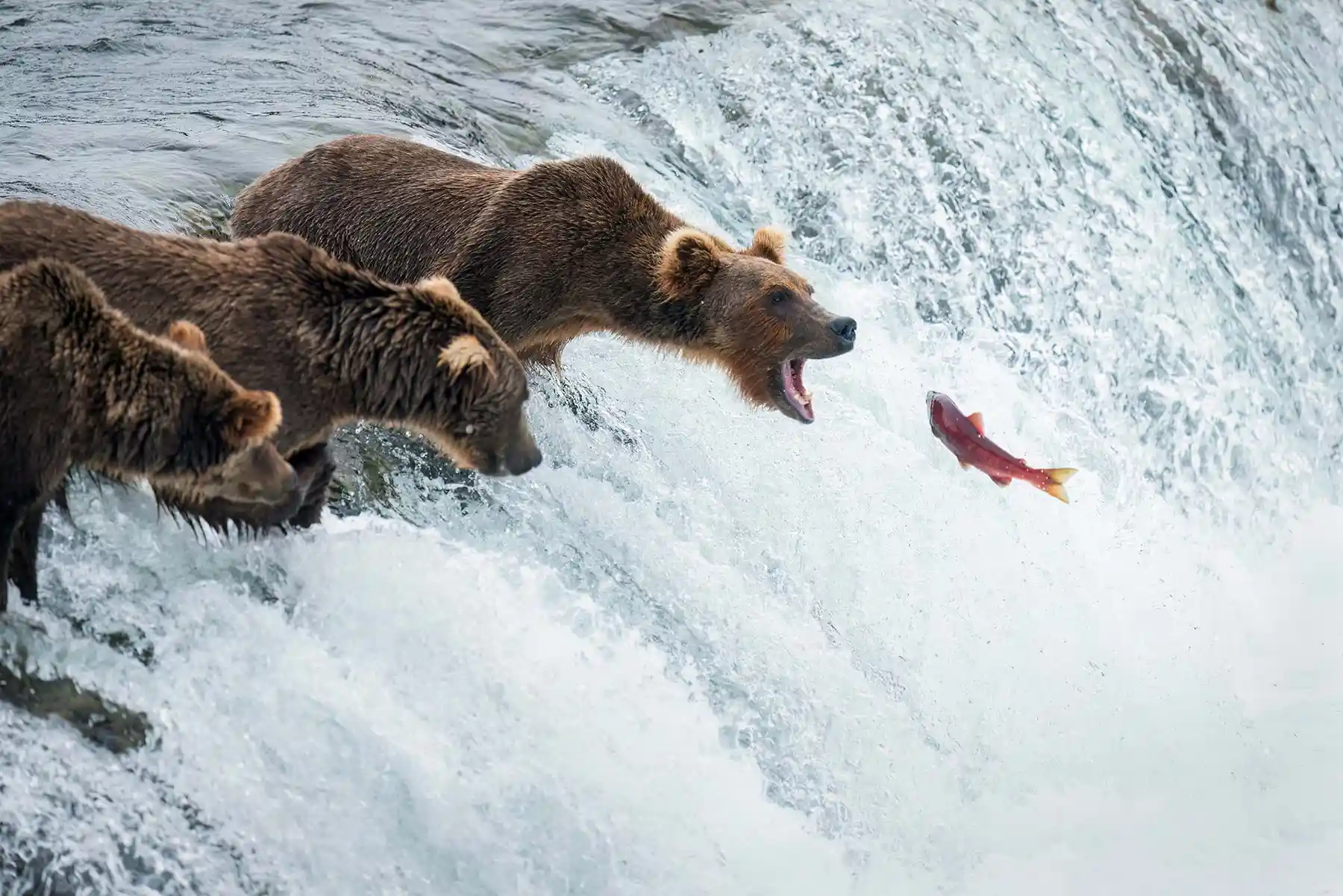
The undisputed stars of Katmai are its brown bears. Every year, hundreds of these powerful creatures congregate at Brooks Falls, a world-famous site where they skillfully catch leaping salmon. This dramatic spectacle, particularly in July and September, draws visitors and wildlife enthusiasts eager to witness the raw beauty of nature. The park’s healthy salmon population sustains one of the densest brown bear populations on Earth, making Katmai one of the best places to observe these magnificent animals up close—from a safe distance, of course!

Wildlife at Katmai National Park
A Haven for Aquatic Life

Katmai’s rivers and lakes are teeming with life, largely due to the annual salmon run. Species such as sockeye, king, and coho salmon make their way upstream to spawn, providing a crucial food source for bears, eagles, and other predators. The park’s pristine waters also support trout, grayling, and char, making it a dream destination for anglers and fish enthusiasts alike.

Wolves, Moose, and Other Mammals

Beyond bears, Katmai is home to a diverse range of mammals. Wolves, though elusive, roam the park’s vast wilderness, playing a vital role in maintaining ecological balance. Moose, the largest members of the deer family, can be seen grazing near lakes and marshes. Other species, such as red foxes, lynxes, and river otters, add to the park’s rich biodiversity.

A Birdwatcher’s Paradise

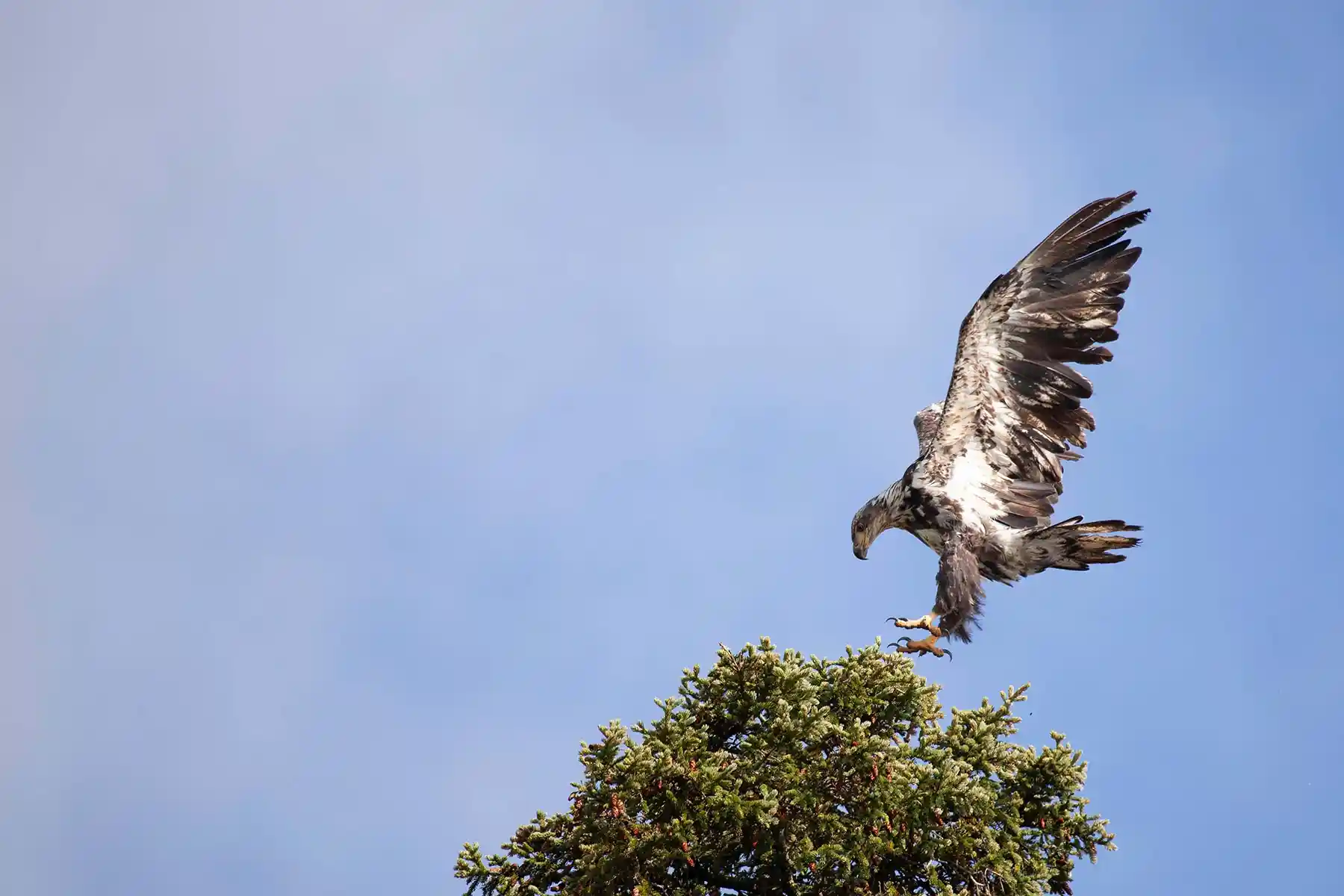
For those who love birdwatching, Katmai offers an incredible array of avian species. Majestic bald eagles soar above the rivers, while seabirds like puffins and cormorants can be spotted along the rugged coastline. Other notable species include the peregrine falcon, great horned owl, and Arctic tern, making the park a must-visit for birding enthusiasts.

Marine Wonders

The coastline of Katmai National Park is equally spectacular, offering opportunities to see sea otters, seals, and even whales. Harbor seals can be found resting on rocky shores, while sea otters float playfully in kelp beds. Lucky visitors might even spot humpback or orca whales cruising through the waters of the Shelikof Strait.

Conservation and Preservation

Katmai’s incredible wildlife thrives due to dedicated conservation efforts. The park was originally established in 1918 to protect the region following the Novarupta volcanic eruption, but today, its mission has expanded to safeguarding its unique ecosystems. Visitors are encouraged to follow Leave No Trace principles, respect wildlife from a safe distance, and appreciate the natural world without disturbing it.

Wildlife at Katmai National Park

Plan Your Visit

If you’re dreaming of an unforgettable wildlife experience, Katmai National Park should be at the top of your list. Whether you’re watching bears fish at Brooks Falls, marveling at bald eagles in flight, or spotting marine mammals along the coast, the park offers an unparalleled glimpse into Alaska’s wild beauty.

Joshua Tree National Park Camping

Wild Wanderers Almanac

Joshua Tree National Park Camping Guide

Best Campgrounds and Tips

joshua tree national park camping
Sequoia National Park Trails

Best Campgrounds in Joshua Tree National Park

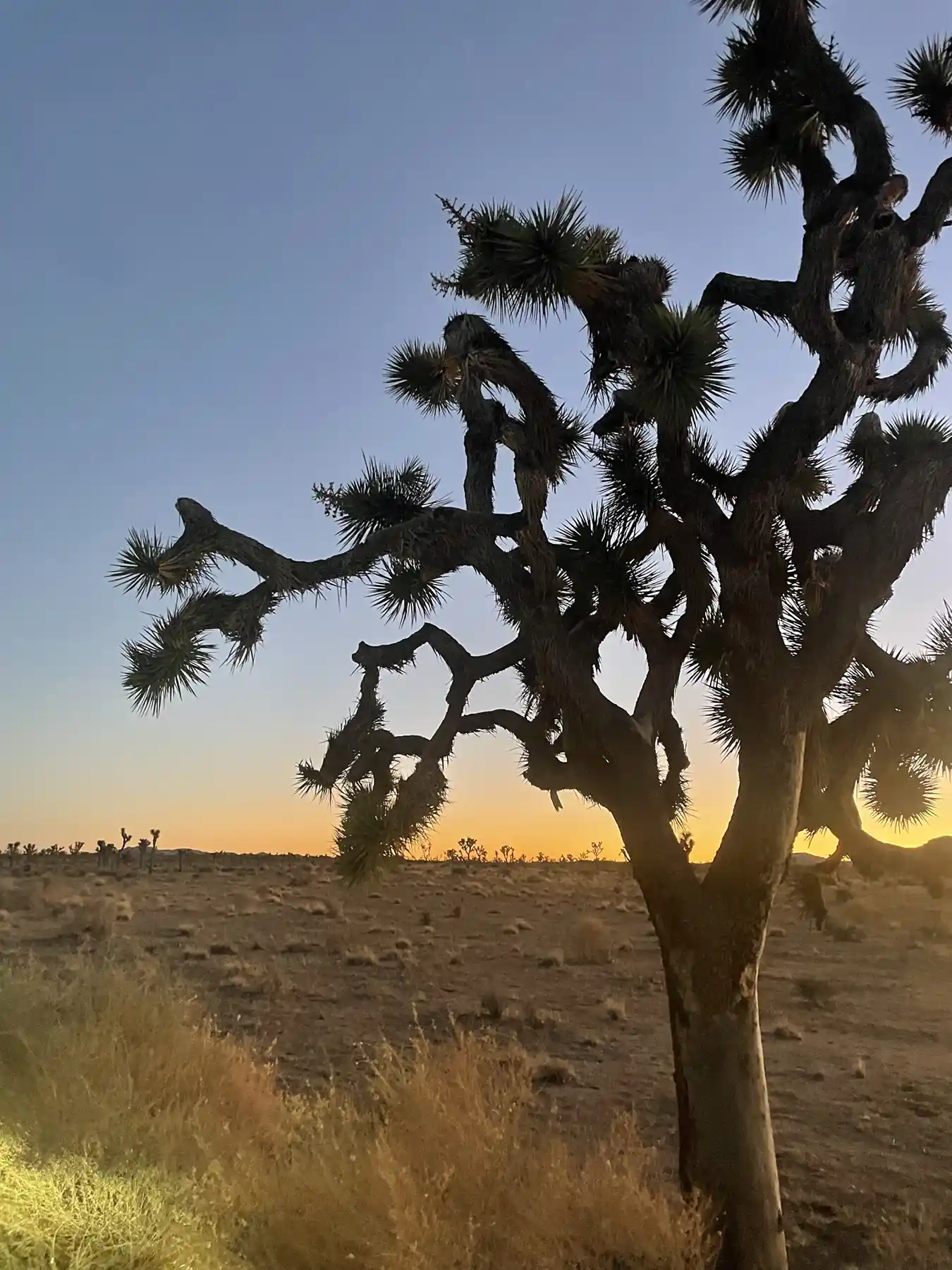
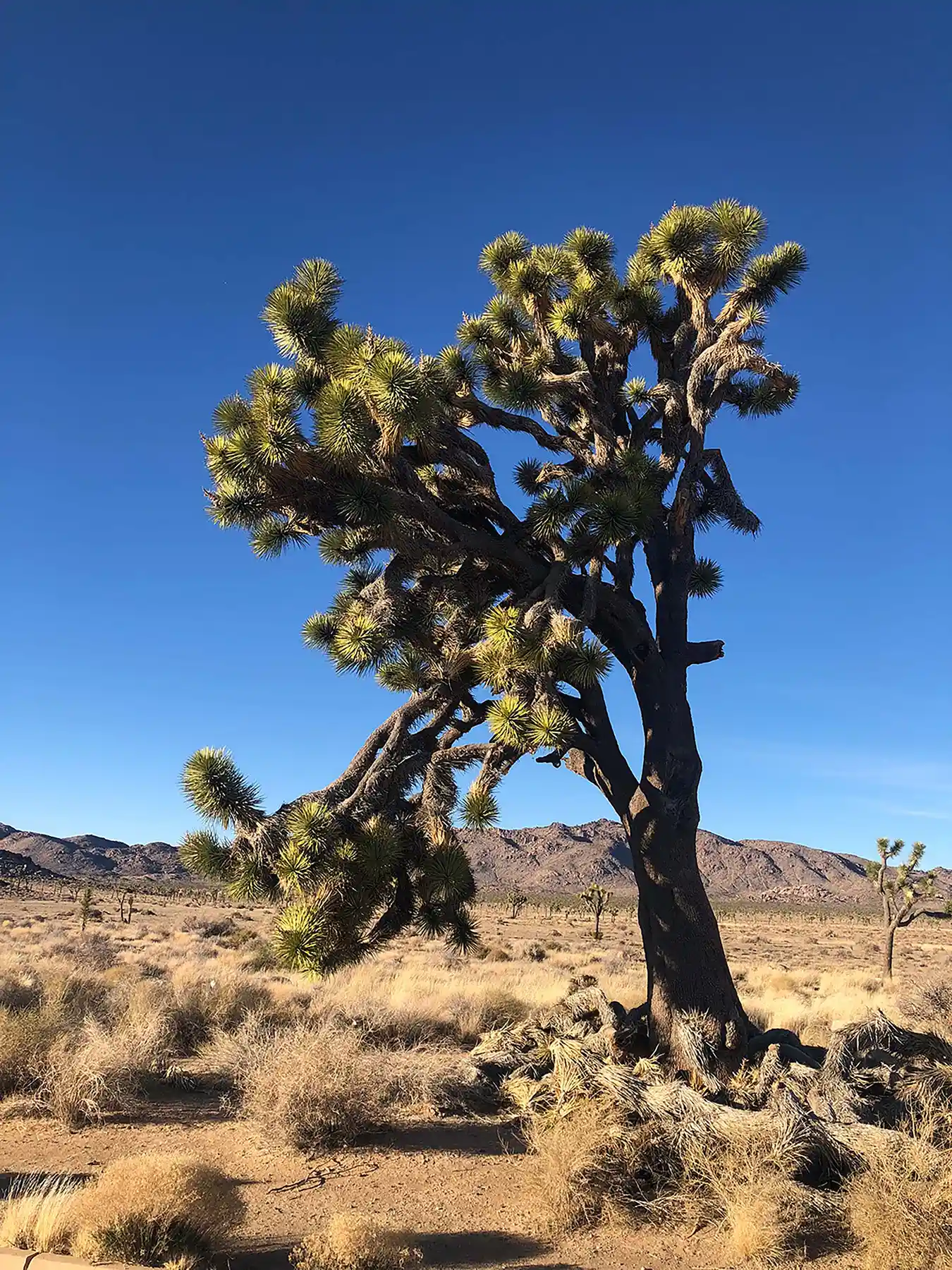
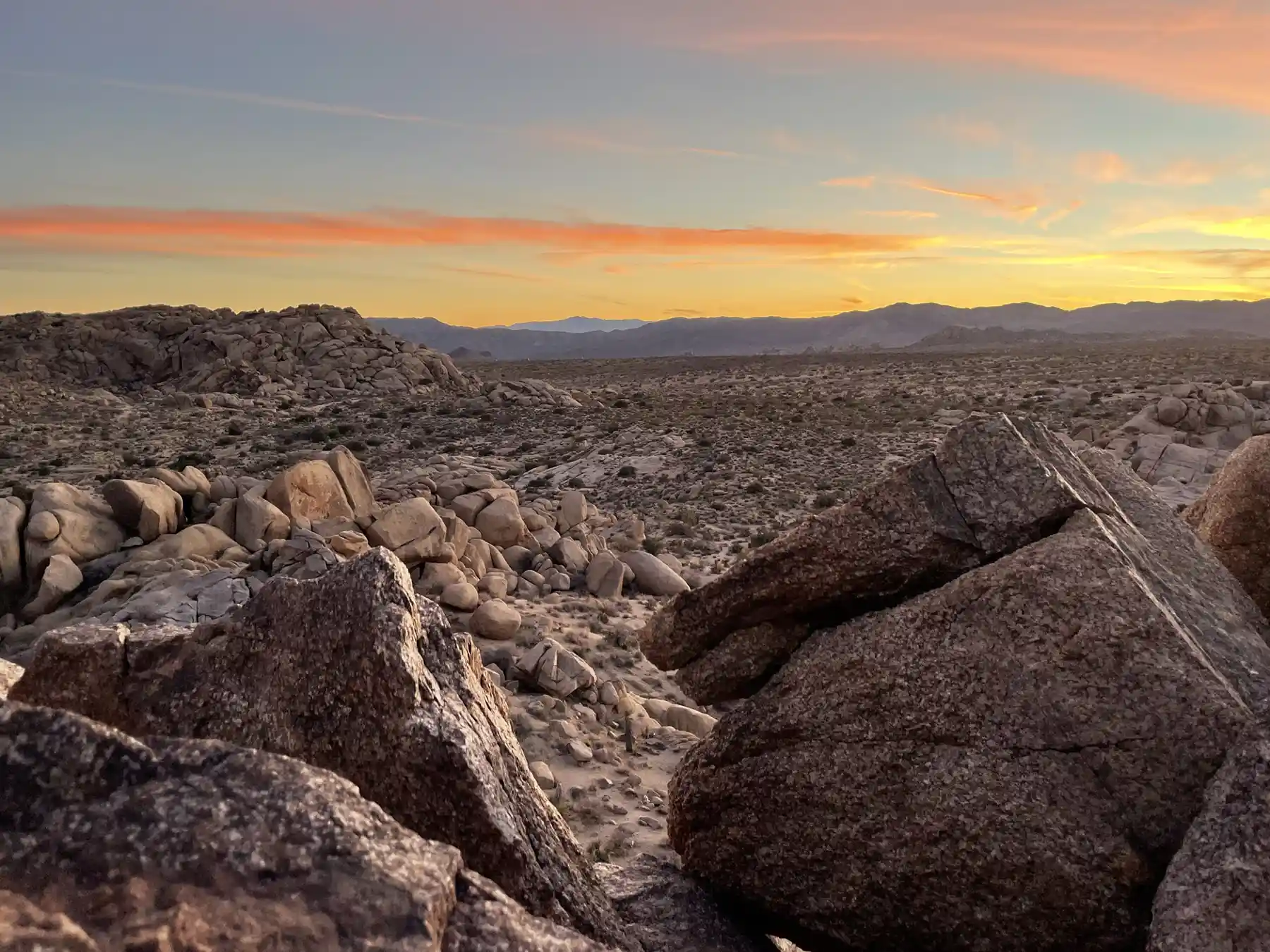
Camping in Joshua Tree National Park is an unforgettable experience, offering breathtaking desert landscapes, unique rock formations, and some of the clearest night skies in the country. Whether you’re looking for a developed campground with amenities or a backcountry site for a rugged adventure, this Joshua Tree National Park camping guide will help you find the perfect spot for your trip.

Hidden Valley Campground
  • Sites: 44
  • Amenities: Vault toilets, picnic tables, fire rings (no water available)
  • Best For: Rock climbers and those looking for a central location
  • Reservations: First-come, first-served

This popular campground is known for its proximity to world-class rock climbing routes. It’s a favorite among climbers and photographers, thanks to the stunning boulders and dramatic desert scenery.

rocky mountain national park
joshua tree national park camping
Jumbo Rocks Campground
  • Sites: 124
  • Amenities: Vault toilets, picnic tables, fire rings (no water available)
  • Best For: Families and visitors wanting easy access to unique rock formations
  • Reservations: Required from September to May

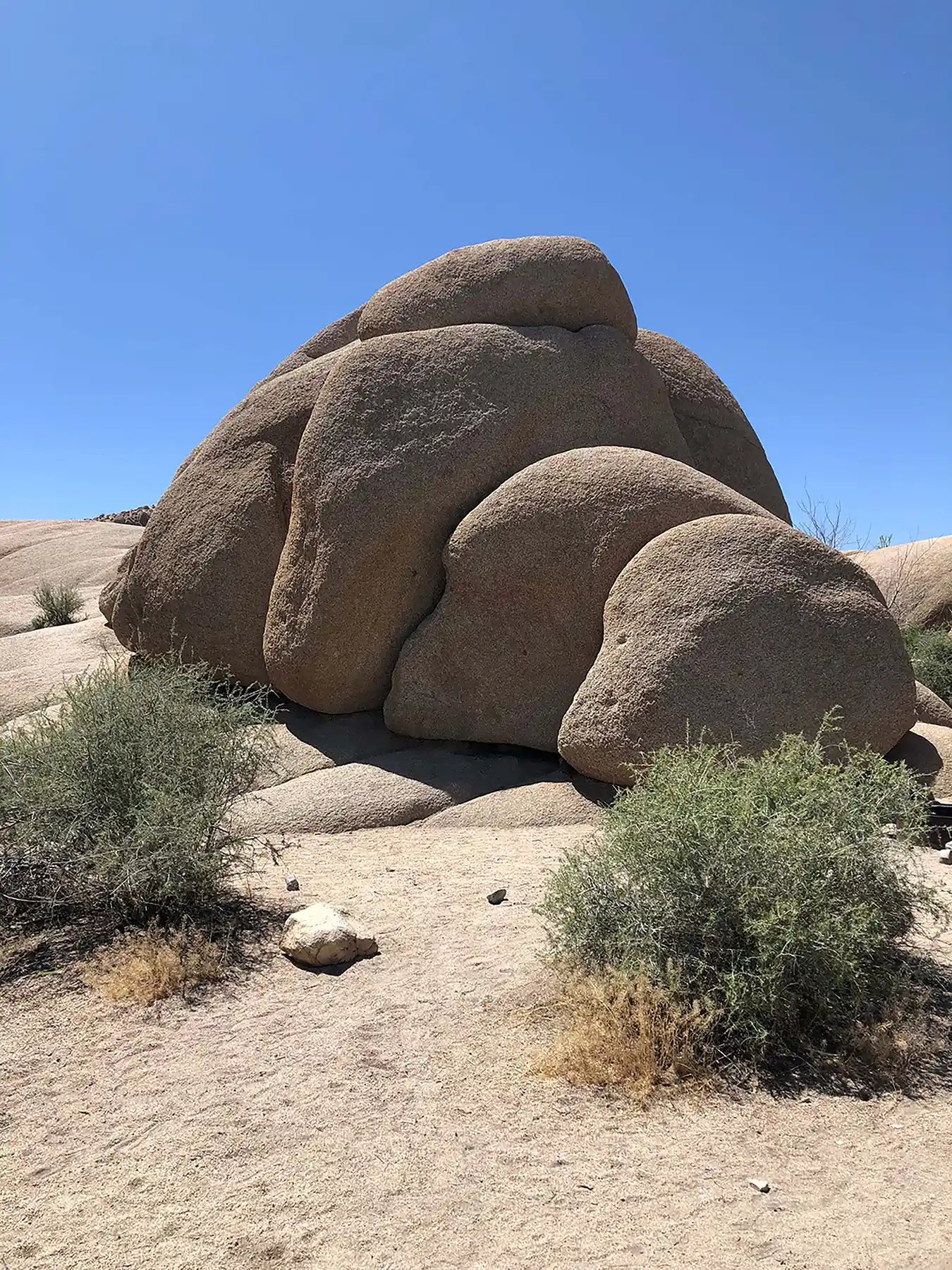
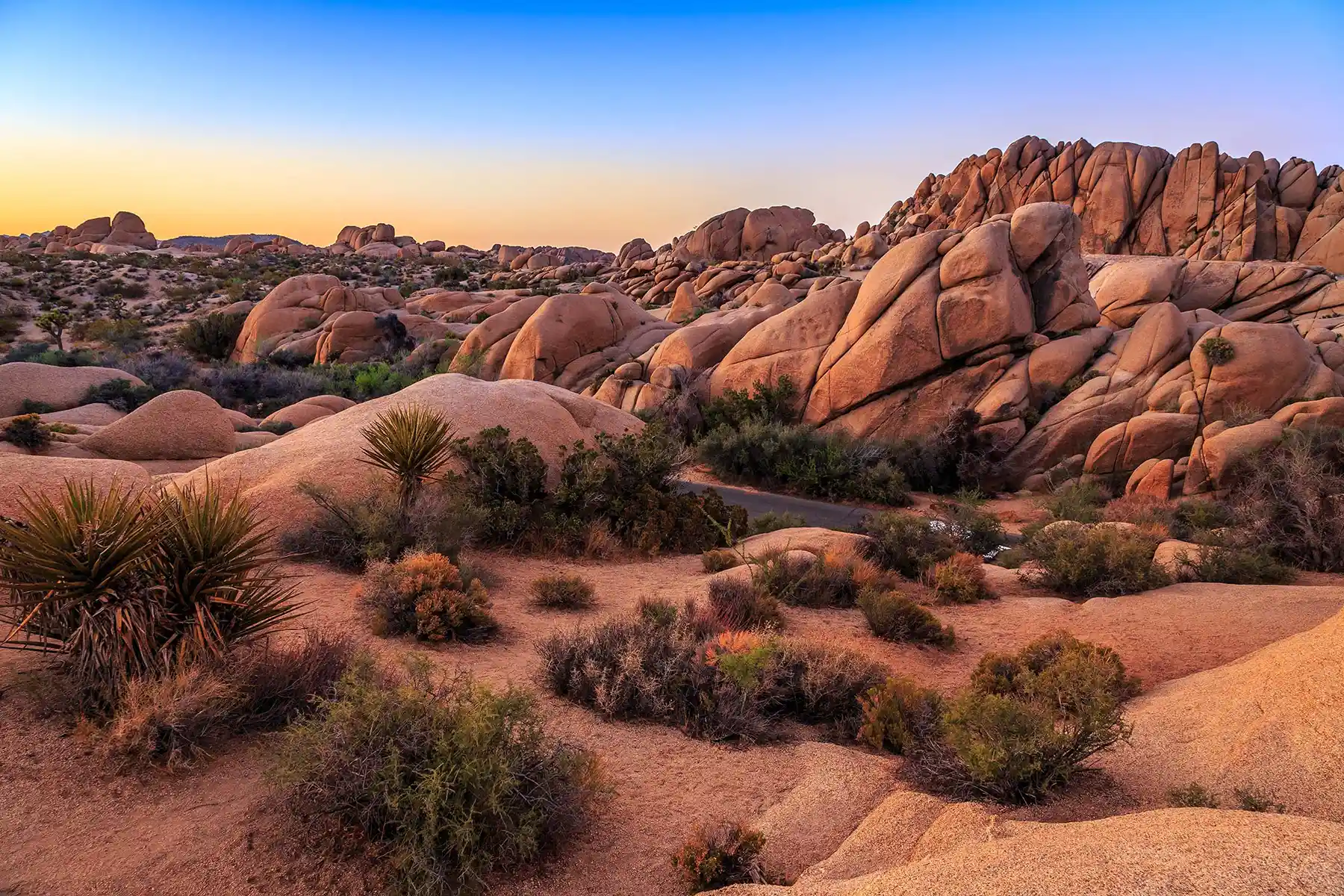
Jumbo Rocks is one of the most famous campgrounds in the park, offering incredible views of massive granite boulders. It’s a great choice for families and photographers looking for picturesque campsites.

Ryan Campground
  • Sites: 31 (including equestrian sites)
  • Amenities: Vault toilets, picnic tables, fire rings (no water available)
  • Best For: Equestrian campers and small RVs
  • Reservations: Required during peak season

Located near the Geology Tour Road, Ryan Campground is a quieter option with fantastic sunrise and sunset views. It also has designated sites for campers with horses.

Cottonwood Campground
  • Sites: 31 (including equestrian sites)
  • Amenities: Vault toilets, picnic tables, fire rings (no water available)
  • Best For: Equestrian campers and small RVs
  • Reservations: Required during peak season

Located near the Geology Tour Road, Ryan Campground is a quieter option with fantastic sunrise and sunset views. It also has designated sites for campers with horses.

Belle Campground - Best for Stargazing & Solitude
  • Sites: 18
  • Reservations: First-come, first-served
  • Amenities: Pit toilets, picnic tables, fire rings (no water)

A quiet, less crowded campground with stunning night sky views. Great for those seeking a peaceful desert experience.

White Tank Campground
  • Sites: 15
  • Reservations: First-come, first-served
  • Amenities: Pit toilets, picnic tables, fire rings (no water)

Close to Arch Rock, one of the park’s most famous natural formations. Perfect for astrophotographers and those wanting a quiet camping experience.


rocky mountain national park

Backcountry Camping in Joshua Tree

If you prefer a more remote and rugged experience, Joshua Tree allows free backcountry camping. However, there are strict rules:

  • You must park and register at one of the 13 designated backcountry registration boards.
  • Camp at least one mile from roads and 500 feet from trails.
  • No campfires allowed—use a stove for cooking.
  • Pack out all trash and leave no trace.

Best Time to Camp in Joshua Tree

  • Spring (March–May): Ideal weather, blooming wildflowers, but crowded.
  • Fall (September–November): Pleasant temperatures, fewer crowds.
  • Winter (December–February): Cold nights, but great for solitude.
  • Summer (June–August): Extreme heat (100+°F) makes camping difficult—opt for higher elevation sites like Black Rock.

Final Thoughts

Camping in Joshua Tree National Park is an unforgettable experience, offering dramatic landscapes, world-class stargazing, and a deep connection with nature. Whether you’re a first-time camper or a seasoned adventurer, there’s a site perfect for your trip.

Have you camped in Joshua Tree? Share your favorite campground and tips in the comments! 🌵🔥✨