

Crater Lake National Park
Park Information Quick Facts
Location: Oregon
Park Size: 183,224 Acres
Time Needed: 2-3 days
Best Season: July-September
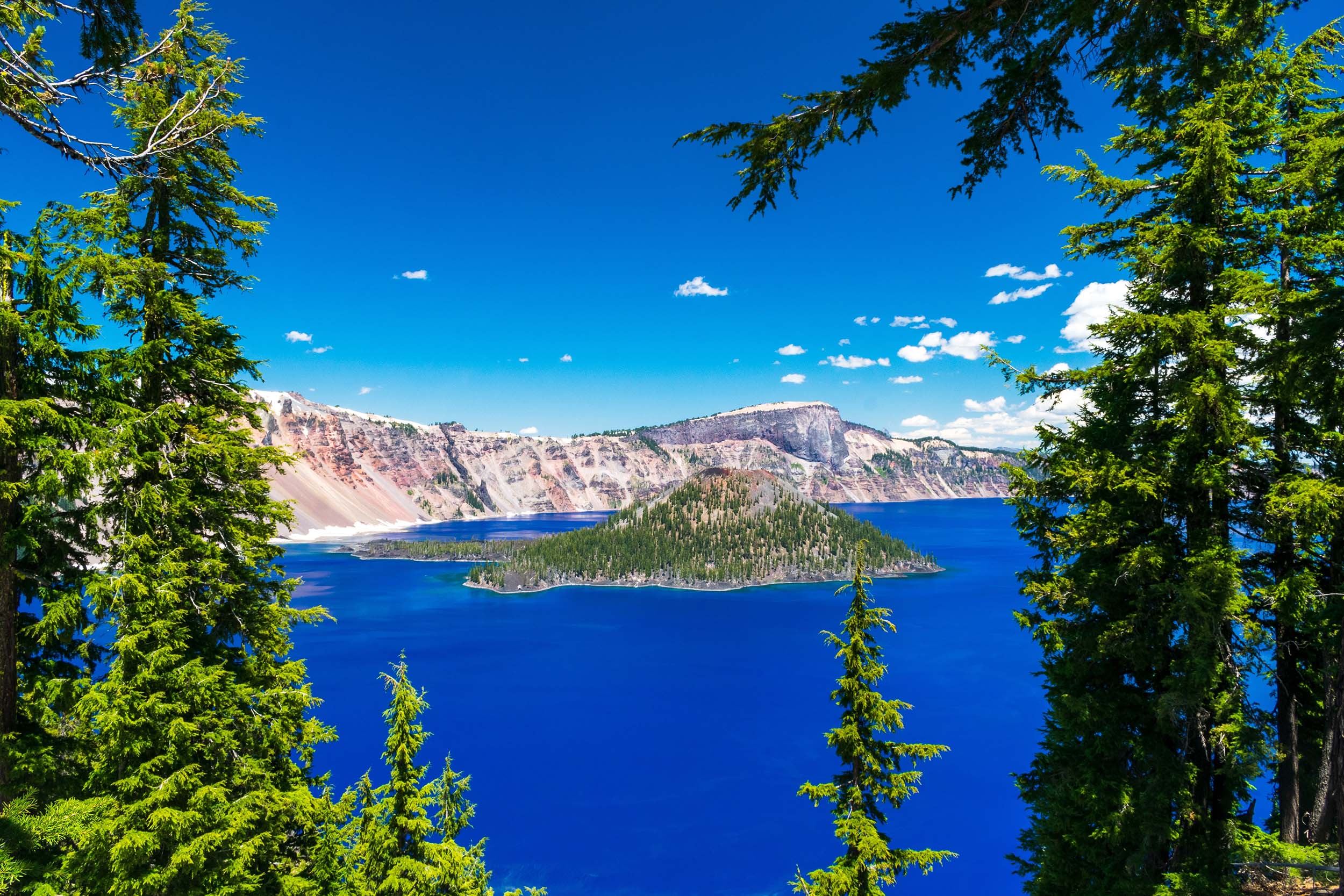
Must Do: Wizard Island
Pro Tips:Bring layers and be prepared for rapidly changing weather, even in summer.
Visitor Centers
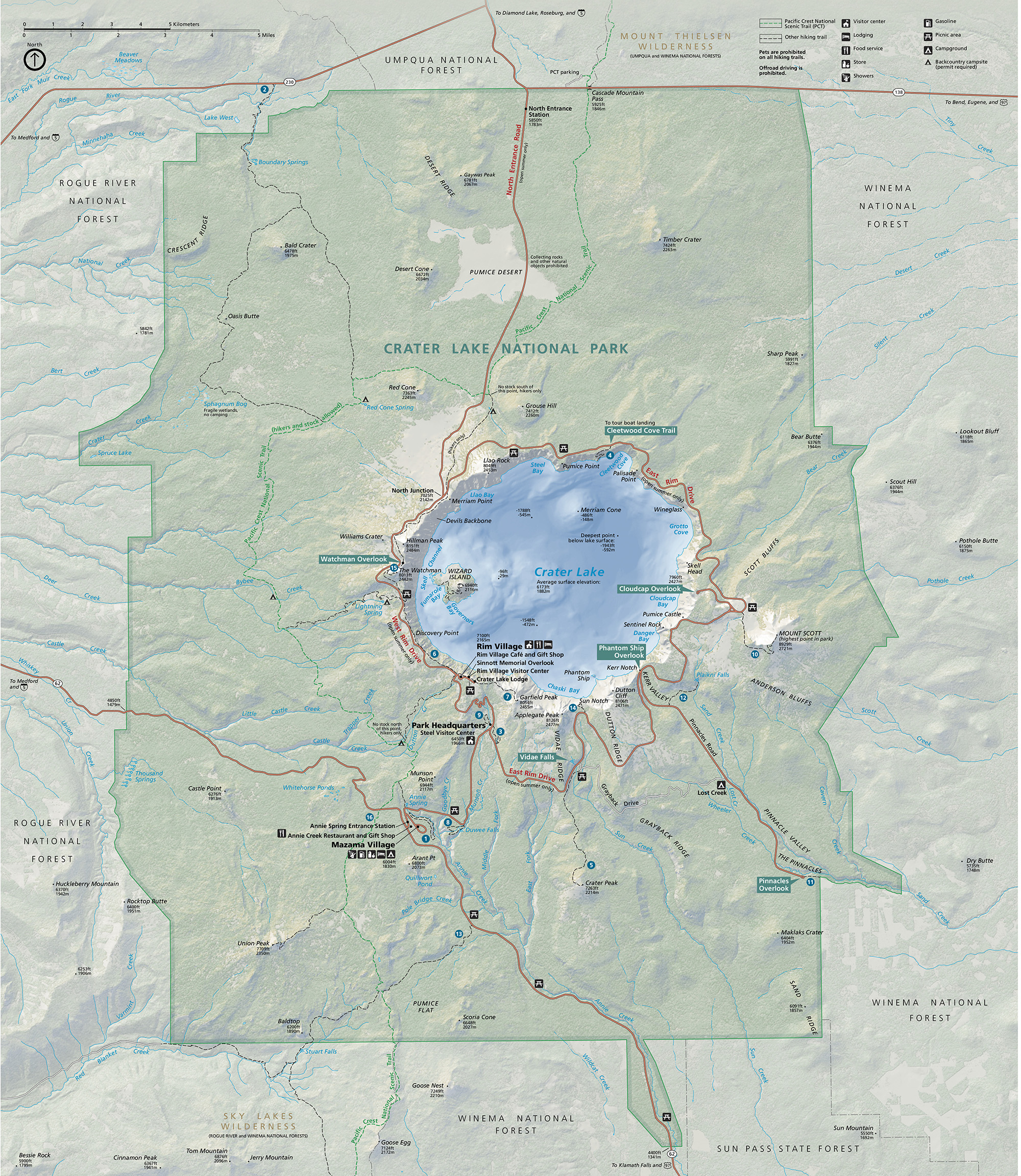
Crater Lake National Park features two visitor centers that provide essential resources, information, and educational opportunities for visitors. The Steel Visitor Center, located near the park’s southern entrance, is open year-round and serves as an excellent starting point. It offers exhibits about the park’s geology, history, and ecology, along with a short film that highlights the formation of Crater Lake and the surrounding volcanic landscape. Rangers are available to answer questions, help plan your visit, and provide updates on weather conditions, trail statuses, and seasonal activities. Additionally, the center includes a bookstore with maps, guidebooks, and souvenirs to enhance your park experience.
Getting There
How to Travel to Crater Lake National Park
Traveling to Crater Lake National Park involves planning your route carefully to make the most of your journey. The park is located in southern Oregon, with the nearest major airports in Medford (about 75 miles away) and Klamath Falls (about 60 miles away). From these locations, you can rent a car and drive to the park, as it is not serviced by public transportation. For those coming from farther afield, Portland (250 miles) and Eugene (165 miles) are larger cities that also serve as gateways to the region, though they are farther from the park. Having a reliable vehicle is essential, as you’ll need it not only to reach Crater Lake but also to navigate its scenic Rim Drive and other points of interest within the park.
The southern entrance to the park is open year-round, making it the most reliable option for access. During summer, the northern entrance also opens, providing additional routes for visitors. Highways 62, 138, and 97 are the main roads that lead to Crater Lake, offering stunning views of Oregon’s diverse landscapes along the way. It’s a good idea to check weather conditions before your trip, especially in winter and early spring, as snow and ice can affect driving conditions and accessibility. Visitors traveling during the snowy season should consider equipping their vehicles with chains or snow tires.
Camping at Crater Lake National Park
Camping at Crater Lake National Park is a fantastic way to immerse yourself in the park's natural beauty and serenity. The park offers two main campgrounds: Mazama Campground, open seasonally and equipped with over 200 sites for tents and RVs, complete with amenities like restrooms, showers, and a camp store, and Lost Creek Campground, a smaller, more primitive option with 16 tent-only sites for those seeking a quieter, rustic experience. Both campgrounds provide convenient access to trails, scenic viewpoints, and the park’s signature Rim Drive. Reservations for Mazama Campground are highly recommended, especially during the busy summer months, while Lost Creek operates on a first-come, first-served basis. Visitors should come prepared for cool nighttime temperatures, even in summer, and pack accordingly to make their camping experience comfortable and enjoyable.
Campsites & Campgrounds in Crater Lake National Park
Filter by name, campground type, RV vs. tent-friendly, reservation style, and amenities to find the right campsite fast.
Camping Tips
Prepare for Variable Weather: Crater Lake’s high elevation means that temperatures can drop significantly at night, even in summer. Bring warm clothing, layered gear, and a four-season sleeping bag to stay comfortable. Be ready for sudden changes in weather, including rain or wind. Book Early or Arrive Early: If you plan to camp at Mazama Campground during peak season, make reservations well in advance, as sites fill quickly. For Lost Creek Campground, which is first-come, first-served, arriving early in the day increases your chances of securing a spot. Pack Smart: Bring plenty of water if camping at Lost Creek, as there’s no potable water available. Also, pack bear-proof food storage containers or use the provided bear lockers to safely store food and scented items, as wildlife is active in the area. Don’t forget essentials like a flashlight, firewood, and a detailed park map for exploring.
Popular Hiking Trails in Crater Lake National Park
Filter trails by name, difficulty, and length to find the right hike fast.
Hiking Trails in Crater Lake National Park
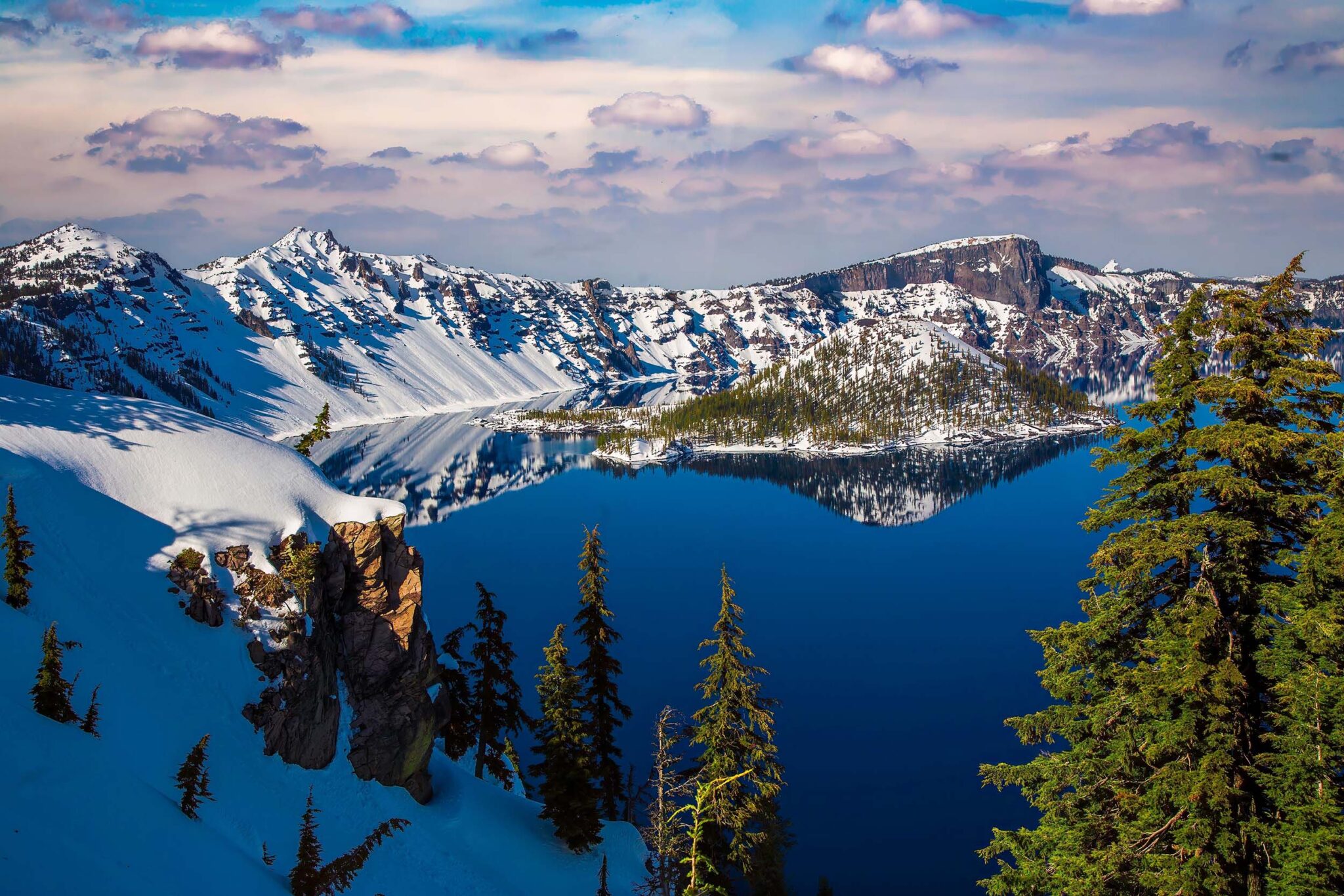
Hiking at Crater Lake National Park offers some of the most breathtaking outdoor experiences in Oregon, with trails that vary from easy strolls to challenging summit hikes. The park’s high elevation, diverse ecosystems, and volcanic landscapes create a unique backdrop for exploration. The Rim Trail is one of the most popular hikes, offering 20 miles of panoramic views along the edge of the caldera. This trail provides hikers with opportunities to view the pristine blue water of Crater Lake from various angles and to spot unique features like Wizard Island and Phantom Ship. Shorter segments of the Rim Trail, accessible from various viewpoints, make it easy for visitors to enjoy this scenic route without committing to the entire distance.
For those seeking a more moderate challenge, the Garfield Peak Trail is a 3.4-mile hike that leads to the summit of Garfield Peak. The ascent rewards hikers with spectacular, sweeping views of the lake, the surrounding mountains, and the lush forests below. Watchman Trail, another popular hike, is shorter at 1.6 miles but is steeper, leading to the top of Watchman Peak where visitors are treated to one of the best views of Crater Lake and its surroundings. Both trails offer an opportunity to experience the park’s rugged terrain while providing a good mix of solitude and scenic beauty.
Must-Do Activities
Take a Boat Tour to Wizard Island
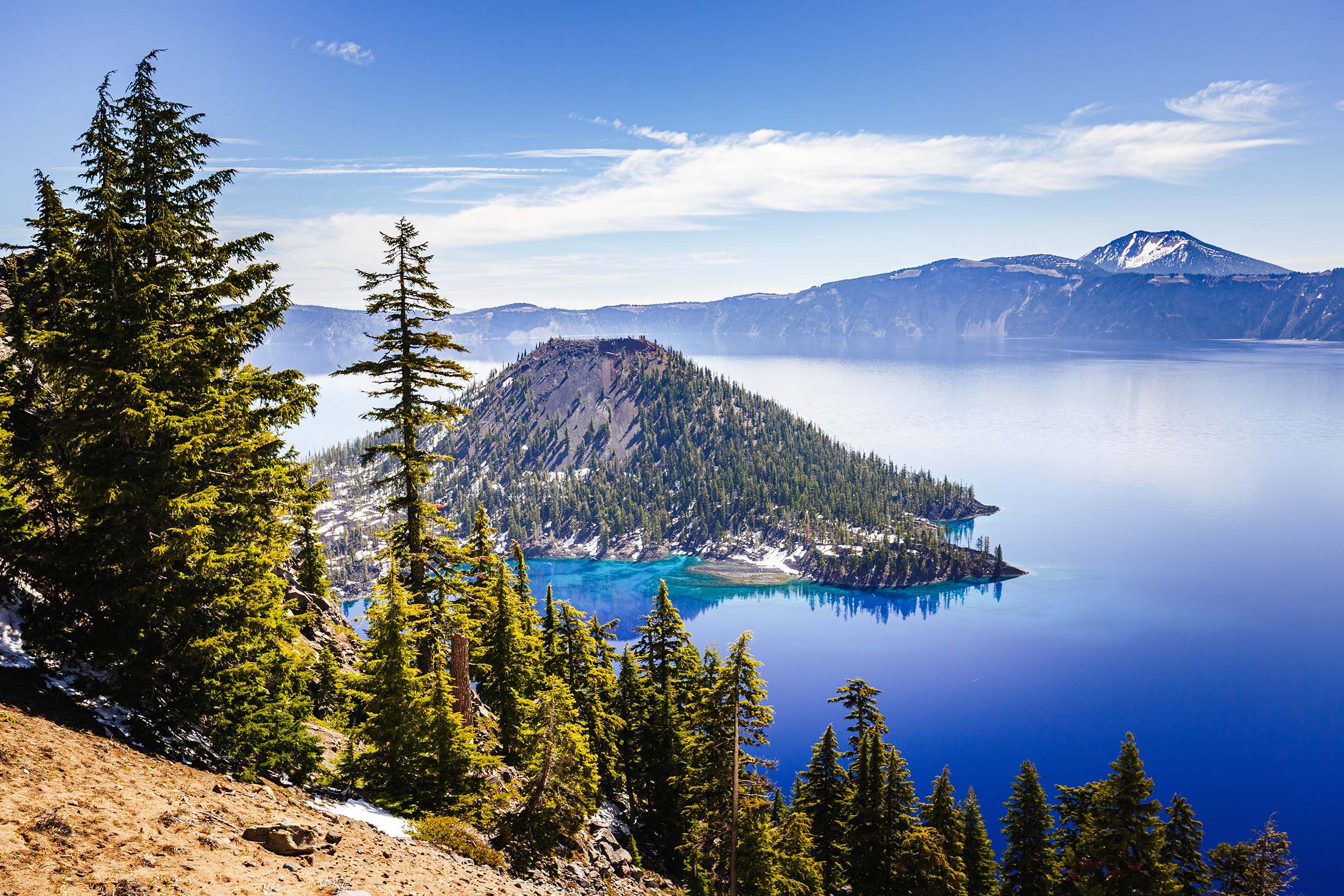
One of the most iconic activities at Crater Lake is the boat tour to Wizard Island, a volcanic cinder cone located in the lake. The tour provides a unique perspective of the lake’s vivid blue waters and stunning caldera cliffs. Visitors can hike to the summit of Wizard Island, enjoy the view, or even swim in the cool waters of the lake. The boat tours run during the summer months when conditions permit and are a must-do for anyone looking to experience the park from the water.
Drive the Rim Drive
A must-do activity in Crater Lake National Park is to drive the Rim Drive, a 33-mile scenic route that circles the lake and offers breathtaking views at numerous viewpoints. Along the way, visitors can stop at key sites such as Watchman Overlook, which offers panoramic views of the lake and Wizard Island, or take a hike along sections of the Rim Trail. The drive is an excellent way to see the park’s dramatic volcanic landscape, and it’s especially beautiful during sunrise and sunset.
Hike to Garfield Peak or Watchman Peak
Crater Lake National Park History
The history of Crater Lake National Park begins with the dramatic eruption of Mount Mazama, a massive volcanic event that occurred about 7,700 years ago. This eruption caused the collapse of the mountain, forming a large caldera, which eventually filled with water from rainfall and snowmelt, creating the pristine Crater Lake we see today. The lake’s deep blue waters are unique, as it is the deepest lake in the United States and one of the clearest in the world. The area remained largely unknown to European settlers until the mid-19th century, when explorers and settlers began to venture into the region, finding a landscape unlike any other in North America.

The first recorded sighting of Crater Lake by European Americans was in 1853, when a group of pioneers, led by explorer John Wesley Hillman, accidentally came upon the lake. However, it wasn’t until the late 1800s that the area gained more attention. In 1869, a journalist named John L. O’Sullivan coined the phrase “Crater Lake” after seeing the lake for the first time and describing its beauty. The lake and surrounding area became a popular destination for exploration and tourism, and local residents began to advocate for the protection of the region’s natural beauty.