
Wildlife at Capitol Reef National Park

Wild Wanderers Almanac

Wildlife at Capitol Reef National Park
wildlife at capitol reef national park

Exploring Wildlife at Capitol Reef National Park
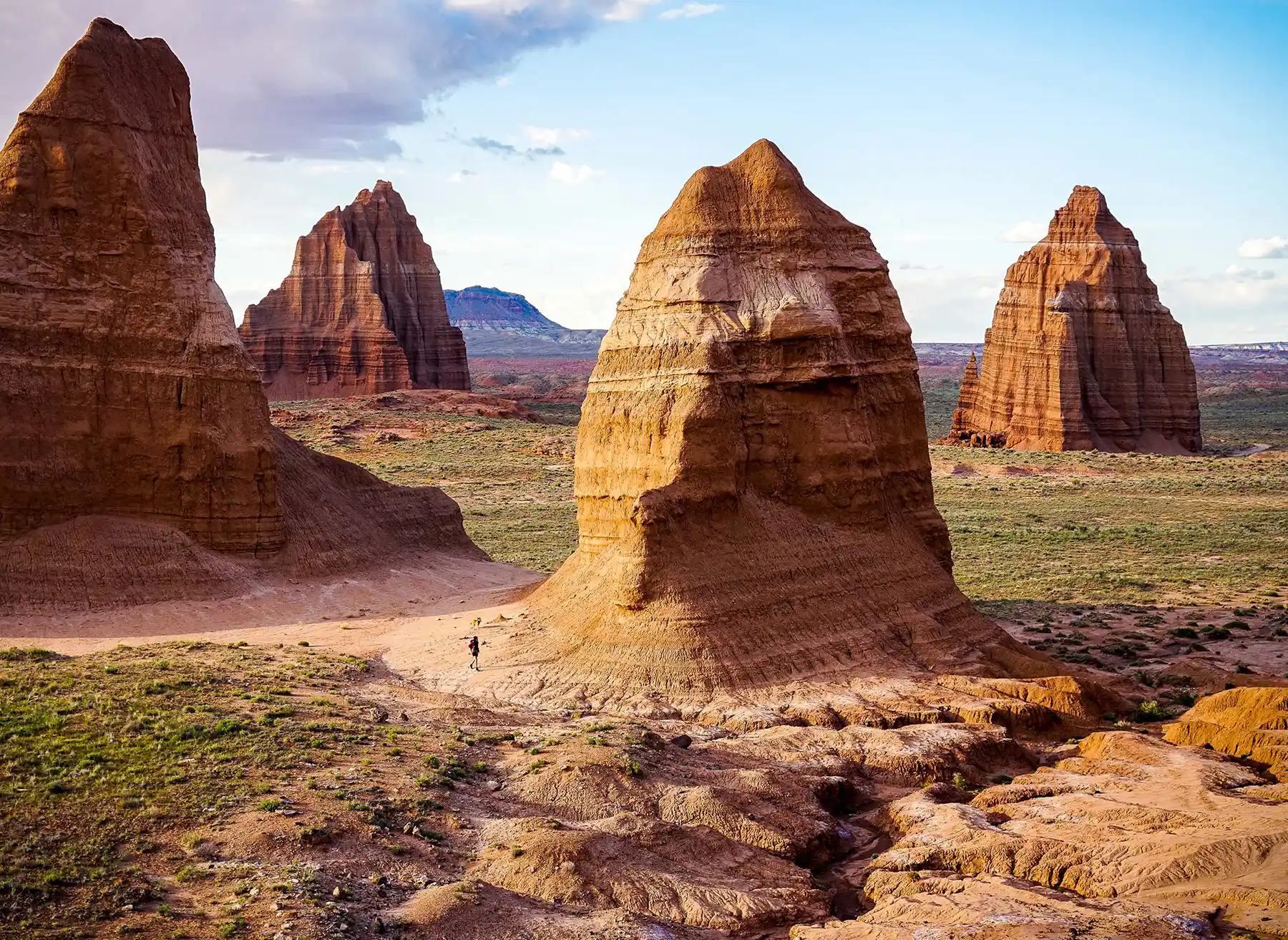
Capitol Reef National Park, tucked away in the heart of Utah’s red rock country, is a spectacular mosaic of towering cliffs, winding canyons, and lush river valleys. While its stunning geological formations often steal the spotlight, the park’s thriving wildlife is a hidden treasure waiting to be discovered. From nimble bighorn sheep scaling the cliffs to colorful songbirds filling the orchards with song, wildlife at Capitol Reef national park offers an unforgettable experience for nature enthusiasts and casual visitors alike.
A Landscape That Nurtures Life

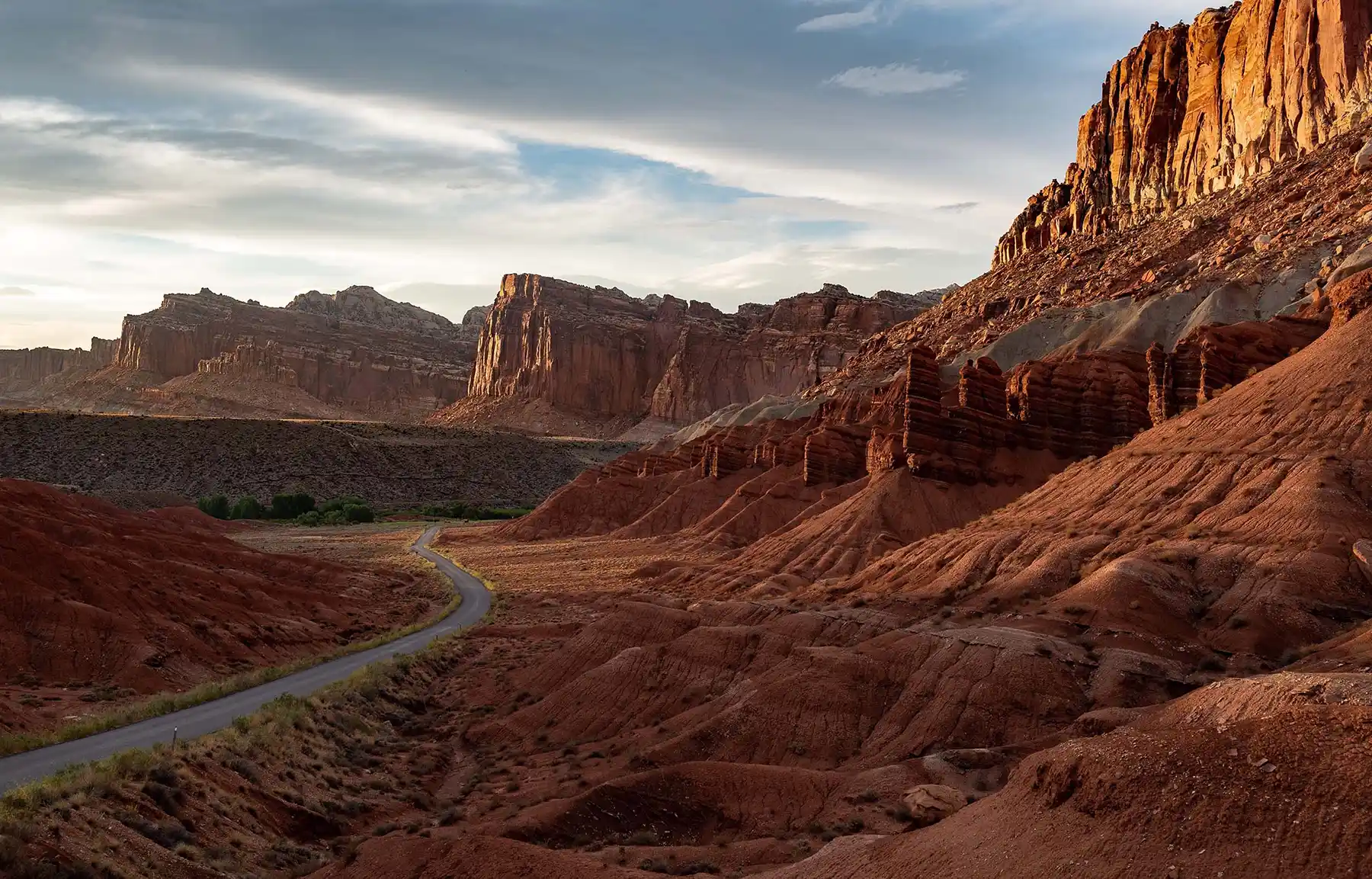
The park’s diverse habitats—ranging from arid desert to riparian zones along the Fremont River—support an impressive variety of animal life. Elevations in the park span from around 3,800 to over 8,000 feet, creating distinct ecological zones. These varied environments foster over 230 bird species, 71 mammal species, 19 reptile and amphibian species, and countless insects and other invertebrates. Whether you’re hiking a remote canyon or picnicking near Fruita’s historic orchards, wildlife encounters are never far away.

dark sky national parks

Birds: A Birder’s Paradise

Capitol Reef is a true haven for birdwatchers. The park’s mix of desert scrub, river corridors, and orchard landscapes draws a variety of bird species throughout the year.

American kestrels, peregrine falcons, and red-tailed hawks soar high above the cliffs, while colorful songbirds like the western tanager, mountain bluebird, and Bullock’s oriole bring vibrant flashes of color to the lower elevations. Fruita’s historic orchards, in particular, attract many migrating birds in spring and fall.

Winter months see an influx of hardy species like the juniper titmouse and northern flicker, making Capitol Reef a rewarding birding destination year-round. For a magical experience, listen for the calls of the great horned owl echoing across the canyons on a quiet evening.


Mammals: Majestic and Elusive

One of Capitol Reef’s most iconic residents is the desert bighorn sheep. These agile animals are masters of the park’s rocky terrain, often spotted along steep cliffs and canyons such as Capitol Gorge or along the scenic drive. Bighorn sheep are particularly active in the early mornings and late afternoons, so keep your binoculars handy if you’re hoping for a sighting.

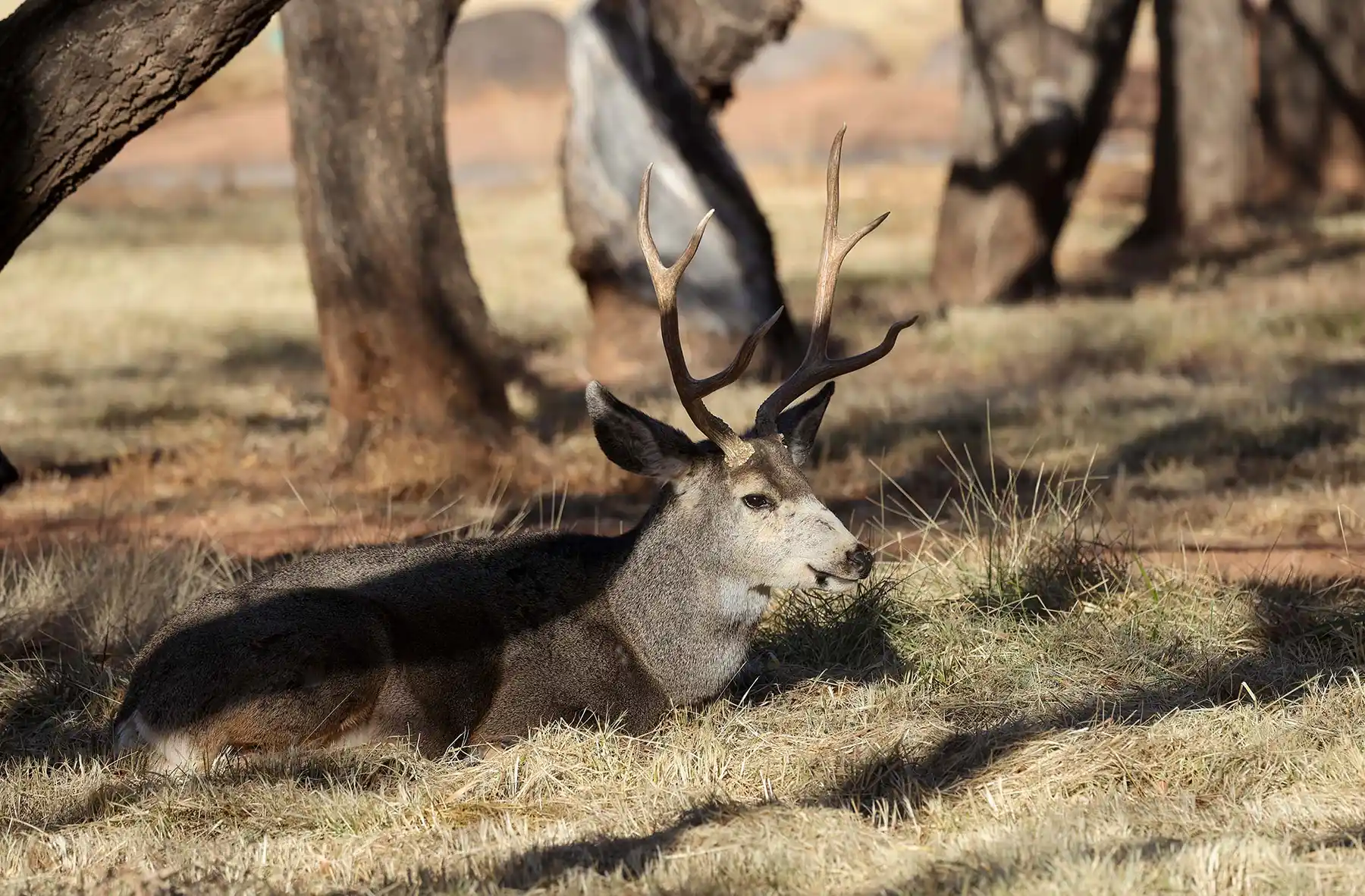
Another frequent (though often shy) mammal is the mule deer. In the verdant Fruita area—where the river and orchards provide ample food—you’re almost guaranteed to encounter a few grazing deer, especially around dawn and dusk.

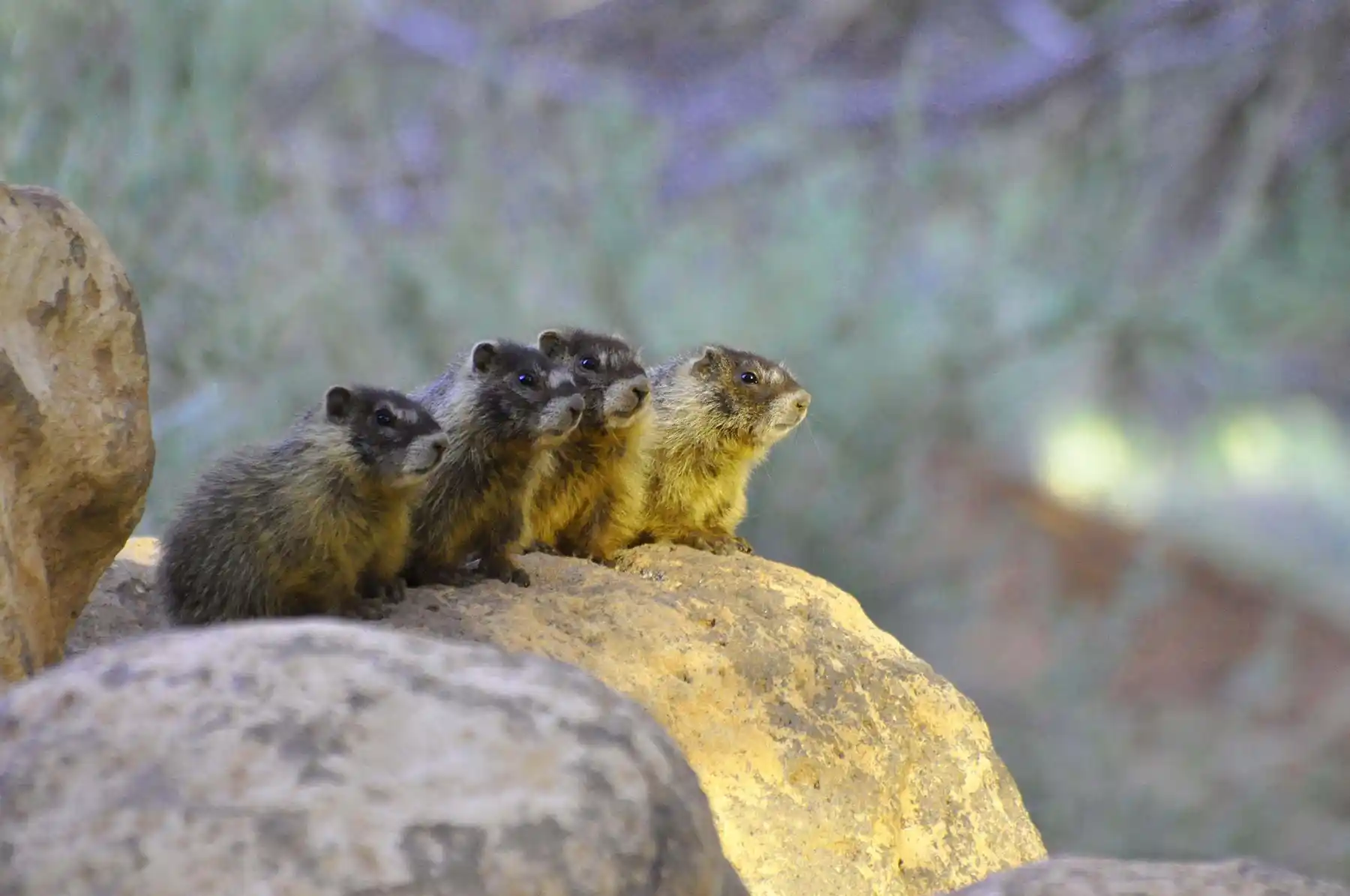
The park is also home to more elusive predators like the mountain lion and bobcat, though sightings are rare due to their nocturnal habits. Smaller mammals such as rock squirrels, ringtails, and black-tailed jackrabbits are more commonly seen and heard rustling through the underbrush.
Insects: Tiny Yet Mighty

The insect life at Capitol Reef is both diverse and fascinating. Bees, particularly native solitary bees, play a crucial role in pollinating the park’s wildflowers and fruit trees. Butterflies like the two-tailed swallowtail add a delicate beauty to the landscape in the spring and summer months.

During late summer evenings, the desert comes alive with the buzzing and chirping of katydids and crickets, creating a natural symphony under the starlit sky.

LifeStraw Water Filter

The LifeStraw water filter is a must-have for outdoor enthusiasts, travelers, and emergency preparedness. This compact, lightweight device removes 99.9999% of bacteria, parasites, and microplastics, making contaminated water safe to drink. Whether you’re hiking, camping, or facing a survival situation, LifeStraw ensures access to clean water anytime, anywhere

Reptiles and Amphibians: Desert Survivors

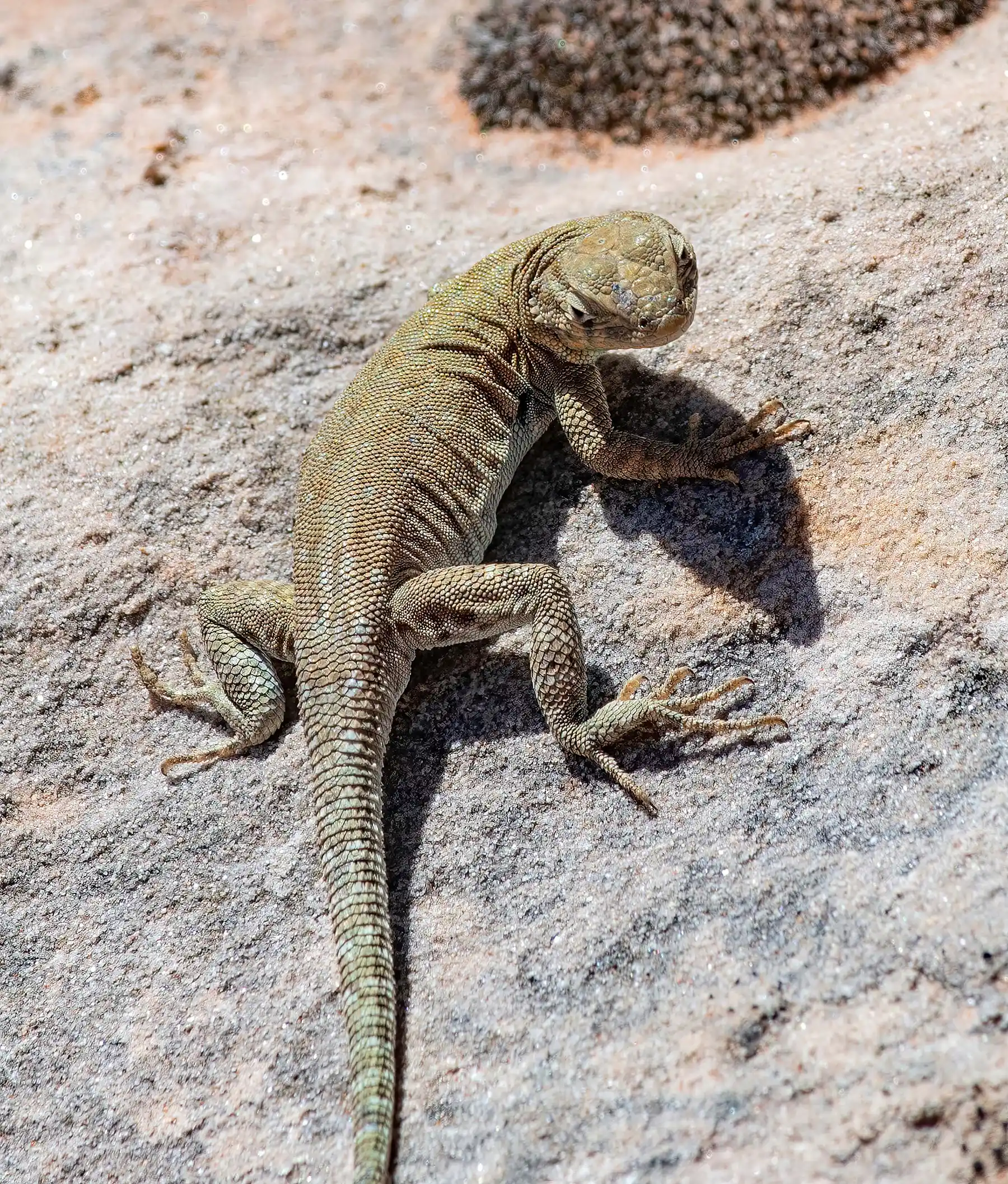
Though often overlooked, Capitol Reef’s reptiles and amphibians are vital members of the ecosystem. On sunny days, lizards such as the western whiptail and side-blotched lizard can be seen basking on warm rocks. Snakes, including the harmless gopher snake and the more elusive midget faded rattlesnake, also inhabit the park.

Amphibians, which require moisture to thrive, are mostly found near the Fremont River or other wet areas. Look carefully and you might spot a canyon treefrog blending into the rocky surroundings or hear their chirping calls after a summer rain.

Best Practices for Wildlife Viewing

To make the most of your wildlife experience at Capitol Reef, keep these tips in mind:

  • Stay Quiet and Patient: Wildlife is sensitive to noise and movement. Find a good spot, stay still, and watch carefully.

  • Use Binoculars: Respect the animals’ space. Binoculars allow you to observe from a distance without disturbing them.

  • Be Mindful of Time: Early mornings and late evenings are often the best times for wildlife sightings.

  • Respect Their Habitat: Stay on trails and avoid trampling vegetation or approaching animals too closely.

  • Leave No Trace: Always pack out your trash and avoid feeding wildlife.

arches national park trails

Unique Wildlife Experiences

Capitol Reef offers some truly unique wildlife experiences that shouldn’t be missed. In the spring and fall, visitors can participate in volunteer orchard work in Fruita, which often means close encounters with deer and an array of birds. For the adventurous, nighttime hikes or camping trips offer a chance to hear the calls of nocturnal creatures or catch a glimpse of shy mammals.

During the monsoon season (July–September), amphibians become more active, and flash floods can temporarily create new pools teeming with life.

Conclusion: A Living Landscape

While the rock formations and dramatic landscapes of Capitol Reef National Park are world-renowned, the thriving wildlife makes the park a truly living landscape. Every rustle in the brush, flutter in the orchards, or distant hoofbeat on a rocky slope is a reminder that this rugged desert is teeming with life.

Whether you’re a seasoned birder, an amateur naturalist, or just someone who loves the quiet thrill of spotting a wild creature in its natural habitat, Capitol Reef invites you to slow down, look closer, and experience the wild heart of Utah in a whole new way.

Wild Wanderers Shop

Shop our top camping gear for all types of adventures!
Wildlife at Katmai National Park

Wild Wanderers Almanac

Wildlife at Katmai National Park

Wildlife at Katmai National Park

Wildlife at Katmai National Park

Katmai National Park and Preserve, located in southern Alaska, is a breathtaking expanse of wilderness renowned for its volcanic landscapes, pristine rivers, and, most notably, its incredible wildlife. Spanning over four million acres, this remote park is a haven for nature lovers, photographers, and adventurers seeking to witness some of the most iconic species in their natural habitat.

The Majestic Brown Bears

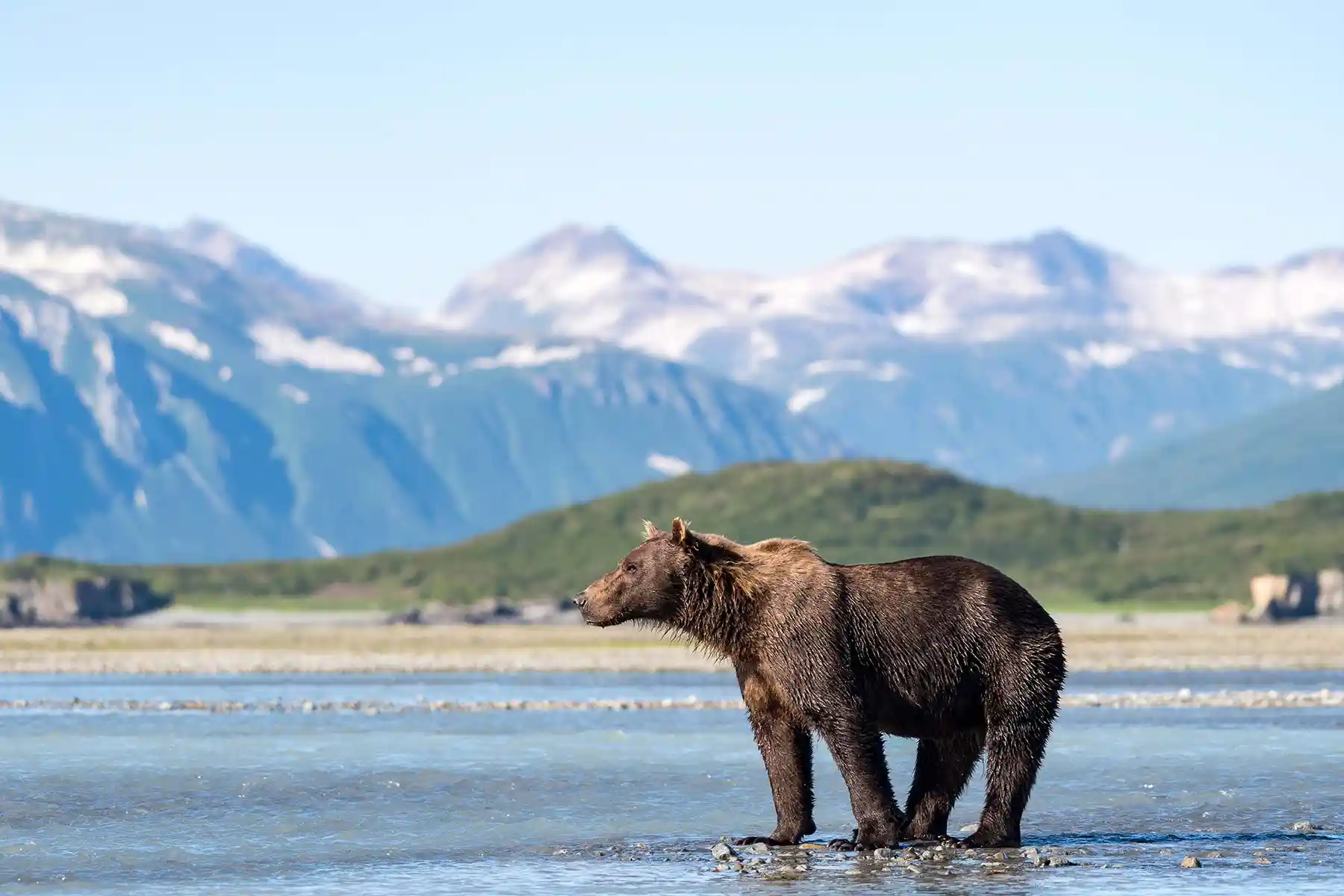
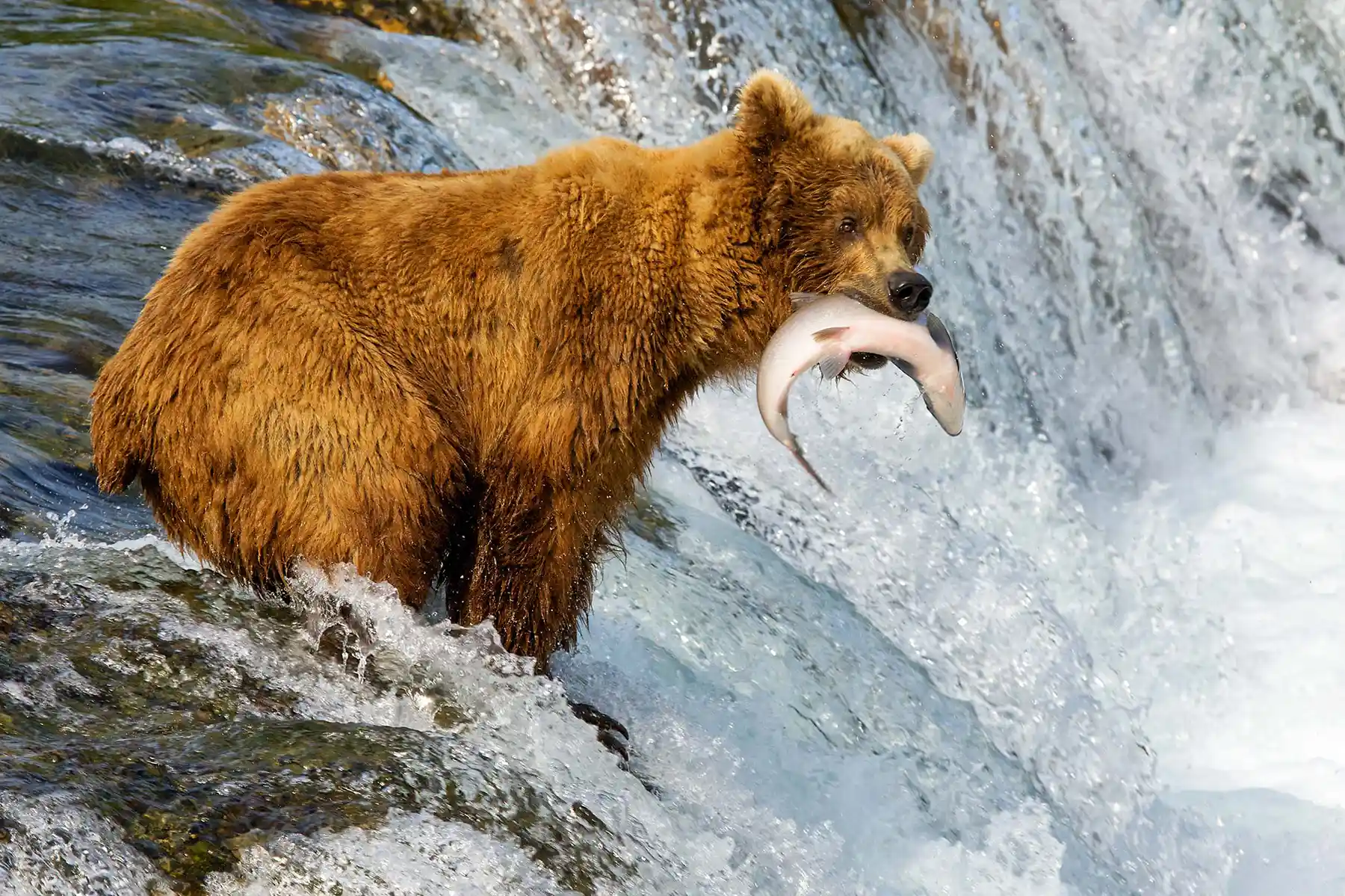
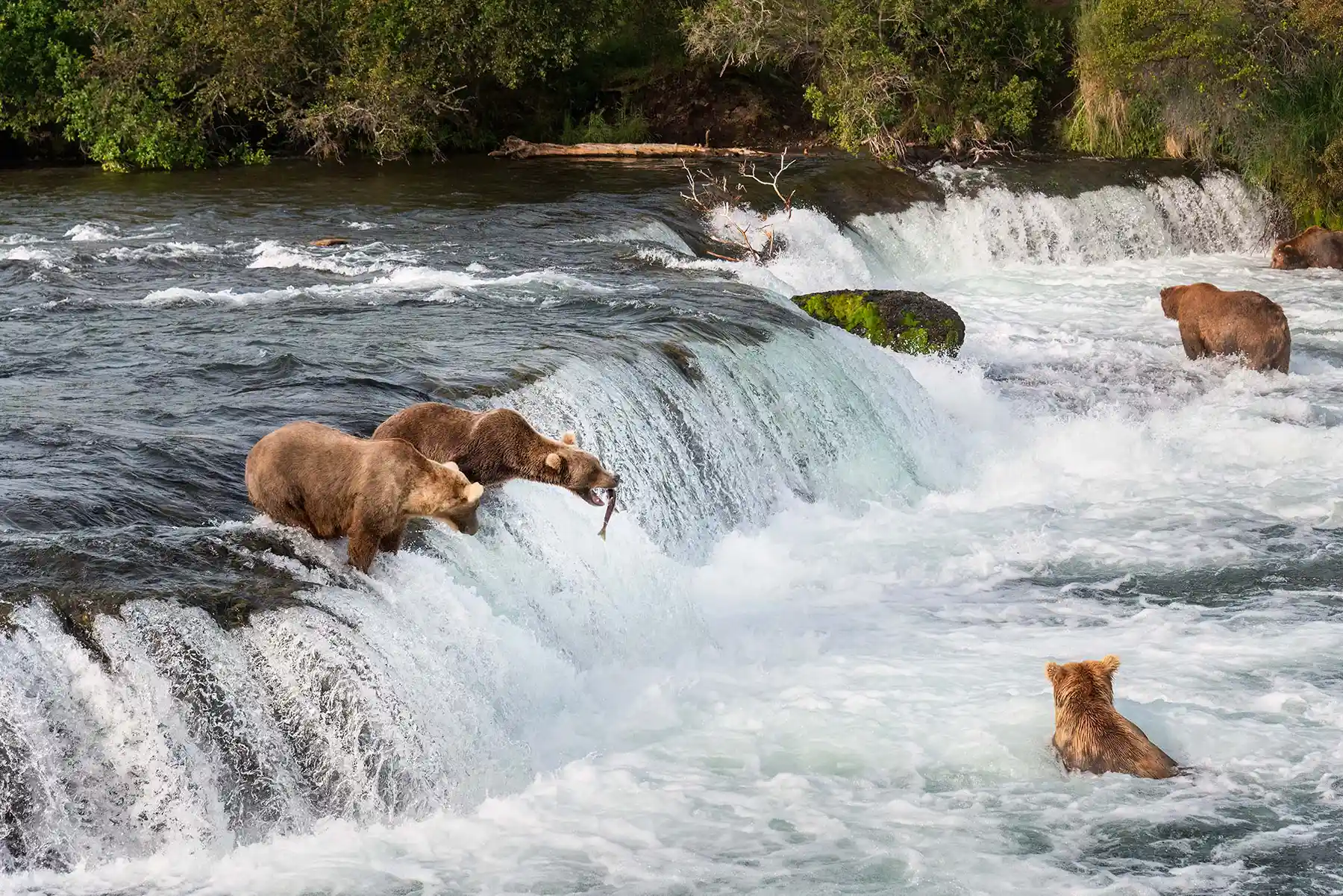
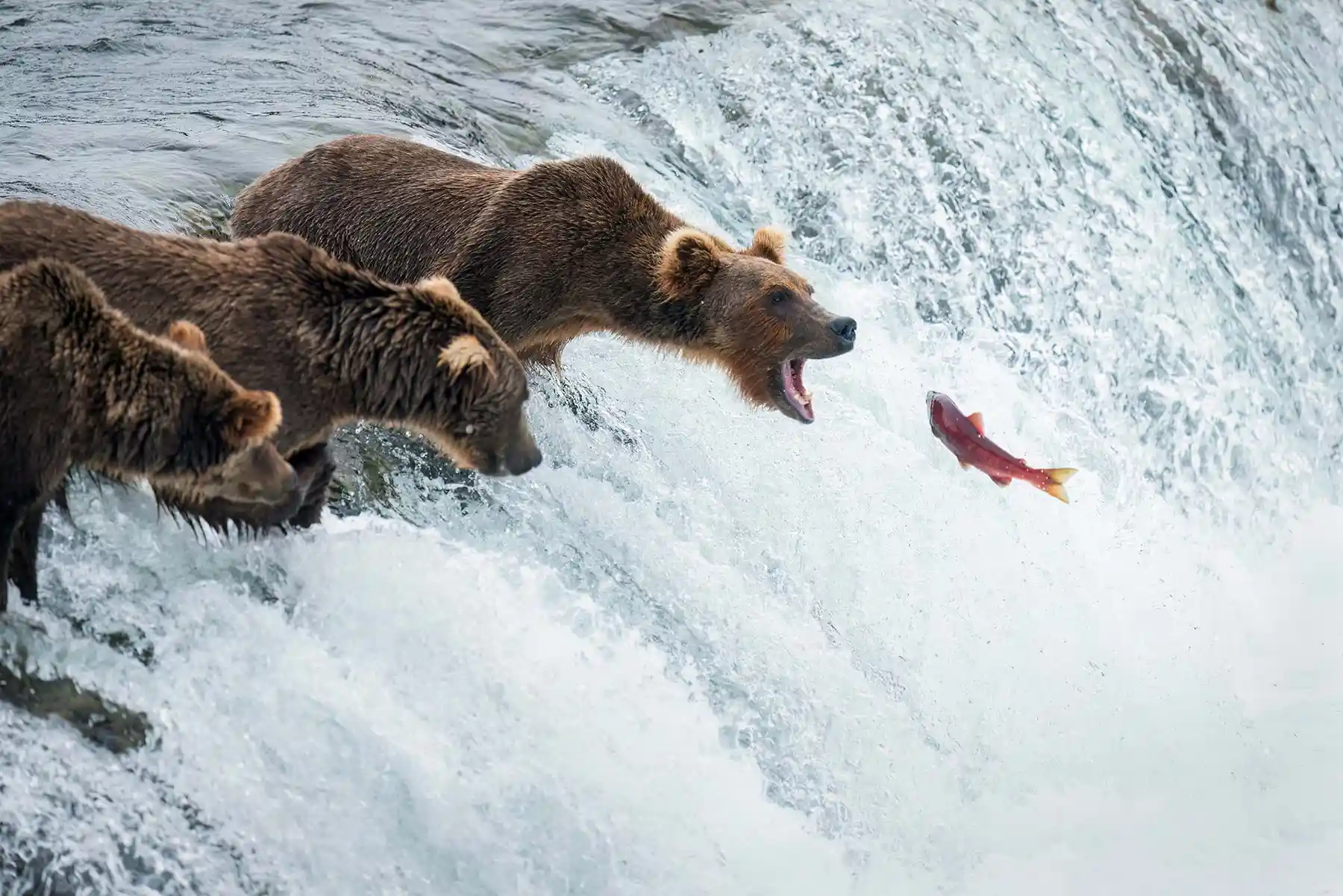
The undisputed stars of Katmai are its brown bears. Every year, hundreds of these powerful creatures congregate at Brooks Falls, a world-famous site where they skillfully catch leaping salmon. This dramatic spectacle, particularly in July and September, draws visitors and wildlife enthusiasts eager to witness the raw beauty of nature. The park’s healthy salmon population sustains one of the densest brown bear populations on Earth, making Katmai one of the best places to observe these magnificent animals up close—from a safe distance, of course!

Wildlife at Katmai National Park
A Haven for Aquatic Life

Katmai’s rivers and lakes are teeming with life, largely due to the annual salmon run. Species such as sockeye, king, and coho salmon make their way upstream to spawn, providing a crucial food source for bears, eagles, and other predators. The park’s pristine waters also support trout, grayling, and char, making it a dream destination for anglers and fish enthusiasts alike.

Wolves, Moose, and Other Mammals

Beyond bears, Katmai is home to a diverse range of mammals. Wolves, though elusive, roam the park’s vast wilderness, playing a vital role in maintaining ecological balance. Moose, the largest members of the deer family, can be seen grazing near lakes and marshes. Other species, such as red foxes, lynxes, and river otters, add to the park’s rich biodiversity.

A Birdwatcher’s Paradise

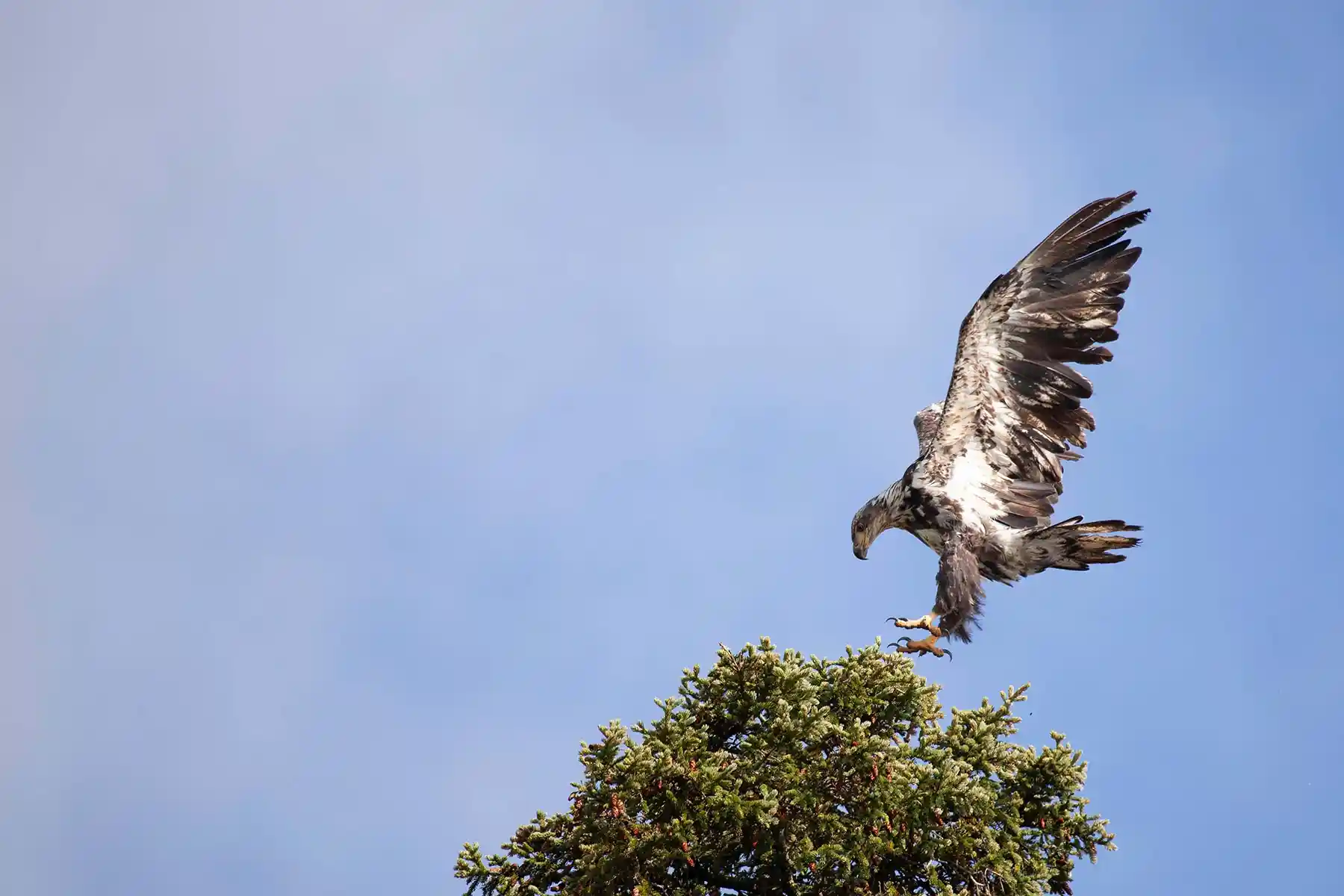
For those who love birdwatching, Katmai offers an incredible array of avian species. Majestic bald eagles soar above the rivers, while seabirds like puffins and cormorants can be spotted along the rugged coastline. Other notable species include the peregrine falcon, great horned owl, and Arctic tern, making the park a must-visit for birding enthusiasts.

Marine Wonders

The coastline of Katmai National Park is equally spectacular, offering opportunities to see sea otters, seals, and even whales. Harbor seals can be found resting on rocky shores, while sea otters float playfully in kelp beds. Lucky visitors might even spot humpback or orca whales cruising through the waters of the Shelikof Strait.

Conservation and Preservation

Katmai’s incredible wildlife thrives due to dedicated conservation efforts. The park was originally established in 1918 to protect the region following the Novarupta volcanic eruption, but today, its mission has expanded to safeguarding its unique ecosystems. Visitors are encouraged to follow Leave No Trace principles, respect wildlife from a safe distance, and appreciate the natural world without disturbing it.

Wildlife at Katmai National Park

Plan Your Visit

If you’re dreaming of an unforgettable wildlife experience, Katmai National Park should be at the top of your list. Whether you’re watching bears fish at Brooks Falls, marveling at bald eagles in flight, or spotting marine mammals along the coast, the park offers an unparalleled glimpse into Alaska’s wild beauty.