
Mesa Verde National Park History

Wild Wanderers Almanac

Mesa Verde National Park History
Mesa Verde National Park History
Smoky Mountain National Park History

The Rich History of Mesa Verde National Park

Nestled in the southwestern corner of Colorado, Mesa Verde National Park stands as a testament to the ingenuity and resilience of the Ancestral Puebloans who once thrived in this rugged landscape. Designated a UNESCO World Heritage Site in 1978, Mesa Verde is renowned for its well-preserved cliff dwellings, stunning archaeological sites, and its significant role in understanding early Native American civilizations. Spanning over 52,000 acres, the park offers a glimpse into the past, allowing visitors to explore the history, culture, and traditions of a people who lived there for over 700 years.
Early Inhabitants: The Basketmaker Era (550 – 750 CE)

The history of Mesa Verde begins with the Basketmaker people, the early ancestors of the Ancestral Puebloans. These early settlers were primarily hunter-gatherers but later transitioned into farming, cultivating crops such as corn, beans, and squash. They lived in pithouses, which were semi-subterranean homes made of wood and mud, providing insulation against the extreme temperatures of the region.

Over time, the Basketmakers improved their tools, creating bows and arrows, pottery, and more advanced weaving techniques. Their advancements in agriculture and craftsmanship laid the foundation for the more complex societies that would emerge in Mesa Verde centuries later.

The Rise of the Ancestral Puebloans (750 – 1100 CE)

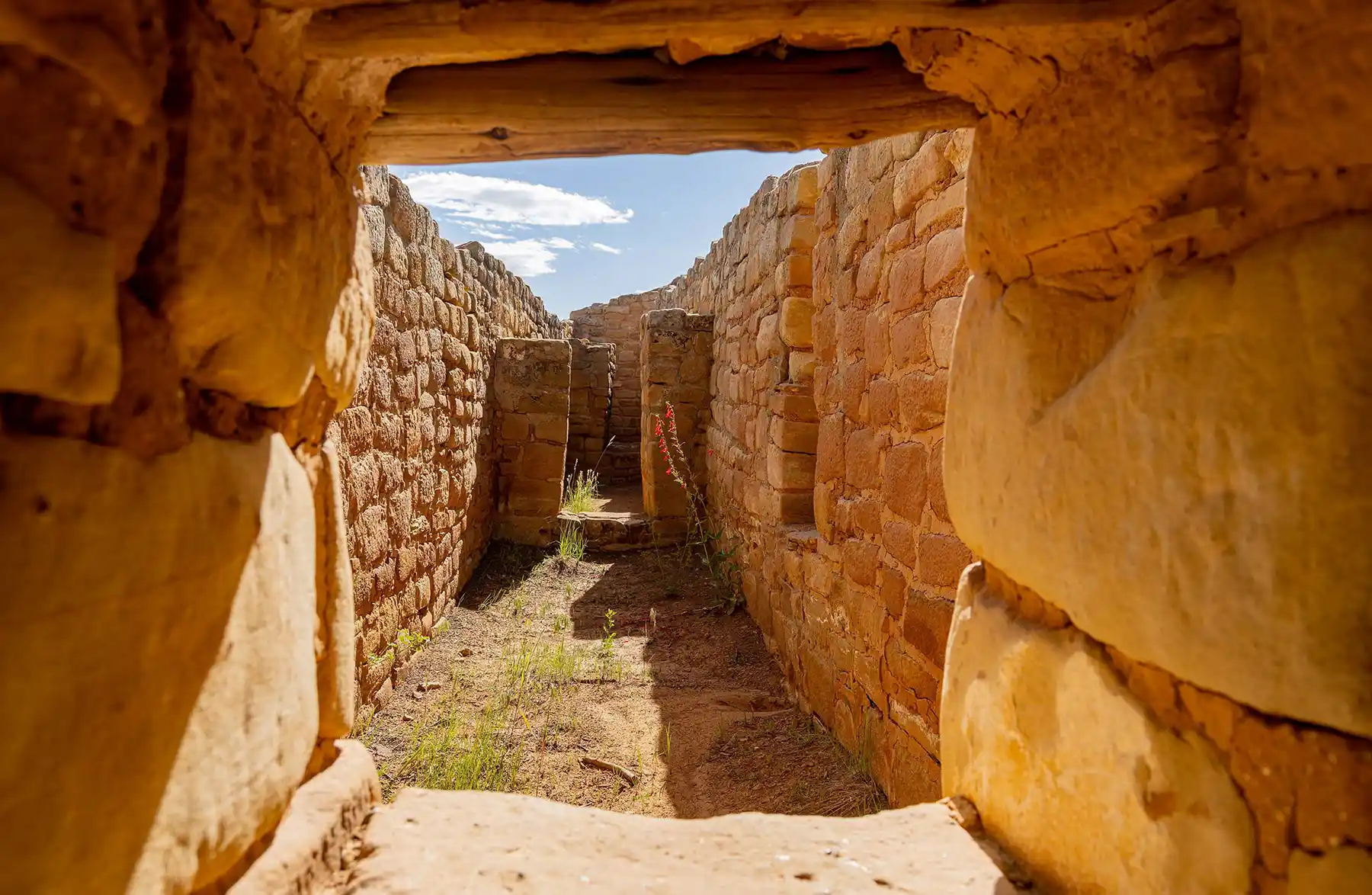
By the Pueblo I (750-900 CE) and Pueblo II (900-1150 CE) periods, the Ancestral Puebloans had transitioned from living in pithouses to constructing above-ground stone dwellings. These early structures, built with sandstone and mud mortar, marked a shift toward more permanent settlements. Farming became more sophisticated, and the population of Mesa Verde grew significantly.

During this time, the people of Mesa Verde developed kivas, circular underground chambers used for religious ceremonies and community gatherings. These structures remain an important part of Puebloan culture today. Additionally, trade routes were established, connecting Mesa Verde to distant regions, including present-day Arizona, Utah, and Mexico. Evidence of exotic materials like turquoise, seashells, and macaw feathers suggests that the Ancestral Puebloans were active participants in a vast trade network.


The Golden Age: Cliff Dwellings and the Pueblo III Period (1100 – 1300 CE)

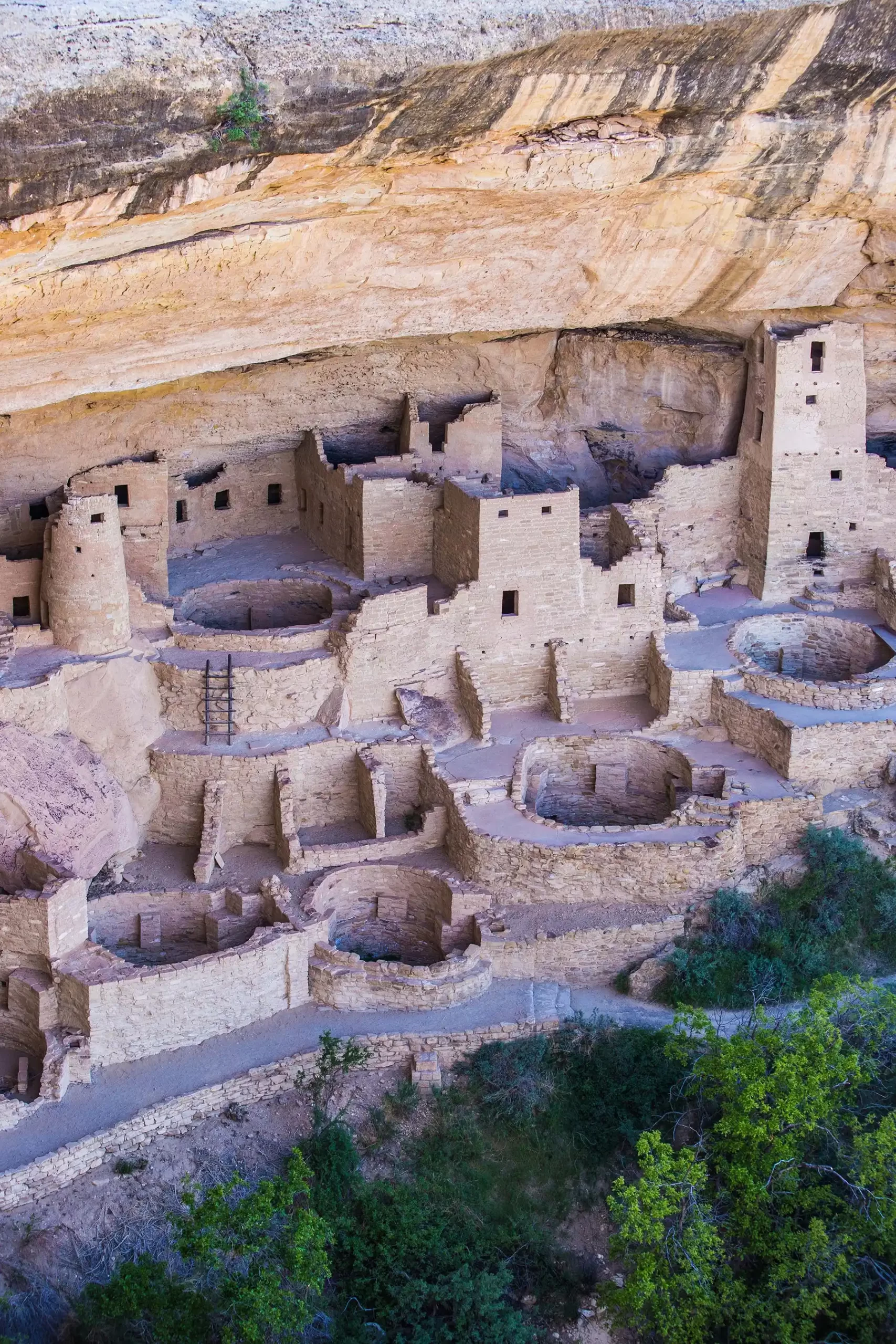
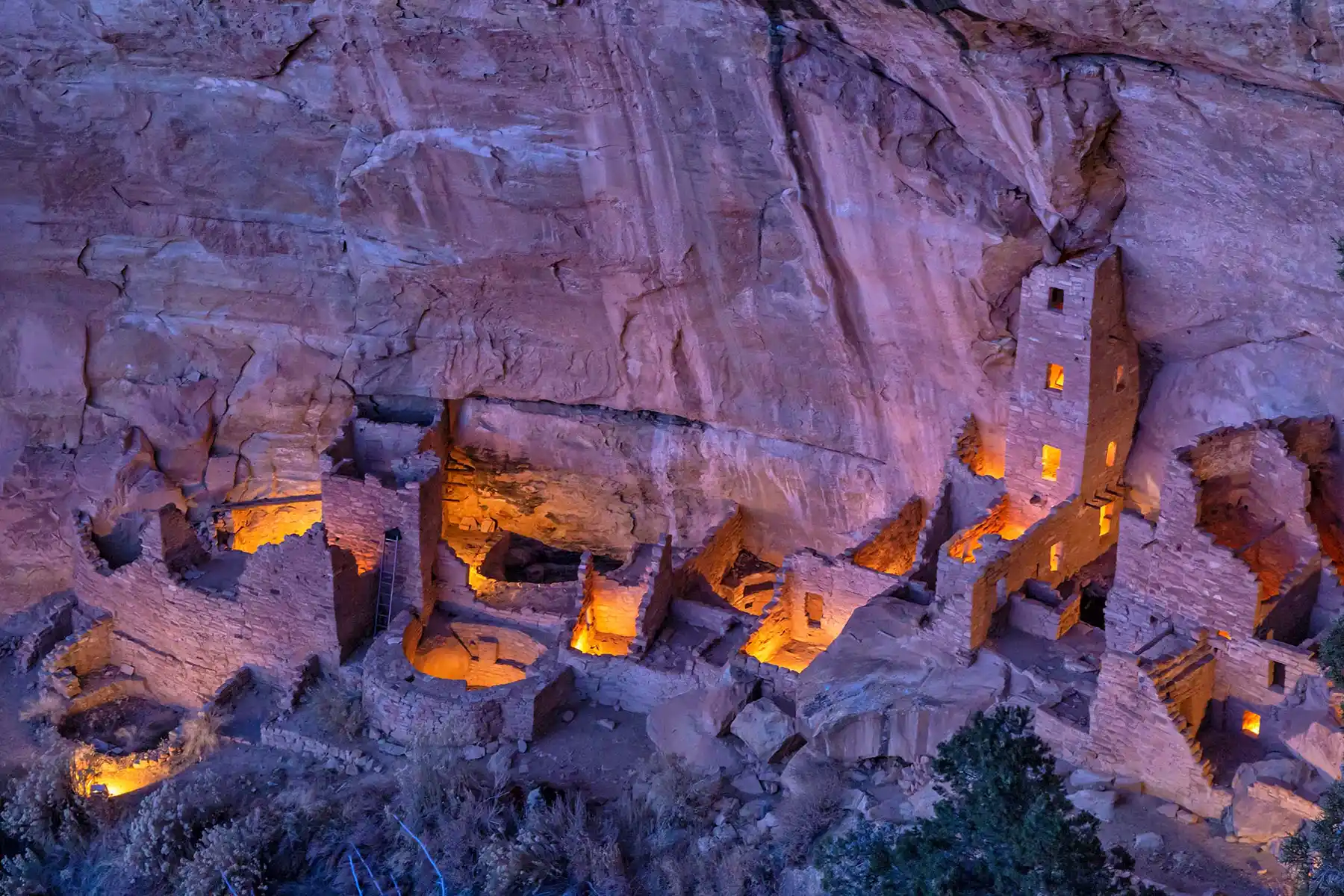
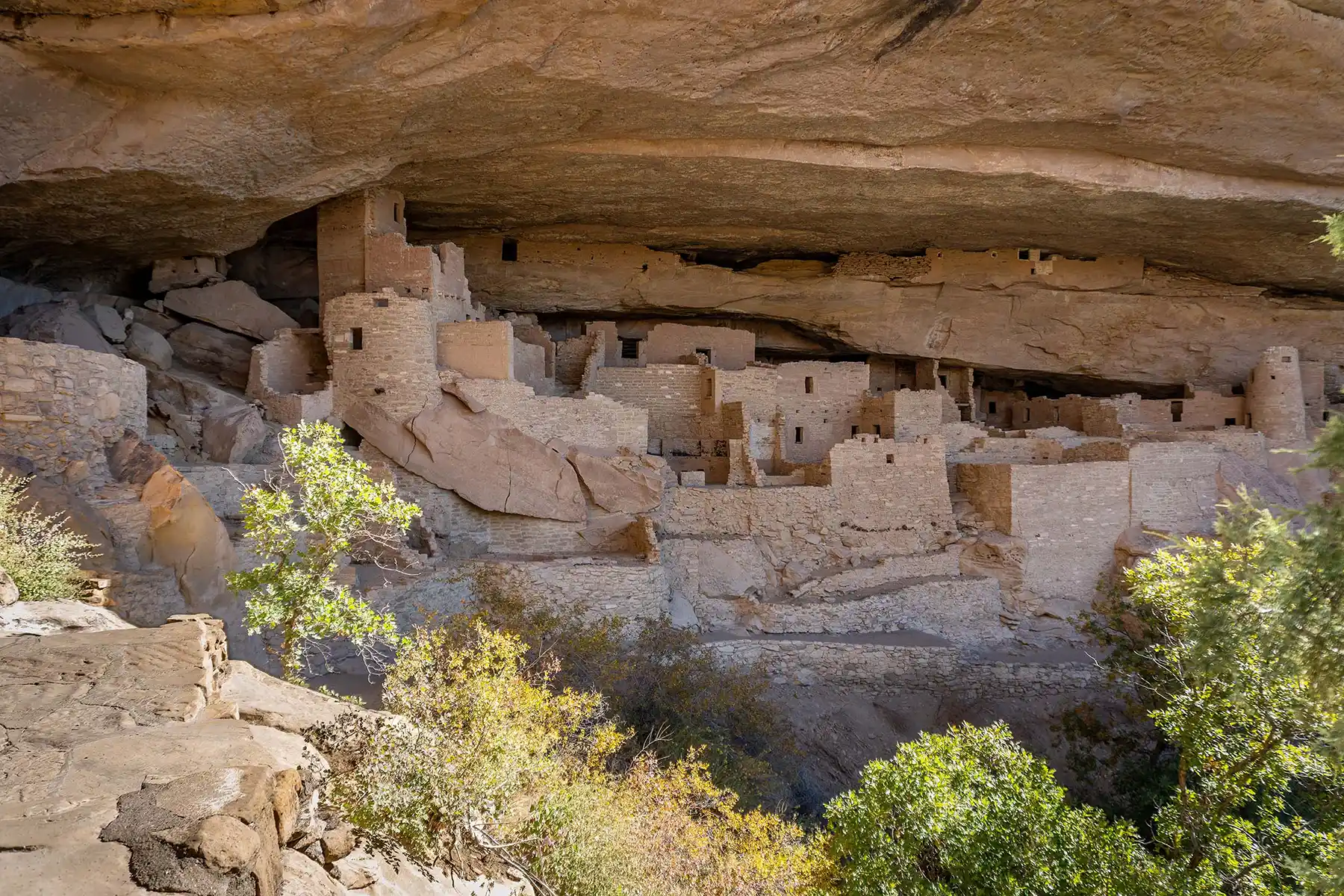
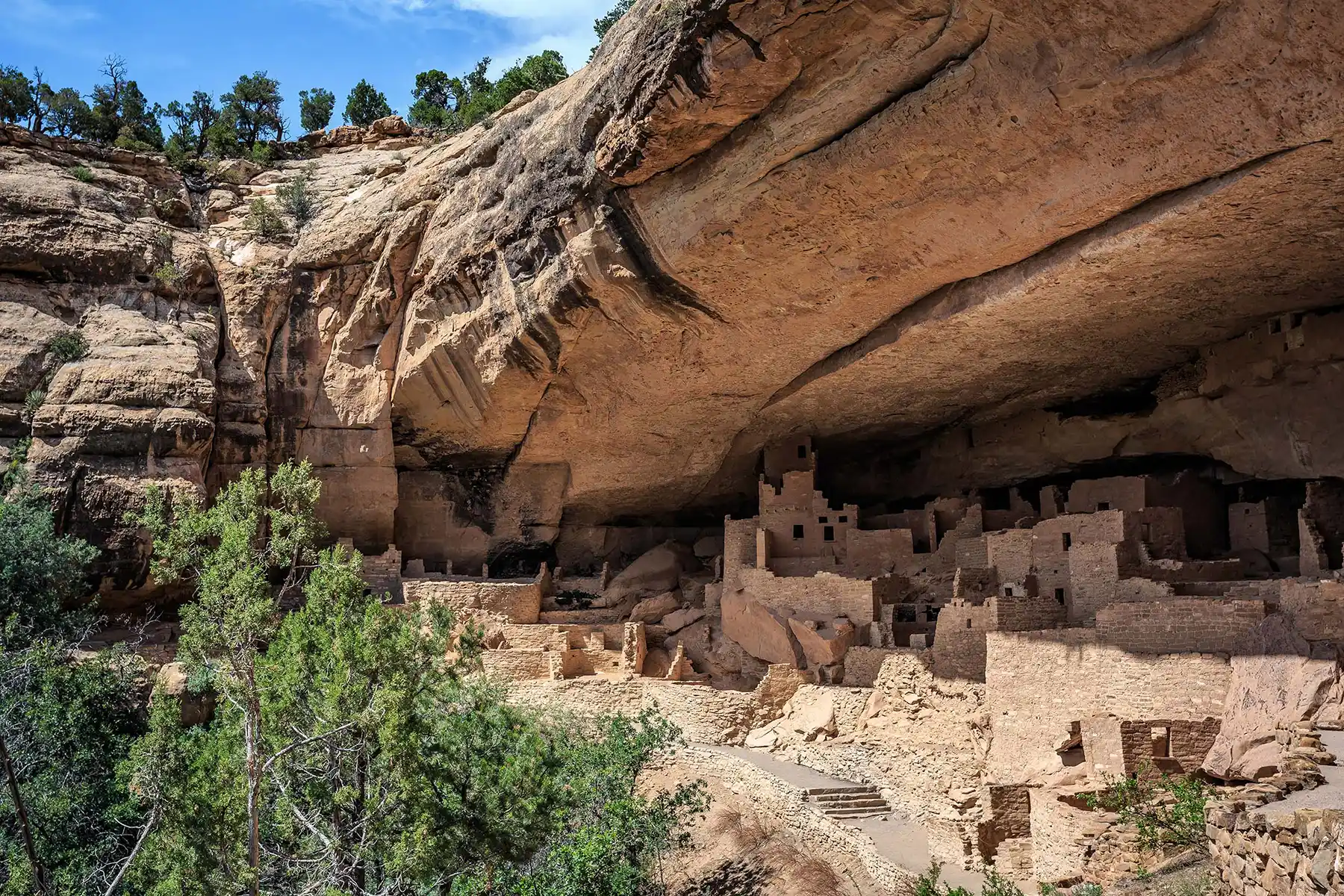
The most iconic period in Mesa Verde’s history is the Pueblo III era (1150-1300 CE), during which the Ancestral Puebloans built the famous cliff dwellings. These impressive structures were constructed under overhanging cliffs, providing both protection from the elements and defense against potential enemies. Some of the most notable dwellings include:

  • Cliff Palace – The largest cliff dwelling in North America, consisting of 150 rooms and estimated to have housed around 100 people.

  • Spruce Tree House – One of the best-preserved sites, containing over 130 rooms and 8 kivas.

  • Balcony House – Known for its narrow tunnels and ladders, offering a glimpse into the defensive strategies of the inhabitants.

During this period, the Ancestral Puebloans reached their peak in terms of architecture, pottery, and agricultural development. Farming was carefully managed with terracing techniques and irrigation, allowing for a stable food supply despite the arid environment.
Mesa Verde National Park History

LifeStraw Water Filter

The LifeStraw water filter is a must-have for outdoor enthusiasts, travelers, and emergency preparedness. This compact, lightweight device removes 99.9999% of bacteria, parasites, and microplastics, making contaminated water safe to drink. Whether you’re hiking, camping, or facing a survival situation, LifeStraw ensures access to clean water anytime, anywhere

Mysterious Departure: The Late 13th Century

By the late 1200s, something dramatic occurred in Mesa Verde. Over the course of just a few decades, the Ancestral Puebloans abandoned their cliff dwellings and migrated south toward present-day New Mexico and Arizona. The reasons for their departure remain a mystery, but scholars suggest several contributing factors:

  • Prolonged Drought (1276-1299) – A severe drought likely made agriculture unsustainable, forcing inhabitants to seek more reliable water sources.

  • Resource Depletion – The growing population may have overused local resources, including wood, game, and fertile soil.

  • Social Unrest & Warfare – Evidence of fortifications and burned dwellings suggests possible conflict or external threats.

  • Spiritual & Cultural Shifts – Oral traditions from modern Pueblo tribes indicate that religious or societal changes may have influenced their migration.

Whatever the reason, the Ancestral Puebloans left Mesa Verde behind, establishing new communities along the Rio Grande Valley and Hopi Mesas, where their descendants still live today.

Rediscovery and Preservation (Late 19th Century – Present)

For centuries, the abandoned cliff dwellings remained largely unknown to outsiders. It wasn’t until the late 19th century that explorers and ranchers, such as Richard Wetherill and Gustav Nordenskiöld, documented and excavated the ruins. Unfortunately, early excavations led to looting and the removal of artifacts, prompting the need for preservation efforts.

In 1906, President Theodore Roosevelt established Mesa Verde National Park, making it the first U.S. national park dedicated to preserving cultural heritage. Since then, archaeologists and historians have worked tirelessly to protect and study the site, uncovering invaluable insights into the lives of the Ancestral Puebloans.

Today, Mesa Verde National Park attracts over half a million visitors annually, offering guided tours, hiking trails, and educational exhibits that bring the ancient world to life. Efforts continue to preserve the fragile structures and ensure that future generations can learn from this extraordinary chapter of human history.

arches national park trails

Conclusion

Mesa Verde National Park is more than just a collection of ancient ruins; it is a living link to the past, a place where history, culture, and archaeology intersect. The story of the Ancestral Puebloans is one of adaptation, innovation, and survival, and their legacy continues to inspire researchers and visitors alike.

As we explore Mesa Verde’s breathtaking landscapes and intricate cliff dwellings, we gain a deeper appreciation for the remarkable achievements of the people who called this place home for centuries. Their spirit endures through the oral traditions of modern Pueblo tribes, reminding us that history is not just something to be studied—it is something to be honored and preserved for generations to come.


Wild Wanderers Shop

Shop our top camping gear for all types of adventures!
Smoky Mountain National Park History

Wild Wanderers Almanac

Smoky Mountain National Park History

Smoky Mountain National Park History
smoky mountain national park history

Smoky Mountain National Park History: A Journey Through Time

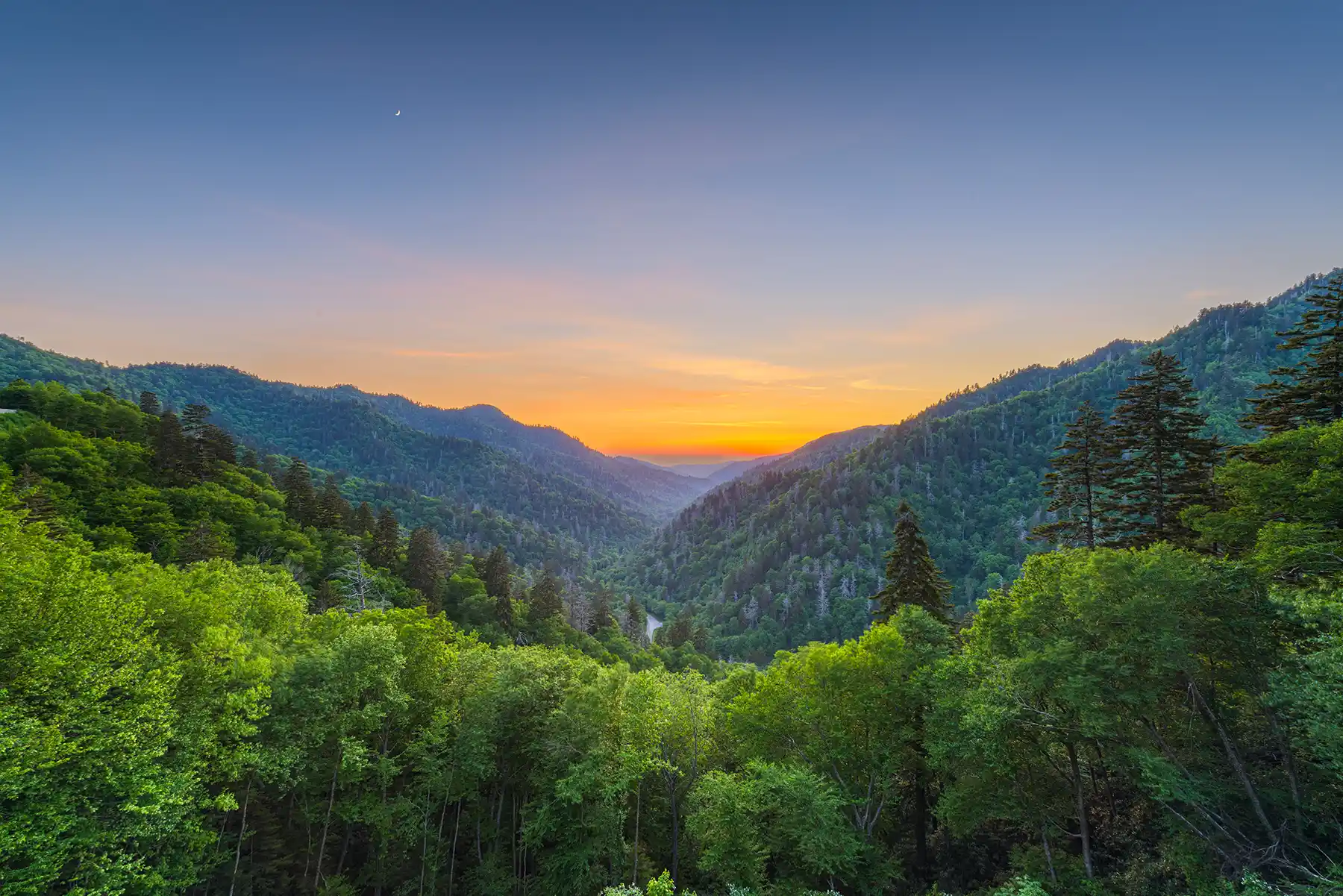
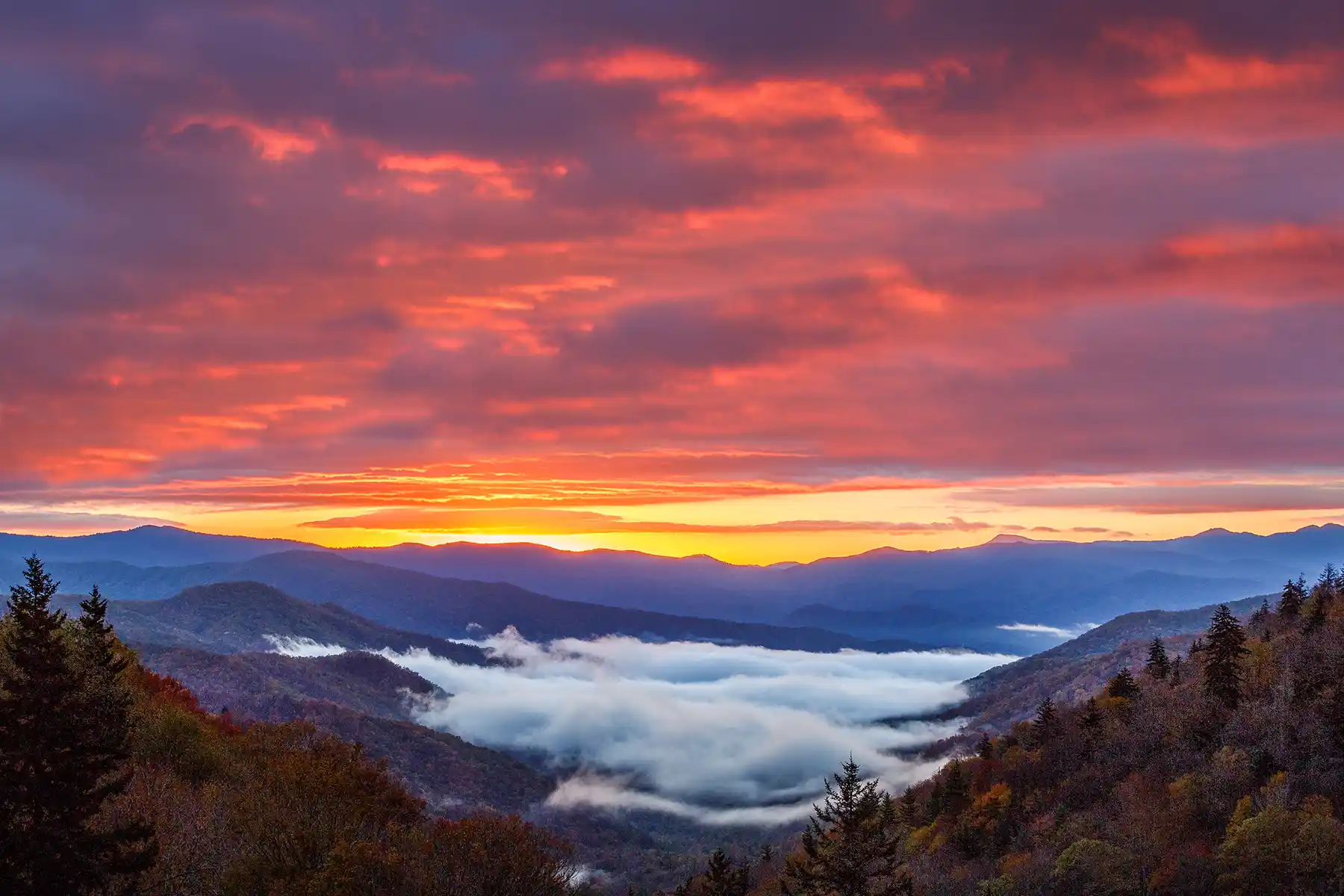
 Nestled along the border of North Carolina and Tennessee, Great Smoky Mountains National Park is one of the most visited national parks in the United States. Known for its breathtaking landscapes, diverse wildlife, and rich cultural history, the park has a storied past that dates back thousands of years. From indigenous settlements to early European pioneers and the eventual establishment of a protected national treasure, the Great Smoky Mountain History is a fascinating tale of perseverance, preservation, and natural wonder.

Indigenous History: The Cherokee Connection

Long before European settlers arrived, the land that now forms the Great Smoky Mountains National Park was home to the Cherokee people. The Cherokee had a deep connection to the land, relying on its rich resources for sustenance, medicine, and spiritual practices. They built villages, developed agriculture, and established an intricate network of trails that wound through the mountains.

One of the most significant events in Cherokee history was the Trail of Tears in the 1830s, when the U.S. government forcibly removed thousands of Cherokee from their ancestral lands. However, some Cherokee managed to remain in the area, and today, the Eastern Band of Cherokee Indians still resides in the nearby Qualla Boundary.

European Settlement and Logging Era

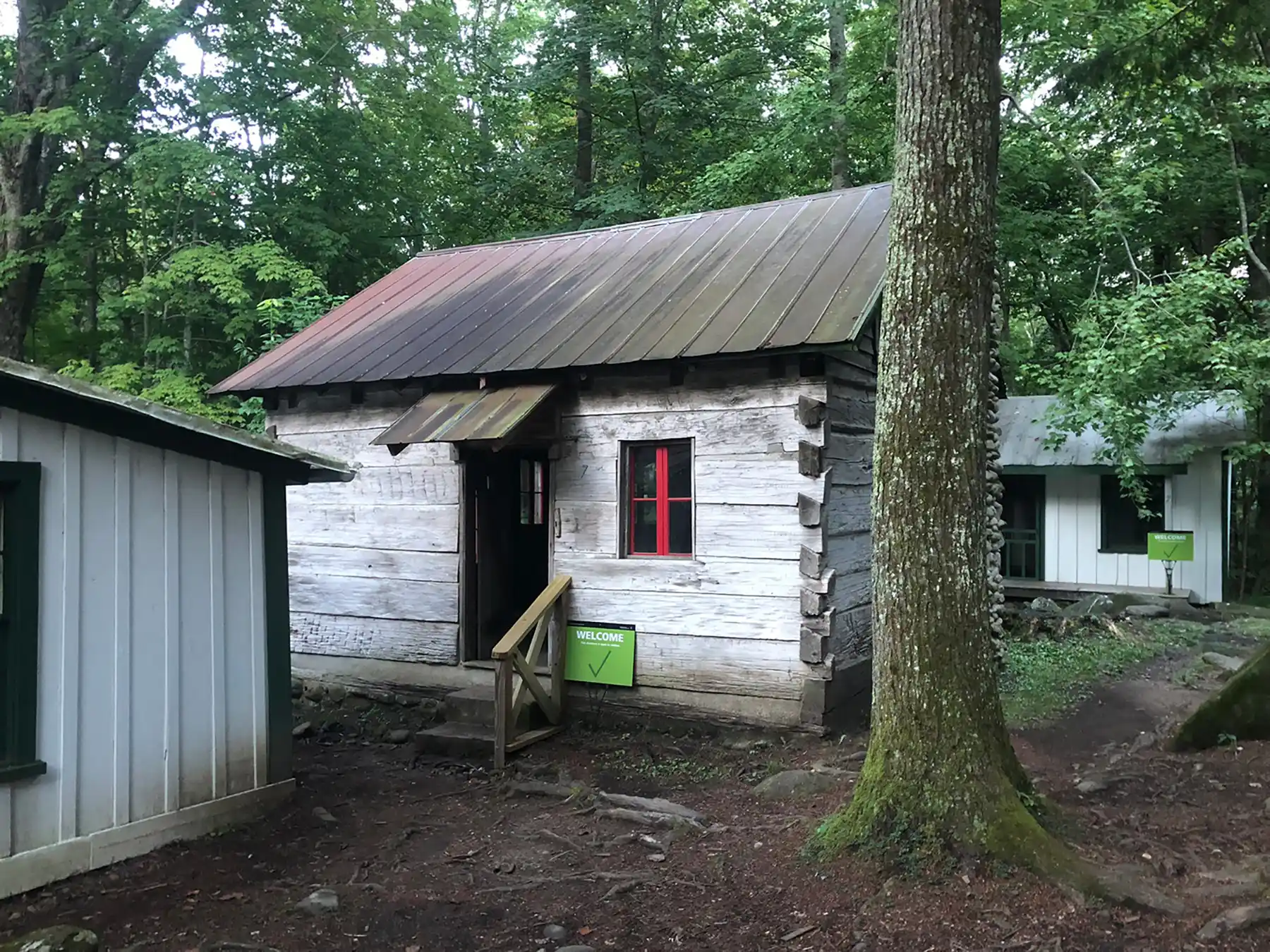
By the late 1700s and early 1800s, European settlers began moving into the Smoky Mountains. They established small farming communities, built cabins, and lived off the land much like the Cherokee before them. Settlers such as the Ogle, Walker, and Trentham families left a lasting mark on the region, with some of their historic homesteads still preserved within the park today.

During the late 19th and early 20th centuries, the logging industry began to take a toll on the Smoky Mountains. The dense forests were seen as a valuable resource, leading to widespread deforestation. Large timber companies built railroads into the mountains to transport massive amounts of lumber, drastically altering the landscape. This industrial expansion raised concerns among conservationists and nature lovers, sparking the movement to protect the region.

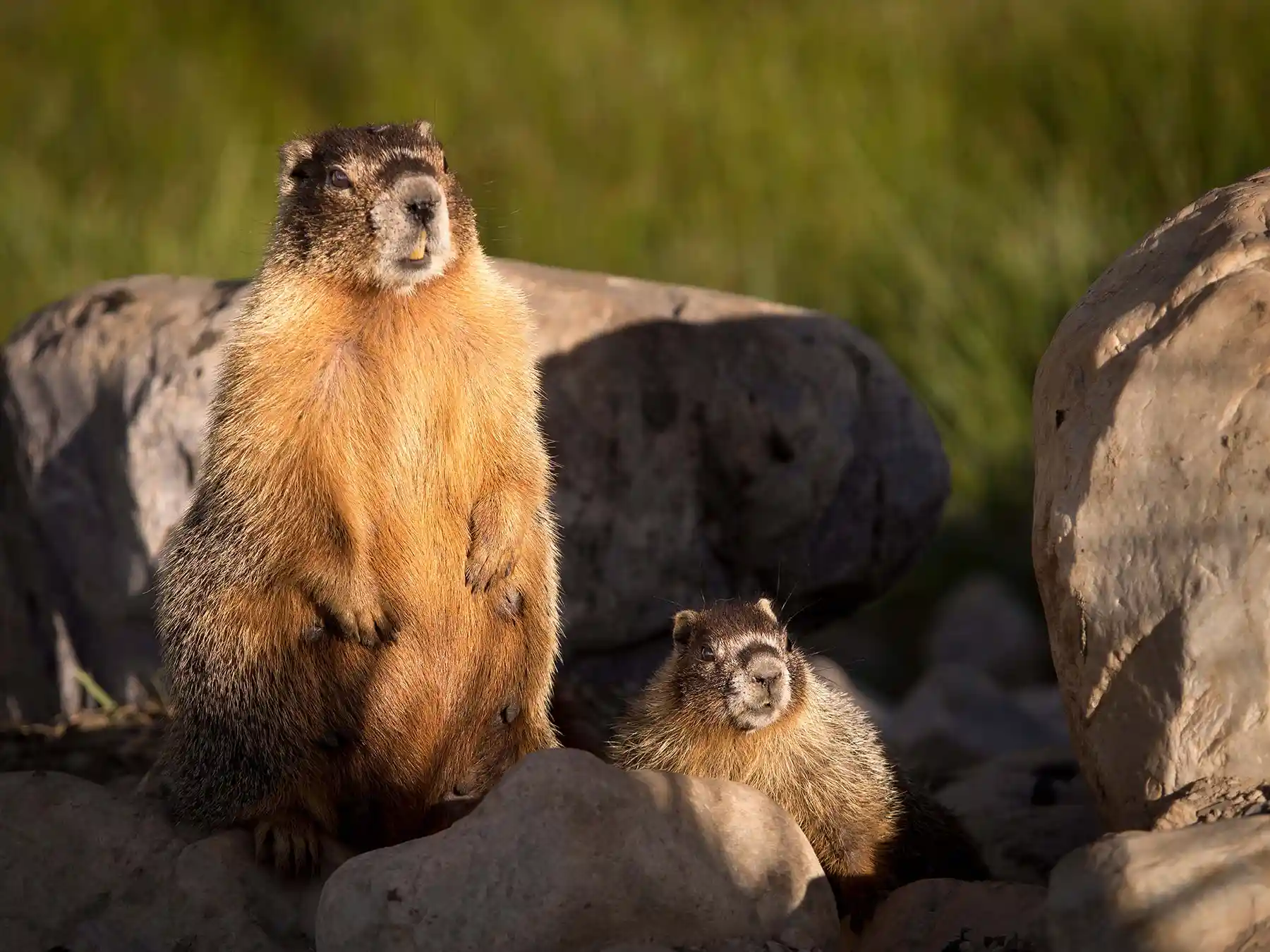
Wildlife at Katmai National Park

The Push for a National Park

The idea of creating a national park in the Smoky Mountains gained traction in the early 1900s, inspired by the success of parks like Yellowstone and Yosemite. Unlike many Western national parks that were established on federal land, much of the Smoky Mountains was privately owned, making the creation of a park more challenging.

Two key figures in the movement to establish the park were Horace Kephart, a writer and outdoorsman, and Ann Davis, a civic leader from Tennessee. Along with others, they tirelessly campaigned for the preservation of the Smokies, garnering public and political support. Fundraising efforts led to significant donations, including a major contribution from the Rockefeller family, which helped purchase land for the park.

Finally, on June 15, 1934, Great Smoky Mountains National Park was officially established, becoming a symbol of conservation and a haven for outdoor enthusiasts.

The Role of the Civilian Conservation Corps (CCC)

Once the park was established, the Civilian Conservation Corps (CCC) played a crucial role in developing its infrastructure. As part of President Franklin D. Roosevelt’s New Deal programs during the Great Depression, the CCC employed young men to build roads, trails, bridges, and campgrounds throughout the park.

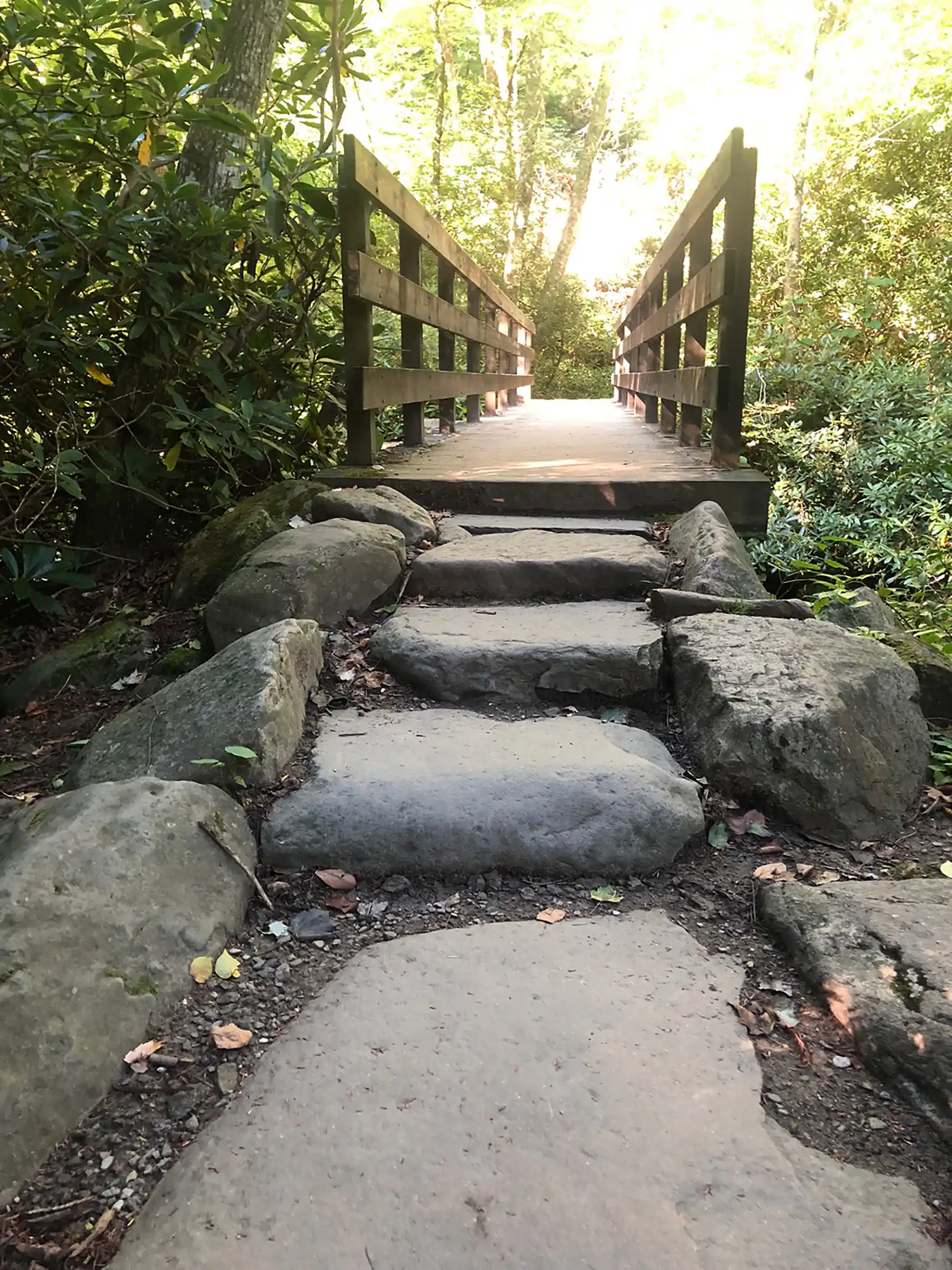
The CCC’s work can still be seen today in structures such as the Newfound Gap Road and the many well-maintained hiking trails. Their efforts not only made the park accessible to visitors but also helped restore and preserve its natural beauty.

The Park Today: A Testament to Conservation

Today, Great Smoky Mountains National Park is a designated UNESCO World Heritage Site and an International Biosphere Reserve. Spanning over 522,000 acres, the park boasts over 800 miles of hiking trails, historic structures, and an incredible variety of plant and animal life.

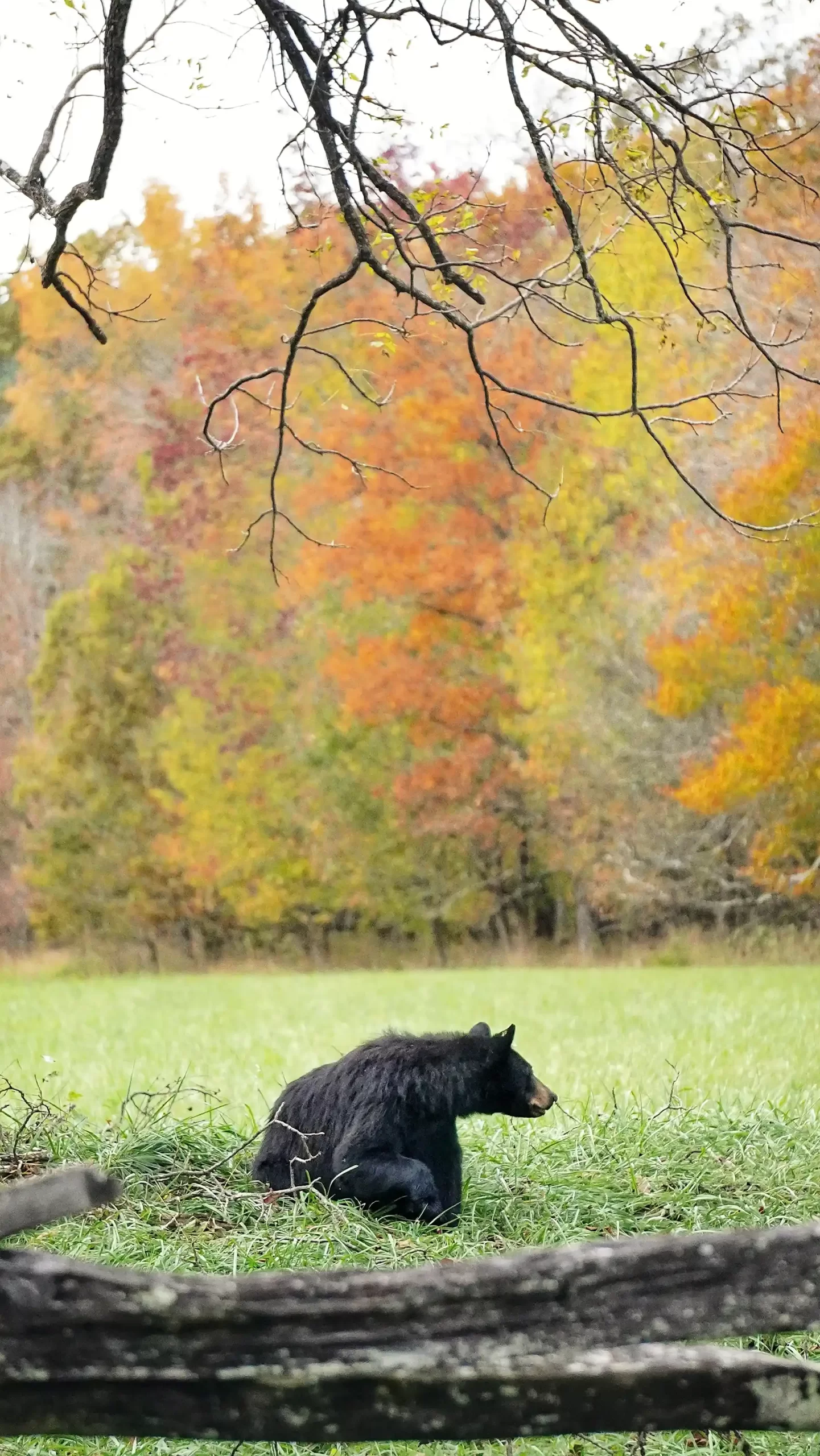
The park is home to over 19,000 documented species, including the famous black bears, elk, and synchronous fireflies. Scientists believe there could be tens of thousands of undiscovered species still thriving within its dense forests.

channel islands national park

Visiting the Smokies: A Step Back in Time

Visitors to the park can experience its history firsthand by exploring preserved pioneer cabins, visiting the Mountain Farm Museum, and hiking trails that follow ancient Cherokee footpaths. Historic sites such as Cades Cove, Elkmont, and the Cataloochee Valley offer a glimpse into the past, allowing travelers to see what life was like for early inhabitants of the region.

Additionally, the Oconaluftee Visitor Center features exhibits on both Cherokee and settler history, providing a well-rounded view of the park’s cultural heritage.

Preserving the Legacy

Smoky Mountain National Park History is one of resilience and dedication. Thanks to the efforts of early conservationists and continued preservation efforts, millions of people each year can experience the park’s stunning landscapes and rich heritage.

As we explore its mist-covered mountains, towering forests, and cascading waterfalls, we are reminded of the importance of protecting these natural spaces for future generations.

Whether you’re hiking along ancient trails, photographing the vibrant fall foliage, or simply breathing in the crisp mountain air, every visit to the Smokies is a journey through history. The Great Smoky Mountains National Park stands as a testament to the beauty of the natural world and the enduring efforts to preserve it.


arches national park trails

Great Basin National Park History

Wild Wanderers Almanac

Great Basin National Park History

Wildlife at Katmai National Park
great basin national park history

The History of Great Basin National Park

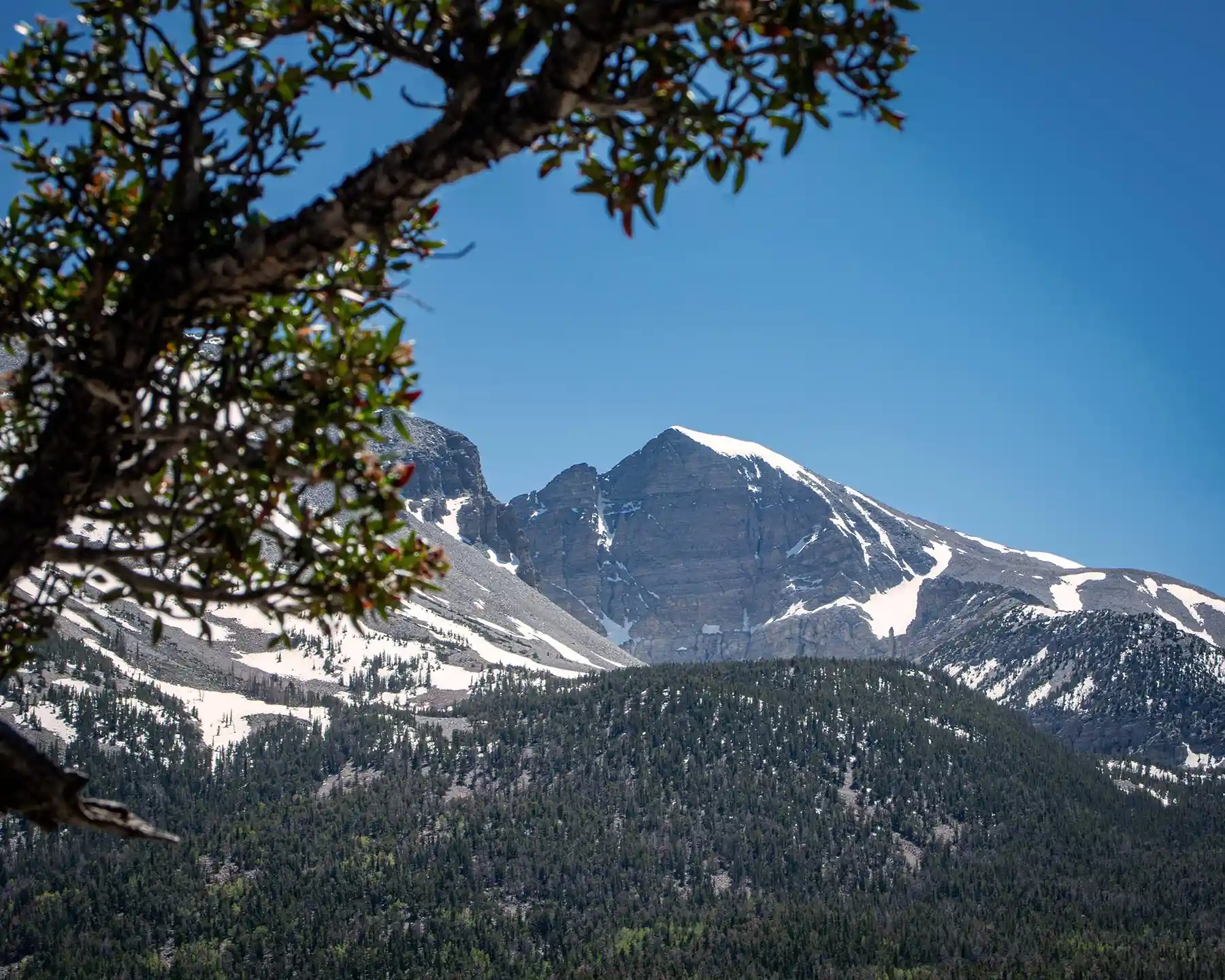
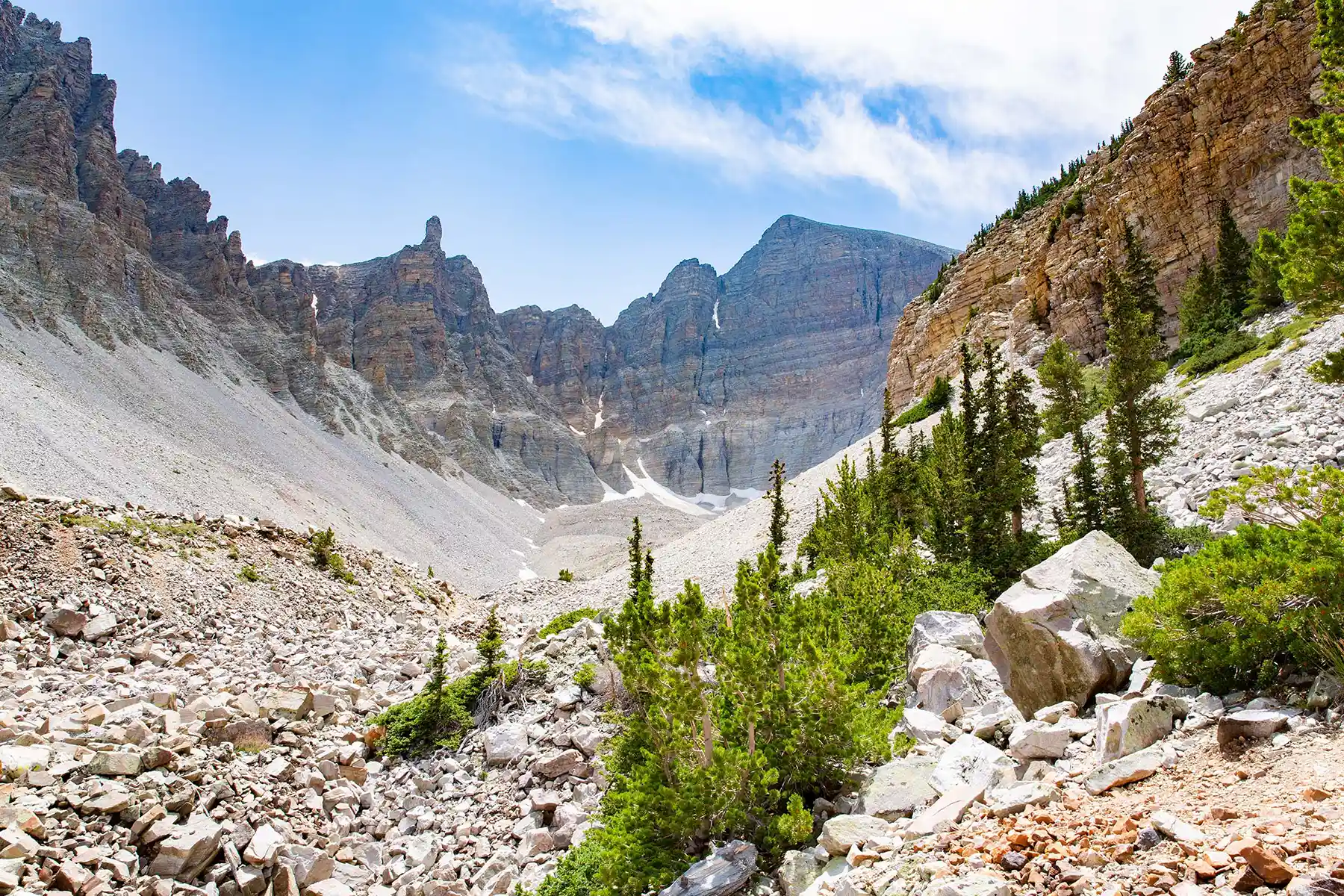
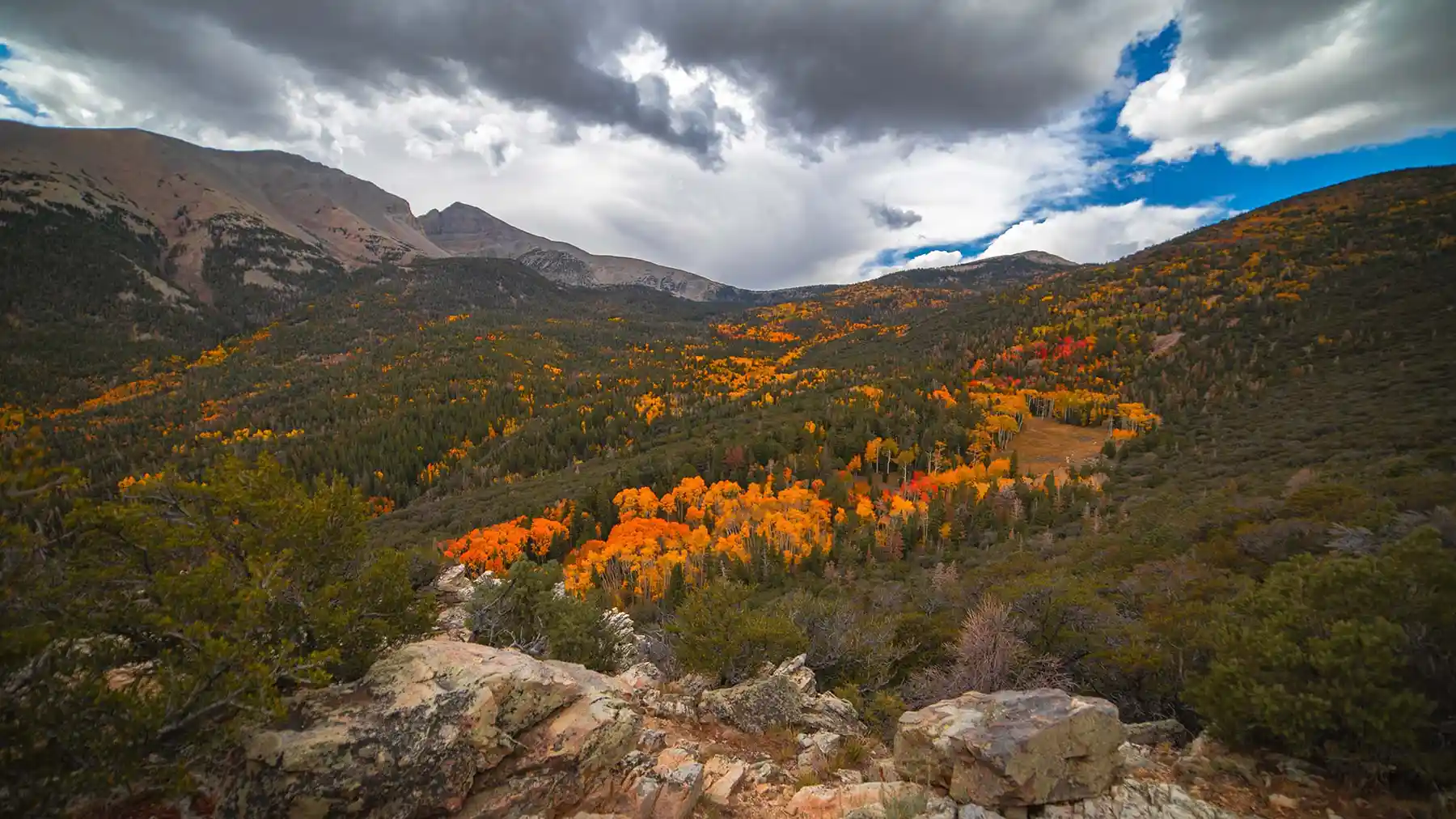
Located in eastern Nevada, Great Basin National Park is a land of rich history, cultural heritage, and stunning natural beauty. While today it is known for its rugged mountain peaks, ancient forests, and dark skies, its past is filled with stories of indigenous peoples, explorers, miners, and conservationists who shaped the landscape we see today.

Indigenous Roots

For thousands of years, the Great Basin region was home to Native American tribes, including the Western Shoshone and Paiute peoples. These indigenous groups thrived in the region’s harsh environment, relying on seasonal migration, hunting, and gathering for sustenance. Their knowledge of the land allowed them to adapt to extreme temperature variations and limited water sources. Today, their presence is still felt in the petroglyphs, artifacts, and traditions that remain in and around the park.

Wildlife at Katmai National Park
Early Explorers and Settlers

The first recorded European exploration of the region occurred in the 1800s when fur trappers and mountain men traveled through the area. By the mid-19th century, pioneers and settlers began moving westward along the Overland Trail, seeking new opportunities and land. The discovery of gold and silver in Nevada in the late 1800s led to a mining boom, with small settlements popping up around the region. Although most of these mining towns eventually became ghost towns, they played a crucial role in the area’s history.

The Discovery of Lehman Caves

One of the park’s most famous features, Lehman Caves, was discovered in the late 1880s by Absalom Lehman, a local rancher. Recognizing its beauty and unique formations, Lehman began giving tours to visitors, drawing early explorers to the region. The caves became a protected site in 1922 when they were designated as Lehman Caves National Monument by President Warren G. Harding.

The Road to National Park Status

In the 20th century, conservation efforts increased as people recognized the ecological and cultural significance of the Great Basin area. Scientists and environmentalists advocated for the protection of the region’s diverse landscapes, including the ancient bristlecone pine forests and alpine ecosystems. Their efforts culminated in 1986 when Congress established Great Basin National Park, merging Lehman Caves National Monument with surrounding federal lands to create the park we know today.

A Modern Treasure

Since its establishment, Great Basin National Park has remained a haven for outdoor enthusiasts, scientists, and those seeking solitude. The park’s commitment to preserving its natural and cultural heritage continues, allowing visitors to explore its breathtaking caves, towering peaks, and star-filled skies. Today, Great Basin remains one of the least-visited national parks, offering a unique opportunity to experience unspoiled wilderness and a deep sense of history.

Great Basin National Park is more than just a scenic destination—it’s a place rich with history, from its indigenous roots to its role in American exploration and conservation. Whether you’re visiting to hike, stargaze, or learn about the past, the park provides an unforgettable experience and a glimpse into the ever-changing story of the American West.

Wildlife at Katmai National Park