Rocky Mountain National Park Camping

Wild Wanderers Almanac

Rocky Mountain National Park Camping
Wildlife at Katmai National Park
rocky mountain national park camping

Camping in Rocky Mountain National Park: A Complete Guide

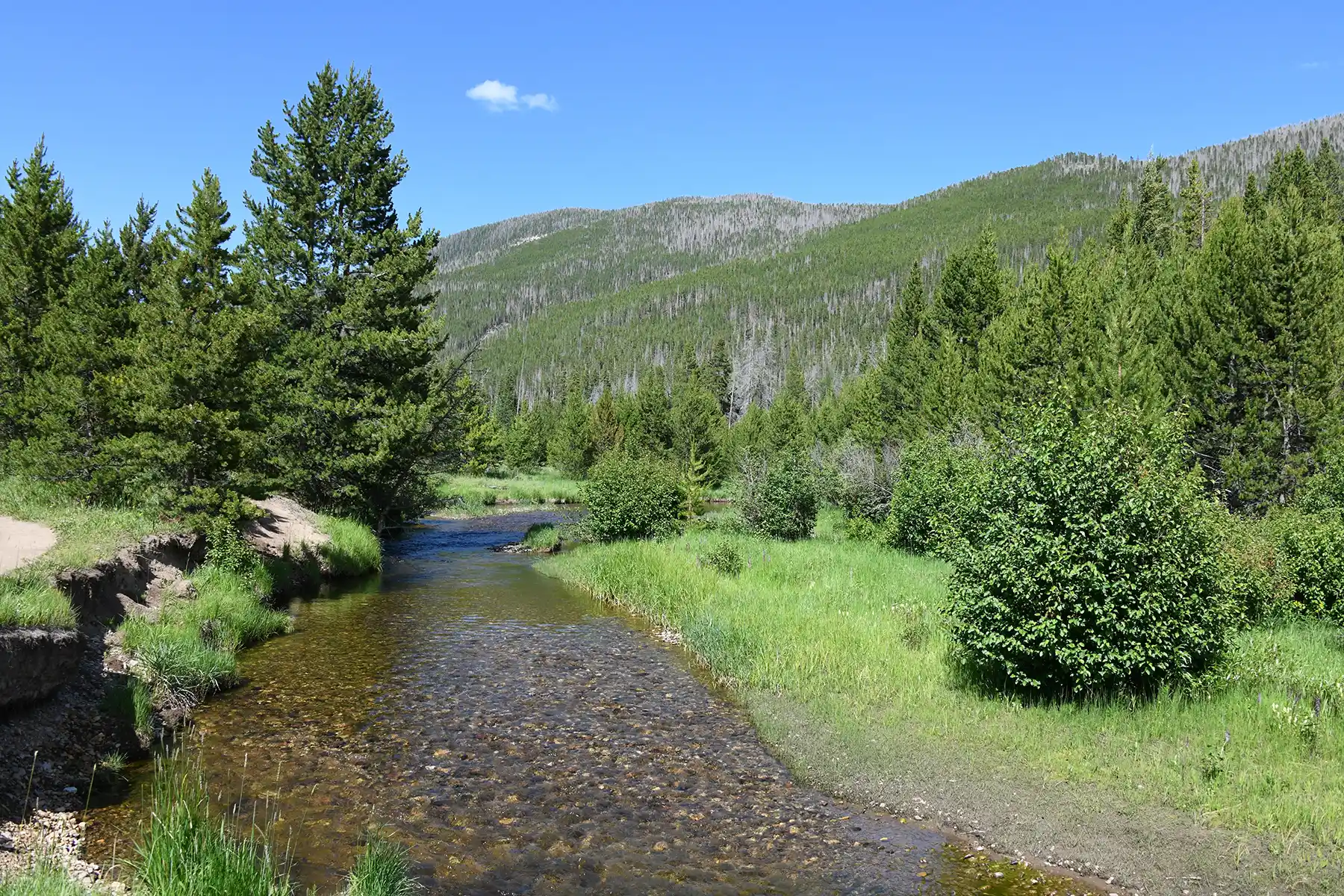
Rocky Mountain National Park (RMNP) is a premier destination for campers seeking stunning landscapes, abundant wildlife, and outdoor adventure. Whether you prefer the convenience of a developed campground or the solitude of the backcountry, RMNP offers a variety of camping experiences. This guide provides essential details on where to camp, what to expect, and how to prepare for your adventure.

Moraine Park Campground

  • Number of Sites: 244

  • Open: Year-round; reservations required in peak season.

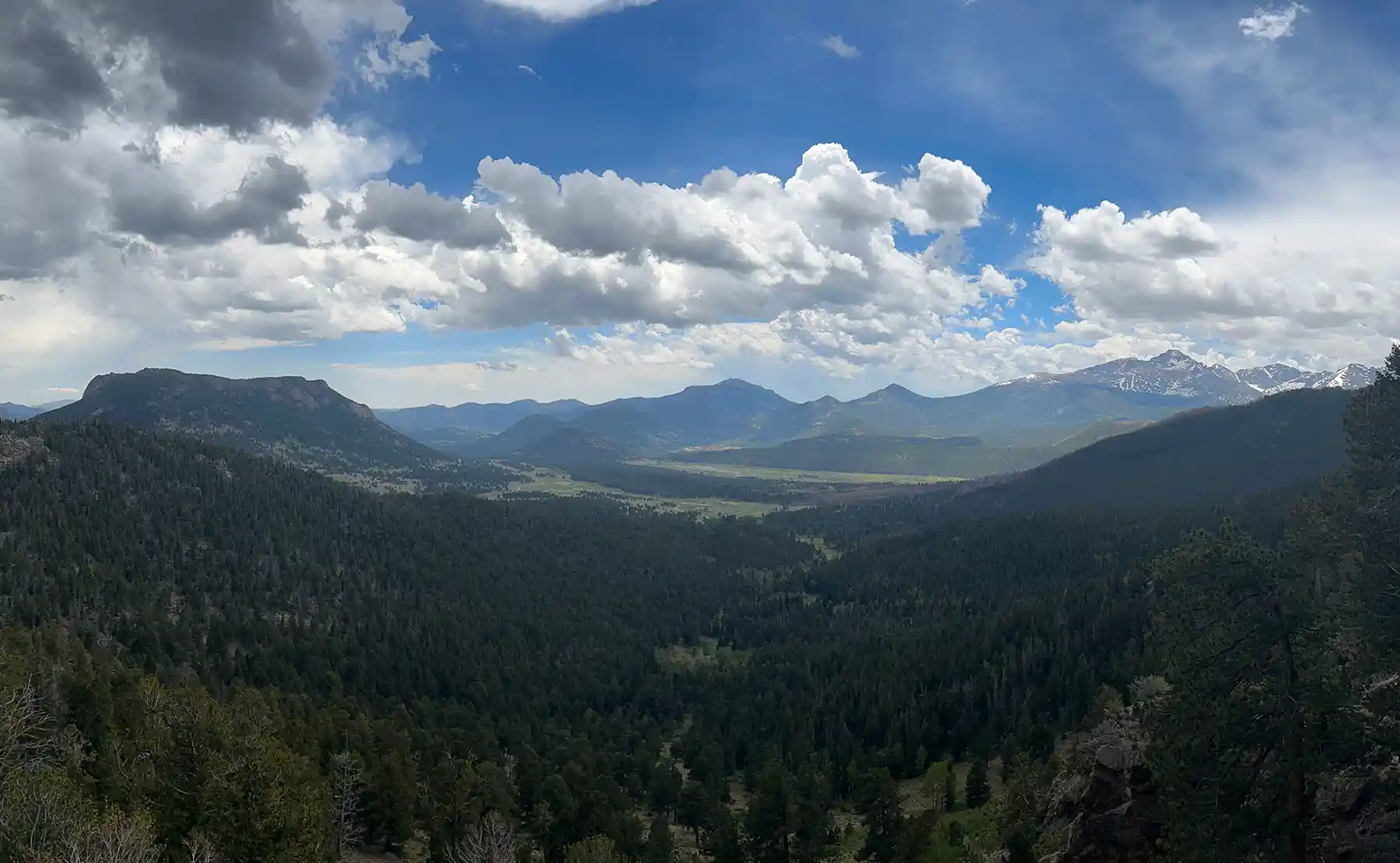
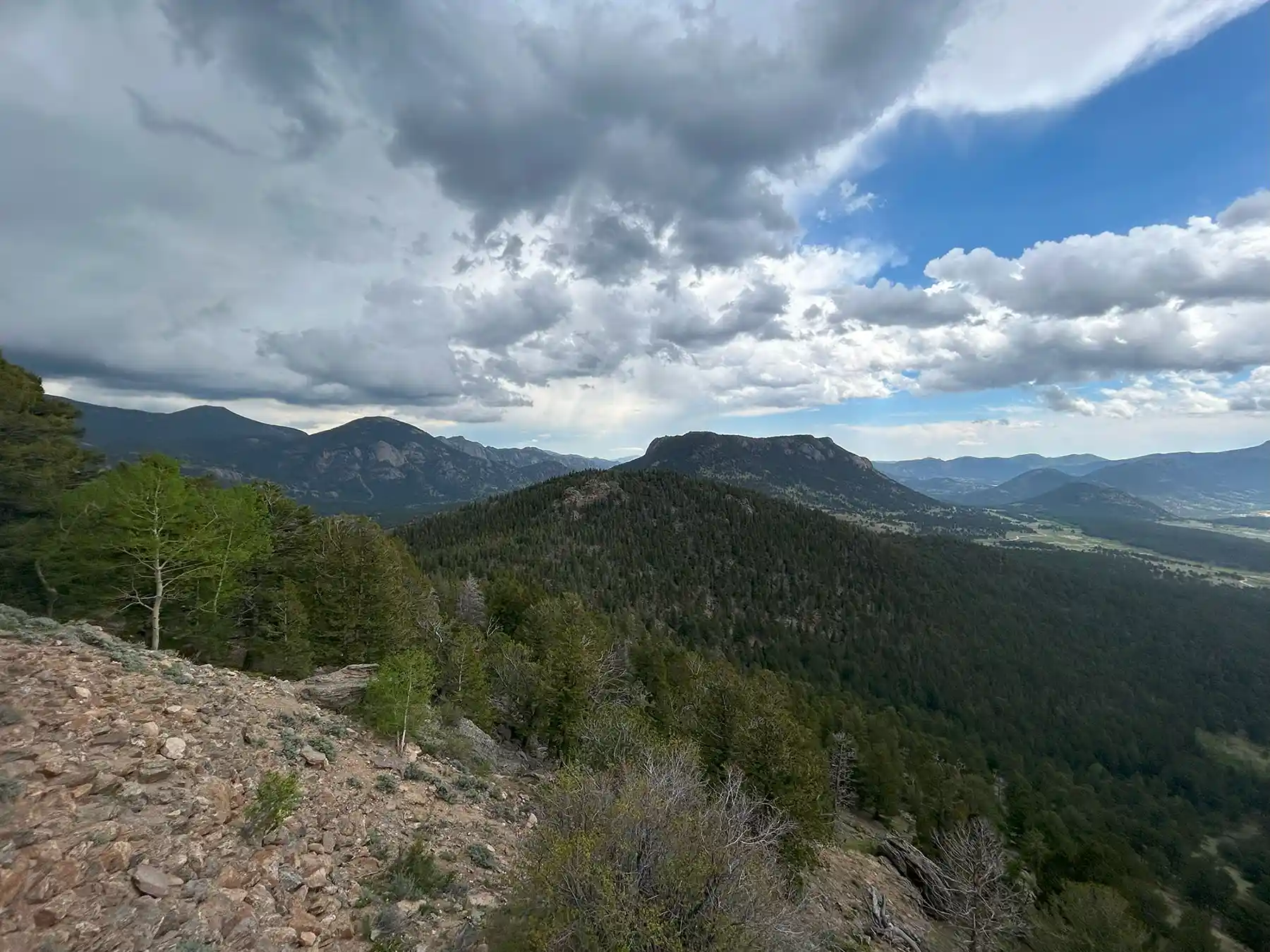
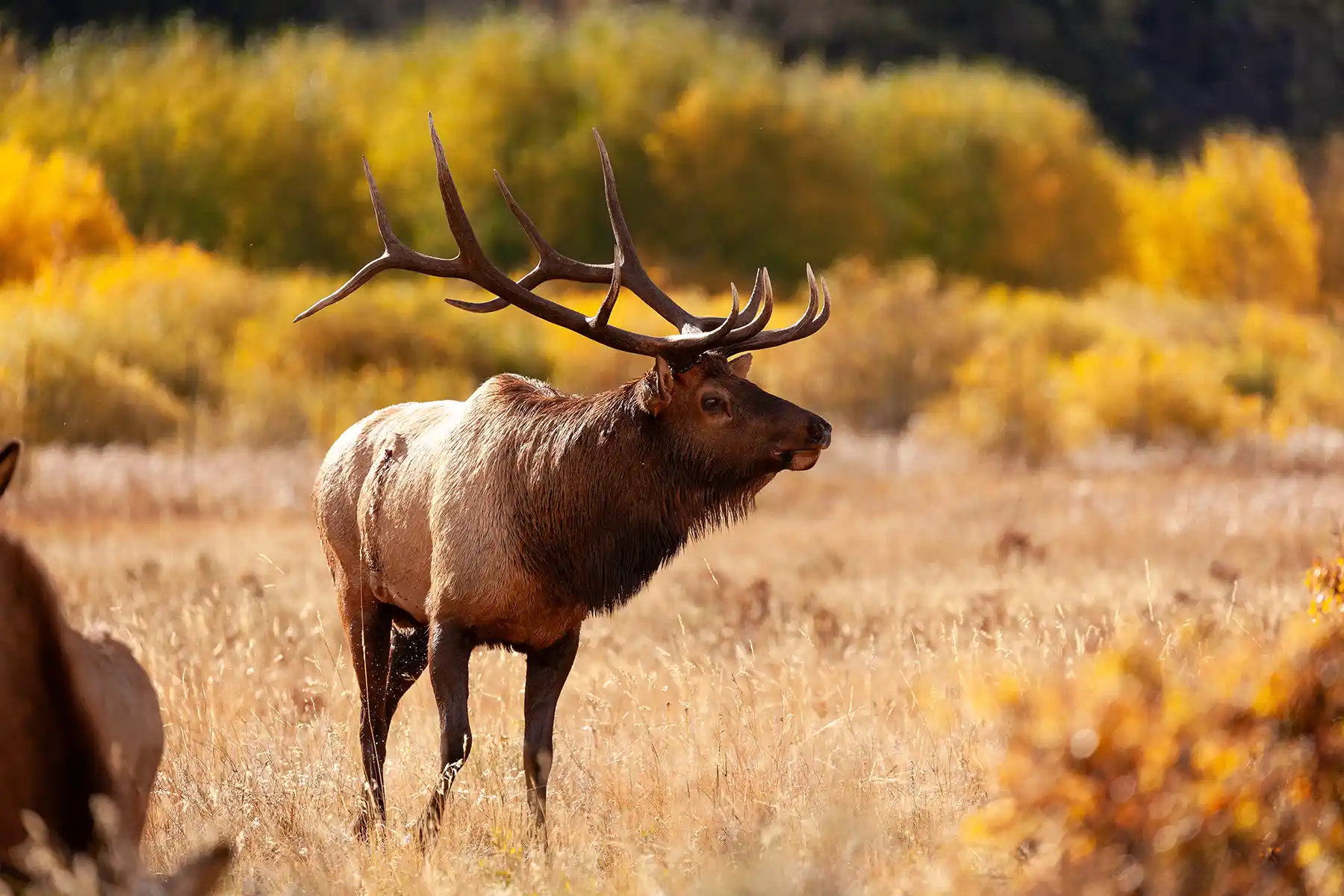
Moraine Park Campground is one of the most popular camping areas in RMNP, offering breathtaking views of the valley and surrounding peaks. Located near the Bear Lake Road corridor, it provides easy access to some of the park’s most famous hiking trails, including Bear Lake, Fern Lake, and Cub Lake. The campground is known for frequent wildlife sightings, including elk and deer, making it a fantastic spot for nature lovers and photographers.
Wildlife at Katmai National Park

Glacier Basin Campground

  • Number of Sites: 150

  • Open: Seasonally; reservations recommended.

Glacier Basin Campground is a favorite among hikers and backpackers due to its proximity to iconic trails like Dream Lake, Sky Pond, and Emerald Lake. Nestled among towering pine trees, this campground offers a more shaded and secluded atmosphere. It also features group camping sites, making it an excellent option for large gatherings or family trips. Visitors can enjoy ranger-led programs and stunning sunrise views over the mountains.

Aspenglen Campground

  • Number of Sites: 52

  • Open: Seasonally; reservations required.

Aspenglen Campground is located near the Fall River Entrance Station and provides a quieter, more intimate camping experience. With fewer sites than other campgrounds, it offers a peaceful retreat for those looking to escape the crowds. The nearby Old Fall River Road leads to scenic viewpoints, waterfalls, and alpine meadows filled with wildflowers during the summer. This campground is ideal for those seeking a more relaxed and tranquil stay in the park.
rocky mountain national park camping

Timber Creek Campground

  • Number of Sites: 98

  • Open: Seasonally; first-come, first-served.

Timber Creek Campground is the only developed campground on the west side of RMNP, situated near the Kawuneeche Valley. This area is known for its excellent wildlife viewing opportunities, particularly moose and elk. The campground has fewer trees due to past beetle infestations, which provides campers with expansive views of the mountains and night sky. It is a great option for visitors exploring the Colorado River headwaters and western trails of the park.

Longs Peak Campground (Tent-Only)

  • Number of Sites: 26

  • Open: Seasonally; first-come, first-served.

Longs Peak Campground is a high-elevation, tent-only camping area located at 9,500 feet near the trailhead for Longs Peak, the park’s tallest mountain. Due to its location, this campground is a top choice for climbers and experienced hikers attempting the challenging ascent of Longs Peak. The area offers a rugged, back-to-nature experience, with no RV accommodations and limited amenities. Campers should be prepared for colder temperatures and changing weather conditions.

Popular Backcountry Camping Destinations:

  • Thunder Lake – A serene alpine lake surrounded by rugged peaks.

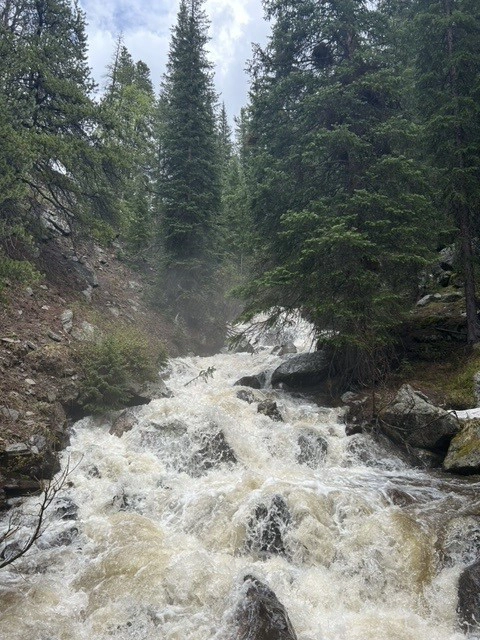
  • Wild Basin Area – Home to waterfalls, dense forests, and scenic campsites.

  • Sky Pond – A challenging but rewarding destination with dramatic mountain views.

Backcountry camping requires careful planning, including checking trail conditions, securing permits, and preparing for unpredictable weather.
Wildlife at Katmai National Park

Essential Camping Tips & Regulations

  • Reservations & Permits: Campground reservations are required during peak months, and backcountry permits must be obtained in advance.

  • Bear Safety: Store all food and scented items in bear-proof containers or designated lockers.

  • Weather Preparedness: RMNP’s high elevation causes rapid weather changes; bring layers, rain gear, and cold-weather supplies.

  • Fires & Cooking: Fire restrictions may apply; camp stoves are often the safest cooking option.

  • Altitude Awareness: Acclimate gradually and stay hydrated to prevent altitude sickness.

  • Leave No Trace: Pack out all waste, respect wildlife, and stay on designated trails.

Joshua Tree National Park Camping

Wild Wanderers Almanac

Joshua Tree National Park Camping Guide

Best Campgrounds and Tips

joshua tree national park camping
Sequoia National Park Trails

Best Campgrounds in Joshua Tree National Park

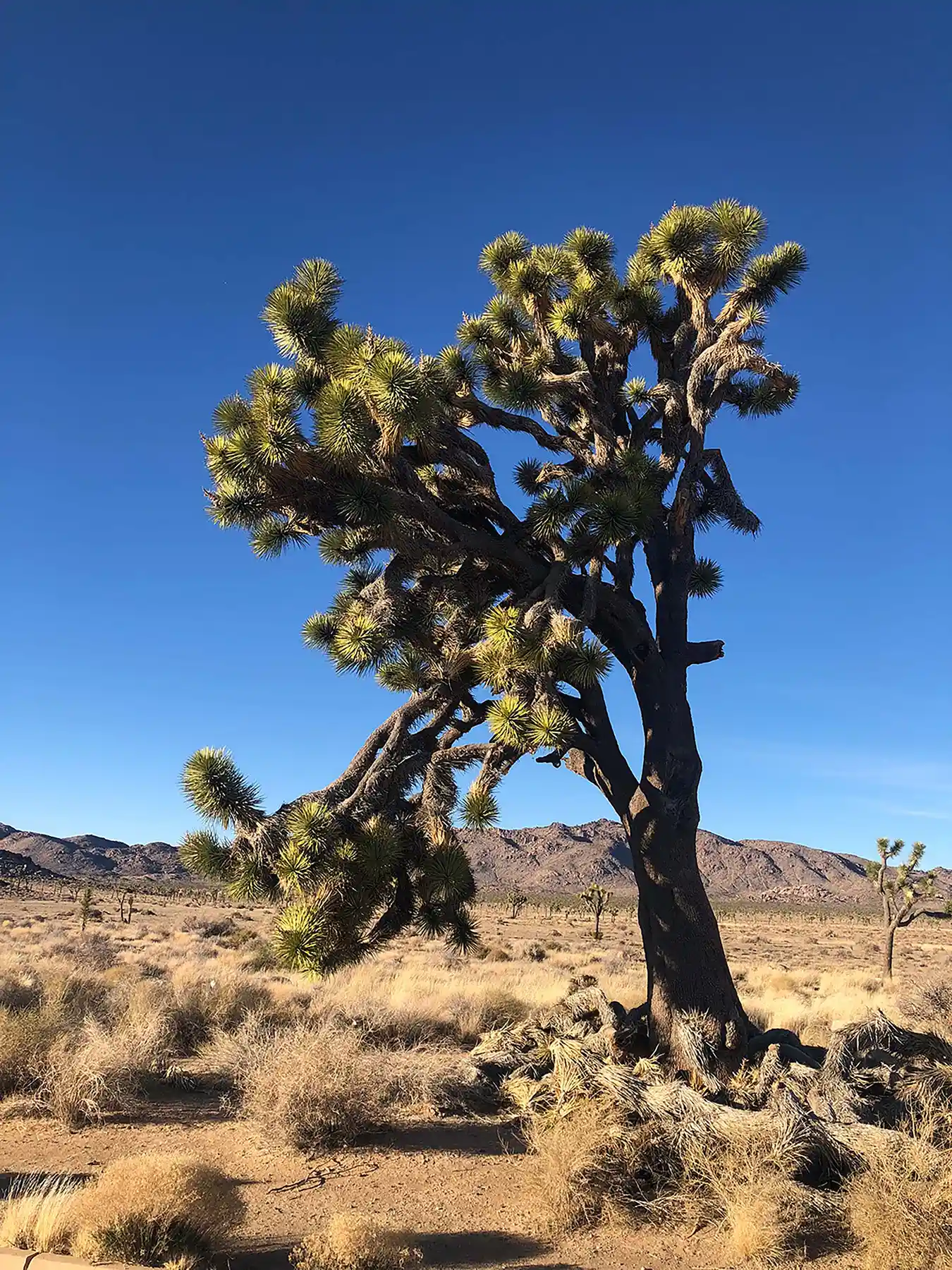
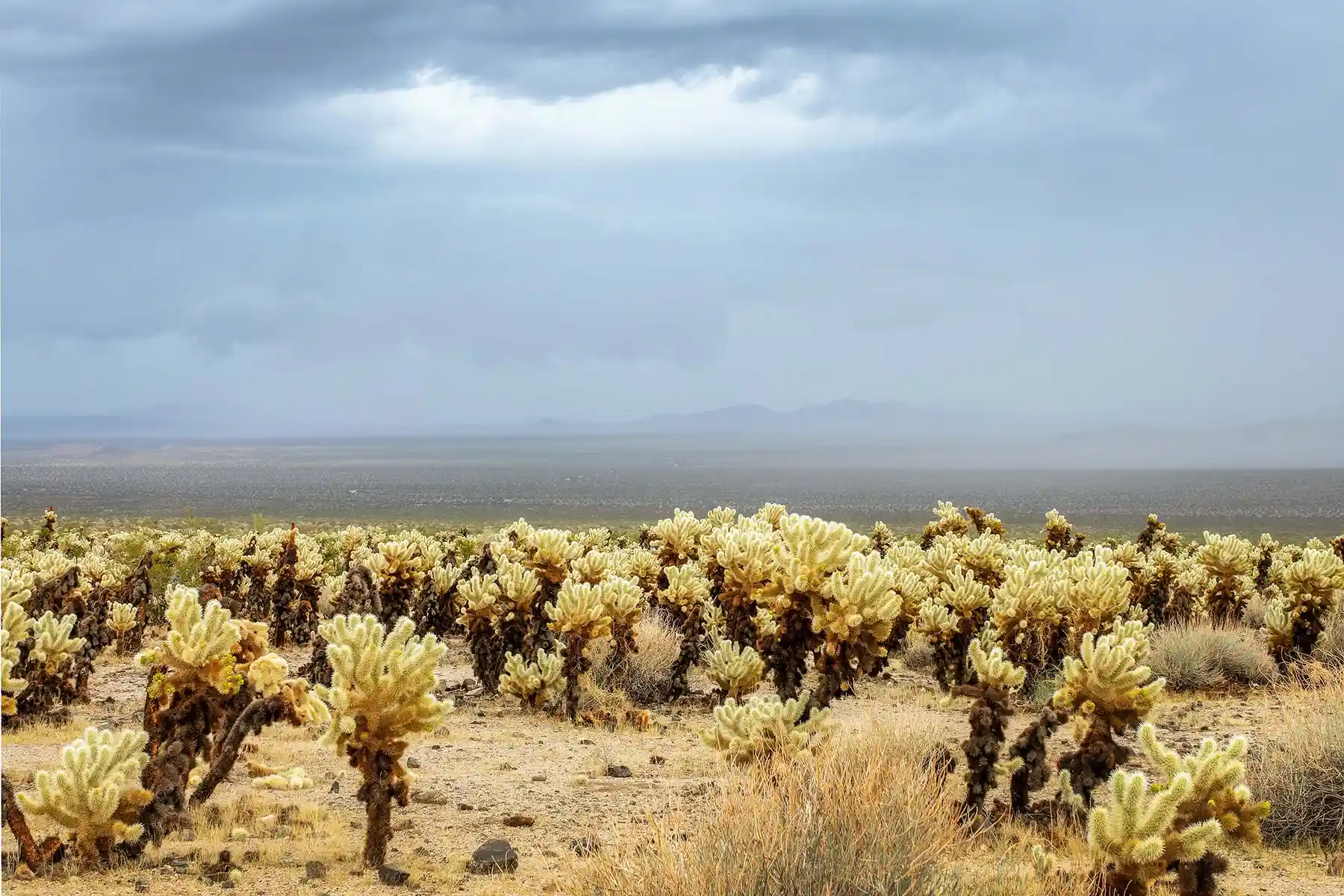
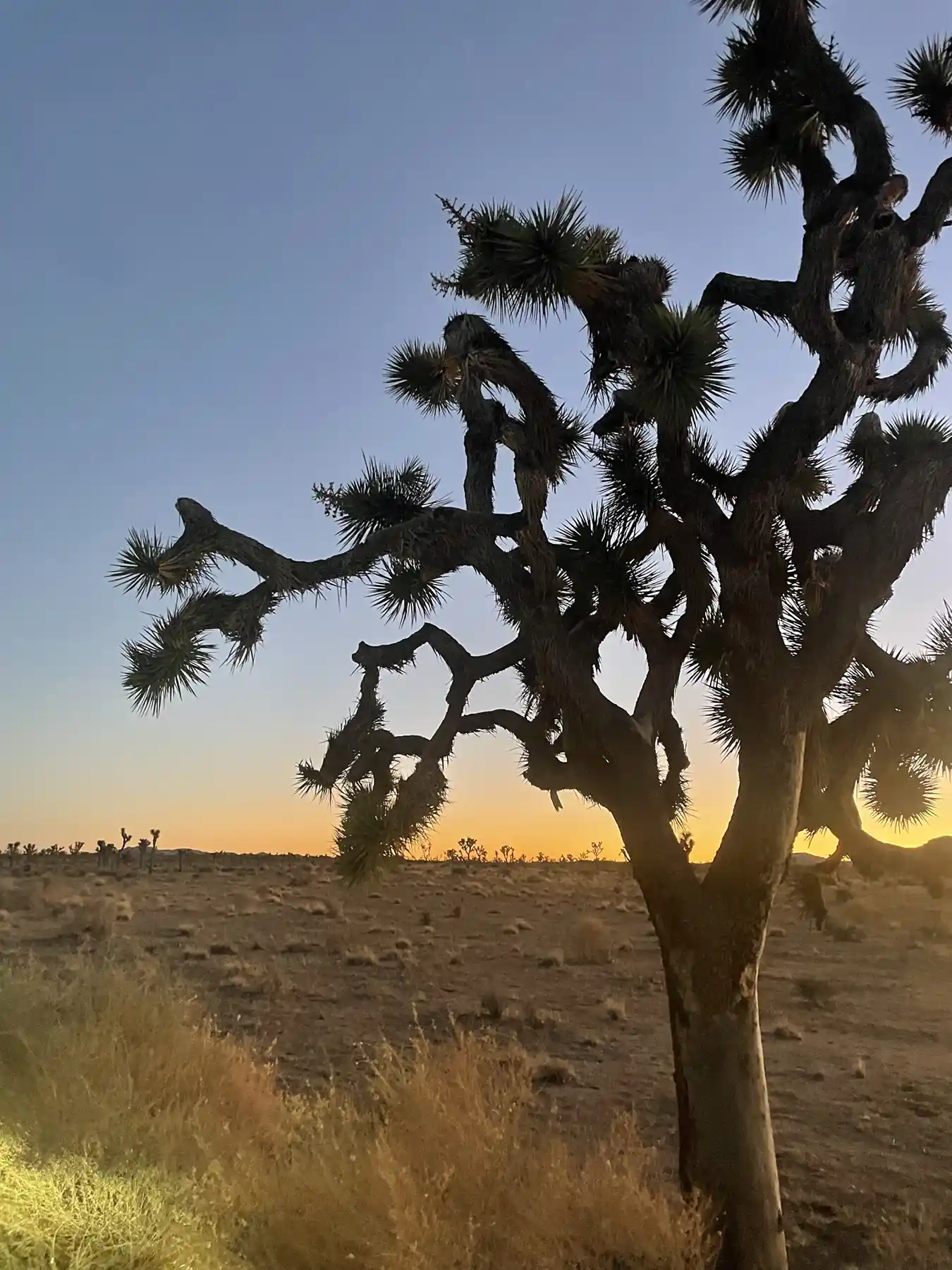
Camping in Joshua Tree National Park is an unforgettable experience, offering breathtaking desert landscapes, unique rock formations, and some of the clearest night skies in the country. Whether you’re looking for a developed campground with amenities or a backcountry site for a rugged adventure, this Joshua Tree National Park camping guide will help you find the perfect spot for your trip.

Hidden Valley Campground
  • Sites: 44
  • Amenities: Vault toilets, picnic tables, fire rings (no water available)
  • Best For: Rock climbers and those looking for a central location
  • Reservations: First-come, first-served

This popular campground is known for its proximity to world-class rock climbing routes. It’s a favorite among climbers and photographers, thanks to the stunning boulders and dramatic desert scenery.

rocky mountain national park
joshua tree national park camping
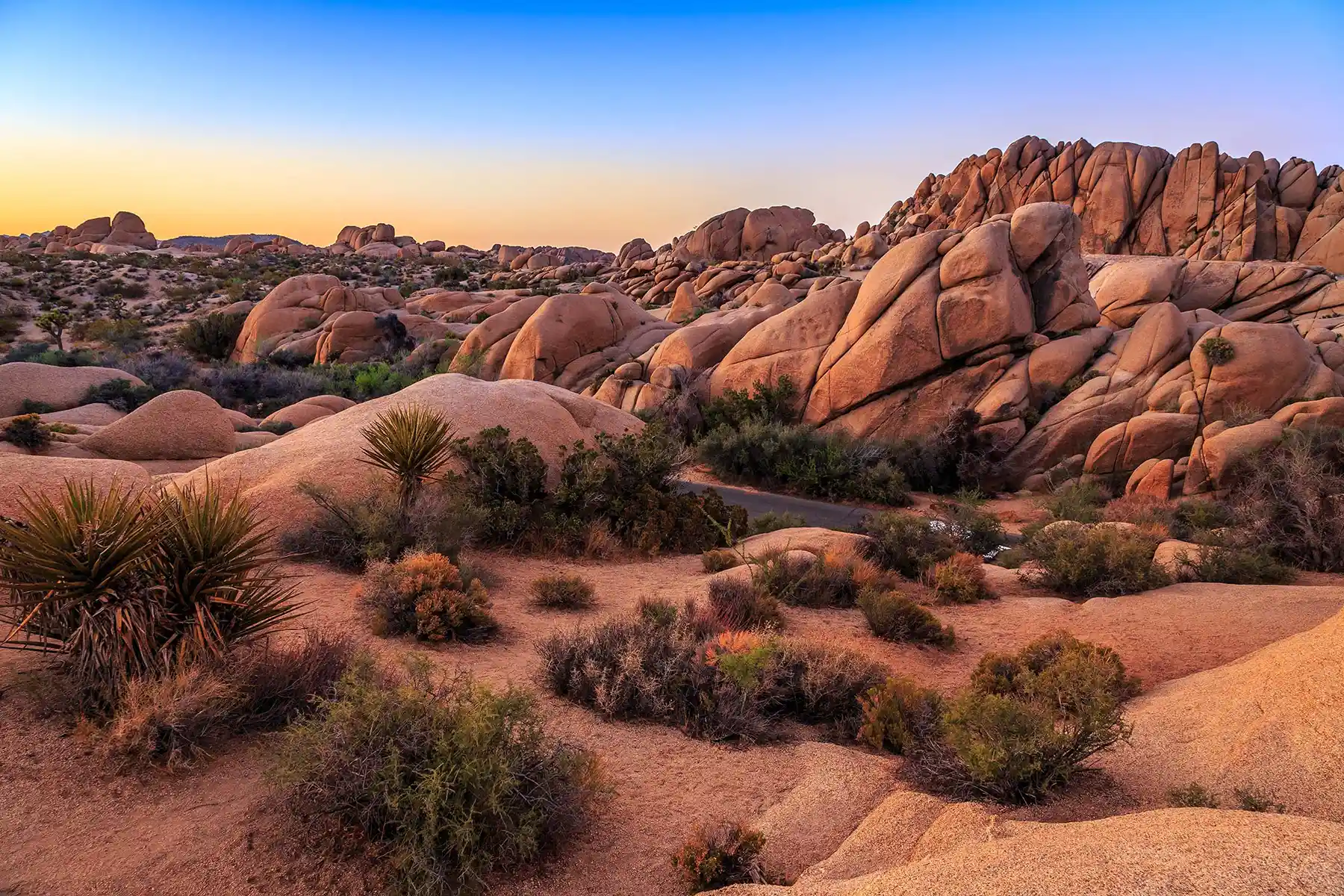
Jumbo Rocks Campground
  • Sites: 124
  • Amenities: Vault toilets, picnic tables, fire rings (no water available)
  • Best For: Families and visitors wanting easy access to unique rock formations
  • Reservations: Required from September to May

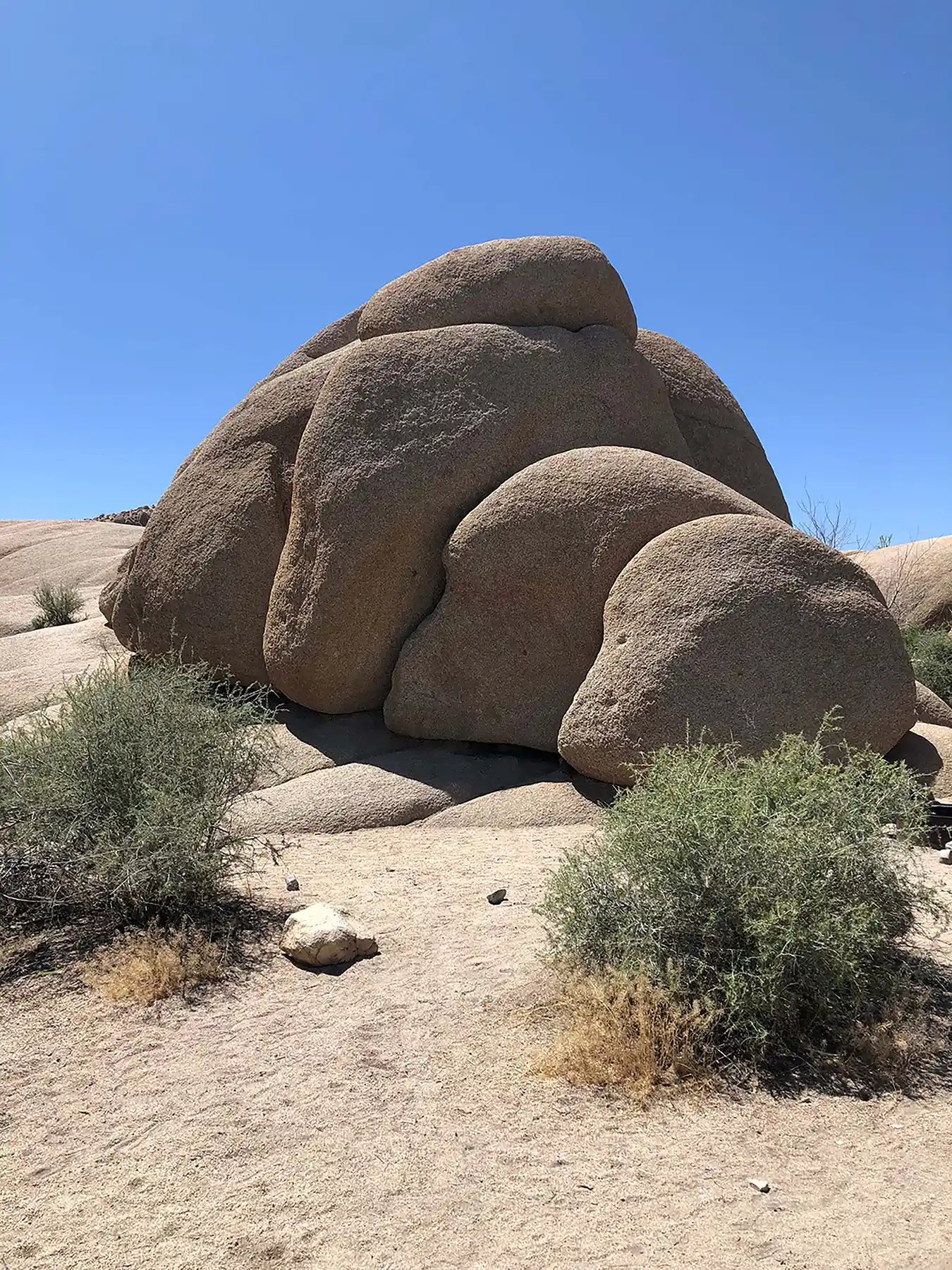
Jumbo Rocks is one of the most famous campgrounds in the park, offering incredible views of massive granite boulders. It’s a great choice for families and photographers looking for picturesque campsites.

Ryan Campground
  • Sites: 31 (including equestrian sites)
  • Amenities: Vault toilets, picnic tables, fire rings (no water available)
  • Best For: Equestrian campers and small RVs
  • Reservations: Required during peak season

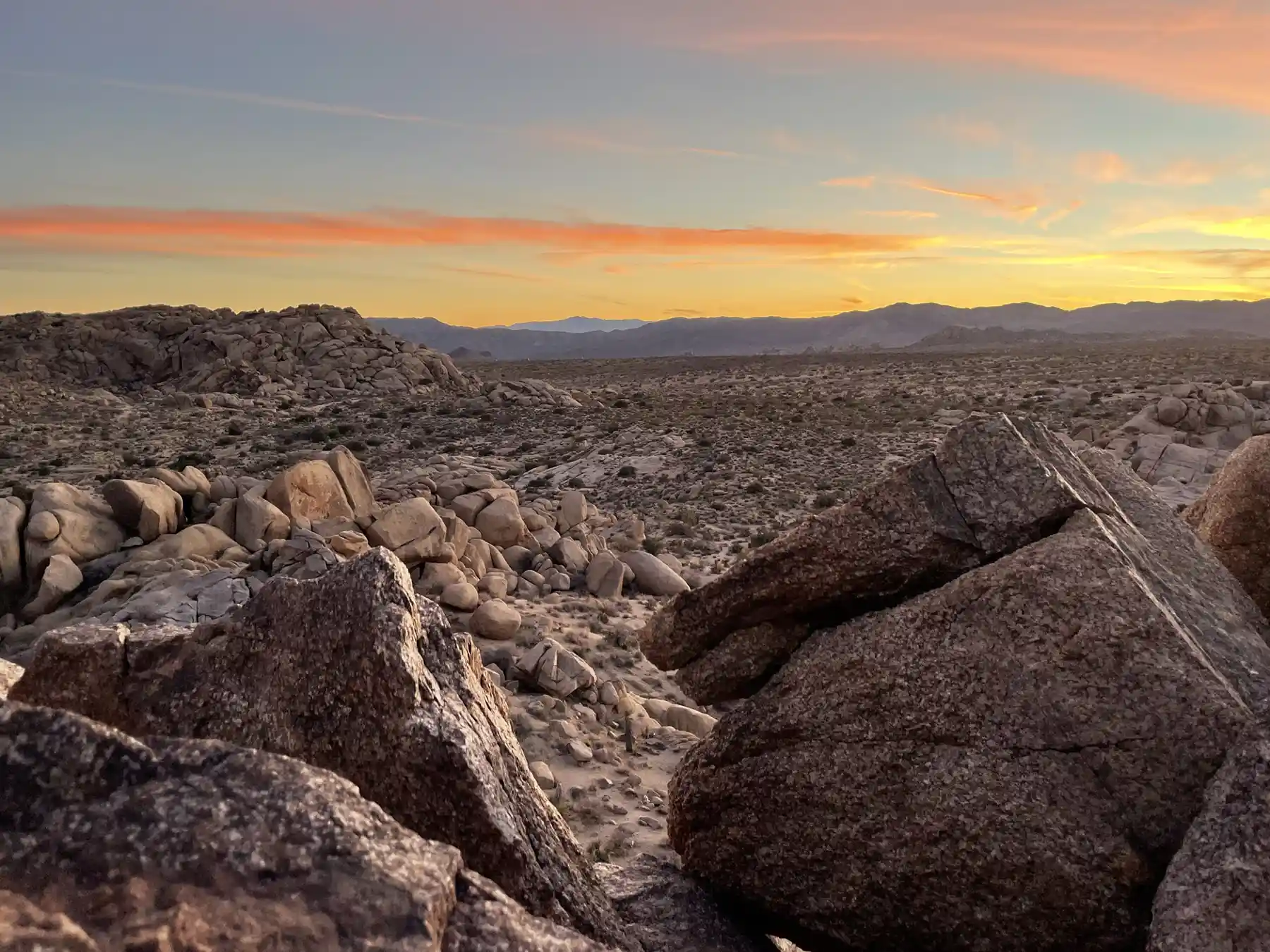
Located near the Geology Tour Road, Ryan Campground is a quieter option with fantastic sunrise and sunset views. It also has designated sites for campers with horses.

Cottonwood Campground
  • Sites: 31 (including equestrian sites)
  • Amenities: Vault toilets, picnic tables, fire rings (no water available)
  • Best For: Equestrian campers and small RVs
  • Reservations: Required during peak season

Located near the Geology Tour Road, Ryan Campground is a quieter option with fantastic sunrise and sunset views. It also has designated sites for campers with horses.

Belle Campground - Best for Stargazing & Solitude
  • Sites: 18
  • Reservations: First-come, first-served
  • Amenities: Pit toilets, picnic tables, fire rings (no water)

A quiet, less crowded campground with stunning night sky views. Great for those seeking a peaceful desert experience.

White Tank Campground
  • Sites: 15
  • Reservations: First-come, first-served
  • Amenities: Pit toilets, picnic tables, fire rings (no water)

Close to Arch Rock, one of the park’s most famous natural formations. Perfect for astrophotographers and those wanting a quiet camping experience.


rocky mountain national park

Backcountry Camping in Joshua Tree

If you prefer a more remote and rugged experience, Joshua Tree allows free backcountry camping. However, there are strict rules:

  • You must park and register at one of the 13 designated backcountry registration boards.
  • Camp at least one mile from roads and 500 feet from trails.
  • No campfires allowed—use a stove for cooking.
  • Pack out all trash and leave no trace.

Best Time to Camp in Joshua Tree

  • Spring (March–May): Ideal weather, blooming wildflowers, but crowded.
  • Fall (September–November): Pleasant temperatures, fewer crowds.
  • Winter (December–February): Cold nights, but great for solitude.
  • Summer (June–August): Extreme heat (100+°F) makes camping difficult—opt for higher elevation sites like Black Rock.

Final Thoughts

Camping in Joshua Tree National Park is an unforgettable experience, offering dramatic landscapes, world-class stargazing, and a deep connection with nature. Whether you’re a first-time camper or a seasoned adventurer, there’s a site perfect for your trip.

Have you camped in Joshua Tree? Share your favorite campground and tips in the comments! 🌵🔥✨