
Arches National Park Complete Guide
Plan a smarter trip to Arches National Park with the best things to do, where to hike, when to go, camping notes, scenic stops, and practical desert travel tips.
Quick answer: how to plan Arches National Park
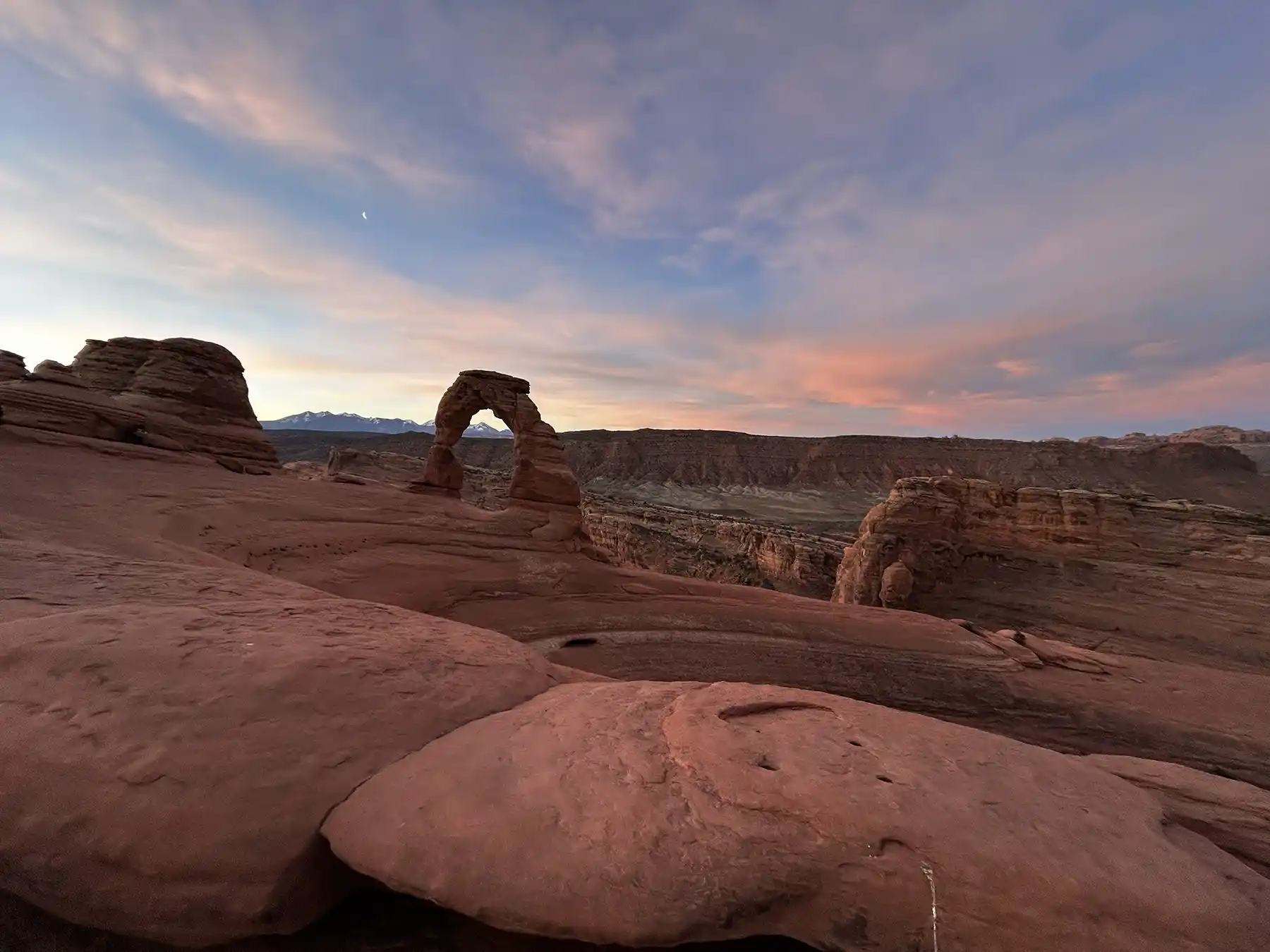
Arches National Park is best planned as an early-morning and late-afternoon park. Focus your first visit on the main scenic drive, The Windows Section, Delicate Arch, Devils Garden, and enough downtime to manage heat, parking, and desert exposure.
Arches is known for more than 2,000 documented natural stone arches and one of the densest arch concentrations in the world.
Most first-time visitors can see major highlights in one full day, but two days gives you more time for hikes and sunrise or sunset viewpoints.
The park is normally open year-round, though congestion, weather, road work, and full parking areas can temporarily affect access.
Devils Garden Campground is the only campground inside Arches National Park.
In 2026, Arches announced it would not require advance timed-entry reservations, but visitors should always check current NPS alerts before traveling.
What makes Arches National Park worth visiting?
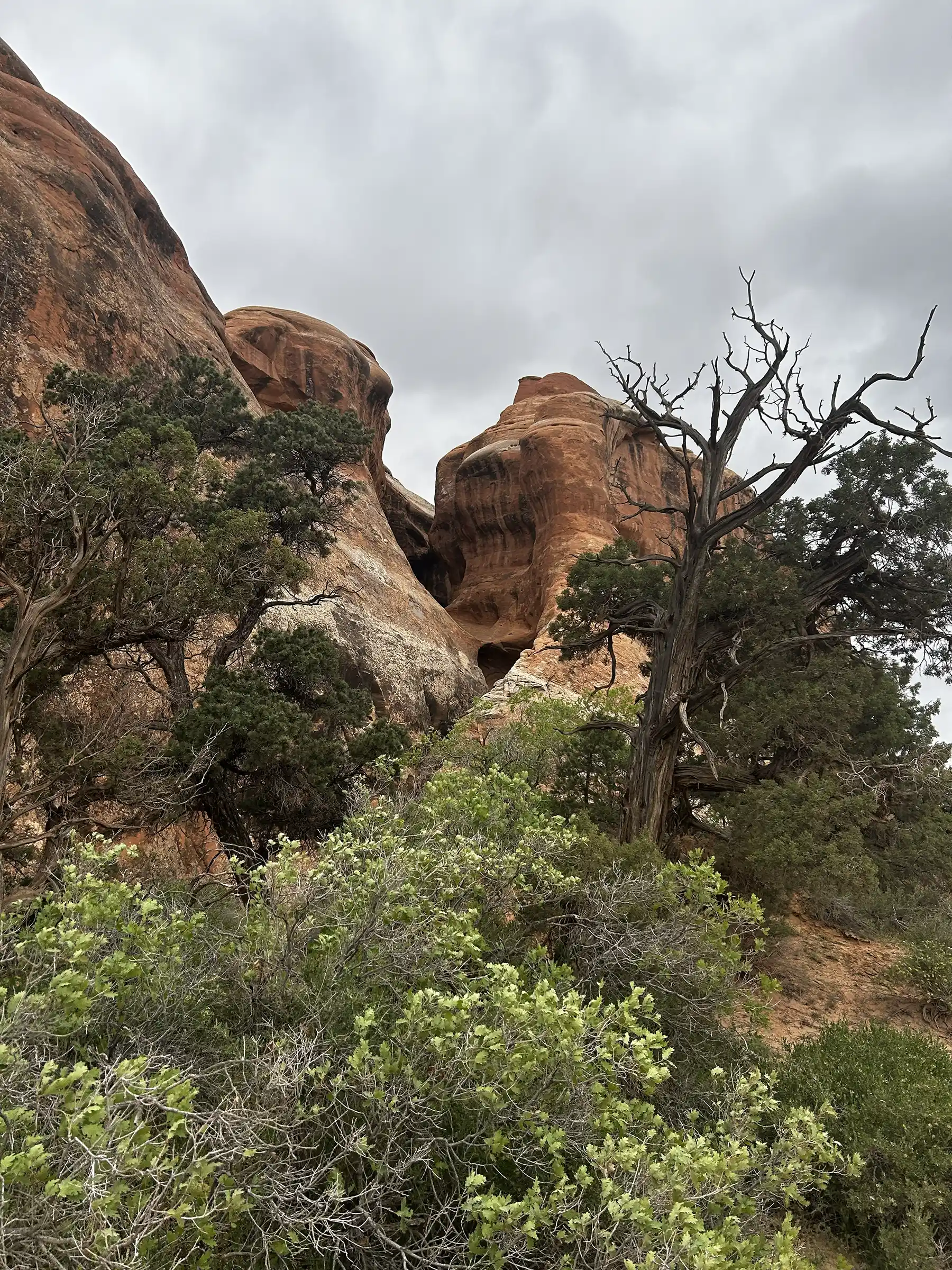
Arches National Park is one of the most approachable desert parks in the Southwest because the main road links many of the park's signature formations, trailheads, and viewpoints. You can keep the trip simple with short walks and scenic stops, or build a more active itinerary around Delicate Arch, Devils Garden, and longer slickrock hikes.
The park is close to Moab, which makes logistics easier than in more remote desert destinations. That convenience does not remove the need for preparation. Shade is limited, summer heat can be serious, parking fills early, and many trails cross exposed rock where route-finding requires attention.
Use this guide as a practical starting point for deciding what to do, when to visit, how to pack, and how to structure your time inside Arches without overloading the day.
Best things to do in Arches National Park
The best first trip to Arches balances iconic stops with realistic timing. The park's scenic drive is the backbone of the visit, but the best memories usually come from stepping onto a trail, watching the light change on sandstone, and giving yourself enough time to enjoy each area instead of rushing from viewpoint to viewpoint.
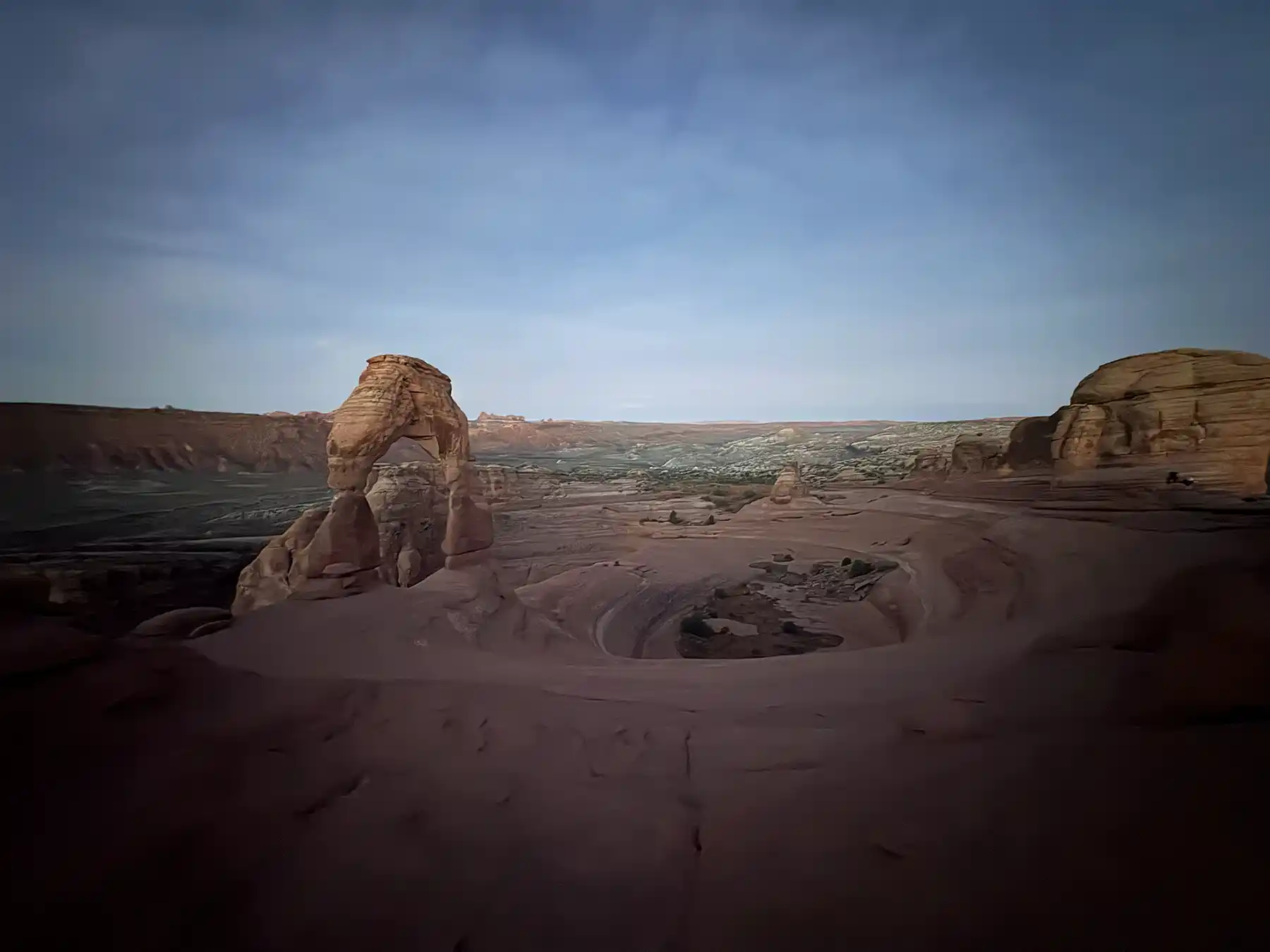
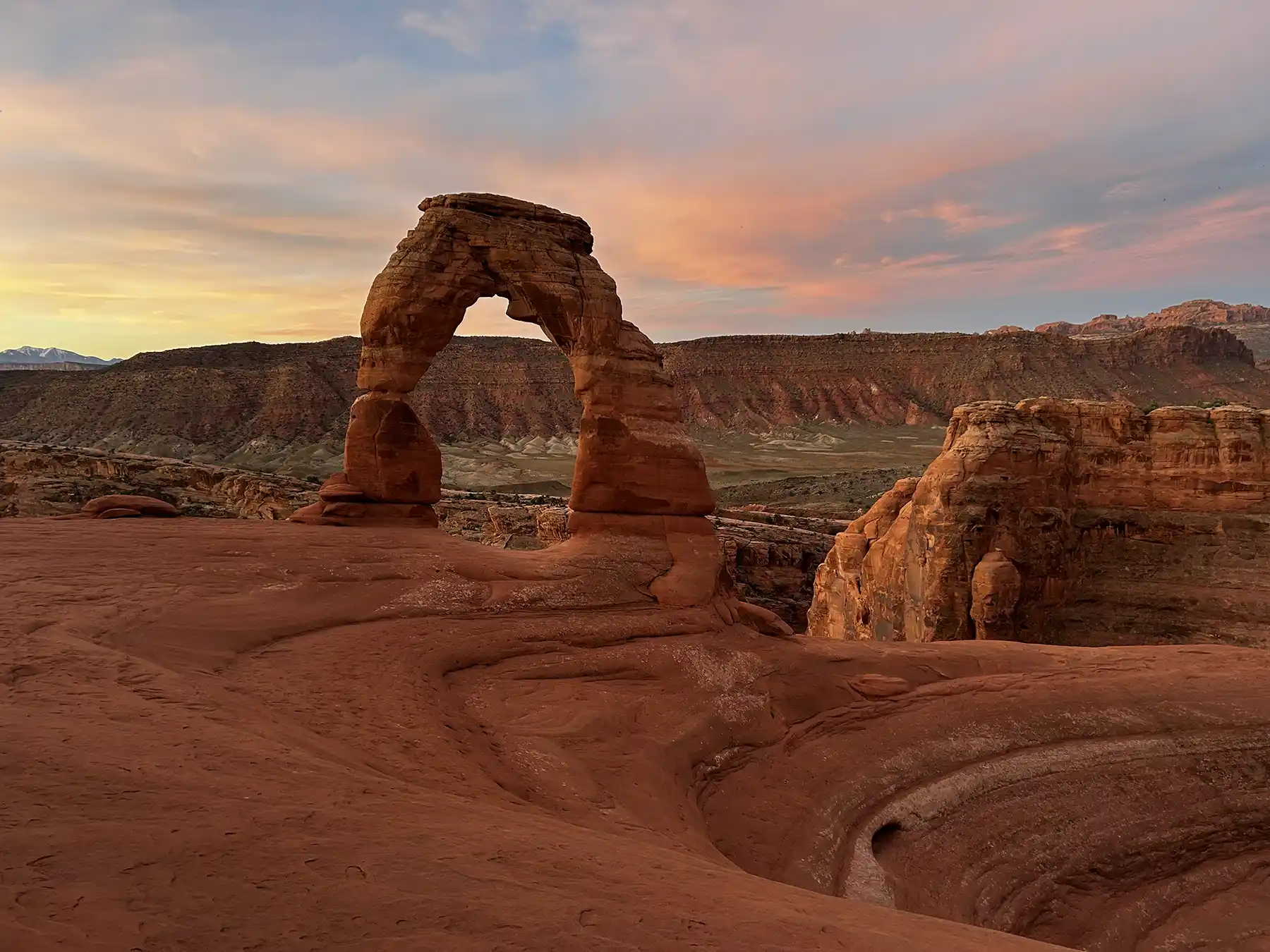
Start with the places that define the park: Delicate Arch, The Windows Section, Balanced Rock, Park Avenue, and Devils Garden. These areas show different sides of Arches, from freestanding arches and massive fins to broad desert views and short family-friendly walks.
First-visit priorities
- Drive the main park road early or late in the day for better light and less heat.
- Visit The Windows Section for several impressive arches close together.
- Choose Delicate Arch Trail if you want the classic Arches hike and are prepared for exposure.
- Walk to Landscape Arch in Devils Garden for a high-reward trail with unforgettable scenery.
- Use Balanced Rock and Park Avenue as short scenic stops that fit easily into most itineraries.
Wanderers' planning tip
Do not plan Arches like a drive-through checklist. The park is more rewarding when you build in time for short walks, parking delays, water breaks, and sunrise or sunset light.
Before you go
Plan Arches around heat, light, parking, and water
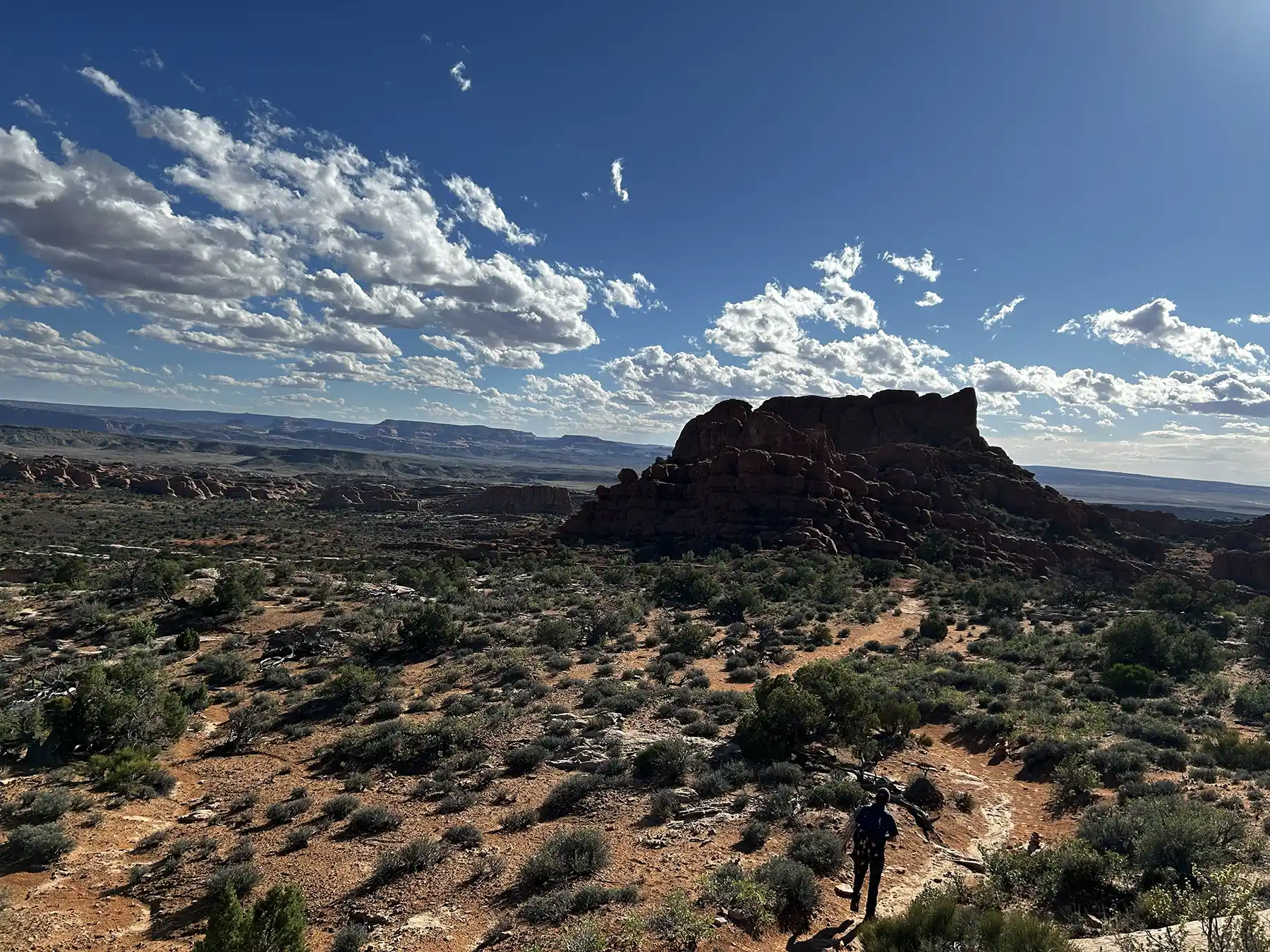
Arches rewards travelers who start early, carry enough water, check current park conditions, and leave room for weather or parking changes.
Best hikes for a first Arches trip
Arches has trails ranging from short viewpoint walks to longer routes that cross slickrock and sandy washes. Many popular routes are easy to moderate, but exposure can make them feel harder in hot weather.
If you only have one day, choose one primary hike and several shorter stops. If you have two days, pair Delicate Arch with Devils Garden and use the cooler parts of the day for the longer walks.
Hikes to consider
- Delicate Arch Trail for the park's most famous freestanding arch and a memorable sunset option.
- Landscape Arch in Devils Garden for a relatively approachable route into one of the park's most scenic areas.
- The Windows and Double Arch for easy access to several major formations.
- Park Avenue for a canyon-like walk between towering sandstone walls.
- Broken Arch and Sand Dune Arch for a quieter-feeling outing when conditions and timing fit.
Trail reality check
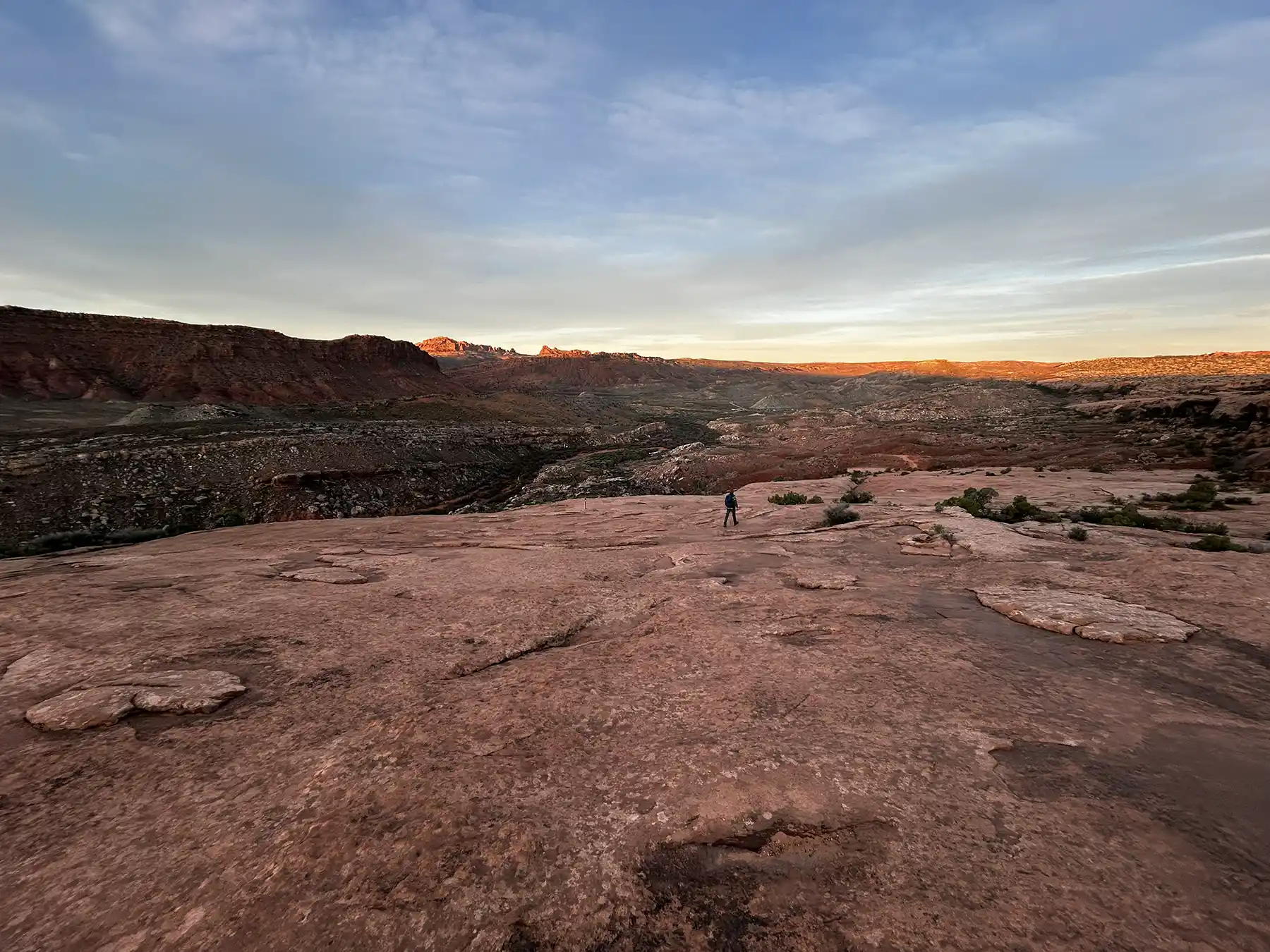
Many Arches trails have limited shade and can be marked by cairns across broad rock surfaces. Carry water, watch the weather, and turn around before heat or fatigue becomes a problem.
Best time to visit Arches National Park
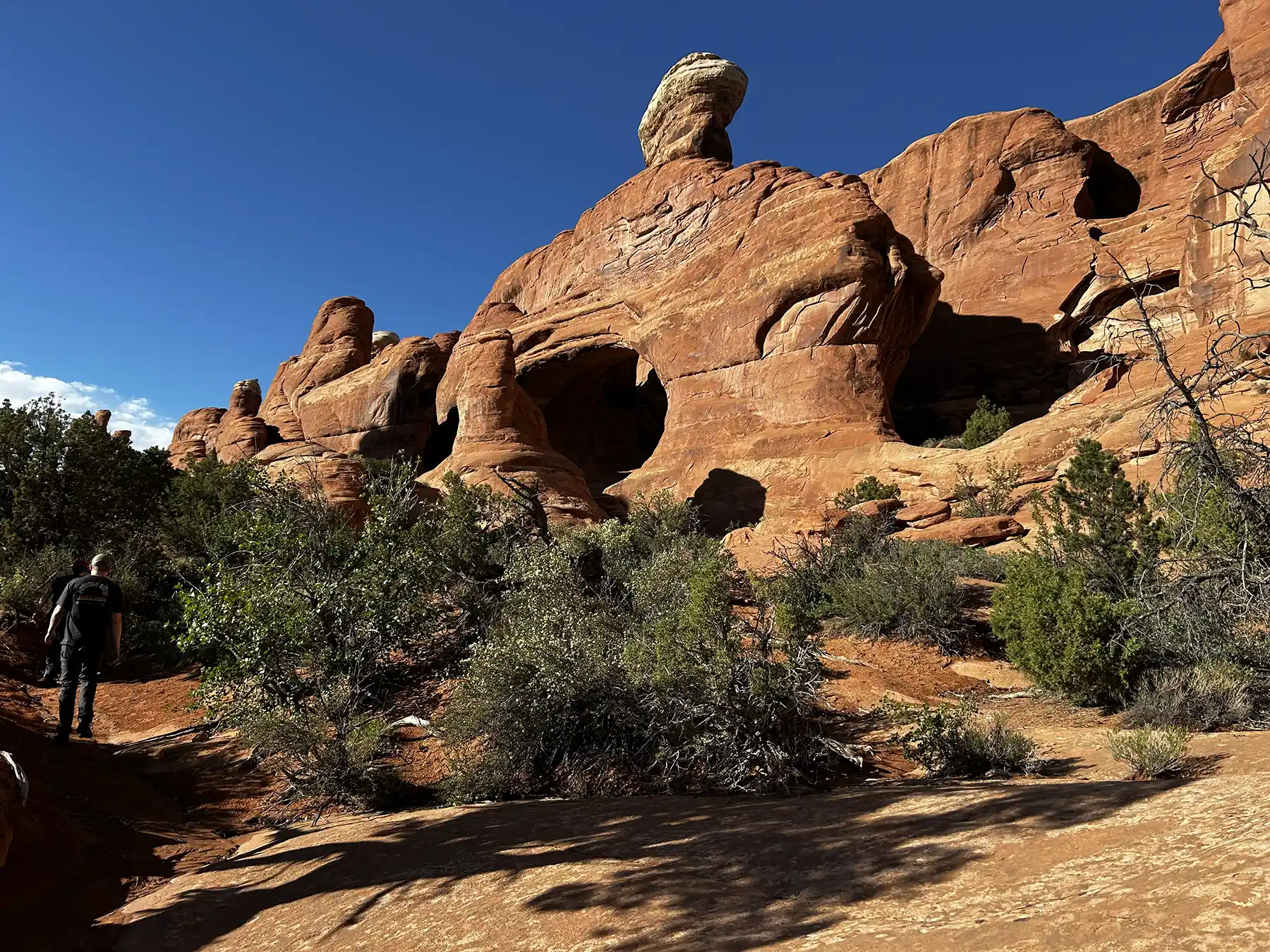
Spring and fall are usually the most comfortable seasons for Arches because daytime temperatures are better suited to hiking and sightseeing. These seasons are also popular, so early starts still matter.
Summer can be brutally hot, especially on exposed trails. Winter brings quieter conditions and beautiful light, but colder nights, icy patches, and shorter days can affect plans.
Season-by-season planning
- Spring: comfortable hiking weather, wildflower possibilities, and high demand for campsites and parking.
- Summer: intense heat, early starts, extra water, and shorter hikes are often the smarter choice.
- Fall: another strong season for hiking, camping, and photography.
- Winter: lower crowds and cold mornings, with weather-dependent road and trail considerations.
Before you go
Check the official Arches National Park alerts page before your trip for current entrance, road, weather, and visitor-use updates.
Camping and where to stay near Arches
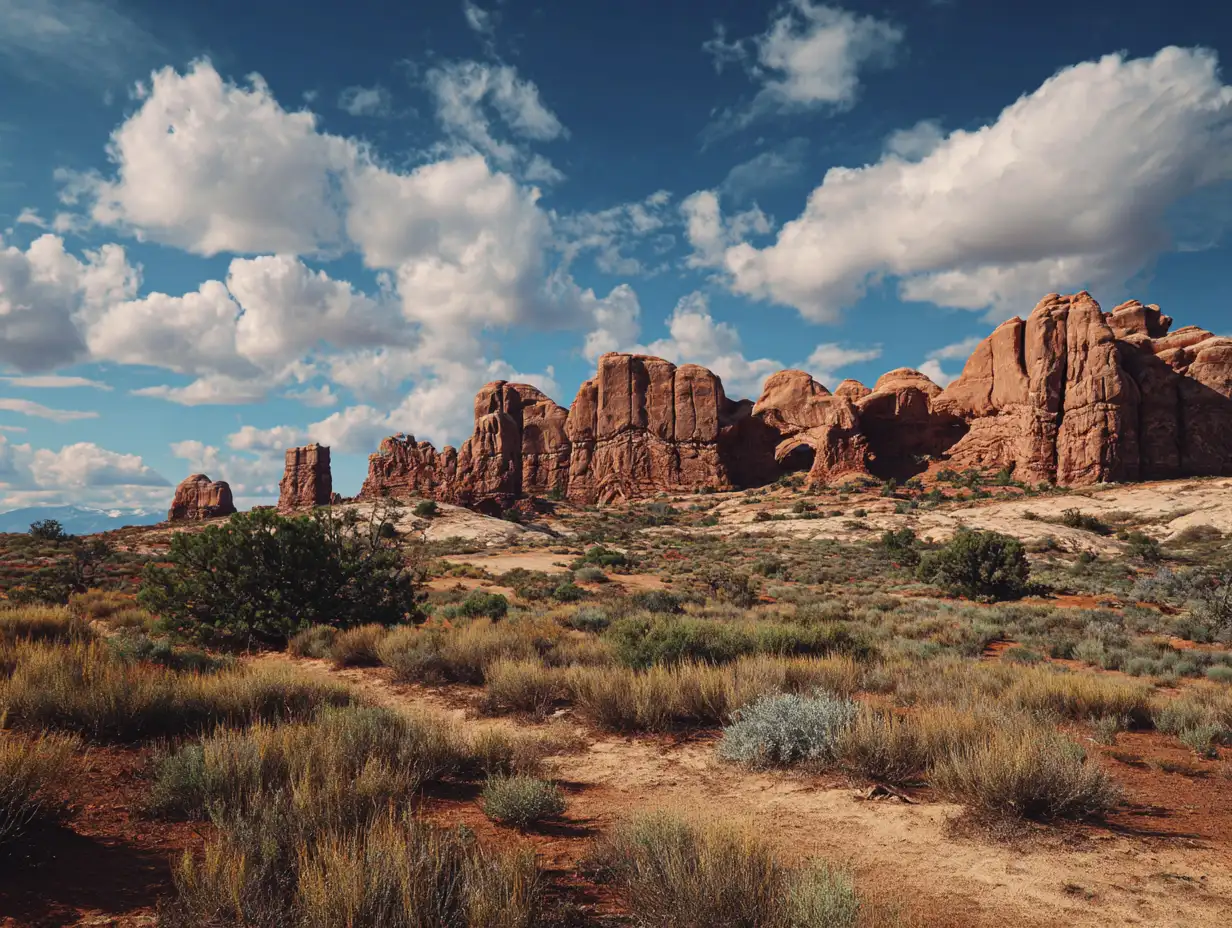
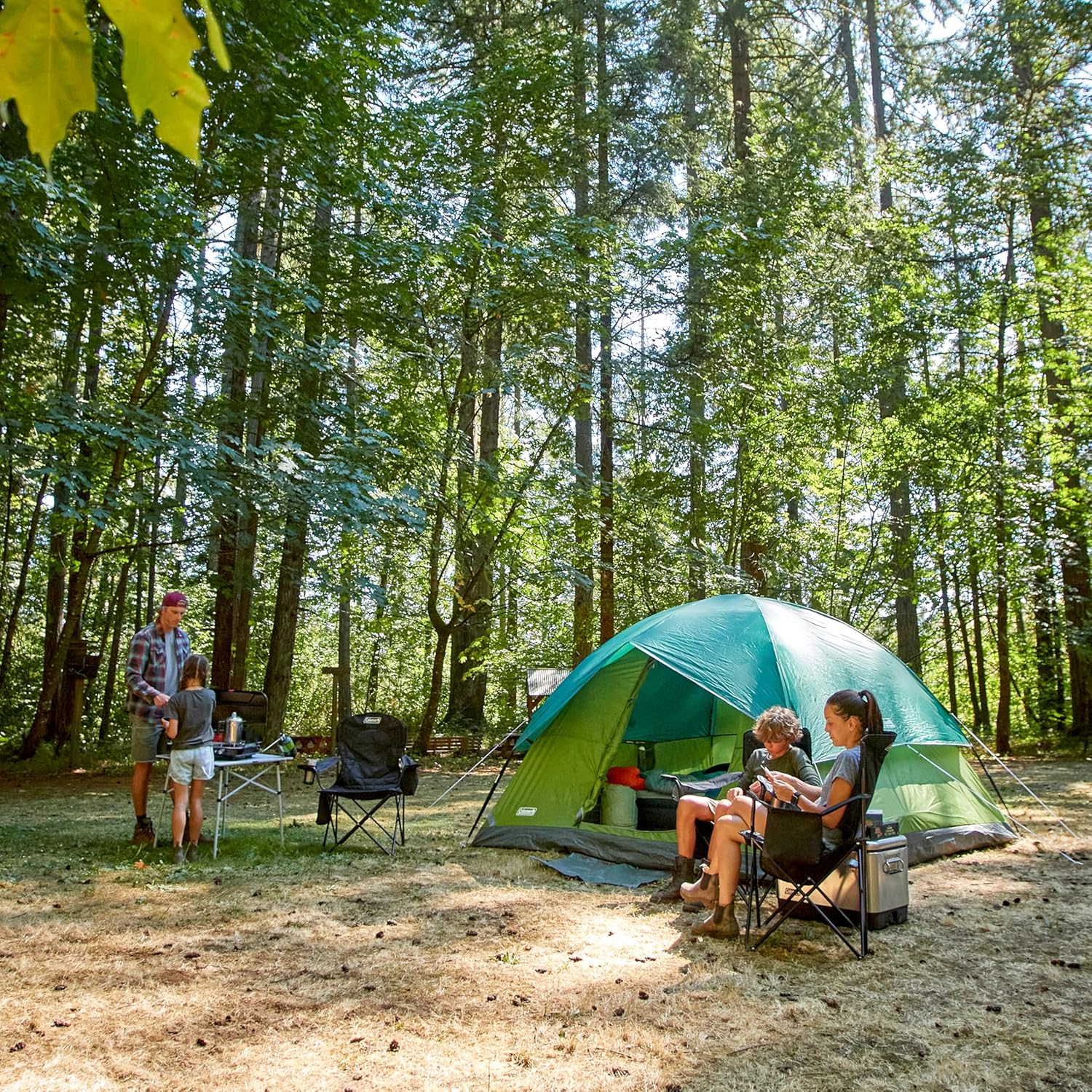
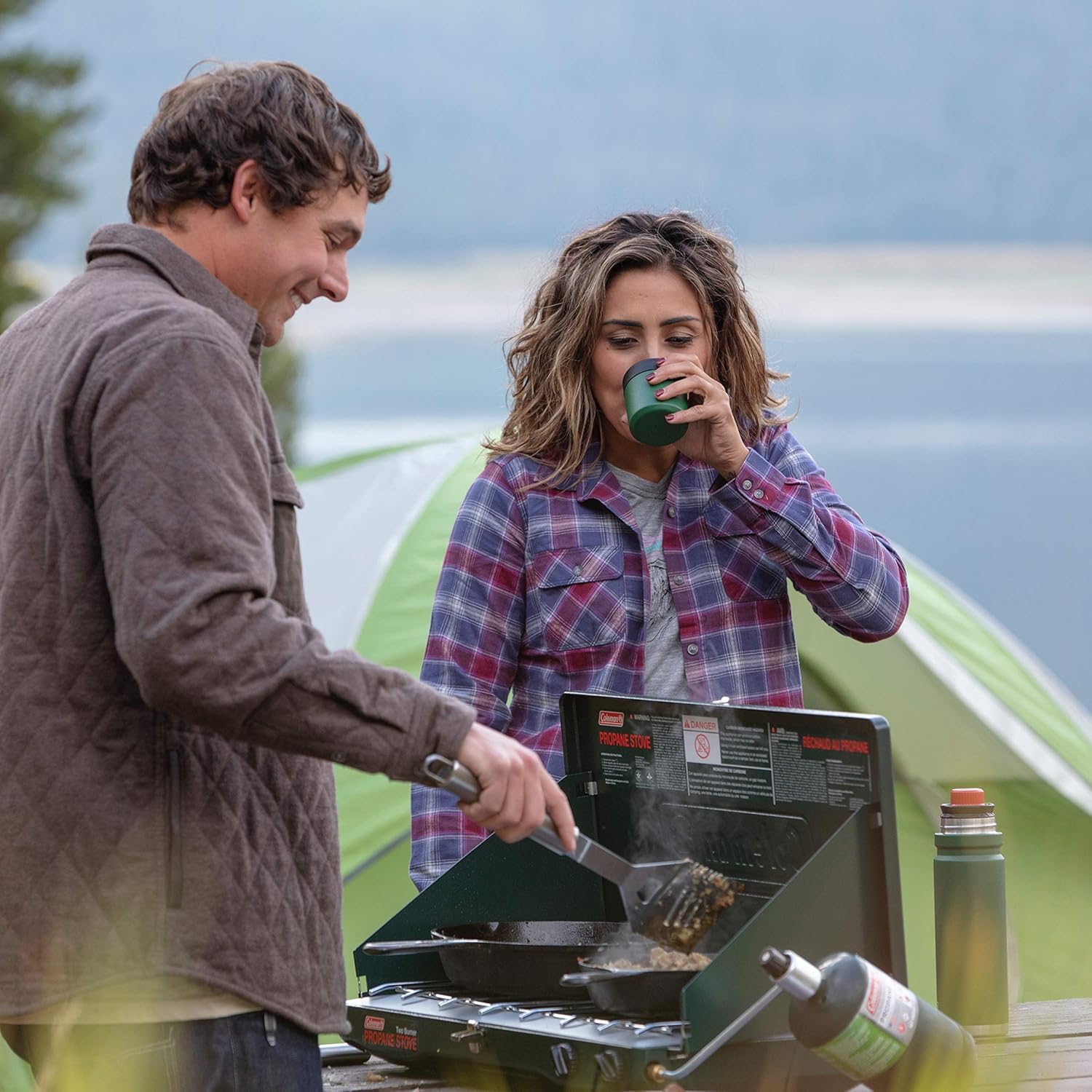
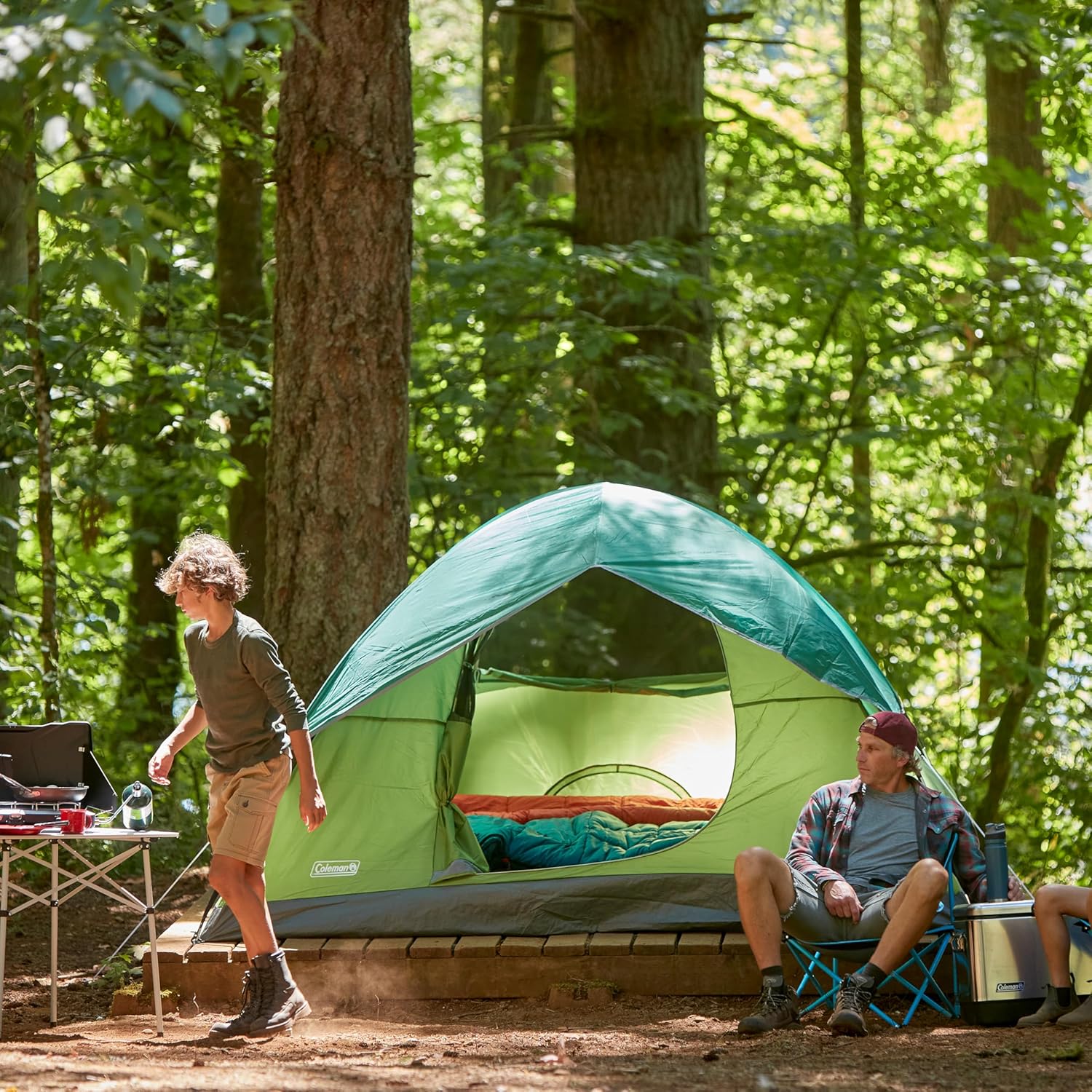
Devils Garden Campground is the only campground inside Arches National Park. It is scenic and convenient, but it is also highly competitive during busy seasons, so a backup plan near Moab is smart.
Moab gives travelers access to hotels, private campgrounds, restaurants, grocery stores, outfitters, showers, and additional public-land camping options nearby. Staying outside the park can still work well if you enter early and plan around traffic.
Where to base your trip
- Devils Garden Campground for the most immersive in-park camping experience.
- Moab hotels or vacation rentals for convenience and flexibility.
- Private campgrounds near Moab for showers, hookups, and easier family logistics.
- Nearby public-land camping only if you understand rules, surfaces, waste practices, and current restrictions.
Campground reminder
Reservation windows, campground rules, and availability can change. Confirm details with the National Park Service and Recreation.gov before building your trip around a campsite.
Wanderers' gear note
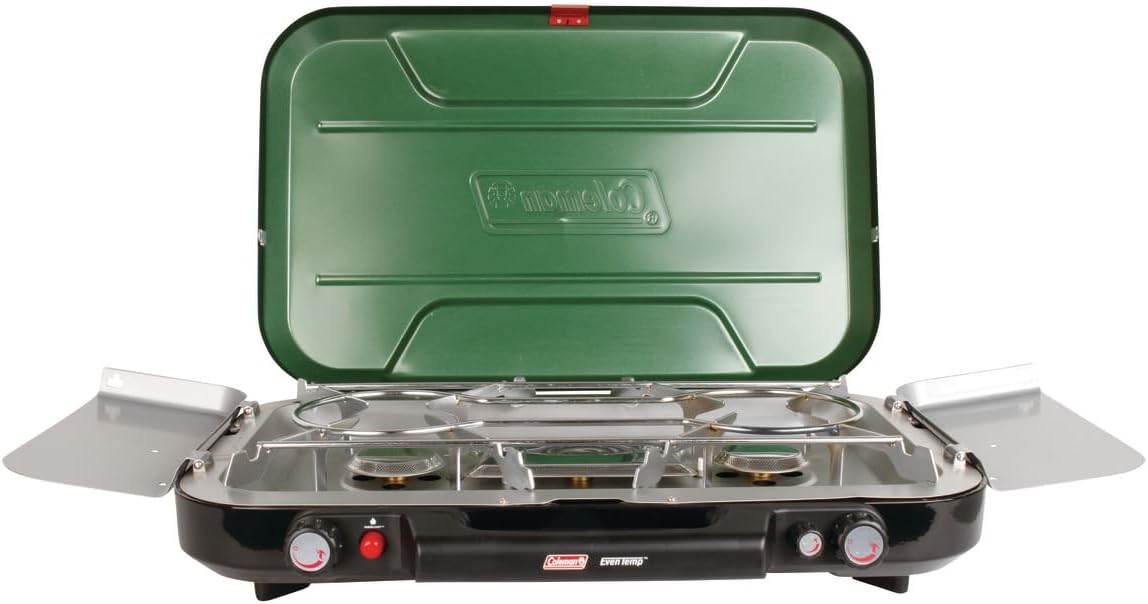
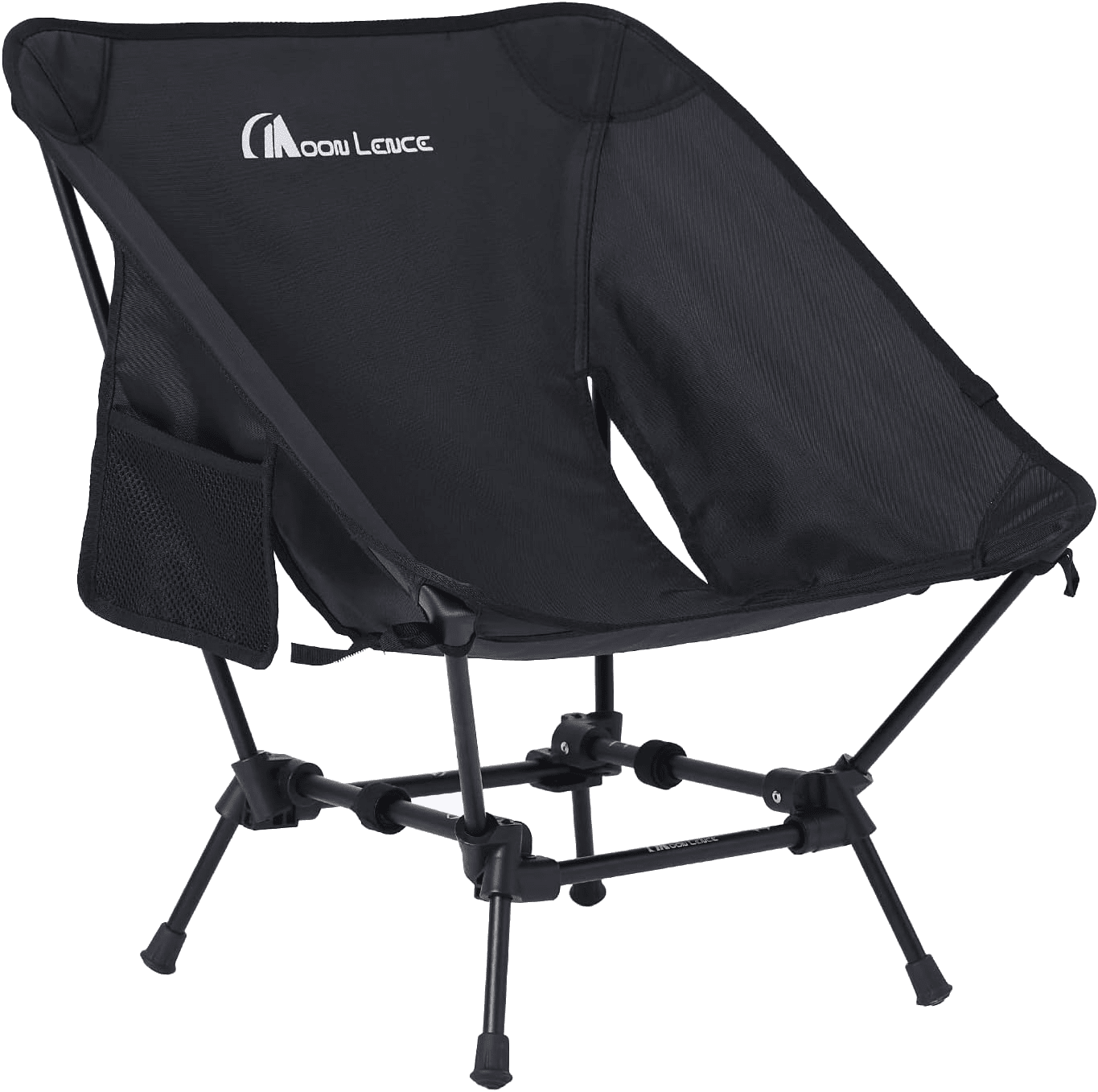
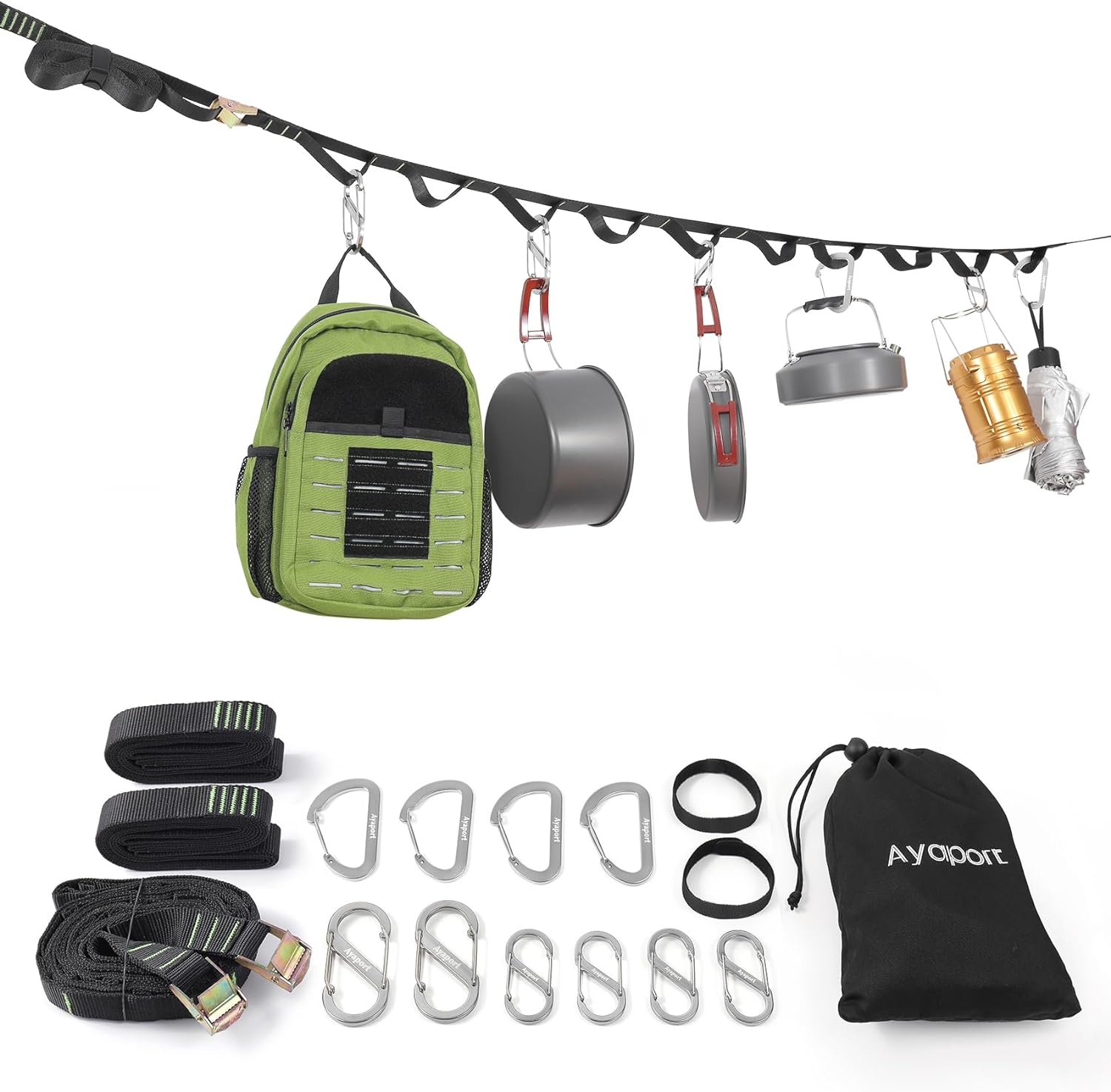
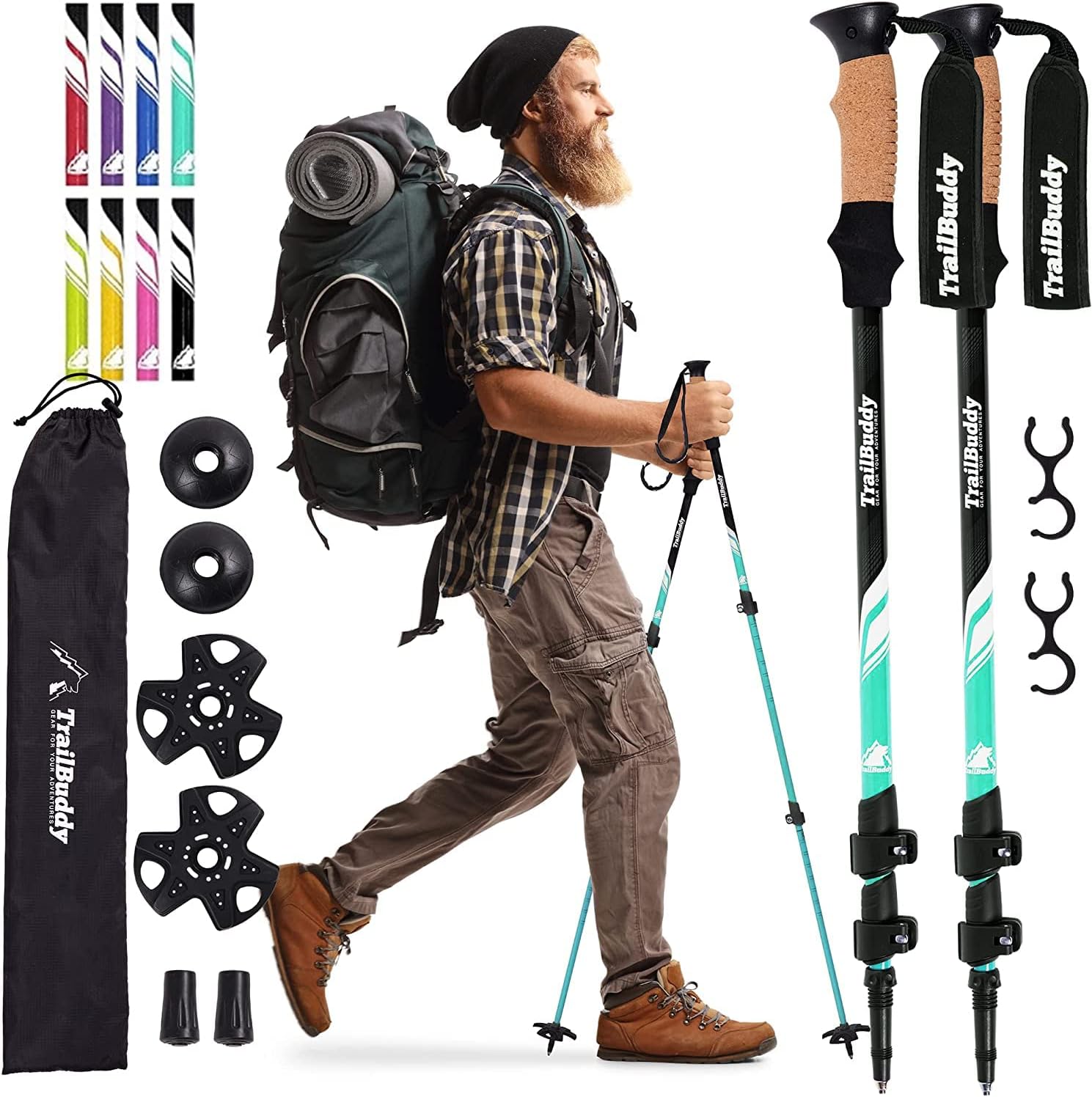
Useful gear should solve a real desert travel problem
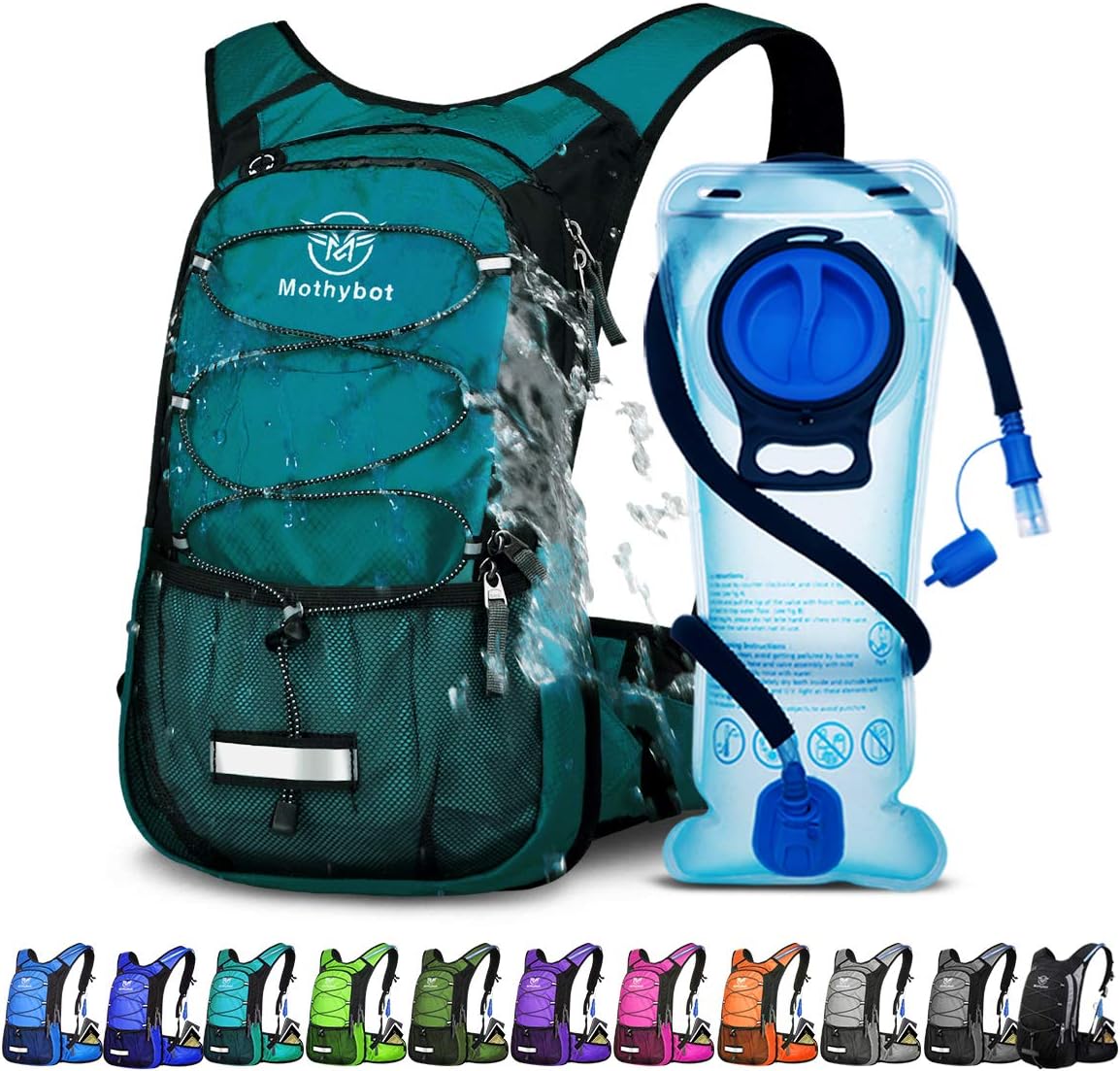
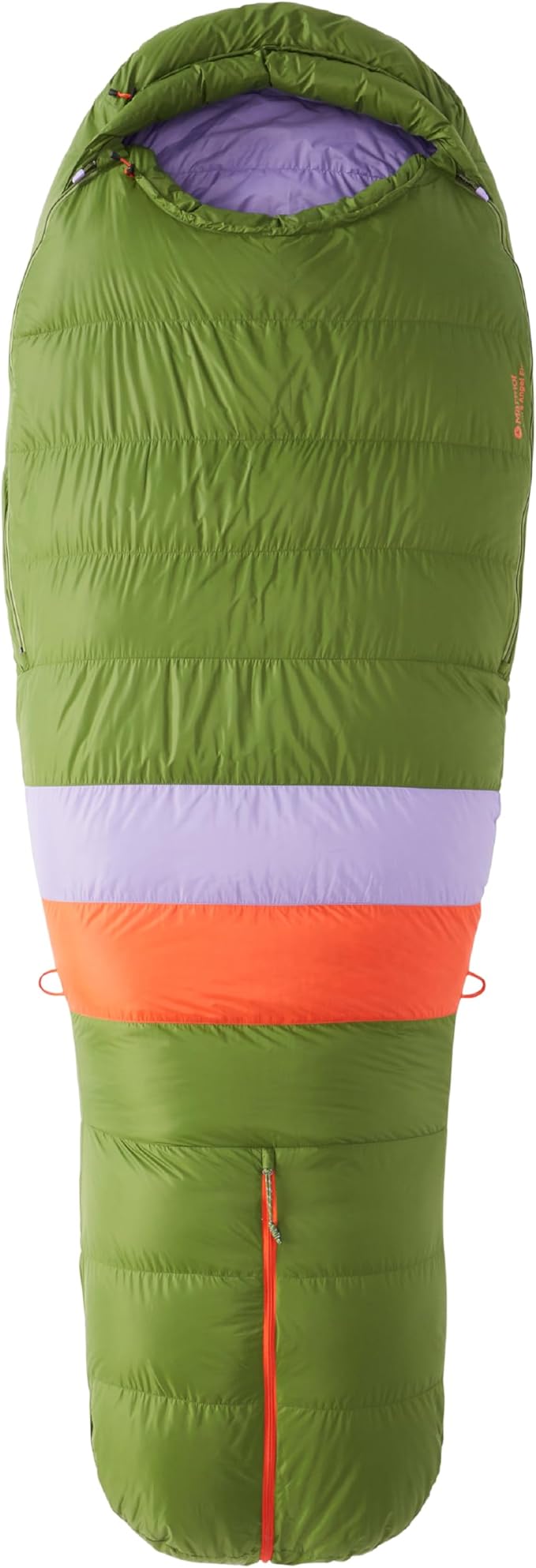
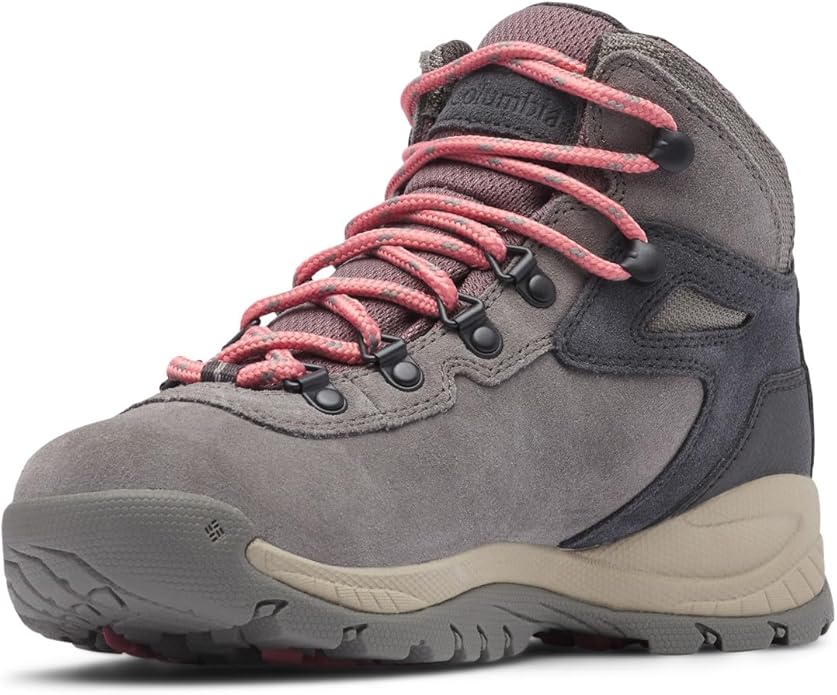
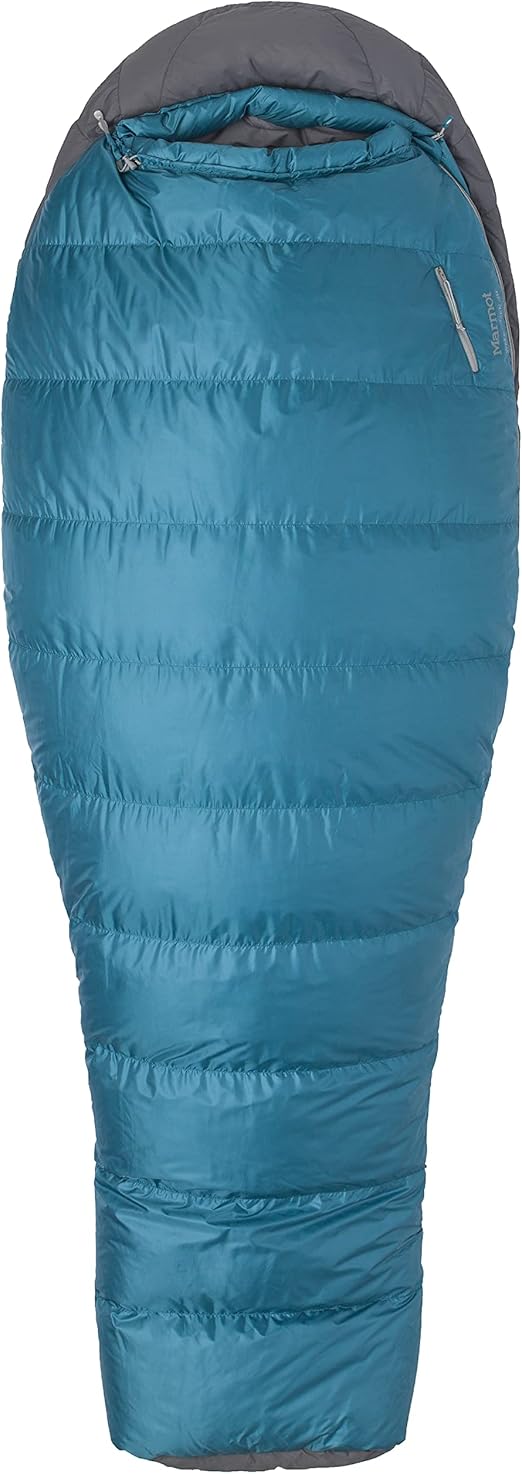
For Arches, the most practical gear choices support hydration, sun protection, sturdy footing, reliable lighting, and comfortable camping.
Arches safety and desert travel tips
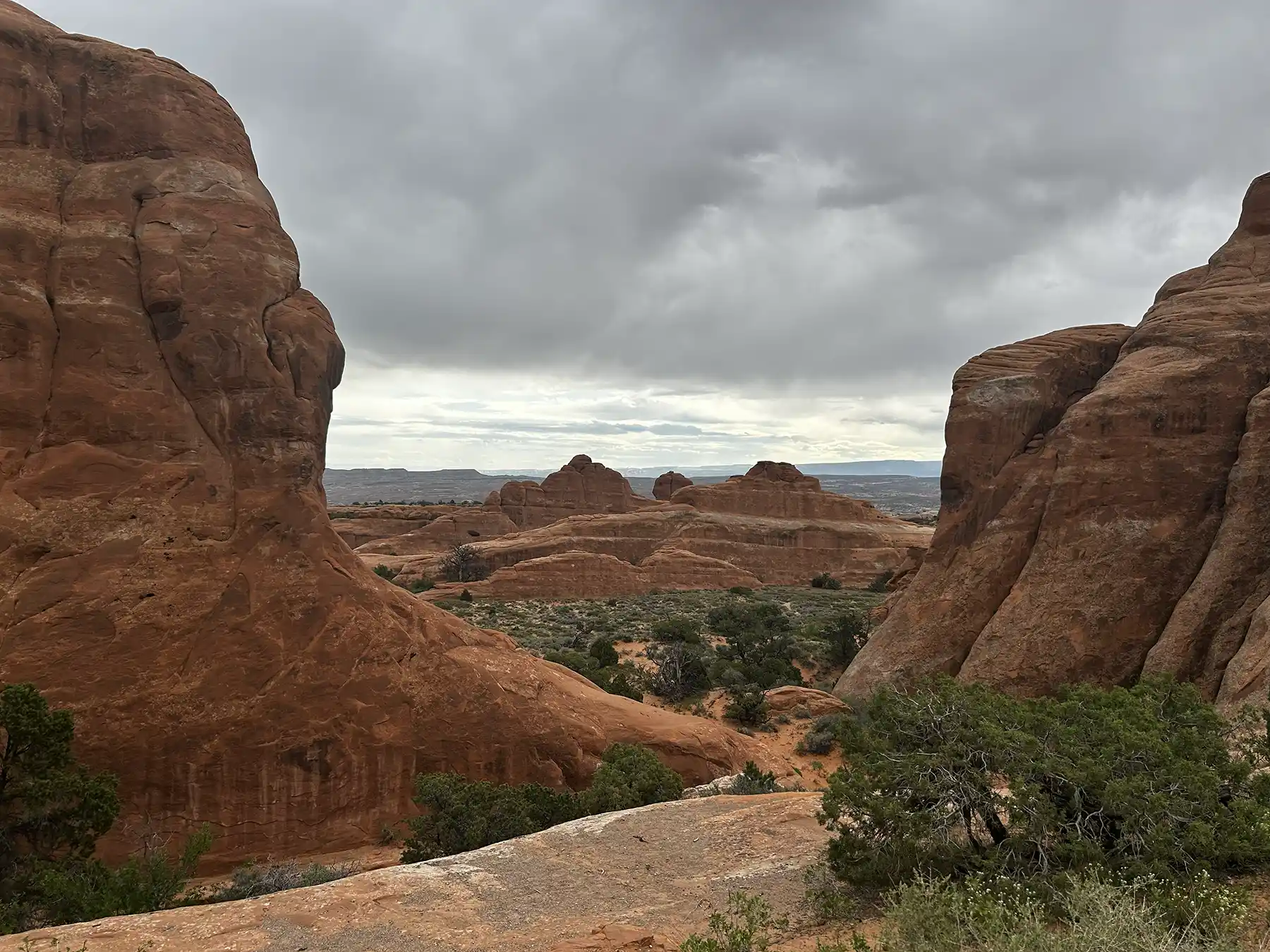
Arches is easy to reach, but it is still a high-desert environment. Heat, dehydration, sun exposure, lightning, wind, and flash-flood potential can all shape a visit. The safest plan is usually the simplest: start early, carry more water than you think you need, and avoid pushing long exposed hikes in peak heat.
Monsoon-season storms can bring heavy rain, lightning, flooding, wind, and hail. If severe weather is nearby, seek shelter in a building or vehicle and avoid washes, slickrock drainages, and unpaved roads.
Smart desert habits
- Carry water on every hike and keep extra water in the vehicle.
- Use sun protection: hat, sunglasses, sunscreen, and breathable long sleeves.
- Wear sturdy footwear with traction for slickrock, sand, and uneven surfaces.
- Start popular hikes early and save exposed scenic stops for cooler hours.
- Stay on durable surfaces and marked routes to protect fragile desert soils.
A better trip starts early
Early mornings solve several Arches problems at once: cooler temperatures, better light, more parking options, and more flexibility if plans change.
Common questions about Arches National Park Complete Guide
Use these quick answers to plan with more confidence before your Arches trip.