

Acadia National Park
Maine
Explore granite peaks, rocky Atlantic shoreline, forested islands, historic carriage roads, scenic drives, campgrounds, and more than 150 miles of hiking trails in one of New England's signature national parks.
Start Here
Plan Your Visit to Acadia National Park
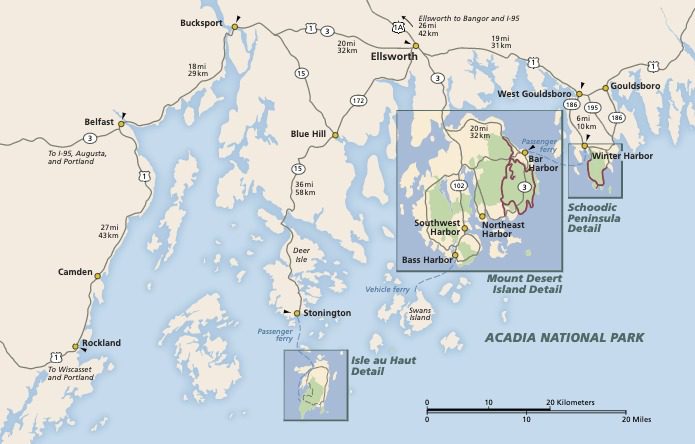
Acadia stretches across several parts of Maine's Atlantic coast rather than functioning as one compact park. Most first-time visitors spend the majority of their trip on Mount Desert Island, home to Park Loop Road, Cadillac Mountain, Jordan Pond, Sand Beach, Ocean Path, many of the most popular hiking trails, and several visitor services.
The Schoodic Peninsula offers a quieter mainland section of Acadia with rocky shoreline, biking, hiking, camping, and scenic driving. Isle au Haut is considerably more remote and requires additional transportation planning.
Three to four days gives a first-time visitor enough time to combine several hikes with a scenic drive, Cadillac Mountain, the carriage roads, the coast, and at least one quieter part of the park without rushing every stop.
Trip Essentials
What You Need Before Entering Acadia
Acadia is easy to enjoy once the basic logistics are handled. Entrance passes, Cadillac Mountain access, campground reservations, and transportation are the biggest items to organize before your trip.
Park Entrance Pass
An entrance pass is required year-round. Save or print your pass before entering areas of the park where cellular service may be unreliable.
Check current entrance feesCadillac Vehicle Reservation
Vehicle reservations are required seasonally to drive Cadillac Summit Road. They are separate from the entrance pass and are not required to hike or bike to the summit.
View reservation informationCampground Reservations
Park campgrounds require advance reservations. There is no general dispersed or backcountry camping elsewhere in Acadia.
Compare Acadia campgroundsCell service can be inconsistent inside Acadia. Save your park pass, Cadillac reservation, campground confirmation, maps, and itinerary before heading into the park.
Understand the Park
The Main Areas of Acadia National Park
Understanding Acadia's geography makes itinerary planning much easier. The park is spread across islands and a mainland peninsula, and travel time between sections can be significant.
Mount Desert Island
The center of most first-time visits. Mount Desert Island includes Cadillac Mountain, Park Loop Road, Sand Beach, Thunder Hole, Jordan Pond, the carriage-road network, Blackwoods and Seawall campgrounds, and many of Acadia's signature hikes.
Schoodic Peninsula
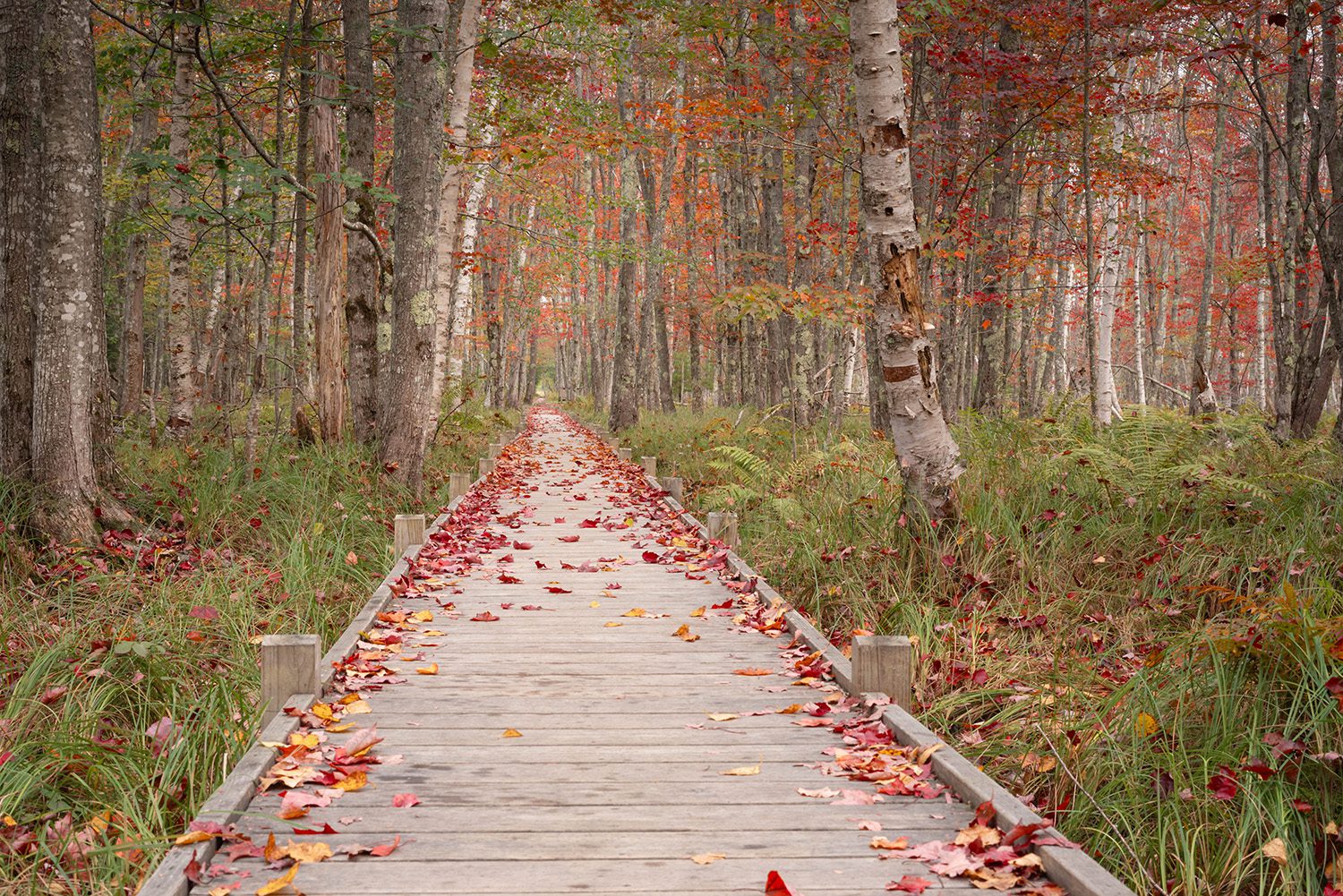
Acadia's mainland section offers a quieter coastal drive, hiking, bike routes, Schoodic Point, Frazer Point, and Schoodic Woods Campground. Plan roughly an hour or more to drive between this area and central Mount Desert Island.
Isle au Haut
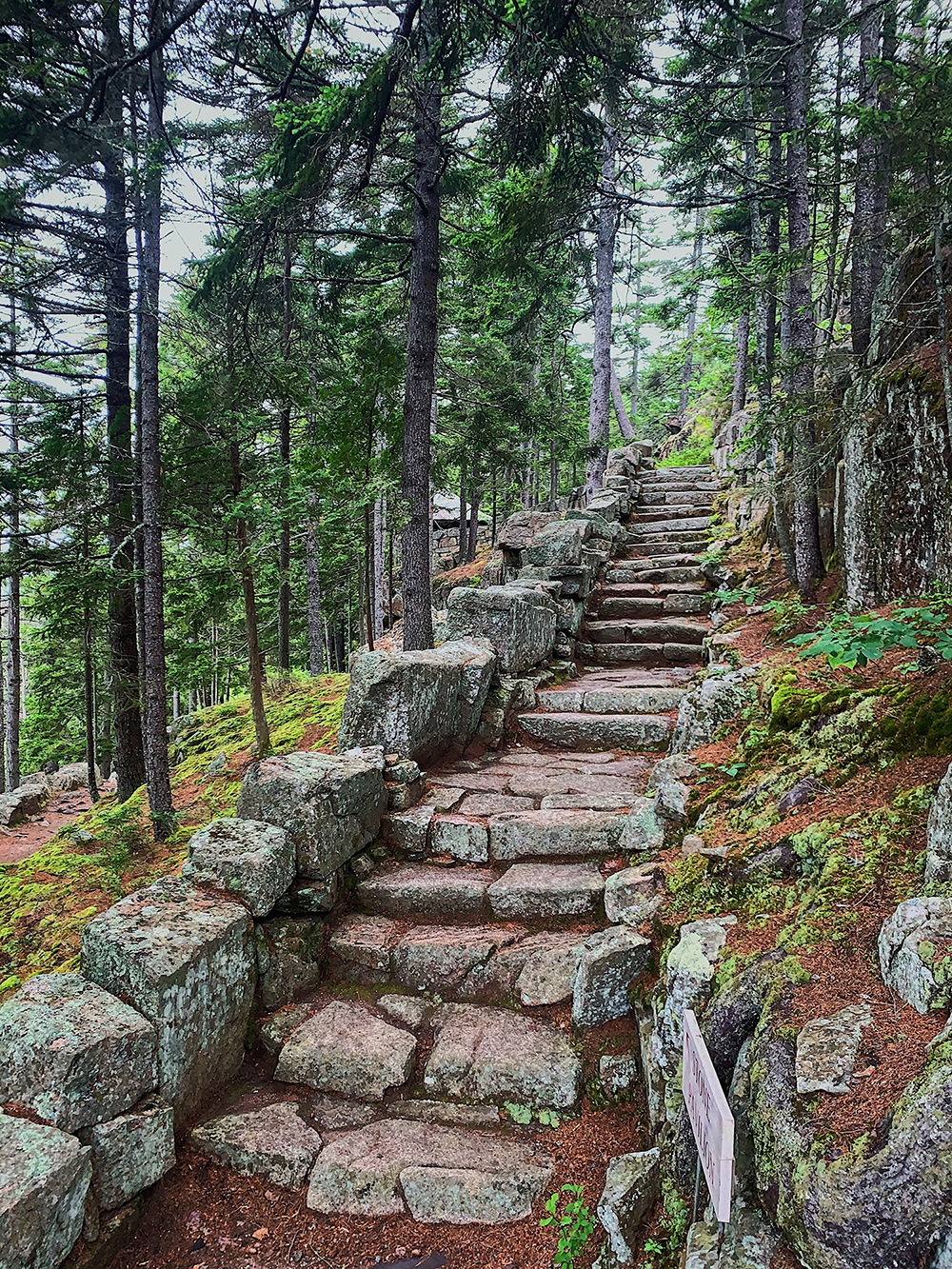
A remote island section of Acadia reached by boat from Stonington. Visitor numbers are limited, services are minimal, and Duck Harbor provides the park's small lean-to campground for travelers prepared for remote logistics.
Visitor Information
Visitor Centers and Information Stops
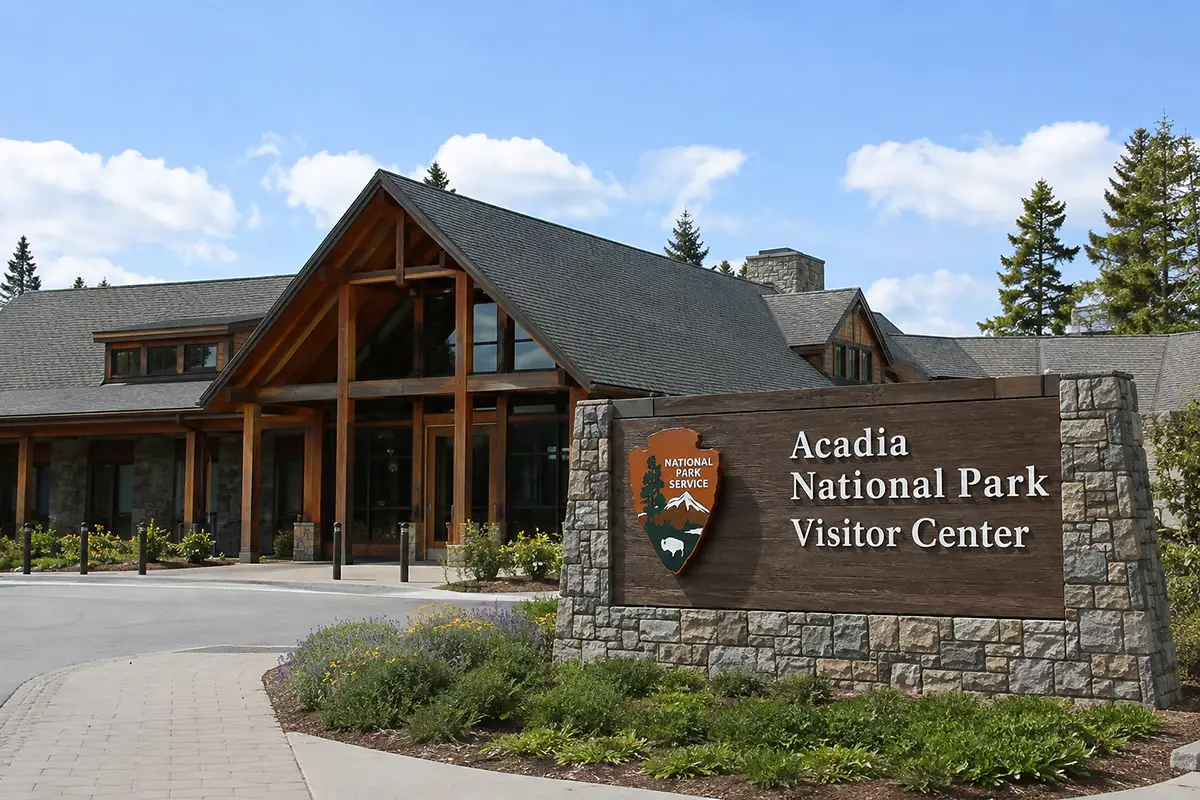
Visitor facilities are useful for checking trail closures, weather, road conditions, ranger programs, maps, accessibility information, and seasonal changes before you commit to a full day in the park.
Hulls Cove Visitor Center is a primary planning stop for visitors arriving on Mount Desert Island. Other information points and seasonal facilities operate throughout the park, so check current operating information when planning a spring, fall, or winter visit.
Check Park Alerts First
Trail closures, road work, weather events, seasonal operations, and wildlife management can change trip plans. Review current alerts before leaving your lodging or campground each morning.
Check current park conditionsExperiences
The Acadia Essentials
Start with the experiences that define a first visit, then use the rest of this guide to build hiking, camping, wildlife, coastal, and quieter park experiences around them.
Cadillac Mountain
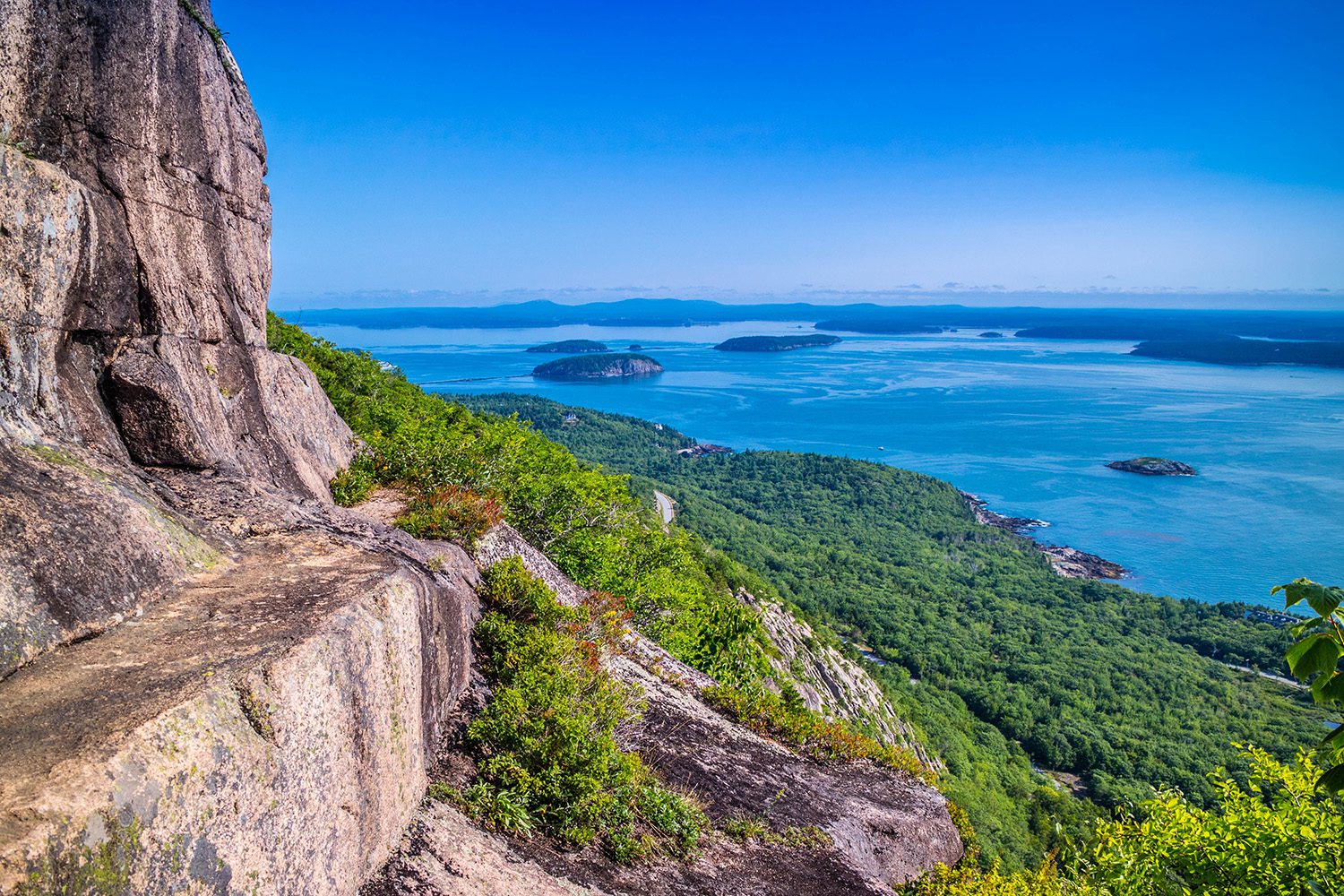
Drive with a seasonal reservation or hike to the summit for wide views over Mount Desert Island, surrounding islands, lakes, and the Atlantic coast.
Park Loop Road
The scenic loop connects many major Mount Desert Island destinations, including coastal viewpoints, Sand Beach, Thunder Hole, Jordan Pond, and access toward Cadillac Mountain.
Carriage Roads
Explore 45 miles of historic crushed-stone carriage roads by foot, bicycle, or carriage. They provide a quieter way to move through forests, around lakes, and across historic stone bridges.
Ocean Path & Thunder Hole
Walk the coastline between Sand Beach and Otter Point for granite cliffs, ocean views, Thunder Hole, Monument Cove, and easy access to several scenic stops.
Lakes, Ponds & Paddling
Acadia contains freshwater lakes and ponds as well as protected coastal waters. Kayaking, canoeing, and other water activities are possible in appropriate areas, but rules vary by body of water.
Tidepooling
Low tide reveals small coastal ecosystems along portions of Acadia's rocky shore. Time your visit around low tide and observe organisms without removing or disturbing them.
Stargazing
Dark coastal skies make Acadia a strong destination after sunset. Ocean overlooks and open areas can offer excellent night-sky views when weather and moonlight cooperate.
Ranger Programs
Seasonal ranger-led programs can cover natural history, geology, wildlife, cultural history, night skies, and family-focused activities.
Hiking Trails in Acadia National Park
Compare popular Acadia hikes by name, difficulty, and distance. Always check current trail conditions and closures before starting.
Trail Planning
What to Know Before Hiking in Acadia
Trail Difficulty Is More Than Mileage
Some of Acadia's short trails include steep granite, ladders, iron rungs, exposed ledges, and scrambling. Review the trail style as carefully as its mileage.
Carry a Map and Extra Layers
Weather can shift quickly. Carry water, snacks, a map, navigation backup, and clothing appropriate for changing coastal conditions.
Check Closures
Wildlife protection, maintenance, storms, and seasonal conditions can temporarily close trails. Review current park alerts before starting.
Stay Inside Acadia
Camping in Acadia National Park
Acadia has two developed campground areas on Mount Desert Island, a campground on the Schoodic Peninsula, and five lean-to sites on Isle au Haut. Campground location matters because each one creates a very different park itinerary.
Acadia National Park Campgrounds
Compare Acadia's campground areas by type, tent or RV fit, reservation style, and common amenities.
Transportation
Getting Around Acadia National Park
A car is useful for reaching the broader Acadia region, but driving everywhere is not always the easiest strategy during busy periods.
Island Explorer Shuttle
The fare-free Island Explorer operates seasonally and connects communities, campgrounds, trailheads, carriage-road entrances, and several major destinations on Mount Desert Island.
Park Loop Road
The scenic road system provides access to many east-side highlights but includes one-way sections and can become congested during peak visitation.
Bicycling
Acadia's carriage roads provide extensive automobile-free cycling opportunities, while Schoodic Peninsula also includes bicycle-friendly routes.
Parking
Popular trailheads and scenic stops can fill early. Consider an early start, shuttle access, or building nearby destinations into the same portion of your day.
Schoodic Travel Time
Schoodic Peninsula is geographically separate from Mount Desert Island. Treat it as a dedicated half-day or full-day destination rather than a quick side stop.
Isle au Haut
Isle au Haut requires boat transportation and considerably more planning than the drive-accessible sections of Acadia.
Accessibility & Pets
Planning for Different Visitors
Acadia includes accessible visitor facilities, scenic viewpoints, portions of trails and carriage roads, and other experiences that can work for visitors with different mobility needs. Accessibility varies significantly by location because much of the park is rugged natural terrain.
Pets are allowed in many areas of Acadia when properly restrained, but restrictions apply in places such as ladder trails, certain beaches, public buildings, public drinking water supplies, and the Isle au Haut campground.
Seasonal Planning
Best Time to Visit Acadia National Park
Acadia is open year-round, but access, weather, crowds, transportation, campgrounds, and visitor services change dramatically with the seasons.
Spring
Cooler and quieter, but seasonal roads, campgrounds, transportation, and facilities reopen gradually. Mud, lingering cold, and changeable weather can affect hiking.
Summer
The widest range of park services, hiking, camping, ranger programs, and transportation is generally available, but parking and popular destinations can be very busy.
Fall
Cooler hiking weather and changing foliage make autumn very popular. Expect continued demand for lodging, parking, and major attractions while seasonal services begin winding down.
Winter
Acadia remains open, but much of Park Loop Road closes to motor vehicles and many facilities are seasonal. Winter visitors should plan specifically for cold-weather access and recreation.
Wildlife Field Guide
Wildlife in Acadia National Park
Acadia's mix of spruce-fir forest, ponds, granite mountains, wetlands, islands, and Atlantic shoreline supports an unusually diverse range of wildlife. Birding is a particular strength, while deer, squirrels, porcupines, beavers, foxes, marine mammals, and tide-pool life reward visitors who slow down and look carefully.
Moose and black bears live in the broader region, but they are not animals visitors should expect to see regularly in Acadia. Moose sightings on Mount Desert Island are especially rare. Focus instead on the species and habitats that make Acadia consistently rewarding for wildlife watching.
Birds and Peregrine Falcons
Acadia has recorded more than 300 bird species. Look for warblers, loons, shorebirds, raptors, and peregrine falcons across forests, lakes, cliffs, and coastal habitats.
Forest Mammals
White-tailed deer and red squirrels are among the more visible mammals. Porcupines, beavers, foxes, otters, hares, bats, coyotes, and other mammals may also be encountered.
Marine Wildlife
Coastal waters support seals, porpoises, whales, seabirds, fish, and other marine life. Boat trips and patient viewing from appropriate coastal locations can expand what you see.
Tide-Pool Life
Low tide reveals small but fascinating marine ecosystems. Observe from stable surfaces, avoid stepping on organisms, and leave shells, plants, and animals where you find them.
Never feed, touch, pursue, or crowd wildlife. Use binoculars or a zoom lens, keep pets controlled, back away if an animal approaches, and respect temporary wildlife closures.
Review NPS Wildlife GuidanceKnow Before You Go
Acadia Safety and Responsible Travel
Weather Changes Quickly
Coastal weather, fog, wind, rain, and temperature swings can develop quickly. Bring extra layers even when the day begins warm and clear.
Stay Back from Rough Surf
Rocky shorelines can become dangerous during high surf and storms. Follow closures and warnings and do not assume dry granite will remain safe as conditions change.
Protect Tide Pools
Observe marine organisms without collecting them or walking through fragile tide pools. Low tide provides the best viewing window.
Respect Wildlife
Keep your distance from wildlife, never feed animals, secure food properly, and follow temporary closures established to protect nesting or sensitive species.
Leave No Trace
Stay on durable surfaces, pack out trash, follow campsite regulations, and leave natural and cultural objects where you find them.
Download Maps
Do not rely entirely on mobile service for navigation. Download maps and important trip information before entering areas with unreliable reception.
History & Culture
The Landscape and History of Acadia
Acadia's history is much older and broader than the creation of the national park. Indigenous history, private conservation, landscape design, roads, trails, communities, and major natural events all shaped the park visitors experience today.
Wabanaki Homeland
Mount Desert Island and the surrounding region are part of the homeland of Wabanaki peoples, whose relationship with the land and waters long predates the establishment of the national park and continues today.
Conservation and Park Creation
Concern about development on Mount Desert Island helped inspire private land conservation. Protected lands were eventually designated as a national monument, later a national park, and ultimately renamed Acadia National Park.
Historic Carriage Roads
John D. Rockefeller Jr. helped finance and shape an extensive carriage-road system designed to fit the landscape while allowing horse-drawn travel away from automobiles. The roads, stone bridges, and gatehouses remain defining features of Acadia.
Roads, Trails and Park Design
Engineers, landscape architects, craftspeople, conservationists, local workers, and earlier travel routes all influenced Acadia's distinctive network of hiking trails, motor roads, bridges, viewpoints, and visitor facilities.
The Fire of 1947
A major wildfire burned portions of Mount Desert Island and changed both natural and built areas of the park. Forests recovered over time while some park infrastructure was rebuilt or replaced.
Trip Questions
Acadia National Park FAQs
How many days should you spend in Acadia National Park?
Three to four days is a strong starting point for a first-time trip. It allows time for hiking, Park Loop Road, Cadillac Mountain, Jordan Pond, the coast, carriage roads, and at least one less-crowded area without packing everything into a single day.
Do you need reservations to visit Acadia?
A park entrance pass is required. A separate seasonal vehicle reservation is required to drive Cadillac Summit Road. Campgrounds also require advance reservations.
Can you visit Acadia without a car?
Yes. During its operating season, the Island Explorer provides fare-free transportation to many communities, trailheads, campgrounds, and popular park destinations. Walking and bicycling can also reduce the need for a car.
Can you camp anywhere in Acadia?
No. Camping is limited to designated park campgrounds and sites. General backcountry camping, roadside camping, and overnight parking are not allowed.
Is Acadia good for beginner hikers?
Yes. Acadia offers easy coastal walks, pond loops, carriage roads, and short trails as well as strenuous ladder and iron-rung routes. Choose hikes based on terrain and exposure, not mileage alone.
Are dogs allowed in Acadia National Park?
Pets are allowed in many parts of Acadia when properly restrained, but several areas prohibit pets, including ladder trails, some beaches and public facilities, public drinking-water areas, and Duck Harbor Campground.
What should first-time visitors not miss?
A balanced first visit usually includes Cadillac Mountain, part of Park Loop Road, Ocean Path or another coastal stop, Jordan Pond, at least one hike, and some time on the carriage roads.
Is Acadia open in winter?
Yes, the park remains open year-round, but much of Park Loop Road and many seasonal facilities close or operate differently in winter. Winter trips require a different transportation and recreation plan.
Keep Exploring
Plan Your Next National Park Adventure
Explore more National Park guides or browse camping and hiking gear for your next trip.